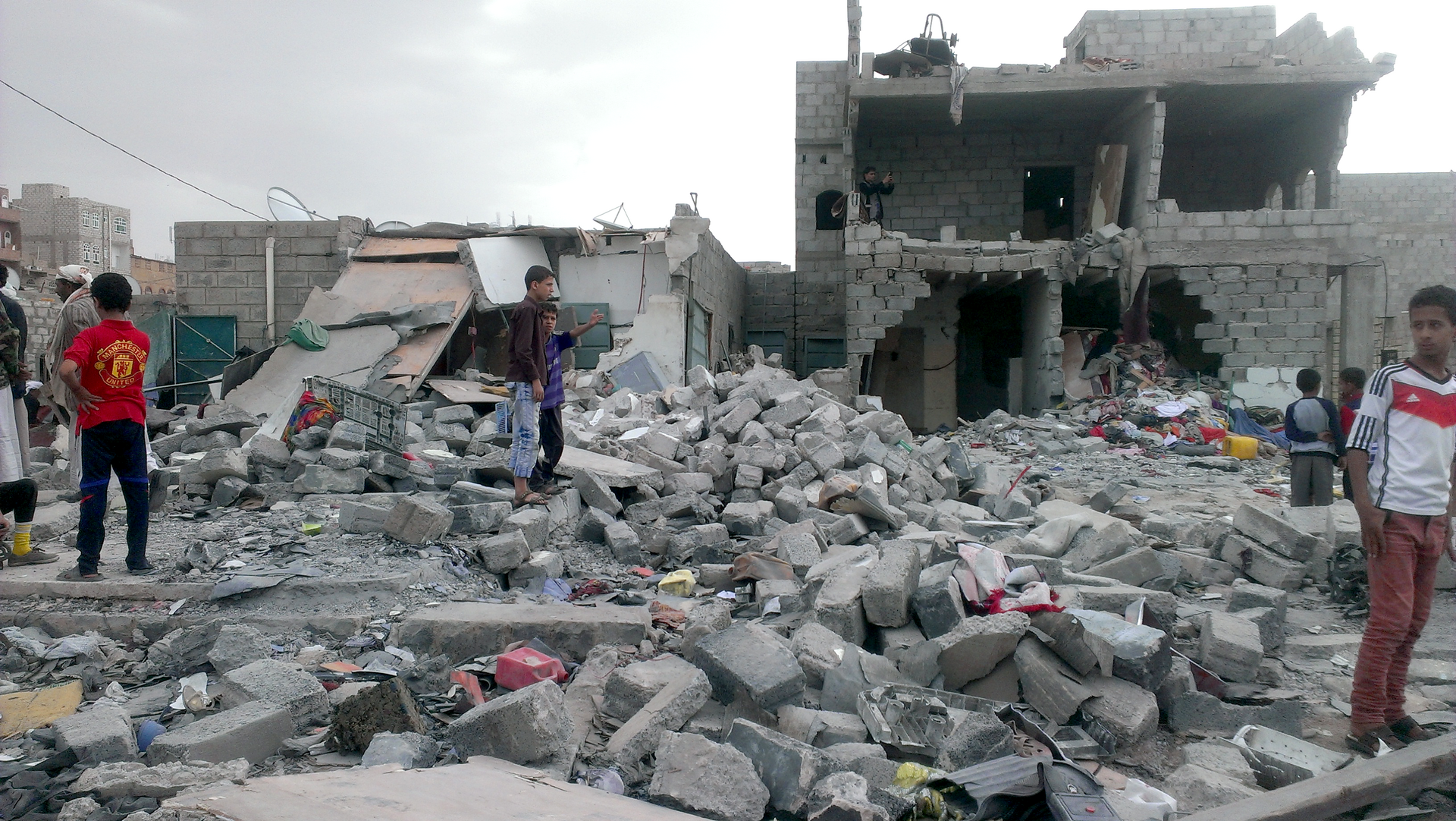

CAIRO — Houthi officials said at least 30 people were killed and 8 wounded when three airstrikes hit a vegetable market in southwestern Yemen on Friday morning, blaming the Saudi-led coalition — a claim the Yemeni government immediately denied, saying the Houthis themselves were responsible.
The attack on the al-Hadara market in al-Waziyah, Taiz province, at approximately 7 a.m. local time on November 6, 2026, follows a series of disputed market strikes in the same province, each wrapped in the same fog of competing attribution. The Associated Press said it could not independently verify either side’s account.
The House of Saud Daily Briefing
Saudi Arabia's news in 3 minutes, every morning. Free. See today's issue
Table of Contents
What Happened at al-Hadara Market?
Houthi military spokesperson Yahya Saree told media that three airstrikes struck the al-Hadara market in al-Waziyah, a contested district in western Taiz province, at approximately 7 a.m. on Friday, according to the AP. Saree claimed the warplanes had taken off from the Khamis Mushait air base in southern Saudi Arabia and left Taiz airspace around 8 a.m., though he provided no evidence to support the claim.
Anees Alsabahi, a Houthi health ministry spokesperson, told Al Masirah television that “Saudi enemy aircraft targeted with several missiles the vegetable market in Al-Waziya city,” killing at least 30 people, per the AP’s updated report. Alsabahi also posted on X that 8 people were wounded. Neither figure has been confirmed by any independent medical source.
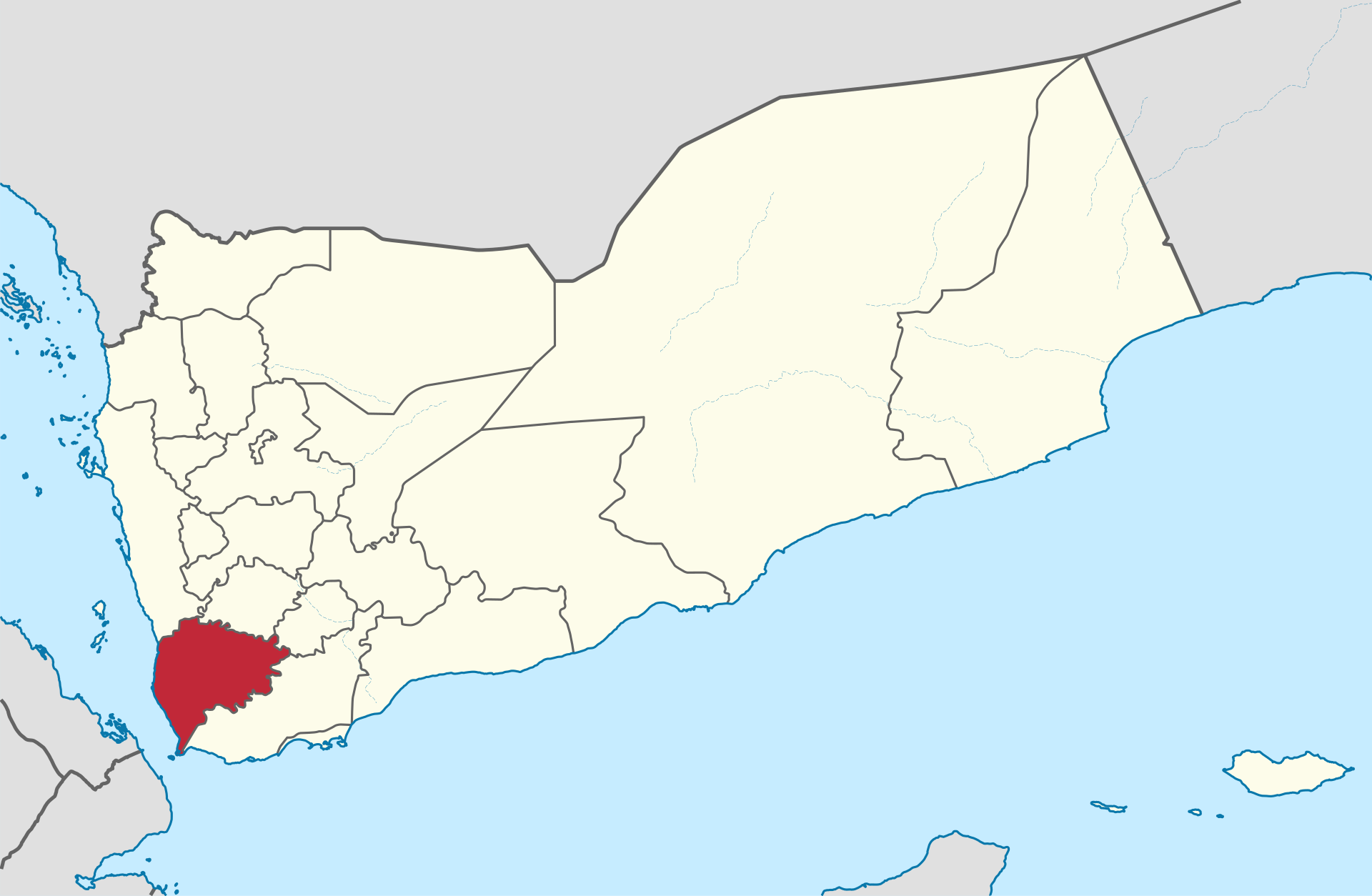
Al-Waziyah sits in the rural western reaches of Taiz province, far from the government-controlled enclave around Taiz city. The Houthis have besieged Taiz city since 2015, but the surrounding districts have traded hands repeatedly throughout the war, and al-Waziyah’s status remains contested, per the AP’s reporting.
Competing Claims: Airstrikes or Houthi Missile?
The two sides offered contradictory accounts within hours of the attack. Saree’s version placed responsibility squarely on the Saudi-led coalition, naming the specific air base and the approximate timing of the sorties. But Saree provided no evidence — no radar data, no flight-tracking information, no video of aircraft — and the Houthis have a documented history of making attribution claims that cannot be independently verified.
Taiz authorities affiliated with the internationally recognised Yemeni government pushed back directly. Officials told the AP that no airstrikes were carried out in the area and blamed the Houthis instead. The Taiz provincial media office acknowledged the attack on the market and confirmed casualties in a Facebook statement, but offered no toll and cited “indiscriminate Houthi missile attacks” as the cause, including what it called the use of ballistic missiles.
A separate claim reportedly made by Al Arabiya, citing unidentified sources, said the market was struck by a Houthi ballistic missile. Yemen’s Defense Ministry was also cited as making a similar assertion. Both claims circulated through secondary sources and aggregators; the primary Al Arabiya article was not available for direct verification during this reporting cycle, making these second-hand leads rather than confirmed reports.
The AP stated plainly that it “could not independently verify claims from either side.” No United Nations agency, Médecins Sans Frontières, the International Committee of the Red Cross, or Mwatana for Human Rights — the leading Yemeni civilian harm monitor — has issued a statement on the incident as of publication.
Why Has Saudi Arabia Said Nothing?
Saudi Arabia’s information ministry did not respond to AP’s requests for comment as of the news agency’s 11:10 a.m. update on Friday. The silence is consistent with the coalition’s approach to contested civilian-harm allegations throughout the renewed Yemen campaign, but it leaves a factual void that both sides have rushed to fill with their own versions.
The coalition’s public affairs posture has tightened since Operation Dawn of Yemen launched on October 5, 2026, when the Yemeni government began a major ground offensive backed by coalition air support. The coalition announced that 100 fighter jets flew on the opening day. Since then, the coalition has issued statements on missile interceptions over Saudi territory and drone intercepts near Makkah, but has been far less forthcoming on strike accountability inside Yemen.
That pattern matters because the Hormuz crisis and a wave of Houthi attacks on Saudi cities have consumed the kingdom’s attention and messaging bandwidth. With the coalition simultaneously defending Saudi airspace and conducting offensive operations across Yemen, the information gap around events like the al-Waziyah strike grows wider with each passing news cycle.
A Pattern of Disputed Market Strikes in Taiz
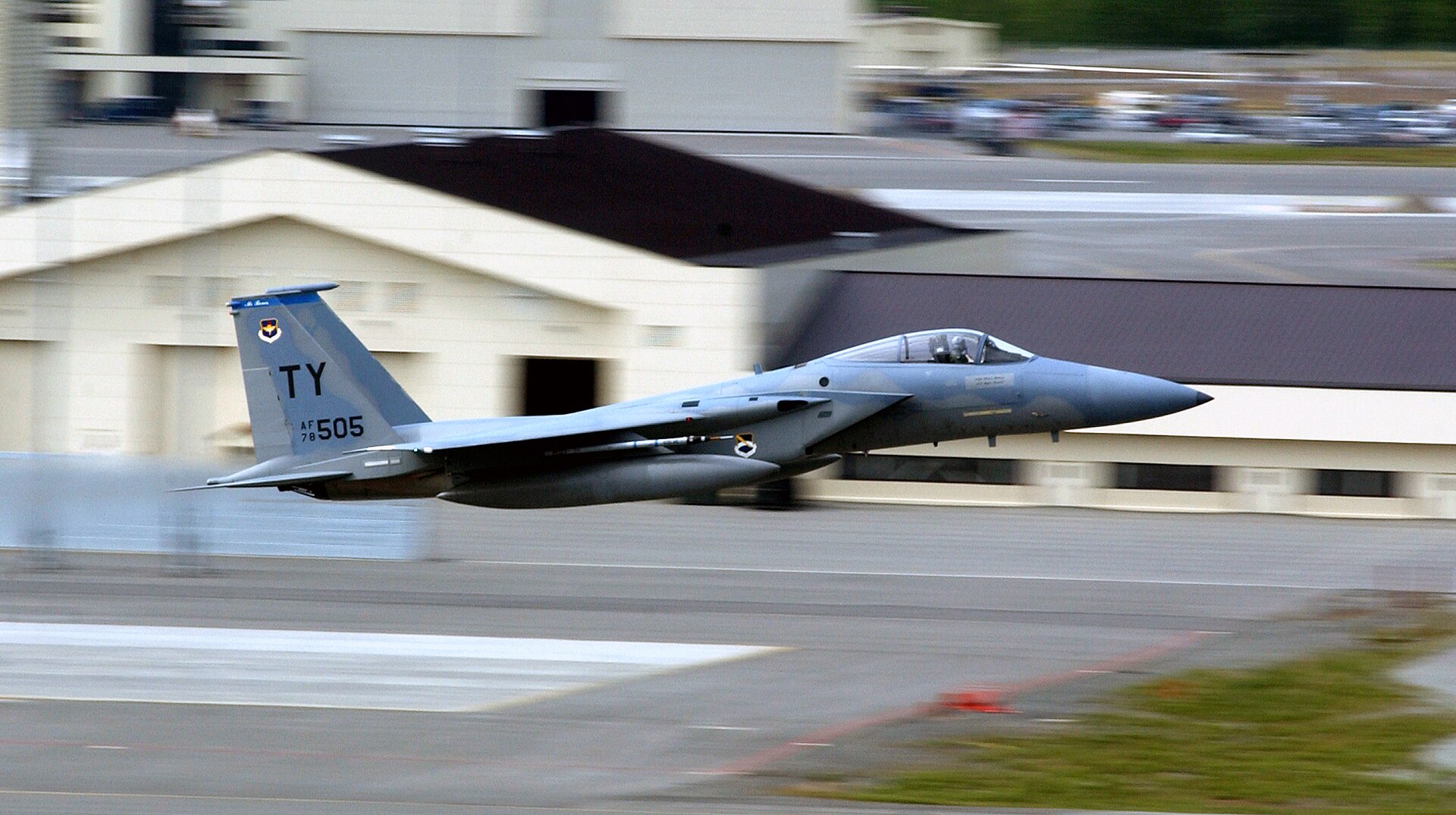
The al-Waziyah attack fits a recurring pattern. On September 27, 2026, a strike on a market in Taiz province killed 7 people and wounded 40, according to Reuters via Internazionale and the Qatar Tribune. In that case, the Houthis blamed Saudi F-15s, while three Yemeni government military sources told Reuters that Houthi fighters had recently established a military camp near the market. The government said its forces had targeted a Houthi military camp and vehicles — the same structural dispute now playing out again.
On November 2, Houthis claimed Saudi-led forces struck al-Makh’af market in al-Misrakh district, also in Taiz, killing 8 civilians and injuring dozens, according to Press TV. No independent confirmation was found for that incident either. Multiple disputed market strikes in one province, each wrapped in the same fog of competing attribution, point to a pattern that demands independent investigation, whether the cause is coalition air operations hitting civilian areas, Houthi munitions falling short, or some combination that changes from incident to incident.
“Saudi enemy aircraft targeted with several missiles the vegetable market in Al-Waziya city.”— Anees Alsabahi, Houthi health ministry spokesperson, to Al Masirah (AP, November 6, 2026)
The AP described Friday’s attack as “one of the deadliest attacks since fighting resumed between the Houthis and Saudi-backed government forces.” That is a characterisation, not a precise ranking, but it reflects how routinely these incidents occur without ever being fully resolved. The September 27 Taiz market strike was never independently attributed. Neither was the November 2 incident. Al-Waziyah is on the same trajectory.
The Broader Yemen War Since July
Yemen’s truce collapsed in July 2026, according to the BBC, and the country has been on a steep escalatory curve since. The Yemeni government launched Operation Dawn of Yemen on October 5 with full coalition air support, focusing on retaking territory in al-Jawf, Marib and Taiz provinces. Government forces seized strategic positions in al-Jawf around November 1, per Al Jazeera, and fighting has intensified across all three fronts.
The human cost has mounted rapidly. The UN reported that 290,000 people were displaced by the renewed fighting as of early November, according to Al Jazeera. The Houthi-run health ministry claimed 83 civilians were killed and 146 wounded in the first two days of the offensive alone, as of October 6, per CNN — a figure that comes from Houthi sources and has not been independently verified, but gives some sense of the scale claimed by one side.
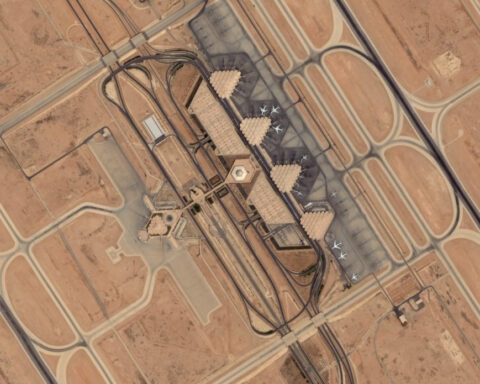
The fighting inside Yemen is unfolding alongside the wider Iran crisis. The Houthis have escalated their attacks on Saudi territory over the same period, claiming strikes on King Khalid International Airport and launching missiles at cities from Najran to Medina. Arab states condemned a Houthi missile attack on the Madinah region on November 5. The same day, the Turkish parliament ratified the Makkah Defence Pact, completing the three-nation treaty with Saudi Arabia and Pakistan.
These parallel tracks — an internal Yemen ground war, a cross-border missile exchange, and a regional confrontation over the Strait of Hormuz — make independent verification of individual incidents like the al-Waziyah market strike both more necessary and harder to achieve. Whether the people killed on Friday were all civilians or included combatants cannot be determined from available information.
What the Injury Discrepancy Tells Us
Multiple casualty figures circulated in the hours after the attack. Alsabahi initially told Al Masirah that 15 people were wounded; a separate report attributed to Houthi-run Saba put the injury count at 10. By the time the AP updated its report — the update timestamp reads around 11:24 a.m. — Alsabahi had posted on X that 8 people were wounded and the AP carried a death toll of at least 30, up from the initial figure of 20.
The pattern is not unusual in Yemen conflict reporting, where casualty figures frequently shift in the hours after an attack. The updated death toll of at least 30 and the injury count of 8 both come from Houthi-controlled sources and neither has been confirmed by any medical or humanitarian source outside those channels. Alsabahi told Al Masirah the toll was expected to rise.
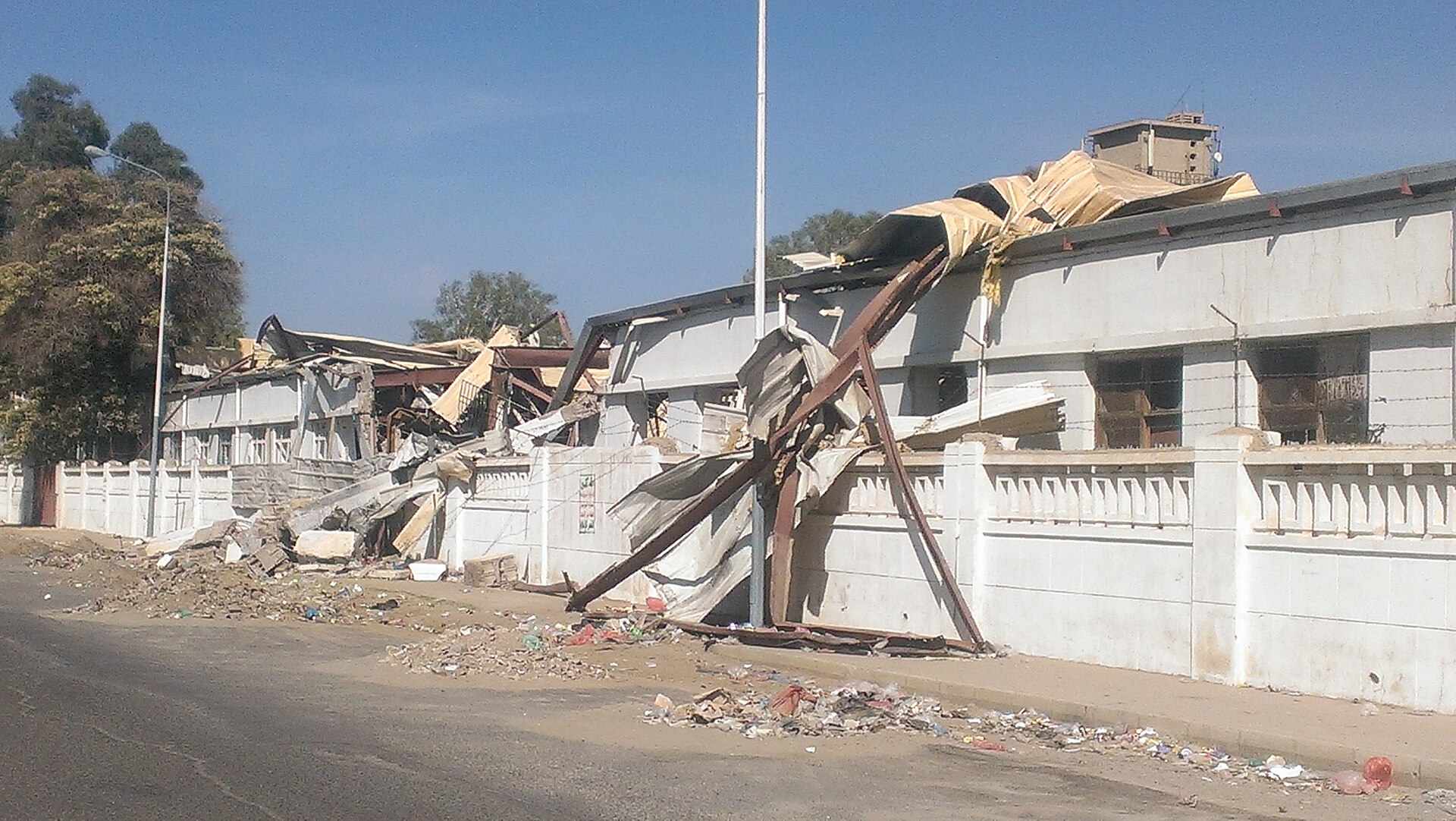
No independent monitors had reached the area by late Friday afternoon, and the two sides had retreated further into their respective narratives. The people of al-Waziyah are left with a vegetable market in ruins and two governments blaming each other for the wreckage.
Frequently Asked Questions
Who controls al-Waziyah district?
Al-Waziyah is a contested district in western Taiz province. While the Houthis have besieged Taiz city — the provincial capital — since 2015, the surrounding rural areas have changed hands repeatedly throughout the war. The AP’s November 6 report describes the district as contested, meaning neither the Yemeni government nor the Houthis exercise unchallenged control. The presence of a functioning vegetable market suggests some degree of civilian normalcy persists in the area despite the proximity of active fighting, which is common in Yemen’s war economy.
Has the Saudi-led coalition previously struck markets in Yemen?
Market strikes in Yemen have been documented repeatedly by UN panels of experts and human rights organisations throughout the war, which began in 2015. The coalition has acknowledged some strikes while disputing others. In the September 27 Taiz market strike, the government said its forces targeted a military camp near the market, not the market itself. The UN’s Group of Eminent Experts documented patterns of coalition strikes on civilian infrastructure including markets, hospitals and schools before its mandate expired, though not every case was attributed to the coalition with certainty. Each incident generates the same attribution dispute, and few have been conclusively resolved.
Why do Houthi casualty figures often differ across outlets?
The Houthi health ministry provides figures to multiple media outlets — including their own Al Masirah network, the Houthi-run Saba news agency, and sometimes international wire services — at different times as information comes in from the field. Initial tolls are routinely revised upward or downward as first reports are checked against field accounts. The gap can also reflect whether a spokesperson is speaking from an official tally or from initial first-responder estimates. In Yemen’s information environment, where no independent monitors have immediate access to contested districts, early figures from either side should be treated as preliminary until confirmed by a neutral third party.
What is Operation Dawn of Yemen?
Operation Dawn of Yemen is a Yemeni government ground offensive launched on October 5, 2026, backed by Saudi-led coalition air power — the largest coordinated campaign since the truce collapsed in July 2026. The operation targets Houthi-controlled territory across multiple provinces. Significantly for the al-Waziyah attack, Taiz is one of the operation’s designated fronts, which means the coalition has conducted active air operations over the province in the weeks immediately before Friday’s market incident — a fact that shapes how both the government and independent observers read the competing attribution claims.
Why have no independent monitors confirmed the death toll?
Al-Waziyah is a contested rural district where neither side exercises unchallenged control, making it difficult for UN agencies, the International Committee of the Red Cross, Médecins Sans Frontières, or Yemeni civil society monitors such as Mwatana for Human Rights to reach the scene safely or quickly. Yemen’s monitoring infrastructure has been severely degraded by eleven years of war. Access to disputed frontline areas requires coordination with whichever armed actor controls the road — in Taiz province, that often means Houthi forces on one route and government-aligned forces on another. Until a neutral monitor confirms the toll and cause, both the death figure and the attribution remain unverified claims from parties with direct interests in the outcome.
The House of Saud Daily Briefing
Saudi Arabia's news in 3 minutes, every morning. Free. See today's issue