
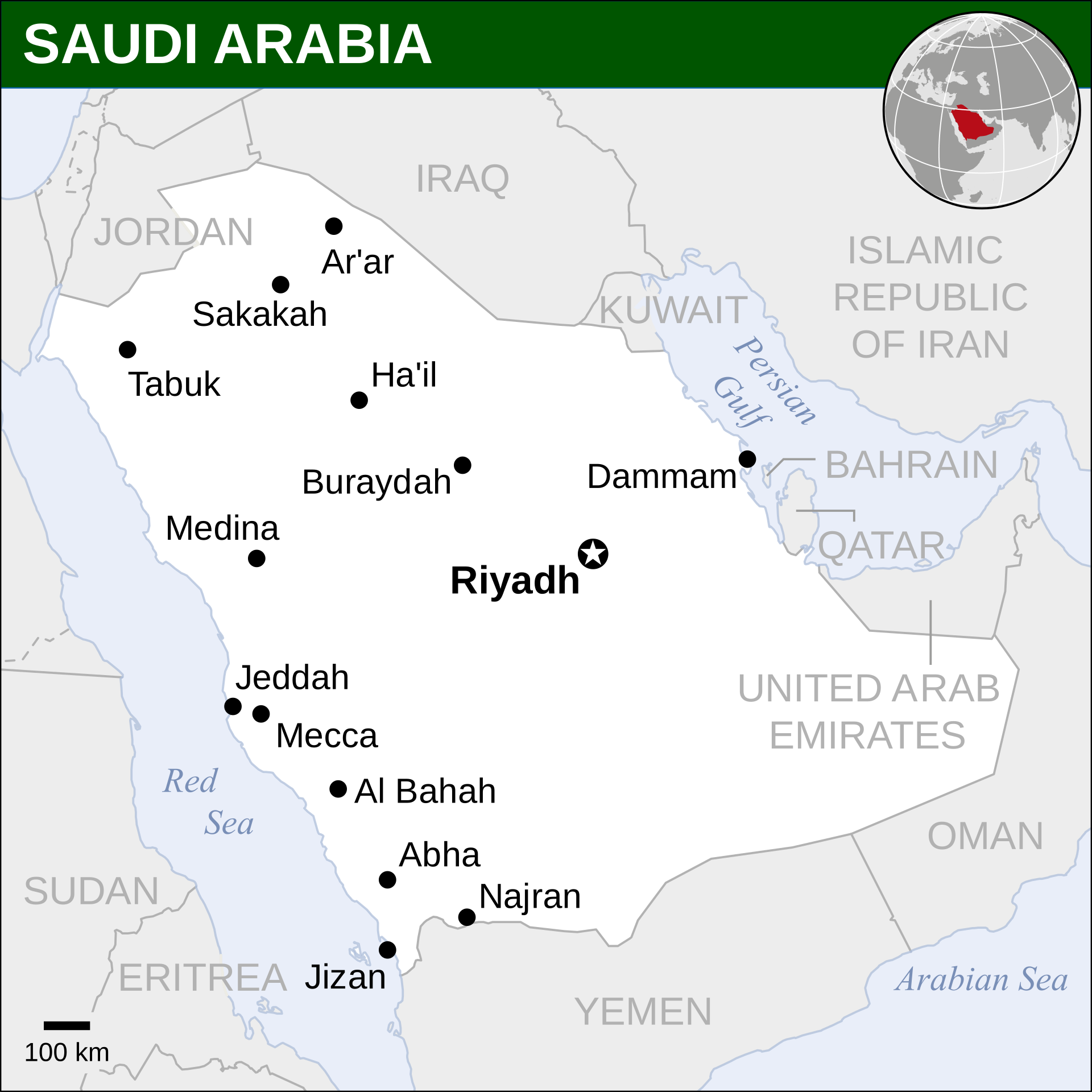
DHAHRAN — Saudi coalition air defences intercepted and destroyed a drone over the Eastern Province on Thursday, coalition spokesman Maj. Gen. Turki al-Maliki announced, in a separate incident from a ballistic missile the coalition shot down over the Medina region the same day. The coalition gave no specific location within the province and did not attribute the drone to any group, according to Anadolu Agency and The Peninsula Qatar.
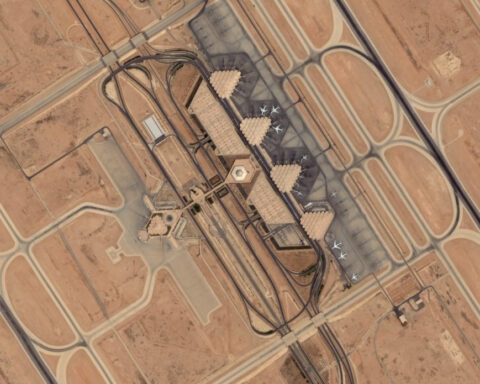
The Eastern Province hosts Saudi Arabia’s largest concentration of oil infrastructure — Aramco’s Ras Tanura refinery, the Abqaiq crude-processing complex, the company’s Dhahran headquarters and King Fahd International Airport in Dammam. The intercept is the latest in a series of aerial threats to the province, where the Houthis claimed ballistic missile strikes on Ras Tanura and Abqaiq on October 29 and where two people were killed near Aramco’s Shaybah field after a drone was intercepted on October 21. No casualties or damage were reported from Thursday’s intercept.
The House of Saud Daily Briefing
Saudi Arabia's news in 3 minutes, every morning. Free. See today's issue
Table of Contents
What Did the Coalition Say About the Eastern Province Drone?
The coalition confirmed the interception in a brief statement carried by Anadolu Agency and The Peninsula Qatar on November 5. Al-Maliki said Saudi air defences had “intercepted and destroyed a drone over Saudi Arabia’s Eastern Province,” according to Anadolu Agency. No time for the intercept was given. No sub-location — city, facility or military base — was identified in the announcement.
No ground alert or civil-defence notification for the province was mentioned in available reporting. No casualties or damage were reported, Anadolu Agency noted. The statement did not identify the drone’s type, range or flight path.
The brevity contrasts with the coalition’s handling of the Medina missile the same day, where al-Maliki named “the terrorist Houthi militia” as the source. It also contrasts with the coalition’s July response to drones over the Eastern Province: in late July, Saudi Arabia intercepted drones from Iraq aimed at Eastern Province oil facilities and blamed “terrorist militias affiliated with Iran,” according to Gulf Times and QNA. In that case, smoke was visible at Abqaiq.
The Same-Day Medina Intercept
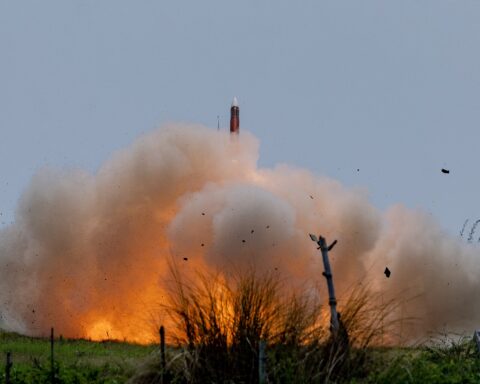
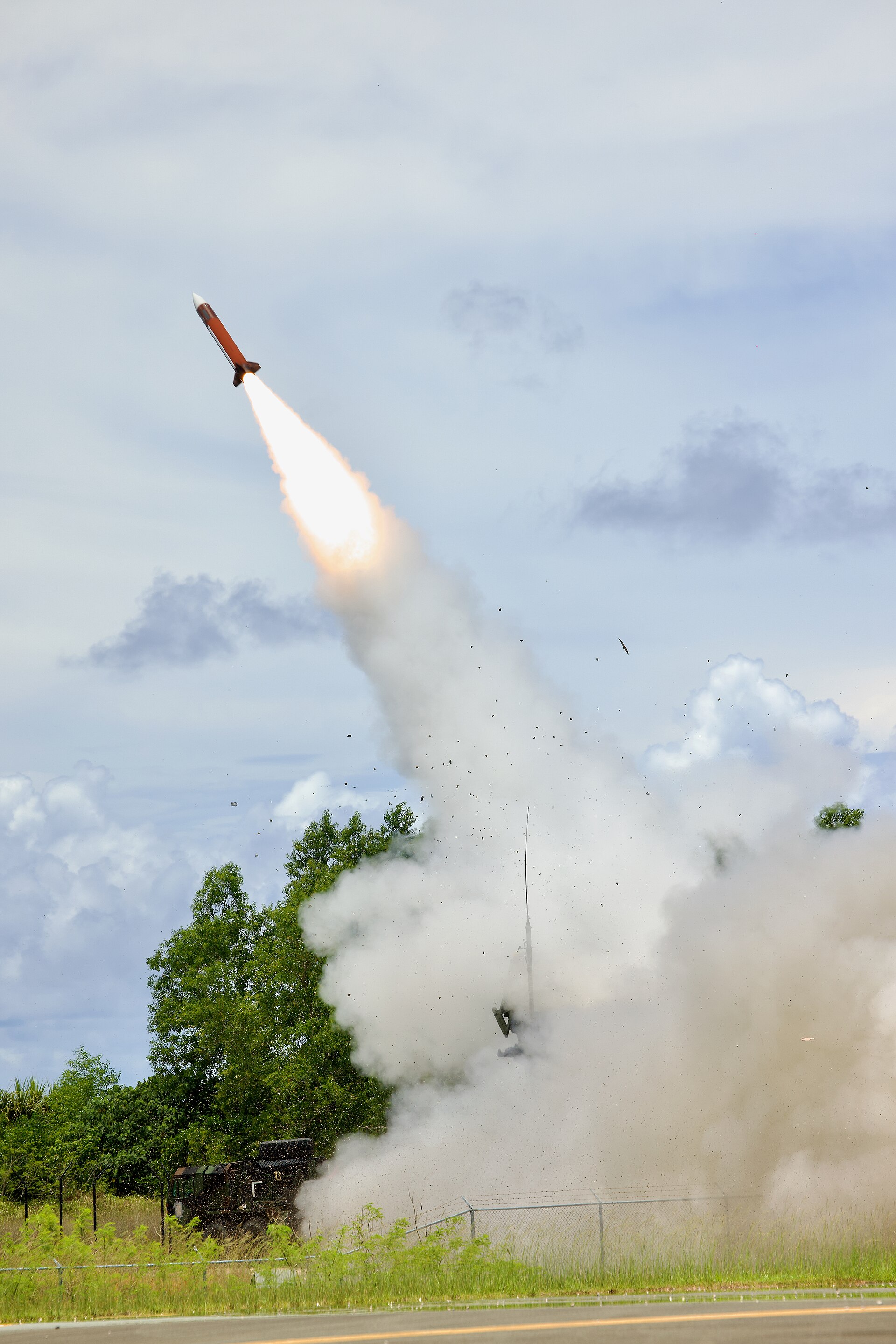
Earlier on Thursday, al-Maliki posted on X that coalition air defences had “intercepted and destroyed a ballistic missile launched by the terrorist Houthi militia toward the Medina region,” France 24 reported. The coalition also issued an alert for Yanbu connected to the Medina-area intercept — a pattern consistent with recent weeks, when missile interceptions over the Hejaz have been accompanied by coastal warnings for Yanbu, which hosts a major Aramco export terminal and French military air-defence assets deployed in September.
The two intercepts — one in the western Hejaz, one in the eastern oil belt — took place on a day when the US midterm elections dominated Washington’s attention and Iran-US diplomatic tension over the Strait of Hormuz remained unresolved. Iran’s IRGC had claimed that two tankers and a tugboat caught fire in Hormuz earlier that day. Democrats won both chambers of Congress, a result with implications for war-powers authority over Iran. President Trump had said on October 8 that the US “will not be attacking Iran at any time prior to the midterm elections,” according to The National. That moratorium has now passed, and with it the diplomatic freeze that had held since late September.
The geographic spread matters. The Medina region contains Islam’s second-holiest city and carries political weight that extends well beyond military calculus. The Eastern Province contains the infrastructure that funds Saudi Arabia’s defence. Aerial threats reaching both zones on the same day illustrate a breadth of pressure that Saudi air defences have contended with almost daily since late October.
Why Did the Houthis Deny the Medina Attack?
Houthi military spokesman Yahya Saree denied the group had fired a ballistic missile at Medina on November 5. The Sunday Guardian reported Saree as saying the Houthis’ attacks are “limited to military and oil targets.” No verbatim quote from Saree’s November 5 statement was available in English-language reporting.
His denial addressed the Medina missile only. No available source shows Saree commenting on the Eastern Province drone intercept — an omission that leaves the drone’s origin open.
The denial fits a pattern that has held since September. In mid-September, Saree said the Houthis’ operations targeted Saudi oil facilities and military bases far from the sacred sites, CNN reported. On November 3, he called the coalition’s claim of intercepting a drone over the Makkah region “a slanderous and recycled lie,” according to AFP via Life News Agency.
The Houthis’ information-war strategy has been consistent: claim responsibility for strikes on military bases, airports and oil infrastructure, while denying any targeting of Mecca or Medina. On November 3, Saree simultaneously claimed drone and missile strikes on Abha Airport and Khamis Mushait while denying all coalition claims of Makkah-region interceptions. Whether a weapon aimed at one target can stray over another — or whether the coalition misidentifies the intended target — is a question neither side has addressed publicly.
The Eastern Province Oil Corridor
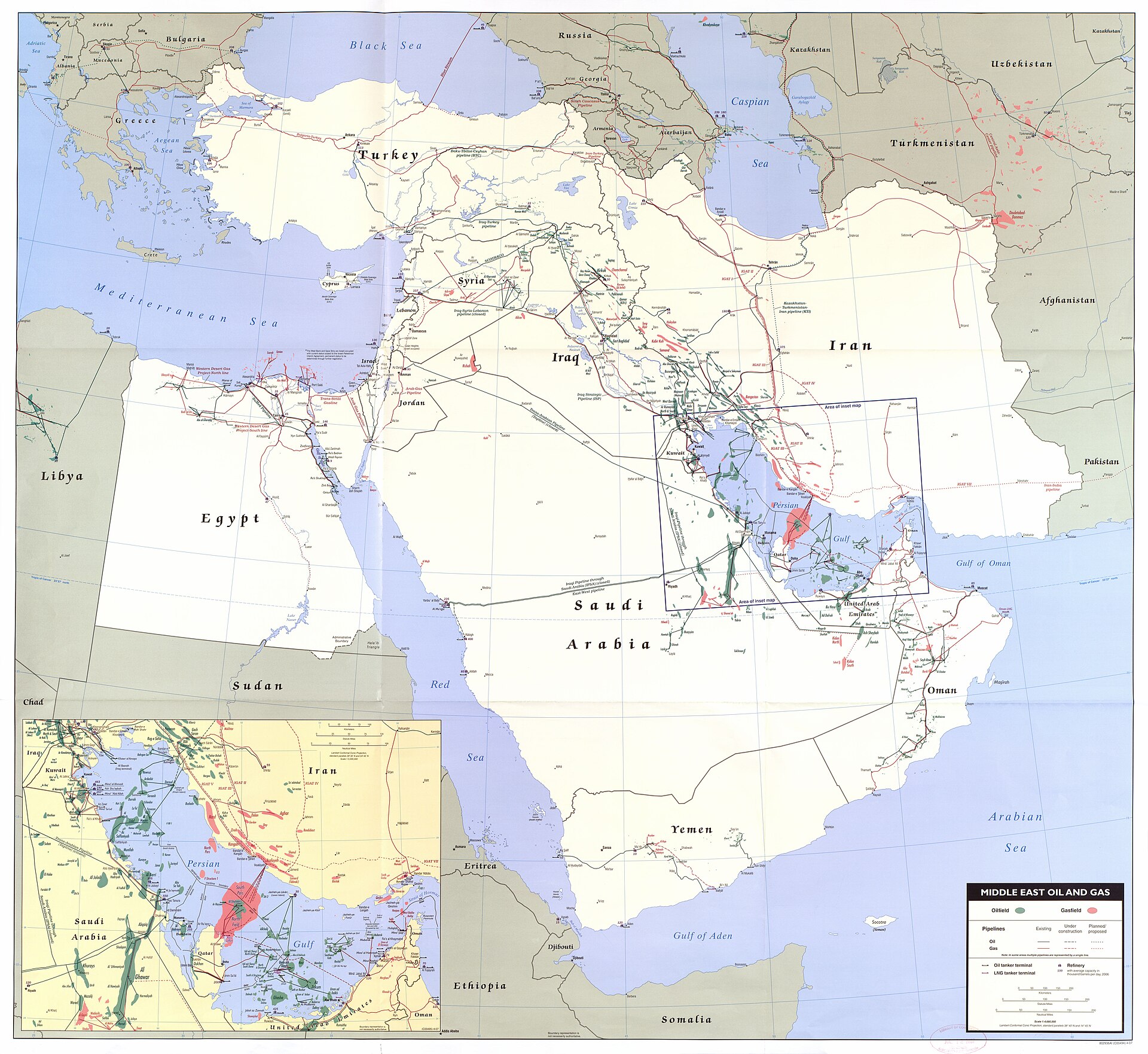
The Eastern Province is where Saudi Arabia’s oil wealth is extracted, processed and shipped. Aramco’s Ras Tanura refinery — the kingdom’s oldest and one of its largest — processes 550,000 barrels per day and receives feedstock from the Abqaiq crude-processing complex, according to MEED. Dhahran hosts Aramco’s corporate headquarters, where a fire was confirmed on October 13. Dammam serves as the province’s commercial and transportation hub, with King Fahd International Airport and one of the Gulf’s busiest seaports. Jubail, on the Gulf coast, is the kingdom’s largest industrial city.
The Houthis have targeted this corridor repeatedly. On October 29, they claimed three ballistic missile strikes on Ras Tanura and Abqaiq, plus a drone aimed at Dammam’s King Fahd International Airport, according to FX Street. On November 2, the Houthis claimed two drones targeted Dammam Airport; Saudi Arabia did not confirm that attack. On October 21, Saudi Arabia announced that two people were killed near Aramco’s Shaybah oilfield after a drone was intercepted.
The cumulative pressure on the Eastern Province’s oil corridor has had measurable effects. Saudi oil exports fell to an estimated 5.52 million barrels per day in October, according to Kpler, with both the Hormuz shipping route and the East-West pipeline corridor to Yanbu degraded by attacks and blockade. The East-West pipeline, with a design capacity of about 7 million barrels per day, was shut as a precaution on September 11 and restarted on September 22, but Aramco warned full capacity could take six weeks or more, Reuters reported. Aramco reported $36.25 billion in Q3 profit, but the Saudi government’s revised 2026 deficit estimate rose to 245 billion riyals, according to Reuters via Zawya.
Does the Makkah Pact Cover Multiple Fronts?
The Makkah Defence Pact — signed by Saudi Arabia, Turkey and Pakistan — was activated on October 5 when its Strategic Political and Defence Committee agreed to “collective deterrence measures” and to deploy military forces to Saudi Arabia, Iran International reported. Syria has been in negotiations to join, Al Jazeera reported on October 31.
A month into activation, the pact faces a basic operational question: whether its framework can address multiple simultaneous threat axes. The Houthis have struck or targeted the western coast (Yanbu, Jeddah), the central plateau (Riyadh), the southern border zone (Abha, Khamis Mushait, Jizan) and the eastern oil belt — four distinct geographic fronts. Thursday’s interceptions in both the Medina region and the Eastern Province illustrated the width of the problem in a single day.
Neither Turkey nor Pakistan has conducted offensive operations against the Houthis since the pact’s activation, Responsible Statecraft noted. Pakistan has approximately 8,000 troops in Saudi Arabia, according to Reuters. Turkey’s parliament has not ratified the agreement, Al Jazeera reported. The pact provides no mechanism for automatic joint action — a gap analysts have flagged as the Houthis’ tempo of attacks has outpaced the coalition’s diplomatic response. Crown Prince Mohammed bin Salman appealed to President Trump twice in September for US strikes on the Houthis; both were declined, Axios reported. Britain deployed an RAF Voyager tanker in September, The National reported, while France sent troops, radars and air-defence systems to Yanbu, according to Al Jazeera. The US approved a proposed $24.3 billion sale of 48 F-35A jets in September, according to The Aviationist, though the deal awaits congressional review.
Unattributed Intercepts and the Daily Tempo
The coalition’s decision not to attribute Thursday’s Eastern Province drone fits a pattern that has recurred across the kingdom. On November 4, three drones intercepted near the Makkah region went unattributed, according to Asharq Al-Awsat. On October 24, the coalition intercepted a drone over the Eastern Province alongside a Houthi missile targeting Riyadh — the drone’s origin went unnamed, Kuwait Times reported. On October 18, Saudi Arabia said it intercepted four drones over Riyadh, the Eastern Province and southern regions, according to News On AIR.
The absence of attribution may reflect incomplete intelligence, a desire to manage escalation, or uncertainty about which actor in a multi-front conflict launched a specific weapon. The Houthis, Iran-backed militias in Iraq and Iran’s own forces have all been identified as aerial threats to Saudi Arabia at different points in 2026. The coalition has not explained its attribution criteria publicly.
What the tempo itself conveys is unambiguous. Since late October, the coalition has announced interceptions on nearly every day — drones and ballistic missiles across the kingdom’s southern, western and eastern flanks. Airport strikes between October 6 and 11 killed at least 21 people, according to BBC tallies compiled from GACA statements — the deadliest sequence since the current escalation began. The Houthis’ demonstrated reach has extended from their traditional targets in the southern border provinces to Riyadh’s King Khalid International Airport, the Makkah and Medina holy regions, and the Eastern Province oil corridor. For residents and travellers, GACA has issued rolling flight advisories at multiple airports.
Frequently Asked Questions
Did the Houthis claim responsibility for the Eastern Province drone?
No. As of Thursday evening, the Houthis had not claimed the November 5 Eastern Province drone, and the coalition did not attribute it to any group. The Houthis’ most recent Eastern Province claims were on October 29, when they said they had fired three ballistic missiles at Ras Tanura and Abqaiq and a drone at Dammam’s King Fahd International Airport, FX Street reported.
What air-defence systems does Saudi Arabia use against drones?
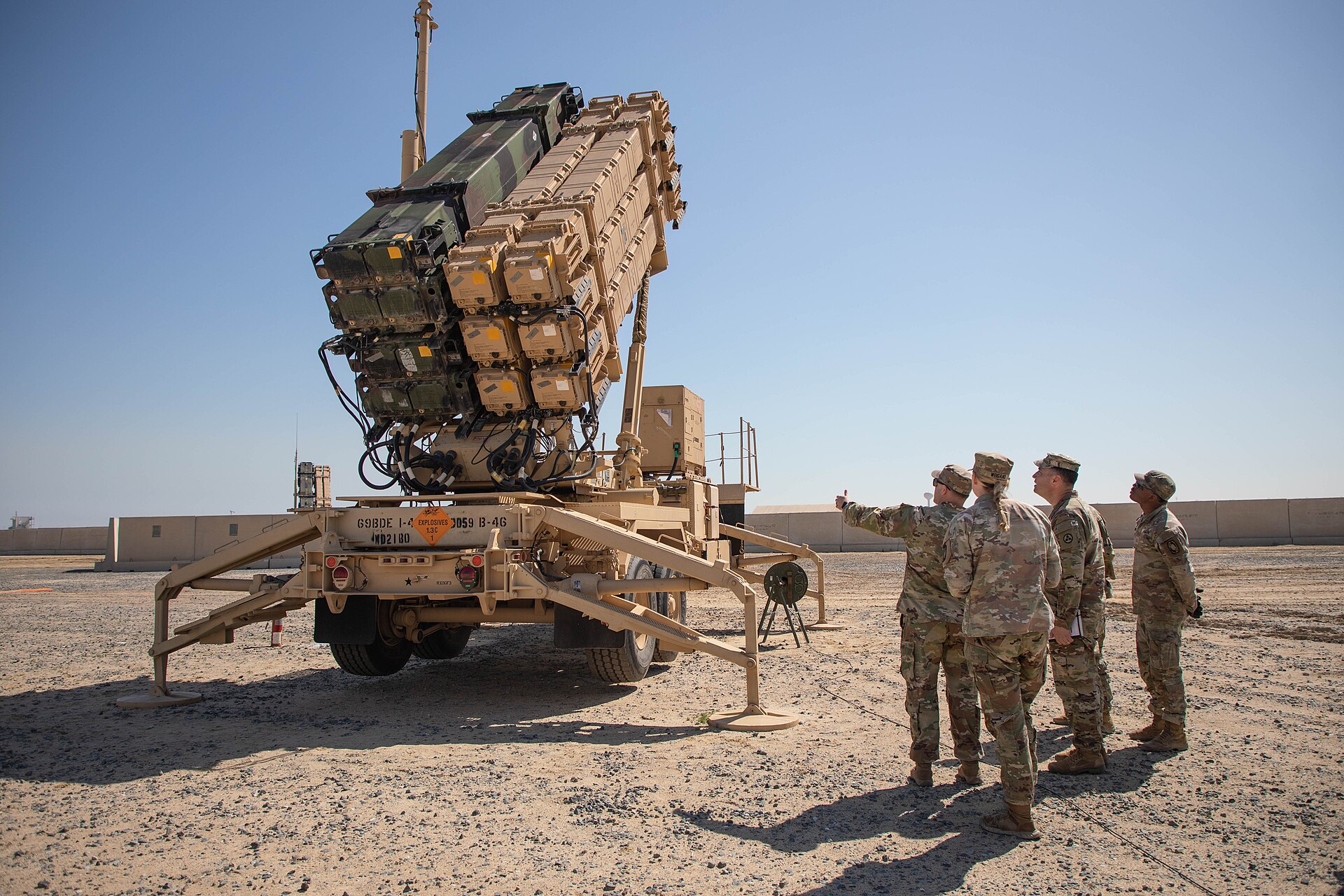
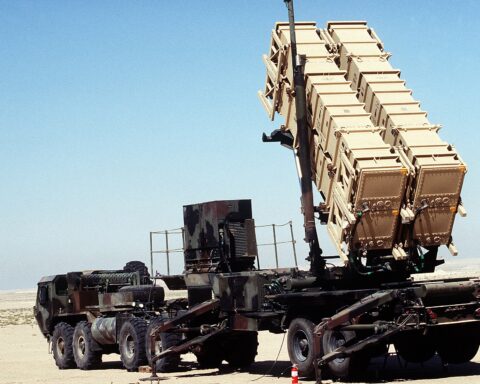
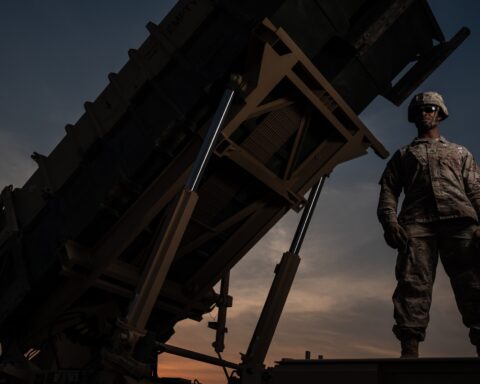
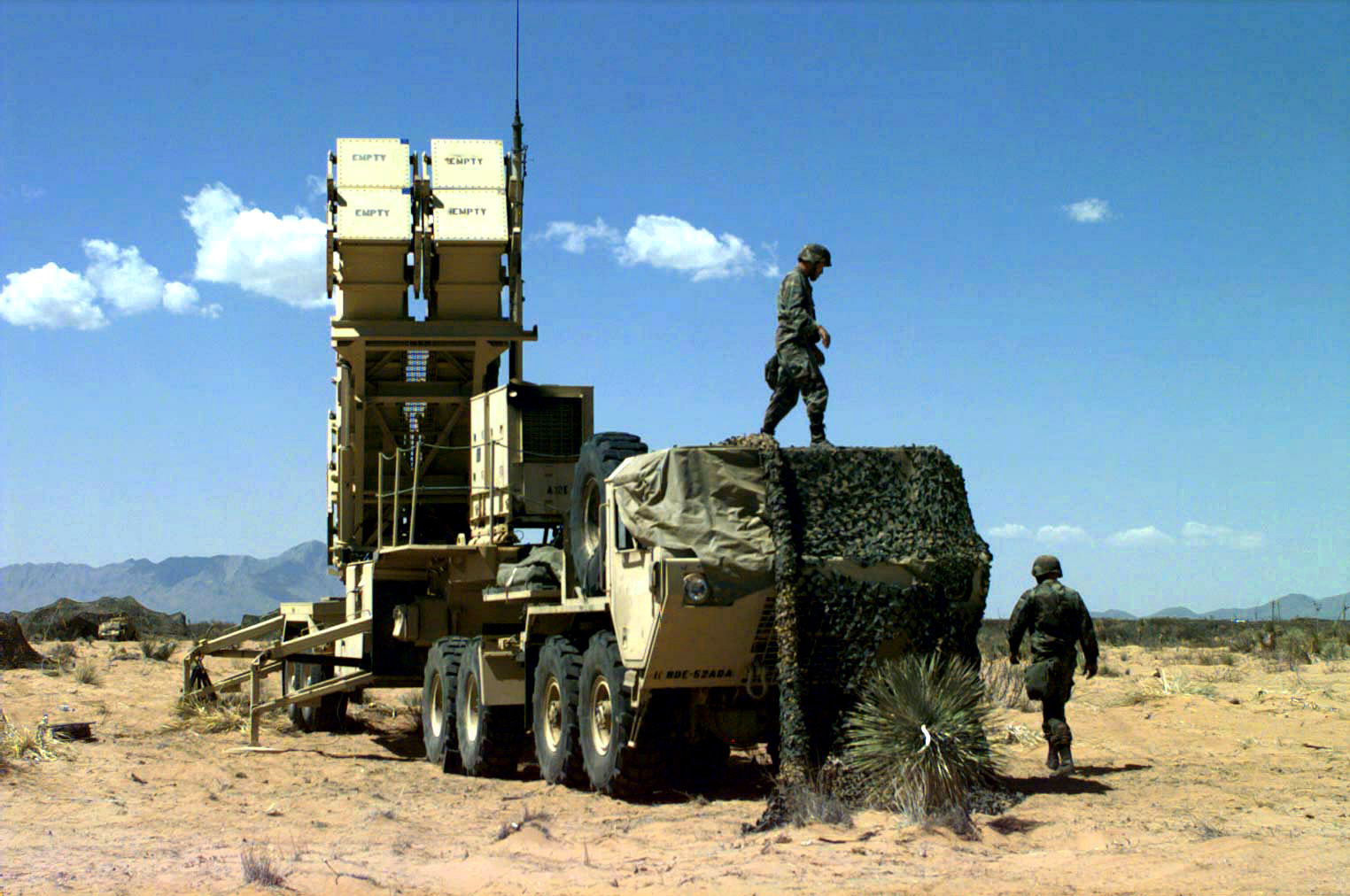
Saudi Arabia operates Patriot PAC-2 and PAC-3 batteries and has used them to intercept both ballistic missiles and drones. France deployed troops, radars and air-defence systems to Yanbu in September, Al Jazeera reported. The UK sent an RAF Voyager tanker in September and later contributed Typhoon fighter jets, The National reported. The US approved a proposed $24.3 billion sale of 48 F-35A Lightning II jets to Saudi Arabia in September, according to The Aviationist, though the deal awaits congressional review and final signature.
How many people have been killed in Houthi attacks on Saudi Arabia in 2026?
Airport strikes between October 6 and 11 alone killed at least 21 people, according to BBC tallies from GACA statements — including 14 people now attributed to the October 10 KKIA strike — a second Indian national died from wounds on November 4, ANI confirmed, raising the total — and a Pakistani resident killed when Terminal 4 was hit on October 11. Two more were killed near Aramco’s Shaybah oilfield on October 21. Houthi strikes also wounded 13 civilians in Khamis Mushait, Abha and Taif in September, Khaleej Times reported. The total toll from drone and missile strikes across the kingdom in 2026 has not been compiled in a single official figure.
Is the Eastern Province safe for travel?
The UK advises against all travel within 10 kilometres of the Yemen border and has broadened its Saudi Arabia travel advisory, according to BBC. EASA widened its Saudi airspace warning in October, Fortune reported. No specific GACA advisory for King Fahd International Airport in Dammam was in effect at the time of the November 5 intercept, though the airport was targeted in a Houthi claim on November 2 and an earlier attack on October 11. Travellers should consult their government’s current advisory and GACA’s latest notifications.
The House of Saud Daily Briefing
Saudi Arabia's news in 3 minutes, every morning. Free. See today's issue