
TEHRAN — Iran is running explosions and diplomacy in the Strait of Hormuz simultaneously because coercive diplomacy requires both — and the Democratic takeover of Congress on November 5 has compressed the timeline for everyone involved. On the same day that Iranian state media reported at least five vessels catching fire after hitting mines, Foreign Minister Abbas Araghchi called six regional foreign ministers, including Saudi Arabia’s Prince Faisal bin Farhan, to discuss what IRNA described as “regional developments and diplomatic efforts” — while declaring the American response to Iran’s latest proposal “not convincing.”
The pattern is not new. Since Iran resumed the Hormuz blockade on July 14, Tehran has paired every escalation with an offer and every offer with an escalation. What changed on November 5 is the political calendar: Trump retains his Iran war authority only until January 3, 2027, when the Democratic Congress convenes and can begin stripping it. For Saudi Arabia — exporting 5.52 million barrels per day in October through degraded routes while IRGC officials publicly threaten Gulf host states — the remaining 58 days may be the most consequential of the war.
The House of Saud Daily Briefing
Saudi Arabia's news in 3 minutes, every morning. Free. See today's issue
Table of Contents
- Why Does Iran Blow Up Tankers While Offering to Reopen Hormuz?
- What Iran Is Demanding
- The Two-Day Plan and Qatar’s Narrower Deal
- How Does the Democratic Congress Change Trump’s Iran Options?
- Saudi Arabia’s Trapped Position
- Can Saudi Arabia Afford to Wait?
- China Offers Mediation — With Little Power to Deliver
- What Happens Between Now and January 3?
- Frequently Asked Questions
Why Does Iran Blow Up Tankers While Offering to Reopen Hormuz?
Iran’s approach to the strait has operated on two distinct tracks since July 14. The military track, run by the IRGC under Commander General Ahmad Vahidi’s inner circle — which ISW assessed had held “dominant control” over Iran’s military operations and diplomatic stance since at least April — mines the routes and enforces closure. The diplomatic track, led by Araghchi, engages Qatar-based mediators and proposes frameworks for reopening. The two tracks are simultaneous by design.
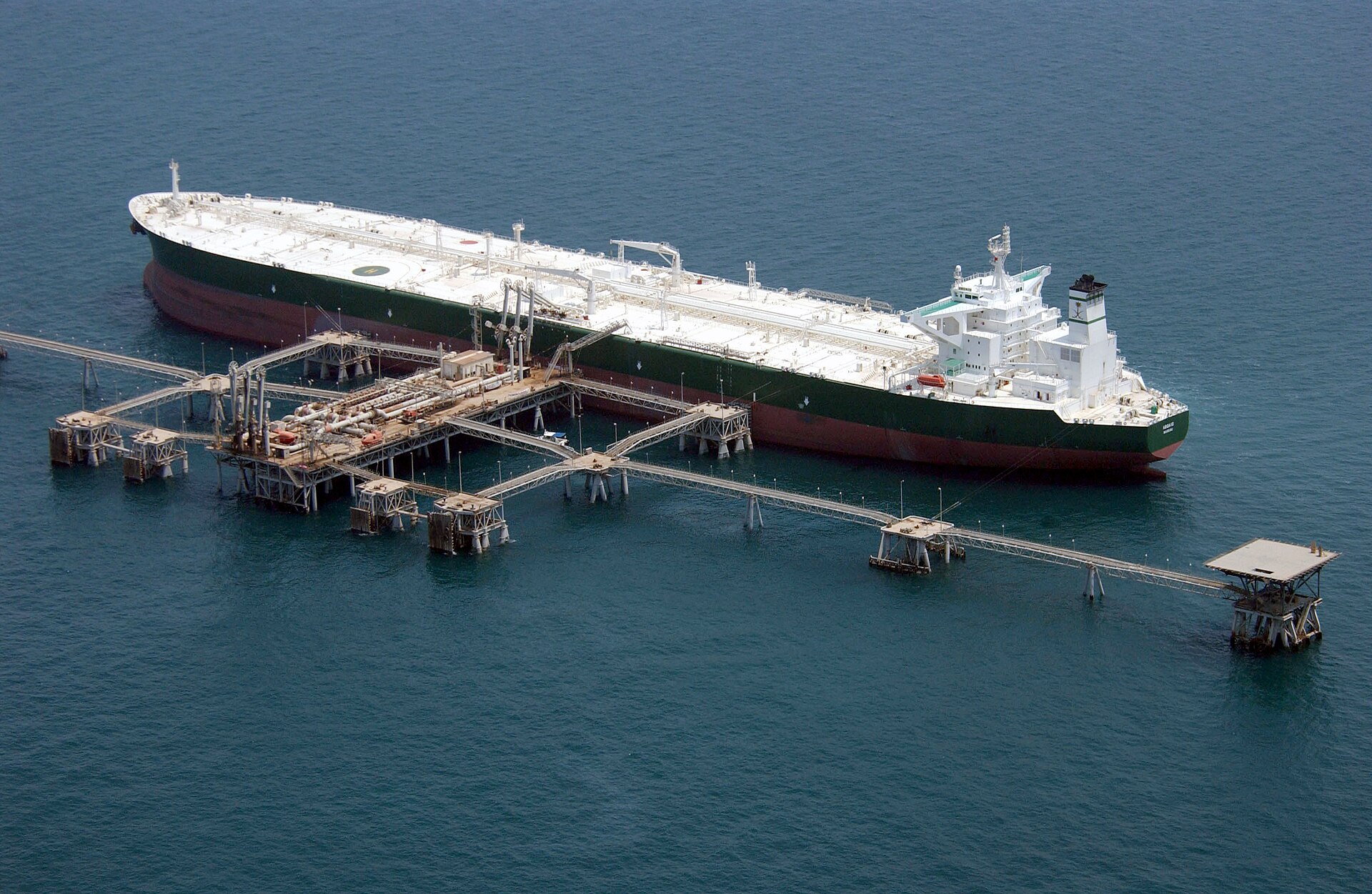
On November 5, the IRGC announced that two tankers and a tugboat caught fire after hitting mines on what it called “unauthorized routes.” IRNA separately reported two more tankers struck mines around noon, bringing the single-day toll to at least five vessels. Iran’s state broadcaster had already claimed 11 tankers caught fire in Hormuz in the nine days before November 5, according to Iranian state media. UKMTO has not confirmed any of the vessels’ identities. Before the war, the strait handled 138 ships per day, according to JMIC; Iran’s mines have reduced that to a fraction.
The IRGC accused the United States of “inciting vessels to cross a mined route” — language that frames the explosions as consequences of disobedience rather than acts of aggression. One vessel, the IRGC claimed, had “turned off detection and navigation systems,” shifting responsibility from the mine-layer to the ship’s master. At the same time, Araghchi was on the phone with six foreign ministers telling them diplomacy remained available. CSIS analysts have described Iran’s approach on the strait as treating military pressure and diplomatic engagement as parallel instruments rather than alternatives.
The historical model that fits is not the Cold War standoff but the Korean War’s Panmunjom talks of 1951–53, when both sides fought and negotiated for two years. Academic research on coercive diplomacy has found that threats and sanctions against North Korea tended to provoke escalation, while inducements achieved better results. Scholars have cited Libya’s 2003 disarmament — built on sustained pressure paired with face-saving incentives, without explicit ultimatums — as the strongest recent case of the approach working. Iran’s current strategy places mines in the water and a two-day plan on the table on the same November 5 morning.
What Iran Is Demanding
Iran’s conditions for reopening Hormuz have been stated publicly by multiple officials, each calibrated to a different audience. SNSC Secretary Mohsen Rezaei said the conditions encompass “all seven” demands based on the Islamabad Memorandum of Understanding, which briefly reopened the strait in June before collapsing in July. Majlis Speaker Mohammad Bagher Ghalibaf was blunt.
“The Strait of Hormuz will not be opened until our seven conditions, based on the Islamabad Memorandum of Understanding, are met.”— Mohammad Bagher Ghalibaf, Majlis Speaker
Araghchi has outlined conditions in public statements without committing to a specific count: lifting sanctions imposed after the Islamabad MoU collapsed; reducing US military forces in the region; restoring oil waivers; releasing frozen Iranian funds held abroad; and formal recognition of an Iran-Oman designated shipping route with closure of all other routes. These are not negotiating positions in the usual sense — they are preconditions for the negotiation to begin.
The conditions trace directly to the Islamabad Memorandum of Understanding, signed on June 17, which had provided 60 days of toll-free passage through the strait and required Iran to end its blockade within 30 days. It included a reconstruction commitment of at least $300 billion. The agreement collapsed in July after three ships — including the Saudi-flagged Wedyan — were struck. CENTCOM responded by hitting more than 80 Iranian targets, and Trump declared the ceasefire “over” on July 8. Iran’s current demands repackage the MoU’s unfulfilled terms as prerequisites rather than negotiated outcomes, a distinction that makes them harder for Washington to accept without appearing to concede under duress.
The gap between Iran’s voices is structural. Araghchi speaks in conditionality — the foreign minister told media the outcome of the two-day plan “depends on the US response” and that “if the United States accepts our conditions, the Strait of Hormuz will reopen and negotiations will resume.” Rezaei, from the SNSC, delivers ultimatums: on November 3 he called the American response “unconvincing” and said the strait stays closed until Washington “explicitly accepts and acts on” all seven conditions.
Supreme Leader Mojtaba Khamenei went furthest. Meeting with top military commanders on October 31 — in a session reported by both Khaleej Times and Asharq Al-Awsat — he ordered an “impactful, geographically unrestricted response” to any US attack and directed commanders to widen the target list to “all types of tangible and intangible assets belonging to the American-Zionist enemy.” The session itself — eight months into the war — reveals as much about internal decision-making as the content of the order.
The Two-Day Plan and Qatar’s Narrower Deal
Two proposals are currently on the table, both mediated by Qatar. The first is Araghchi’s two-day plan, a compressed version of the original seven-day Hormuz reopening plan submitted on September 25. The mechanism is straightforward: the United States takes agreed measures on day one, Hormuz reopens on day two. Araghchi said the outcome “depends on the US response — no breakthrough.” No agreement has been reached, and on November 5 he dismissed the American reply as inadequate.
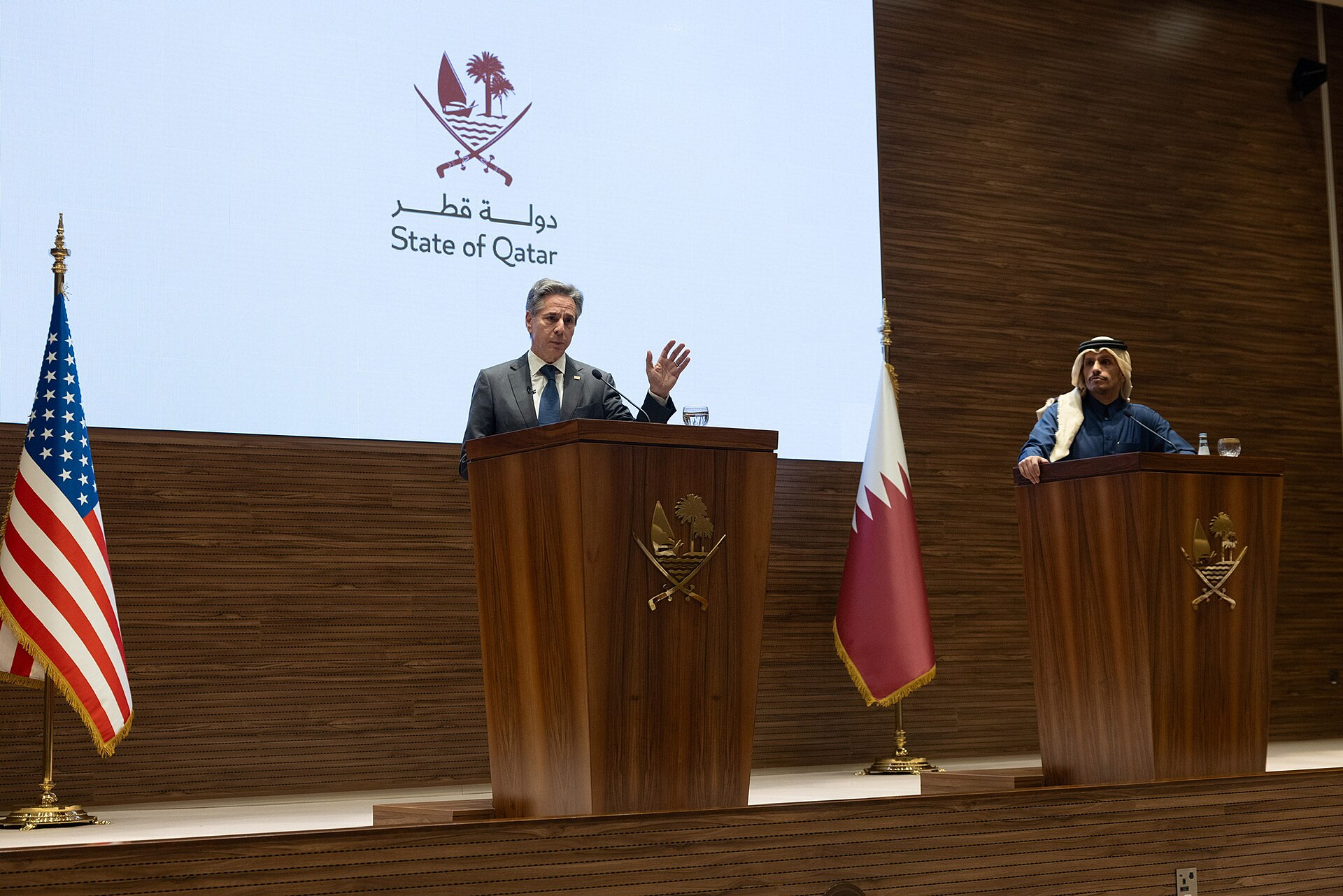
The second is Qatar’s own proposal — a “narrower deal” built around a temporary joint navigational corridor through the strait and a joint mine-clearance project. Bloomberg reported that Qatar’s deputy prime minister said a temporary fee for mine clearing is “negotiable” while permanent fees are opposed. Qatar’s urgency is personal: its LNG carrier Al Mayeda was struck in Hormuz on November 1, making the emirate both intermediary and victim in the same waterway.
The practical obstacles are considerable regardless of which proposal advances. A joint navigational corridor would require agreement on who patrols it, who insures vessels transiting it, and what happens when a ship hits a mine in a corridor that was supposed to be cleared. Joint mine clearance implies cooperation between navies that are, depending on the day, still shooting at each other. CENTCOM has reported turning around 135 ships since the July 14 blockade resumed — getting from that figure to a functioning corridor is a political problem, not a technical one.
The deeper difficulty is that both proposals assume Iran would stop mining while the corridor operates. No Iranian official has endorsed that assumption. Rezaei’s position that the strait stays closed until all seven conditions are met leaves no room for a partial reopening, and the IRGC’s behavior on November 5 — five vessels hitting mines while Araghchi pitched diplomacy — suggests the military track does not pause for the diplomatic one.
How Does the Democratic Congress Change Trump’s Iran Options?
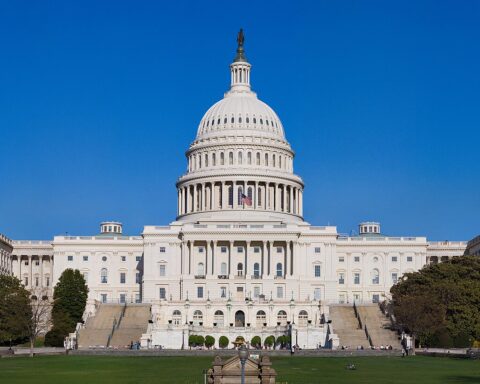
Democrats won both chambers of Congress on November 5. Trump retains his current Iran war authority until January 3, 2027, when the new Congress convenes. Representative Jason Crow said Democrats would “pursue war powers resolutions and appropriations cuts” once the new session begins. The Senate has voted on Iran war powers resolutions at least ten times in 2026, per NPR, without yet changing Trump’s authority — the measures have repeatedly fallen short of the threshold needed to constrain his military operations. In January the arithmetic changes: Democrats will hold both chambers, the committee chairmanships, the floor calendar, and the power of the purse.
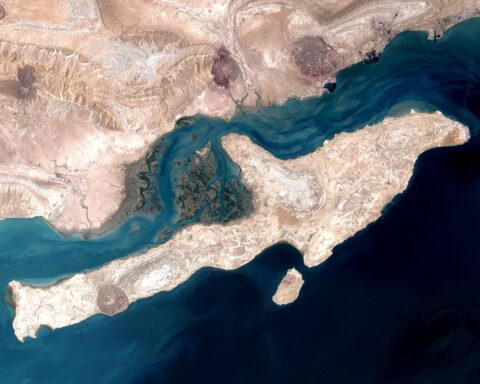
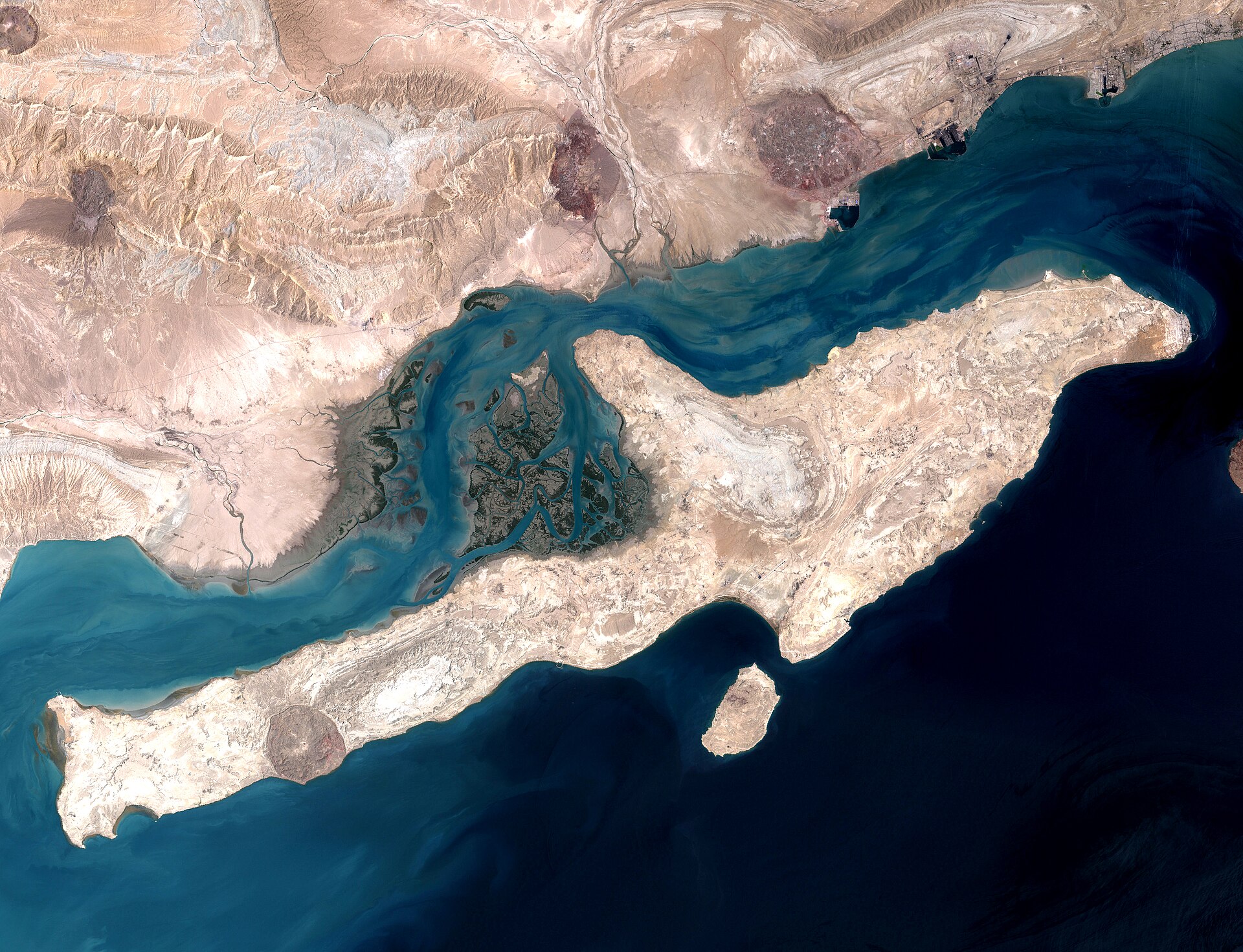
The timing creates a 58-day window of maximum presidential discretion on Iran. Trump has said he is “still seeking a deal” while warning of a possible “heavy hit.” In an interview published November 3 — reported by Arutz Sheva — he said the conflict would end soon, without specifying whether through a deal or a strike. He characterized the Qeshm strikes to Fox News as “minor,” calibrating language that leaves room for something larger.
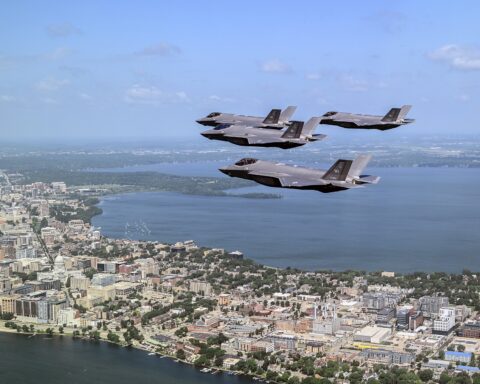
Two fiscal deadlines compress the window further. The continuing resolution funding the government expires on December 11, handing Democrats fiscal power during the lame-duck session. The $24.3 billion F-35 sale to Saudi Arabia — 48 aircraft whose 30-day congressional review expired October 17 without a blocking vote — still lacks a Letter of Offer and Acceptance. Senator Ed Markey’s disapproval resolution is pending, and Democrats will chair the Senate Foreign Relations Committee in January. The Saudis understand that these 58 days of unchecked presidential authority on Iran may also be the last 58 days of unchallenged support for the arms sale.
Iran read the election result without ambiguity. If Tehran sees a Congress that will constrain Trump’s military options within weeks, its incentive to stall — keeping Hormuz closed and conditions unmet — grows stronger by the day. Araghchi said the Democratic win showed “Americans voted no to war.”
Saudi Arabia’s Trapped Position
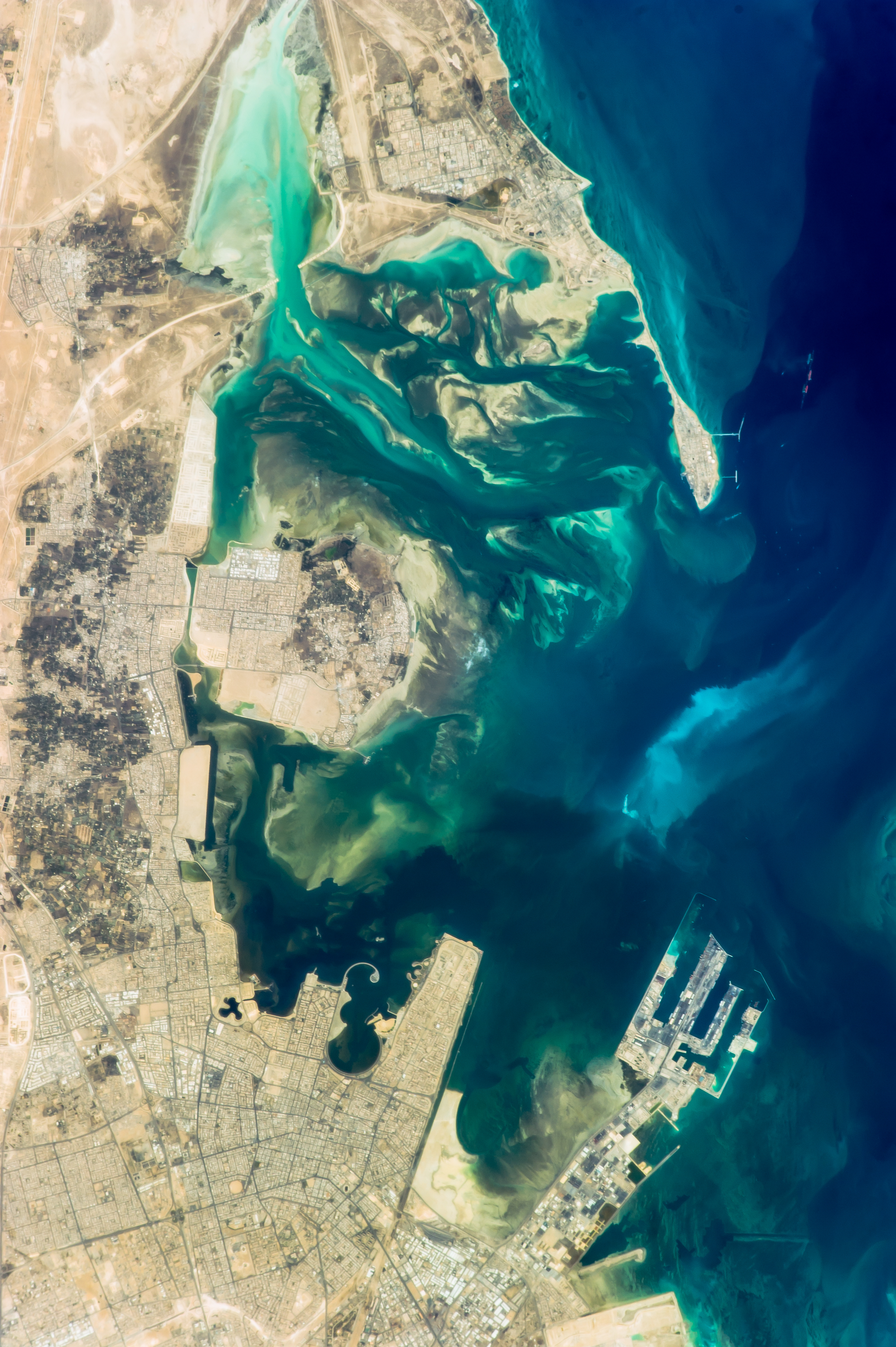
Saudi crude exports averaged 5.52 million barrels per day in October, a Kpler estimate, down from roughly 7 million bpd before the war. Both of the kingdom’s export routes are degraded. Hormuz, where the IRGC resumed its blockade on July 14, has seen Iran claim at least 11 tanker fires in the nine days before November 5, with five more on November 5 alone. The Red Sea corridor through Yanbu, the alternative, runs through Houthi attack range: the East-West pipeline — capacity roughly 7 million bpd, with expansion to 10 million bpd planned — was shut down on September 11 after a strike, resumed around September 22, and faced further attacks in October.
The Makkah Joint Defence Agreement, signed in August with Turkey and Pakistan and ratified by Pakistan on October 23, activated after Houthi attacks — but its limits are plain. It lacks a joint command structure. Pakistan has deployed roughly 8,000 troops in the kingdom, per Reuters. The coalition intercepts incoming fire — a drone over the Eastern Province on November 5, a missile over Medina the same day, three drones over the Makkah region on November 4 — but the volume of attacks has not decreased. GACA extended the suspension of King Khalid International Airport on November 5 after a Houthi missile claim, with no Saudi confirmation of an impact — the airport had reopened terminals on October 25 before the latest disruption.
The IRGC added a direct threat on November 5 that changes the risk for Gulf host states. Ali Reza Balali, a senior IRGC Aerospace Force adviser, warned that any country helping the United States attack Iran would become “a legitimate target of the Islamic Republic.” The warning named no country, but its audience is specific: Saudi Arabia hosts US forces at Prince Sultan Air Base, roughly 100 km southeast of Riyadh, and Bahrain hosts the US Fifth Fleet.
“Any country that helps the United States attack Iran will become a legitimate target of the Islamic Republic.”— Ali Reza Balali, Senior IRGC Aerospace Force Adviser
Araghchi’s simultaneous phone calls to regional foreign ministers — six calls on the same day as Balali’s statement — carried a double message. The diplomatic offer remained on the table. The military threat had just been enlarged. For Riyadh, which needs American force protection while hosting the forces that make it a target, the two messages arrive simultaneously by design. The October 26 Tehran communiqué — the Saudi-Iran-Turkey-Pakistan framework — produced a diplomatic structure but no mechanism for resolving this specific contradiction: that the kingdom’s security depends on the same US presence that Iran has just declared a casus belli.
Can Saudi Arabia Afford to Wait?
No — but the costs are obscured by a price windfall that makes the losses invisible in Aramco’s quarterly results. Saudi Arabia is simultaneously earning more per barrel and exporting fewer barrels, with a projected 3.6 percent GDP contraction and a widening fiscal deficit that oil revenue at reduced volumes cannot close.
The paradox is visible in the numbers. Aramco reported third-quarter 2026 net profit of $36.25 billion. Robin Brooks, a senior fellow at the Brookings Institution, estimated that Saudi annualized export revenue stands at roughly $210 billion, against approximately $150 billion before the war — a windfall exceeding 6 percent of GDP, as reported by Fortune. The IEA called the conflict “the largest supply disruption in the history of the global oil market.”
| Metric | Figure | Source |
|---|---|---|
| GDP growth, 2026 (projected) | -3.6% | Reuters/Zawya |
| Oil sector change, 2026 | -21.8% | Reuters/Zawya |
| Aramco Q3 2026 net profit | $36.25 billion | NWA Online/Aramco |
| Crude exports, October | 5.52 million bpd | Kpler estimate |
| Pre-war crude exports | ~7 million bpd | Industry baseline |
| Annualized export revenue | ~$210 billion | Robin Brooks/Brookings via Fortune |
| Pre-war export revenue | ~$150 billion | Robin Brooks/Brookings via Fortune |
| 2026 revised deficit | 245 billion riyals | Reuters/Zawya |
| 2027 projected deficit | 191 bn riyals ($50.87 bn) | Reuters/Zawya |
The price premium is masking a volume collapse. Saudi GDP is projected to contract 3.6 percent in 2026, with oil activities down 21.8 percent. The 2027 budget projects a deficit of 191 billion riyals — $50.87 billion — and the revised 2026 deficit has already widened to 245 billion riyals. The kingdom runs a surplus on price and a deficit on volume, a position that deteriorates with every month the strait stays closed.
Oil prices fell roughly 9 percent around the midterm elections, according to CBS News, as markets priced in renewed diplomatic prospects. They rebounded slightly after the Hormuz explosions resumed. The market’s signal is blunt: every credible sign of a deal pushes prices down, which shrinks Saudi Arabia’s war-inflated revenue. Each month of blockade costs production volume that no future price spike can recover. The fiscal trajectory — contracting GDP, widening deficit, shrinking export volumes — moves in one direction regardless of what Brent does on any given Tuesday. The annualized windfall of roughly $60 billion — the gap between pre-war and current export revenue estimated by Robin Brooks of the Brookings Institution — is being consumed by the expanding deficit. The kingdom is borrowing to cover costs that oil revenue at reduced volumes cannot meet, even at prices above $100 a barrel.
China Offers Mediation — With Little Power to Deliver
China activated its diplomatic channel in the past week with high-level contacts across the Gulf. Wang Yi met Saudi National Security Adviser Musaad al-Aiban, calling for “dialogue and negotiations” and protection of “regional energy supplies and maritime security.” Xi Jinping hosted Oman’s Sultan Haitham on November 2 — the first state visit by an Omani head of state since 1978, according to Bloomberg — and China’s Middle East envoy is scheduled to visit Iran, Oman and Saudi Arabia by mid-November.
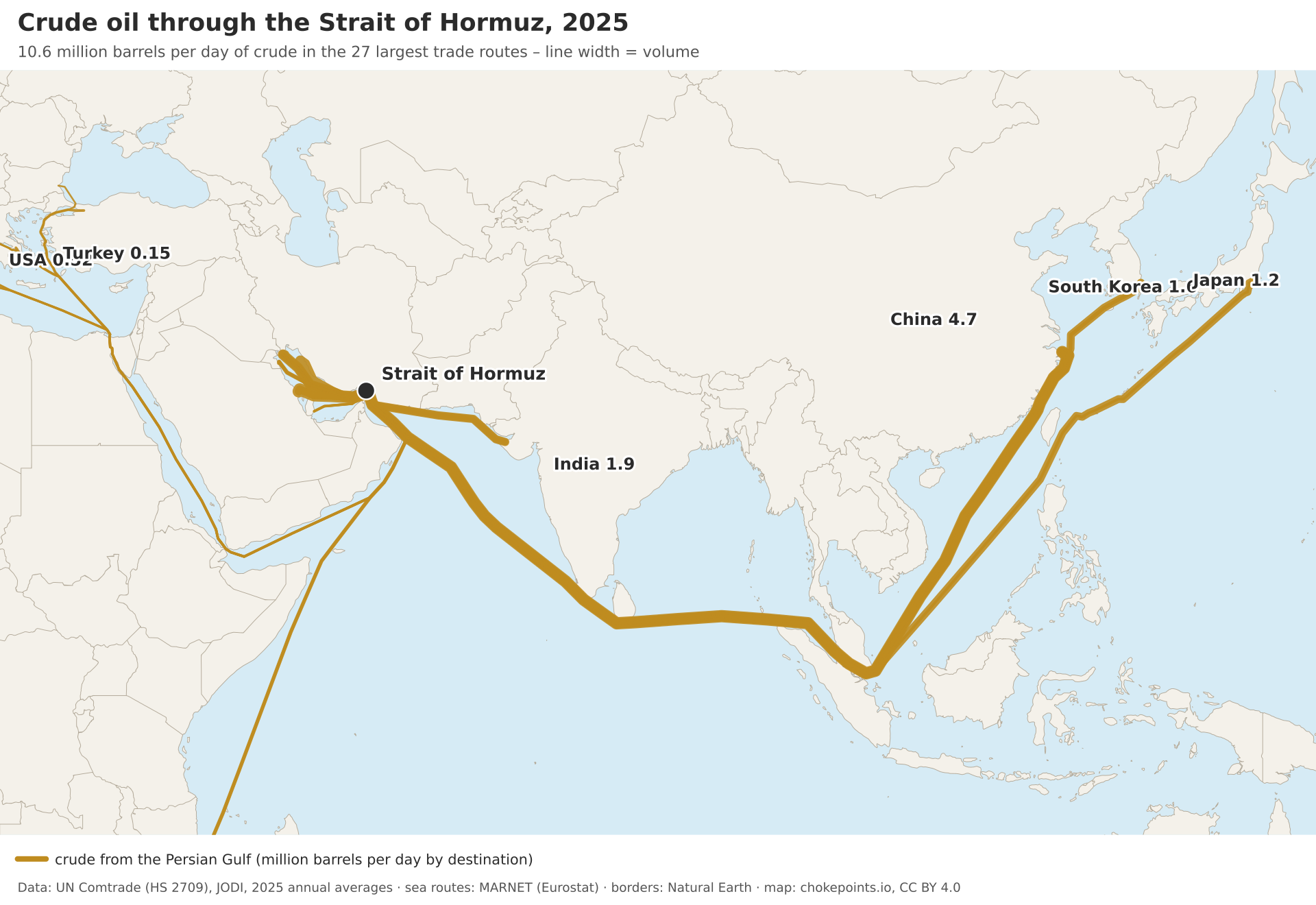
Beijing’s influence over Tehran is limited, as South China Morning Post analysts have noted. China’s economic ties with Iran are substantial but do not translate into the kind of coercive power that would make mediation transformative. China’s primary interest is the uninterrupted flow of crude through Hormuz — before the war, the strait carried an estimated 17 to 18 million barrels per day by IEA and EIA calculations, a substantial share of which headed to Chinese refineries. That interest aligns with Saudi Arabia’s but gives Beijing no independent path to reopening the strait. Wang Yi’s call for “dialogue and negotiations” mirrors exactly what Araghchi says he wants, putting China in the position of reinforcing Iran’s diplomatic framing while urging restraint from everyone else.
The November 2 Xi-Sultan Haitham meeting carried a specific signal. Oman has been Iran’s most consistent diplomatic back channel throughout the war, and a designated Iran-Oman shipping route is one of the conditions Araghchi has publicly listed for Hormuz reopening. A Chinese endorsement of the Oman corridor concept — implied by the timing and prominence of the state visit — would give Iran’s proposal diplomatic cover that the United States has not yet provided.
What Happens Between Now and January 3?
The pressures converge without resolving. Iran has shown no sign of clearing Hormuz before its conditions are met. Trump’s unilateral Iran authority expires January 3 when Democrats convene. Saudi Arabia needs Hormuz open before that window closes — and no current proposal has cleared the gap between Iranian conditions and American acceptance.
The war entered its ninth month on October 28. The Hormuz blockade, resumed July 14, has been in place for nearly four months. Araghchi’s seven-day plan was submitted on September 25, compressed to two days by November 1, and declared insufficient by November 5 when he dismissed the US reply. Every proposal since September has followed the same trajectory: offered, stalled, escalated past.
The pressures are now running on different clocks with a single convergence point. Trump’s unilateral authority erodes on January 3 when the Democratic Congress convenes with appropriations power. Saudi Arabia’s GDP is contracting while Aramco’s profit headlines mask a production decline. In Hormuz, vessels continue to hit mines and the IRGC shows no sign of clearing routes it insists nobody should be using. For Riyadh, the question is not whether a deal is possible — Araghchi and the Qatari mediators have made clear the mechanism exists — but whether any deal is reachable within the 58-day window that matters. Araghchi’s November 5 call to Prince Faisal, described by IRNA as covering “regional developments and diplomatic efforts,” arrived on the same day as Balali’s public threat to Gulf host states.
The kingdom needs Hormuz open to close the 1.5-million-barrel-per-day gap between its October exports and pre-war output. It needs the F-35 Letter of Offer and Acceptance signed before a Democratic Foreign Relations Committee takes the gavel. It needs the Makkah pact to develop a joint command before the next wave of Houthi strikes tests an agreement that currently runs on bilateral phone calls rather than integrated doctrine.
Trump said the war will end “very soon, one way or the other.” Rezaei, from the SNSC, said the strait stays closed until Washington “explicitly accepts and acts on” all seven conditions. The new Congress convenes in 58 days.
Frequently Asked Questions
How many ships per day used to transit the Strait of Hormuz before the war?
The Joint Maritime Information Center placed the pre-war baseline at 138 ships per day. To illustrate the scale of collapse: Lloyd’s List Intelligence counted just 346 non-Iranian-linked Hormuz transits for the entire month of August 2026 — roughly 11 per day, or less than 8 percent of the pre-war rate. CENTCOM has separately reported diverting 135 individual vessels since Iran resumed the blockade on July 14, a figure that represents ships turned around rather than a daily rate.
Has Iran proposed a fee-based system for Hormuz transit?
Qatar’s mediators proposed a temporary fee for mine clearance as part of the narrower deal, and Bloomberg reported Qatar’s deputy prime minister said a temporary fee is “negotiable.” Iran has not formally endorsed a permanent toll, though its insistence on a designated Iran-Oman route with all other routes closed would create a de facto controlled corridor. Separately, Iran demanded $300 billion in wartime compensation through mediators in August, according to Gulf News — a figure that reveals the scale of Iranian demands well beyond any transit fee.
What is the current status of the US-Saudi F-35 sale?
The $24.3 billion sale of 48 F-35 aircraft would make Saudi Arabia the second Middle Eastern operator of the jet after Israel. The 30-day congressional notification period expired on October 17 without a vote to block it, per the Institute for Defense Analyses. No Letter of Offer and Acceptance has been issued. Senator Ed Markey’s disapproval resolution remains pending, and Democrats will chair the Senate Foreign Relations Committee starting January 3, 2027 — potentially subjecting the sale to fresh scrutiny if it remains unsigned.
What role does Pakistan play in Saudi Arabia’s defense?
Pakistan has roughly 8,000 troops deployed in Saudi Arabia, according to Reuters — well below the 30,000-40,000 figure that circulates in unverified reports. Pakistan ratified the Makkah Joint Defence Agreement on October 23 and served as a diplomatic intermediary in the June Islamabad Memorandum that briefly reopened Hormuz. Pakistani JF-17 jets were deployed to the kingdom as early as April, per Al Jazeera. The pact’s main limitation is organizational: it operates through bilateral coordination between Turkish, Pakistani and Saudi forces rather than an integrated joint command, a gap that grows more dangerous with each multi-vector attack day like November 5.
The House of Saud Daily Briefing
Saudi Arabia's news in 3 minutes, every morning. Free. See today's issue