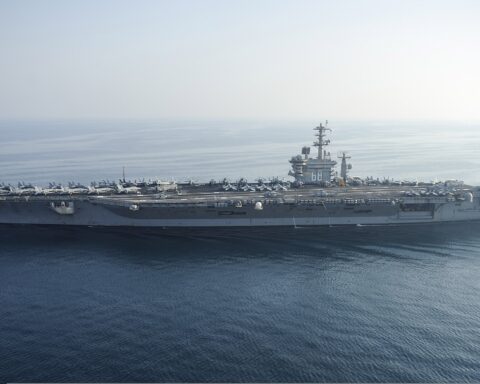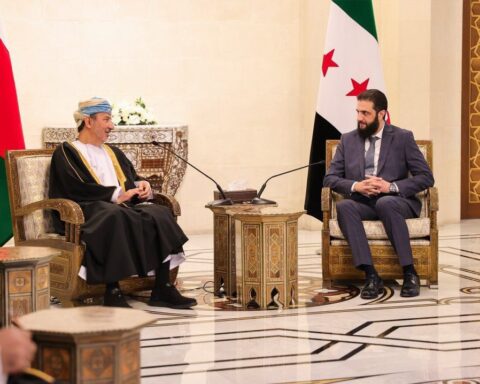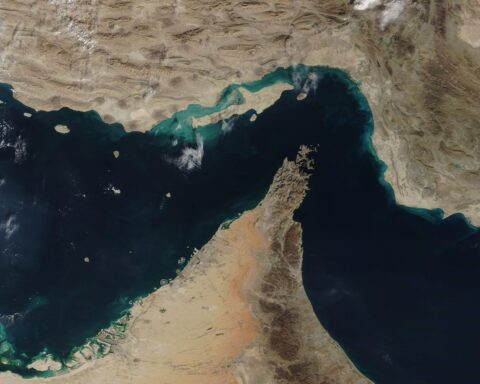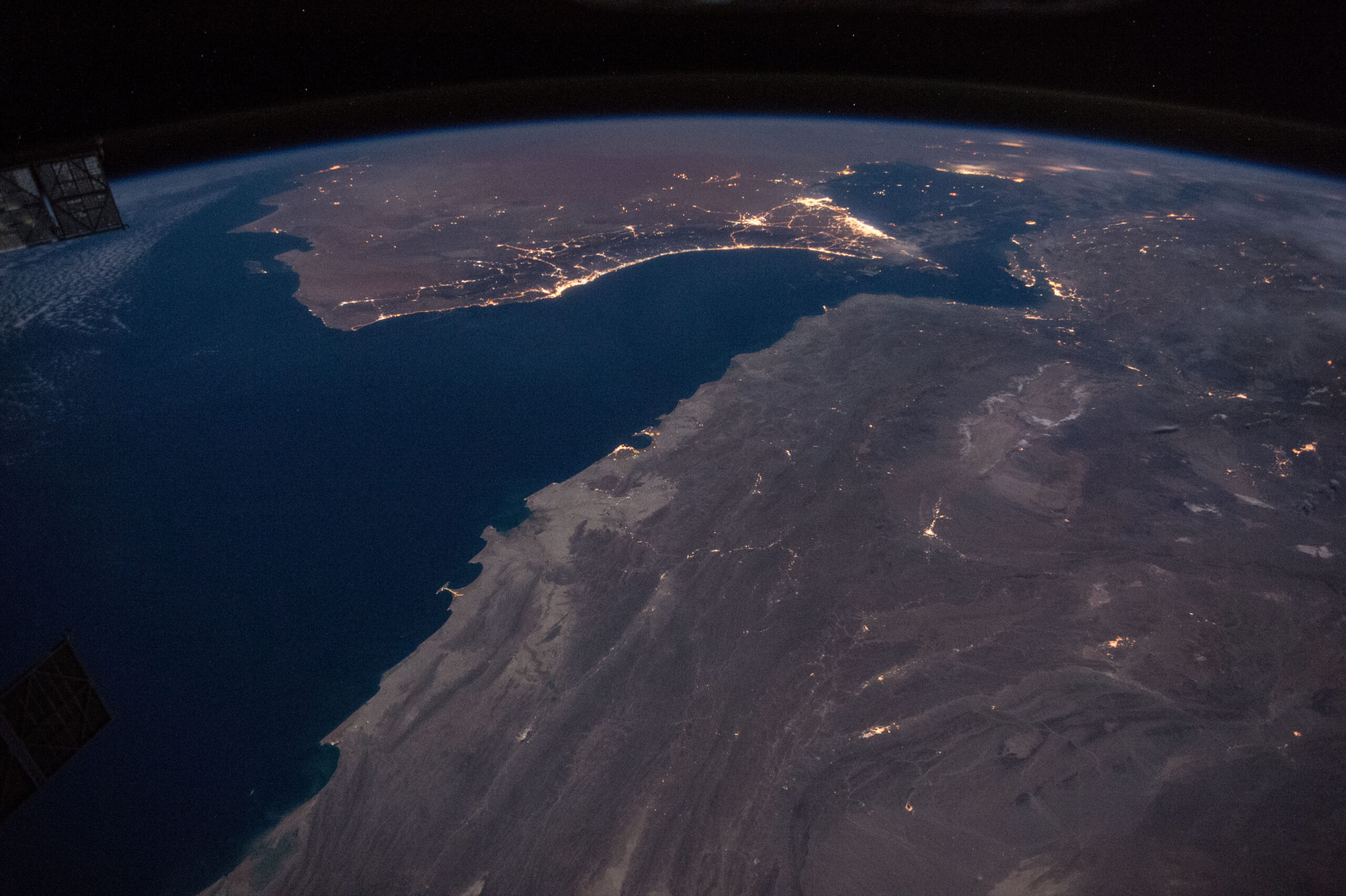

WASHINGTON — Qatar Prime Minister Sheikh Mohammed bin Abdulrahman Al Thani met President Donald Trump in a closed-door Oval Office session on Monday, carrying a framework to reopen the Strait of Hormuz in exchange for lifting the US naval blockade on Iran and releasing approximately $8 billion in frozen Iranian funds held in Qatar, unnamed diplomatic sources told Israel Hayom. Sheikh Mohammed met separately with Vice President JD Vance earlier in the day, a US official told Axios.
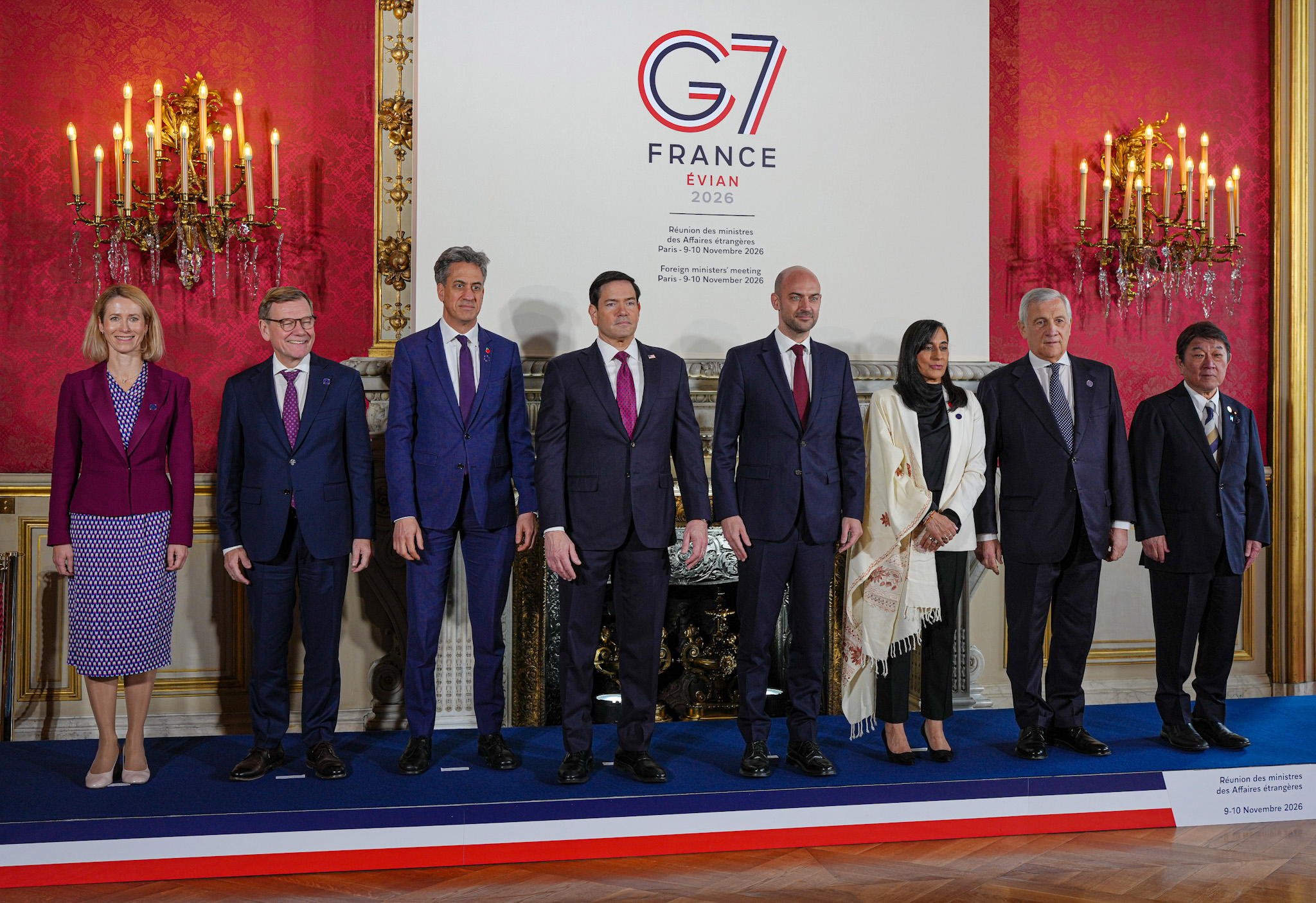
The White House released no public readout of either meeting. Hours later, Secretary of State Marco Rubio told reporters at the G7 foreign ministers’ meeting that Iran’s demands were “simply not just unacceptable, but in some cases outrageous and ridiculous and really not realistic,” according to CNBC and Middle East Monitor. The same day, Trump told CNN that further US strikes on Iran were “highly unlikely” if negotiations advanced toward a “very strong agreement,” CNBC and Axios reported.
The two statements — one from the president, one from his chief diplomat, issued on the same day about the same negotiations — frame the central tension in Washington’s Iran policy on Day 255 of the war.
The House of Saud Daily Briefing
Saudi Arabia's news in 3 minutes, every morning. Free. See today's issue
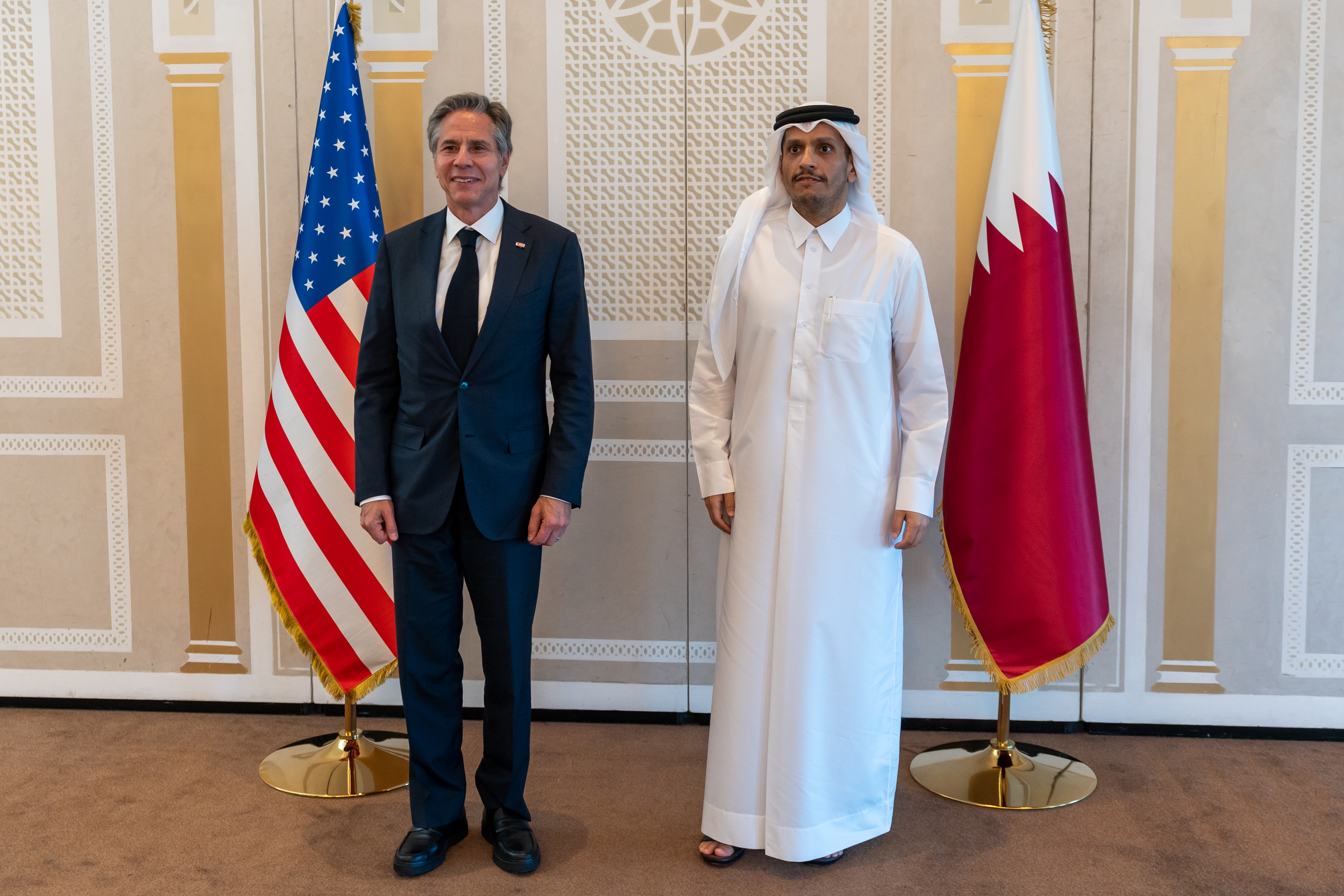
Table of Contents
What Qatar Brought to the White House
The framework builds on a compressed version of Iran’s seven-day plan, which Foreign Minister Abbas Araghchi first submitted at the UN General Assembly on September 25. Qatari mediators shortened it to a two-day proposal, formally delivered to both Washington and Tehran on November 6, Axios reported. Neither side had accepted it as of that date.
“On day one, the US implements a set of measures,” Araghchi told Al Jazeera on November 9. “On day two, the Strait of Hormuz will reopen.”
Day 1, as described by the proposal Qatar presented: the US lifts its naval and economic blockade, releases partial frozen funds, and — according to the version reported by Axios — admits IAEA inspectors to bombed Iranian nuclear sites. Day 2: Hormuz reopens and navigation resumes. Nuclear talks follow separately.
There is a gap in those accounts. Iran’s own public version, as Araghchi described it, says nothing about IAEA access on Day 1. The inspection requirement appears only in reports citing unnamed diplomatic sources, first published by Israel Hayom. Whether Tehran has agreed to admit inspectors before Hormuz reopens — or whether that condition was added by Qatari mediators or American negotiators — remains unconfirmed.
Iran’s nuclear program is explicitly excluded from the initial framework. Nuclear discussions would begin only after Day 2, Al Jazeera reported.
The $8 billion figure — the approximate value of Iranian state funds frozen in Qatar — also rests on unnamed sources via Israel Hayom and IBTimes. No official US or Iranian statement has confirmed the amount. Sheikh Mohammed visited Tehran the week before traveling to Washington, according to Axios and Al Jazeera, shuttling between the two capitals with proposals neither side has publicly endorsed.
Does the White House Agree With Itself?
Trump’s “highly unlikely” and Rubio’s “outrageous” landed within hours of each other on November 9.
The split runs deeper than tone. Vance, special envoy Steve Witkoff, and Jared Kushner have urged Trump toward a deal, IBTimes and HNGN reported. On the other side — CIA Director John Ratcliffe, Treasury Secretary Scott Bessent, and Rubio — favor maintaining the blockade and economic pressure, without new strikes but also without concessions.
The State Department denied any rift. A spokesman told Al Jazeera that “Rubio and the entire administration is 100% in lockstep behind President Trump.”
Rubio’s public statements that day made the denial difficult to sustain. Beyond calling Iran’s terms unacceptable, he told CNBC: “I wouldn’t say we’re on the verge of a breakthrough. Negotiations right now haven’t been very productive.” He told Al Jazeera: “If there’s a clear and present threat to shipping or to our forces in the region, we have a right to defend ourselves.” He also told Al Jazeera that the war with Iran, while unpopular, was necessary to prevent a nuclear threat.
Rubio has made this argument before. At ASEAN in Manila in July, he warned: “If we create a precedent in the Middle East where a nation-state can decide that they are going to control [the strait], charge a toll and if you don’t pay them, blow up your ships, we have created a very dangerous precedent which will repeat itself in other parts of the world,” PBS NewsHour reported.
The June Islamabad MoU — an earlier ceasefire framework — collapsed when Iran continued attacking oil tankers after signing it, Israel Hayom and Al Jazeera reported. That failure explains much of Rubio’s resistance to another deal built on sequenced Iranian promises.
What Does Iran Want — and What Has It Dropped?
Iran’s public demands on November 9 extended well beyond reopening the strait.
Araghchi told CBS News and Al Jazeera that Iran’s two-day offer “still stands, provided Washington meets Iran’s demands.” The foremost demand: an end to the war on all fronts — including Israeli operations in Lebanon. Iran also wants all sanctions imposed after the Islamabad MoU lifted, a US military drawdown, oil export waivers reinstated, frozen funds released, and formal recognition of the Oman-brokered Hormuz shipping route.
Iran Foreign Ministry spokesman Esmaeil Baqaei told CNBC that Iran wants US sanctions lifted and the war ended on all fronts before negotiations begin — not as a result of them.
Mohsen Rezaei, Secretary of Iran’s Supreme National Security Council, said: “Start war and you will face a devastating response,” Al Jazeera reported. IRGC Brigadier-General Ali Belali told Al Jazeera: “The armed forces are at the ready, and if the enemy makes a mistake, Iran’s response will be devastating and severe.” Araghchi told CBS News that Iran would “rain down hell” if the US resumed strikes.
But Iran may have made a concession. Israel Hayom, citing unnamed diplomatic sources, reported that Tehran has dropped its earlier demand to physically control the Strait of Hormuz and collect transit tolls. If confirmed, that would represent a retreat from Iran’s position through October — the position Rubio cited in his July warning about the precedent of a nation-state controlling an international waterway. The report remains unconfirmed by any named Iranian official.
Araghchi also told CBS News and Middle East Monitor that the US midterm election results — Democrats winning both chambers of Congress — caused mediators to pause activity for several days. He suggested Washington needed time to “assess” the new makeup of Congress before deciding on negotiations.
Can a Hormuz-Only Deal Protect Saudi Arabia?
Saudi Foreign Minister Prince Faisal bin Farhan arrived in Paris on November 8 for the G7 foreign ministers’ meeting, attending at France’s invitation alongside Egypt, Arab News and Saudi Gazette reported. The G7 Middle East agenda is scheduled for November 10, according to The National News.
Faisal has not publicly commented on the Qatar PM’s White House visit or the $8 billion framework.
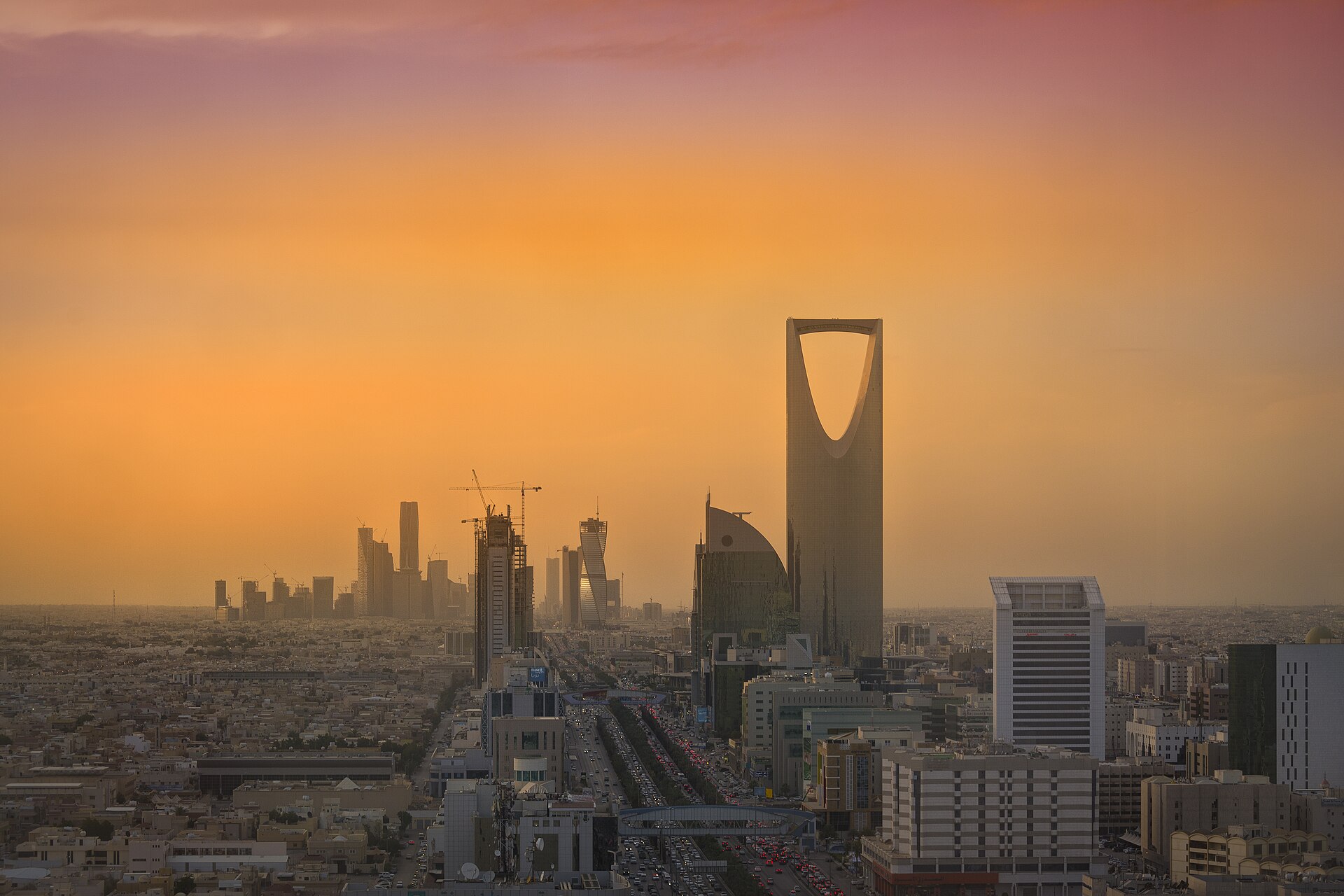
Saudi Arabia is absent from the Hormuz negotiating table — Qatar is the mediator, not the Kingdom — yet Riyadh absorbs the most direct consequences of both the strait’s closure and the Houthi campaign that any Hormuz-only deal would leave unaddressed.
An unnamed Saudi diplomat told PBS NewsHour that Iran is “encouraging Houthi escalation of attacks on the kingdom.” At the October 27 Tehran talks involving Saudi Arabia, Pakistan, and Turkey, Iran asked those countries to press Washington to accept a two-week regional pause in exchange for gradually reopening Hormuz, The National News reported.
The framework Qatar carried to Washington addresses Hormuz. It does not address the Houthi missile and drone strikes that have hit Riyadh, struck Aramco’s KAFD tower, damaged King Khalid International Airport, and killed civilians. Nuclear discussions are deferred. Houthi operations are not mentioned.
For Saudi Arabia, a deal that reopens Hormuz but leaves Iranian-backed Houthi launch infrastructure across Yemen intact removes Washington’s most urgent reason to pressure Tehran while leaving Riyadh’s most urgent security threat in place. Saudi Arabia signed a defense pact with Syria on November 4 and has expanded coalition air operations against Houthi positions, but neither move addresses the diplomatic gap the Qatar framework leaves open.
Iran SitRep recorded more than 130 attacks on regional vessels since the war began and 25 seafarers killed in Hormuz attacks since February, as of November 9.
The Oil Market’s Bet
Brent crude dropped roughly 16 to 17 percent in the week ending November 9 — the steepest weekly decline since the COVID-19 pandemic in 2020, according to CoinPaper and FinanceFeeds. Brent traded around $93 to $94 on November 9, per OilPrice.com and FinanceFeeds.
“Oil’s slide reflects optimism about a U.S.-Iran peace agreement more than any tangible evidence of headway,” Ole Hansen, Saxo Bank’s head of commodity strategy, told OilPrice.com.
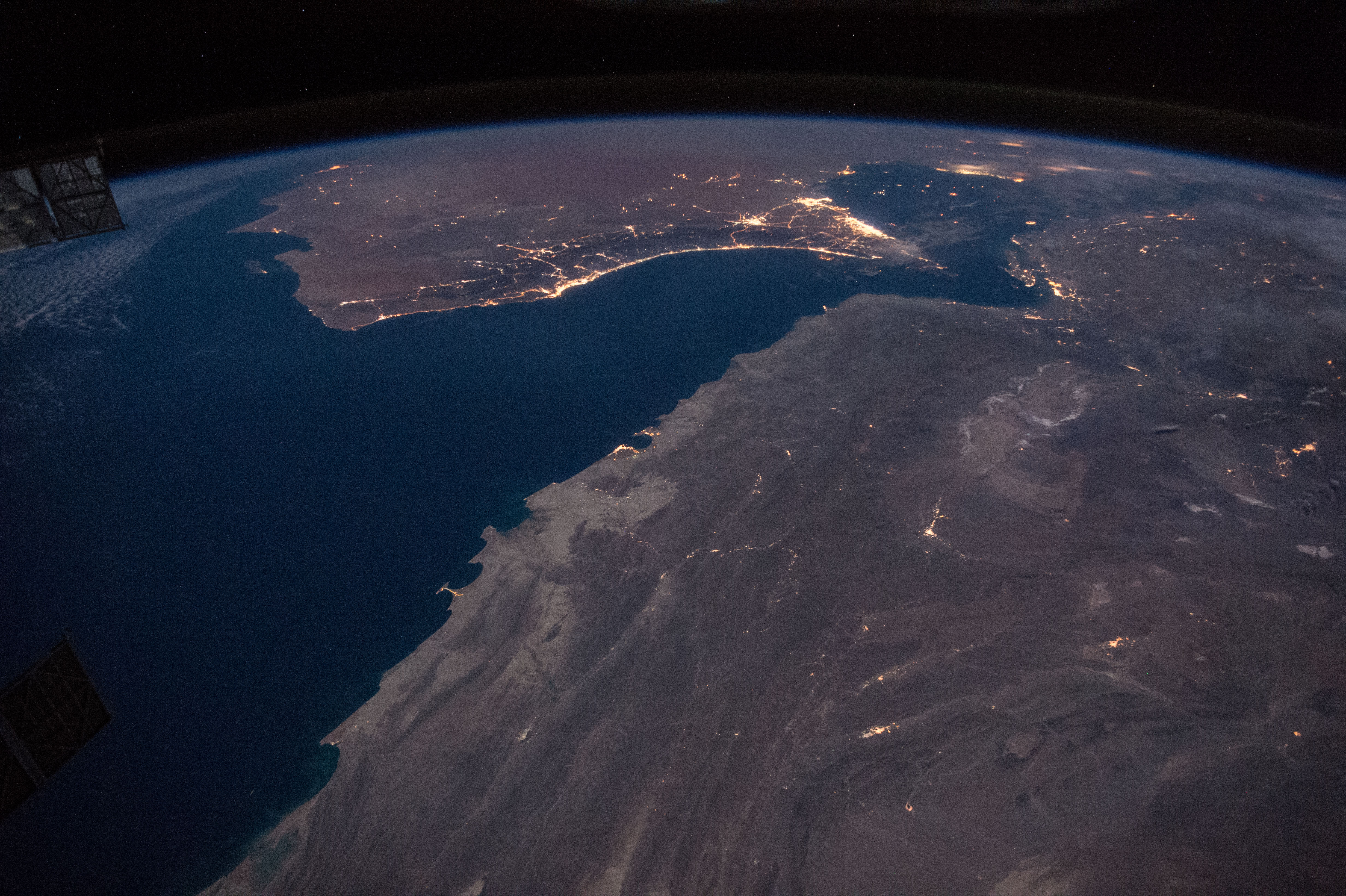
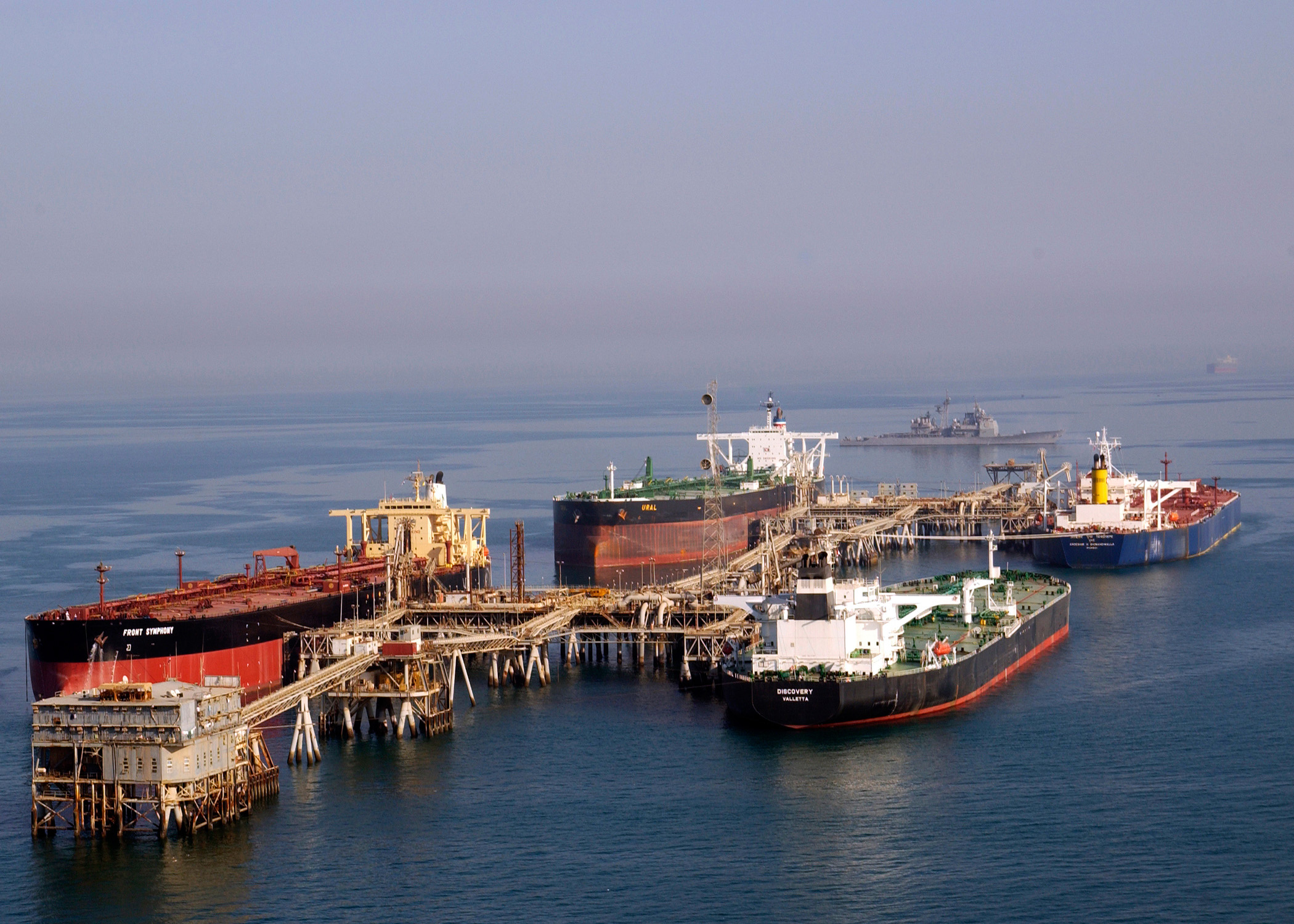
Hormuz traffic stood at 5 percent of pre-war levels on a seven-day average, with the latest single-day reading at 1 percent, Iran SitRep reported on November 9. The JMIC-verified baseline before the closure was 138 vessels per day. Asian markets imported about 80 percent of crude oil and nearly 90 percent of LNG transiting Hormuz in 2025, according to IEA data cited by PBS NewsHour.
The market is pricing a deal that does not yet exist — on a day when the US secretary of state said negotiations “haven’t been very productive.”
From the 7-Day Plan to the 48-Hour Offer
Qatar has served as the primary channel between Washington and Tehran throughout the US-Iran war. The current framework has passed through several iterations.
Araghchi submitted a seven-day roadmap at the UN General Assembly on September 25, proposing a sequenced de-escalation with reciprocal steps on each day. Qatari mediators compressed it to two days, producing the proposal formally submitted on November 6, Axios reported.
The June Islamabad MoU — the previous ceasefire attempt, signed with Pakistani mediation — collapsed when Iran continued tanker attacks after it was signed, according to Israel Hayom and Al Jazeera. More than 130 vessel attacks and 25 seafarer deaths later, the credibility problem for any new sequenced deal is straightforward: Iran did not honor the last one.
At the October 27 talks in Tehran — which included Saudi Arabia, Pakistan, and Turkey — Iran proposed a two-week regional pause in hostilities in exchange for gradually reopening Hormuz, The National News reported. That meeting ended without agreement.
The Qatar PM told Al Jazeera on November 9 that the US had shown willingness to “take steps towards finding a solution.” Trump’s own statement earlier that day — that further strikes were “highly unlikely” — tracked with that assessment. Rubio’s did not.
Frequently Asked Questions
How long has the Strait of Hormuz been effectively closed?
November 9, 2026, marked Day 255 of the US-Iran war, according to Iran SitRep’s running count. The IRGC originally declared Hormuz closed on April 13, 2026. After a partial reopening, the closure was resumed on July 14 and tightened further on October 26 when the IRGC declared a full blockade. Single-day traffic on November 9 stood at 1 percent of the pre-war baseline of 138 vessels per day, Iran SitRep reported.
What was in the June Islamabad MoU that collapsed?
The Islamabad memorandum of understanding, signed with Pakistani mediation in June 2026, was an interim ceasefire framework under which both sides committed to de-escalatory steps including partial Hormuz reopening. Iran continued attacking oil tankers after the signing, effectively voiding the agreement, Israel Hayom and Al Jazeera reported. The collapse is the principal reason US officials — Rubio among them — question the value of any new deal requiring trust in sequenced Iranian compliance.
Has Iran dropped its demand to control Hormuz and collect tolls?
Israel Hayom reported, citing unnamed diplomatic sources, that Tehran has abandoned its earlier demand to physically control the strait and impose transit fees on vessels. No named Iranian official has confirmed this. Iran’s public position, as stated by Araghchi, centers on the two-day framework: US measures on Day 1, Hormuz reopening on Day 2. The toll demand was a sticking point through October; Rubio warned at ASEAN in Manila in July that allowing any nation-state to control the strait and charge tolls would set “a very dangerous precedent which will repeat itself in other parts of the world,” PBS NewsHour reported.
What is the IAEA inspection dispute in the deal framework?
The framework Qatar presented includes IAEA inspector access to bombed Iranian nuclear sites on Day 1, according to accounts citing unnamed diplomatic sources reported by Israel Hayom and Axios. Iran’s own public version of the deal — as described by Foreign Minister Abbas Araghchi to Al Jazeera — makes no mention of IAEA inspections on Day 1 or any other day in the initial sequence. Nuclear discussions, including any inspection regime, are deferred to post-Day 2 talks. Whether this gap reflects genuine disagreement, a deliberate ambiguity left in by mediators, or simply different audiences hearing different versions remains unclear.
What role does Saudi Arabia play in the Hormuz negotiations?
Saudi Arabia is not a direct party to the Qatar-mediated talks between Washington and Tehran. It participated in the October 27 multilateral session in Tehran alongside Pakistan and Turkey, where Iran asked those countries to lobby Washington for a two-week regional pause, The National News reported. Saudi Foreign Minister Prince Faisal bin Farhan was in Paris for the G7 foreign ministers’ meeting on November 8-9, where the Middle East is on the agenda for November 10, but has not publicly commented on the Qatar PM’s White House visit or the $8 billion framework. An unnamed Saudi diplomat told PBS NewsHour that Iran is “encouraging Houthi escalation of attacks on the kingdom.”
The House of Saud Daily Briefing
Saudi Arabia's news in 3 minutes, every morning. Free. See today's issue