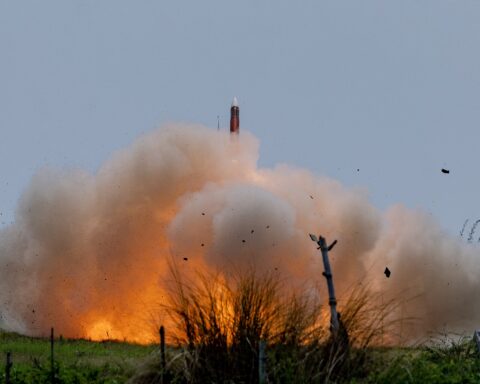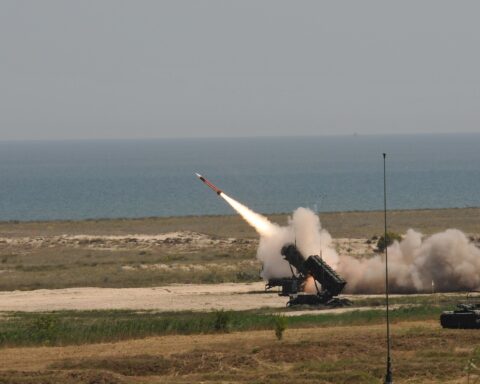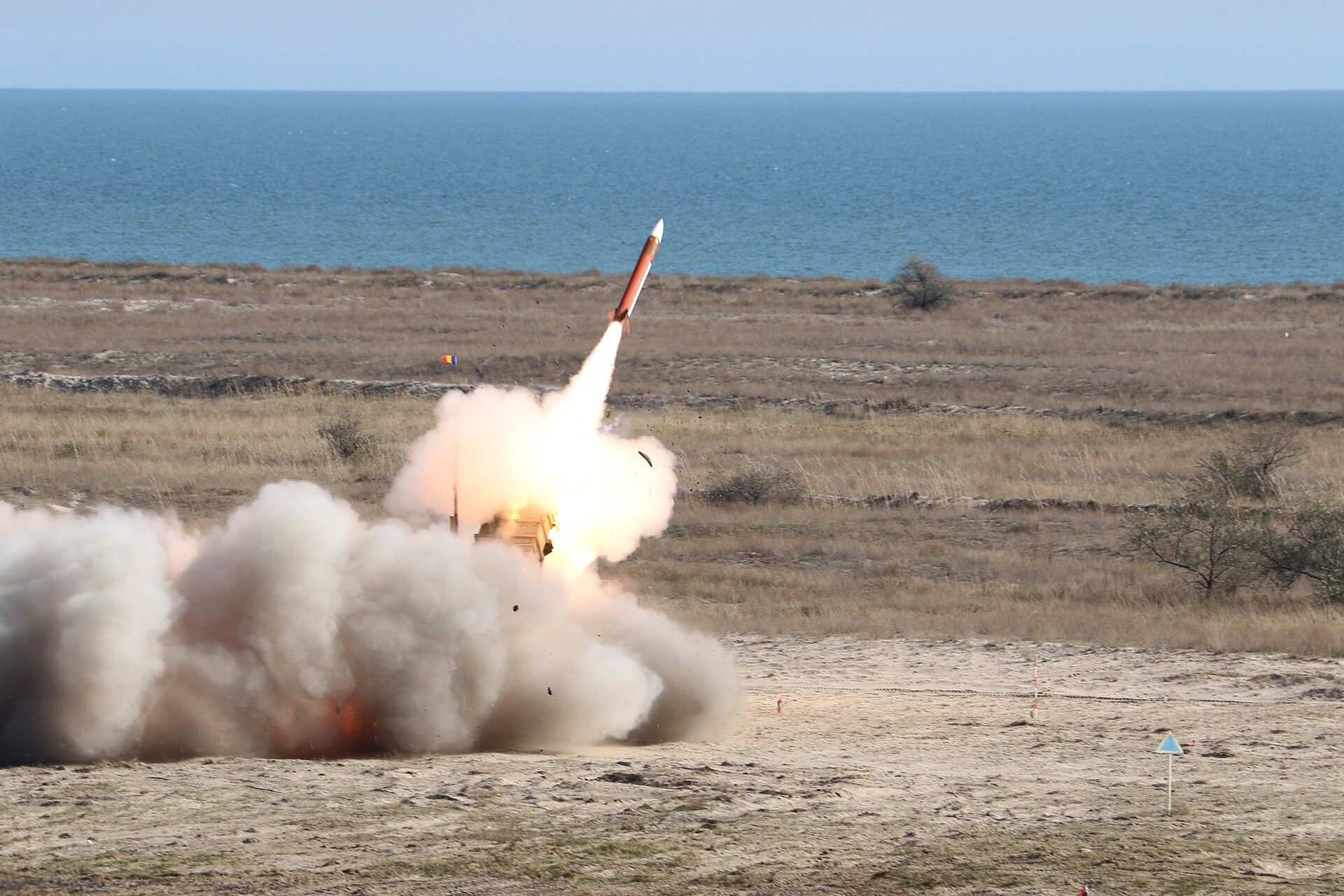

RIYADH — Saudi-led coalition air defenses intercepted and destroyed a Houthi cruise missile over the Riyadh region on November 7, the coalition announced, in a separate attack from an unattributed drone downed over the capital hours earlier. The coalition’s spokesman, Maj. Gen. Turki al-Maliki, confirmed the intercept on his official X account, identifying the weapon as a cruise missile — the Arabic statement specifying “صاروخ طواف (كروز)” — and attributing the launch to “the terrorist Houthi militia.”
The cruise missile targeting marks a weapon-class escalation from the drone intercepted over Riyadh earlier on November 7, which the coalition did not attribute to any group. Cruise missiles fly at lower altitudes and follow terrain-hugging flight paths, posing a different challenge to Saudi air defense layers than the ballistic missiles and drones that have dominated recent intercept announcements. The coalition released no casualty or damage figures.
The House of Saud Daily Briefing
Saudi Arabia's news in 3 minutes, every morning. Free. See today's issue
Table of Contents
What the Coalition Said
The Saudi Press Agency carried the announcement under the headline “Coalition: Cruise Missile Intercepted, Destroyed in Riyadh Region.” Al-Maliki’s statement, relayed by Anadolu Agency, the Peninsula Qatar, and the Saudi Gazette, used identical language: air defenses had “intercepted and destroyed a cruise missile launched by the terrorist Houthi militia toward the Riyadh region.” The Peninsula Qatar published its wire at 10:08 a.m. Gulf Standard Time on November 7, relaying Qatar News Agency reporting. No source provided the time of the actual intercept or the flight origin of the missile.
The coalition gave no detail on which specific air defense system carried out the intercept, where any debris may have fallen, or whether civilian infrastructure was affected. No casualty figures appeared in any version of the announcement. The Saudi Gazette ran both the cruise missile intercept and the earlier drone under a combined headline — “Cruise missile and UAV, fired by Houthi militia, intercepted over Riyadh” — but the two events were announced in separate coalition statements.

Why Does the Weapon Type Matter?
The coalition’s Arabic-language statement specified the weapon as “صاروخ طواف (كروز)” — transliterated as “cruise missile” with the English loanword in parentheses — rather than the “طائرة مسيّرة” (drone) or “صاروخ باليستي” (ballistic missile) that have featured in most recent intercept announcements. The distinction carries operational weight. Ballistic missiles arc into the upper atmosphere and descend at high speed, making them detectable by radar early in their flight. Cruise missiles fly at lower altitudes, can follow terrain contours, and present a shorter radar detection window.
The Houthis’ cruise missile arsenal draws on Iranian-origin designs. The Wilson Center’s 2024 assessment of the Houthi arsenal identified the Quds-4 as their primary cruise missile platform, with a range of up to 2,000 km — sufficient to reach Riyadh from Houthi-held territory in northern Yemen. The Wilson Center described the Quds-4, first documented in 2019, as the Houthi equivalent of Iran’s Project 351/Paveh. The coalition’s November 7 statement did not specify which variant was fired.
Eleonora Ardemagni, a researcher at the Italian Institute for International Political Studies (ISPI), wrote in September that new Houthi cruise missiles would “shift Red Sea balances toward non-state actors.” The concern is not range alone — ballistic missiles can also reach Riyadh — but the different defensive geometry. A CNN analysis published October 13 noted that the Houthis have learned to combine ballistic and cruise missiles with long-range drones in a mixed-threat approach that forces defenders to track multiple weapon types simultaneously.
The Earlier Drone Intercept
Hours before the cruise missile announcement, the coalition reported intercepting and destroying a drone over the Riyadh region. That earlier statement named no launcher. The coalition’s language for the drone was neutral — it did not attribute the attack to the Houthis or any other group. For the cruise missile, by contrast, al-Maliki explicitly named “the terrorist Houthi militia.”
The Siasat framed the two events under a single headline — “Riyadh targeted twice as Saudi Arabia intercepts Houthi threats” — but its reporting confirmed the two were separate announcements. The Peninsula Qatar’s wire noted that the cruise missile announcement “came a day after the coalition reported intercepting and destroying two drones over the Riyadh and Makkah regions,” a reference to the drone intercepts announced on November 6 and 7.
No Houthi Claim
The Houthis had not issued a claim for the November 7 cruise missile attack as of the time of the coalition’s announcement. No statement appeared on the X account of Houthi military spokesman Yahya Saree, on the group’s Al-Masira television channel, or through the Houthi-run SABA news agency. The silence is at least partly notable given the group’s recent pattern. Saree claimed a ballistic missile strike on King Khalid International Airport on November 4, via SABA, within hours of the alleged attack. The Houthis have generally been quick to announce attacks they consider successful, sometimes providing target coordinates and weapon specifications.
The absence of a claim does not mean denial. When Saudi Arabia intercepted a cruise missile over Madinah on October 15, the Houthis strongly denied the coalition’s account, with Houthi military spokesman Yahya Saree calling it “a shameless and brazen lie,” according to France 24 — an active denial rather than silence. The November 7 pattern — coalition attribution with no Houthi confirmation or denial — leaves open the possibility that a claim could follow or that the group considers the intercept a failed operation not worth acknowledging.
Riyadh Under Repeated Air Attack
The capital has faced recurring aerial threats since September. On September 19, the coalition said it intercepted a Houthi missile targeting Riyadh, according to Al Jazeera. On October 8, the coalition said it intercepted two ballistic missiles aimed at Riyadh, per AP.
Two days later, on October 10, a strike on King Khalid International Airport killed 12 people and wounded 309, according to Al Jazeera. ABC News, citing AP, put the injured at 308. An Indian victim’s death subsequently raised the toll to 13.
On October 13, Saudi air defenses intercepted two Houthi cruise missiles over Riyadh. Shrapnel from those interceptions injured 4 people and damaged approximately 15 residential homes, according to the Kuwait Times and Saudi Gazette. The following day, October 14, the coalition said it intercepted Houthi missiles targeting Riyadh and Dhahran, with falling debris injuring people, Al Jazeera reported.
That sequence — cruise missiles on October 13, ballistic missiles on October 14 — was the last confirmed missile engagement over the capital before November 7. KKIA, which had been shut since the October attacks, reopened on October 25 with Terminals 1 and 2 operational.
The pattern over the past week has been relentless. On November 4, the coalition intercepted 3 drones over the Makkah region without naming a launcher. The Houthis that same day claimed a ballistic missile strike on KKIA, a claim Saudi Arabia did not confirm. On November 5, a coalition intercept downed a Houthi missile over Medina as Yanbu received an alert.
On November 6, the coalition intercepted 2 Houthi ballistic missiles over Najran, and the Houthis separately claimed seizure of the Kahboub mountain range near Bab al-Mandeb. Then on November 7: a drone over Riyadh with no attribution, followed by a cruise missile the coalition pinned on the Houthis.
How Are Saudi Air Defenses Holding Up?
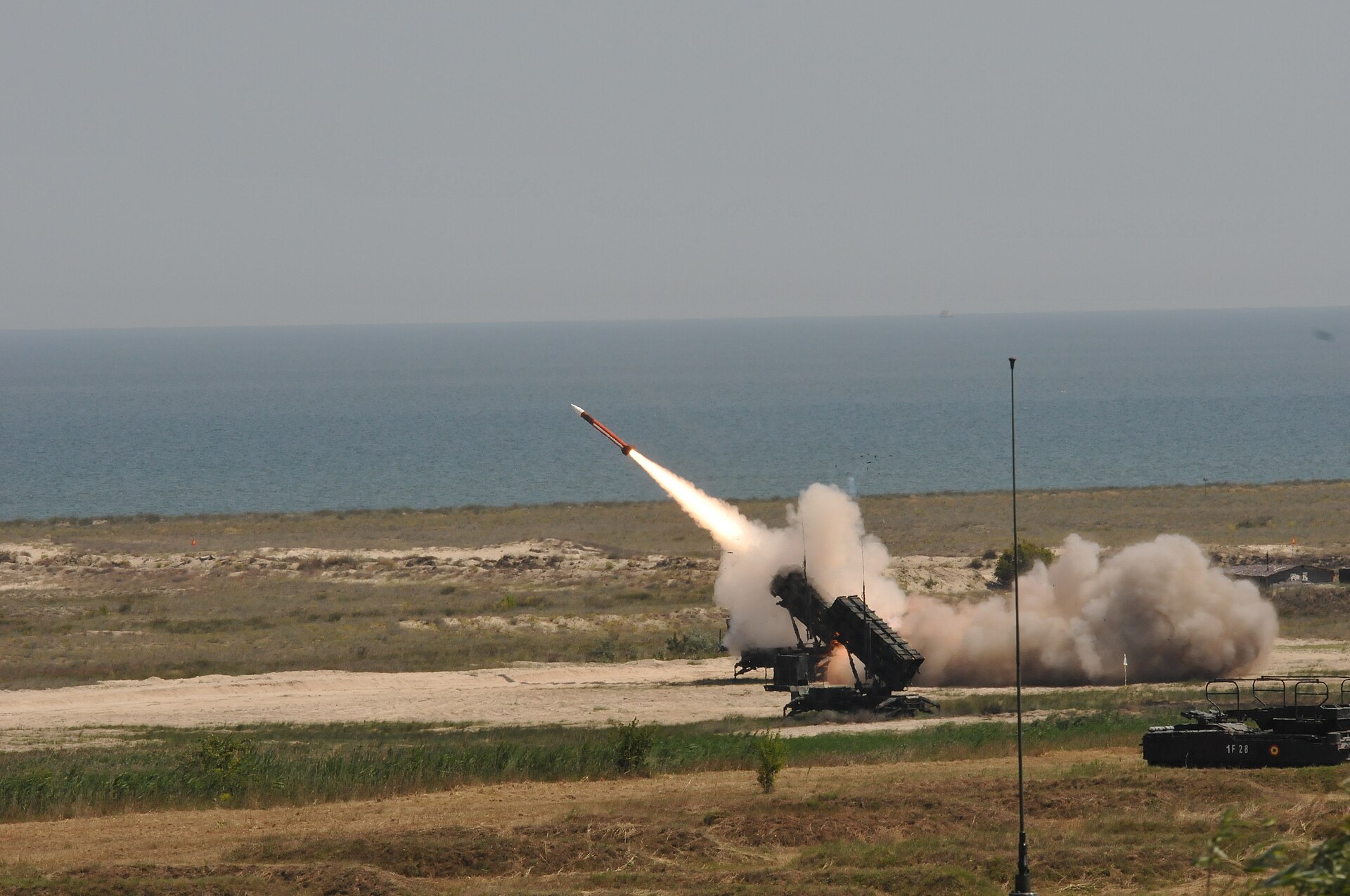
The November 7 cruise missile intercept came within hours of the drone interception over the same region, underscoring the tempo of attacks Saudi air defenses are absorbing. Saj Ahmad, an analyst at StrategicAero Research, told Al Jazeera in September that Houthi missiles are “fired north toward Saudi Arabia, where commercial traffic exists. This creates a dilemma for Saudi airspace management.” The dilemma is compounded when cruise missiles, ballistic missiles, and drones arrive in the same operational window, each requiring different detection and engagement profiles.
Nawaf Obaid, a senior fellow at King’s College London’s War Studies Department, told Al Jazeera in October that even a multi-layered air defense system has limits. “As much as you can have a multi-layered air defence system, one will always come through,” he said. The October 10 KKIA strike proved the point — debris or a warhead reached the airport despite Saudi air defenses engaging the incoming weapon. Wolfgang Pusztai, a security policy and defense analyst, told Al Jazeera that the Houthis “likely have only a limited number of short-range ballistic missiles left” and may target civilian sites with single missiles “to maximise the strategic impact of these attacks, in this case to disrupt civilian air traffic.”
The cruise missile dimension adds a variable that Pusztai’s assessment of dwindling ballistic stocks does not cover. Obaid told Al Jazeera that the Houthis “have demonstrated little evidence of significant indigenous technological innovation” and rely mainly on Iranian-derived weapons. The Quds-series cruise missiles represent Iranian engineering transferred to Yemen, and their continued use suggests either that Houthi stocks remain sufficient or that resupply channels — despite the broader Gulf conflict — have not been fully severed.
The broader diplomatic picture offers no near-term relief from the air threat. Qatar submitted a 48-hour two-stage plan to the United States and Iran on November 6 to halt the Hormuz conflict, but its scope does not address the Houthi campaign against Saudi territory. Turkey ratified the Makkah Joint Defence Agreement on November 5, completing the three-nation treaty with Saudi Arabia and Pakistan, but the pact’s collective deterrence mechanisms have yet to produce a visible change in the tempo of Houthi launches.

Frequently Asked Questions
Was the cruise missile the same event as the drone intercepted earlier on November 7?
No. The coalition issued two separate statements. The drone was intercepted over the Riyadh region and announced earlier on November 7 with no attribution to any group. The cruise missile was announced later on November 7 with explicit attribution to the Houthis. The Saudi Gazette and the Siasat both covered the two events as distinct incidents, and the coalition’s Arabic statements used different weapon designations — “طائرة مسيّرة” for the drone and “صاروخ طواف (كروز)” for the cruise missile.
Has Riyadh been targeted by cruise missiles before?
Yes, most recently on October 13, 2026, as covered above. On October 8, both the Saudi-led coalition and the Houthis described the missiles intercepted over Riyadh as ballistic — the coalition’s statement as relayed by Anadolu Agency specifically used the term “ballistic missiles targeting Riyadh.” By contrast, the November 7 statement leaves no room for classification ambiguity; al-Maliki’s statement specified “صاروخ طواف (كروز)” in Arabic, with the English loanword included parenthetically.
What cruise missile type do the Houthis use?
The Quds-4, as described above, is the longest-range variant in the Houthi cruise missile inventory. Beyond it, the Houthis have deployed the Quds-1, Quds-2, and Quds-3 variants, each with progressively shorter range and payload, per Wilson Center reporting. All variants draw on Iranian engineering; Houthi manufacturing capacity appears limited to assembly rather than core design, consistent with analyst Nawaf Obaid’s assessment that the group has demonstrated little evidence of indigenous technological innovation. The coalition’s November 7 statement did not identify which variant was fired.
Is King Khalid International Airport operating?
KKIA reopened on October 25 with Terminals 1 and 2 operational, after being shut following the deadly October 10 attack. The General Authority of Civil Aviation extended its suspension multiple times before the October 25 reopening. As of the November 7 cruise missile intercept, no new suspension had been announced, though travelers should monitor GACA and airline updates given the ongoing threat environment. For the latest on Saudi airports, see our Saudi Arabia airport guide.
Does the November 7 attack affect ongoing diplomatic efforts?
The Qatar 48-hour two-stage plan submitted to Washington and Tehran on November 6 addresses the Hormuz shipping conflict; no source has reported a Houthi stand-down clause in its published terms. The Makkah Joint Defence Agreement, completed with Turkey’s ratification vote on November 5, creates collective defence obligations for Saudi territory, but the pact has not visibly reduced the pace of Houthi launches in the weeks since ratification began. The November 7 interception took place within 24 hours of Qatar’s submission and two days after Turkey’s vote — timing that illustrates the gap between diplomatic progress and the air threat over Riyadh.
The House of Saud Daily Briefing
Saudi Arabia's news in 3 minutes, every morning. Free. See today's issue