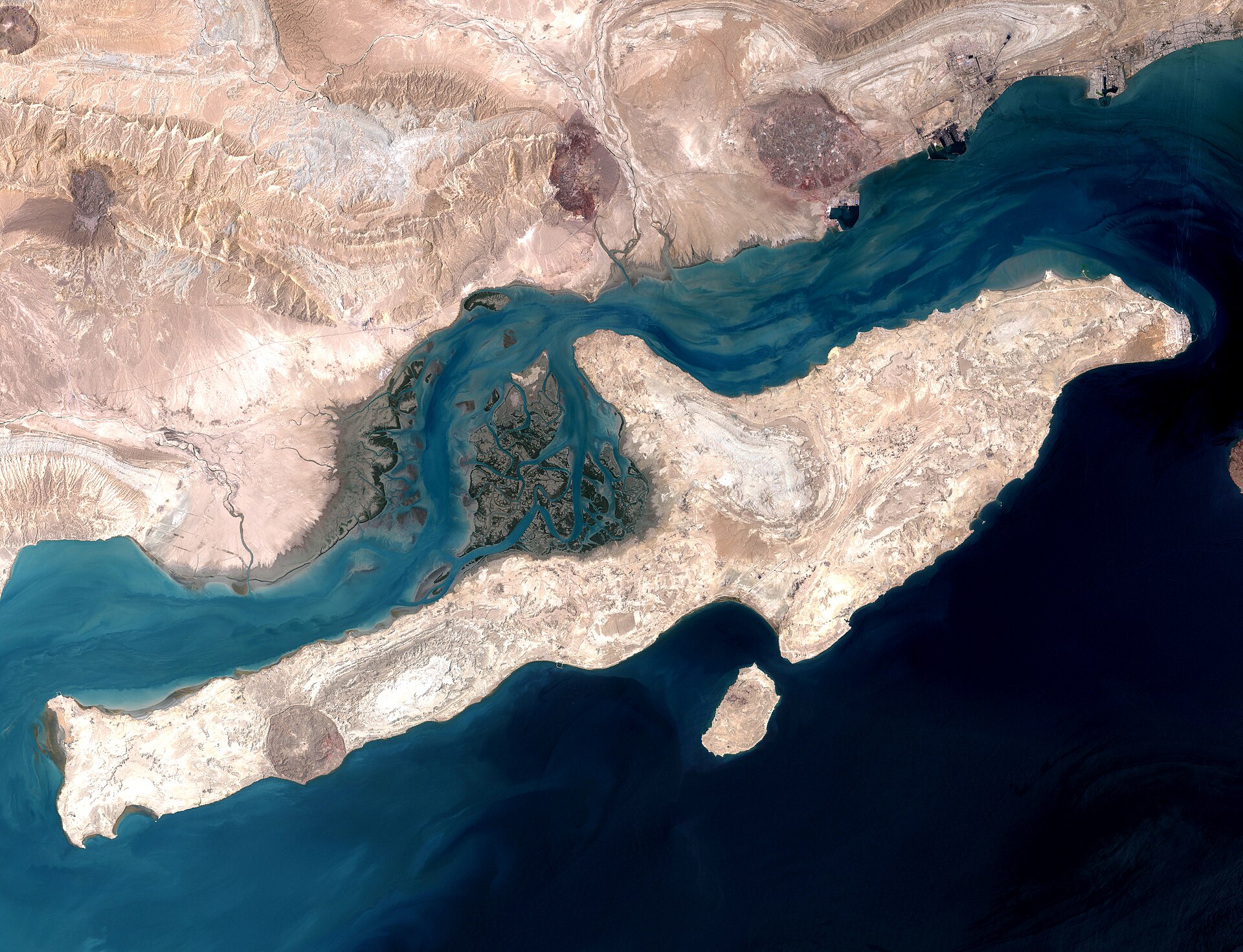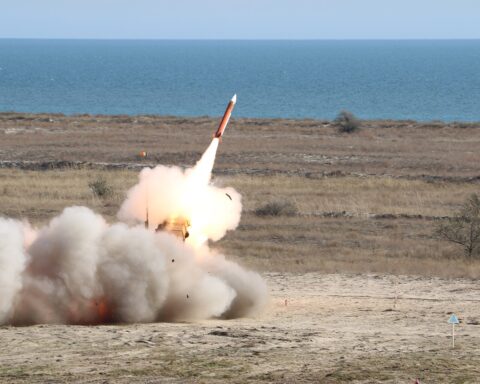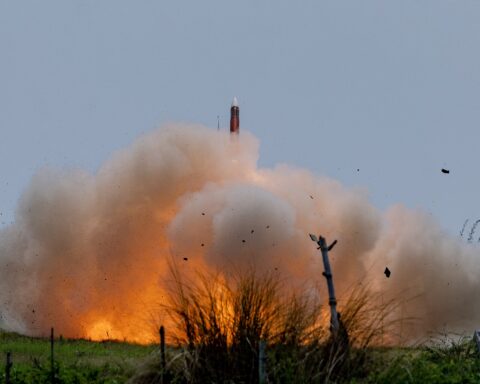

TEHRAN — The United States struck targets on Iran’s Qeshm Island for the second time in five days on 7 November 2026, hitting what President Donald Trump described as an air defence system, as Qatari mediators pushed a 48-hour de-escalation plan that neither Washington nor Tehran has formally accepted.
Trump, speaking to reporters in West Palm Beach, called the operation “minor strikes” and said American forces had “knocked out” an anti-aircraft device “in about 15 minutes,” according to CNBC and Al Jazeera. He did not name Qeshm Island. Iranian state media — Tasnim News Agency and IRNA — placed the strikes in the Suza area of Qeshm, where witnesses told IRNA they heard aircraft overhead before two missile impacts.
The House of Saud Daily Briefing
Saudi Arabia's news in 3 minutes, every morning. Free. See today's issue
Within hours, Iran’s army spokesman said the Strait of Hormuz would remain closed and that all American assets worldwide were potential targets. Qatar’s foreign ministry spokesman said both sides remained committed to negotiations.
Table of Contents
What Did the US Strike on Qeshm Island?
Trump stopped short of naming Qeshm, telling reporters he did not “want to talk about” whether additional strikes had occurred, CNBC reported.
Iranian state media filled in the location. Tasnim and IRNA reported two missile strikes in the Suza area of Qeshm Island. Tasnim said there was “no official information on damage” in the immediate aftermath. IRIB, the state broadcaster, reported no casualties.
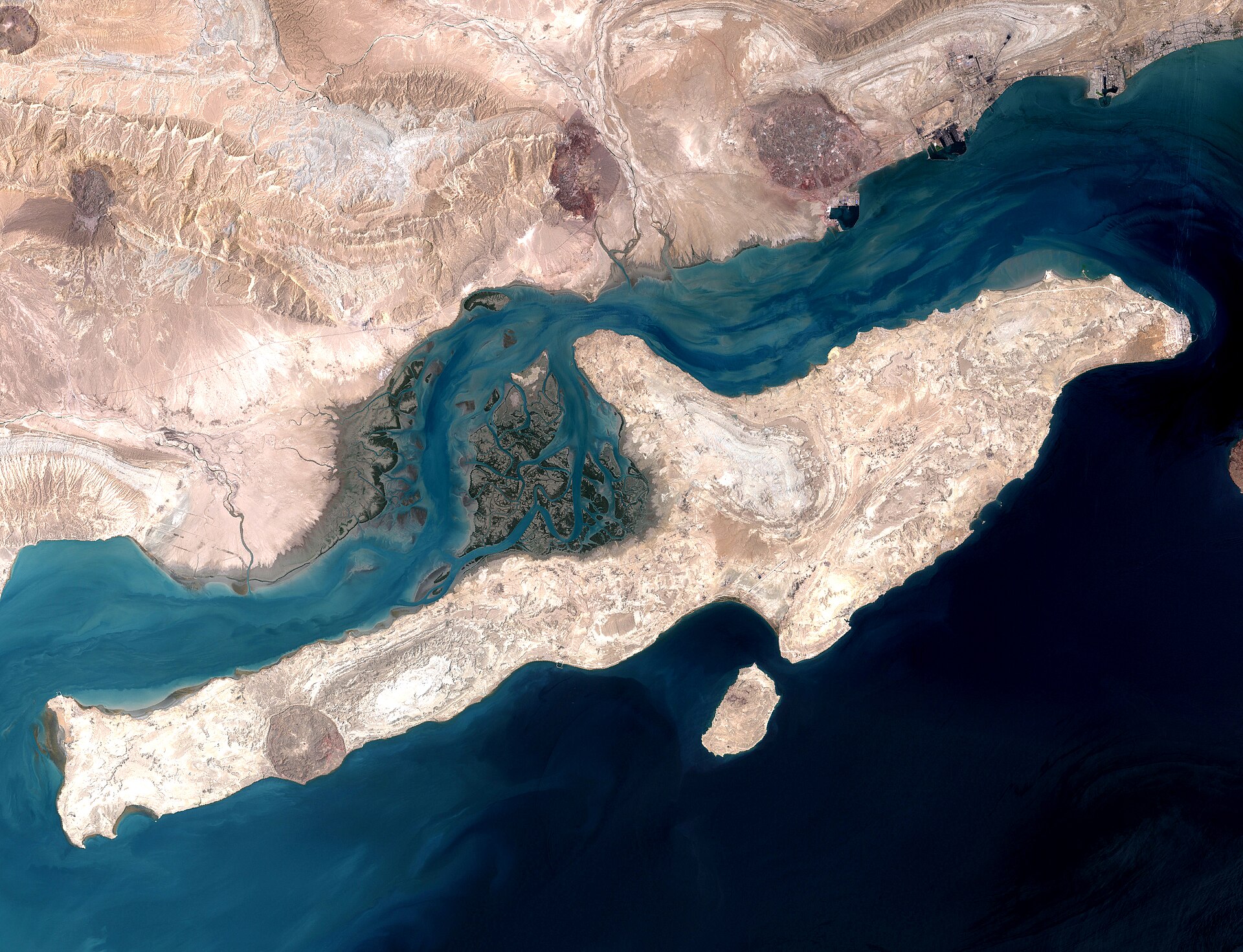
Qeshm Island sits at the mouth of the Strait of Hormuz. It houses an IRGC naval installation, an underground missile facility, and a desalination plant, according to an Anadolu Agency factbox. Since the blockade began, analysts and reporting on the conflict have consistently identified the island as a staging point for IRGC anti-ship, surface-to-air missile, and drone operations against vessels transiting the strait.
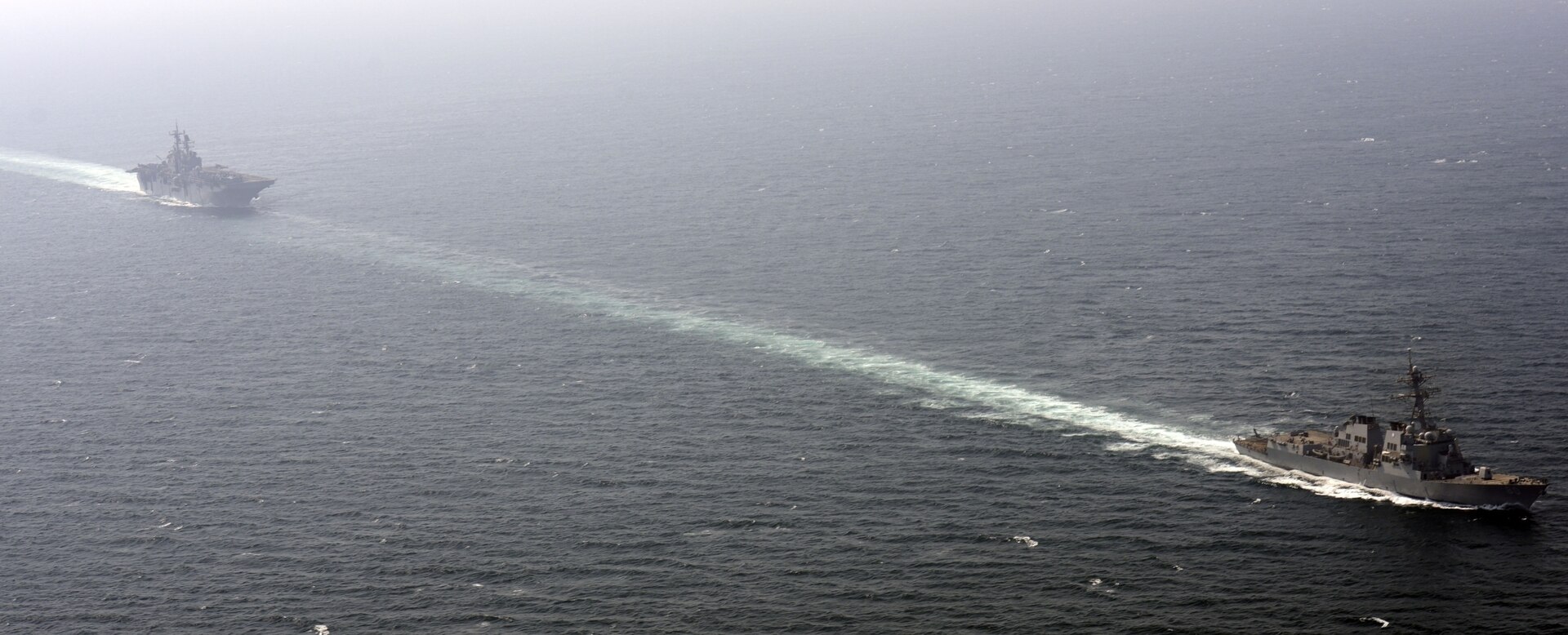
The 7 November operation appears narrower than the 2–3 November strikes, when the US hit radar and missile positions on Qeshm and a drone command-and-control facility at Goruk on the Iranian mainland, according to NBC News and The National. That earlier operation followed an IRGC surface-to-air missile fired at a US aircraft over the Strait of Hormuz; a US fighter destroyed the launcher on Qeshm, Axios reported via The National.
No US official has publicly stated what prompted the 7 November strikes. No Pentagon briefing or military statement accompanied Trump’s confirmation. The only American acknowledgment as of publication was Trump’s remarks in West Palm Beach.
The absence of a disclosed trigger distinguishes the 7 November operation from the 2–3 November round. In the earlier strikes, the IRGC’s surface-to-air missile launch at a US aircraft provided a clear precipitating incident that both sides acknowledged. On 7 November, no equivalent provocation had been reported by either US or Iranian officials.
Iran Claims Drone Shoot-Down and Lifts Missile Range
The IRGC claimed it intercepted and destroyed a US drone over Qeshm Island on 7 November. Mehr News Agency and IRNA, citing the IRGC, identified the aircraft as an MQ-1 Predator — described as the 16th of that type downed by Iran. IRIB, the state broadcaster, citing the Iranian army, reported the drone as an MQ-9 Reaper. NBC News also reported the aircraft as an MQ-9 Reaper. The discrepancy between the IRGC’s MQ-1 claim and the Iranian army’s MQ-9 account has not been resolved, and no independent source has confirmed the shoot-down.
IRGC spokesman Hossein Mohebbi announced that restrictions on the range of Iranian missiles had been lifted, according to Il Sole 24 Ore, attributing an IRGC statement. The claim has not been independently verified. No other IRGC or military source had publicly repeated the announcement as of publication.
Brigadier General Mohammad Akraminia, the Iran Army spokesman, said Iran’s forces were “stronger than at the beginning of the war” and that all US assets “regardless of their geographical location” were potential targets if aggression continued, Tasnim and Tehran Times reported.
Akraminia said renewed strikes would not force the Strait of Hormuz open. The waterway would remain closed until all seven of Iran’s conditions were met, he told Mehr News Agency and PressTV. Those conditions were detailed in a statement published earlier on 7 November.
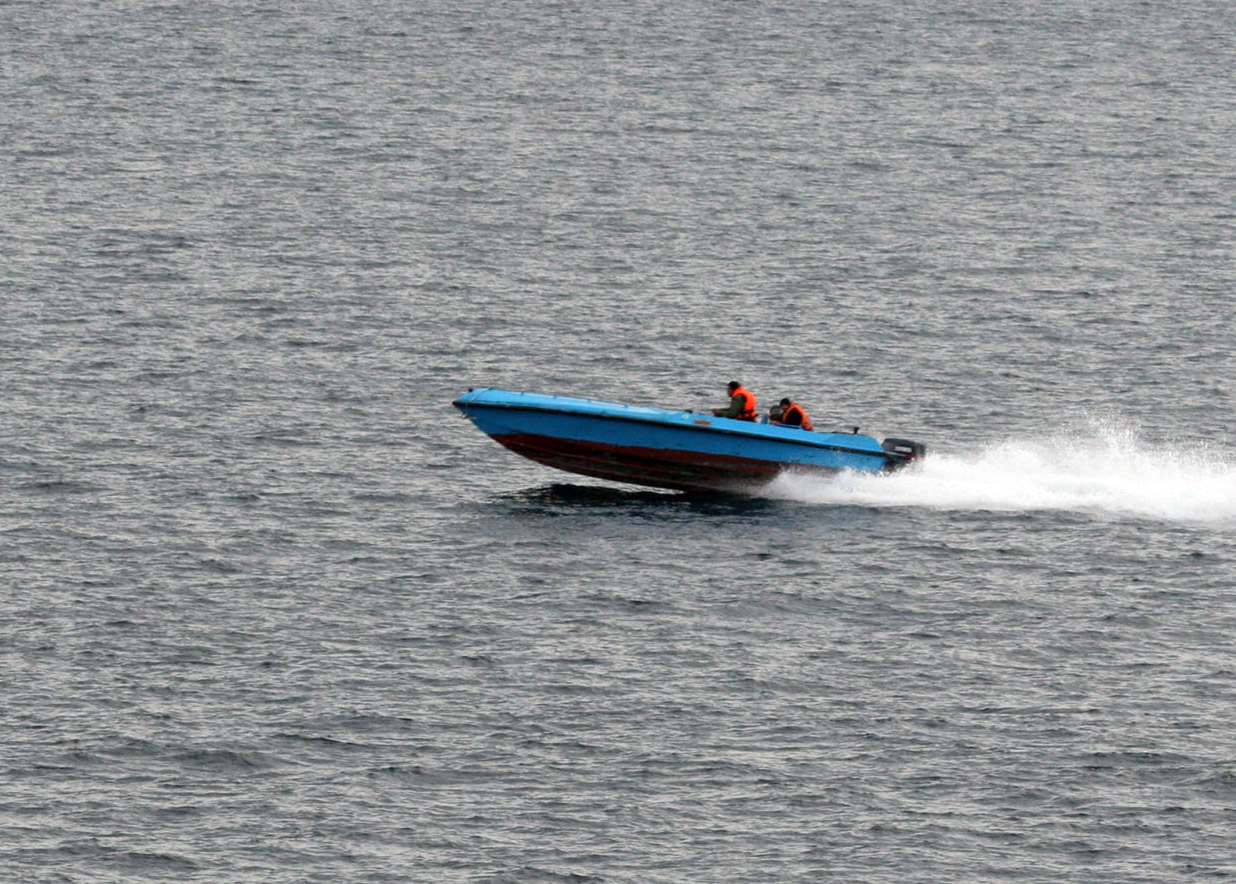
Three Iranian official statements followed within hours of the strikes. The IRGC claimed a drone shoot-down. IRGC spokesman Mohebbi announced missile range restrictions had been lifted. Army spokesman Akraminia ruled out any reopening of Hormuz.
Where Does Qatar’s 48-Hour Plan Stand?
Qatar’s Prime Minister Sheikh Mohammed bin Abdulrahman Al Thani said on 7 November that mediation was continuing and that “significant progress” had been made, according to JPost and Al Jazeera. He said a deal was “still possible” and warned that negotiators “should not wait for a perfect agreement.”
Majed al-Ansari, Qatar’s foreign ministry spokesman, confirmed that both sides “remain committed to the negotiation process” after the latest strikes, Al Jazeera reported.
Both sides “remain committed to the negotiation process.”
— Majed al-Ansari, Qatar MFA Spokesperson, 7 November 2026 (Al Jazeera)
The 48-hour plan, submitted on 6 November, proposes a two-stage reciprocal sequence. In stage one, the United States would lift its port blockade and Iran would grant the International Atomic Energy Agency access to nuclear facilities. In stage two, Iran would reopen the Strait of Hormuz to commercial shipping and commit to entering nuclear negotiations.
Neither Washington nor Tehran has formally accepted the proposal.
Iran’s foreign minister Abbas Araghchi told Anadolu Agency, as reported by Dawn, that he had spoken with 12 foreign ministers over the previous 48 hours regarding regional developments. Iran is reviewing the Qatari proposals but has not agreed to enter nuclear negotiations until Washington addresses ceasefire preconditions first, according to the Associated Press via the Oman Observer.
Tehran’s sequencing demand has been a persistent obstacle. Iran insists on ceasefire terms before nuclear talks begin. The 48-hour plan attempts to bridge that gap by placing IAEA access alongside the port blockade in stage one and treating nuclear negotiations as a second-stage outcome rather than a prerequisite for the initial steps.
How Do Bombs and Diplomacy Run on the Same Day?
Trump said on 7 November that the United States had “made a lot of progress with Iran,” according to Al Jazeera and CNBC. He provided no details. He said this on the same day he confirmed strikes on an Iranian air defence system.
“We do minor strikes.”
— President Donald Trump, West Palm Beach, 7 November 2026 (CNBC, Al Jazeera)
Earlier on 7 November, Trump had said the US and Iran were in communication while Hormuz mine attacks continued. That statement preceded the public confirmation of the new Qeshm strikes.
The parallel tracks are documented. The 2–3 November strikes on Qeshm and Goruk came while Qatari mediators were circulating draft proposals. The IRGC reported tanker mine attacks in the strait on 6 November — the same day Qatar submitted its 48-hour plan.
Since early November, each round of military action has been bracketed by diplomatic statements. Qatar submitted proposals before the 2–3 November strikes. It submitted the 48-hour plan before the 7 November strikes. In each instance, the military operations ran on their own schedule, and the mediators returned afterward.
John Mearsheimer, a political scientist at the University of Chicago, questioned whether short bombing campaigns could achieve stated US objectives and warned that Iranian retaliation could draw the United States into a longer confrontation, Al Jazeera reported.
No Saudi government statement on the 7 November Qeshm strikes had been published as of the time of filing.
From April Blockade to November Air Strikes
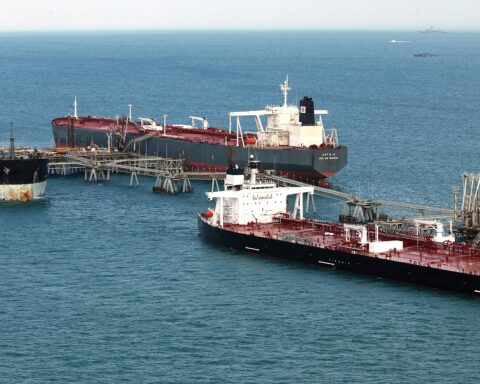
The IRGC first closed the Strait of Hormuz on 13 April 2026. After a partial reopening, the blockade resumed on 14 July. On 26 October, the IRGC formally declared the strait closed again. Before the blockade, the waterway handled 138 vessels per day, according to the Joint Maritime Information Center.
The 2–3 November strikes on Qeshm and Goruk were the first confirmed US strikes on Iranian territory in the Strait of Hormuz theatre during the war. The trigger — an IRGC surface-to-air missile fired at a US aircraft — was publicly acknowledged and confirmed by NBC News, CNN, and the Wall Street Journal on 3 November. The US response began with that launcher and expanded to cover additional radar, missile, and drone infrastructure on the island and at Goruk.
Five days later, on 7 November, the US struck Qeshm again. Trump described the target as a single air defence system.
The war between the United States and Iran has involved strikes on Iranian military infrastructure, IRGC mine-laying operations across the strait’s shipping lanes, and an expanding Houthi campaign against Saudi Arabia from Yemen. Coalition forces have intercepted multiple waves of missiles and drones targeting Saudi cities and military installations. Turkey ratified the Makkah Defence Pact on 5 November, completing a three-nation security treaty with Saudi Arabia and Pakistan.
Democrats won both chambers of Congress on 4 and 5 November. Trump’s authority to conduct military operations against Iran runs through 3 January 2027, when the new Congress is seated. The intervening weeks represent a compressed window for executive action before a Democratic majority can use legislative tools to challenge the campaign.
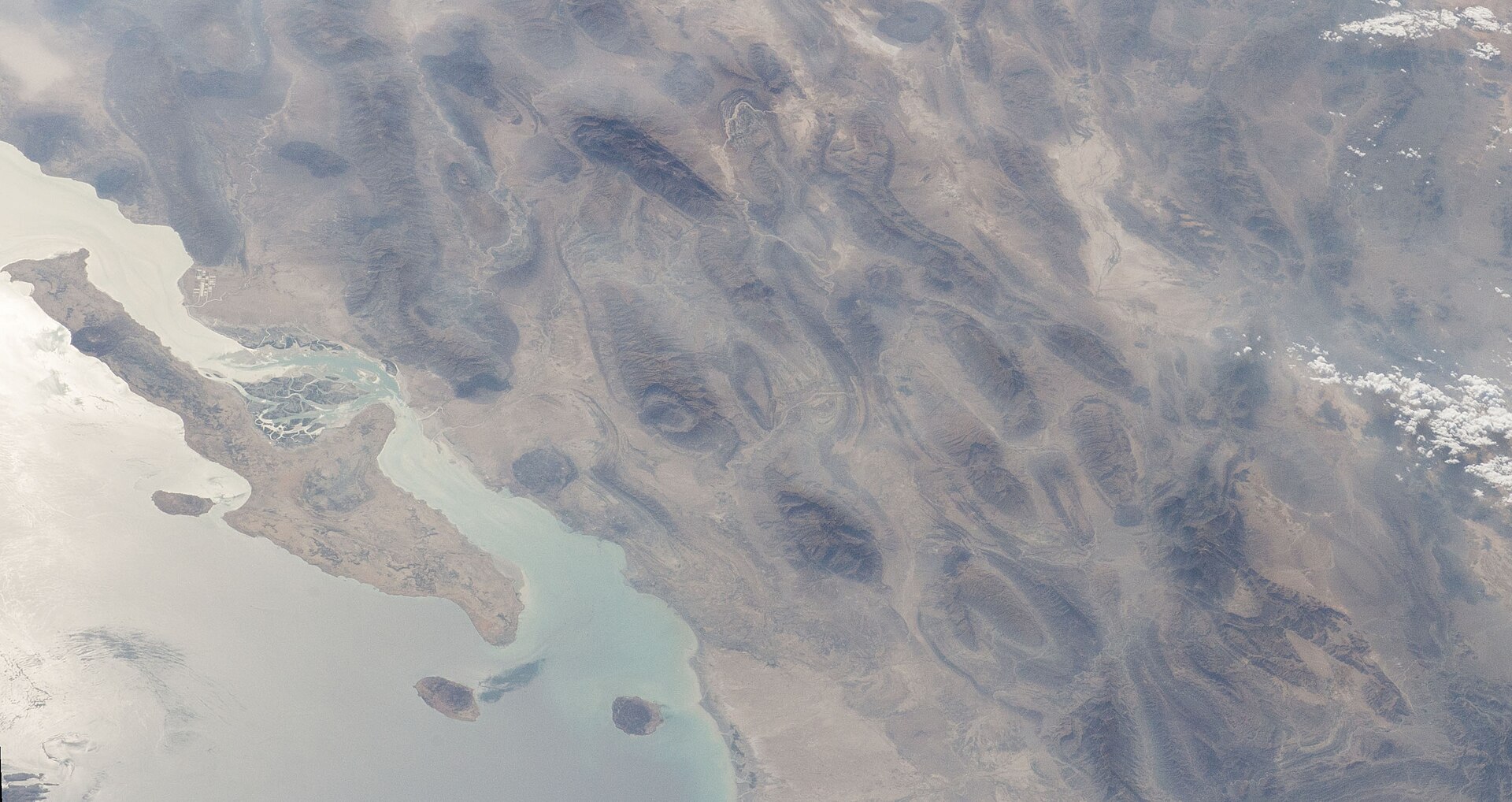
Qatar’s diplomatic channel has been the primary avenue for de-escalation since the Tehran communiqué on 26 October. The 48-hour plan submitted on 6 November is the most specific reciprocal proposal tabled since the conflict began.
Frequently Asked Questions
What triggered the earlier 2–3 November strikes on Qeshm?
The IRGC fired a surface-to-air missile at a US aircraft operating over the Strait of Hormuz. A US fighter destroyed the launcher on Qeshm Island. The operation then expanded to radar and missile sites on Qeshm and a drone command-and-control facility at Goruk on the Iranian mainland. CNN described the action as a “defensive operation.” NBC News, CNN, and the Wall Street Journal confirmed the strikes on 3 November. No equivalent trigger has been disclosed for the 7 November operation.
Who is mediating between the US and Iran?
Qatar holds the primary diplomatic channel and submitted the 48-hour de-escalation plan on 6 November. Oman runs a secondary track focused specifically on Hormuz navigation arrangements. Switzerland facilitates some back-channel contacts between Washington and Tehran, according to the Oman Observer and Al Jazeera. Iran’s foreign minister Abbas Araghchi said he had spoken with 12 foreign ministers in 48 hours, suggesting the mediation effort extends well beyond the three named intermediaries.
Did Iran shoot down a US drone on 7 November?
The IRGC claimed to have intercepted and destroyed a drone over Qeshm Island. Iran’s IRGC, via Mehr News Agency and IRNA, identified the aircraft as an MQ-1 Predator — the 16th of that type according to the IRGC’s tally. IRIB, the state broadcaster, citing the Iranian army, identified it as an MQ-9 Reaper — a different platform. NBC News also reported the aircraft as an MQ-9 Reaper. No independent source has confirmed the shoot-down. The discrepancy is between Iran’s own IRGC and its army, not between Iranian state media and a US outlet, as both IRIB and NBC News describe an MQ-9. The US military has not commented on the IRGC’s assertion.
Is the Strait of Hormuz still closed?
Yes. The IRGC declared the strait closed on 26 October 2026, the latest in a series of closures that began with the original blockade on 13 April and resumed on 14 July. Before the closure, the strait handled 138 vessels per day, according to the Joint Maritime Information Center. Iran’s army spokesman said on 7 November that the waterway would not reopen until all seven of Iran’s stated conditions were met. Mine attacks have continued in the strait throughout the diplomatic process.
What happens when the new US Congress takes office?
Democrats will be sworn into both the House and Senate on 3 January 2027, following their wins in the 4–5 November midterm elections. Once seated, the Democratic majority could use war powers resolutions and other legislative tools to challenge or restrict Trump’s authority to continue military operations against Iran. The eight-week window between the midterm results and the seating of the new Congress is a period in which the administration can prosecute the campaign without facing legislative opposition from the incoming majority.
The House of Saud Daily Briefing
Saudi Arabia's news in 3 minutes, every morning. Free. See today's issue