
RIYADH — Europe’s aviation safety agency extended 6 conflict-zone advisories covering Gulf and Middle Eastern airspace on 16 November, pushing the warnings through 31 January 2027 as drone and missile attacks continued to disrupt commercial aviation across Saudi Arabia, Bahrain and Kuwait. The European Union Aviation Safety Agency revised bulletins for Iran, Iraq, Lebanon, Jordan, Saudi Arabia and the Persian Gulf and Gulf of Oman, according to Anadolu Agency.
The extensions arrive against a backdrop of intensifying military operations. The IRGC claimed on 17 November that it launched drones at Ali Al Salem Air Base in Kuwait and Sheikh Isa Air Base in Bahrain, according to Al Jazeera. Etihad Airways, flydubai, ITA Airways and Singapore Airlines have all cancelled, reduced or deferred Saudi services, with some suspensions stretching into 2027. Kuwait International Airport continues to operate without its main terminal, damaged in a June 2026 Iranian attack. For travellers seeking the latest updates, House of Saud maintains a live Saudi Arabia travel status tracker.
Table of Contents
- EASA Extends 6 Airspace Bulletins to 31 January 2027
- Which Gulf Airports Face Disruptions?
- Airlines Cancel and Defer Saudi Routes Through Early 2027
- What Military Activity Triggered the Warnings?
- Why Are EASA Advisories Not Flight Bans?
- Background: 9 Months of Airspace Warnings
- Frequently Asked Questions
EASA Extends 6 Airspace Bulletins to 31 January 2027
EASA revised 6 Conflict Zone Information Bulletins on 16 November 2026, extending all of them to 31 January 2027, Anadolu Agency reported on 17 November. The bulletins cover the airspace of Iran, Iraq, Lebanon, Jordan, Saudi Arabia, and portions of the Persian Gulf and Gulf of Oman, according to Anadolu Agency.
The House of Saud Daily Briefing
Saudi Arabia's news in 3 minutes, every morning. Free. See today's issue
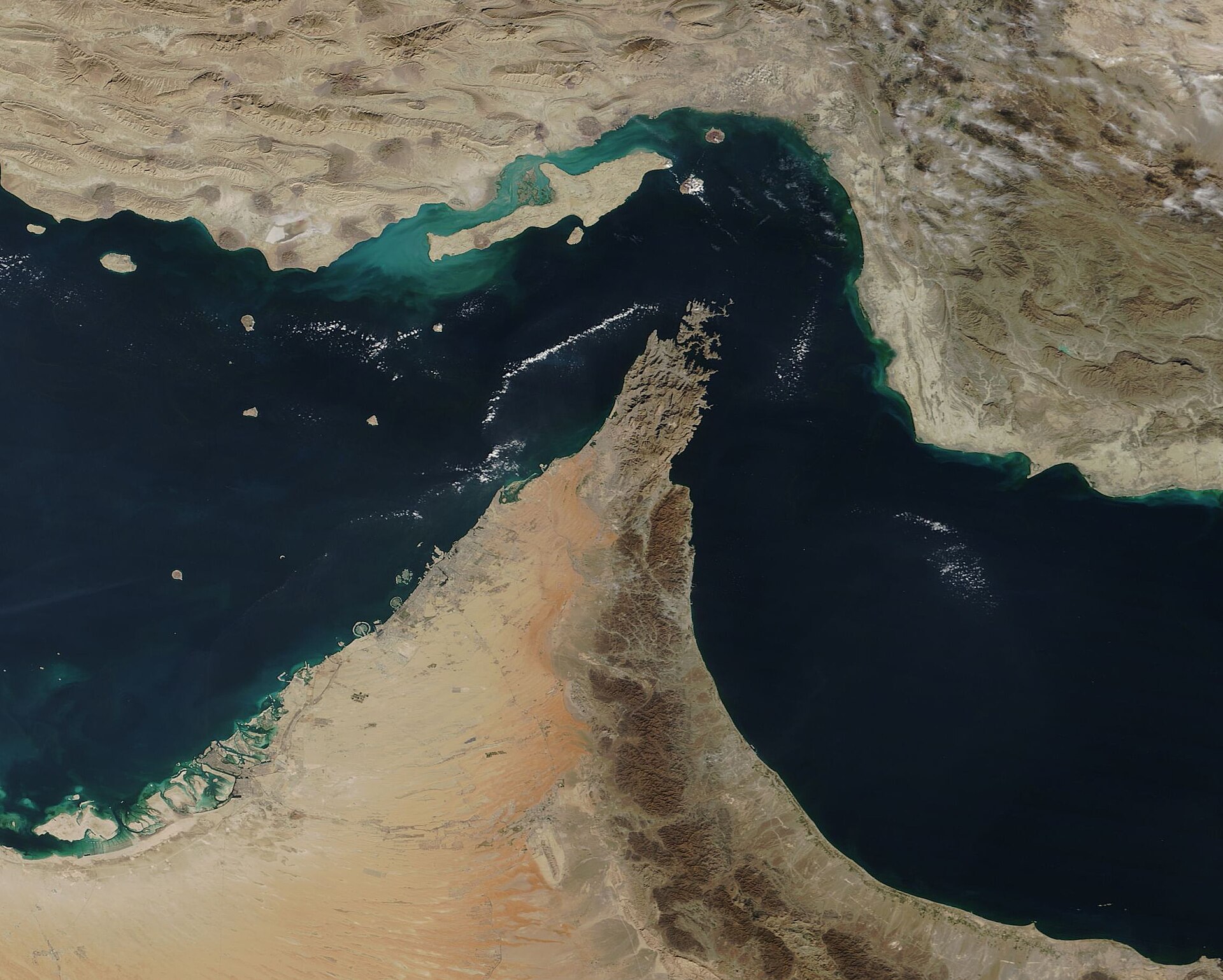
The Persian Gulf bulletin, designated CZIB-2026-07R4, applies to airspace within the Bahrain, Kuwait, Qatar, UAE and Oman (Muscat) Flight Information Regions. EASA stated that military developments in the zone “create a high risk to civil flights at all altitudes and flight levels,” according to the agency’s official Conflict Zone Information Bulletin listing and Safe Airspace’s summary published on 16 November.
The Saudi Arabia-specific bulletin, CZIB-2026-09, covers the Jeddah Flight Information Region. It recommends that operators avoid flight at any altitude within 2 defined zones and exercise caution throughout the remainder of the FIR, according to EASA’s published advisory.
The November 16 revisions contained “no changes to content or recommendations,” according to Turkiye Today. The extensions were date-driven renewals rather than responses to new risk assessments — a distinction that matters. The unchanged content means EASA’s assessment of the threat level has neither improved nor worsened enough to warrant revised guidance. For operators, the effect is the same as a fresh warning: European airlines must continue treating Gulf airspace as a formally identified conflict zone in every flight they plan through 31 January 2027.
Which Gulf Airports Face Disruptions?
Three countries — Saudi Arabia, Kuwait and Bahrain — have experienced direct operational disruption at their airports since the Iran conflict escalated in February 2026. The scale of that disruption varies sharply.
In Saudi Arabia, King Khalid International Airport in Riyadh has been the focal point. Houthi strikes on KKIA killed 12 and wounded 309 on 10 October, according to Al Jazeera — a toll the BBC subsequently revised to 13 killed and 308 injured after an Indian victim died. The airport has experienced repeated closures, ground stops and schedule disruption since September. Dammam’s King Fahd International Airport has also been targeted. For a detailed overview of Saudi airports and their current operational status, the House of Saud airport guide tracks the latest.
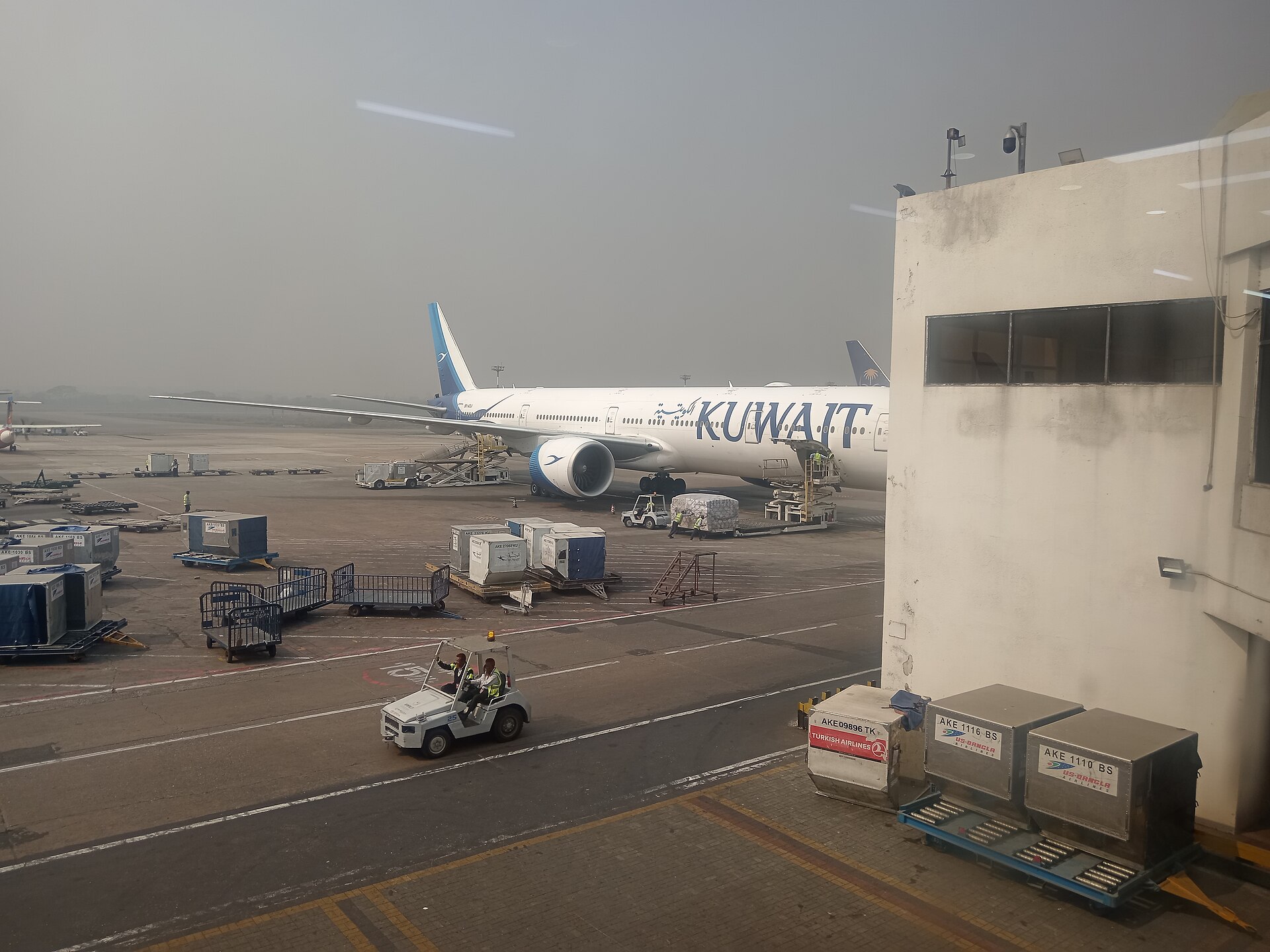
In Kuwait, Terminal 1 at Kuwait International Airport remains closed after damage sustained in a 3 June 2026 Iranian drone and missile attack that killed at least 1 person and wounded 63, according to Al Jazeera’s June 3 reporting. The airport is operating through Terminals 4 and 5, and transit operations remain suspended, according to Wego Travel Blog’s operational update on 6 November. Kuwait’s airspace also carries NOTAM restrictions, including a prohibition on flights between the Kuwait and Baghdad Flight Information Regions, according to OPSGROUP’s Middle East airspace summary.
In Bahrain, the Bahrain Defence Force described Iranian drone attacks on Sheikh Isa Air Base as part of “a continuing, systematic hostile campaign against the kingdom,” according to Al Jazeera on 17 November. Sheikh Isa hosts US military helicopters and US air-defence radar — a separate facility from Naval Support Activity Bahrain at Juffair, which serves as the US Fifth Fleet headquarters. No formal Bahrain Civil Aviation Authority statement on November 18 operations has been published.
Airlines Cancel and Defer Saudi Routes Through Early 2027
The cumulative effect of the conflict on commercial aviation is visible in the growing list of airline suspensions and deferrals. The pattern extends well beyond the 48-hour rolling cancellations that characterised the early months of the war.
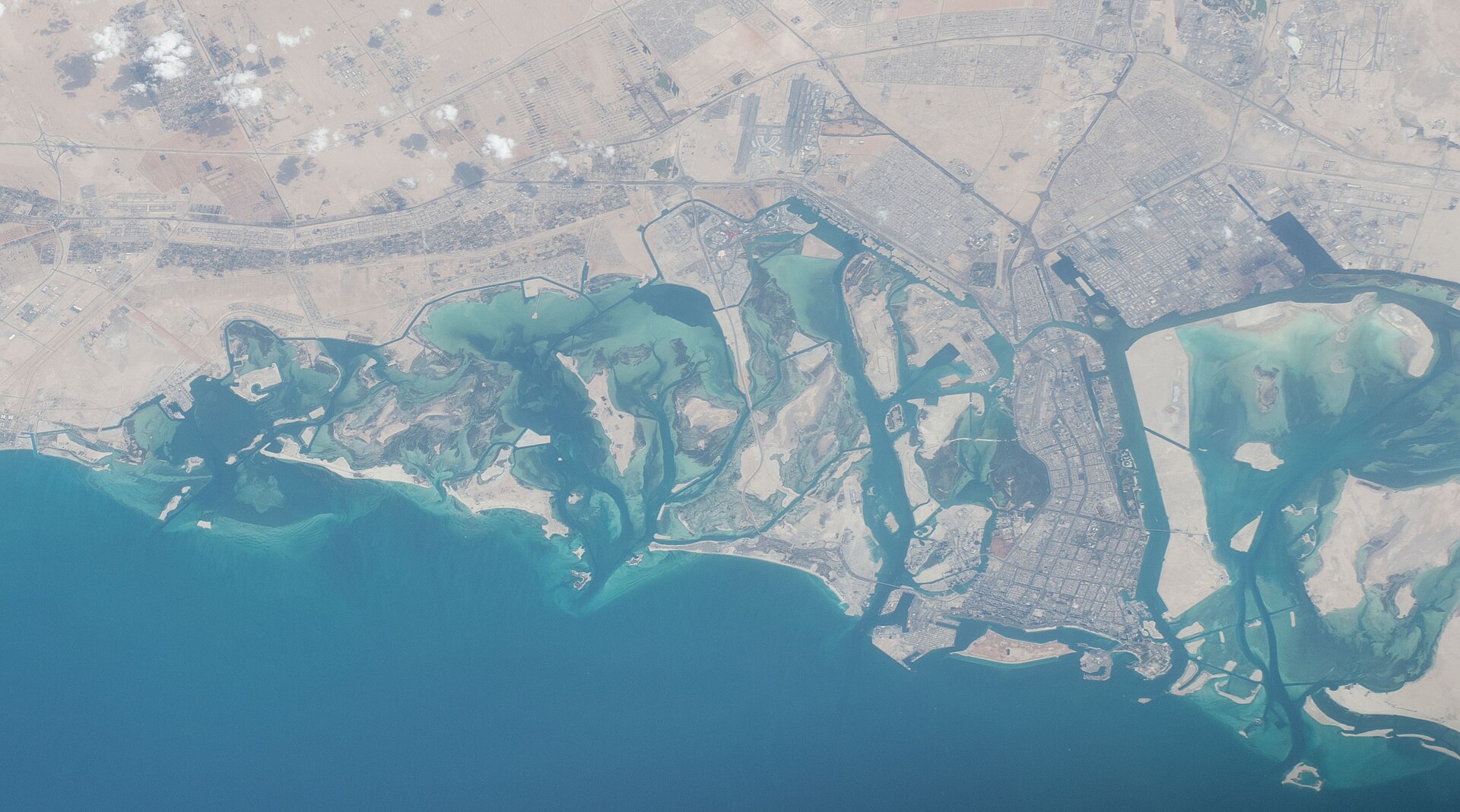
Etihad Airways has extended the cancellation of all passenger and cargo flights between Abu Dhabi and both Riyadh and Dammam until 30 November, Gulf News reported on 18 November. An Etihad spokesperson said “the situation remains dynamic” and advised passengers to confirm flight status directly with the airline, according to Gulf News.
flydubai has extended the cancellation of flights to Riyadh and Abha until 27 November and resumed Dammam service on a reduced schedule, Gulf News reported. A flydubai spokesperson said the airline “anticipated further disruptions” to its scheduled Saudi services, according to Gulf News.
ITA Airways has suspended its Riyadh route until 7 January 2027, according to the International Travel and Health Insurance Journal. Singapore Airlines has deferred its planned Riyadh route launch until 28 March 2027, The National News reported on 30 October. The deferral — by an airline that had not yet begun service — reflects how the conflict’s reputational overhang affects new market entry as much as existing operations.
Earlier in November, airlines implemented widespread cancellations of Saudi flights following a wave of Houthi strikes on Saudi airports, illustrating the breadth of the operational impact. The suspensions span UAE carriers, European long-haul operators, and Southeast Asian airlines, leaving Riyadh with a diminished international schedule that Saudi aviation planners had spent years building.
What Military Activity Triggered the Warnings?
The EASA extensions coincide with a 48-hour window of sustained military activity across the Gulf. While the bulletins themselves were routine date renewals, the operational context that makes them necessary shows no sign of abating.
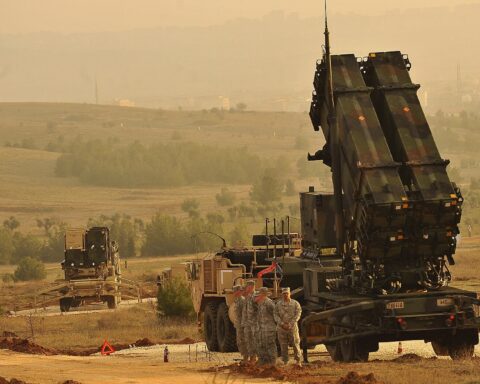
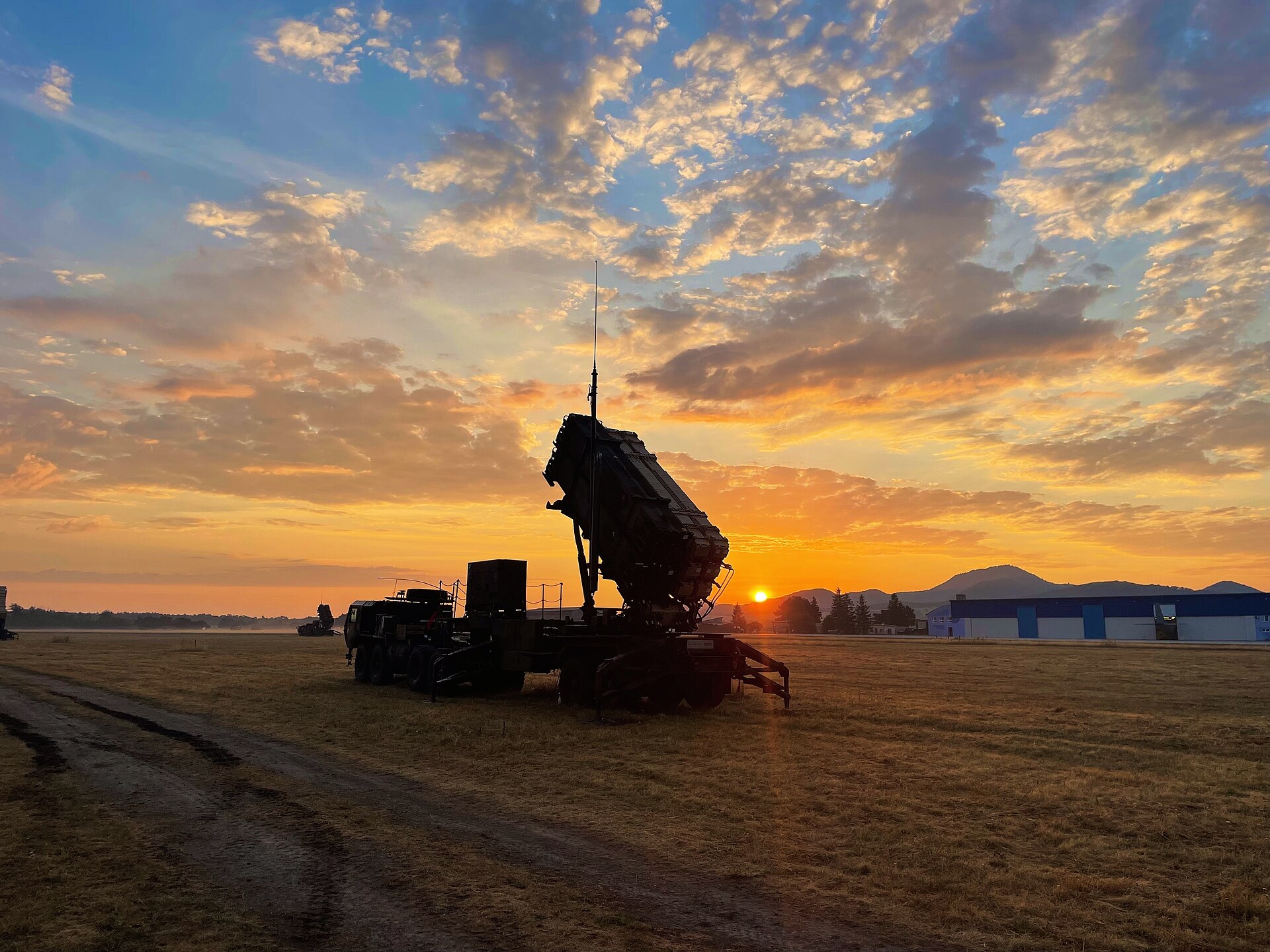
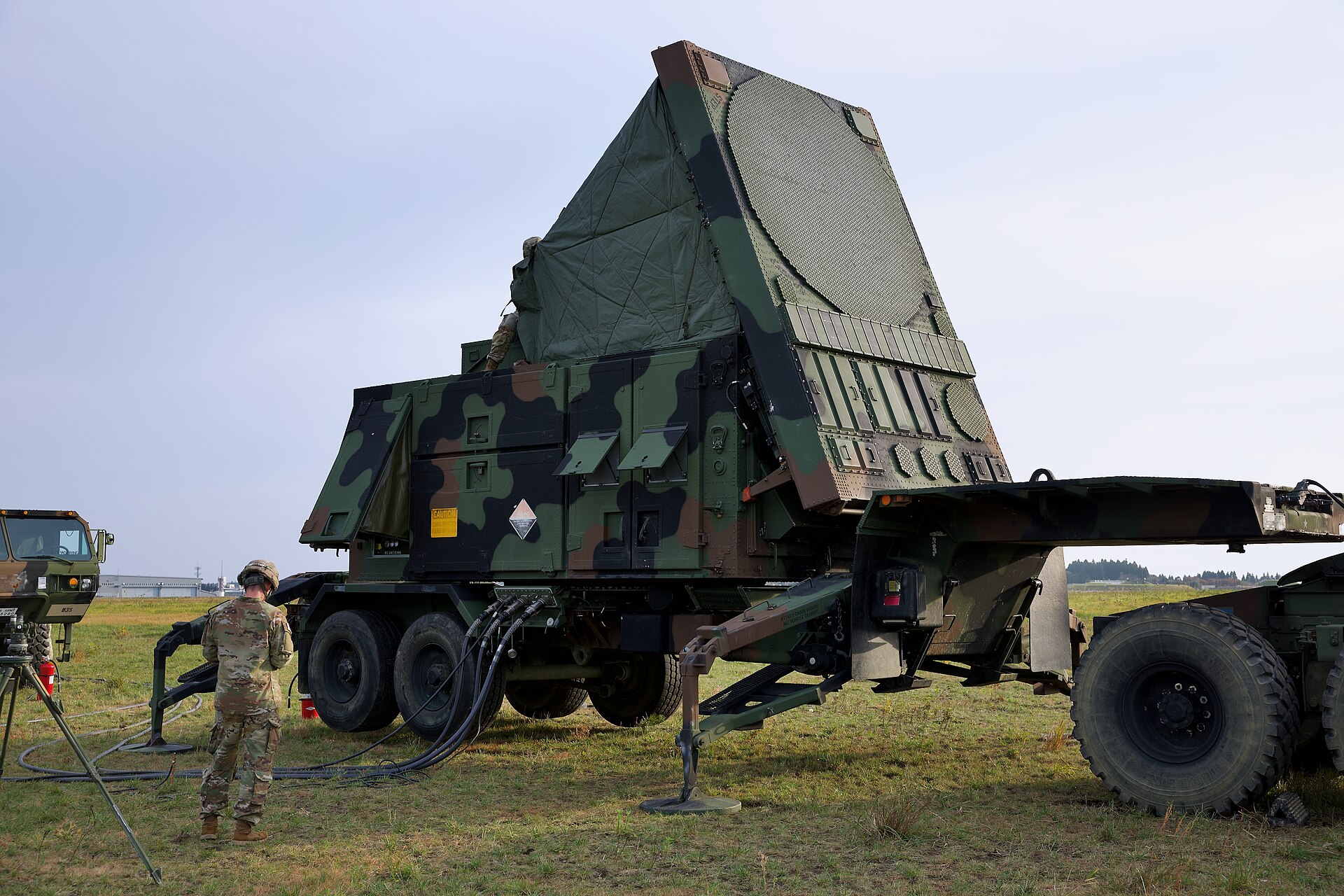
On 17 November, the IRGC said it launched drones at US Patriot air-defence systems at Ali Al Salem Air Base in Kuwait, according to Al Jazeera. Kuwait’s military acknowledged air-defence activity but did not identify the attacker or the base. Ali Al Salem has been repeatedly targeted during the conflict.
The same day, the IRGC claimed to have struck a US radar at Sheikh Isa Air Base in Bahrain. The Pentagon explicitly denied the radar was hit, stating that the drones were intercepted without damage to US equipment or personnel, according to Al Jazeera on 17 November. The contested nature of this claim — IRGC asserting a successful strike, the Pentagon asserting a successful interception — illustrates the fog of information that makes independent risk assessment difficult for airlines and regulators alike. The IRGC stated its rationale was “repeated violations of Iranian airspace by US military drones,” according to Al Jazeera.
Kuwait’s Foreign Ministry condemned “the repeated Iranian attacks” and warned that their continuation “threatens regional security,” according to Al Jazeera on 17 November. Saudi Arabia separately condemned the Iranian attacks on Bahrain as a violation of international law.
The Kuwait drone interceptions and the Bahrain attacks follow a broader pattern. On 15 November, Bahrain issued a nationwide threat alert amid Iranian attack claims, according to The National. The IRGC has consistently framed its operations as precision strikes against US military installations, not attacks on Gulf states. Iranian state media have not linked their strikes to civilian airspace disruption or commercial aviation, presenting them instead as responses to what Tehran calls US aggression. No Iranian state media statement was found specifically addressing the effect on civilian flights.
The military activity extends to the maritime domain. The IRGC has claimed responsibility for a series of tanker strikes and mining operations in the Strait of Hormuz throughout November. The convergence of aerial strikes across Saudi Arabia, Bahrain and Kuwait and ongoing maritime incidents creates the operational environment EASA’s bulletins describe.
Why Are EASA Advisories Not Flight Bans?
A Conflict Zone Information Bulletin is a formal advisory, not a prohibition. It requires European operators to account for the identified risks in their mandatory safety risk assessments before operating in the affected airspace. It does not close airports or ban flights, as Travelers Today noted on 17 November.
The distinction matters because airlines retain discretion over whether to fly. Some carriers have concluded the risk is manageable with mitigation measures — routing adjustments, altitude restrictions, enhanced communication with military authorities. Others, as the cancellation list shows, have concluded the opposite. EASA’s role is to ensure operators make that decision with full situational awareness, not to make the decision for them.
The practical effect, however, is significant. European insurers and lessors use CZIB designations in their war-risk calculations. A bulletin covering “all altitudes and flight levels” over the Persian Gulf effectively raises the cost of every overflight, regardless of whether a carrier chooses to continue service. For airlines operating on thin margins into Saudi airports, the insurance premium increase alone can make a route uneconomic — a factor that may explain the growing list of suspensions even when the airports themselves remain technically open.
The 6 bulletins extended on 16 November cover a contiguous belt of airspace stretching from the eastern Mediterranean through Iraq and Iran to the Gulf of Oman. For a European carrier flying from London or Frankfurt to any Gulf destination, the route passes through multiple CZIB zones in sequence. The cumulative risk assessment burden is heavier than any single bulletin suggests.
Background: 9 Months of Airspace Warnings
EASA’s first conflict-zone bulletin in this series, CZIB-2026-03, followed US and Israeli strikes on Iran on 28 February 2026, according to Aerospace Global News. That initial advisory marked the beginning of what has become a continuously maintained set of warnings covering a widening area of Gulf airspace.
After an April 2026 ceasefire that briefly reopened the Strait of Hormuz, EASA issued a new Persian Gulf bulletin, CZIB-2026-07, on 14 July 2026 when escalation resumed. The bulletin applied to every altitude and flight level from its first issuance. It has since been revised through 4 successive iterations — R1, R2, R3 and R4 — without the safety picture improving enough for any narrowing of its scope.
The Saudi Arabia-specific bulletin, CZIB-2026-09, was issued in September 2026. It was revised on 9 October 2026 to add a second avoidance zone after strikes near Riyadh, according to SafeRoutes’ analysis. That revision came one day before the 10 October KKIA strike that killed 13 people, according to BBC, underscoring how rapidly the threat environment was evolving.
The pattern across 9 months is consistent: each revision has either extended the duration or expanded the geographic scope. No EASA bulletin covering Gulf airspace has been narrowed or withdrawn since the conflict began. The 31 January 2027 expiry means the Persian Gulf advisory will have been in continuous effect for more than 6 months by the time it next comes up for review.
Iran’s initial Hormuz closure coincided with the opening strikes of the conflict in late February 2026. The ceasefire and subsequent re-closure cycle that followed determined the rhythm of EASA’s bulletin revisions: each time military activity resumed at scale, the agency either issued a new bulletin or extended an existing one. That rhythm has not changed in the nine months since CZIB-2026-03 was issued.
The stalled US-Iran diplomatic track and the ongoing drone and missile activity over Saudi Arabia offer no near-term prospect of the conditions that would allow EASA to downgrade its assessments. The 31 January 2027 expiry date will mark more than 11 months since the first conflict-zone bulletin was issued.
Frequently Asked Questions
Does the EASA advisory apply to non-European airlines?
No. CZIBs are binding only on operators under EASA oversight — airlines certified by EU member states, plus Norway, Iceland, Liechtenstein and Switzerland. However, many non-European carriers and their insurers use EASA advisories as reference benchmarks when conducting their own risk assessments. National aviation authorities in the Gulf, Asia and North America issue their own NOTAMs and advisories independently.
Can passengers still book flights to Riyadh?
Some airlines continue to operate Riyadh services, and Saudi Arabia’s General Authority of Civil Aviation has not issued a blanket airport closure. Saudia, the national carrier, maintains domestic and some international routes. Availability depends on the carrier and can change with little notice. Passengers should verify bookings directly with their airline and monitor their government’s travel advice before departing.
How does the EASA advisory affect cargo flights and freight operations?
Cargo operations face the same CZIB framework as passenger services. Etihad’s Saudi cancellations explicitly include cargo flights, according to Gulf News. Freight forwarders using Gulf hubs have rerouted time-sensitive shipments through alternative gateways, adding cost and transit time. The advisory’s insurance implications apply equally to freighters, which cannot offset higher war-risk premiums through passenger revenue.
What would trigger EASA to withdraw or narrow the advisory?
EASA reviews each CZIB at its expiry date and can revise it at any time if conditions change. Narrowing typically requires a sustained reduction in military activity, confirmed ceasefires, and evidence that the threat to civil aviation at specific altitudes has diminished. Given that the February 2026 initial advisory has only been expanded or extended, withdrawal would likely follow a formal ceasefire agreement and a demonstrated period without aerial attacks near civil aviation corridors.
Are there alternative routes for airlines avoiding Gulf airspace?
Airlines can route south over the Arabian Sea and the Red Sea corridor, though Houthi activity in the southern Red Sea and around Bab el-Mandeb has narrowed that option as well. Northern routing over Turkey and Central Asia adds flight time and fuel cost. Some Southeast Asian carriers have shifted to polar or Central Asian routings for European services, bypassing the Gulf entirely at the expense of longer flights and higher operating costs.
The House of Saud Daily Briefing
Saudi Arabia's news in 3 minutes, every morning. Free. See today's issue