
RIYADH — Saudi Arabia is paying for a war it is not directing and cannot end. The two governments that could end it, Washington and Tehran, are each working to timelines that suit them. Neither timeline matches Riyadh’s.
That is the central problem after November 17. In a single day, the Islamic Revolutionary Guard Corps (IRGC) said it sent drones at a US-operated radar in Bahrain, US jets struck an IRGC missile launch site on Qeshm Island, and Iran’s Foreign Minister left Muscat without a Hormuz agreement. The next day, Kuwait’s air defences were intercepting drones.
None of these events was aimed at Saudi Arabia. All of them land on it. The Strait of Hormuz stays shut to normal traffic, Saudi crude stays rerouted through a single pipeline to the Red Sea, and Saudi air defences keep firing at drones over Makkah and Riyadh.
The House of Saud Daily Briefing
Saudi Arabia's news in 3 minutes, every morning. Free. See today's issue
Washington says the economic campaign against Iran is working and that it can wait. Tehran says it will reopen Hormuz only once its conditions are met. Both positions assume time is on their side.
For Saudi Arabia, time is the cost. Every week of closure deepens a budget deficit that has already been revised up by tens of billions of riyals. Every week of stalled diplomacy is another week of Houthi and Iranian-aligned strikes on Saudi territory.
This editorial asks a direct question. When neither belligerent’s diplomatic clock is aligned with Saudi Arabia’s economic and security survival clock, what can Riyadh actually do?
The answer is less than Riyadh would like, and more than its current posture suggests.
What Happened on 17 and 18 November?
Within 48 hours, the IRGC claimed a drone strike on a US-operated radar in Bahrain, US jets struck an IRGC missile site on Qeshm Island, Iran’s foreign minister left Muscat without a Hormuz agreement, and Kuwait intercepted drones over its territory. Each event was aimed at a different target. All of them registered on Saudi Arabia’s threat environment at the same moment.
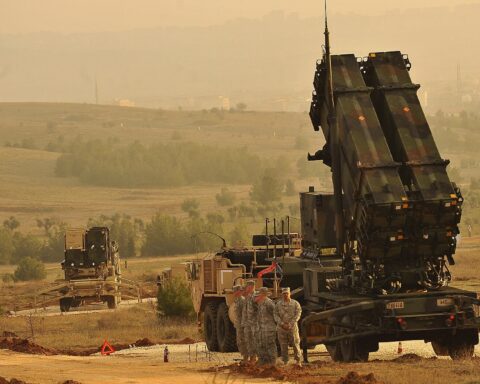
The sequence began in Bahrain. The IRGC said its drones targeted a US-operated radar at Sheikh Isa Air Base, the latest in a series of IRGC claims against US assets on the island state.
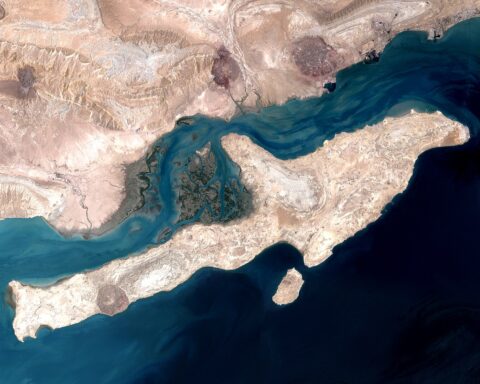
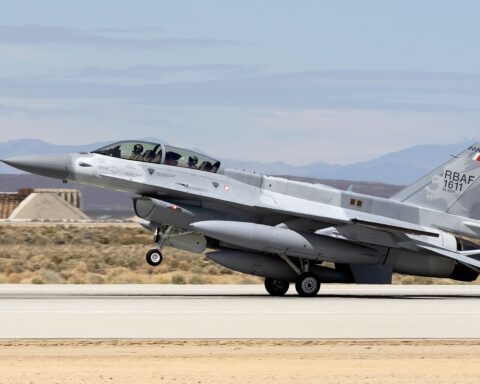
Washington answered within hours. An unnamed US official told AFP, as reported by RFE/RL on November 18, that US jets “used precision munitions to strike an Islamic Revolutionary Guard Corps missile launch site on Qeshm Island.” The official framed the strike as a response to “Iranian aggression targeting US personnel and assets.”
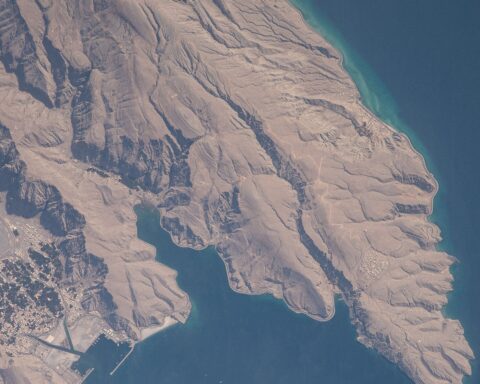
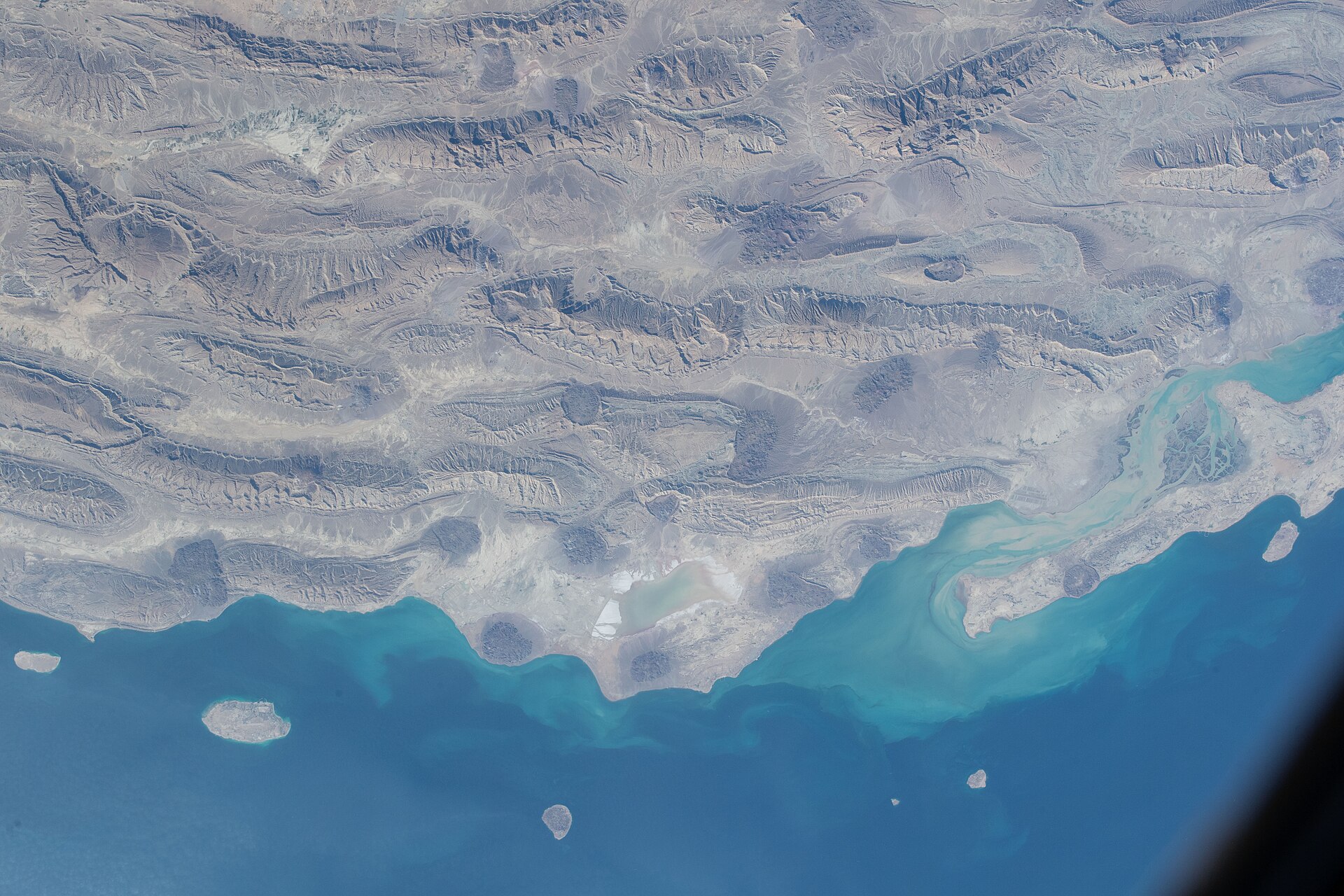
Iran’s account of the US strike on Qeshm Island placed it in the Strait of Hormuz itself. Qeshm sits at the narrowest part of the waterway that Iran has kept closed to normal traffic.
Andreas Krieg of King’s College London read the exchange as calibrated rather than open-ended, telling RFE/RL it amounted to “deliberate testing of boundaries rather than an immediate return to full-scale warfare.” That reading is probably right. It is also not reassuring for Riyadh. Boundary-testing between two militaries is a process with no fixed end, and the boundaries being tested run through the Gulf states.
The same day, the diplomatic track closed. Iranian Foreign Minister Abbas Araghchi met Oman’s Foreign Minister Badr al-Busaidi in Muscat. The Araghchi-Busaidi meeting ended with no Hormuz agreement. RFE/RL reported on November 18 that no publicly known diplomatic channel between Washington and Tehran on Hormuz currently exists. Oman, the most reliable back channel of the past decade, produced nothing this time.
Riyadh’s response was immediate and public. Saudi Arabia condemned the Iranian attacks on Bahrain as a violation of international law. That is a standard diplomatic formula, but the speed of it signals how closely Riyadh ties Bahrain’s security to its own.
Saudi Arabia also had its own attacks to report. The coalition said three drones were destroyed over Makkah and Riyadh on November 17. That came a day after King Salman removed the sitting coalition commander and appointed Al-Ruwaili in his place.
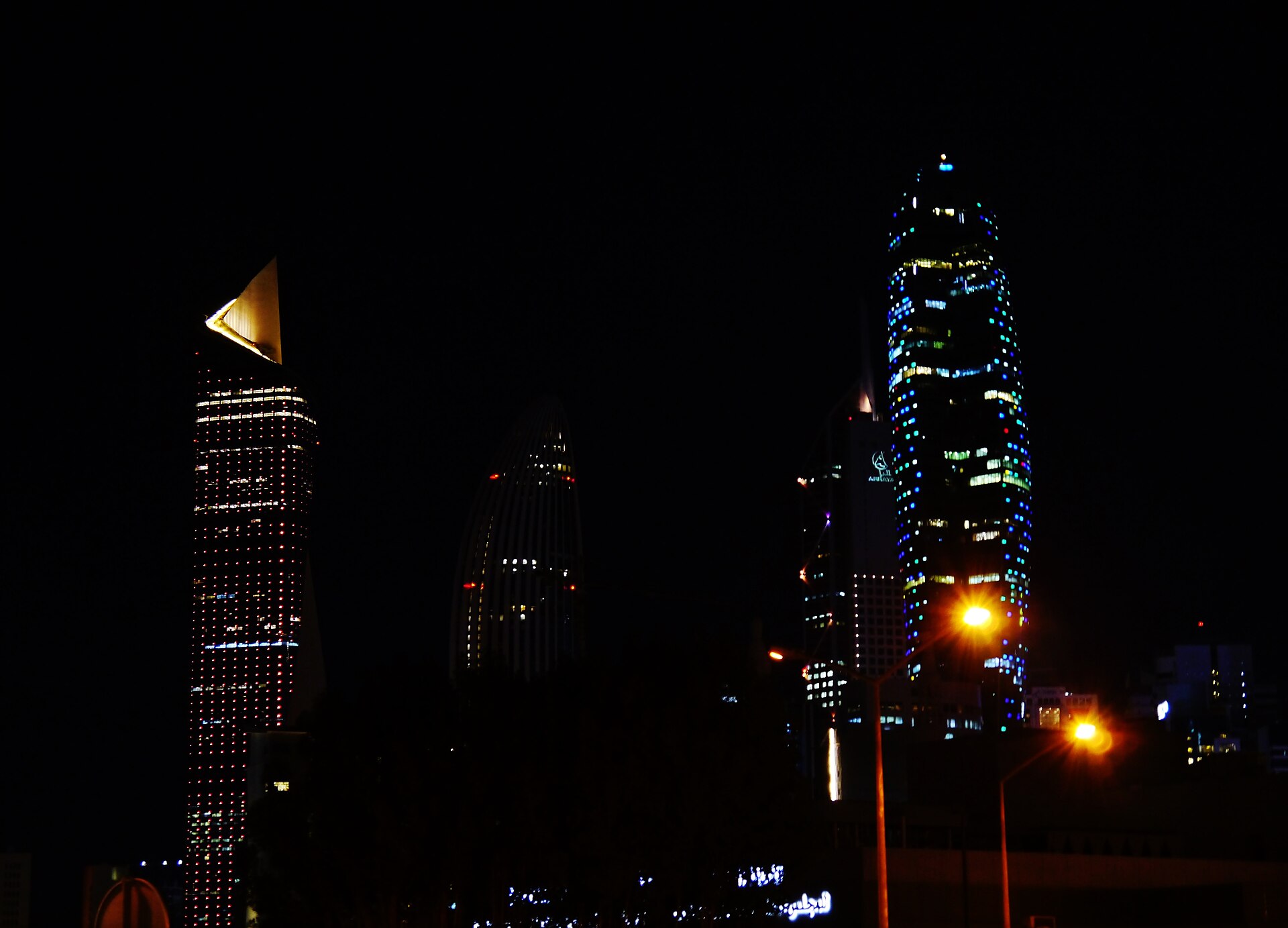
On November 18, the pressure moved north. Kuwait’s air defences intercepted drones, and Kuwaiti Foreign Minister Sheikh Jarrah Jaber Al-Ahmad Al-Sabah condemned the Iranian attacks on Bahrain.
Kuwait is not new to this. It has been struck since the first night of the war on February 28, 2026. What the November 18 intercepts show is that the threat envelope still covers the whole of the Gulf Cooperation Council’s northern flank.
Meanwhile, to Saudi Arabia’s south, the Houthis retook the Bab el-Mandeb coast on November 15, when Yemeni government forces withdrew from Dhubab and the coastal area in a redeployment to defend Aden. That puts the second chokepoint for Saudi exports back under threat at the moment the first remains shut.
Put together, the 48 hours produced one US strike, one IRGC claim, one failed diplomatic meeting, drone intercepts in at least two GCC states, and a Houthi advance at the Red Sea’s southern gate. That is the peg. The pattern behind it is older.
Why Have the Muscat Talks Failed?
The talks have failed because Washington and Tehran each demand that the other move first. Iran’s seven conditions — including a reduced US military presence and recognition of an Iran-Oman shipping route — require the US to concede the war’s strategic outcome before negotiations begin. The US has refused, and both sides believe time is on their side.
The diplomatic deadlock is not a failure of channels. It is a failure of sequencing.
Iran’s conditions
Iran has set out conditions for reopening Hormuz. They have not been published as a single authoritative numbered list, but Iranian officials and outlets, as compiled by Al Jazeera on November 11, MEMRI and Kayhan, have cited seven demands.
They are: lifting US sanctions; ending the naval blockade; ending fighting on all fronts; reducing the US military presence in the region; reinstating oil waivers; releasing frozen Iranian assets, put at about $12 billion; and formal recognition of an Iran-Oman shipping route through the strait.
US officials have rejected these outright, according to reporting by CNN and Al Jazeera. That rejection is not surprising. Several of the demands, particularly a reduced US regional presence and recognition of an Iran-Oman route, would amount to Washington conceding the strategic outcome of the war before any negotiation.
The last demand matters most to Saudi Arabia. A formally recognised Iran-Oman shipping route would turn a wartime closure into a peacetime governance structure for Hormuz, with Tehran as co-manager of the passage through which most Gulf exports must travel.
The two-day plan
Araghchi has tried to present Iran’s position as flexible on timing, if not on substance. According to Middle East Eye and IRNA, as reported by Al Jazeera on November 11, he said:
“We have now reached a plan that cuts the implementation time to two days. On day one, the US implements a set of measures. On day two, the Hormuz Strait will reopen.”
The plan sounds fast. It is not a compromise. Day one still requires the United States to meet Iran’s conditions first, and day two is Iran’s reward for that.
Araghchi was explicit that talks follow concessions, not the reverse. “Once Iran’s conditions are met in substance, the way will be open for the resumption of discussions between Iran and America,” he said. He also said: “The conflict with Iran will not be resolved through military means, nor by intensifying sanctions.”
That second line is directed at Washington’s theory of the war. Iran is arguing that neither strikes nor sanctions will move it. The Qeshm strike five days later tested that claim, and Iran did not move.
Rezaei’s rejection
A harder voice in Tehran goes further. Mohsen Rezaei, Secretary of the Supreme National Security Council, dismissed reports of ongoing talks altogether.
Speaking to Al-Mayadeen on November 10, as reported by Al Jazeera, Rezaei said the US response so far was:
“insufficient and deceptive, and we are still waiting for an explicit and clear response.”
Rezaei also accused Washington of talking up negotiations to ease economic pressure and bring down oil prices. That claim deserves attention in Riyadh. It means at least one senior Iranian official treats any American diplomatic signal as market management, not as a real offer.
If that view holds in Tehran, US optimism about talks will not reopen Hormuz. It may even harden Iran’s position, since every American statement about progress is read as evidence that the pressure is hurting.
Washington’s position
The American side shows no urgency. President Trump has stated publicly that the war has been won. Secretary of State Marco Rubio set out the logic, telling reporters that “the economic campaign is so devastating that right now there is no need for major combat operations,” according to CNN and Al Jazeera. Rubio added that Washington is “open to diplomacy” but “wouldn’t say we’re on the verge of a breakthrough.”
This is the core of the problem for Saudi Arabia. Washington’s strategy is to let economic pressure grind Iran down. That strategy works on a timescale of months. It also keeps Hormuz closed for those months, because Iran’s main lever is the strait.
The United States can afford that. The International Energy Agency has said oil supply now tops demand for the first time since the Iran war began, according to bne IntelliNews. A third US carrier has reached the Middle East. From Washington, the war looks contained.
From Riyadh, it does not.
The other tracks
Two other channels are active. Neither has yet produced movement on the core issue.
Turkey has confirmed a second R-4 meeting in Europe, even as the Muscat track stalled. Ankara is positioning itself as a convenor. But a convenor needs both principals to want a deal on overlapping terms, and that overlap does not yet exist.
Qatar is also working. Foreign Ministry spokesman Majed Al Ansari said Qatari mediators met Iranian officials on November 17, aiming at “narrowing the gap between proposals,” according to RFE/RL.
That is Qatar’s characterisation. It tells us there are proposals and a gap. It does not tell us the gap is narrowing.
Shenzhen
The next event is the largest. Trump is scheduled to meet Chinese President Xi Jinping and Russian President Vladimir Putin in Shenzhen on November 19.
China is the largest buyer of Gulf crude and has the clearest commercial interest in an open Hormuz. Russia has an interest in high oil prices and in American distraction. Neither has a reason to hand Washington a cost-free Iran settlement.
Shenzhen could change the sequencing problem if Beijing chose to press Tehran on the strait in exchange for something from Washington. There is no public evidence that such a trade is on the table. Riyadh should plan as though Shenzhen produces nothing on Hormuz, and treat anything more as upside.
What Is the War Costing Saudi Arabia?
Saudi Arabia’s 2026 budget deficit has been revised to SAR 245 billion against a planned SAR 165 billion, according to Reuters and Zawya. Real GDP is forecast to shrink 3.3–3.6 percent this year. The East-West Pipeline carries about 7 million barrels per day against Saudi Arabia’s production capacity of around 12 million. Asia-bound cargoes rerouted through Yanbu face weeks of added transit time — a penalty that compounds every deficit figure below.
Saudi Arabia is the most exposed state in the region that is not a direct party to the US-Iran exchanges. The exposure is economic and military at once, and each side of it makes the other worse.
The Hormuz bill
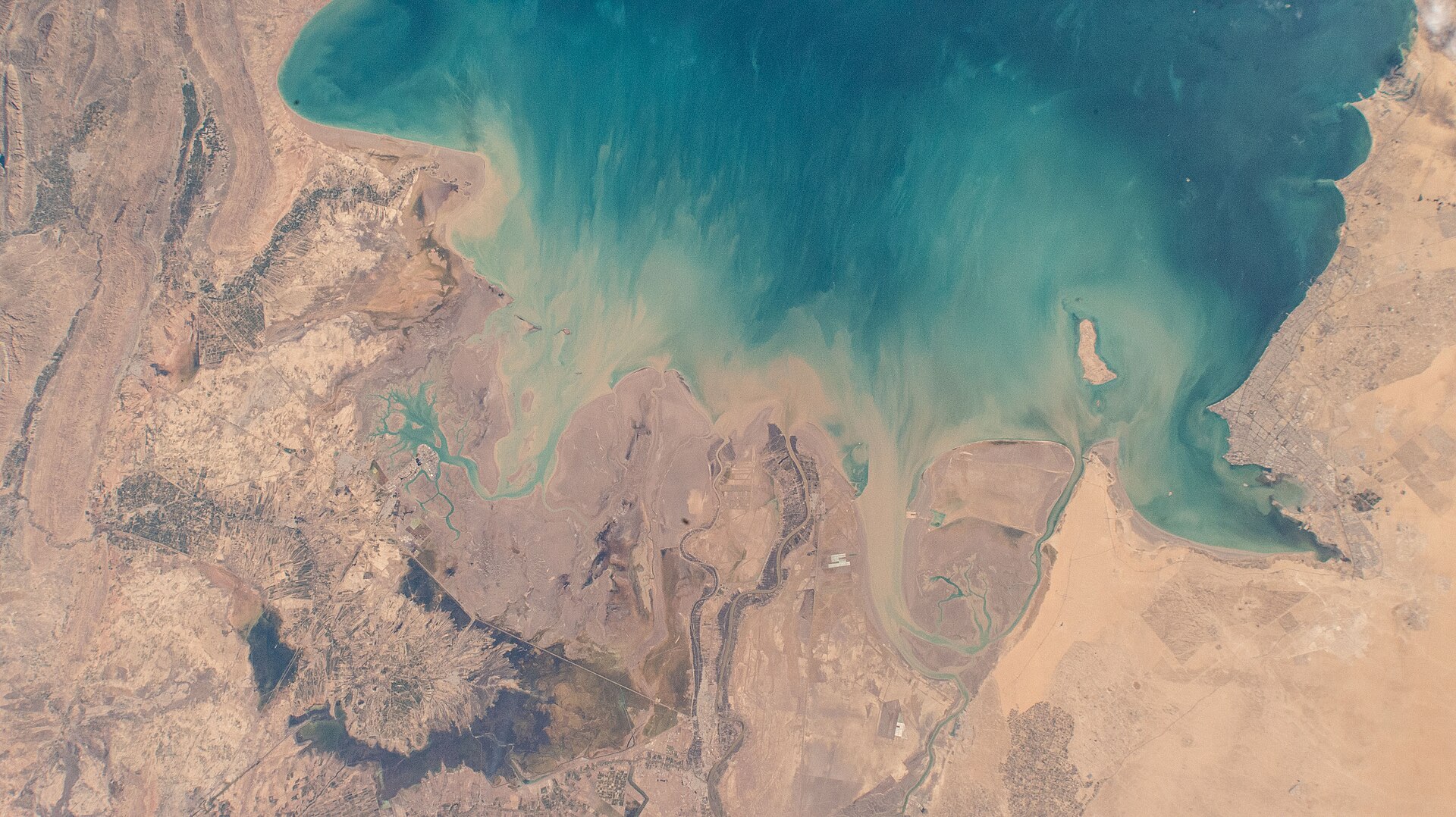
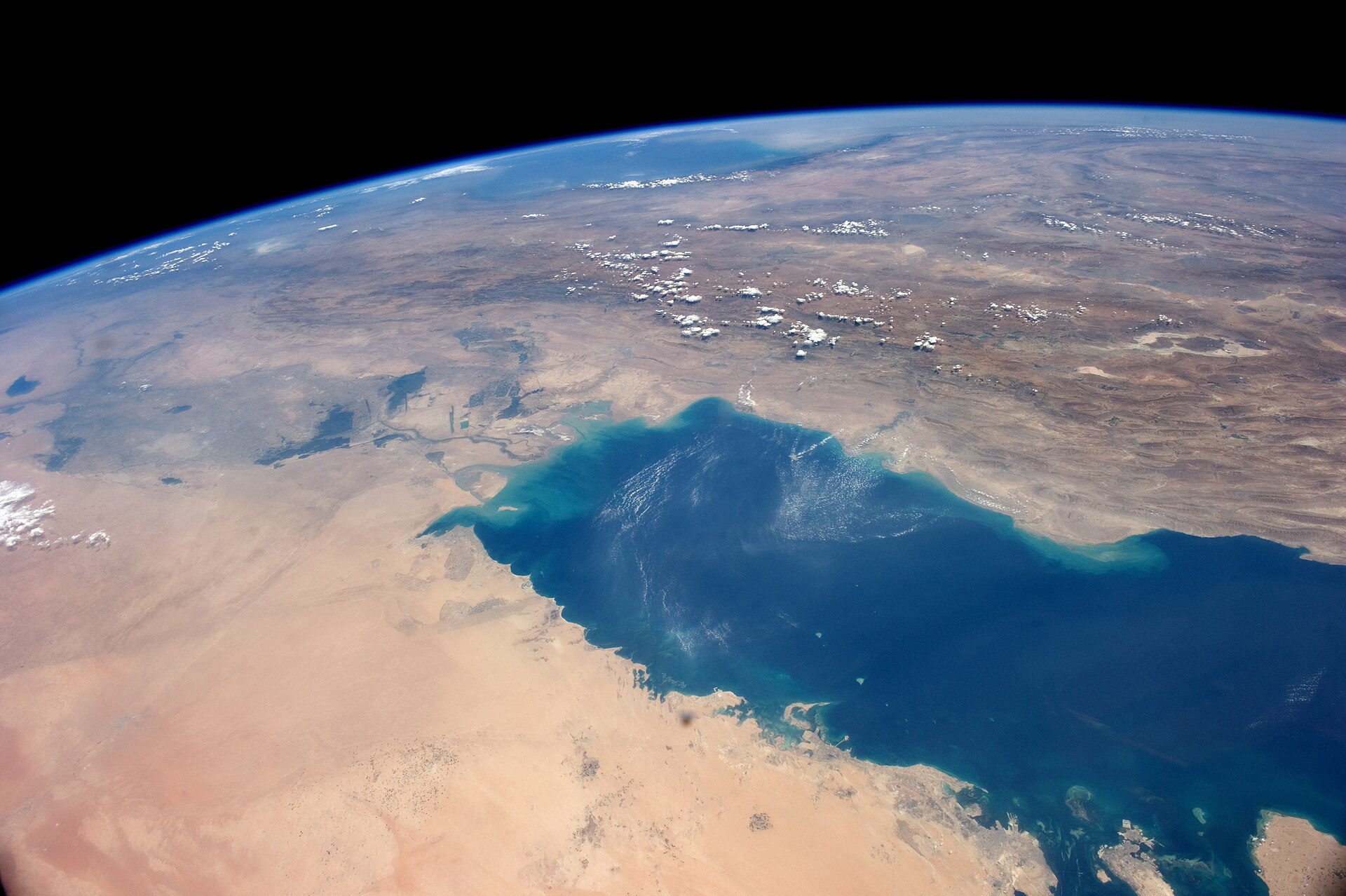
Start with the strait. The Joint Maritime Information Center (JMIC) puts the pre-war baseline at 138 transits a day. JMIC now describes traffic as single-digit to low-double-digit per day.
Iran first closed Hormuz on April 18, after the US naval blockade began on April 13. Iran re-closed it on July 12, and the United States reinstated its blockade on July 14. The IRGC formally declared the strait closed again on October 26.
The strait is not only closed. It is violent. At least 37 ship attacks occurred in and near Hormuz in October 2026, the highest monthly total since the war began, according to Al Jazeera.
The pipeline workaround and its limits
Saudi Arabia’s answer is the East-West Pipeline, which runs crude across the peninsula to Yanbu on the Red Sea. It is running at about 7 million barrels per day, according to the Arab Center Washington DC.
That is a real achievement. It is also a ceiling. Saudi Arabia’s total crude production capacity is about 12 million barrels per day, so the pipeline alone cannot carry Saudi Arabia’s full export capacity.
Geography adds a second penalty. Asia takes more than 75 percent of Saudi crude exports, according to the Arab Center. Cargoes leaving Yanbu for Asia face longer voyages, adding weeks to journey times compared with the direct Gulf route.
The pipeline is also a target. Its September 2026 shutdown followed a drone attack launched from Iraq, as confirmed by the Saudi Press Agency and Al Jazeera. A single bypass is a single point of failure.
The fiscal damage
The budget numbers show what the workaround cannot fix. Saudi Arabia’s first-quarter 2026 deficit was SAR 125.7 billion, about $33.5 billion, the largest quarterly shortfall in nearly eight years, according to the Arab Center Washington DC.
The full-year picture is worse than planned. The deficit has been raised to SAR 245 billion from a budgeted SAR 165 billion, according to figures reported by Reuters and Zawya on September 30. The same reporting put the real GDP forecast at minus 3.6 percent for 2026, with oil activity down 21.8 percent.
Other forecasters differ on the size of the hit. The IMF’s October World Economic Outlook puts the 2026 contraction at 3.3 percent, according to bne IntelliNews.
The disagreement is about depth, not direction. Every major forecaster expects the Saudi economy to shrink this year.
The balance sheet still has room, but it is being used. Public debt stands at SAR 1.67 trillion, about $445 billion or roughly 33 percent of GDP, and reserves are about $107 billion, according to the Arab Center.
Vision 2030 pays the difference
The fiscal squeeze is now visible in the flagship projects. The Public Investment Fund cut domestic megaproject investment by about $8 billion and cancelled tunnelling contracts for Trojena and The Line, according to the Arab Center.
The Future Investment Initiative conference for 2026 has been postponed to 2027. For a state whose economic diversification pitch relies on investor confidence, postponing its main investor showcase is a significant signal.
Some economic activity continues. Third-quarter investment licensing data showed foreign and domestic investors still registering businesses. But licences are not oil revenue, and they do not close a SAR 245 billion gap.
The security bill
The military cost started early and has not stopped. Saudi Arabia’s Ministry of Defense said it intercepted nearly 900 aerial threats between March 3 and April 5, 2026 alone, according to the Arab Center.
Not everything was stopped. Iranian and Iraqi-faction strikes damaged the Ras Tanura and SAMREF refineries and hit Prince Sultan Air Base, according to the same source. Ras Tanura is on the Gulf coast. SAMREF is at Yanbu, the terminal that the pipeline workaround depends on.
That second fact is the key vulnerability. Saudi Arabia’s bypass ends at a refinery complex that has already been hit.
The aerial threat continues in November. The coalition reported three drones destroyed over Makkah and Riyadh on November 17. The Houthis are advancing on Aden and now hold the Bab el-Mandeb coast again.
Borrowed protection
Saudi Arabia’s defence now rests on partners it does not command. Up to 200 US advisers are providing targeting data in Saudi Arabia. Pakistani forces are deployed in the kingdom; Reuters puts the number at about 8,000, while the Arab Center Washington DC says up to 13,000.
Turkey’s law implementing the Makkah Pact has taken effect, adding a treaty layer to that support. The Turkish parliament ratified the pact by 279 votes to 119 on November 5, according to Anadolu Agency.
But the most important protector is also the least responsive to Saudi requests. Crown Prince Mohammed bin Salman made two appeals to Trump in September 2026 for US strikes on the Houthis, and both were declined, according to Axios.
The United States also pulled non-emergency staff out of Saudi Arabia on October 22, according to CNBC. There is no public confirmation that the order has been reversed.
Washington will strike Qeshm when IRGC drones target a US radar in Bahrain. It has not struck the Houthis when Riyadh asked. That asymmetry defines Saudi Arabia’s position: the US responds to threats against US assets, and Saudi assets come second.
The coalition command change on November 16 should be read in that light. Whether King Salman’s appointment of Al-Ruwaili signals a tactical adjustment or a strategic shift is not yet clear. What is clear is that Riyadh is reorganising the one military campaign it does control.
What Can Saudi Arabia Actually Do?
Saudi Arabia has four realistic options: wait for Washington’s economic campaign to work, back regional mediation, harden the pipeline bypass, or press Washington harder on the Houthi threat to Bab el-Mandeb. It will likely combine all four. The balance between them — specifically how hard Riyadh presses on Bab el-Mandeb — is the real strategic decision now.
None of the paths is clean. Each must be judged against the worst case, which is now plausible rather than theoretical.
The stress test
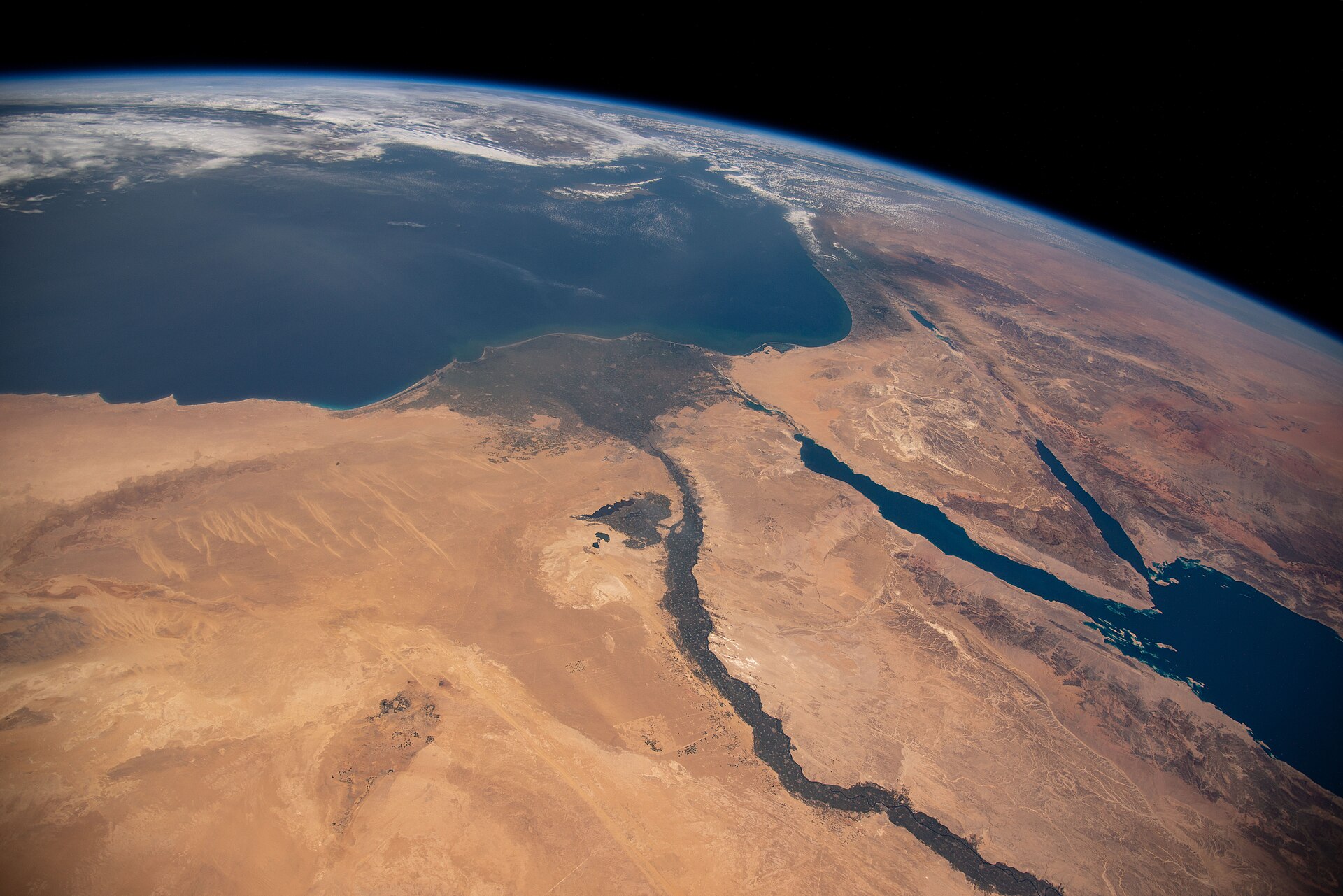
The worst case is a dual closure. If Hormuz stays shut and the Houthis close Bab al-Mandab, about $10 billion a day of trade and roughly 22 percent of global oil supply would be at risk, according to the Arab Center Washington DC.
For Saudi Arabia, that scenario is uniquely damaging. Hormuz closure has already pushed Saudi exports west to Yanbu. A Houthi hold on Bab el-Mandeb threatens the southern exit from the Red Sea, which is the route Yanbu cargoes take to Asia unless they go north through Suez.
Every option below must be measured by one question: does it reduce the chance of that dual closure, or does it only manage the cost of Hormuz?
Option one: wait for Washington
The default path is to keep absorbing the strikes, keep the pipeline running, and wait for the American economic campaign to force Iran to concede.
This option has one advantage. It keeps Saudi Arabia aligned with the United States, which remains its most capable defender and the only actor able to strike Iran at will.
Its weakness is time. Rubio has said there is “no need for major combat operations” because the economic campaign is working. That means Washington is comfortable with a long war of attrition, and Saudi Arabia is one of the parties being worn down by it.
Waiting also does nothing about the Houthis. The United States declined Riyadh’s requests for strikes on them in September. If Bab el-Mandeb closes while Saudi Arabia waits on Washington’s Iran timeline, the dual-chokepoint scenario arrives without a US plan to prevent it.
Option two: back a regional mediation track
The second path is to put Saudi weight behind the mediators: Qatar, Oman, and Turkey’s R-4 format. The aim would be to build a deal that both principals can accept, rather than wait for one to capitulate.
Riyadh has assets here. It is the largest economy among the Gulf states most affected by the closure, and its relations with Doha and Ankara are close enough that both mediators have a direct interest in Saudi outcomes. Turkey, as a Makkah Pact party, is now formally tied to Saudi security.
The weakness is leverage. Mediators can narrow gaps only when both sides want them narrowed. Rezaei’s rejection of talks as “insufficient and deceptive” and Washington’s rejection of Iran’s conditions suggest neither principal currently does.
There is also a substantive risk. One of Iran’s conditions is recognition of an Iran-Oman shipping route. A mediated deal that reopens Hormuz on those terms would give Tehran a lasting role in governing the strait. Saudi Arabia would trade a wartime closure for a peacetime dependency.
Option three: harden and widen the bypass
The third path accepts that Hormuz will stay closed for months and focuses on reducing exposure to it. That means protecting the East-West Pipeline, defending Yanbu, and securing the Red Sea route.
This is the option most within Saudi control. The coalition command change, the Pakistani deployment, the Turkish treaty framework and the US targeting advisers all point toward it already being under way.
Its limit is physical. The pipeline carries about 7 million barrels per day, as noted above, and that capacity cannot be expanded quickly. Hardening the bypass protects what Saudi Arabia can still export; it does not restore what it has lost.
It is also the option most exposed to the dual-chokepoint scenario. A hardened pipeline to Yanbu matters only if cargoes can leave the Red Sea. That makes the Houthi front, not Hormuz, the decisive battle for Saudi Arabia’s export economy.
Option four: press Washington harder on the Houthi front
The fourth path is to make Saudi support for the American campaign conditional on American action against the Houthi threat to Bab el-Mandeb.
Riyadh has things Washington wants. It hosts US forces, including the advisers providing targeting data. It controls output decisions that affect the oil prices Rezaei accuses Washington of trying to manage.
The risk is obvious. Two direct appeals from the Crown Prince were declined in September. Pressing harder could strain the relationship at the moment Saudi Arabia most needs American air defence support.
The logic is still sound. Washington has shown that it will act when US assets are targeted, as on Qeshm. Saudi Arabia’s task is to make the security of the Red Sea route an American interest, not only a Saudi one.
The realistic mix
Saudi Arabia will not choose one path. It will combine them, and the balance between them is the real decision.
The strongest combination is option three as the foundation, option four as the priority demand, and option two as a hedge. Harden the bypass because it is the only thing Riyadh fully controls. Press Washington on Bab el-Mandeb because that is where the dual-chokepoint risk is decided. Back mediation, but refuse any deal that writes Iran into the permanent governance of Hormuz.
Option one, pure waiting, is the weakest. It hands Saudi Arabia’s economic timeline to a US strategy that is designed to be slow.
What Should Riyadh Watch in the Coming Days?
Several developments will determine which path unfolds. The most important are: any signal from the Shenzhen summit, a named point of convergence from Qatar’s mediation track, who attends Turkey’s second R-4 meeting, movement along the Bab el-Mandeb coast, and whether Washington reverses the withdrawal of non-emergency diplomatic staff from Saudi Arabia.
Shenzhen, November 19. The Trump-Xi-Putin meeting is the first summit-level opportunity to change the sequencing problem. Watch for any Chinese statement on Hormuz or any American language that softens its rejection of Iran’s conditions. Silence on the strait would confirm that the war of attrition continues.
The Qatar channel. Al Ansari said Qatari mediators were aiming at “narrowing the gap between proposals.” Watch whether Doha names any specific point of convergence. A general claim of progress is not progress.
The R-4 track. Turkey has confirmed a second R-4 meeting in Europe. Watch who attends and whether any Iranian or US official engages with the format directly. Ankara’s role as a Makkah Pact signatory gives it a stake in Saudi security that other mediators lack.
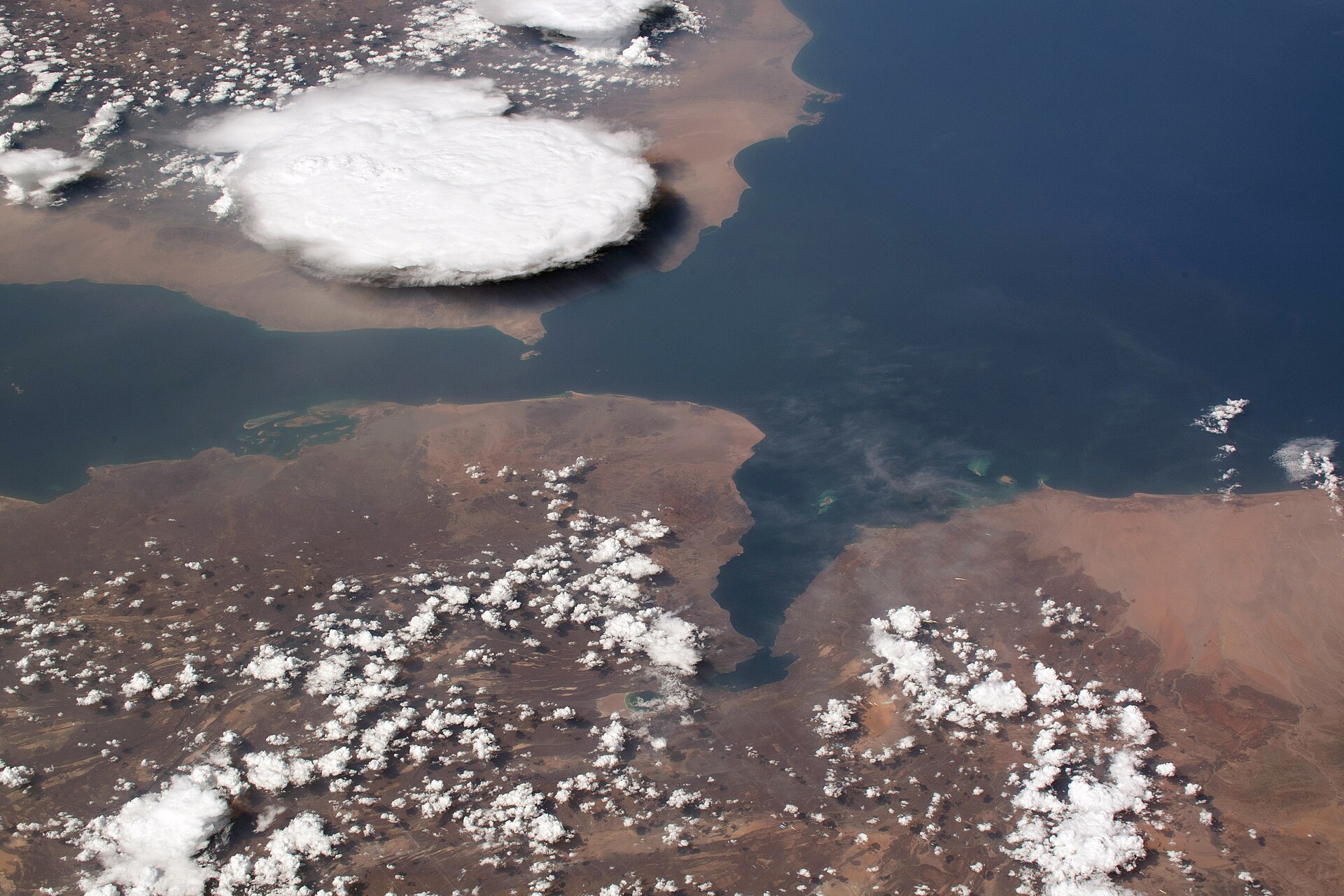
Bab el-Mandeb. The Houthis retook the coast on November 15. Watch for attacks on Red Sea shipping out of Yanbu, any change in US posture toward the Houthis, and what the new coalition command under Al-Ruwaili does first.
Two further indicators matter. The first is whether the IRGC-US exchanges stay at the level Krieg describes as boundary testing or escalate beyond it. The second is whether the US non-emergency staff withdrawal from Saudi Arabia is reversed, which would be the clearest signal that Washington sees the kingdom’s threat level falling.
Frequently Asked Questions
What is the R-4 format Turkey is using for mediation?
The R-4 format is Turkey’s diplomatic framework for convening a group of regional and international stakeholders on the Iran-US-Gulf conflict. Turkey held a first R-4 meeting in Europe before mid-November 2026 and confirmed a second. Its membership and formal mandate have not been publicly disclosed. Whether Washington or Tehran has engaged directly with the format, rather than communicating with Ankara through separate bilateral channels, has not been confirmed publicly.
What would a full Bab el-Mandeb closure mean for Saudi oil exports?
Saudi cargoes leaving Yanbu would face a choice between the Suez Canal — viable but capacity-constrained — or the Cape of Good Hope route, adding weeks of additional transit for Asian buyers. Neither option restores the speed or cost structure of the direct Hormuz-to-Asia route. Saudi crude would then be competing simultaneously for Suez slots and long-haul tankers on a market already stressed by eight months of Hormuz disruption.
What was Araghchi’s original Hormuz proposal before the two-day plan?
Araghchi announced a seven-day plan at the UN in New York on 25 September 2026, conveying it through Qatari mediators, proposing a phased opening of the strait. By November he had revised this to a two-day framework, compressing the timeline but preserving the same underlying structure: US action on day one, Iranian compliance on day two. The sequencing problem — who moves first — has not moved since the original submission.
How long can Saudi Arabia sustain the current deficit pace?
Saudi Arabia has not published a fiscal sustainability projection for the war scenario. Reserves stand at about $107 billion and public debt at roughly 33 percent of GDP, leaving significant borrowing room by Gulf standards. The more visible constraint is political: each cut to Vision 2030 megaprojects narrows the investment narrative Riyadh uses to attract private capital, compounding the economic damage of the Hormuz closure beyond what budget numbers alone show.
Has the US ever acted militarily in direct response to Saudi requests?
Direct US military action on Saudi Arabia’s behalf has been limited. The United States has conducted its own strikes in the region, but those have been self-authorised responses to threats against US-linked assets and personnel, not direct responses to Saudi requests. MBS’s two direct appeals in September 2026 for US strikes on the Houthis were both declined, according to CNN. Washington strikes when US assets are targeted; Saudi requests alone have not changed that calculus.
The Judgement
The most likely outcome is a long stalemate. Washington believes it is winning by waiting. Tehran believes it is winning by holding the strait. Both may be right about the other, and both are wrong about the cost to the states in between.
Shenzhen may produce a statement. Qatar may report narrowing gaps. Turkey may convene another round. None of that changes the fact that the two principals have not agreed on who moves first, and neither is under enough pressure to concede.
That leaves Saudi Arabia carrying the bill. The budget is running far above plan. The economy is forecast to shrink by every major forecaster. Megaprojects are being cut. Drones are still being shot down over Makkah.
Riyadh’s mistake would be to treat this as a crisis that diplomacy will soon resolve. It is not. It is a condition to be managed for months, and the decisive threat is no longer Hormuz, which is already closed, but Bab el-Mandeb, which is not yet.
Saudi Arabia cannot stop the US-Iran war. It can decide whether the war closes one of its export routes or two. That is the choice that matters now, and it is being made on the Red Sea coast, not in Muscat or Shenzhen.
The House of Saud Daily Briefing
Saudi Arabia's news in 3 minutes, every morning. Free. See today's issue