KUWAIT CITY — Kuwait’s armed forces announced on the night of November 17 that air defences were engaging “hostile attacks” over the country, then issued a second statement around 1:39 am on November 18 confirming they were responding to “hostile drone attacks” — the latest in a nine-month pattern that has seen Ali Al Salem Air Base struck at least 30 times, six American soldiers killed at a nearby port, and the country’s desalination plants targeted on multiple nights in July. Kuwait’s Foreign Ministry, in a separate statement the same evening, condemned Iran’s attacks on Bahrain as “a dangerous escalation that threatens the security and stability of the region” and expressed “full solidarity with Bahrain,” marking its sharpest public break from the neutral posture that defined its foreign policy before the war.
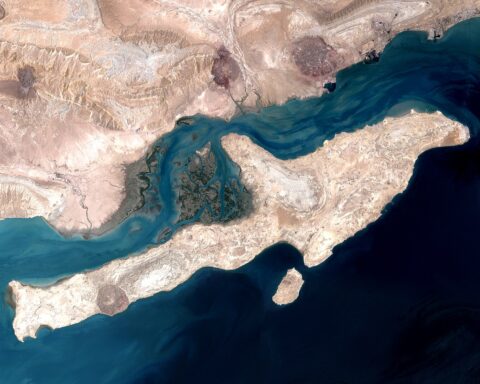
The November 17–18 escalation did not arrive in isolation. Hours earlier, the IRGC had struck a US-operated radar at Sheikh Isa Air Base in Bahrain, and the United States had responded with strikes on an IRGC missile launch site on Qeshm Island. Kuwait’s interceptions came as the third beat in a single night’s escalation cycle — a pattern that tells you more about Iran’s strategic coercion logic than any IRGC press release. For a country that hosted Iran’s ambassador without interruption during the 2016 Saudi embassy crisis, the distance Kuwait has travelled in nine months is measured not in diplomatic statements but in interceptor launches, casualty counts, and a half-billion-dollar anti-drone contract signed in October.
The House of Saud Daily Briefing
Saudi Arabia's news in 3 minutes, every morning. Free. See today's issue
Table of Contents
- What Happened on the Night of November 17–18
- Kuwait’s Nine Months at War
- Why Does Iran Keep Targeting Kuwait Despite Its Neutrality?
- Has Kuwait’s Neutrality Actually Collapsed?
- What Does the Makkah Pact Mean for Kuwait?
- What Can Kuwait Do Now?
- The Port Shuaiba Whistleblower
- Frequently Asked Questions
What Happened on the Night of November 17–18
Kuwait’s General Staff posted on X on November 17 that “any explosion sounds heard are the result of air defence systems intercepting hostile attacks,” according to Al Jazeera. The statement was notable for what it did not say: it named no attacker, gave no drone count, and reported no casualties or damage. A second statement followed around 1:39 am Gulf time on November 18, saying air defences were responding to “hostile drone attacks” and urging the public to follow safety instructions, Gulf News reported.
Arab News reported the attacks targeted Kuwait International Airport, oil refineries, and the Shuaiba power and desalination plant — though those targets were attributed only to Arab News’s reporting, not to the Kuwait General Staff’s statements. Neither Iran nor any proxy group claimed the drones, and Kuwait’s government did not attribute them, which itself carries a message: when a country absorbs fire and declines to name the shooter, the silence is diplomatic, not investigative.
The timing was not coincidental. The same evening, the IRGC claimed what it called “a precision operation” against US-operated radar at Sheikh Isa Air Base in Bahrain, framing it as retaliation for “repeated violations of Iranian airspace by US military drones,” according to Al Jazeera. The United States struck back at an IRGC missile launch site on Qeshm Island, as CBS News reported. Kuwait’s drone interceptions landed between the Bahrain strike and the American response — a Bahrain–Qeshm–Kuwait escalation cycle compressed into a single night, touching three separate GCC states and the US military within hours.
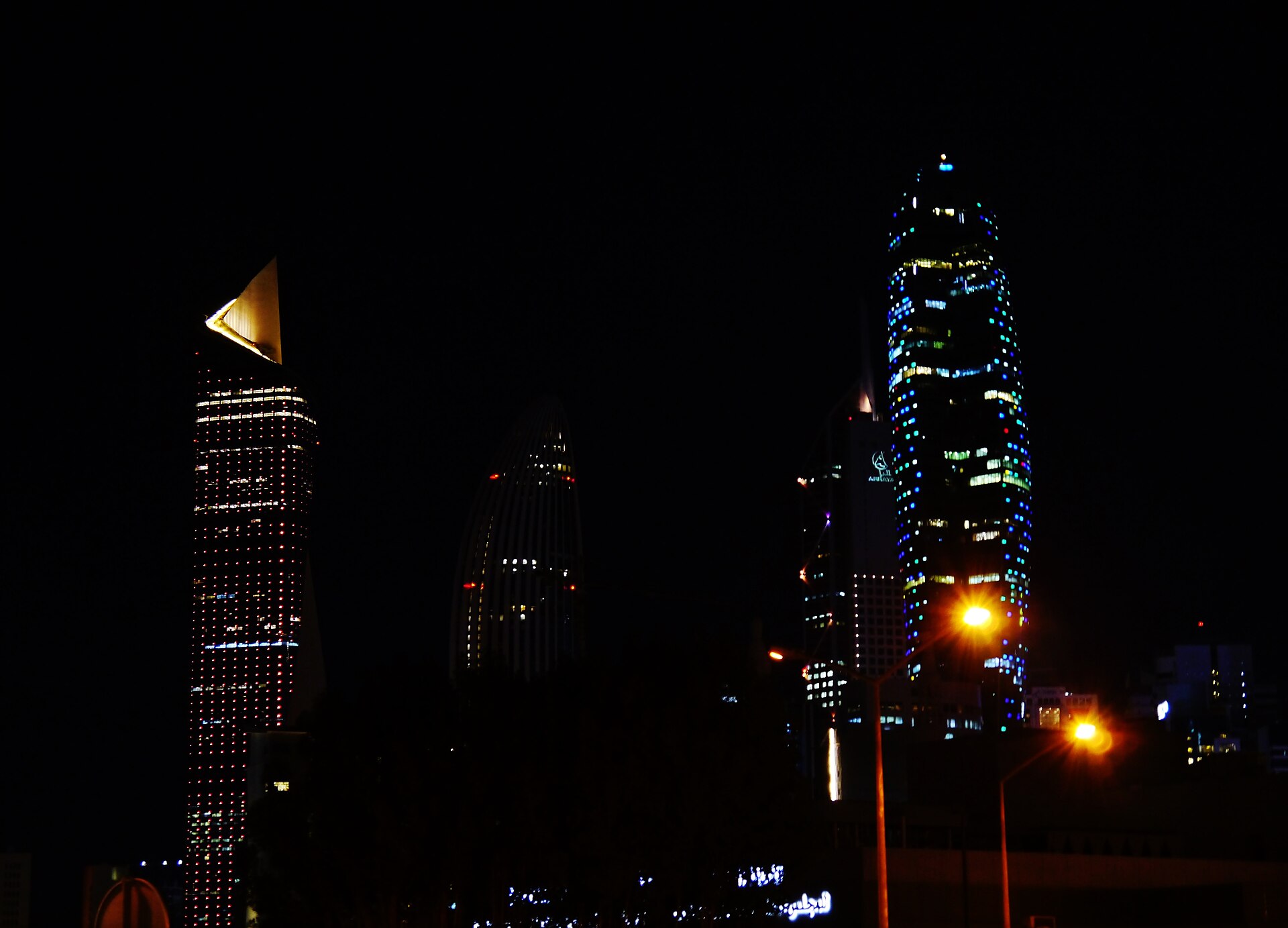
It was during this same window that Kuwait’s Foreign Ministry issued its condemnation of Iranian attacks on Bahrain, describing them as “a dangerous escalation that threatens the security and stability of the region” and affirming “full solidarity with Bahrain,” according to Iran International’s liveblog. That a country which had spent nine months absorbing strikes without publicly naming Iran chose this moment to condemn Iranian attacks on a neighbour tells you the diplomatic calculation has shifted, even if the formal posture has not.
Kuwait’s Nine Months at War
Kuwait’s war did not begin on November 17. It began on February 28, 2026 — the first night of the broader conflict — when Iranian drones struck Kuwait International Airport and Ali Al Salem Air Base, according to the Wikipedia article on Kuwait in the 2026 Iran war. Within 48 hours, six US soldiers were dead: an Iranian drone hit a US operations centre near Port Shuaiba on March 1, as documented in the Wikipedia article on the 2026 Port Shuaiba drone attack. That strike happened three days into a war Kuwait had tried to stay out of, and it set the pattern for everything that followed.
Ali Al Salem Air Base, which hosts US Air Force assets in Kuwait, has been struck at least 30 times since February, damaging or destroying at least 15 aircraft hangars, numerous warehouses, and 10 buildings near a residential area, according to an AP analysis reported by GlobalSecurity on October 31. The IRGC claimed on September 2 that it had “destroyed the command post, drone facilities and several drones” at Ali Al Salem in what it framed as retaliation for a US strike on a home in Sirik, PressTV and IRNA reported. The base’s repeated targeting is not random — it is the IRGC’s way of telling Kuwait that hosting American military infrastructure makes Kuwaiti soil an extension of the American battlefield.
The human cost has been concentrated but persistent. Kuwait’s total conflict casualties stand at 4 soldiers and 8 civilians killed, with 82 soldiers and 108 civilians injured, according to Wikipedia’s tally. Those numbers are modest next to Saudi Arabia’s or Bahrain’s, but they land differently in a country of around 4 million people that entered 2026 believing its diplomatic balancing act would keep it out of the crossfire. Kuwait, in the decades before this war, had maintained diplomatic ties with Tehran when other Gulf states broke theirs — it declined to follow Saudi Arabia in severing diplomatic relations after the 2016 attack on Saudi missions in Iran, according to Wikipedia’s entry on Iran-Kuwait relations.
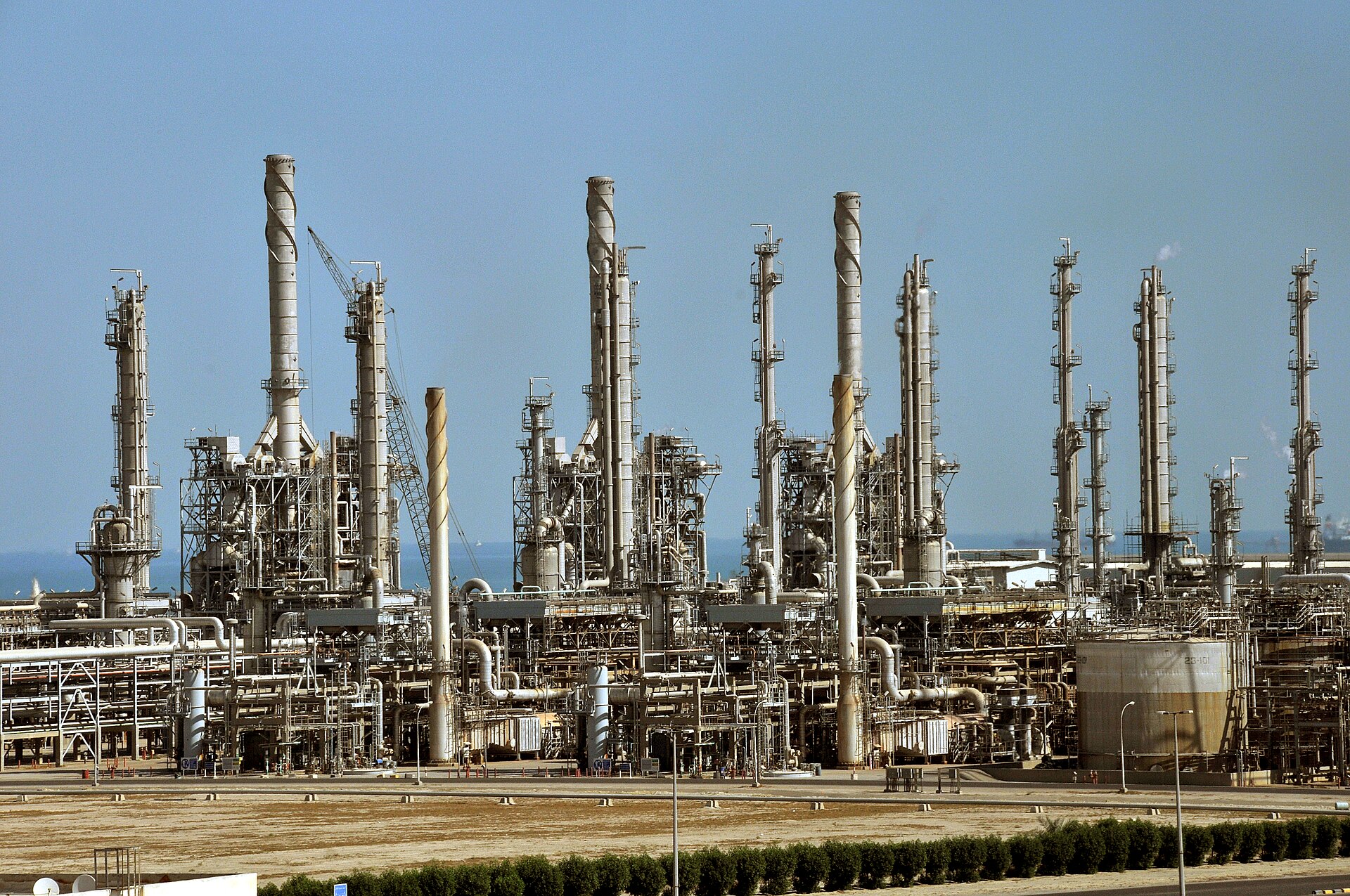
The infrastructure attacks in July were the most alarming. Iran struck Kuwaiti power and desalination plants on July 17 and 18, injuring several firefighters and a worker, and Kuwait closed its airspace on July 18, Khaleej Times reported. Further strikes followed in the days after: by July 25, Iran had hit Kuwaiti desalination infrastructure on at least four occasions in the preceding eight days, New Arab reported — targeting the facilities that produce roughly 90 per cent of Kuwait’s drinking water, according to Business Today. Targeting a country’s water supply is a particular kind of coercion, and the IRGC did not need to claim credit for it because the message was delivered through the pipeline, not the press release.
Why Does Iran Keep Targeting Kuwait Despite Its Neutrality?
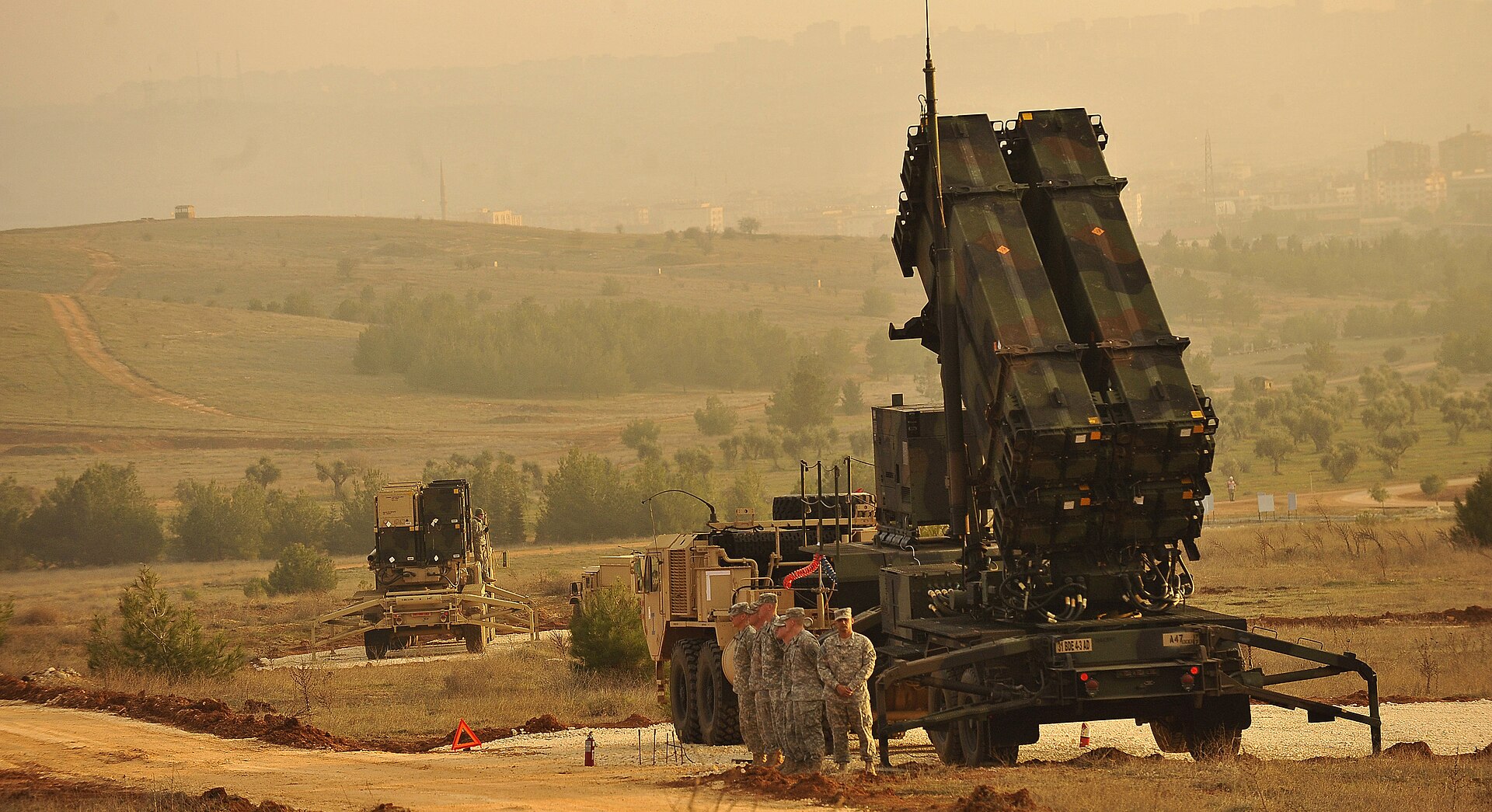
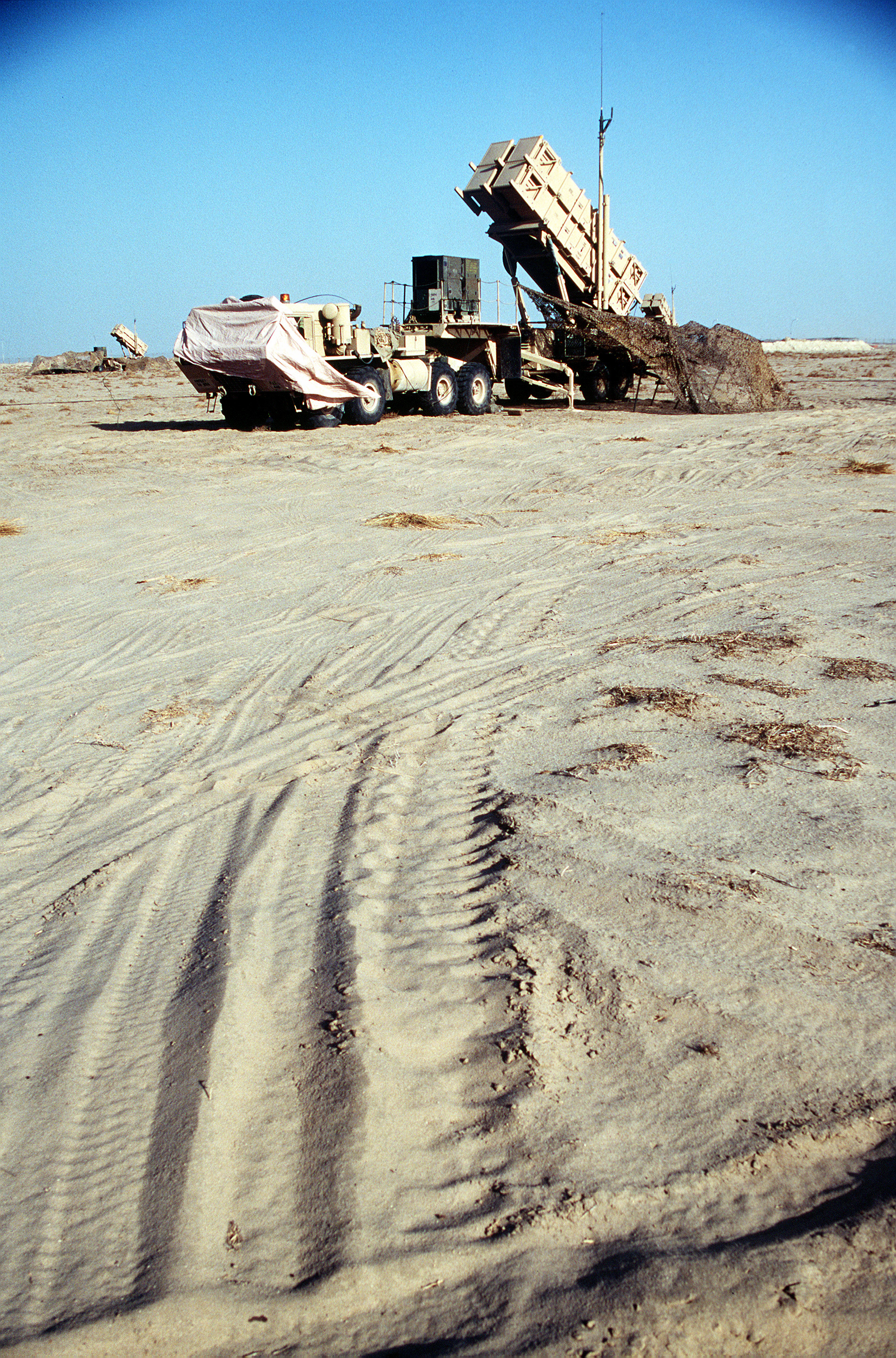
The answer is on the map. Camp Arifjan serves as the headquarters of US Army Central (ARCENT), according to Modern Diplomacy, while Ali Al Salem Air Base hosts US Air Force fighter aircraft, Camp Buehring provides additional US Army capacity, and Camp Patriot sits near the port. The US Embassy placed movement restrictions on all four installations in January 2026, limiting access to essential personnel, according to a US Embassy Kuwait security alert.
Kuwait, by geography and by decades-old basing agreements, is the logistics backbone of the American military presence in the northern Gulf — and the IRGC has made clear, repeatedly, that it regards the distinction between Kuwaiti sovereignty and American basing as a fiction. The pattern of strikes supports that reading: Ali Al Salem hosts US fighter jets and has been struck throughout the conflict; Port Shuaiba served a US operations centre, and the March 1 drone strike on that installation defined Kuwait’s vulnerability from the first week of the war.
The IRGC has framed its Kuwait strikes as targeting US forces specifically, telling Kuwaitis that “US forces are breaching your sovereignty,” according to an IRGC statement reported by news.az. The framing is calculated: it invites Kuwait to blame Washington rather than Tehran, to see itself as collateral damage rather than a combatant, and to conclude that the cheapest path to safety runs through expelling American forces rather than confronting Iranian ones. It is a coercion strategy dressed as solidarity, and for most of the war it worked well enough to keep Kuwait’s public statements hedged.
But the hedging has been tested to breaking point. Kuwait arrested 24 people in an alleged Iran-linked plot on April 11, according to Wikipedia’s Kuwait war entry. It launched strikes on Iran-backed Iraqi militias from its own territory in April — a fact confirmed by Iraqi officials who said at least two rocket attacks originated from Kuwait, as the Wall Street Journal reported via Wikipedia. These are not the actions of a neutral state maintaining equidistance; they are the actions of a country that has been dragged into a conflict it did not choose and is responding with the tools available to it while trying to preserve whatever remains of the neutral brand.
The Washington Institute for Near East Policy assessed that Kuwait has “emerged as one of the Gulf states most targeted by Iranian retaliation since the war began” and, as host to major US military assets, has “borne a disproportionate share of the conflict’s spillover costs.” Foreign Policy, writing in July, contrasted Kuwait with Bahrain by noting that Kuwait had “prioritized engagement and sought to pragmatically develop political and economic ties with Iran” before the war — a posture that made the February 28 attacks feel less like an act of war and more like a betrayal.
Has Kuwait’s Neutrality Actually Collapsed?
The formal answer is no. The practical answer is more complicated. Kuwait’s Emir Mishal said on March 9 that Kuwait was attacked by “a neighbour it considers a friend” but that Kuwait “did not allow the use of our land, airspace, or waters for any military action against it,” according to the Wikipedia article on Kuwait in the war. That statement — carefully acknowledging both the injury and the principle — defined Kuwait’s public posture for months: we were hit, we are angry, but we did not provoke this.
The November 17 Foreign Ministry statement marks a shift in register, if not in formal policy. Condemning Iranian attacks on Bahrain and expressing “full solidarity” goes beyond the standard GCC formula of “shared concern.” It names Iran. It calls the attacks “a dangerous escalation.” And it aligns Kuwait with Bahrain at a moment when the IRGC had just struck a US-operated installation on Bahraini soil — a statement that, read in Tehran, amounts to choosing sides.
The Project on Middle East Political Science (POMEPS) argued that Kuwait’s foreign policy “is likely to remain focused on mitigating threats from the region to Kuwaiti stability” and noted that with parliament suspended, “the government can implement foreign policies without parliamentary input or oversight.” That observation cuts both ways: it means the government can accelerate alignment with the anti-Iran coalition without a domestic debate, but it also means there is no legislative check on how far that alignment goes. When the parliament that might have demanded explanations for April’s strikes on Iraqi militias is not sitting, the executive can act — and the gap between Kuwait’s formal neutrality and its operational reality can widen without anyone in Kuwait City having to defend it publicly.
The Gulf International Forum assessed that Kuwait faces “the dual challenge of diversifying security ties and managing domestic fallout,” noting that it enacted Law No. 13 of 2026 in March to protect military interests. A law passed in the first month of the war to shield military decision-making from legal challenge is not the act of a country planning to sit this one out — it is institutional preparation for a longer fight, wrapped in the bureaucratic language of governance reform.
“Any explosion sounds heard are the result of air defence systems intercepting hostile attacks.”
Kuwait General Staff, posted on X, November 17, 2026 (Al Jazeera)
What Does the Makkah Pact Mean for Kuwait?
Kuwait is not a signatory to the Makkah Joint Defence Agreement, which was signed on August 7 by Saudi Arabia, Turkey, and Pakistan, and treats an attack on one member as an attack on all, according to Kuwait Times and AFP. The omission is deliberate. Kuwait’s strategic hedging — described in a Taylor & Francis academic publication as resting on “security coordination with Gulf partners, especially Saudi Arabia; continued diplomatic engagement with Iran; and active participation in mediation and multilateral initiatives” — does not accommodate a collective-defence trigger that would automatically pull it into a war it has spent nine months trying to stay formally outside of.
What Kuwait signed instead was a bilateral Protocol Agreement-2026 with Pakistan on August 27, covering training and military assistance but carrying no collective-defence clause, according to Amwaj.media. The distinction matters: a bilateral training deal lets Kuwait access Pakistani military expertise — Pakistan has deployed roughly 8,000 troops, around 16 mostly JF-17 aircraft, two drone squadrons, and an HQ-9 air defence system to Saudi Arabia, according to Reuters — without accepting the mutual-defence obligation that Turkey’s ratification of the Makkah Pact now carries.
The question is whether bilateral arrangements can provide the same deterrence as collective ones. The Makkah Pact’s strength, in theory, is its tripwire function: an attack on Saudi Arabia pulls in Turkish and Pakistani forces automatically, raising the cost of aggression for Iran. Kuwait, by staying outside the pact, keeps its diplomatic flexibility but sacrifices the deterrent effect of belonging to a formal alliance. After months of strikes on Ali Al Salem and four nights of attacks on its water supply, the value of that flexibility is a question Kuwait’s government is answering in real time — and the November 17 Foreign Ministry statement suggests the answer is changing.
What Can Kuwait Do Now?
Kuwait’s most concrete step is already underway. On October 9, Kuwait signed a contract worth 370 million pounds ($490.5 million) with MARSS and Electro Optic Systems for a nationwide “Nation Shield” anti-drone system, according to Zawya and UK government sources reported by Janes. The system has a 24-month build timeline, according to Janes and The Defense Post — which means it will not be operational until late 2028 at the earliest, leaving Kuwait reliant on its existing air defences and American support for the next two years of a war that shows no sign of ending.
That price tag is itself a data point. Kuwait is not a large military spender by Gulf standards, and committing half a billion dollars to a single anti-drone system — after absorbing so many strikes on a single air base — reflects both the severity of the threat and the inadequacy of existing defences. The contract was signed with British and Australian firms, not American ones, which may reflect a desire to diversify suppliers at a moment when US military capacity in the region is stretched across Saudi Arabia, Bahrain, and the coalition’s own air defence requirements.
The US basing question hangs over all of this. Kuwait’s hosting of Camp Arifjan and Ali Al Salem is both the reason Iran targets it and the reason it has not been hit harder — the American presence provides a deterrence umbrella even as it paints a target. Stars and Stripes reported on November 16 that a whistleblower complaint had raised concerns about force-protection vulnerabilities at Port Shuaiba — a report addressed in the next section.
The GCC solidarity dimension is also shifting. Saudi Arabia condemned Iran’s attacks on Bahrain on the same day Kuwait issued its own statement, and the broader coalition was engaged across the region — the same 24-hour period saw coalition air defences destroy drones over Makkah and Riyadh as Houthi forces pressed toward Aden. The 46th GCC summit’s Sakhir Declaration in December 2025 had already established that any infringement on a member state’s sovereignty constituted a threat to collective security, according to Khaleej Times. Kuwait’s own October statement that Saudi security is “an inseparable part of the security” of Kuwait and the GCC, as Fortune and AP reported, was a step toward making that principle operational rather than declarative.
Iran’s April 10 ceasefire offers a useful contrast. During the US-Iran ceasefire that month, Kuwait accused Iran and its proxies of drone attacks, and the IRGC categorically denied launching any projectiles at Kuwait, according to The National. The denial was itself revealing: when the IRGC wants to claim it is not hitting Kuwait, it can — which means the strikes that it does not deny, including the July desalination attacks and the November 17 interceptions, carry an implicit ownership that formal attribution would only make explicit.
The Port Shuaiba Whistleblower
Stars and Stripes reported on November 16 — one day before the latest Kuwait drone interceptions — that a whistleblower complaint had been filed regarding security vulnerabilities at the US military facility near Port Shuaiba. The timing is coincidental but the substance is not: Port Shuaiba is where six American soldiers died on March 1 when an Iranian drone struck a US operations centre.
The complaint’s details have not been made public, but its existence nine months after the attack suggests that the force-protection measures implemented after March 1 have not satisfied everyone inside the chain of command. Camp Arifjan, Camp Buehring, Ali Al Salem, and Camp Patriot were all placed under movement restrictions by the US Embassy in January 2026, before the war even started — restrictions that limited access to essential personnel only, according to the embassy’s security alert. That those restrictions anticipated the threat and the threat materialised anyway, fatally, is the kind of institutional failure that generates whistleblower complaints.
For Kuwait’s government, the complaint creates a secondary pressure. If US force protection at Kuwaiti installations is demonstrably inadequate, the case for Kuwaiti investment in independent air defences — the Nation Shield contract, the bilateral Pakistan training deal — becomes easier to make domestically. It also weakens the implicit bargain that has sustained US basing in Kuwait for decades: American forces provide security, and Kuwait provides territory. When the forces on your territory are themselves under-protected, the bargain looks less like security and more like shared vulnerability.
Frequently Asked Questions
How many US military bases are in Kuwait?
The US maintains four principal installations in Kuwait: Camp Arifjan, which serves as the headquarters of US Army Central (ARCENT) and is the primary logistics hub for all US ground forces in the region, according to Modern Diplomacy; Ali Al Salem Air Base, which hosts US Air Force fighter aircraft and has sustained repeated strikes throughout the current conflict; Camp Buehring, which provides additional army staging capacity; and Camp Patriot, located near Kuwait’s naval port. The US Embassy placed all four under movement restrictions in January 2026, before the Iran war began.
Has Kuwait declared war on Iran?
Kuwait has not declared war on Iran and maintains formal diplomatic relations with Tehran. Kuwait’s Emir Mishal publicly stated in March that Iran was “a neighbour it considers a friend” and that Kuwait “did not allow the use of our land, airspace, or waters for any military action against it.” However, in April 2026, Kuwait launched its own strikes against Iran-backed Iraqi militias — confirmed by Iraqi officials who acknowledged at least two rocket attacks originating from Kuwaiti territory, as the Wall Street Journal reported — a step that goes well beyond the defensive posture the Emir described.
What is Kuwait’s Nation Shield anti-drone system?
Nation Shield is a nationwide counter-drone defence network being built by the British firm MARSS and Australia’s Electro Optic Systems under a 370-million-pound ($490.5 million) contract signed on October 9, 2026, according to Zawya, UK government sources, and Janes. The system is designed to detect, track, and neutralise hostile drones across Kuwait’s territory, addressing the specific threat that has dominated Iran’s targeting of the country. With a 24-month build timeline, full operational capability is not expected before late 2028.
Why did Iran target Kuwait’s desalination plants?
Kuwait has virtually no natural freshwater resources; around 90 per cent of its drinking water comes from desalination (Business Today), making these plants an asymmetric pressure point that affects the entire civilian population rather than just base personnel. The IRGC publicly frames its Kuwait strikes as targeting US military assets — a position it has maintained despite multiple attacks on the country’s water supply in July 2026.
Is Kuwait part of the Saudi-led military coalition?
Kuwait participates in the broader GCC security framework and has described Saudi security as “an inseparable part” of its own, according to Fortune and AP. It is not, however, a signatory to the Makkah Joint Defence Agreement signed by Saudi Arabia, Turkey, and Pakistan on August 7, 2026, which carries a collective-defence trigger. Kuwait instead signed a bilateral Protocol Agreement-2026 with Pakistan on August 27, which covers training and capacity building but explicitly contains no collective-defence clause, according to Amwaj.media — a structure that preserves Kuwait’s formal independence while acknowledging that its own military capabilities are insufficient for the current threat environment.
The House of Saud Daily Briefing
Saudi Arabia's news in 3 minutes, every morning. Free. See today's issue