
RIYADH — The Saudi Foreign Ministry on November 17 “strongly condemned the repeated Iranian attacks on the Kingdom of Bahrain,” calling them “a flagrant violation of international law and of the principles of good neighborliness,” according to Saudi Gazette. The statement, issued roughly five hours after talks between Iran’s Foreign Minister Abbas Araghchi and Oman’s Badr al-Busaidi ended without agreement in Muscat, called for “an urgent, immediate halt to Iranian attacks against regional countries.”
The condemnation followed what the Washington Times described as the third IRGC attack on Bahrain in five days — targeting, in succession, three separate US-linked military facilities across the country. The Islamic Revolutionary Guard Corps claimed it had carried out “a precision operation” against a radar system at Sheikh Isa Air Base, but US Central Command called the claim “FALSE,” saying “multiple Iranian one-way attack drones were intercepted without any damage to U.S. equipment or injuries to American personnel,” according to CBS News. Saudi Arabia, the UAE, Qatar, Kuwait, Egypt, Jordan, the GCC secretariat, and the Arab League all condemned the attacks between November 15 and 17.
The House of Saud Daily Briefing
Saudi Arabia's news in 3 minutes, every morning. Free. See today's issue
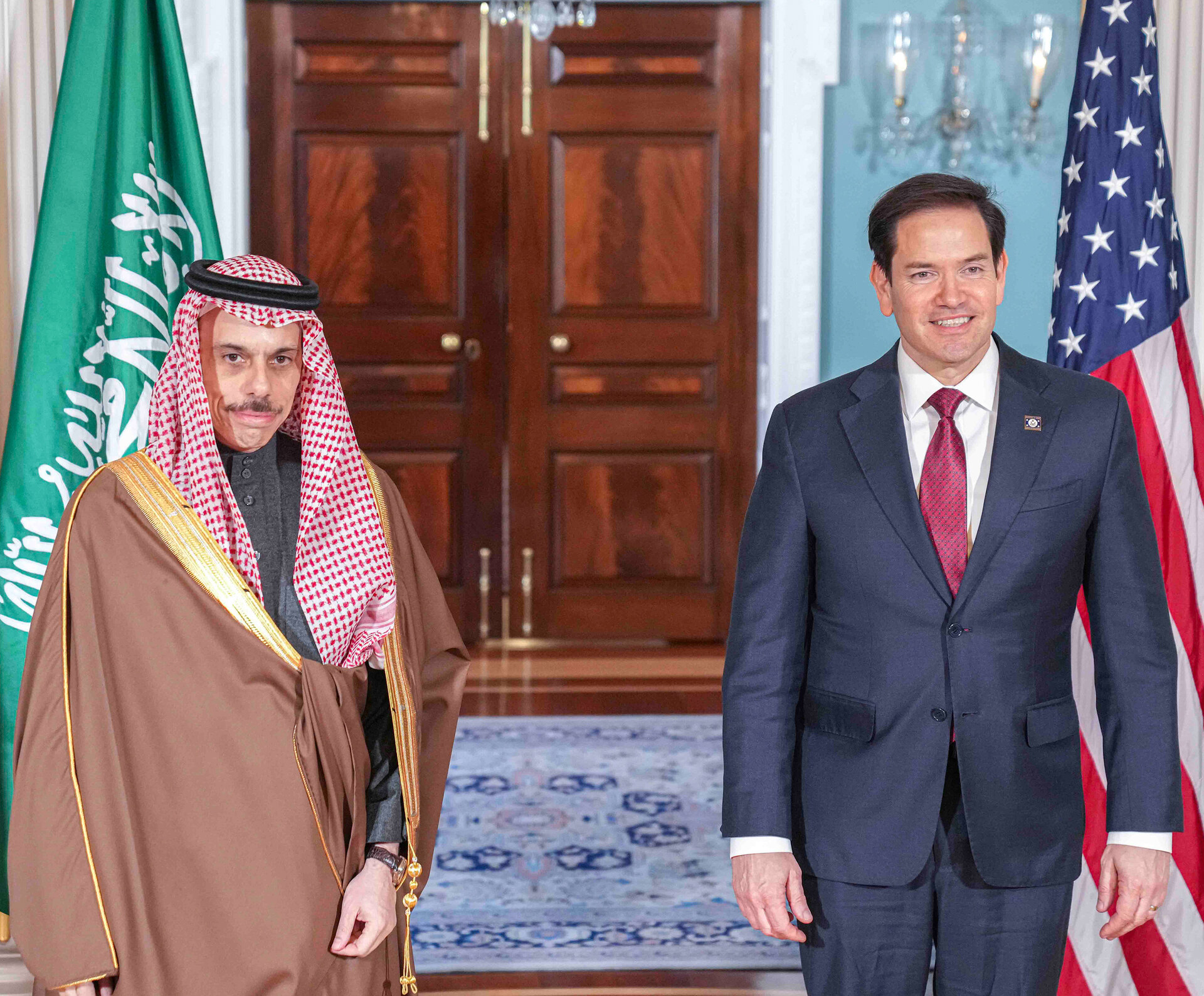
Table of Contents
What Did the Saudi Foreign Ministry Say?
The statement carried no individual signatory — it was issued in the name of the Saudi Ministry of Foreign Affairs as an institution, according to PressBee. It described Iran’s actions as “a flagrant violation of international law and of the principles of good neighborliness” and said the attacks “undermine peace efforts.”
Saudi Arabia “reaffirmed full solidarity with Bahrain in measures to protect its security and stability” and “stressed letting diplomatic efforts pursue peace and resolve the crisis through negotiations,” according to PressBee.
The statement used “Iranian” throughout. It did not name the IRGC, and it did not call for UN Security Council action — that demand came separately from Bahrain’s foreign minister, according to Gulf News.
Saudi Arabia’s November 15 statement had called for “an immediate cessation of the blatant Iranian attacks on the countries of the region,” according to Middle East Eye — the word applied to Iranian attacks broadly, not confined to the six-drone operation against Al-Rifaa helicopter base. Two days later, the November 17 text escalated to “strongly condemned the repeated Iranian attacks,” according to Saudi Gazette.
Saudi Arabia has employed this condemnation template — “international law and principles of good neighborliness” — for Iranian attacks on Gulf states since February 28, 2026, when Iran first struck targets in Saudi Arabia and Bahrain, according to Arab News.
Gulf and Arab States Line Up Behind Saudi Arabia
Between November 15 and 17, at least six Arab governments, the GCC secretariat, the Arab League, and the United States all issued condemnations of Iran’s attacks on Bahrain. The table below summarises each party’s core language.
| Party | Key Language | Source |
|---|---|---|
| Saudi Arabia | “flagrant violation of international law and of the principles of good neighborliness” | Saudi Gazette, Nov 17 |
| UAE | “flagrant violation of Bahrain’s sovereignty and a threat to its security and stability” | Gulf News, Nov 17 |
| Kuwait | “violation of Bahrain’s sovereignty and international law” | Arab Times Online, Nov 15 |
| Qatar | “dangerous escalation” threatening “political and diplomatic efforts” | The National, Nov 16 |
| Egypt | “gross escalation”; “Bahrain’s security is closely linked to Egyptian national security” | Asharq Al-Awsat, Nov 16 |
| Jordan | “blatant violation of Bahrain’s sovereignty” | Anadolu Agency |
| GCC Secretary-General | “blatant challenge”; “infringement on one member infringes on all” | Asharq Al-Awsat |
| Arab League | “rejection of any infringement on Bahrain’s sovereignty, security or territorial integrity” | QNA, Nov 15 |
| United States | Rubio condemned attacks; reaffirmed commitment to Bahrain’s security | The National, Nov 17 |
| Oman | No condemnation issued | — |
What separated Qatar from every other GCC member was its choice of frame. Doha described a “dangerous escalation” that could “undermine political and diplomatic efforts,” according to The National — the only GCC state to anchor its condemnation in the threat to diplomacy rather than the violation of sovereignty or international law. Qatar and Turkey had signed a mutual defence pact in Istanbul on November 13, strengthening Doha’s military posture even as it preserved diplomatic channels with Tehran.
GCC Secretary-General Jasem Albudaiwi called the attacks “a blatant challenge” to regional peace and “a direct threat to the security and stability of the region,” according to Asharq Al-Awsat. He said any infringement on the sovereignty of one member state was an infringement on the security of all GCC countries — a framing that went beyond individual solidarity to treat Iran’s strikes on Bahrain as an affront to the entire council.
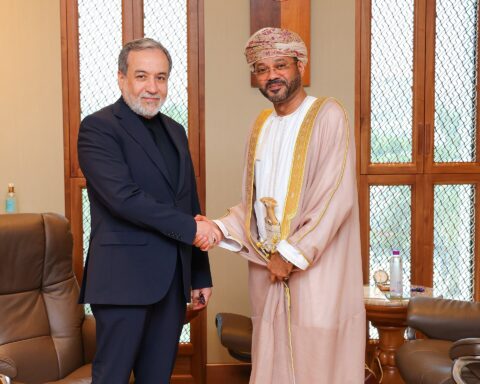
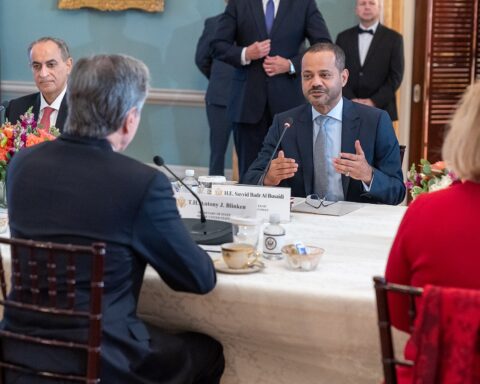
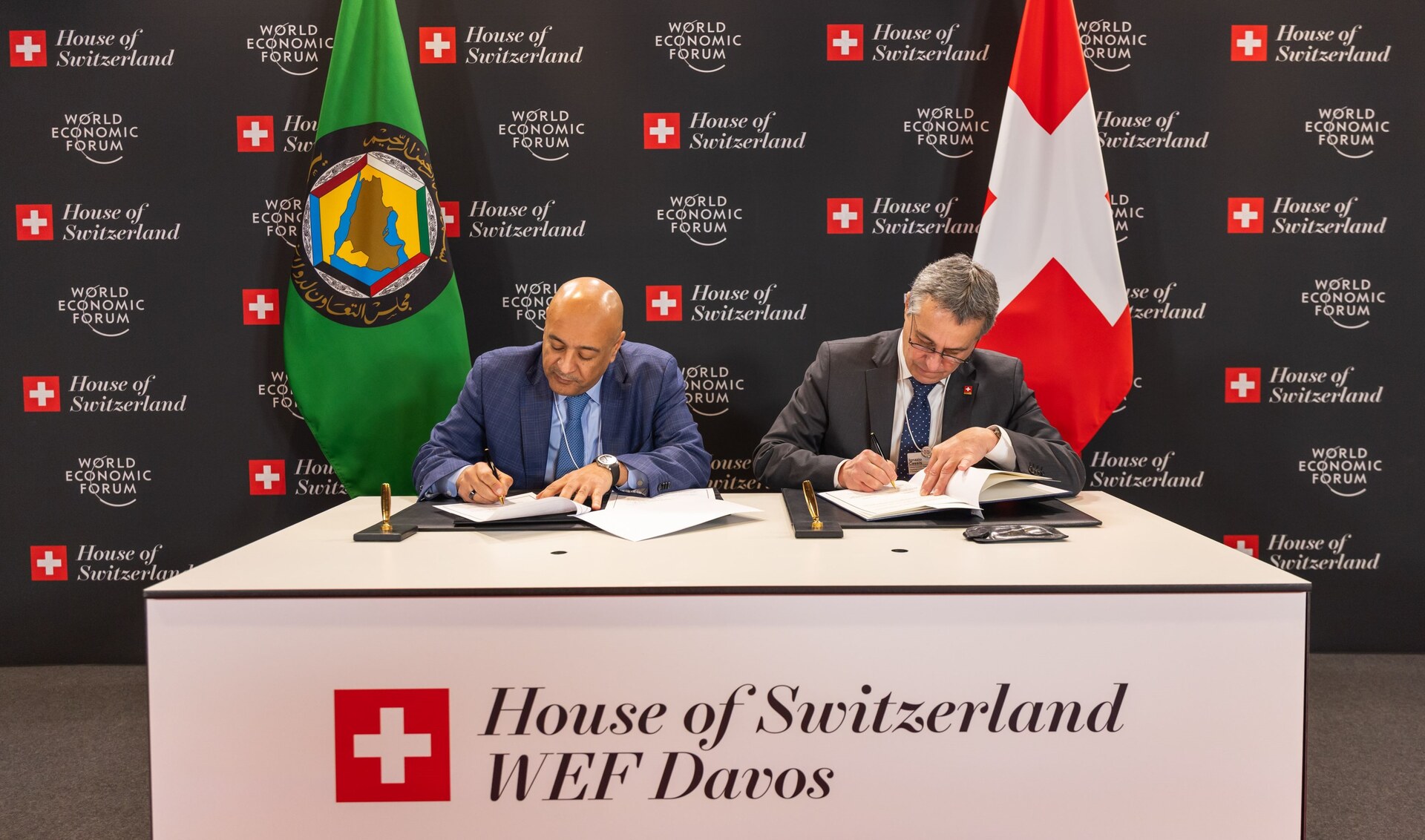
Oman’s silence held. Muscat issued no condemnation — the same pattern it has maintained since February 2026 — and on the morning of November 17, Oman’s Foreign Minister Busaidi had been sitting across from Araghchi in that same city.
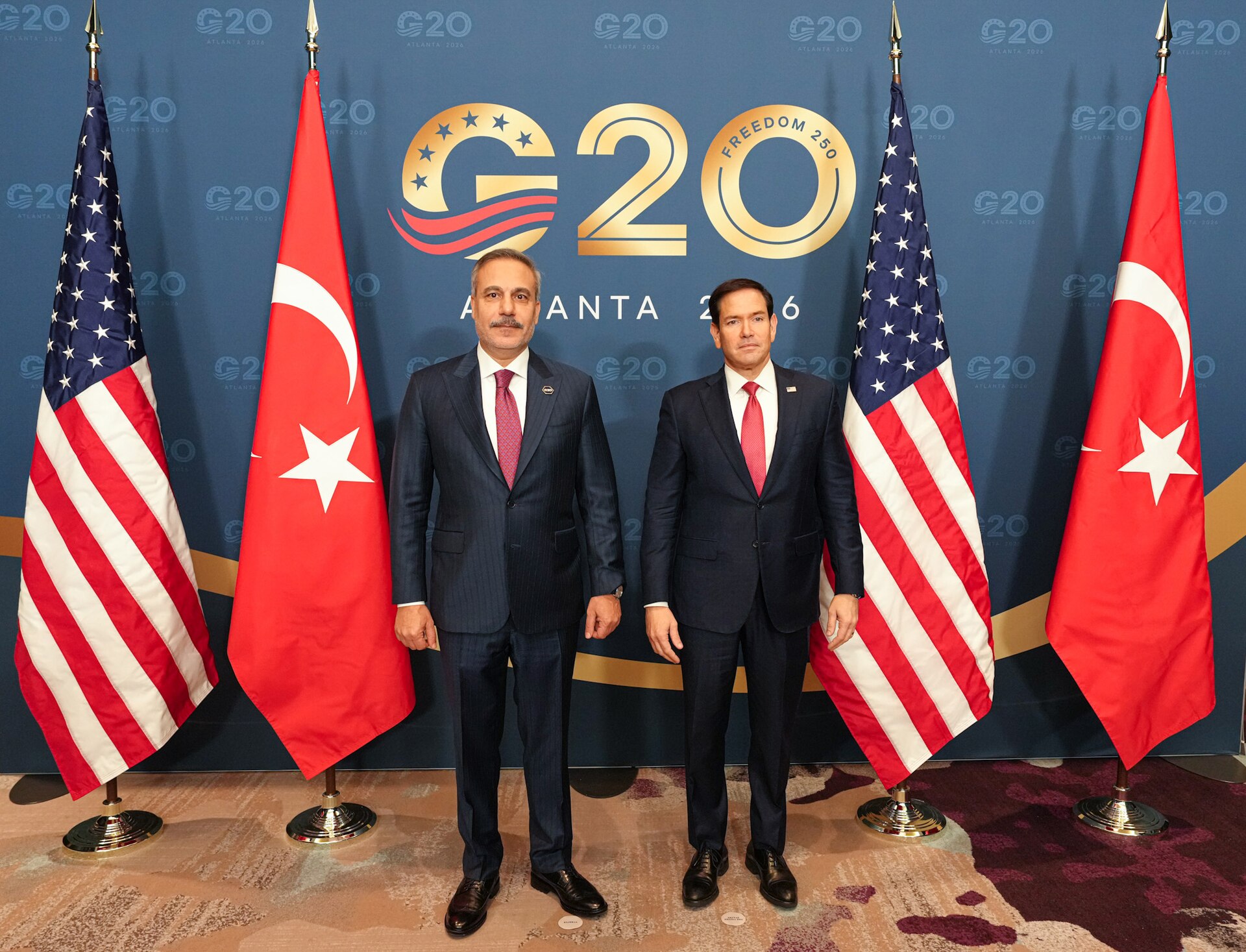
US Secretary of State Marco Rubio condemned Iran’s attacks on Bahrain and “reaffirmed commitment to Bahrain’s security” in a call with Bahrain’s foreign minister on November 16, according to a State Department readout.
What Did Iran Say?
No Iranian government statement specifically responding to the November 17 Saudi condemnation was found in available sources as of publication. Iran’s public messaging on the same day focused on claiming operational success rather than addressing the diplomatic fallout.
The IRGC, in a statement on Sepah News, claimed “combat drones” had carried out “a precision operation” against “a radar system operated by US forces at the Sheikh Isa Air Base in Bahrain.” The statement framed the attack as a response to “repeated violations of Iranian airspace by US military drones” and warned that “continued violations and use of regional bases would not go unanswered,” according to DefconLevel.
CENTCOM rejected the claim directly. The US military said the IRGC’s account was “FALSE” and that “multiple Iranian one-way attack drones were intercepted without any damage to U.S. equipment or injuries to American personnel,” according to CBS News. Anadolu Agency separately reported the CENTCOM denial. IQNA, an Iranian state outlet, ran a headline describing the same event as “US Military Radar System at Bahrain’s Sheikh Isa Air Base Hit in IRGC Attack” — leaving Iranian and American accounts of the same operation irreconcilable.
Iran’s Foreign Ministry spokesman Esmaeil Baqaei, speaking at a press conference on November 15 or 16 — before the November 17 attack — defended all strikes on Bahrain as “purely defensive in nature,” saying they targeted “only US military bases and assets used to attack Iran,” according to Al Jazeera. He accused Gulf states of “helping the US attack Iran” and said “no action has been taken by Iran against the sovereignty of these countries.”
Bahrain’s foreign minister on November 17 invoked UN Charter Article 51 — the right of self-defence — along with Resolution 2817 (2026) and the GCC Joint Defence Agreement, and demanded the UN compel Iran to stop and pay compensation, according to Gulf News.
Three Attacks on Bahrain in Five Days
The Washington Times described the November 17 attack as the “third attack on Bahrain in five days.” The IRGC appears to have rotated its November targets across three distinct US-linked facilities in the country.
On November 13, Iranian drones targeted Riffa. On November 15, the IRGC claimed six drones targeted Al-Rifaa helicopter base — a separate facility that hosts US helicopters and US air-defence radar. On November 17, the target was Sheikh Isa Air Base, home to Royal Bahrain Air Force F-16C/D Block 70 squadrons and the USAF 379th Air Expeditionary Wing Detachment 1, according to Wikipedia.
These are three distinct facilities. NSA Bahrain at Juffair — the Fifth Fleet headquarters, struck on February 28 — is a fourth, separate location.
Sheikh Isa has been targeted by Iranian forces at least five times in 2026, according to Wikipedia’s compiled timeline: March 3, March 30, July 24, September 2, and November 17. The September 2 attack was attributed to the Iranian Army (Artesh) rather than the IRGC.
Why Did Saudi Arabia Act Hours After Muscat Talks Ended?
The Saudi MFA statement was issued at approximately 14:03–14:21 UTC on November 17, according to Iran International — roughly five hours after the Araghchi-Busaidi meeting in Muscat ended without agreement on the Strait of Hormuz.
The groundwork had been laid the day before. Prince Faisal bin Farhan called Qatar’s and Egypt’s foreign ministers on November 16 as Araghchi prepared to travel to Muscat. When the Saudi MFA condemnation came, its own language — “stressed letting diplomatic efforts pursue peace and resolve the crisis through negotiations” — acknowledged the diplomatic track even as it hardened the public position, according to PressBee.
The coordination extended further back. The King of Bahrain had visited Riyadh on November 10 for discussions with Crown Prince Mohammed bin Salman that coincided with the GCC’s approval of a new Kuwait-based defence post. Turkey’s ratification of the Makkah Pact had taken effect days earlier, and Pakistani forces had deployed to Saudi Arabia.
The collective framing was deliberate. Rather than a bilateral Saudi-Bahraini statement, the condemnation architecture assembled over those three days placed Saudi Arabia at the head of a coalition that spanned from Egypt and Jordan to the GCC secretariat itself.
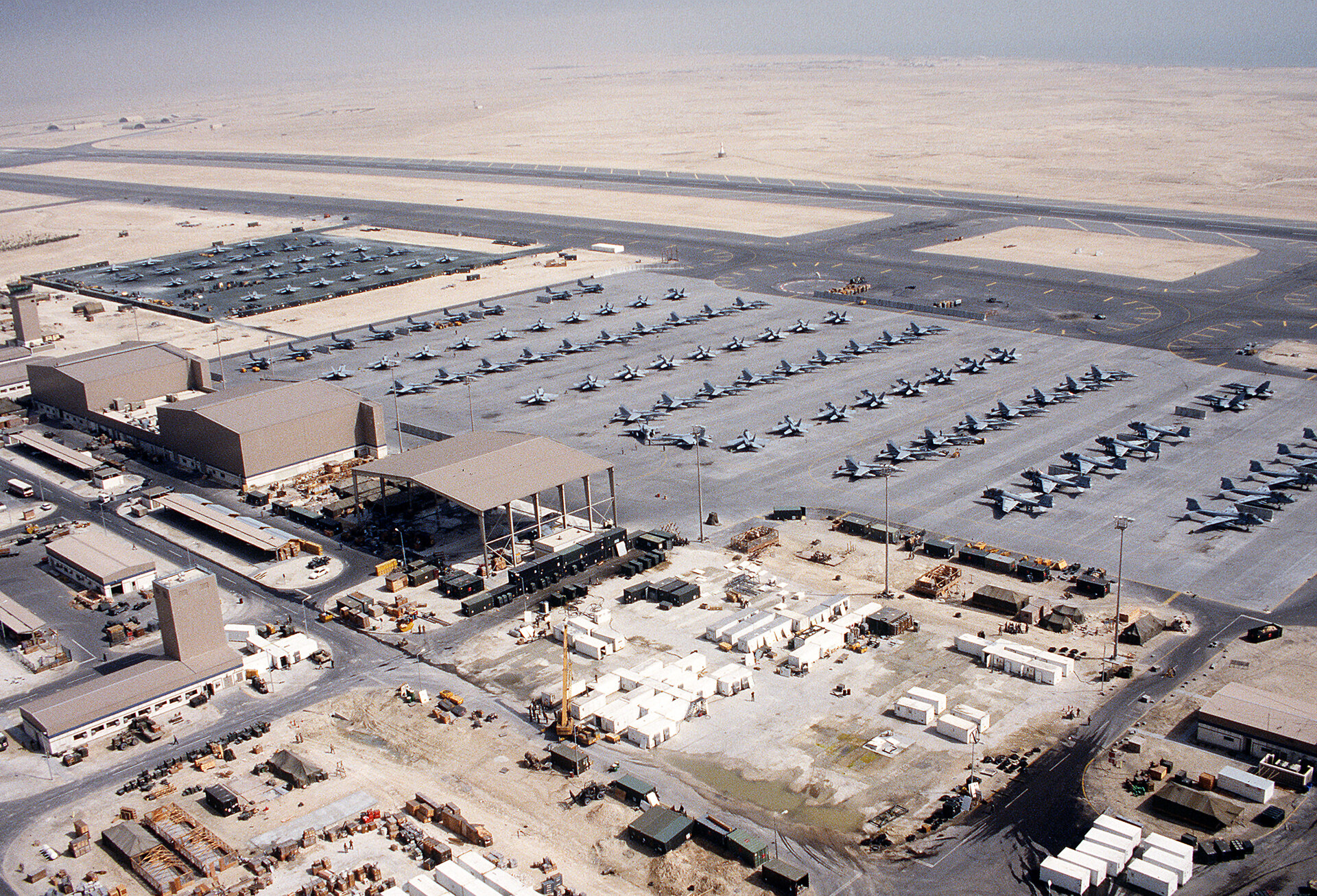
Sheikh Isa Air Base
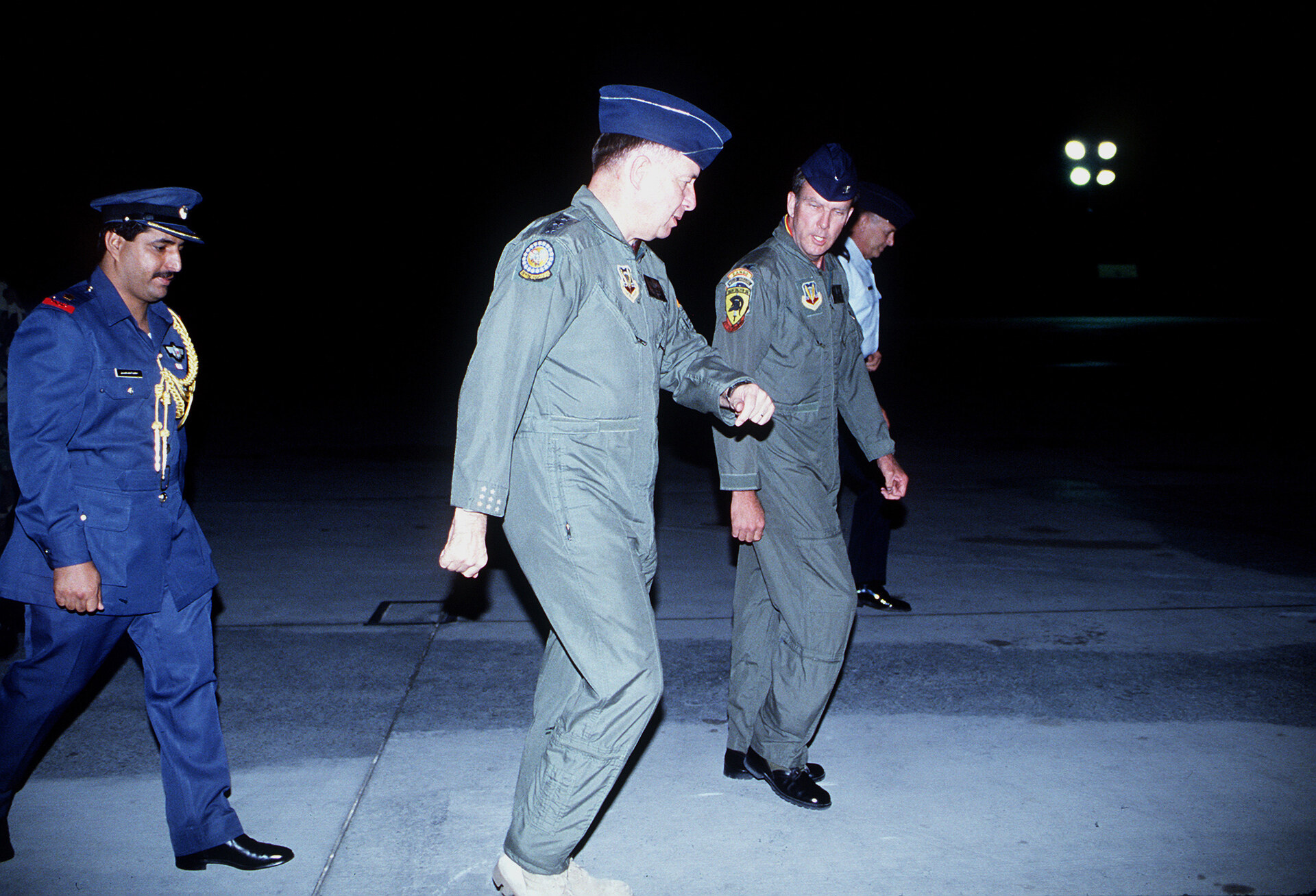
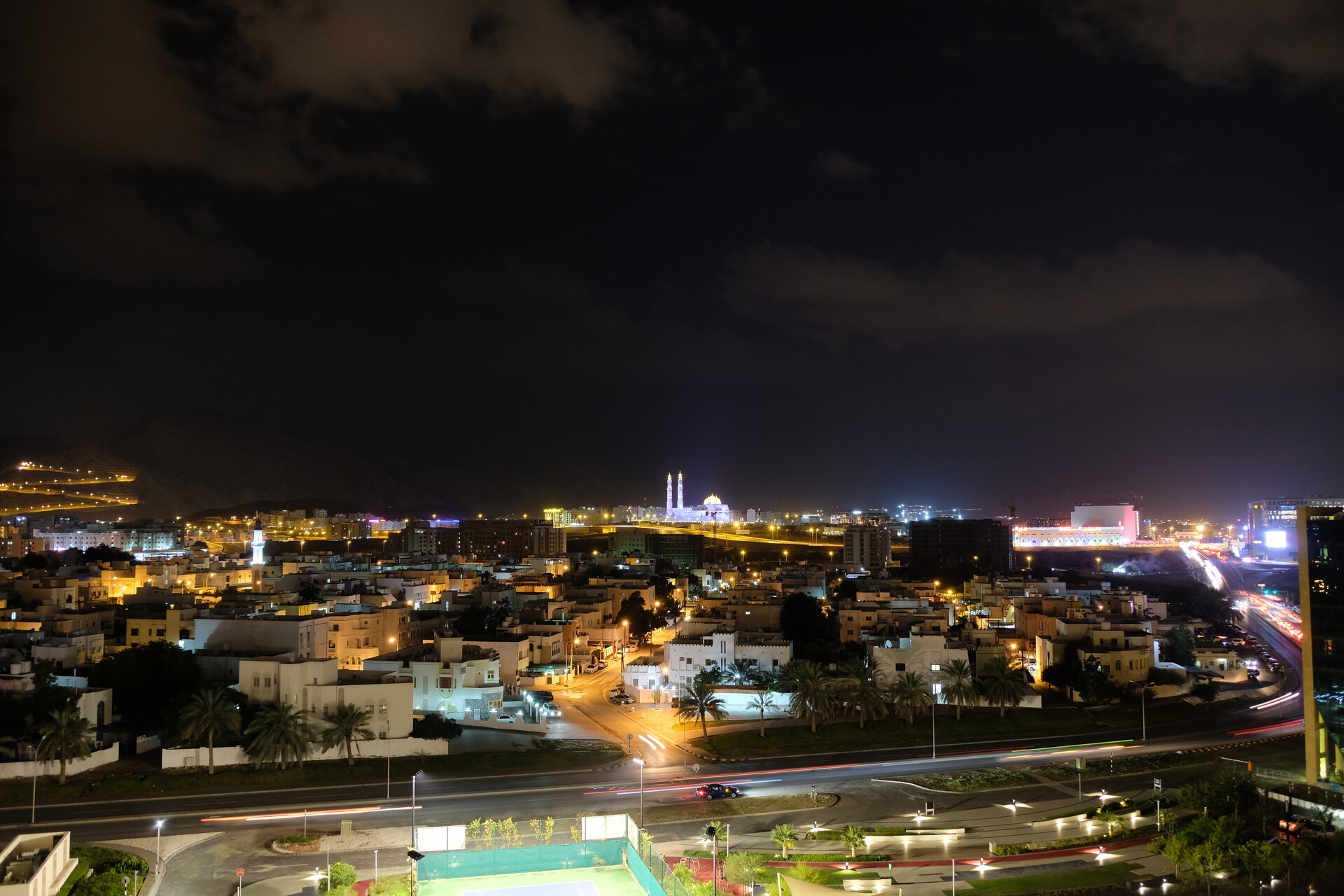
Sheikh Isa Air Base, in southern Bahrain, serves as the headquarters of the Royal Bahrain Air Force and hosts a detachment of the US Air Force’s 379th Air Expeditionary Wing. Its 3,800-metre runway supports both RBAF F-16C/D Block 70 operations and US surveillance and air-superiority missions, according to Wikipedia.
The base has been a persistent target since the Iran war began in early 2026. The March 3 attack was among the first Iranian strikes on Gulf territory beyond Saudi Arabia. The March 30 attack produced the clearest evidence of physical damage — satellite imagery showed P-8 Poseidon surveillance aircraft hangars were hit. The July 24 attack drew less international attention, but the September 2 strike carried a different signature: it was attributed to the Iranian Army (Artesh) rather than the IRGC, suggesting multiple branches of Iran’s armed forces have independently targeted the facility, according to Wikipedia.
Frequently Asked Questions
Did Saudi Arabia call for UN Security Council action against Iran?
No. The Saudi MFA’s November 17 statement called for “an urgent, immediate halt to Iranian attacks against regional countries” but did not invoke the Security Council. That call was made by Bahrain’s foreign minister, who demanded the UN compel Iran to stop and pay compensation — pairing legal instruments (Article 51, Resolution 2817) with a financial claim not echoed by any other condemning state, according to Gulf News.
Which Gulf state did not condemn the attacks?
Oman. Muscat has not publicly addressed any of Iran’s attacks on Bahrain since the war began in February 2026. Fox News reported in June 2026 that Oman maintained this silence across every round of condemnations, consistent with its mediator role. On the morning of November 17, Oman’s Foreign Minister Busaidi had met Araghchi in Muscat — the same day Saudi Arabia issued its condemnation.
How did Saudi Arabia’s November 17 language differ from its November 15 statement?
The November 15 statement called for “an immediate cessation of the blatant Iranian attacks on the countries of the region,” according to Middle East Eye — with “blatant” applied to Iranian attacks broadly. The November 17 statement used “strongly condemned the repeated Iranian attacks.” Saudi Arabia has used the core “international law and principles of good neighborliness” condemnation template in every round of condemnation since February 2026, including June and July statements on other Iranian attacks, according to Arab News.
Did any country explicitly link its own national security to Bahrain’s?
Egypt said “Bahrain’s security is closely linked to Egyptian national security,” per Asharq Al-Awsat — the strongest bilateral security framing among the condemnations. No other Arab state framed its condemnation in terms of its own national security rather than Bahrain’s sovereignty.
The House of Saud Daily Briefing
Saudi Arabia's news in 3 minutes, every morning. Free. See today's issue