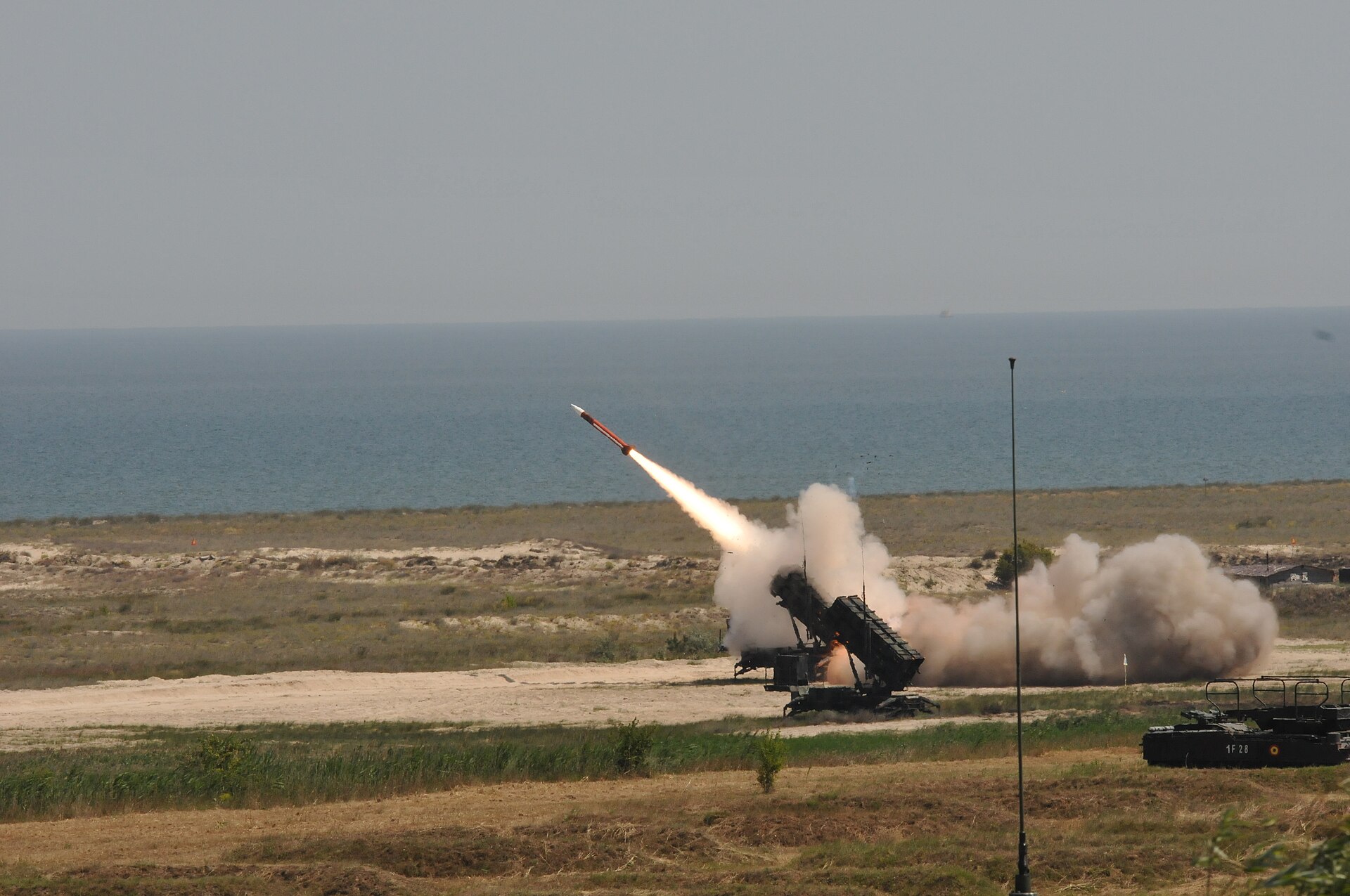

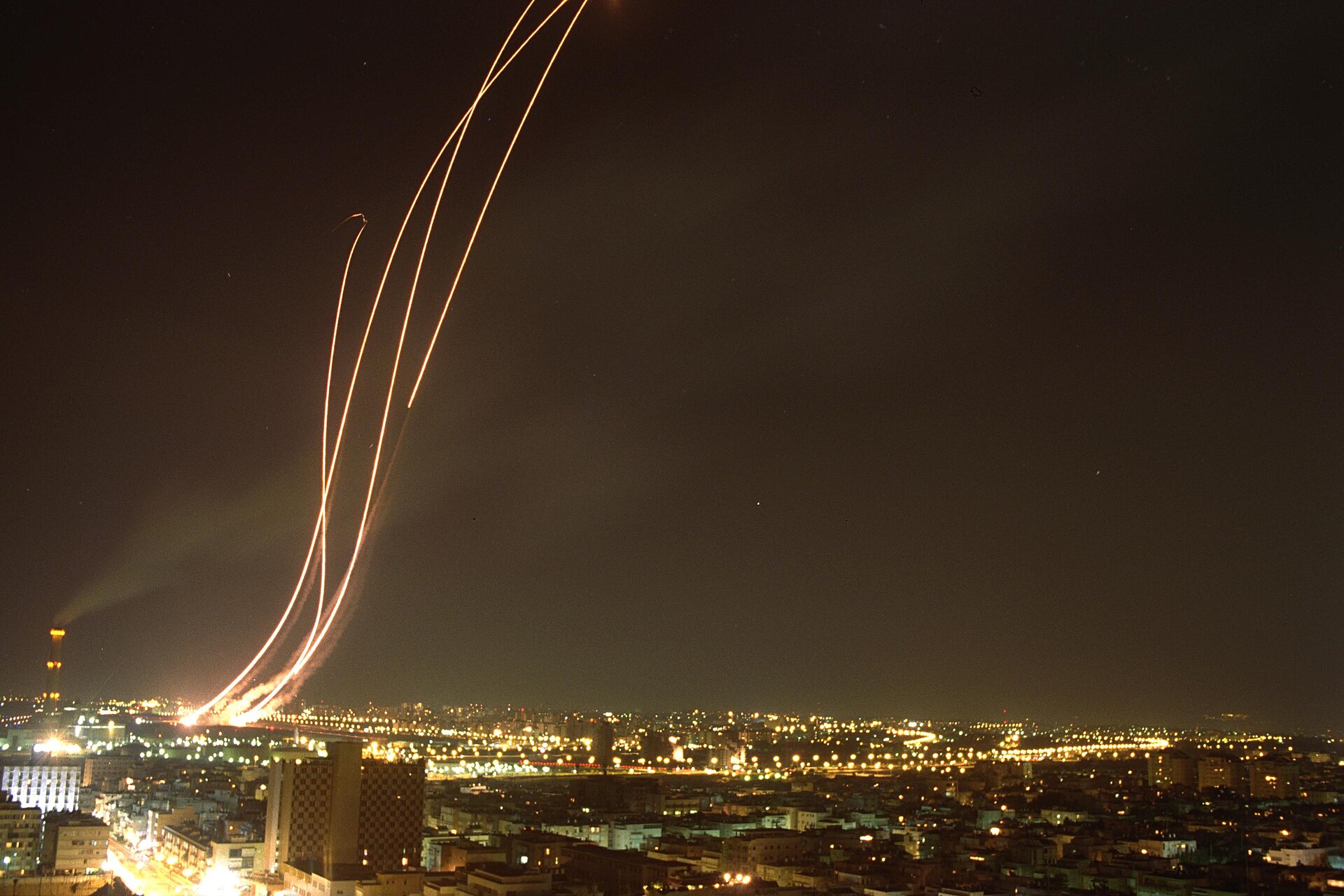
RIYADH — Saudi Arabia reportedly offered the Houthis $1 billion, routed through Iran, to halt attacks on the kingdom, Israel Hayom reported on October 26, citing unnamed diplomatic sources in the Gulf. Coalition forces intercepted three Houthi ballistic missiles targeting the Eastern Province and four drones over the southern region the following day, the same day the report circulated internationally.
No Reuters, Bloomberg, Associated Press, or Financial Times wire has confirmed the figure, and no Saudi official has acknowledged it. But the report, picked up by outlets from India to Lebanon within hours, describes a negotiating dynamic that helps explain why ceasefire talks have produced no agreement and the attacks have not slowed: Riyadh is apparently trying to buy its way out of a war through the same country that arms the people shooting at it, while simultaneously declaring it will not negotiate under fire.
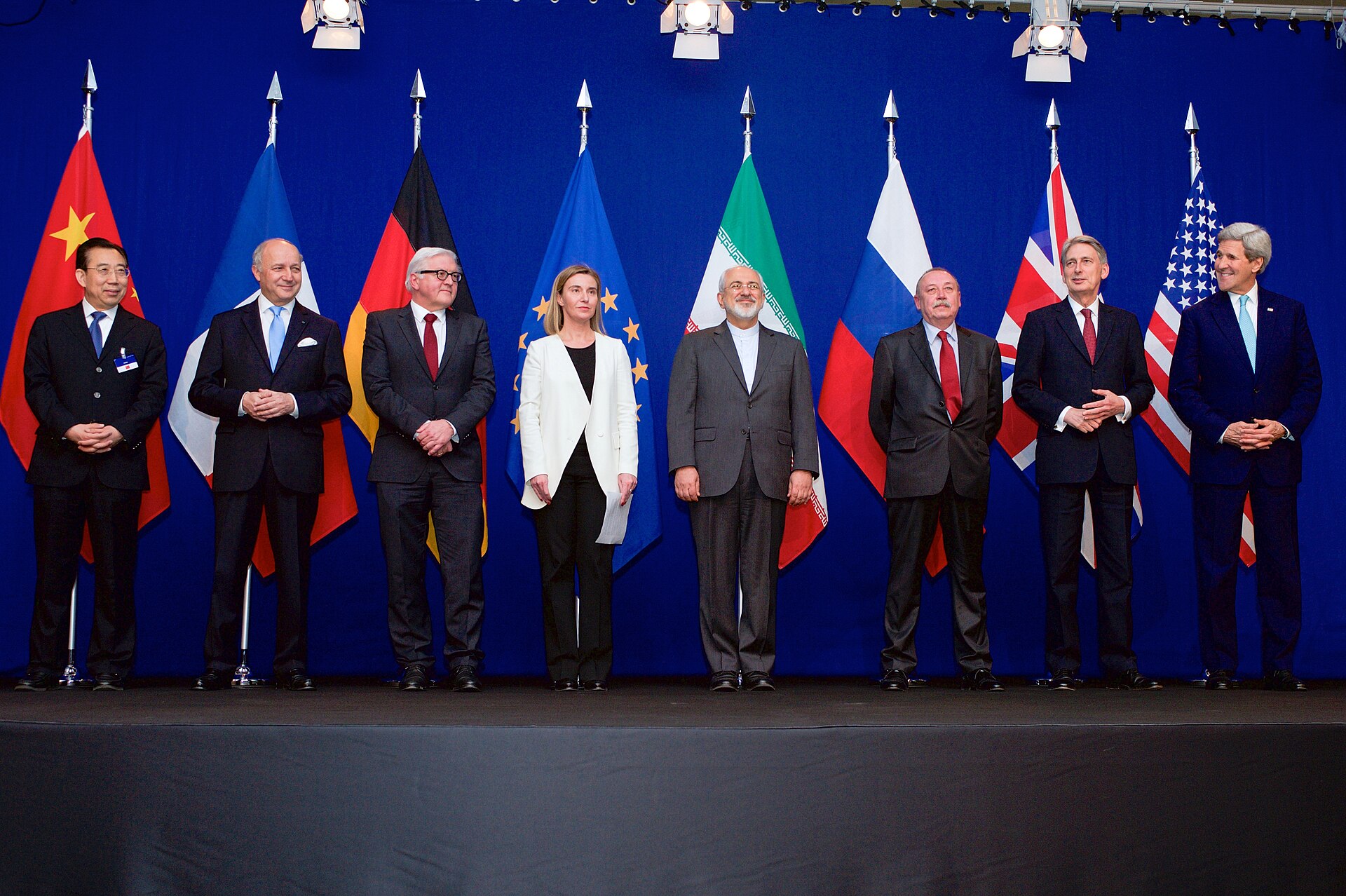
Table of Contents
The Israel Hayom Report
The report, datelined Tel Aviv and attributed to “diplomatic sources in the Gulf,” said Saudi Arabia offered $1 billion to be channelled through Tehran, with the money earmarked for public-sector salaries in Houthi-controlled areas of Yemen and for civilian infrastructure reconstruction, the Tribune India reported, citing the ANI news agency. In return, the Houthis would halt all attacks on Saudi Arabia and maintain a ceasefire, according to the Israeli outlet.
The House of Saud Daily Briefing
Saudi Arabia's news in 3 minutes, every morning. Free. See today's issue
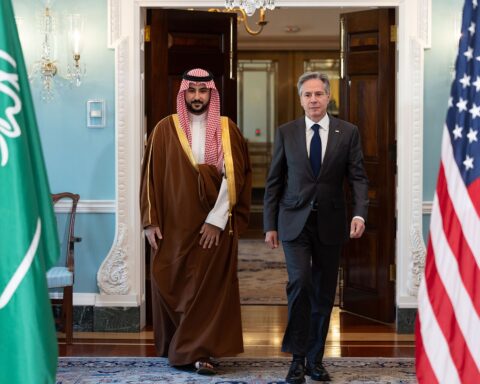
One unnamed diplomatic source told Israeli media that Saudi Defence Minister Prince Khalid bin Salman — who led the Saudi delegation at the October 26 Tehran meeting — “brought the money with him” aboard a Hercules military transport aircraft, Ground News reported, citing Israel Hayom. That specific claim has not been independently verified by any other outlet.
The Saudi Foreign Ministry described the visit in different terms. The delegation’s purpose was “efforts by Makkah Joint Defence Alliance members to de-escalate the current crisis, promote dialogue and diplomatic solutions, and support mediation led by Qatar and Pakistan,” according to Asharq Al-Awsat. No financial offer was mentioned in the official Saudi statement.
An unnamed Saudi official, speaking separately to Israeli media, did not confirm any payment but said “part of the dispute with the Houthis concerns the implementation of understandings reached three years ago,” under which Riyadh was to provide financial assistance for public-sector salaries and infrastructure, the Tribune India reported, citing ANI. Israeli media also reported that Riyadh “categorically rejects a new ceasefire under military blackmail” and opposes transferring funds before the Houthis return territory seized from Yemen’s internationally recognised government, Daijiworld reported, citing Israel Hayom. If both reported positions are accurate — a $1 billion offer through Iran and a simultaneous refusal to accept a ceasefire under blackmail — then the contradiction is not between competing factions in Riyadh but embedded in the same negotiating stance.
“Part of the dispute with the Houthis concerns the implementation of understandings reached three years ago.”
Unnamed Saudi official, via Israel Hayom / Tribune India, October 27 2026
What Happened at the Tehran Talks?
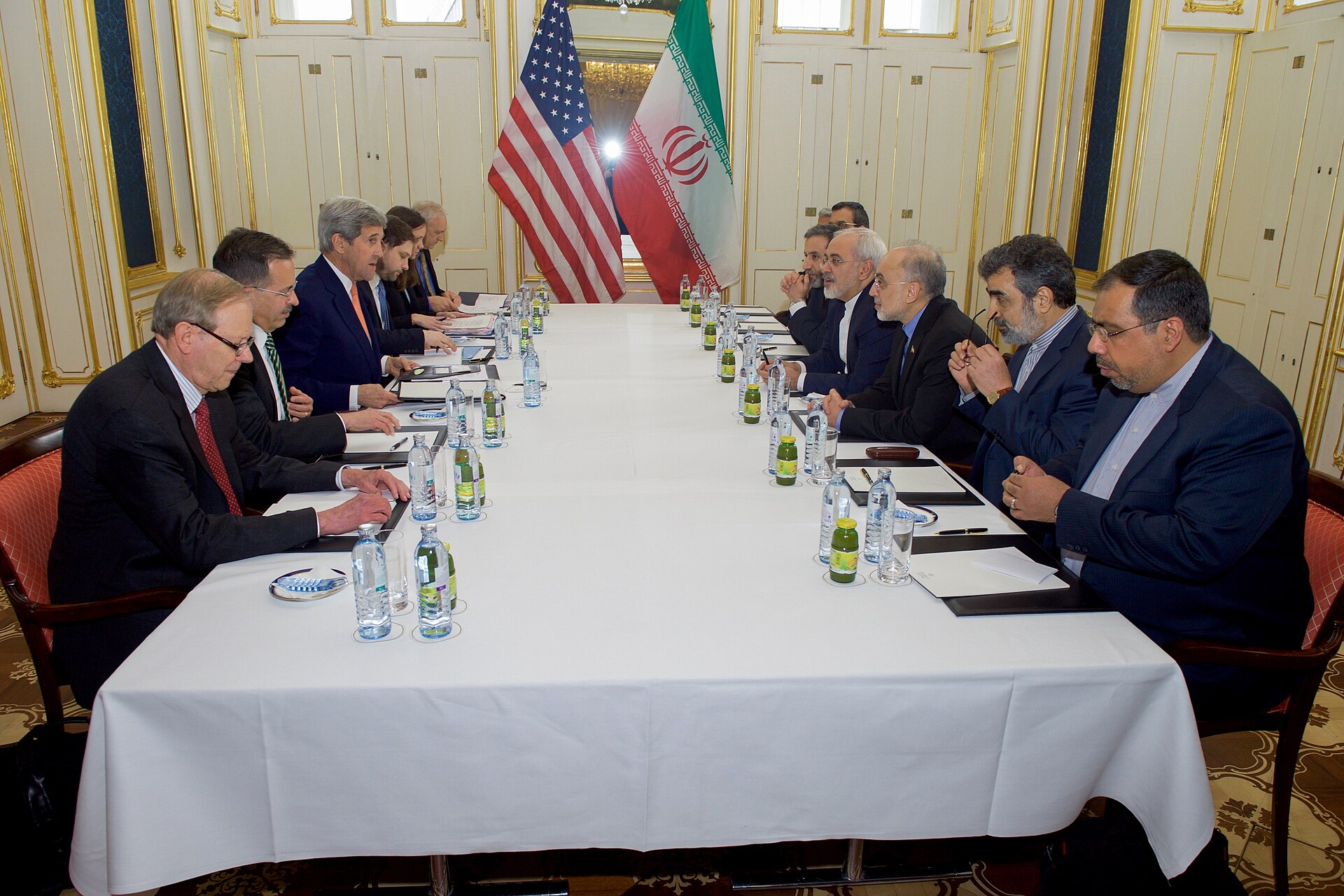
The October 26 meeting in Tehran brought Prince Khalid bin Salman, Pakistani Army Chief Field Marshal Asim Munir and Turkish intelligence chief Ibrahim Kalin — representing the Makkah Joint Defence Alliance — together with Iranian President Masoud Pezeshkian, Supreme National Security Council Secretary Mohsen Rezaei, Foreign Minister Abbas Araghchi and senior IRGC officials, Al-Monitor reported. Israeli media described it as the first official meeting between the Makkah alliance and Iranian leadership, an initiative that reportedly grew from Munir’s separate visit to Tehran the previous week, Ground News reported.
The outcome was thin by any measure. The four countries “agreed to continue discussions,” Gulf News reported, and no formal agreement was announced. Rezaei called the talks “very good” and said “a new atmosphere is emerging in the region,” according to Gulf News — language that, stripped of its diplomatic packaging, amounts to a commitment to hold more meetings.
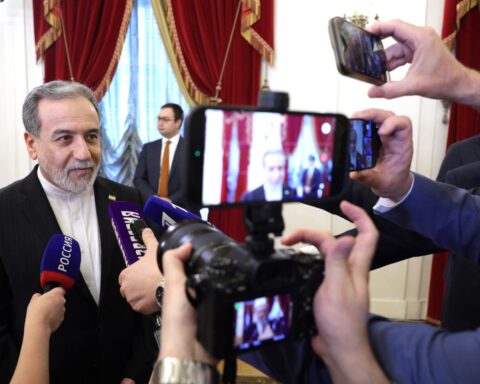
Iran’s Foreign Ministry spokesman Esmaeil Baghaei called the gathering “a practical step toward regional security mechanisms based on shared interests” that “could pave the way for further steps toward establishing an endogenous security framework,” Al-Monitor reported. The phrase “endogenous security framework” — security built from within the region rather than imposed by Washington — is the conceptual scaffolding for Tehran’s entire approach to the crisis, and it places Iran at the centre of whatever replaces the current fighting.
The meeting came after weeks of stalled mediation. On October 11, Araghchi had offered to “facilitate dialogue between Saudi Arabia and Yemen,” telling Saudi FM Prince Faisal bin Farhan that there was “no military solution,” Hurriyet Daily News reported. By October 20, Araghchi said neither Saudi Arabia nor the Houthis had responded to his offer, Reuters reported. Six days later, the quadrilateral meeting convened — but whatever progress it represented was answered the next morning with three ballistic missiles aimed at the Eastern Province.
Prince Khalid’s presence at the Tehran table carried its own weight: he had announced on October 5 that the Makkah pact committee had agreed to “activate collective deterrence measures, within the framework of the Alliance” in response to the attacks and those responsible for them, Al Jazeera reported. Flying from an activation announcement to a negotiating table in Tehran within three weeks captures, in a single itinerary, the full range of Saudi options — and the distance between them.
Why Has the Offer Not Stopped the Attacks?
If the Israeli reporting is accurate, the Houthi response to a billion-dollar offer was delivered in hardware rather than words. Coalition spokesman Maj Gen Turki Al-Maliki announced on October 27 the interception of three Houthi ballistic missiles targeting the Eastern Province and four drones targeting the southern region, Kuwait Times reported, citing KUNA. No Houthi official publicly addressed the $1 billion offer by name.
The Houthis have justified their recent attacks by alleging Saudi Arabia reneged on financial commitments agreed approximately three years ago — the same “understandings” the unnamed Saudi official referenced, according to Israeli media. The dispute may not be about the size of the current offer but about trust: if Riyadh already promised money and the Houthis believe it was never delivered, a new commitment denominated in the same currency carries less weight than the one that preceded it, particularly when it arrives via the country the Houthis depend on for weapons rather than through a neutral channel.
The pattern of failed overtures predates this report by weeks. In September, the Jerusalem Post reported — also unconfirmed by Riyadh — a Saudi two-week ceasefire offer to the Houthis channelled through Oman. Araghchi’s October mediation attempt produced no acknowledged response from either side within nine days, according to Reuters. And the October 26 Tehran meeting, whatever financial offer may have accompanied it, produced only an agreement to keep talking — followed within hours by the kind of Houthi salvo that has become the rhythmic punctuation of every diplomatic initiative since the war escalated.
What Does Iran Gain From Brokering?
Tehran has positioned itself as a neutral mediator in a war that its proxies are fighting — a framing that serves a specific strategic purpose. By casting itself as a broker for “endogenous security,” Iran redefines the Houthis as a local actor with local grievances whose violence can be resolved through regional dialogue, rather than as an Iranian proxy whose attacks serve Tehran’s broader objectives in its standoff with Washington and Riyadh.
The $1 billion offer, if it exists, would pass through Iranian hands, establishing a financial channel that gives Tehran a stake in both the payment and the ceasefire it is supposed to purchase. Iran separately demanded approximately $300 billion in war reparations as part of the June 2026 Islamabad Memorandum negotiations, Al Jazeera reported. Against that figure, a $1 billion Houthi salary payment looks less like a war-ending concession and more like a transaction fee for Iranian cooperation — one that establishes the principle that Saudi money reaches the Houthis through Tehran rather than around it.
Iran’s SNSC spokesman Ali Bagheri Kani made the broader Iranian position explicit on October 27: Washington must meet seven conditions before Tehran would consider talks with the United States, and he warned against any temporary agreement followed by renewed military pressure, Gulf News reported. His warning came in the context of the Wall Street Journal’s September report that the Trump administration expects to resume military operations against Iran after the November 3 midterm elections, according to Hurriyet Daily News — a timeline that gives Tehran every reason to entrench its role as the indispensable broker before the diplomacy window closes.
The Budget and the Interceptors
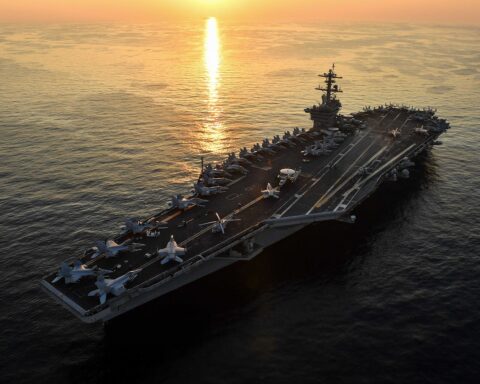
Saudi Arabia is absorbing this war on a revised 2026 budget projecting a deficit of SAR 245 billion, up from a planned SAR 165 billion, driven by a 21.8 percent drop in oil activities, Reuters reported in September via Zawya. The Iranian tanker blockade has expanded beyond the Strait of Hormuz, Egypt’s parliament approved troop deployments to defend Saudi Arabia on October 26, and OPEC+ meets on November 1 with Saudi Arabia’s production quota set at 10.5 million barrels per day and Hormuz functionally closed.
The Wall Street Journal estimated Saudi Patriot interceptor stocks at fewer than 1,000 remaining and described the supply as “running short.” Each Houthi salvo depletes a stockpile that cannot be replenished on any timeline matching the pace of attacks, and Crown Prince Mohammed bin Salman made two direct appeals to President Trump in September for US strikes on the Houthis — both were declined, CNN reported on October 10.
The kingdom’s 2026 GDP is forecast to contract by 3.6 percent on the back of that oil decline, with a projected recovery of 12.8 percent in 2027 that assumes a level of stability nobody is currently offering, Reuters reported via Zawya. The Israeli report, confirmed or not, is plausible because every alternative requires something Riyadh does not have — guaranteed American resupply, a Houthi channel that bypasses Iran, or a ceasefire framework that survives its first week. On October 27, the coalition intercepted three ballistic missiles over the Eastern Province and four drones over the south — and the Tehran delegates’ agreement to continue discussions was the only thing the weekend’s diplomacy had produced.
Three years of alleged broken promises shadow the current offer in ways that a dollar figure alone cannot address. The Houthis, according to Israeli media, are not rejecting Saudi money in principle but contesting the credibility of a party they accuse of reneging on the last arrangement; the offer now arrives through the same power that supplies the missiles and drones the Saudi military is still intercepting over the Eastern Province and the southern region. Whatever Prince Khalid bin Salman carried to Tehran, the October 27 missile salvo answered the question the diplomacy had left open: the Houthis have not stopped, and nothing announced from the summit gave them a reason to. Whether Iran — which now holds the routing, the relationship, and the influence — chooses to apply that influence is the one thing the weekend’s talks did not resolve, and the one thing a $1 billion offer is designed to buy.
Frequently Asked Questions
Has Saudi Arabia paid the Houthis before?
Israel Hayom reported in March 2026, citing unnamed sources, that Saudi payments to the Houthis through Yemen’s central bank — described as “tens of millions of dollars every few months” — had delayed the group’s entry into the broader Iran-Saudi war. That claim, like the October $1 billion report, relies on single-source Israeli media without independent confirmation, and the specific amounts and mechanisms have not been verified by any wire service or Saudi official.
How much has Saudi Arabia committed to Yemen’s internationally recognised government?
Saudi Arabia committed $1.2 billion between 2023 and 2024 to support the Yemeni government’s budget deficit, with a $250 million tranche disbursed in February 2024, The New Arab reported. This funding was directed to the internationally recognised government based in Aden, not to Houthi-controlled areas, and operates through an entirely different channel from the reported $1 billion Iran-brokered arrangement.
What broader financial settlement has Iran demanded?
Iran demanded approximately $300 billion in war reparations as part of the June 2026 Islamabad Memorandum, which also provided for 60 days of toll-free passage through the Strait of Hormuz and an end to the American naval blockade within 30 days, Gulf News reported. The memorandum collapsed in July after ships including the Saudi-flagged tanker Wedyan were attacked, according to The New Arab, and no replacement framework has been agreed.
Could the United States strike the Houthis directly?
Trump said on October 8 that the US would not attack Iran “at any time prior to the midterm elections” on November 3, according to The National. US officials told CNN that American forces could launch major operations against Iran within 96 hours of a presidential order, Gulf News reported on October 27. The Wall Street Journal reported in September that the administration expects to resume military operations after the midterms, according to Hurriyet Daily News.
The House of Saud Daily Briefing
Saudi Arabia's news in 3 minutes, every morning. Free. See today's issue