
DHAHRAN — Global oil supply exceeded demand in October for the first time since the war in Iran began, the International Energy Agency said in its November Oil Market Report, published on November 13. World supply rose 2.3 million barrels a day in the month to 105.4 million b/d, but Gulf exports were still 26% below pre-war levels and stocks held on land fell to their lowest since at least 2016, the agency said.
The report describes a market that has loosened on paper but not in the tanks where refiners draw their crude. Most of October’s inventory build sat aboard ships rather than in storage, diesel remains the agency’s “overriding concern”, and on November 29 the 21 countries of OPEC+ meet to set their production framework for 2027 against those numbers.
Table of Contents
What the IEA Found in Its November Report
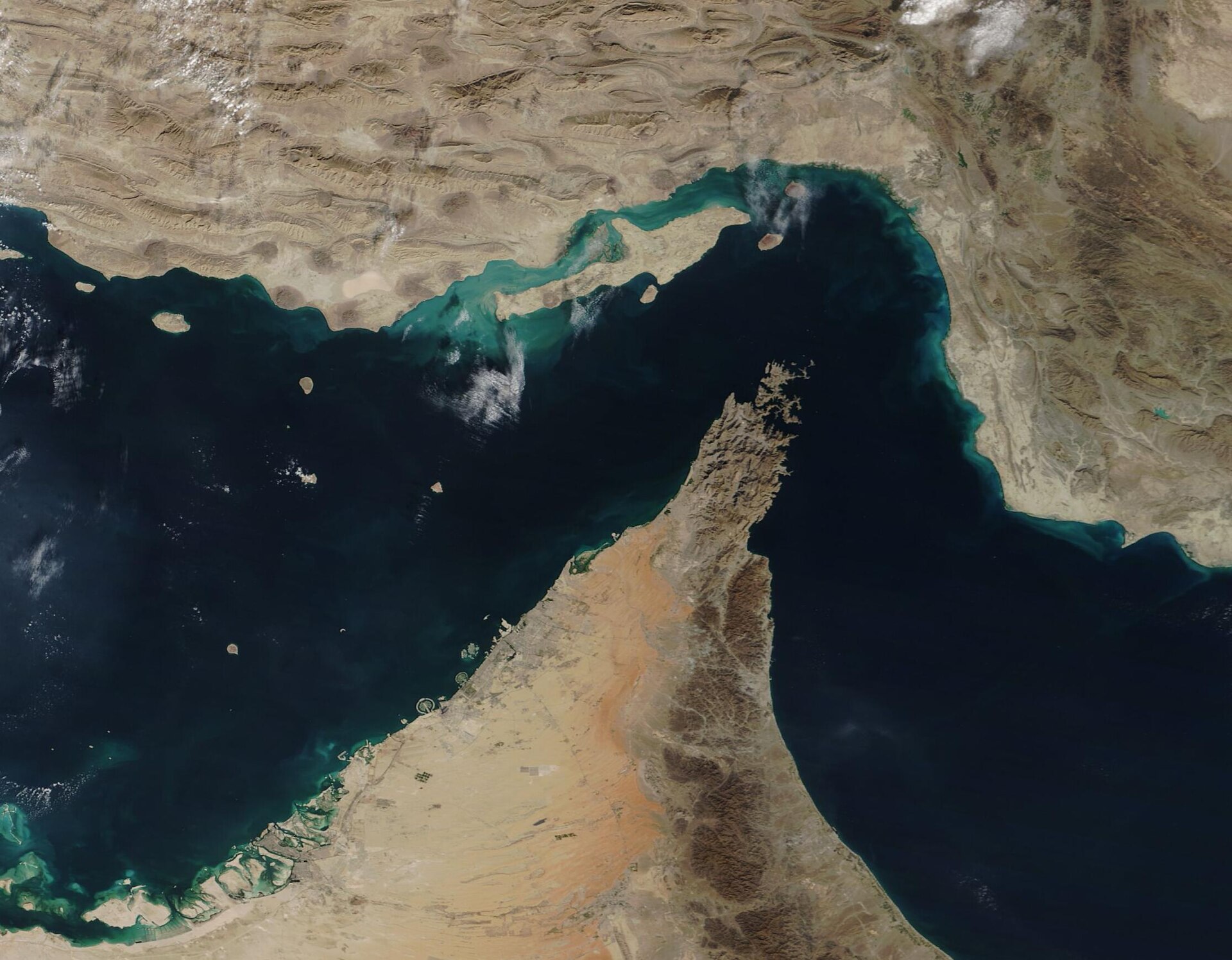
The agency’s central finding was a single line: the oil market is showing “tentative signs of rebalancing, with global oil supplies surpassing demand for the first time since the outbreak of the war in Iran,” it said, according to Reuters. The war began in late February, when the United States and Israel struck Iran, and the disruption to traffic through the Strait of Hormuz has shaped every IEA report since.
The House of Saud Daily Briefing
Saudi Arabia's news in 3 minutes, every morning. Free. See today's issue
The supply recovery behind the shift was fast. Global output has risen 5.3 million b/d since August, a rise the IEA called “extraordinary,” The National reported. The year-on-year shortfall in world supply narrowed to 2.9 million b/d in October, against an average loss of 8 million b/d between March and September.
The agency also rewrote its forecast for the rest of the year. Its estimate for fourth-quarter supply rose by 3.3 million b/d from the October report, according to Reuters and The National. Reuters calculated that supply in the quarter would average 105 million b/d, about 1.7 million b/d above forecast demand; Bloomberg put the gap closer to 2 million b/d, according to a summary of both reports by MLQ.ai.
Demand is moving the other way. The IEA forecast world consumption would fall 2.7 million b/d in 2026 to 102.3 million b/d, before recovering by 2 million b/d in 2027. On the supply side, it expects output to rise 6.6 million b/d next year to 108.1 million b/d, leaving a 2027 surplus of about 3.8 million b/d, according to Reuters via Business Recorder.
| Measure | Figure | Source |
|---|---|---|
| Global supply, October 2026 | 105.4 mb/d | IEA via The National |
| Change in global supply, October | +2.3 mb/d | IEA via The National |
| Upward revision to Q4 2026 supply | +3.3 mb/d | IEA via Reuters |
| 2026 world demand | 102.3 mb/d | IEA via Reuters |
| 2027 world supply | 108.1 mb/d | IEA via Reuters |
| 2027 implied surplus | ~3.8 mb/d | IEA via Reuters |
| Gulf exports excluding Oman, October | 18.4 mb/d (26% below pre-war) | IEA via The National |
Why Are Stocks on Land Still Falling in a Surplus?
Because the surplus is at sea. Observed global inventories rose 52 million barrels in October, the first increase since June, but oil on water jumped 86 million barrels to its highest level since January, according to MLQ.ai’s account of the IEA report. Stocks on land kept falling.
The arithmetic of that split matters to refiners. A barrel loaded in the Gulf and still at sea counts as supply in the IEA’s balance but cannot be run through a refinery in Rotterdam or Ulsan. OECD stocks fell 47 million barrels in the month, and observed global inventories remain 462 million barrels below where they stood when the war began, the agency said.
Sultan Al Jaber, the chief executive of ADNOC, put the loss higher. Speaking at the ADIPEC conference in Abu Dhabi on November 2, he said the world had drawn nearly 1 billion barrels from inventories since the Hormuz disruption began, Khaleej Times reported. The two figures measure different things — the IEA counts only observed stocks.
Shipping costs explain part of why so much oil is afloat. Freight for very large crude carriers from the Gulf to China peaked at $36.97 a barrel on October 30 and was $35.60 a barrel a week later, according to a November 6 note from the analytics firm Kpler, which said price discovery remained thin because direct Hormuz loadings are low and privately fixed. Freight for Middle East crude bound for Asia stayed near record levels through October, according to MLQ.ai’s summary of the IEA report.
Gulf Exports Remain 26% Below Pre-War Levels
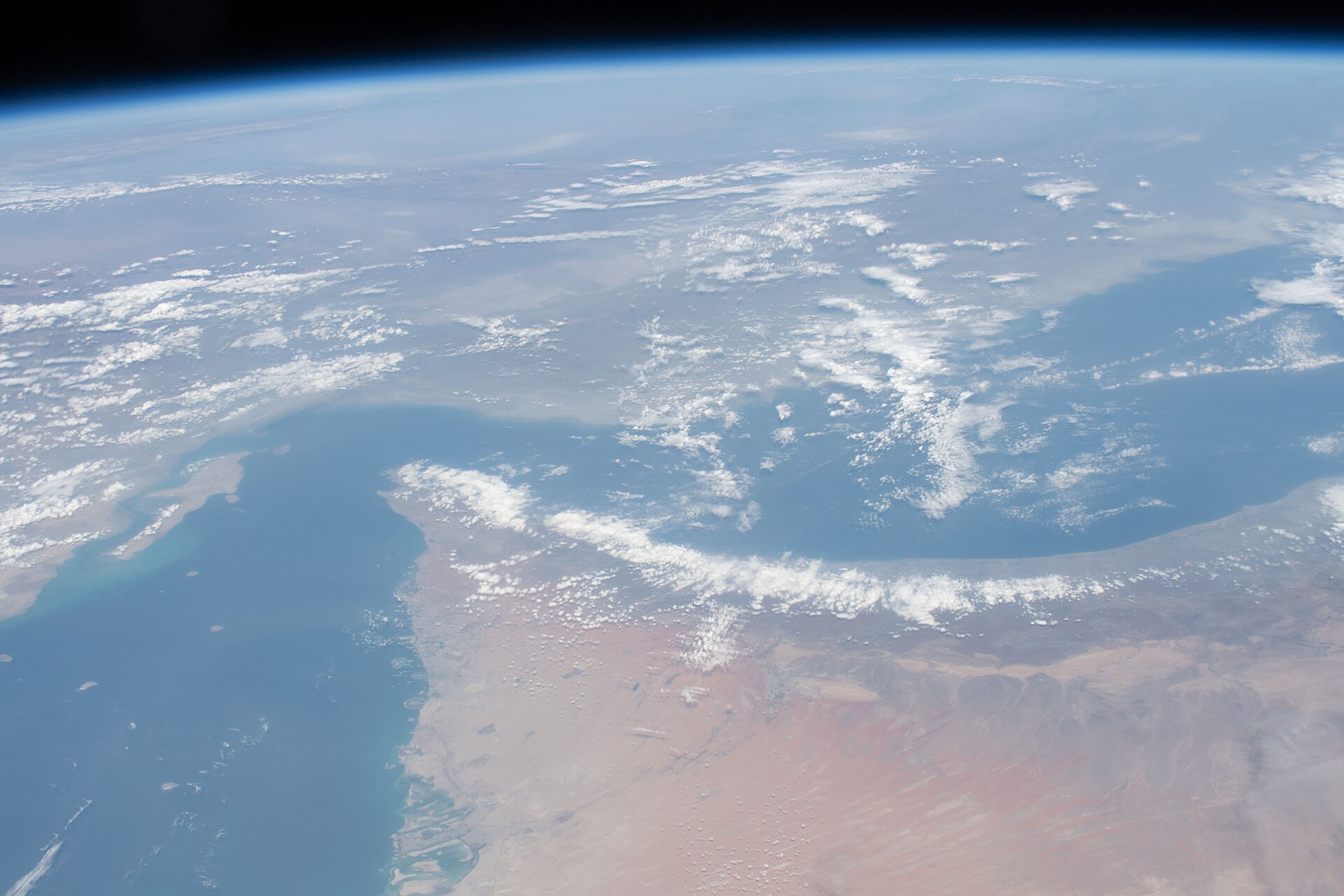
The recovery in Gulf supply is real but partial. Exports from Gulf producers excluding Oman reached 18.4 million b/d in October, still 26% below pre-war levels because of continuing attacks on tankers in the Strait of Hormuz, The National reported, citing the IEA. Crude flows alone were 15 million b/d, or 82% of pre-war volumes, according to MLQ.ai’s summary of the report; refined products and LPG remained at about half of pre-war levels.
Independent estimates land in the same place. Fereidun Fesharaki, chairman emeritus of FGE NexantECA, put Middle Eastern crude exports at roughly 80% to 85% of pre-war levels including pipeline volumes, and refined products at around 35% to 40%, The Edge reported on November 10. One month earlier, in its October report, the IEA had put September Gulf crude exports at 13.9 million b/d, according to Oil & Gas Journal.
The IEA’s warning on what could undo the recovery was direct: “attacks on shipping undermine maritime security, which is pivotal to a sustained recovery.” The days around the report’s release supplied examples. Iran’s Revolutionary Guard and navy claimed a run of tankers hit mines in and around the strait between November 10 and November 15, including an LNG carrier on November 13, according to Reuters, Al Arabiya and Mehr News Agency; those are Iranian claims, and independent confirmation of each incident has been uneven (see earlier Guard claims of tanker attacks and the November 15 supertanker claim).
Tehran is also deciding who passes. Amir Hayat Moqaddam, deputy chairman of the Iranian parliament’s National Security and Foreign Policy Committee, told the Iranian Students’ News Agency on November 3 that ships from India, China, Iraq and Qatar were exempt from its restrictions. “Ships from these countries pass freely, and the Americans do not intercept them either,” he said, according to Al Jazeera, adding that Tehran would collect transit fees from Indian and Chinese ships while Qatari vessels would pass free.
The exemptions map onto the buyers who were already taking most of the oil. Of the 10.23 million b/d of Gulf crude that passed through the strait in October, “about 42 percent went to China and 13 percent to India,” Muyu Xu, a senior crude oil analyst at Kpler, told Al Jazeera. Iran’s own supply outlook is moving in the opposite direction: the IEA cut its 2027 supply growth forecast by 1.1 million b/d, partly because of a downgrade for Iran, which is under a US blockade that has curbed its exports, Reuters reported. Tehran’s wider terms for the waterway are set out in its response to Washington on Hormuz.
Diesel Prices Stay Near $180 in Europe
Crude is loosening faster than the fuels made from it. The IEA described tightness in refined products as “the overriding concern of the broader market and consumers,” according to MLQ.ai. European diesel prices have fallen 11% since early October but remain near $180 a barrel, 77% above pre-war levels, and The National reported the agency’s description of diesel supply as one of “severe tightness,” with prices at record levels, especially in the United States.
The gap traces back to the Gulf’s refineries and export terminals. In its October report the IEA said Middle East refined product exports were 1.9 million b/d in September against a pre-war level of 4.7 million b/d, and that it expected diesel tightness to extend well into 2027, Oil & Gas Journal reported. Attacks on Russian energy infrastructure are also cutting Russia’s diesel exports, the agency said in November.
Governments have reached for their reserves. IEA member countries will release a further 71 million barrels of emergency stocks through February, including 15 million barrels of diesel, according to Reuters. In the United States, the average retail diesel price was $6.127 a gallon on November 9, down 17 cents on the week, according to the Energy Information Administration, as reported by FleetOwner.
Al Jaber gave the Abu Dhabi conference a sharper measure of the shortage. Diesel inventories in some markets had fallen to their lowest seasonal levels in 35 years, he said on November 2, according to Khaleej Times.
What Does a Loosening Market Mean for Saudi Arabia?
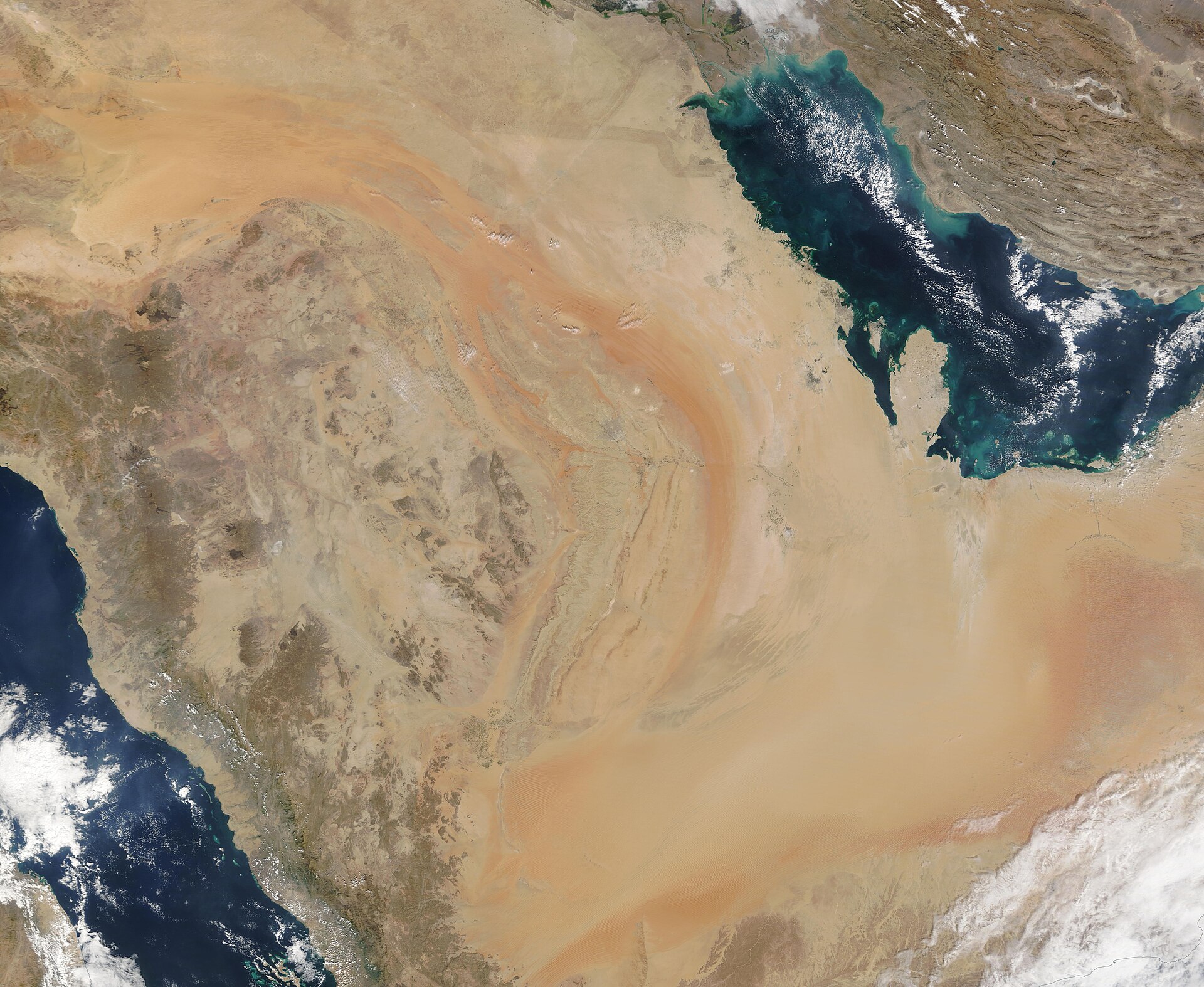
The kingdom is pumping close to its pre-war rate into a market whose price has come off its peak. Saudi Arabia told OPEC it produced 10.563 million b/d in October, up from 8.372 million b/d in September and the highest since February, when it reported 10.882 million b/d, Reuters reported on November 11. That is Riyadh’s own figure, submitted directly to OPEC, rather than one of the secondary-source estimates the organisation also publishes; the full breakdown is in OPEC’s November report.
Prices are falling as volumes rise. North Sea Dated crude dropped 32% from $136 a barrel on October 8 to about $93, according to MLQ.ai’s summary of the IEA data. Brent futures traded at $95.71 a barrel shortly after the report’s release on November 13, down 0.1%, Reuters reported, and The National recorded Brent at $96.16 later the same afternoon.
The fiscal pressure was already visible before the surplus arrived. The Saudi Ministry of Finance now projects a 2026 budget deficit of 245 billion riyals ($65 billion), or 4.9% of GDP, against the 165 billion riyals it budgeted, Tim Callen of the Arab Gulf States Institute in Washington wrote on October 1. Callen said oil prices and export volumes, the main inputs to that forecast, were “clouded in uncertainty,” and described the ministry’s forecast for non-oil growth as one that “looks quite optimistic.”
Saudi export routes remain under pressure of their own. The East-West pipeline, which carries crude to the Red Sea and has around 7 million b/d of capacity according to Aramco, has been a target: the Houthis said on November 12 that they had attacked the pipeline and Yanbu, according to 24 News HD and an Oilprice.com report cited by MLQ.ai (see the Houthi claim on Yanbu).
What Will OPEC+ Decide on November 29?
The November 29 ministerial meeting is expected to settle output quotas for 2027, and analysts see it as the harder decision. “Today’s decision was the easy one,” Jorge Leon, an analyst at Rystad Energy, said on November 1, when seven core members held their December targets steady. “The much more important test comes at the November 29 ministerial meeting, when OPEC+ will decide its 2027 production framework,” he said, according to Reuters.
Leon described the group’s problem in three parts. “OPEC+ faces an extremely difficult call for 2027,” he said. “The group has to plan around huge uncertainty over the US-Iran war, the pace of recovery through the Strait of Hormuz, and the size of the surplus that could emerge once disrupted barrels return.”
The group’s own output is already close to where it was before the war. OPEC+ pumped 41.23 million b/d of crude in October, up about 2.04 million b/d from September and 97% of its pre-war February volume of 42.72 million b/d, according to Reuters calculations. It will be setting 2027 targets without the United Arab Emirates as an OPEC member: the UAE quit the organisation in May, Reuters reported.
Supply from outside the group adds to the pressure. The IEA expects output from the United States, Canada, Brazil, Guyana and Argentina to rise 1.6 million b/d in 2026, Reuters reported. The agency’s 2027 surplus estimate of about 3.8 million b/d is slightly lower than the 3.94 million b/d it forecast a month earlier, a reduction driven largely by the lower outlook for Iran.
The IEA balances assume Gulf barrels keep flowing at rising rates. They depend on the same strait where, in the week the report was published, Iranian forces were still claiming mine strikes on passing tankers.
Frequently Asked Questions
How did the IEA’s November view differ from its October report?
In its October 14 report the IEA said global oil markets were expected to remain in deficit through the end of 2026, and that “next year’s recovery remains contingent on sustained improvements in Hormuz flows,” according to Oil & Gas Journal. At that point it estimated observed stocks had ended September 509 million barrels below end-February levels.
Do other forecasters agree on the size of the surplus?
Estimates vary. Reuters calculated a fourth-quarter surplus of about 1.7 million b/d from the IEA’s figures and Bloomberg about 2 million b/d, while JPMorgan had forecast a global surplus of 1.4 million b/d for October alone, Reuters reported. The figures use different periods and methods, so they are not directly comparable.
Which fuels will drive demand growth in 2027?
The IEA expects LPG, ethane and naphtha, mostly petrochemical feedstocks, to account for about 80% of the projected 2 million b/d rise in 2027 demand, The National reported. Transport fuels see only a modest gain because high prices are “accelerating electrification and fuel efficiencies across the global car fleet,” the agency said.
How much has the war added to the cost of moving oil?
ADNOC’s Sultan Al Jaber said on November 2 that shipping and logistics now account for about 30% of the cost of a barrel, up from about 5% before the war, according to Khaleej Times. He called for more strategic storage, refined product inventories and refining capacity closer to consumers.
The House of Saud Daily Briefing
Saudi Arabia's news in 3 minutes, every morning. Free. See today's issue