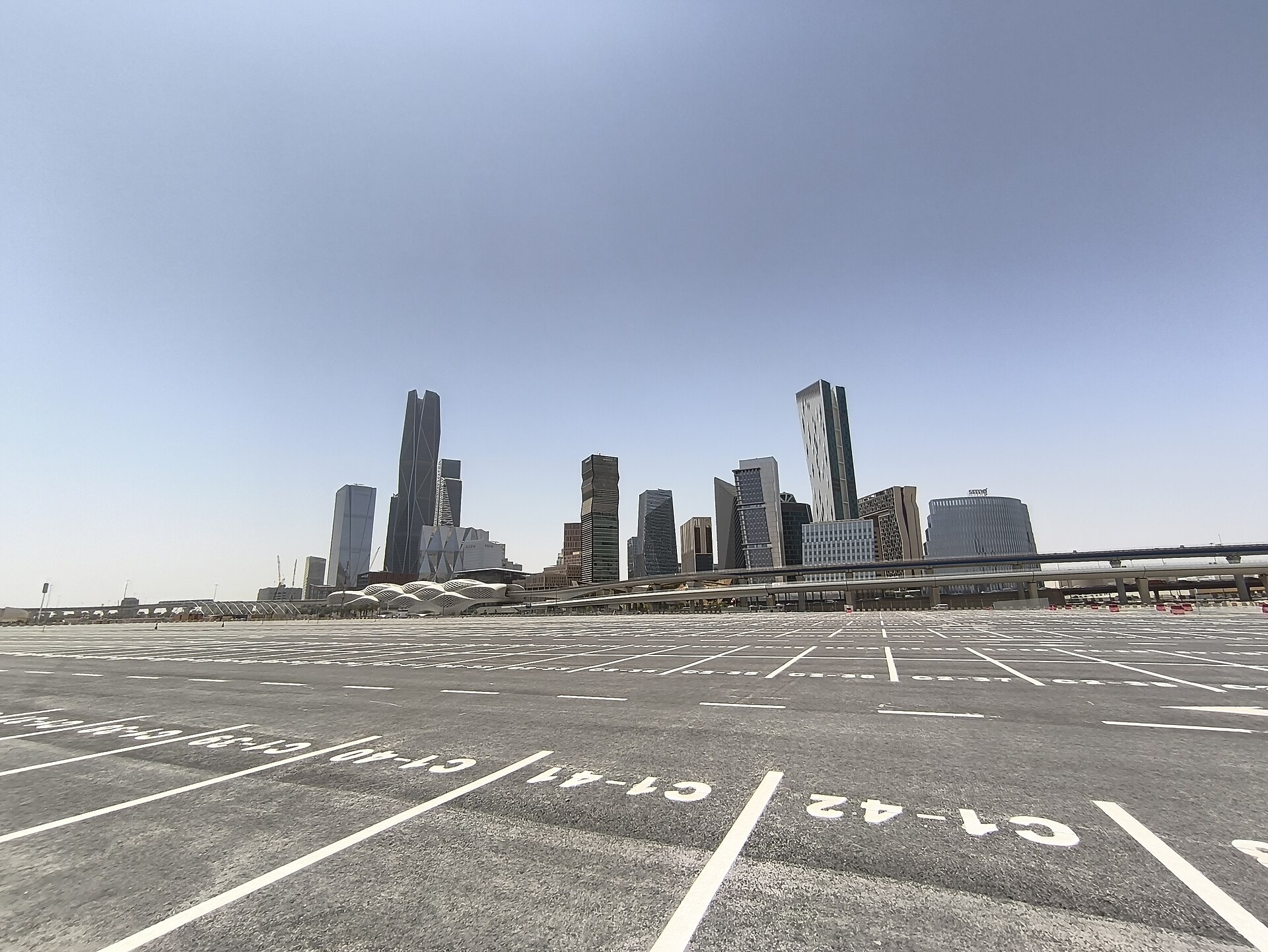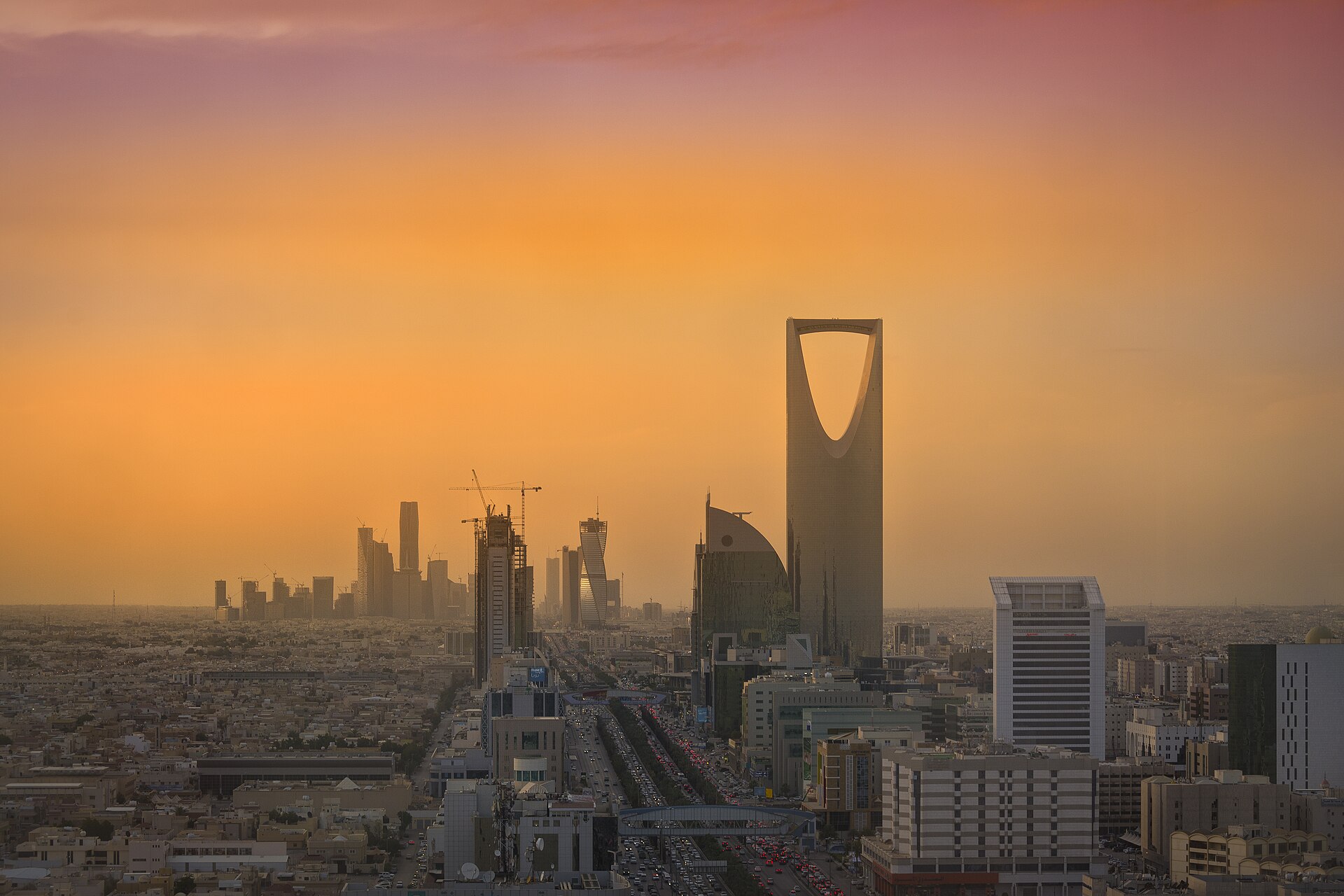

RIYADH — Saudi Arabia opened the inaugural Security and Innovation Fair on November 24 with 1,200 teams from 55 countries at the King Abdullah Financial District — the same complex where a projectile had struck the PIF Tower hours earlier, wounding 11 people. The cabinet, meeting that same day, approved a 2027 defense budget of SAR 263 billion, roughly $70.1 billion.
A projectile strike, a rising defense budget, and a 55-nation security expo in a single Riyadh district on a single day — Saudi Arabia staged an international showcase of the capabilities it intends to build while absorbing the war’s latest blow. The expo, organized by the Ministry of Interior under the patronage of Crown Prince Mohammed bin Salman, made no public acknowledgment of the attack that preceded it.
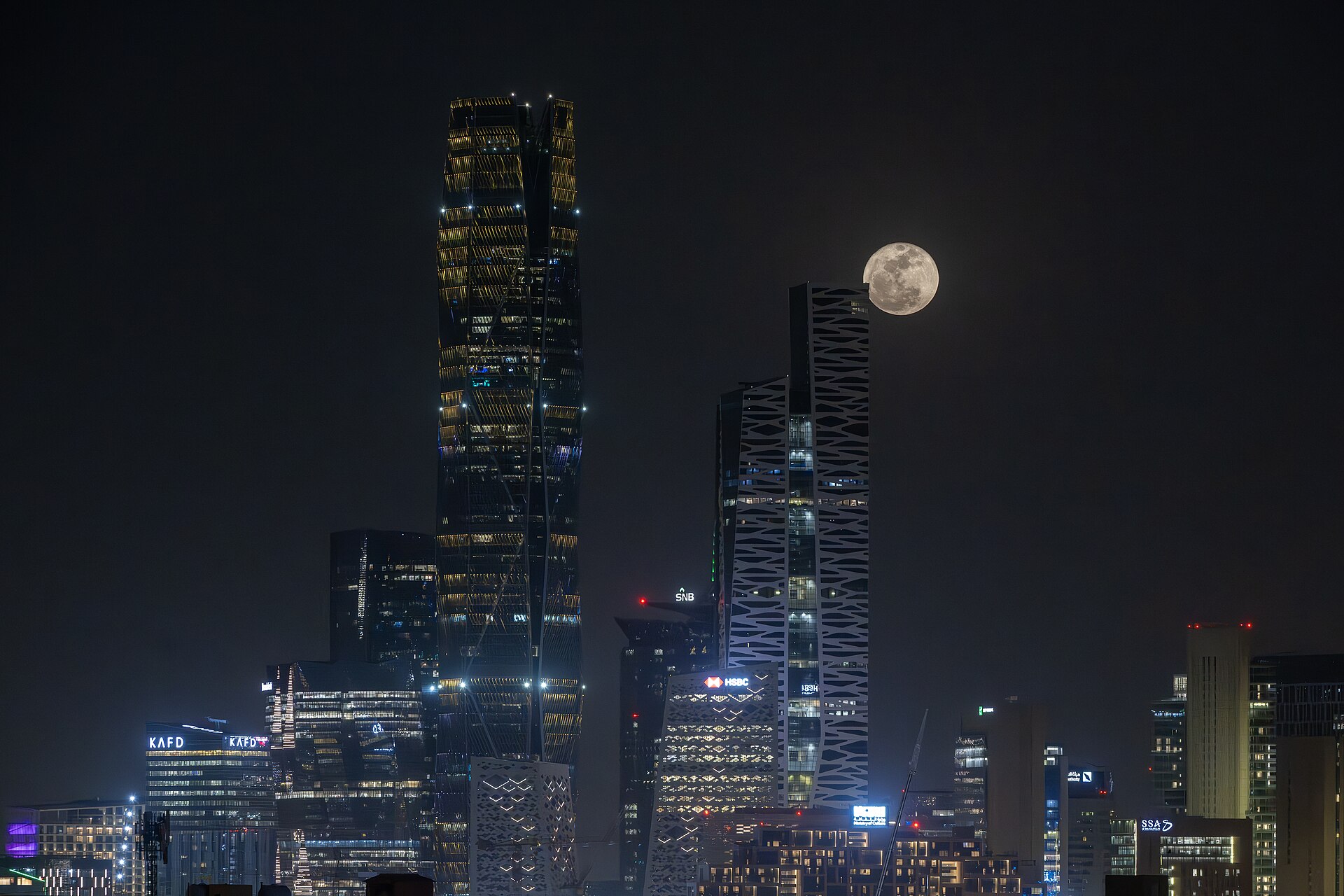
Table of Contents
What Is SAIF 2026?
SAIF — the Security and Innovation Fair — is a competitive innovation expo running November 24–26 at the Riyadh International Convention and Exhibition Center within KAFD. The Ministry of Interior organized it in cooperation with Tuwaiq Academy and producer Tahaluf, under the patronage of Crown Prince Mohammed bin Salman and the supervision of Interior Minister Prince Abdulaziz bin Saud bin Naif, per PRNewswire.
The House of Saud Daily Briefing
Saudi Arabia's news in 3 minutes, every morning. Free. See today's issue
The scale is not modest. More than 120,000 people from 55 countries originally applied, submitting over 30,000 projects across 14 fields of innovation, according to the Saudi Press Agency. From that pool, organizers selected 1,200 teams — a 1-in-100 acceptance rate by the numbers. By opening day, more than 3,000 participants were presenting solutions at the venue, per Arab News.
Ahmed Altowayan, Advisor to the Minister of Interior and Chairman of the GSTS Organising Committee, called SAIF “a global platform for strengthening cooperation and exchanging expertise.” The event runs daily from 10 a.m. to 6 p.m. through November 26.
This is not a procurement fair. Unlike the World Defense Show — Saudi Arabia’s biannual arms exhibition, which last convened in February 2026 — SAIF awards gold, silver, and bronze medals rather than defense contracts. The distinction matters: SAIF functions as a talent-scouting and soft-power exercise designed to pull international innovators into Saudi Arabia’s orbit, not a sales floor where firms compete for equipment orders.
How Did the Expo Open in a District Struck Hours Earlier?
The PIF Tower — housing the Public Investment Fund headquarters in KAFD — took a projectile hit on November 24, the opening day of SAIF. Saudi civil defense reported 11 injured: 2 Saudi citizens, 2 Indian nationals, 3 Nepali nationals, and 4 Egyptian nationals, according to Al Jazeera.
The coalition described the weapon as an unspecified projectile and said an on-site investigation was underway. It was the second strike on the KAFD complex in six days. On November 19, a strike the Houthis claimed damaged several floors of the PIF Tower without causing casualties. Houthi spokesman Yahya Saree claimed that attack, saying the group had targeted “King Khalid International Airport and the financial centre in Riyadh with cruise missiles” and that the missiles “directly hit” their targets, per Middle East Eye and other media.
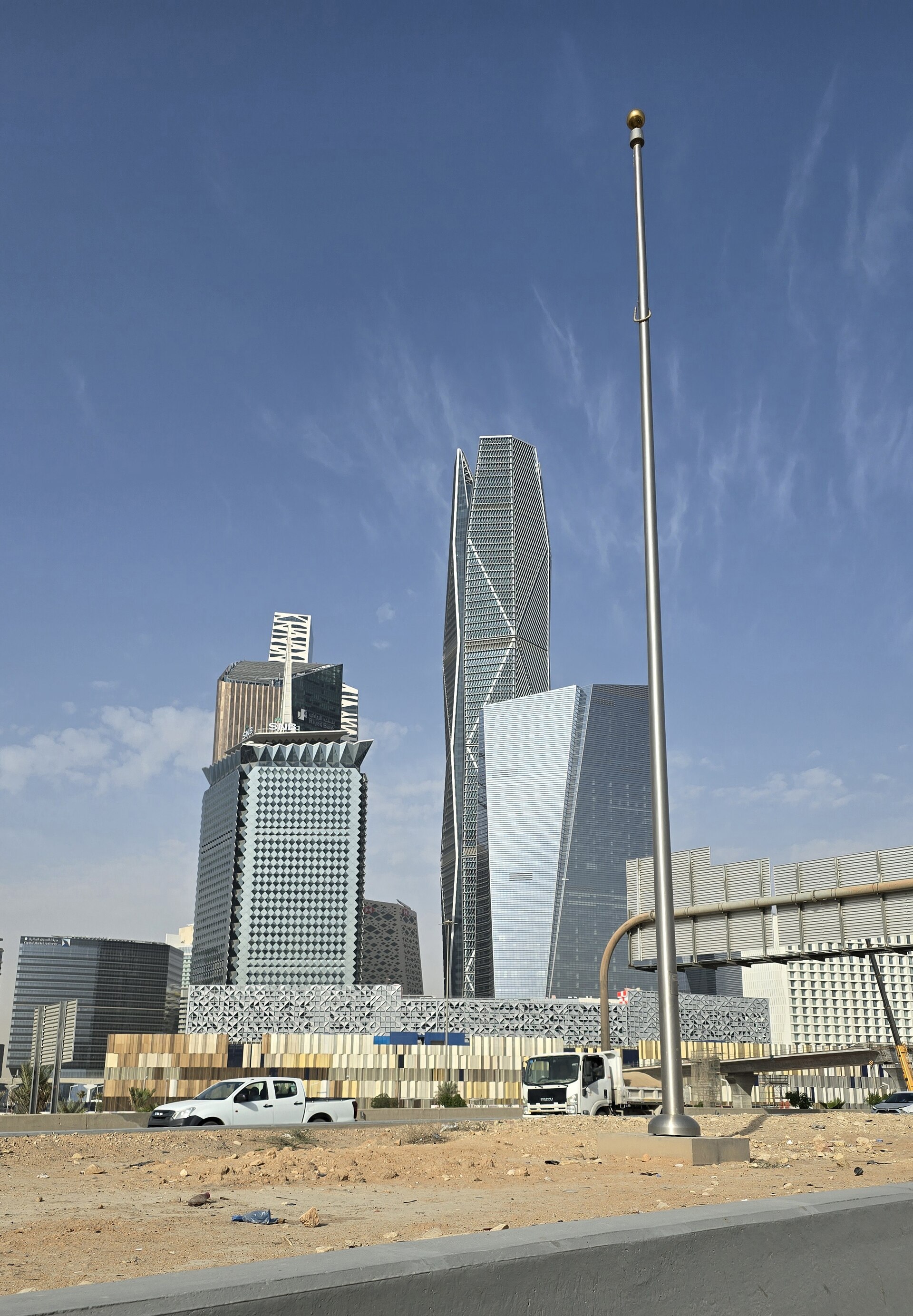
The Houthis did not immediately confirm responsibility for the November 24 strike. The coalition called it a “cowardly terrorist attack,” per Al Jazeera. GCC Secretary-General Jasem Mohamed AlBudaiwi condemned the attack separately, calling it “a heinous crime and an aggression that reveals the danger of this militia’s terrorist approach.”
No SAIF organizer or Ministry of Interior official has publicly addressed the proximity of the strike to the expo, and no statement linking the two events has been found. The fair opened on schedule, with participants from dozens of countries filing into a convention venue inside a district that had been a blast scene hours before.
SAR 263 Billion and a Finance Minister Who Said ‘No Cap’
The 2027 budget, cleared by the Saudi cabinet on November 24, allocates SAR 263 billion — approximately $70.1 billion — to defense, a rise of about 2.2 percent on the current year’s defense allocation, according to Arab News and Khaleej Times. Total projected spending stands at SAR 1.39 trillion ($370.48 billion), against expected revenue of SAR 1.2 trillion, producing a deficit of SAR 190.56 billion — 3.6% of GDP — with the government projecting a 10.9% GDP rebound in 2027, per Devdiscourse and Khaleej Times.
Finance Minister Mohammed al-Jadaan, briefing reporters the same day via AFP, was asked whether Saudi Arabia could sustain the war’s financial cost. “It’s very difficult to estimate,” he said, before adding: “We have no cap in terms of how much we can provide to our military if things arise.”
Earlier in the same briefing, al-Jadaan offered a broader framing. “We have shown time after time that we are resilient enough to stand a prolonged conflict,” he told reporters.
The defense allocation — SAR 263 billion within a SAR 1.39 trillion budget — amounts to roughly a fifth of all government spending for 2027, landing alongside a domestic defense industry that has expanded at speed. At the World Defense Show in February 2026, Saudi officials reported that domestic production had risen from 4% of total procurement in 2018 to 25% by end of 2024, with a target of over 50% by 2030, according to Defence Turkey. The sector now employs 34,000 people, 63% of them Saudi nationals, according to the same Defence Turkey report.
The budget’s timing — approved on the day KAFD was struck and an international security expo opened within walking distance — was not addressed in al-Jadaan’s briefing. The numbers, however, made their own argument: defense spending rises, the expo proceeds, and the finance minister tells reporters there is no ceiling.
What Are SAIF’s 14 Competition Fields?
SAIF’s 14 fields span pure technology disciplines and sectors with direct security applications, stretching from academic research areas to domains the Saudi military is actively trying to build at home. According to the International Federation of Inventors’ Associations, the competition covers the following categories:
- Artificial intelligence and data science
- Cybersecurity and defense technologies
- Robotics and automation
- Smart cities and IoT
- Sustainability
- Biotechnology and digital health
- Aerospace and drones
- Advanced manufacturing
- Education technologies
Five additional fields were listed in the organizing committee’s announcements but not specified in the IFIA release. The overlap between SAIF’s competition categories and Saudi defense priorities is direct — cybersecurity, drones, and advanced manufacturing sit at the core of Riyadh’s push to localize more than half its defense procurement within four years, and each now has its own competitive track at the expo.
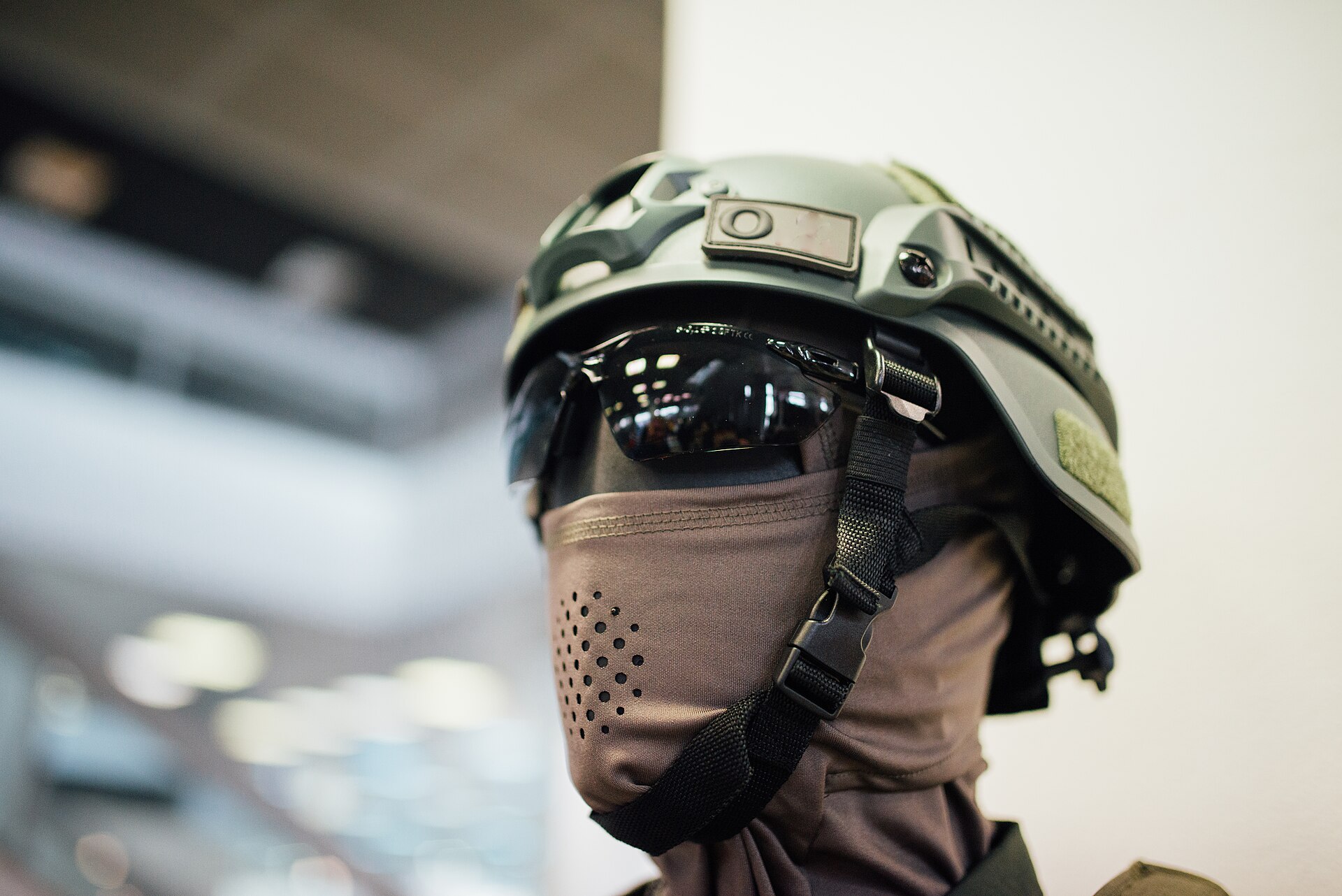
The 120,000-applicant pipeline also functions as a recruitment channel at scale. Saudi Arabia is screening talent from 55 countries in fields it has historically imported — from AI researchers to drone engineers — and the competition model ensures that the strongest performers are identified and, through the awards structure, connected to Saudi institutions. The winners receive medals across all 14 categories, and the International Federation of Inventors’ Associations is additionally presenting three IFIA awards, including invitations to the Silicon Valley Innovation Festival 2027.
The logic is not subtle: build a database of that applicant pool, test 1,200 of them in a live competition, and funnel the top performers into partnerships, residencies, or recruitment pipelines. For a country that set a 50% domestic defense production target by 2030, the talent problem is as pressing as the procurement one.
From SAIF to GSTS: A Month-Long Security Programme
SAIF is one component of the broader Global Security and Technology Summit framework, a new programme that positions Saudi Arabia’s Ministry of Interior as the convener of a month-long security innovation calendar. GSTS Month runs November 1–30 across all 13 Saudi administrative regions, with SAIF occupying November 24–26 and the main GSTS Summit following on December 18–20 in Riyadh, according to the GSTS press release distributed via PRNewswire.
Eng. Abdulaziz Alhammadi, Vice Chairman of the GSTS Organising Committee, said the programme aimed at “enhancing national skills, encouraging innovation, and supporting international cooperation.” The month-long structure — regional events feeding into a national competition and then a three-day summit — mirrors Saudi Arabia’s approach across other sectors, dispersing participation across the country before concentrating international attention on the capital.
The event partners reflect the breadth of the programme’s ambition. The Ministry of Education serves as Strategic Scientific Partner, the cybersecurity firm Tahakom as Founding Partner, the digital services company Elm as Principal Partner, and IFIA as International Strategic Partner, per Ajel English and IFIA. That a university ministry shares billing with a cybersecurity firm and an international inventors’ federation captures SAIF’s dual identity — part academic showcase, part security industrial policy.
Background: KAFD Under Fire
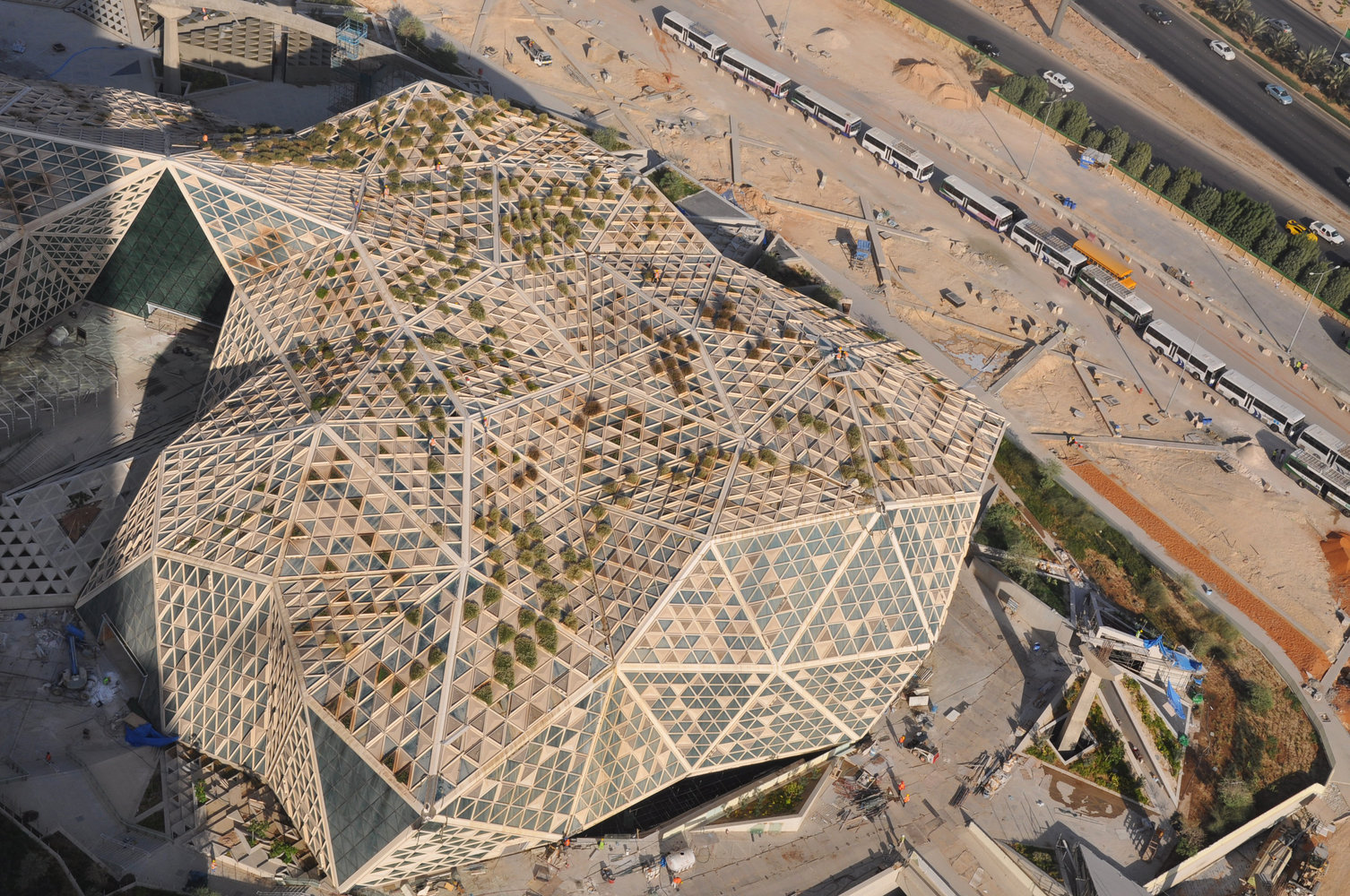
The King Abdullah Financial District has absorbed repeated strikes since November, making it a prominent target in Riyadh’s commercial core. An Aramco building in the district was damaged on November 8, confirmed by Reuters and CNN. The PIF Tower — the district’s signature skyscraper — was struck on November 19 and again on November 24, the latter wounding 11 people from four nationalities.
The pattern has reshaped Saudi Arabia’s events calendar and international profile. Houthi attacks have forced postponement of the AFC Asian Cup and cancellation of most international flights to Riyadh, according to Reuters via Al Jazeera’s November 24 live blog. Against that backdrop, staging a 55-nation security expo inside the targeted district represents a calculation — one that the GCC defense ministers’ forward command structure and the planned six-month Houthi campaign are designed to underwrite over the longer term.
The coalition’s response on November 24 stayed within familiar language: “cowardly” attacks, ongoing investigations, GCC solidarity. What the expo added was physical presence — participants from dozens of countries working in a convention hall in a district where, hours earlier, an unspecified projectile had struck the building housing Saudi Arabia’s sovereign wealth fund.
Frequently Asked Questions
What do SAIF 2026 winners receive?
Winners receive gold, silver, and bronze medals across 14 categories, plus 14 special awards. The International Federation of Inventors’ Associations is additionally presenting 3 IFIA awards — 2 to outstanding Saudi innovators and 1 to an international innovator — which include the IFIA Medal, Award Diploma, the INV title, and an invitation to the Silicon Valley Innovation Festival 2027, according to IFIA. The prize structure is designed to build prestige and international networks rather than provide monetary rewards.
How does SAIF compare to the World Defense Show?
The World Defense Show, last held in February 2026, is a procurement expo where defense firms exhibit equipment and sign contracts. WDS 2026 generated approximately SAR 33 billion (~$8.8 billion) in contracts, 73 memoranda of understanding, and 220 agreements total, per Defence Turkey and Army Recognition. SAIF is a competitive innovation fair with medals rather than contracts, organized by the Ministry of Interior and Tuwaiq Academy rather than the General Authority for Military Industries. WDS sells hardware to the Saudi military; SAIF scouts the talent Saudi Arabia needs to build that hardware domestically.
Was SAIF originally scheduled for earlier dates?
The Saudi Press Agency’s initial announcement listed SAIF’s dates as November 19–21, per SPA dispatch N2639485. The event ran November 24–26 instead — a shift that placed its opening on the day of the second PIF Tower strike rather than the first. No official explanation for the date change has been published, and it is unclear whether the shift was related to the security situation, logistical factors, or other scheduling considerations.
Did the Houthis or Iran comment on the security expo?
No Houthi or Iranian statement has been found that specifically references SAIF 2026 or the security expo. Houthi spokesman Yahya Saree claimed the November 19 KAFD strike but made no mention of the planned expo. Responsibility for the November 24 strike — which occurred on SAIF’s opening day — had not been confirmed by any party as of publication, and no group linked the attack to the expo specifically.
The House of Saud Daily Briefing
Saudi Arabia's news in 3 minutes, every morning. Free. See today's issue