Correction, October 12, 2026: An earlier version of this article said five tankers reversed course after the Houthi warning; LSEG shipping data showed three vessels turning back, and no source mentioned a Cosco vehicle carrier. It also said the US-Saudi nuclear agreement gave Saudi Arabia enrichment without requiring normalisation with Israel; on July 23 President Trump made the deal subject to Saudi Arabia joining the Abraham Accords. It presented both the Encelia and the Layla as struck near Jizan; the Houthis claimed both attacks, and Saudi authorities confirmed only that the Encelia was hit. The Houthi email was quoted in wording that did not match the Reuters report of the email, which was dated July 20, and a statement attributed to Yahya Saree as “an eye for an eye” could not be found. Figures on Yanbu export volumes, Hormuz transits, East-West Pipeline losses, war-risk premiums, Bab al-Mandeb flows, the Greek fleet, Houthi warning emails to Greek firms, the EU ASPIDES budget, a quote from the Greek foreign minister and a July 11 Faisal-Rubio call could not be sourced and have been removed or replaced with sourced figures.
JEDDAH — Saudi Foreign Minister Prince Faisal bin Farhan spent July 23 on the phone with three counterparts — Qatar’s prime minister, Jordan’s foreign minister, and Greece’s top diplomat — while tankers that should have been sailing to or from Saudi ports were turning back. The ships turned not because of missiles or naval interdiction but because of a single email from the Houthi Humanitarian Operations Coordination Center, which warned commercial operators that any vessel loading or discharging cargo at a Saudi port could be targeted “in any location within the operational reach” of Houthi forces.
The SPA report on the calls emphasised “the importance of protecting maritime navigation and rejecting any actions that threaten its safety,” a formula so generic it could describe a parking dispute at a marina. What the readouts did not contain was an operational plan, a military commitment, or any indication that Riyadh possesses a tool beyond persuasion to keep the Red Sea open for the crude oil exports it rerouted westward after Hormuz traffic collapsed. Faisal called Athens because Athens owns the ships, and the question now is what Athens can do about a threat that Riyadh — which has fought the Houthis for years — has never managed to neutralise.
Table of Contents
- What Did Faisal’s Three Phone Calls Actually Achieve?
- The Email That Turned the Tankers
- Why Did Faisal Call Athens Before Anyone Else?
- The Encelia Burned After the Warning Arrived
- Can Saudi Arabia Keep Yanbu Open Without a Navy in the Red Sea?
- Where Is Rubio in Faisal’s Phone Book?
- Does Jordan’s Aqaba Give Safadi a Reason Beyond Solidarity?
- The Blockade That Needs No Missiles
- Frequently Asked Questions
What Did Faisal’s Three Phone Calls Actually Achieve?
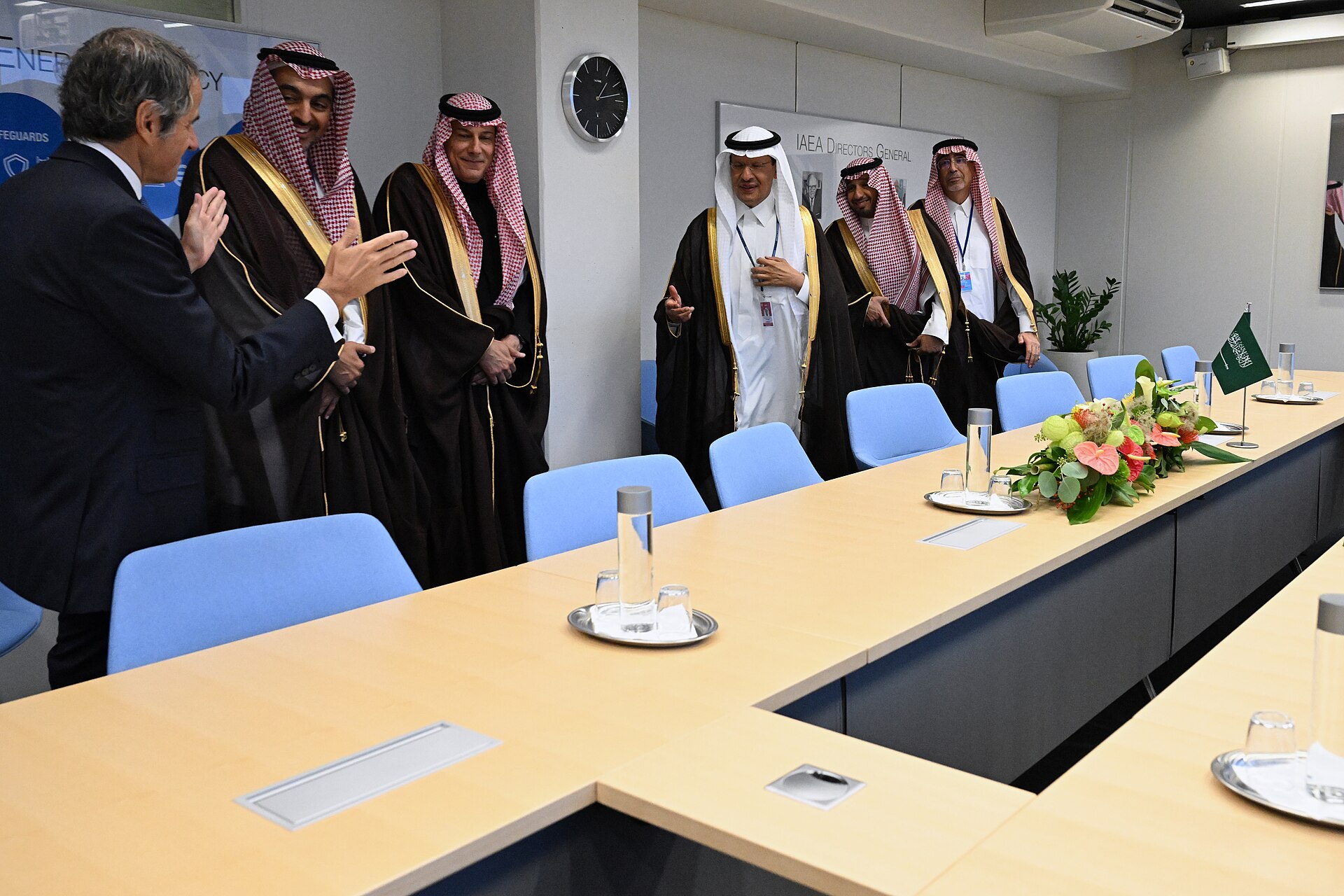
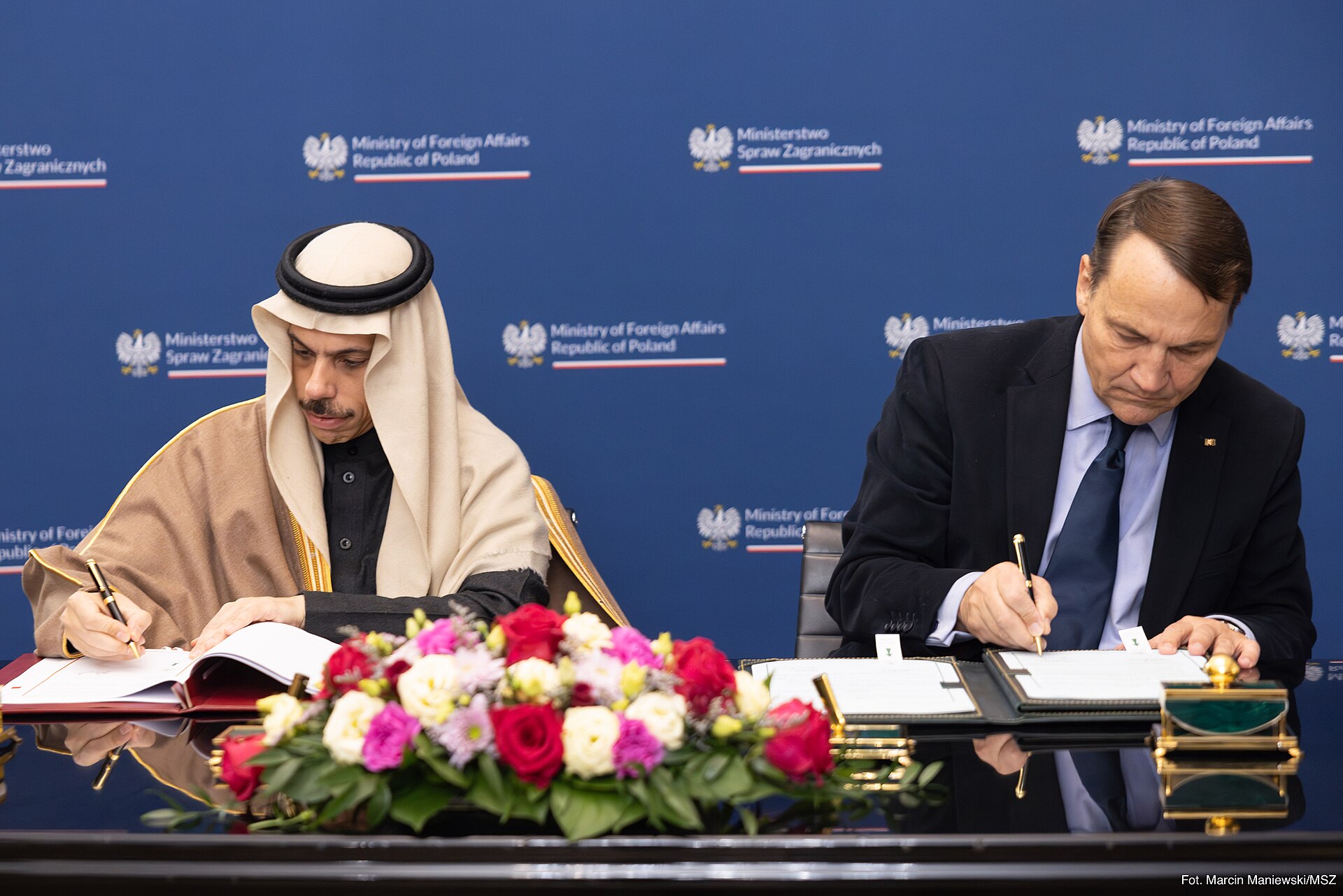
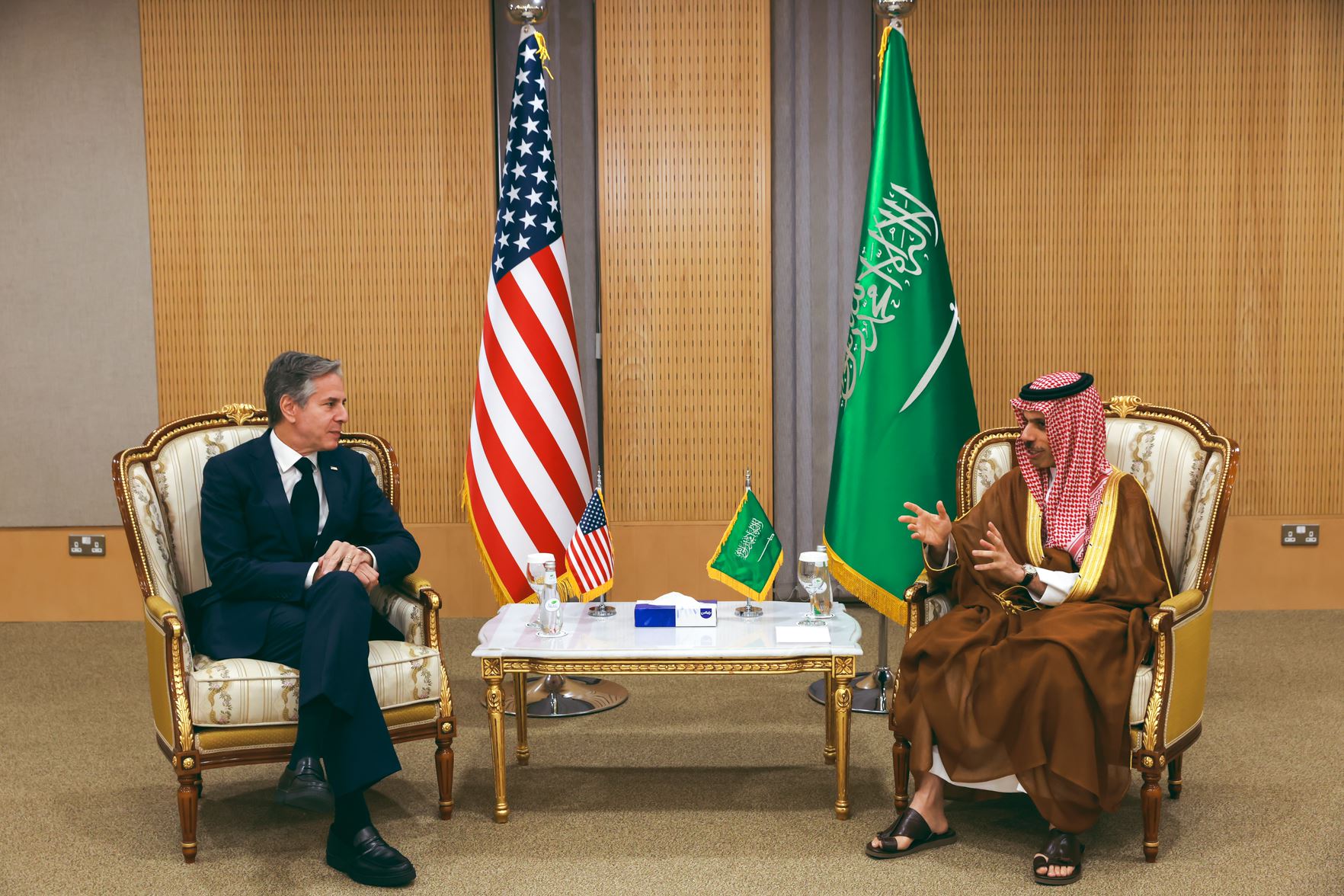
On July 23, Prince Faisal bin Farhan called Qatari Prime Minister and Foreign Minister Sheikh Mohammed bin Abdulrahman Al Thani, Jordanian Foreign Minister Ayman Safadi, and Greek Foreign Minister George Gerapetritis in a circuit that SPA described as focused on the need to safeguard “freedom of navigation in the Arabian Gulf and the Red Sea.” Qatar’s news agency QNA dated the Greek call to July 22. The readout stressed a single formula — protecting maritime navigation and rejecting threats to its safety — without specifying a single operational commitment, timeline, or coordinated response plan.
The choice of interlocutors tells you what kind of problem Riyadh thinks it faces. Qatar is a mediator with an active channel to Iran’s negotiators, having positioned itself as the ceasefire mediator Saudi Arabia cannot become. Jordan holds Aqaba, its sole port, at the northern tip of the Red Sea, and Greece operates the world’s largest merchant fleet. None of the readouts mentioned escorting tankers to or from Saudi ports, but each capital holds a piece of the commercial architecture that the Houthi blockade is designed to dismantle.
The sequencing matters as much as the roster. Faisal made these calls after the Houthis claimed missile attacks on the Saudi tankers Encelia and Layla, and two days after tankers reversed course following a single warning email from the Houthi HOCC. He was not responding to an intelligence briefing about a future threat — he was responding to a blockade already taking effect, one tanker at a time, in real time.
The Middle East briefing 3,000+ readers start their day with.
One email. Every weekday morning. Free.
The Email That Turned the Tankers
The Houthi Humanitarian Operations Coordination Center — the Houthis’ main channel for warnings to shipping during their 2023-25 attacks, according to Reuters — sent an email to shipping companies dated July 20, which Reuters reviewed: “Vessels are banned from loading or discharging cargo at or from any Saudi ports,” the HOCC wrote, adding that violating vessels “may be subject to targeting in any location within the operational reach” of Houthi forces. The email did not distinguish between Saudi-flagged and foreign-flagged vessels, between crude carriers and container ships, or between vessels already loaded and those approaching to load — it applied to everything.
Three vessels changed course after the warning circulated among commercial operators, according to LSEG shipping data. The VLCC Xin Long Yang, carrying approximately two million barrels of crude loaded at Yanbu on July 20, reversed toward the Suez Canal instead of continuing its planned route. The tanker Rodos, carrying roughly 700,000 barrels of crude bound for India, made the same decision, and the VLCC New Prime, due to load at Yanbu later that week, turned back off Oman.
“…the right of our great people to respond to the blockade with a blockade.”
Houthi blockade announcement, July 20 2026, via Al Jazeera
The commercial logic behind those U-turns requires no classified intelligence to understand. The HOCC email converts every Saudi port call from a routine commercial transaction into a declared act of blockade violation. Shipping companies answering to insurers, charterers, and flag-state regulators do not need to agree with the Houthi framing to act on it; they need only calculate that the cost of a missile strike on a fully loaded VLCC exceeds the margin on the cargo. The Houthis framed the blockade on July 20 as a response to what they called Saudi Arabia’s “unjust and oppressive siege” of Yemen for nearly 12 years — a moral claim designed to give the commercial threat a legal texture that makes it harder for Riyadh to dismiss as piracy.
The HOCC architecture is not new, but its target is. During the Houthis’ 2023-25 attacks on shipping, the same body was their main channel for warnings to shipping companies, according to Reuters. What changed in July 2026 is the scope: the target is no longer a specific country’s trade but the entire commercial throughput of Saudi Arabia.
Why Did Faisal Call Athens Before Anyone Else?
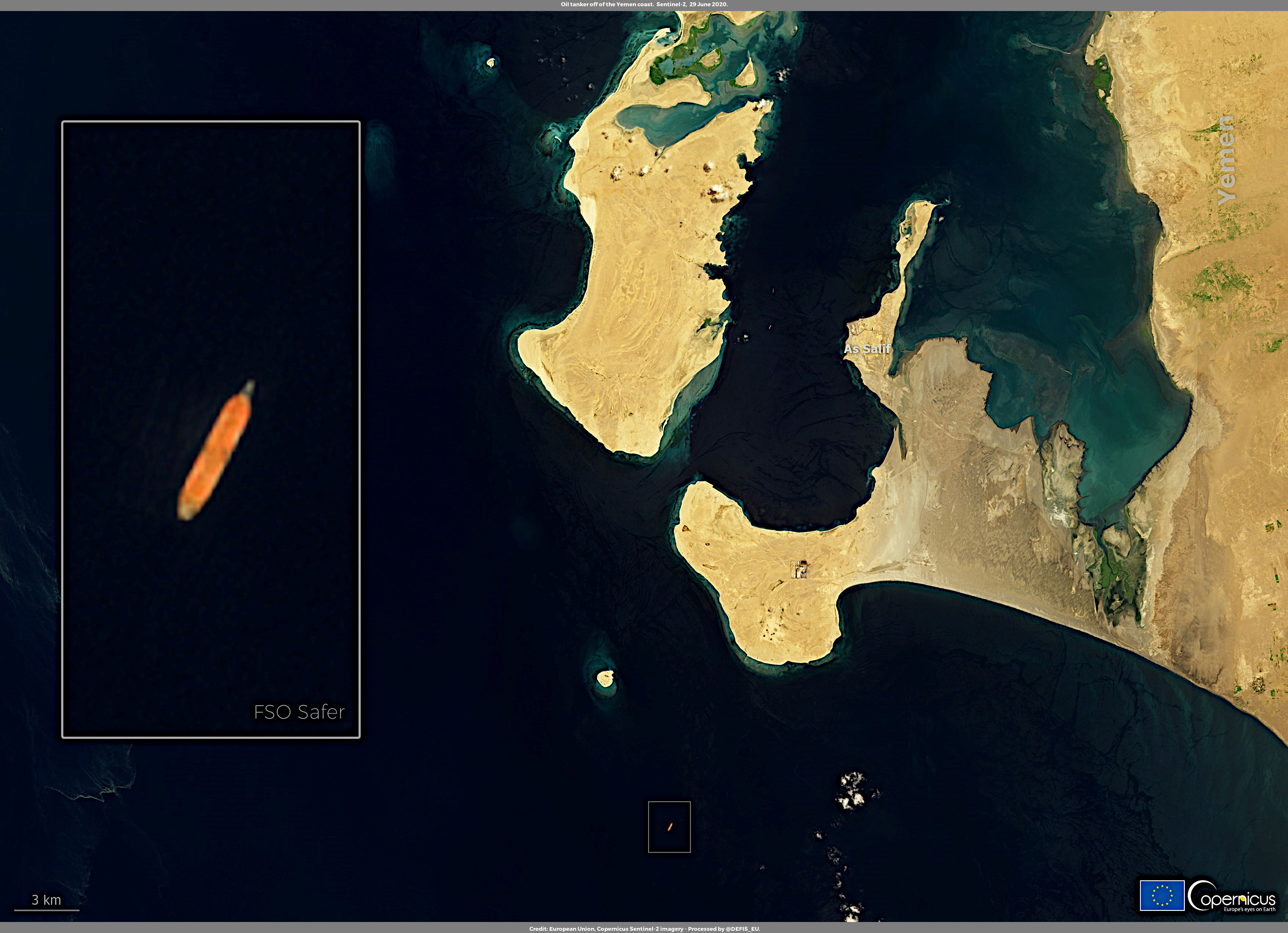
Greece operates the world’s largest merchant fleet: Greek companies controlled 21 percent of the world’s total merchant fleet in 2022. If Greek-owned vessels stop loading at Saudi ports, the Houthi blockade moves closer to its commercial objective without requiring a sustained naval presence or an open-ended missile campaign, because few other fleets could replace the tonnage Greek operators provide.
Faisal’s call to Gerapetritis on July 23 is an attempt to interrupt a pattern familiar from the Houthis’ earlier campaign: the HOCC issues a warning, operators calculate the risk, some comply, and the Houthis threaten the ones that do not.
| Metric | Value | Context |
|---|---|---|
| Share of world merchant fleet (2022) | 21% | World’s largest national fleet |
In their call, Faisal and Gerapetritis stressed the need to keep navigation free in the Arabian Gulf and the Red Sea and called destabilising actions unacceptable, according to QNA. The EU’s EUNAVFOR ASPIDES mission provides some escort capability in the Red Sea, but its mandate centres on transit protection for vessels moving through the waterway — not on securing the loading berths at Yanbu or Ras Tanura where the commercial risk begins.
The gap between what Athens says and what Athens can enforce is the gap Faisal is trying to close with a phone call, because the alternative is watching Greek operators make individual commercial decisions that collectively amount to compliance with a Houthi blockade. Every unreturned VLCC is a data point that other operators will study before accepting their next Saudi charter.
The Encelia Burned After the Warning Arrived
The HOCC email was not an empty threat. The Houthis claimed missile attacks on two Saudi tankers, the Encelia and the Layla, in the Red Sea; Al Jazeera dates the claim to July 22, while Gulf News placed the attack on July 21. SPA confirmed that the Encelia had been hit and that all crew members were safe, and Riyadh confirmed that the attack caused a fire. Saudi authorities confirmed only the strike on the Encelia.
The timing was the message. The HOCC email, dated July 20, warned that vessels servicing Saudi ports could be targeted; the attack on the Encelia followed within days, making it the first confirmed strike enforcing the declared commercial blockade. In Houthi framing, the email serves as a formal notification — something between a legal warning and a targeting declaration — and attacks on vessels that continued to operate after receiving it convert the warning from rhetoric into a precedent that every shipping company’s legal department will now have to evaluate before authorising the next Saudi port call.
This email-then-strike architecture is not improvised. The HOCC was the Houthis’ main channel for warnings to shipping during their 2023-25 attacks, according to Reuters. The formal maritime embargo the Houthis announced on July 20 provides the political umbrella, the HOCC email provides the commercial notification, and the attack on the Encelia provides the kinetic proof that the notification is backed by capability. Every element of this architecture has been tested before; only the target has changed.
Can Saudi Arabia Keep Yanbu Open Without a Navy in the Red Sea?
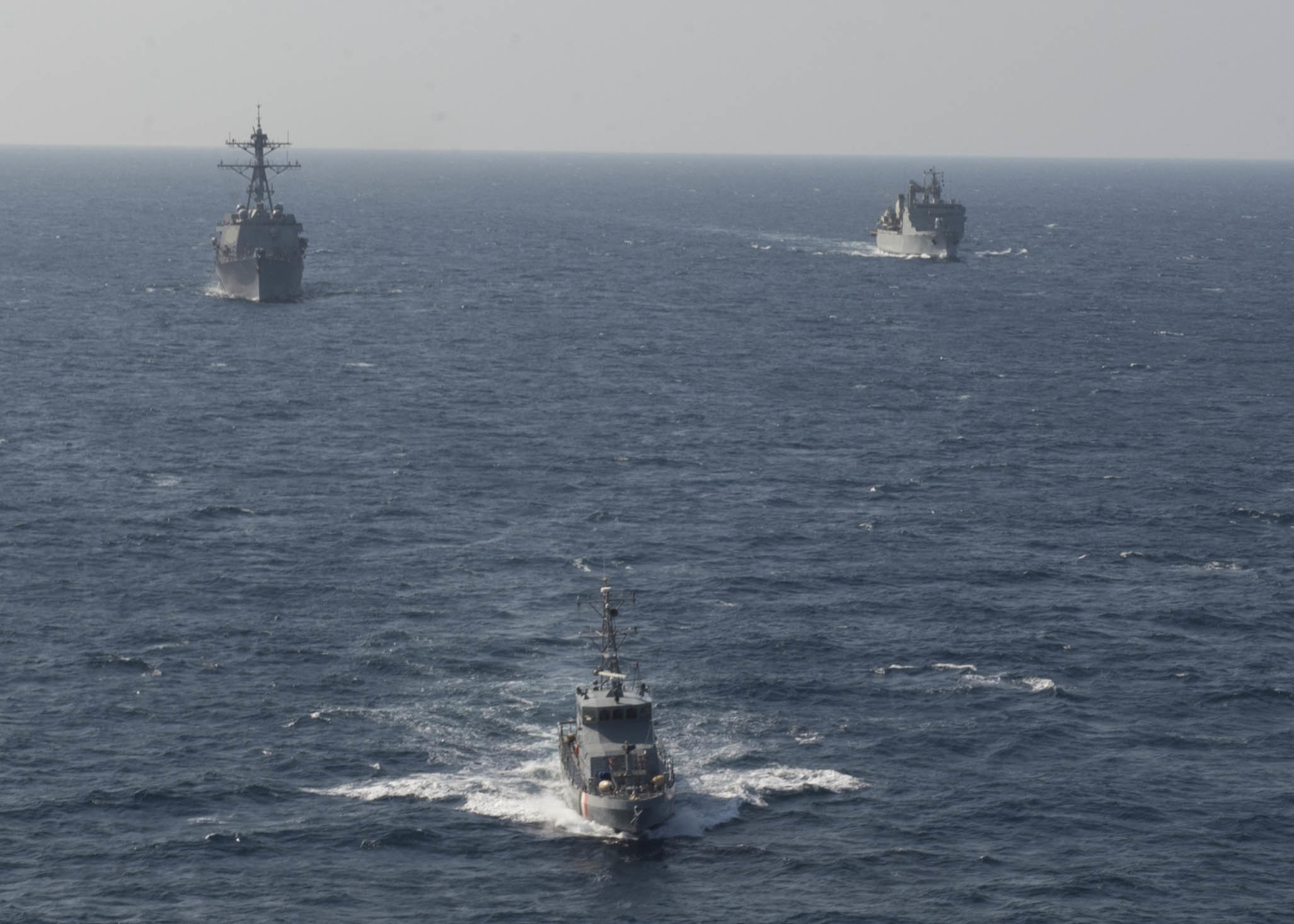
Yanbu, the kingdom’s Red Sea energy export hub, exports around four million barrels per day, according to the Long War Journal. That volume represents Riyadh’s primary response to the collapse of the Hormuz corridor. Yanbu was supposed to be the workaround, the Red Sea exit that keeps Saudi oil moving while the Strait remains functionally closed.
The Houthi blockade targets precisely this workaround, and the numbers illustrate why the commercial threat is more dangerous than it appears at first glance. About 4.1 billion barrels of crude oil and refined products passed through Bab al-Mandeb — the Red Sea’s southern chokepoint — in 2024, according to Al Jazeera. Saudi Arabia now depends on the Red Sea for much of its export volume, a dependency that the Houthi HOCC email is designed to exploit.
| Corridor | Current Volume | Prior Year | Status |
|---|---|---|---|
| Yanbu (Red Sea) | ~4M bpd | — | Under Houthi blockade threat |
| Bab al-Mandeb total | ~4.1bn barrels (2024) | — | Red Sea southern chokepoint |
| East-West Pipeline | — | ~7M bpd design capacity | Feeds Yanbu |
Behind the seaborne vulnerability sits the East-West Pipeline that feeds Yanbu, designed for roughly seven million barrels per day. The pipeline is the infrastructure behind the workaround, the overland route that keeps crude moving to the Red Sea regardless of what happens at Hormuz, and its throughput is only as useful as the tankers willing to load at its terminus.
Saudi Arabia cannot afford the war or influence the peace, and the corridor arithmetic makes that judgment worse by the week: Hormuz is effectively closed and the Red Sea is under a declared Houthi blockade. Faisal’s phone calls to Athens and Doha are an attempt to defend the last viable export route through diplomacy alone, because Riyadh does not command the naval assets to escort tankers through a waterway where the Houthis have already hit a Saudi tanker.
Where Is Rubio in Faisal’s Phone Book?
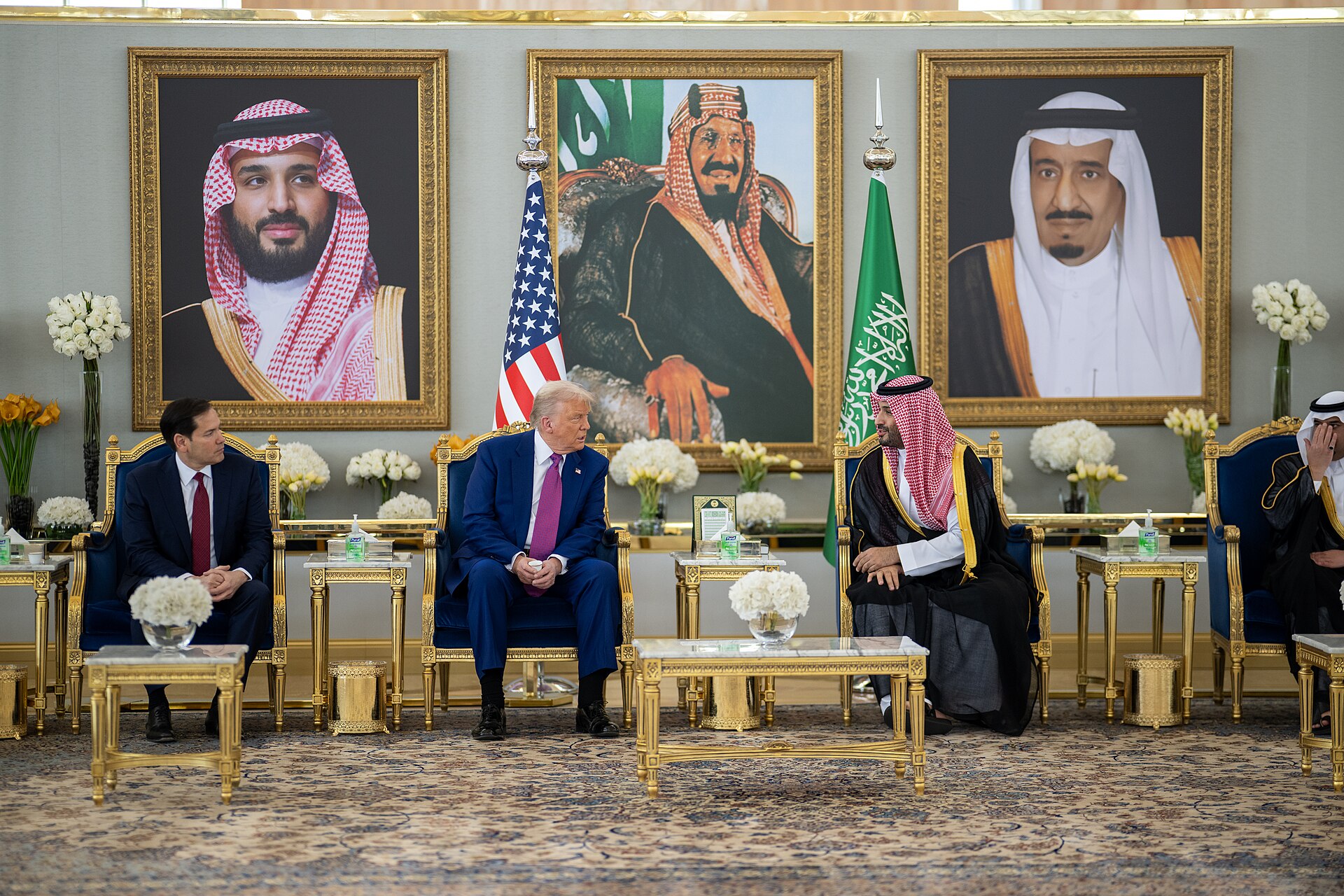
Saudi Arabia is not among the mediators in the Iran-US talks, which run through Qatar, Pakistan and Oman. When Prince Faisal bin Farhan needed to talk about Red Sea navigation on July 23, he called a Qatari mediator, a Jordanian with a vulnerable port, and a Greek with a large fleet, but not the American whose Fifth Fleet operates from Bahrain.
The timing of Washington’s absence is made sharper by its presence elsewhere. The 123 nuclear cooperation agreement signed on July 22, one day before Faisal’s call circuit, could open a path to enrichment after a joint study, but on July 23 Trump made it subject to Saudi Arabia joining the Abraham Accords. Whatever it delivers on the nuclear file, the deal arrived without any accompanying security commitment on the maritime file, and Rubio’s public comments on Saudi Arabia that week, which did not address the Red Sea, suggest that Washington considers the nuclear agreement and the Houthi blockade to be separate problems requiring separate conversations.
Faisal’s decision to call Athens, Doha, and Amman rather than wait for Washington to engage reflects a calculation that the United States either cannot or will not provide the escort capability Saudi Arabia needs to keep Yanbu operational. CENTCOM’s nightly air campaign against Iran was underway while Faisal was dialling, but the American strikes are hitting Iranian targets, not Houthi missile launchers in Yemen’s western highlands — and it is the Houthis, not Iran’s regular forces, who are turning ships around in the Red Sea with an email and a demonstrated willingness to follow through.
Does Jordan’s Aqaba Give Safadi a Reason Beyond Solidarity?
Aqaba is Jordan’s sole maritime outlet, a single port on a narrow coastline at the northern tip of the Red Sea, and its inclusion in Faisal’s call circuit reflects structural exposure rather than diplomatic courtesy. If the Houthi blockade succeeds in making the Red Sea commercially unviable for vessels loading at Saudi ports, the insurance premiums, security surcharges, and routing uncertainties will affect every port in the waterway, not just the Saudi terminals the HOCC email covered. Safadi is not on this call because Jordan supports Saudi Arabia’s position in the abstract — he is on the call because Jordan’s only connection to global maritime trade passes through the same corridor the Houthis have declared a combat zone.
The Red Sea is shared infrastructure, and the Houthi decision to expand targeting from a specific country’s trade — Israel in 2023-25 — to the entire commercial throughput of Saudi Arabia transforms what was once a contained disruption into a waterway-wide commercial threat. A sustained escalation of insurance premiums or a broader Houthi expansion of targeting criteria — neither of which would require Amman to be specifically named in an HOCC email — could functionally isolate Jordan from maritime trade at the worst possible moment.
Safadi’s participation also serves Faisal’s framing in ways that extend beyond the bilateral. By including a non-Gulf Arab foreign minister with a clear structural stake in Red Sea navigation, Riyadh can present the Houthi blockade as a threat to the entire regional order rather than a bilateral Saudi-Yemeni confrontation — a framing that becomes more useful at the United Nations and in European capitals than it does in the Red Sea itself, where the ships are turning around regardless of how many foreign ministers agree that they should not have to.
The Blockade That Needs No Missiles
The Houthis have built something more effective than a naval blockade: a commercial liability framework that converts every Saudi port call into a risk calculation that most shipping companies will eventually decide is not worth making. The HOCC email is the warning, the Encelia strike is the proof of capability, and the tankers that reversed course are the evidence that the system works as designed. No navy on earth can escort a tanker into a port where the loading berth itself has been declared a target zone, because the threat follows the cargo rather than the route, and no escort can remain alongside a vessel through every mile of its return passage through waters where the Houthis have demonstrated reach.
The Houthis’ framing — the explicit linkage of the blockade to what they call nearly 12 years of Saudi “siege” on Yemen — is designed to make the commercial threat harder to counter at the level of international law, because it wraps the blockade in a retaliatory narrative that resonates differently in the Global South than it does in Riyadh or Washington. The HOCC email does not need to be legally valid under the UN Convention on the Law of the Sea to be commercially effective; it needs only to be credible enough that insurers, charterers, and flag-state regulators treat it as a material risk factor, and the Encelia strike proved that it is.
“Vessels are banned from loading or discharging cargo at or from any Saudi ports … [they] may be subject to targeting in any location within the operational reach”
Houthi HOCC email to shipping companies dated July 20 2026, as reported by Reuters
Faisal’s three phone calls on July 23 are the Saudi response to this architecture, and the asymmetry between the threat and the response is the story. The Houthis sent an email and hit a tanker, and Faisal called Athens, Doha, and Amman. None of them can reopen the Red Sea by phone, and all of them know that the window for a diplomatic response is measured in insurance renewal cycles and charter cancellations, not in the rhythms of traditional statecraft. The email has already moved more tonnage than a frigate could.
Frequently Asked Questions
Has the HOCC warned shipping companies before?
Yes. The Sanaa-based HOCC was the Houthis’ main channel for warnings to shipping during their 2023-25 attacks, which ended with the Gaza ceasefire in October 2025, according to Reuters. The July 2026 Saudi-focused campaign uses the same channel at larger scale.
What is EUNAVFOR ASPIDES and can it protect vessels loading at Saudi ports?
ASPIDES is the European Union’s naval force in the Red Sea. Its mandate focuses on protecting vessels in transit through the Red Sea and Gulf of Aden — escorting ships through the waterway — rather than securing port approaches or loading berths at specific national terminals. The distinction matters because the Houthi HOCC email targets vessels at the point of loading, not in transit, and ASPIDES has neither the mandate nor the force structure to station escorts at Yanbu or Ras Tanura while tankers fill their holds.
How much cargo was on the diverted tankers?
The two tankers that turned toward Suez carried approximately 2.7 million barrels of crude oil combined: the VLCC Xin Long Yang had loaded roughly two million barrels at Yanbu on July 20, and the tanker Rodos was carrying approximately 700,000 barrels bound for India. The third vessel, the VLCC New Prime, turned back before loading. That cargo was diverted by a threat that cost the Houthis an email.
What is the Houthi legal framing for the Saudi blockade?
The Houthis frame the maritime embargo as retaliatory self-defence under the principle of reciprocity, accusing Saudi leaders of imposing “an unjust and oppressive siege” on Yemen for nearly 12 years. The July 20 announcement claimed the right “to respond to the blockade with a blockade,” positioning the blockade not as aggression but as a proportionate response to years of coalition-imposed trade restrictions that limited Yemeni access to fuel, food imports, and commercial shipping. The framing is designed to complicate any Saudi attempt to seek a UN Security Council condemnation, because it forces a debate about whether the coalition’s prior restrictions on Yemeni commerce constitute the precedent the Houthis claim they do.