
Correction, October 12, 2026: An earlier version of this article, headlined “Rubio Defended the Deal — His Own Bill Would Have Blocked It”, said Marco Rubio co-sponsored a bill with Senator Ed Markey to block a Saudi nuclear deal; no such bill has been found, and Markey’s own statement says only that Rubio was “among the loudest voices warning” about the risks. The article also said the US-Saudi nuclear agreement did not depend on normalisation with Israel; on July 23 President Trump made the deal subject to Saudi Arabia joining the Abraham Accords. It stated that the deal permits Saudi enrichment, including of third-country uranium; a source told the Associated Press it could lead to an enrichment facility after a joint study, and Trump said there would be no enrichment. It said the 90-day congressional review began on July 22; the review begins on formal submission to Congress, which Markey said had happened by August 26. Markey’s “caving” statement dated from February 2026, not the day of signing. Quotes attributed to Naftali Bennett, Avigdor Lieberman, Ehud Barak, analysts at Carnegie, the Arms Control Association and the Atlantic Council, a Haaretz headline, and Iranian officials Mohammad Marandi and Kazem Gharibabadi could not be sourced and have been removed, as have an Iranian rejection of a Pakistan-Qatar ceasefire, a July 11 Rubio-Faisal call, interceptor and aircraft figures, and a Saudi-Egyptian-Pakistani-Turkish statement at the UN General Assembly. The article also misdescribed Iran’s September road map, which was a seven-day plan submitted via Qatar, and misplaced a Saudi research reactor.
WASHINGTON — The US-Saudi 123 nuclear cooperation agreement signed on July 22 by Energy Secretary Chris Wright and Saudi Energy Minister Prince Abdulaziz bin Salman, alongside a bilateral safeguards agreement, could pave the way for a uranium enrichment facility in Saudi Arabia after a joint US-Saudi study, according to a source who spoke to the Associated Press. It does not include the IAEA Additional Protocol. The deal is expected to run for thirty years. A day later, Trump wrote that “There will be no enrichment of material!” and that the deal is “totally subject to Saudi Arabia joining the very respected and successful Abraham Accords.”
Within twenty-four hours, the agreement drew opposition from Israeli opposition leaders Yair Lapid and Yair Golan, Democratic members of Congress and nonproliferation groups. Secretary of State Marco Rubio, who as a senator was, in Senator Ed Markey’s words, “among the loudest voices warning” about nuclear cooperation with Riyadh, defended the deal from the Philippines. The coalition assembling against the deal in Washington and Jerusalem is not strengthening America’s coercive hand against Tehran. It is weakening it — at the one moment in the war when coercive capacity carries strategic weight.
Table of Contents
- What Does the 123 Agreement Actually Permit?
- The Gold Standard Washington Abandoned
- Why Did Sherman Call It a Westinghouse Deal?
- Israel’s Opposition Spoke First
- Can Congress Block a 123 Agreement?
- The Rubio Problem
- The Deal and the War
- How Does the Deal Serve Tehran?
- Netanyahu’s Exposure
- The Review Clock
- Frequently Asked Questions
What Does the 123 Agreement Actually Permit?
A source told the Associated Press the agreement could lead to a uranium enrichment facility in Saudi Arabia after a joint study; Trump said the next day there would be no enrichment. The agreement does not include the IAEA Additional Protocol — the international standard for detecting undeclared nuclear activities — and the terms of the bilateral US-Saudi safeguards agreement have not been made public.
Under Section 123 of the Atomic Energy Act, the United States requires any country receiving American nuclear technology and materials to satisfy nine nonproliferation criteria. These include commitments against nuclear weapons development, guarantees of IAEA safeguards, and provisions for the return of transferred materials. What the Saudi agreement does not meet is the “gold standard” associated with the agreement Washington signed with the United Arab Emirates in 2009 — a distinction that has become the organizing principle for the deal’s opponents.
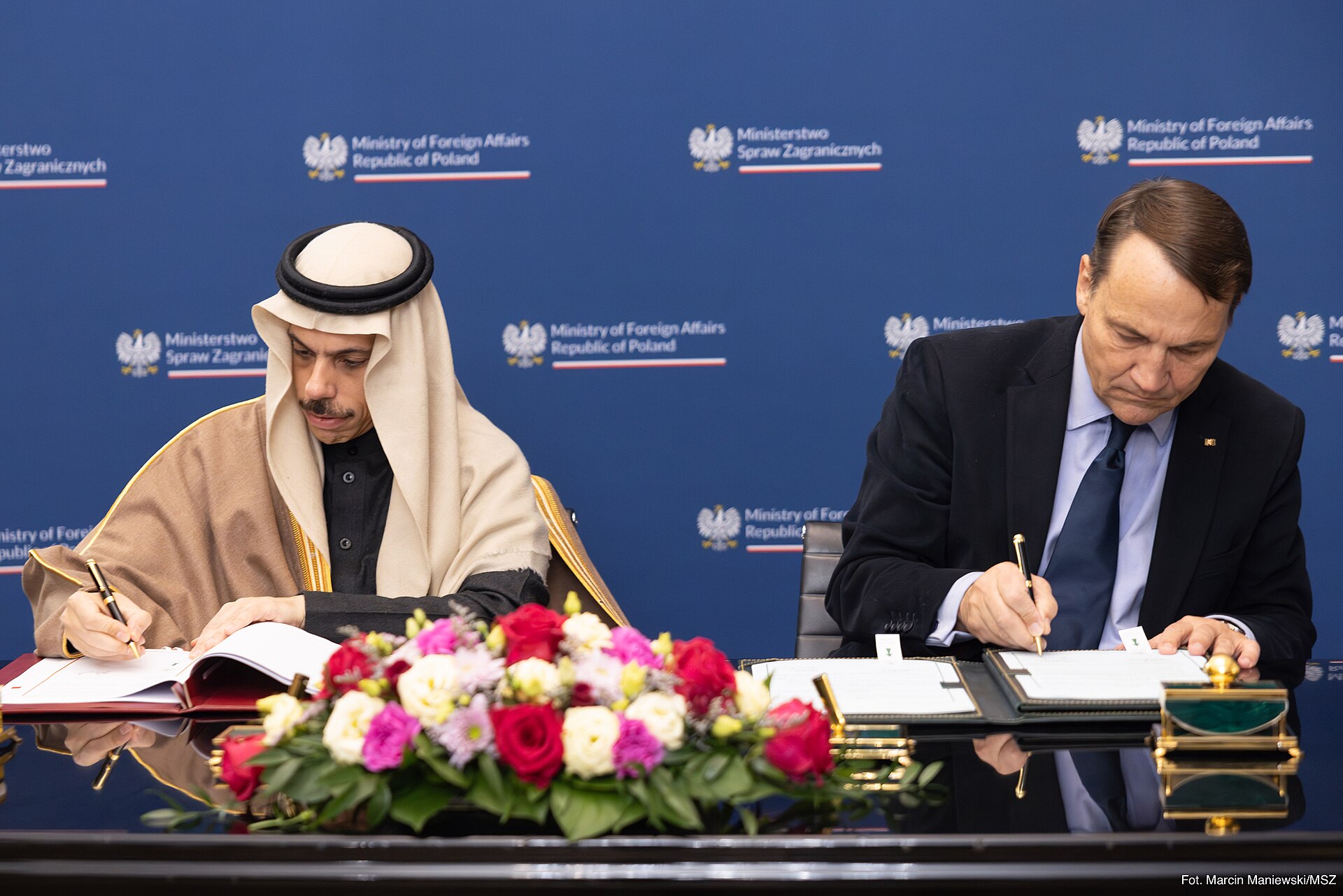
Prince Abdulaziz bin Salman signed the agreement, not Foreign Minister Prince Faisal bin Farhan Al Saud. The choice positions the deal as technical energy cooperation rather than security diplomacy. Saudi Arabia is not among the mediators on the Iran war, a role held by Qatar, Pakistan and Oman.
The Middle East briefing 3,000+ readers start their day with.
One email. Every weekday morning. Free.
The Additional Protocol gives international inspectors access beyond declared nuclear sites and permits environmental sampling to detect traces of undeclared enrichment activity. The Saudi deal does not include it.
The Gold Standard Washington Abandoned
The benchmark is the 2009 US-UAE 123 agreement, known informally as the “gold standard.” As Senator Markey describes it, the gold standard bans enrichment and reprocessing and requires IAEA Additional Protocol safeguards; the UAE is a signatory to the Additional Protocol. The Saudi agreement does not include the Additional Protocol, and its enrichment terms are disputed.
| Criterion | UAE 2009 (“Gold Standard”) | Saudi Arabia 2026 |
|---|---|---|
| Domestic uranium enrichment | Banned under gold standard | Possible after joint study (AP source); ruled out by Trump |
| Reprocessing | Banned under gold standard | Terms not published |
| IAEA Additional Protocol | Signatory | Not included; bilateral safeguards agreement |
Both the Biden administration and Trump have pushed Saudi Arabia to join the Abraham Accords. On July 23, Trump posted that the 2026 deal “is totally subject to Saudi Arabia joining the very respected and successful Abraham Accords,” and press secretary Karoline Leavitt said that without that step “the deal is off.”
Why Did Sherman Call It a Westinghouse Deal?
Rep. Brad Sherman (D-CA) identified the structural contradiction at the center of the 123 deal at a House Foreign Affairs Committee hearing on the day it was signed. The United States is conducting an active bombing campaign against Iran while signing an agreement that, in Sherman’s reading, gives Saudi Arabia “the green light” to enrich — with the operative difference, in Sherman’s framing, that American companies profit from the Saudi arrangement.
We are bombing Iran because they insist upon enriching and reprocessing. We are entering into an agreement with Saudi Arabia, giving them the green light to reprocess and to enrich, and the only difference I see here is that Westinghouse stands to make an awful lot of money on this deal, whereas the Iranians were not enriching American companies.
— Rep. Brad Sherman (D-CA), House Foreign Affairs Committee, July 22, 2026
Sherman’s formulation is structurally sharper than the standard nonproliferation objection. He does not argue that Saudi Arabia should not have nuclear technology. He argues that the United States cannot simultaneously bomb one country for enriching uranium and grant another enrichment rights without exposing the commercial logic underneath. The “Westinghouse” distinction — the named company, not an abstraction — locates the difference between the Iranian and Saudi programs not in security assessment or proliferation risk but in who profits.
CENTCOM was in the second week of nightly strikes against Iran. If the joint study leads to enrichment in Saudi Arabia, the capability that Sherman says American bombs are targeting in Iran would sit inside a thirty-year agreement with Riyadh, backed by bilateral safeguards and US industry.
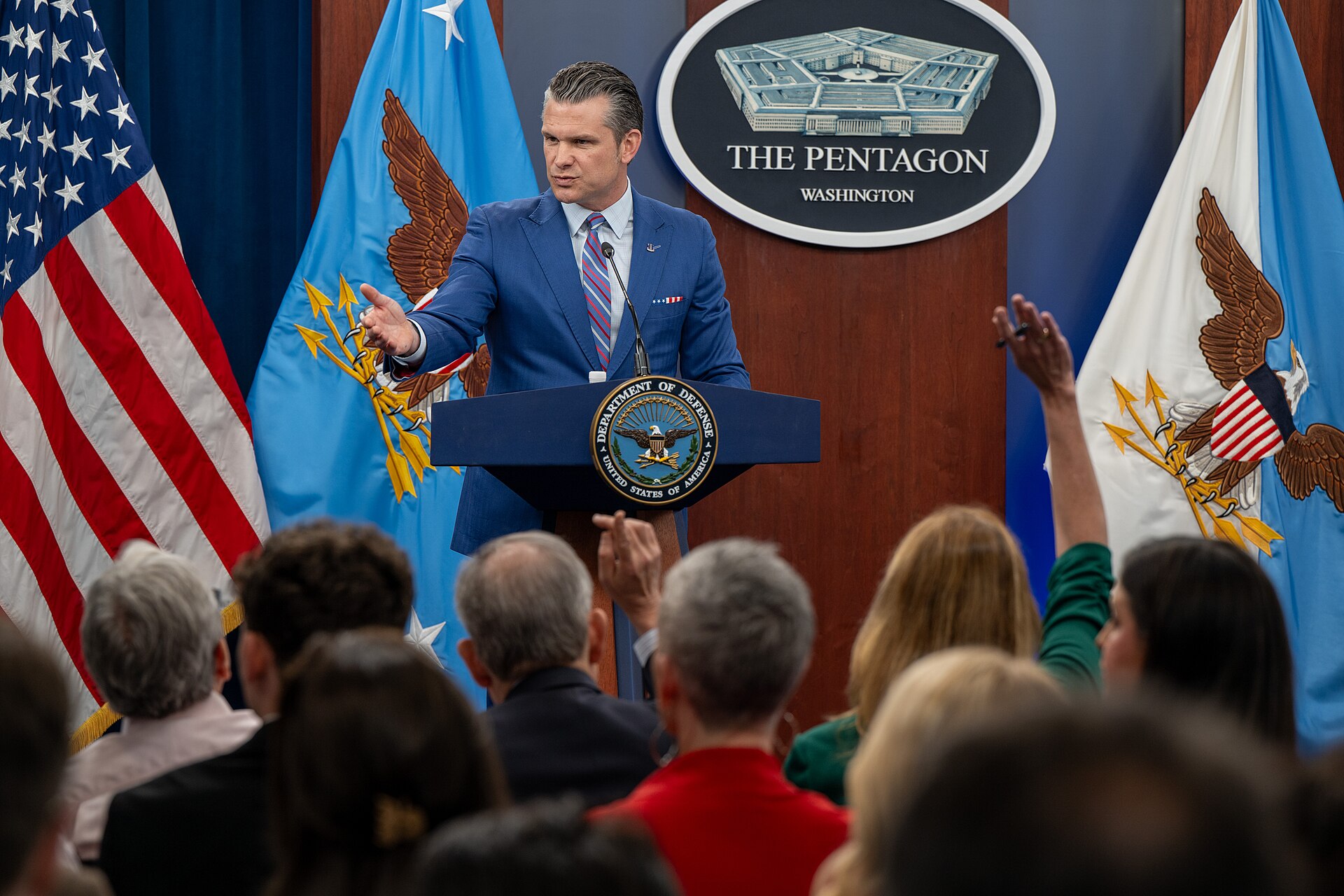
Secretary of State Marco Rubio offered the administration’s rebuttal from the Philippines on July 22: “The U.S. is not going to reach any agreement with any country in the world that leads to the risk of proliferation.” He did not address enrichment by name and made no structural response to Sherman’s commercial-logic argument. The next day Trump said only that there would be no enrichment.
Israel’s Opposition Spoke First
The Israeli response to the 123 deal reported by the Jerusalem Post on July 23 came not from Prime Minister Benjamin Netanyahu, whose office had issued no statement, but from opposition leaders.
Yair Golan, leader of the Democrats, wrote that Netanyahu “both lost the normalization with Saudi Arabia and enabled it to gain nuclear capabilities.” Golan’s framing located the failure not in the deal’s terms but in Netanyahu’s inability to prevent it — a diplomatic verdict rather than a nonproliferation one.
A total failure.
— Yair Lapid, Israeli Opposition Leader, on Netanyahu’s part in the deal, as reported by the Jerusalem Post, July 23, 2026
Lapid’s verdict reframed the 123 deal as a test of the prime minister’s core function, one he had failed. The opposition leader was not critiquing American policy. He was critiquing the Israeli prime minister’s inability to shape it.
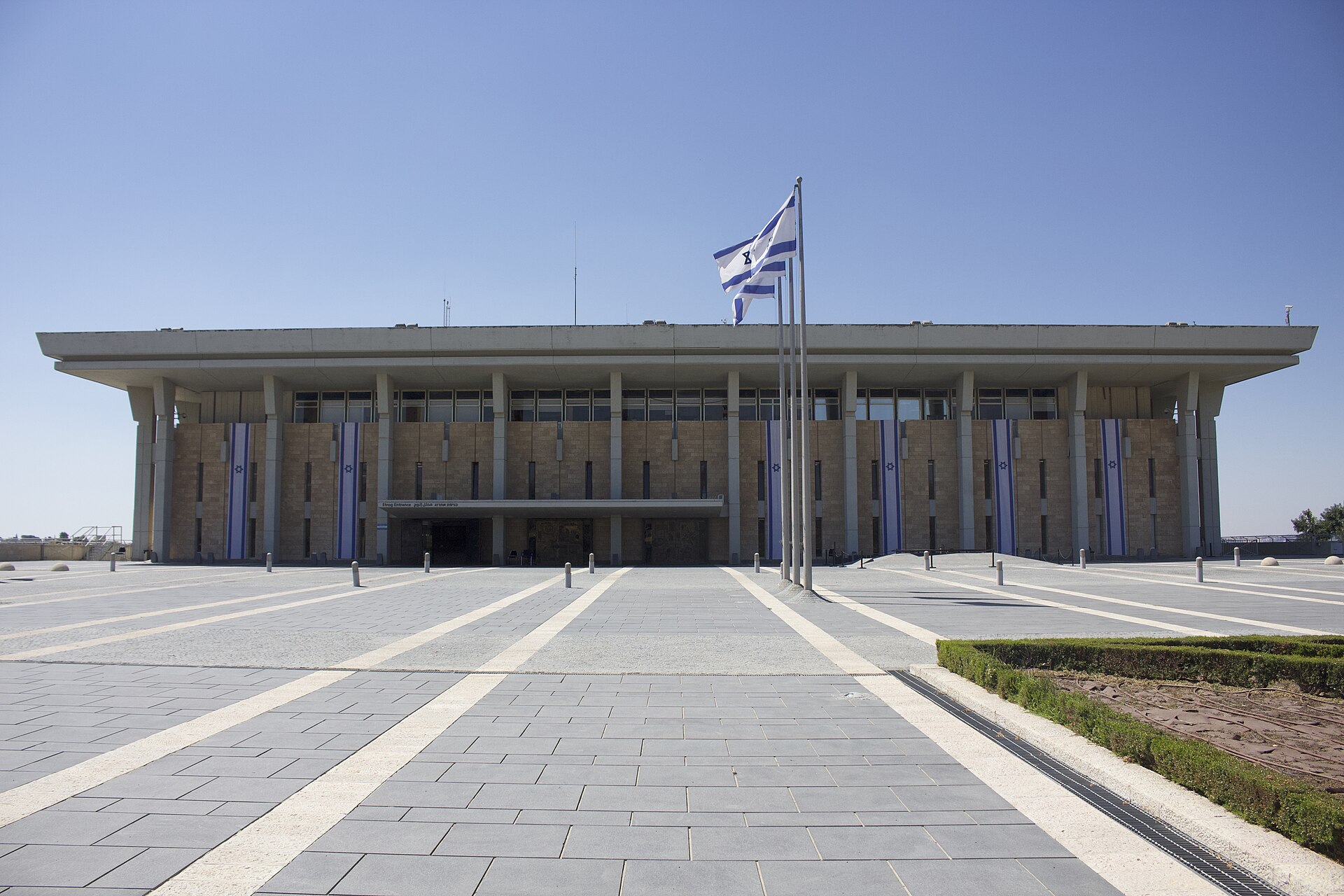
The opposition’s criticism puts the burden on Netanyahu to explain his silence.
Can Congress Block a 123 Agreement?
Under the Atomic Energy Act, Congress reviews a 123 agreement over set periods of continuous session, and the agreement does not take effect if Congress enacts a joint resolution stating that it does not favor it. Such a resolution requires a simple majority in both chambers to pass, but a two-thirds supermajority in both chambers to override a presidential veto.
The review clock starts only when the agreement is formally submitted to Congress.
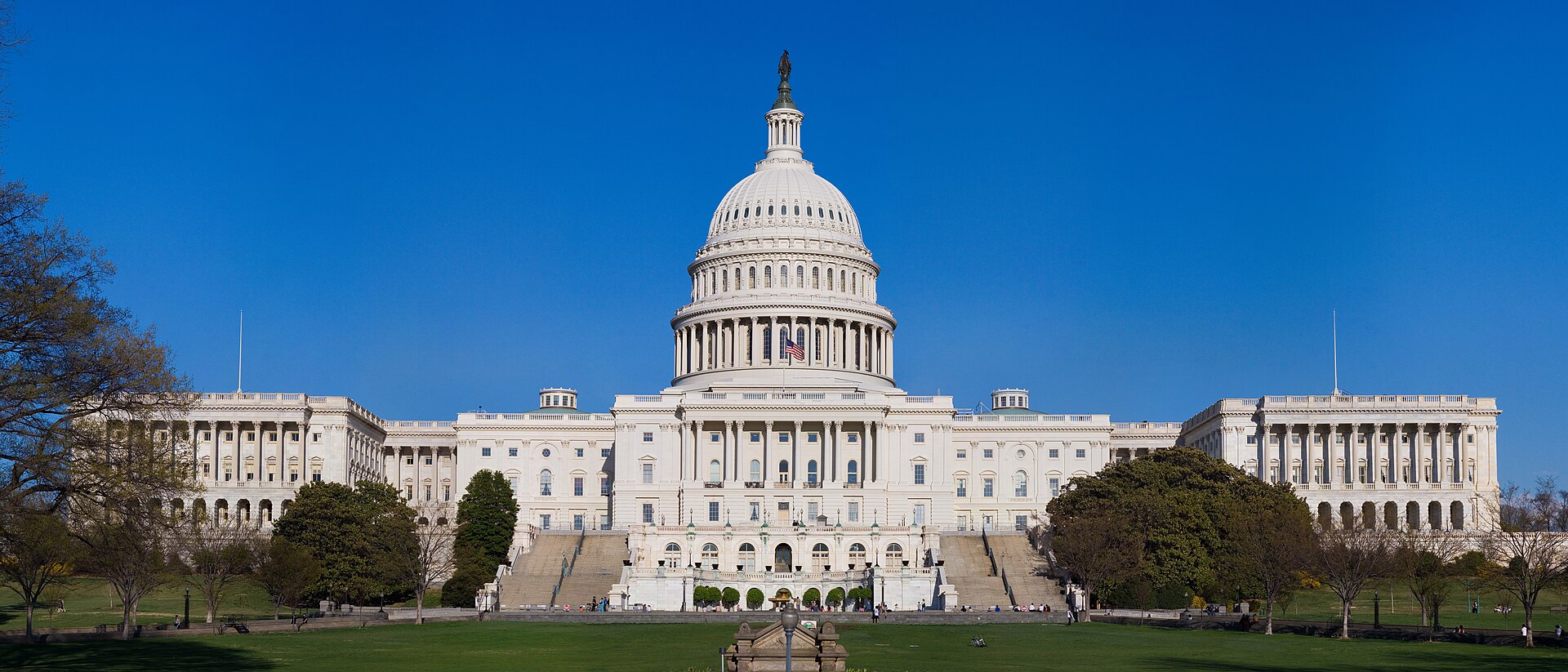
Senator Ed Markey (D-MA) issued a statement on the day of signing warning that “allowing Saudi Arabia to develop nuclear weapons would be irresponsible and dangerous” and that the deal risked “igniting an arms race in the region.” In February he had accused the administration of “caving to Saudi demands” and “writing a recipe for disaster.”
The structural problem for congressional opponents is arithmetic. A joint resolution of disapproval must clear both chambers, then survive a veto. Overriding that veto requires two-thirds of the House and two-thirds of the Senate. The congressional review mechanism functions as an oversight instrument, not a blocking mechanism.
The political damage, however, does not require a successful blocking vote. Every hearing, every floor speech, every press release framing the deal as a proliferation risk reinforces the narrative that the agreement is a concession too far. That narrative constrains the deal’s strategic value whether or not the agreement takes legal effect. If the 123 deal is meant to signal US-Saudi alignment — alignment that should give Tehran reason to negotiate — then the public campaign against it degrades the signal at origin.
The Rubio Problem
Marco Rubio’s defense of the 123 deal carries a burden that no other administration official shares. As a senator, Rubio was, in Markey’s words, “among the loudest voices warning” about giving Saudi Arabia nuclear technology. Markey’s July 22 statement put it more bluntly: “Senator Rubio was against Saudi nuclear deal before Secretary Rubio was for it.”
His July 22 statement does not address enrichment, the absence of the Additional Protocol, or the bilateral safeguards agreement. It is a statement about intent, not about the deal’s structural terms. Sherman’s question — why the US bombs Iran for enriching while opening an enrichment path for Saudi Arabia — remains without an administration answer that addresses the mechanism rather than the aspiration.
The Deal and the War
| Date | Event |
|---|---|
| July 12 | CENTCOM begins new strikes on Iran |
| July 20 | Houthis declare maritime blockade of Saudi Arabia |
| July 22 | US-Saudi 123 nuclear agreement signed |
| July 23 | Trump makes deal “totally subject” to Saudi Arabia joining the Abraham Accords |
| July 24 | Pentagon suspends strikes on Iran after 13 nights |
The timing creates a compounding problem for Washington’s coercive strategy. The 123 deal was Saudi Arabia’s prize for a war that has threatened both sea lanes, sent residents of Al-Kharj and Yanbu to shelter during an Iranian missile alert, and left Riyadh outside the mediation. The agreement is what Saudi Arabia received instead of a seat at the table. The opposition it generates in Washington and Jerusalem narrows the political corridor in which American military pressure can operate.
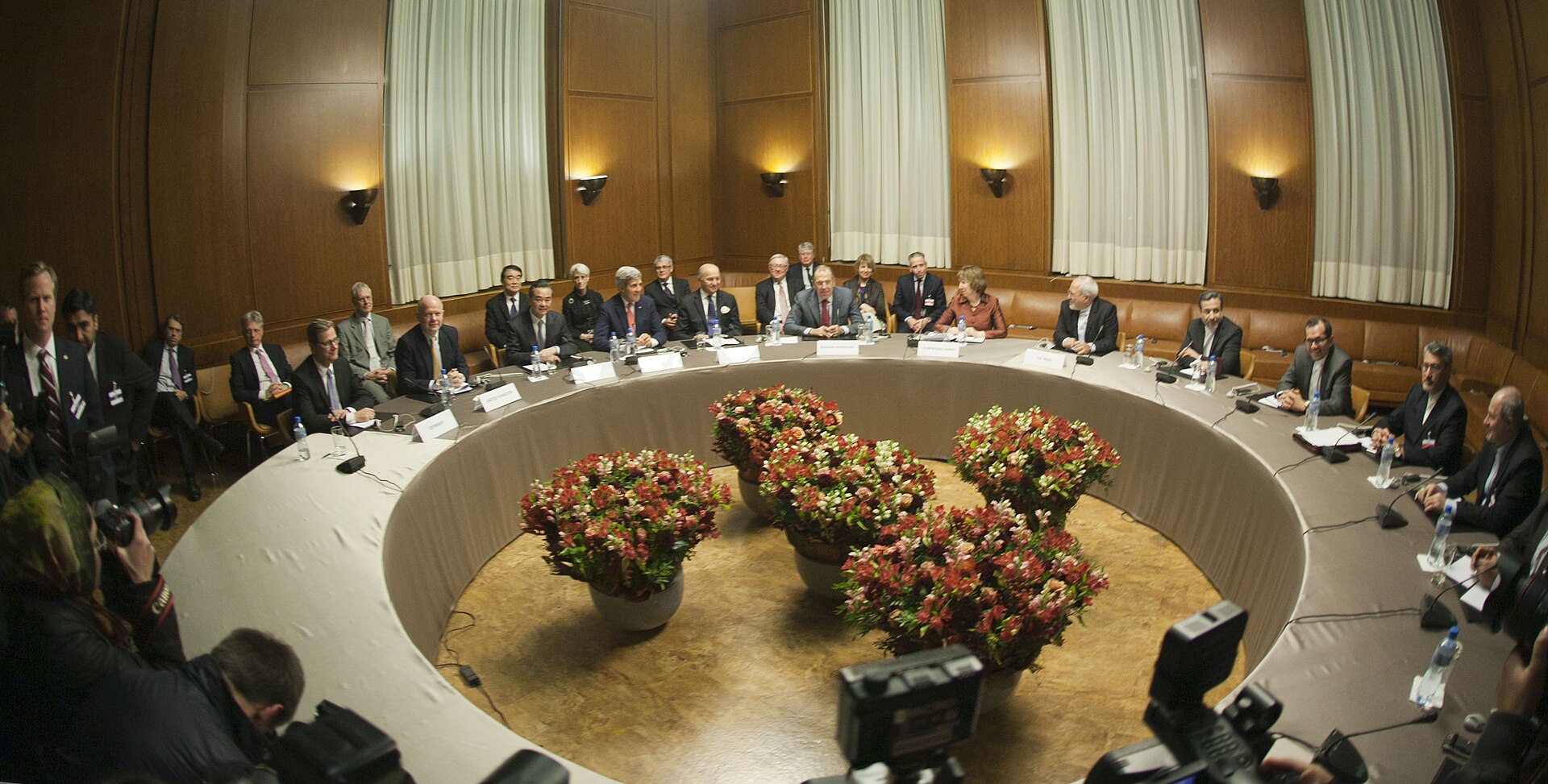
Iran does not need to campaign against the agreement. The deal’s opponents — Markey in the Senate, Sherman in the House, Lapid and Golan in Israel — are building the public record that an enrichment path for Saudi Arabia cannot coexist with an air campaign against Iranian enrichment. Every argument they make reduces the space in which the 123 deal can function as a signal of durable US-Saudi alignment.
How Does the Deal Serve Tehran?
The 123 agreement provides Iran with a powerful counter-argument to the US military campaign since US strikes resumed on July 12. Washington’s case against Iranian enrichment now runs parallel to a thirty-year agreement that may open an enrichment path for Saudi Arabia. Sherman’s formulation maps precisely onto Iran’s longstanding hypocrisy argument.
What is new is the context: American bombs are falling on Iranian soil while Washington signs a nuclear agreement with Riyadh whose enrichment terms remain disputed. The 123 deal converts a diplomatic talking point into a structural exhibit — one that comes with a date and a signatory.
Iran’s audience for this argument is not Washington. It is Moscow, Beijing, and the non-aligned states whose votes at the IAEA Board of Governors and the UN Security Council shape the international legal architecture around the military campaign. If the United States cannot sustain the position that its strikes are driven by nonproliferation principle — rather than commercial preference for who enriches under whose flag — then the multilateral framework supporting the campaign weakens.
The enrichment question in the 123 deal is likely to feature in any future Iranian demand set. Tehran can now argue that it deserves the same enrichment path Washington has left open for Riyadh — or, more effectively, that Washington’s refusal to extend equivalent recognition exposes the campaign as commercially motivated. The deal’s opponents in Congress and Jerusalem are accelerating this argument with each public statement. Sherman’s “Westinghouse” distinction and Markey’s warning of “igniting an arms race in the region” — each formulation is immediately available to Iranian diplomats working non-aligned capitals and Security Council corridors.
Netanyahu’s Exposure
Netanyahu’s silence on the 123 deal is not ambiguity. It is exposure. Both opposition leaders quoted by the Jerusalem Post, Lapid and Golan, framed the deal as evidence of his failure. Neither criticized Trump directly in the remarks reported there.
Trump has since made the deal subject to Saudi Arabia joining the Abraham Accords, a condition Riyadh has not accepted. The opposition is weaponizing the deal domestically. Lapid’s argument — that the deal is “a total failure” on Netanyahu’s part — positions the next election as a referendum on a failure the incumbent cannot dispute without criticizing the American president whose military campaign he depends on. In September, Turkish Foreign Minister Hakan Fidan told the broadcaster NTV that Turkey would have “no issues” meeting Saudi military needs, two days after the US approved a possible F-35 sale to Riyadh.
The gap between private alarm and public silence defines Netanyahu’s position. He cannot endorse a deal that may open an enrichment path for a country that does not recognize Israel. He cannot oppose a deal signed by the president whose support underwrites the Iran campaign. The Congressional review period begins only when the agreement is formally submitted. The Pentagon’s pause in strikes on Iran after thirteen nights sits alongside his silence on the 123 deal.
The Review Clock
Senator Markey said on August 26 that the administration had sent the agreement to Congress, and urged lawmakers to reject it.
The deal’s legal survival is probable. The veto-override math is prohibitive. The procedural architecture favors the executive.
But the 123 agreement’s strategic value is not identical to its legal status. Every hearing and floor statement that frames the agreement as a proliferation concession diminishes its capacity to function as a signal of US-Saudi alignment — the alignment that Tehran is supposed to weigh when calculating whether to negotiate.
Saudi Arabia is not among the mediators. The 123 agreement is what Riyadh has. Its opponents in Congress and Jerusalem have the review period to build a public record of opposition.
Frequently Asked Questions
What is the IAEA Additional Protocol and why does its absence matter?
The Additional Protocol is a supplementary agreement to the IAEA’s Comprehensive Safeguards Agreement (CSA), developed after international inspectors discovered Iraq’s clandestine nuclear weapons program despite Iraq being under standard safeguards. The AP expands inspector access beyond declared nuclear facilities to any location in a signatory state, permits environmental sampling to detect microscopic traces of enrichment activity, and enables short-notice inspections without prior state approval. It also requires states to provide expanded declarations covering nuclear fuel-cycle research and development. Saudi Arabia has signed only the most limited safeguards agreement with the IAEA, and the 123 deal does not include the AP. The bilateral US-Saudi safeguards agreement has no publicly disclosed inspection provisions.
Has Saudi Arabia already started building nuclear infrastructure?
Saudi Arabia declared its civilian nuclear program in April 2010, overseen by the King Abdullah City for Atomic and Renewable Energy (KACARE), whose president has cited a plan for 16 commercial nuclear power reactors by 2030. In March 2018, Crown Prince Mohammed bin Salman said that if Iran developed a nuclear bomb, “we will follow suit as soon as possible.” In 2020, commercial satellite imagery and reports indicated that China National Nuclear Corporation (CNNC) had assisted Saudi Arabia in constructing a yellowcake extraction facility near Al Ula. The 123 deal is expected to involve US firms in developing the program — a commercial-scale step that would represent a qualitative leap beyond the existing infrastructure.
Could the UAE demand renegotiation of its gold standard agreement?
The 2009 UAE 123 agreement has been called the “gold standard” — a standard that, as Senator Markey describes it, bans enrichment and reprocessing and requires IAEA Additional Protocol safeguards. An enrichment path for Saudi Arabia would erode that distinction. The UAE’s Barakah nuclear power plant — four APR-1400 units built by Korea Electric Power Corporation (KEPCO), producing 5.6 gigawatts — operates under that agreement. If Saudi Arabia gains an enrichment path that the gold standard bans, Abu Dhabi faces a structural disadvantage in fuel-cycle development that the 2009 agreement was not designed to accommodate. The precedent effect — the erosion of the gold standard — may be the Saudi agreement’s most consequential secondary impact across the Gulf.
What happens if the 123 deal is blocked by Congress?
A successful blocking vote would not prevent Saudi Arabia from pursuing nuclear development. It would redirect that pursuit toward alternative technology partners. China’s CNNC already has a small-scale presence in the kingdom. South Korea’s KEPCO built the UAE’s Barakah plant. A blocked US deal would hand these competitors access to the Saudi reactor market — and, more consequentially, would remove the bilateral US-Saudi safeguards framework entirely. Saudi Arabia would be free to pursue enrichment with Russian or Chinese partners under less restrictive terms than those the US deal imposes. The irony that blocking proponents face: preventing the American agreement may produce a worse nonproliferation outcome than accepting it. That dynamic persisted into September: when Araghchi submitted a seven-day road map via Qatar, Saudi Arabia was not the channel. Riyadh’s place in that diplomacy is examined in Iran Tabled the Peace Saudi Arabia Postponed.