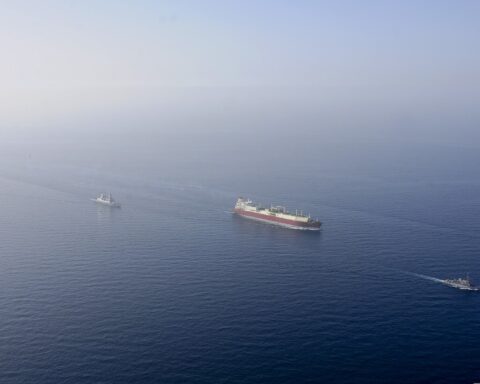

LONDON — Brent crude fell below $89 a barrel on Monday for the first time since late August, extending a selloff that has now posted three consecutive weekly losses and stripped roughly $31 off the price in less than four weeks — a decline that puts the global benchmark well below the level Saudi Arabia needs to cover a wartime budget already running $65.3 billion in deficit. The January 2027 ICE contract touched an intraday low of $86.20 before settling provisionally at $86.58, according to Investing.com, while TASS wire service reported the benchmark at $88.65 — down 4.23% — when it first breached the $89 floor around 15:55 UTC. Three consecutive Friday closes tell the story of the month: $98.32 on November 6, $95.84 on November 13, $92.57 on November 20, each lower than the last, each driven by the same repricing of post-midterm US-Iran risk and a market that increasingly treats the Strait of Hormuz as partially reopened.
Table of Contents
The Drop From $117 to $86
The cumulative decline from Brent’s October 30 close of $117.64 to Monday’s provisional settlement of $86.58 amounts to roughly $31 a barrel — approximately 26% in less than four weeks — according to Investing.com price data. That late-October peak came amid intensified Hormuz mining operations and escalating Houthi strikes against Saudi infrastructure, when traders were pricing in the possibility that Middle East supply disruption would worsen rather than stabilise.
The House of Saud Daily Briefing
Saudi Arabia's news in 3 minutes, every morning. Free. See today's issue
The reversal has been fast enough to strand bank forecasters mid-publication. Morgan Stanley’s October 12 forecast of $105 for the fourth quarter and $100 for the first quarter of 2027 is already $20 above the market, according to Roic.ai. Goldman Sachs, which ran a $120-plus Hormuz disruption scenario as recently as July, set its 2027 Brent average at $88 in a November 15 note, according to DiscoveryAlert. The EIA’s November Short-Term Energy Outlook projects Brent averaging below $90 by the second quarter of 2027 and $77 by the fourth quarter, according to CoinPaper.
Some of the speed is mechanical — post-midterm risk-premium compression met a thinning of Thanksgiving-week liquidity. But the direction reflects a genuine shift in the market’s assumptions about Middle East supply, with investors who spent October pricing in permanent disruption now betting on partial recovery even as the IRGC claimed two supertankers hit mines in the Strait of Hormuz on the same day Brent fell below $89.
How Far Can Brent Fall Before Saudi Arabia’s Budget Breaks?
For Saudi Arabia, every dollar below $90 compounds a revenue shortfall that nine months of elevated wartime prices could not close, with the OPEC+ meeting on November 29 now the last scheduled mechanism for price support before the current quota framework expires on December 31. Saudi Arabia’s 2026 budget assumed a deficit of SAR 165.4 billion ($44.1 billion), a figure that reads as a relic from before the war reshaped every line in the spreadsheet. The Ministry of Finance’s September pre-budget statement revised the 2026 shortfall to SAR 245 billion — 48% wider than budgeted — with oil-related economic activity down 21.8% and total spending running 9.3% above plan, according to Reuters via Zawya.
The quarterly trajectory makes the gap vivid: oil revenue fell 23% year-on-year in the third quarter, pushing the Q3 deficit alone to SAR 84 billion, according to the Saudi Gazette. Military spending in the first quarter reached SAR 64.7 billion ($17.2 billion), up 26% year-on-year, according to Gulf News, and there is no public indication that the second or third quarters were cheaper — the coalition’s Yemen campaign intensified through the summer and autumn, with Iran now threatening “all available means” against the US naval blockade.
An AGSI analysis estimated the nine-month cumulative deficit at SAR 244.31 billion — effectively the entire revised full-year figure with one quarter still to go. The same analysis projected the actual 2026 outturn at closer to 5.5% of GDP than the Ministry of Finance’s 4.9% estimate.
Exactly where the fiscal breakeven sits depends on who is counting and what they include. Fitch, which rates the kingdom A+/Stable, projects the 2027 deficit at 3.7% of GDP in terms consistent with a breakeven of approximately $94 a barrel, according to its July assessment via Argaam. Bloomberg Economics, in a pre-war estimate, put the narrow breakeven at $96 and placed it at $111–113 when the Public Investment Fund’s spending commitments are included — both figures assuming output near the OPEC+ quota of roughly 10.5 million barrels per day, a level the kingdom has not consistently maintained since the war disrupted its export routes.
Tim Callen, a former IMF official, told AGBI in September that “we are likely to see a period of higher military spending in the next few years as a result of the last few months or so.” Semafor reported in October that Saudi Arabia’s debt-to-GDP ratio could exceed its self-imposed 40% ceiling before the decade is out if current spending trajectories hold, and the 2027 pre-budget projection of a SAR 191 billion ($50.9 billion) deficit — while narrower than 2026 — still assumes revenue conditions that Brent at $86 does not deliver.
Trump Claims Credit as Markets Reprice Iran
The post-midterm repricing that has driven the selloff acquired its narrator on Saturday, when President Trump posted on Truth Social that “oil prices have dropped precipitously after the midterm elections,” adding “I said that was going to happen” and attributing the prior run-up to “the Dems and Iran,” according to TASS. The framing conflated two distinct dynamics — the Democratic gains in the November 4 midterm elections, and the market’s assumption that a more Congress-constrained Trump would be less likely to escalate the Iran confrontation into a full blockade.
“Isn’t it interesting that oil prices have dropped precipitously after the midterm elections? I said that was going to happen.”
— Donald Trump, Truth Social, November 21, 2026
The timing is more complicated than the post suggests. Twenty-four hours earlier, Trump told Fox News via correspondent Trey Yingst that he was “inclined to resume strikes against Iran after the New Year if no deal is reached,” according to TASS — the kind of statement that in October would have sent Brent sharply higher. That the market shrugged off the threat and continued selling into Monday suggests traders now assign more weight to the political constraints of a post-midterm Congress, where Democratic gains in both chambers raise the probability of war-powers resolutions and Iran diplomacy, than to Trump’s oscillation between warnings of new strikes and claims of credit for the calm.
What Can OPEC+ Do on November 29?
The OPEC+ alliance has held December output targets at September levels for three consecutive monthly decisions — October, November and December — according to The National News and Reuters, a posture that amounted to doing nothing while the war set prices for them. That luxury has expired with the benchmark, and the November 29 session in Vienna carries a weight the routine pauses did not: Jorge Leon at Rystad Energy told Reuters it is “the much more important test” for the group, while OPEC Secretary General Haitham Al Ghais described the capacity review on the agenda as a “historic milestone,” according to FinanceFeeds.
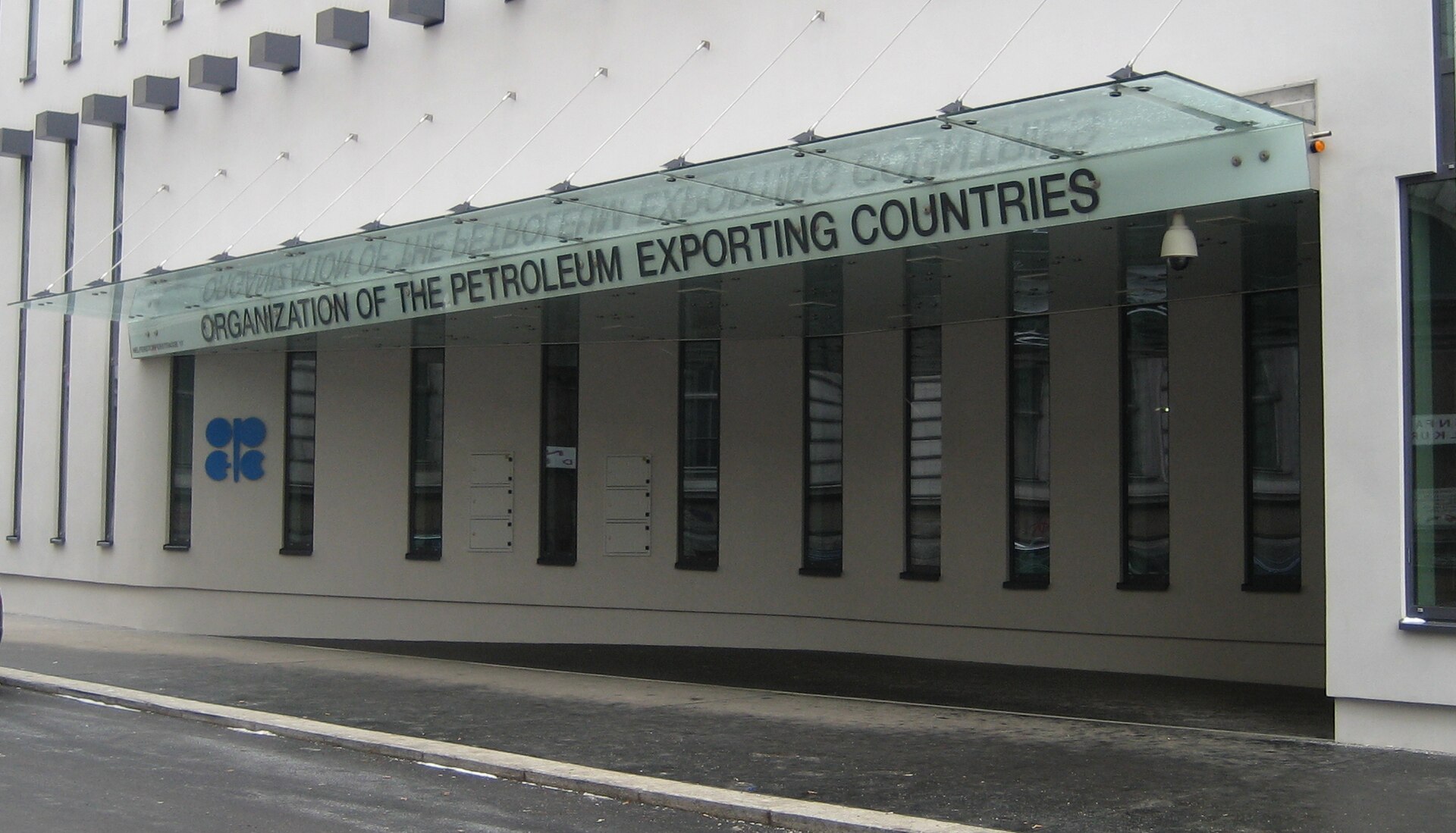
The group’s options are constrained from every direction. Saudi Arabia needs prices higher, which argues for deeper cuts or at minimum a rollover of existing restraint into 2027 with binding new quotas, but the UAE — which left the OPEC+ alliance in May 2026 — is no longer bound by the framework, and Kazakhstan and Russia have a documented pattern of producing above their targets. The IEA projects a global supply surplus of approximately 3.8 million barrels per day in 2027, while the EIA expects US crude output to reach a record 14.3 million barrels per day, according to CoinPaper — numbers that dilute any restraint the remaining members can agree on.
What the market is watching is whether Saudi Arabia will volunteer a unilateral cut to defend a price floor, or whether the group will roll over the existing framework and trust that geopolitical risk alone keeps prices from sliding further. Ajit Mishra, senior vice president of research at Religare Broking, told DiscoveryAlert the meeting is “the key price catalyst for oil this month,” while UBS analyst Gautam Chhaochharia put his 2027 Brent average at around $80, adding that prices near $91 “remain too high for importers such as India.”
The Supply Surplus and Iran’s War Economy
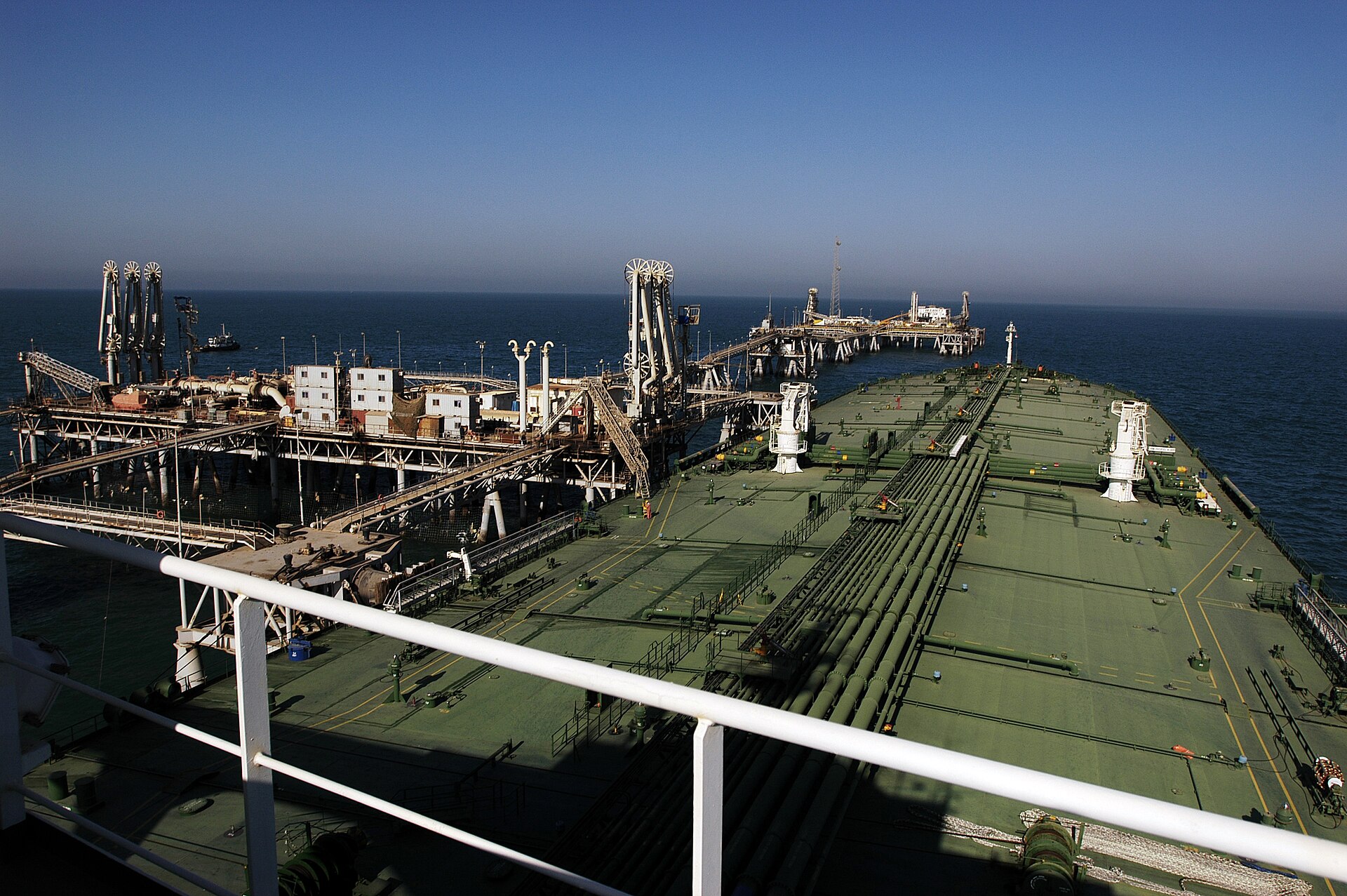
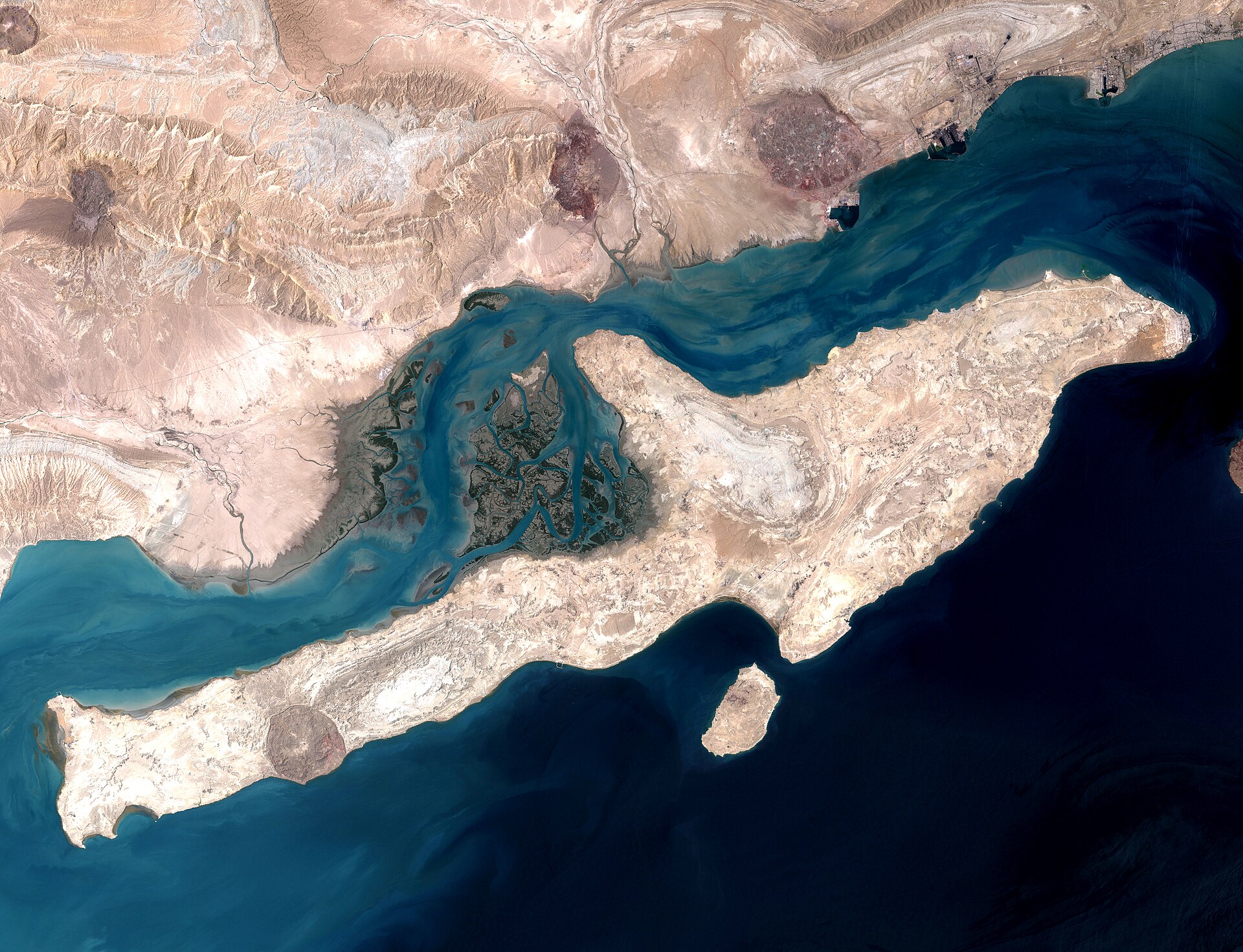
The market’s supply-recovery bet rests on a reading of Hormuz that is more optimistic than the headlines would justify. On the same Monday that Brent fell below $89, the IRGC claimed two supertankers had struck mines in the Strait and Iran’s military declared it would use “all available means” against the American naval presence — statements that in October would have added several dollars to the barrel and in November barely registered, a sign that traders have absorbed months of disruption and concluded, rightly or wrongly, that enough crude is getting through to prevent the kind of supply crisis October’s prices anticipated.
Iran’s own economy offers a perspective the market is not fully pricing in. Acting Petroleum Minister Hamid Bovard told reporters in Tehran on November 23 that “we are in a state of war and selling oil is part of our tactics,” adding that he would not discuss details in the media, according to TASS. Iran’s output has fallen from approximately 3.26 million barrels per day before the war to roughly 2.48 million barrels per day by July 2026, according to Shana and the Tehran Times — a 24% decline that Iranian officials characterise as managed rather than crippling, with South Pars restoration underway.
“We are in a state of war and selling oil is part of our tactics. But we don’t talk about this in the media.”
— Hamid Bovard, Iran Acting Petroleum Minister, November 23, 2026
Fitch warned in its July assessment that “conflict-related disruption” remains the main risk to its Saudi credit outlook, and the delegates who convene in Vienna on November 29 will do so with Brent at a price Goldman Sachs was forecasting for the whole of 2027 just eight days earlier. On Monday, the benchmark closed below every current estimate of what Saudi Arabia needs to balance its wartime books.
Frequently Asked Questions
What is Saudi Arabia’s fiscal breakeven oil price?
The answer depends on what costs are included. The IMF’s April 2025 Regional Economic Outlook placed Saudi Arabia’s breakeven at $85.4 per barrel for 2025 and $81.2 for 2026, but those projections assumed normal production volumes of roughly 10 million barrels per day and no large-scale military spending — assumptions the Iran war invalidated within weeks of publication. Under wartime conditions, Fitch’s July 2026 assessment implies a breakeven near $94 a barrel, Bloomberg Economics, in a pre-war estimate, put the narrow breakeven at $96 and placed it at $111–113 when PIF capital expenditure is factored in.
How much has Brent dropped from its 2026 peak?
Brent’s 2026 high was $126.41 a barrel on April 30, according to Aletihad and Reuters, reached during the most acute phase of the Hormuz closure when Saudi exports had fallen to roughly 3.2 million barrels per day from roughly 7 million pre-war, according to Kpler data cited by Wood Mackenzie. The decline from that peak to Monday’s provisional close of $86.58 is approximately $40 a barrel, though prices partially recovered during the summer before the latest selloff accelerated in late October. The benchmark first passed $100 on March 8 at $101.19, according to the Associated Press.
When does the current OPEC+ quota framework expire?
The existing quota authorisations run through December 31, 2026, with no post-December framework in place. The November 29 meeting is intended to establish 2027 production quotas, but the group faces a weakened internal structure after the UAE’s departure in May 2026 removed a swing producer from the alliance. Saudi Arabia’s OPEC+ target has sat at approximately 10.5 million barrels per day since the September decision, though actual output has fluctuated with Hormuz disruption and pipeline capacity constraints.
How much has the Iran war cost Saudi Arabia?
SIPRI’s 2025 annual report put Saudi military expenditure at $83.2 billion, approximately 6.5% of GDP, according to AGBI. Under wartime conditions the figures have risen sharply: Q1 2026 military spending alone reached SAR 64.7 billion ($17.2 billion), 26% above the same quarter a year earlier, according to Gulf News. The first-quarter deficit was SAR 125.7 billion ($33.5 billion) with spending up 20% overall, according to the Saudi Gazette — and the first three quarters have already produced a cumulative deficit close to the full-year revised figure of SAR 245 billion, suggesting the final outturn will overshoot again.
What did Iran’s oil minister say about the price drop?
Acting Petroleum Minister Hamid Bovard spoke to reporters in Tehran on November 23, saying Iran’s production remains stable and the ministry is working to restore output at the South Pars field, according to TASS. He characterised oil sales as part of Iran’s war tactics but said the government does not discuss the details publicly — a posture consistent with Iran’s pattern of maintaining economic operations under sanctions and blockade conditions since the conflict began in February 2026.
The House of Saud Daily Briefing
Saudi Arabia's news in 3 minutes, every morning. Free. See today's issue