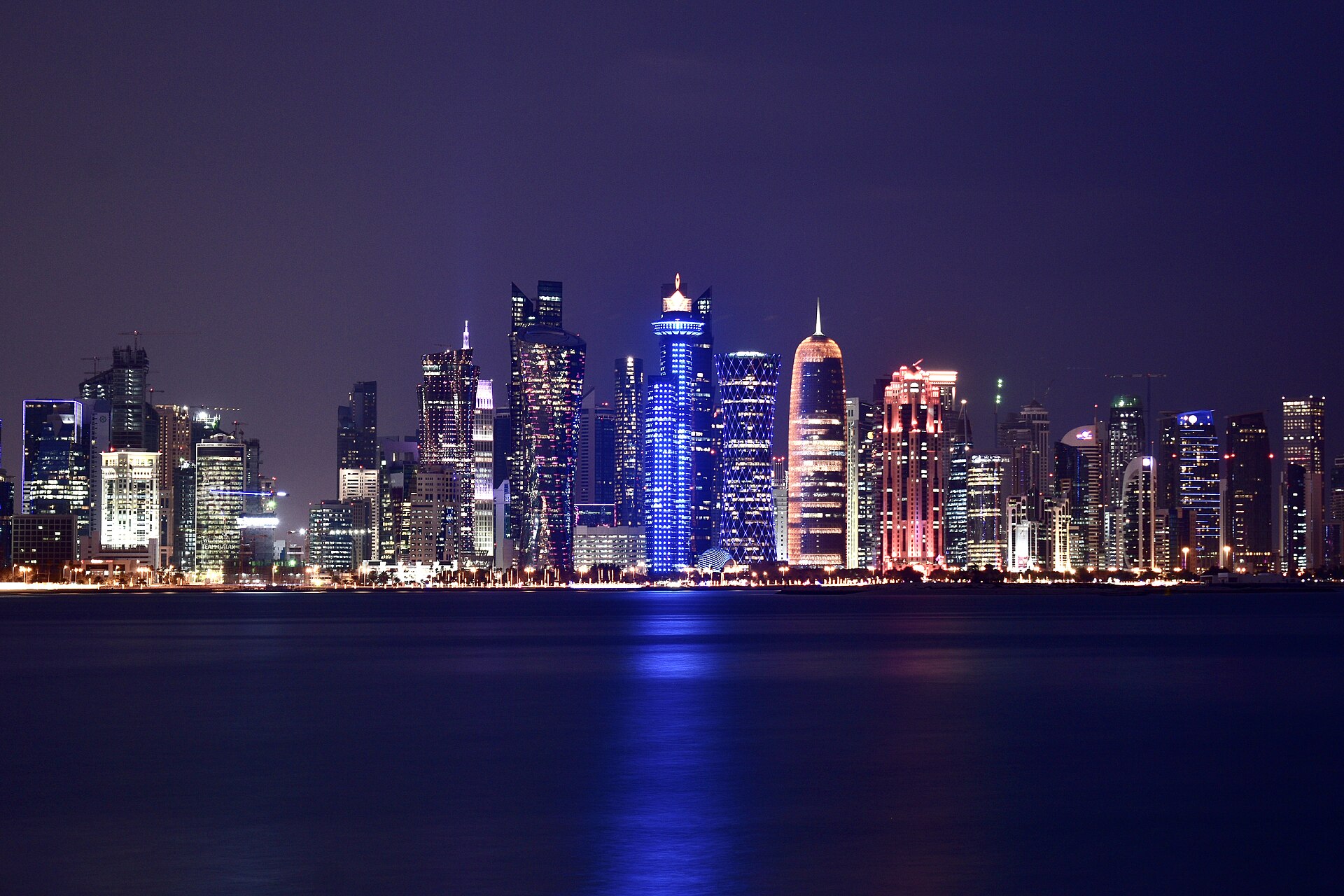
DOHA — Iran’s foreign ministry spokesperson Esmail Baqaei stated on June 30 that Iran would hold “no negotiations at any level with the American side in the coming days,” directly contradicting President Donald Trump’s claim, posted to Truth Social the previous evening, that Iran had requested a meeting in Doha. Hours later, Qatar’s foreign ministry spokesperson Majed al-Ansari confirmed at the country’s weekly media briefing that “no high-level delegation is currently planned to visit Doha.”
The statements from Tehran and Doha aligned against the same American claim on the same day. Trump had posted on June 29: “IRAN HAS REQUESTED A MEETING. IT WILL TAKE PLACE TOMORROW IN DOHA!” The post came less than two hours after Iran’s senior negotiator Kazem Gharibabadi told PBS News that technical working group meetings were “not planned” for this week. On June 30, the host government — the country where the meeting was or was not happening — confirmed Iran’s version.
Table of Contents
Three Versions of One Day in Doha
Steve Witkoff and Jared Kushner, Trump’s envoys, landed in Doha on June 30 and met Qatari Prime Minister Sheikh Mohammed bin Abdulrahman al-Thani and other Qatari mediators. No Iranian counterpart was in the room. Bloomberg, CNN, and Time confirmed the meetings were with Qatari officials only.
Iran’s delegation was in Doha simultaneously, meeting Qatari officials to discuss implementation of MOU Article 11 — the frozen assets clause. Al Jazeera’s live blog reported Iran’s agenda as exclusively Article 11 implementation, not broader negotiations or any engagement with the American delegation.
Two delegations in one city, talking to the same mediators about the same agreement, without talking to each other. Bloomberg described the format as “indirect talks.” CNN framed Witkoff and Kushner as arriving “for talks with mediators about Iran.” NBC News called the prospects for a meeting “uncertain.” Iran has not acknowledged even the “indirect talks” characterization.
Trump’s version: Iran requested the meeting. Baqaei’s version: Iran is not negotiating with the US, and American travel to Qatar “has nothing to do with the Iranian delegation’s trip.” Qatar’s version, from the government that controls the venue, the security arrangements, and the meeting logistics: no high-level meeting was planned. Al-Ansari’s statement, reported by The Tribune India, Time, and ABC News, described what Qatar itself had or had not scheduled.
The Middle East briefing 3,000+ readers start their day with.
One email. Every weekday morning. Free.
What Did Baqaei Actually Say?
Baqaei’s June 30 statement went further than Gharibabadi’s denial the day before. Where Gharibabadi had said technical talks were “not planned,” Baqaei closed the door on the entire category: “We will not have any negotiations at any level with the American side in the coming days,” he told reporters, according to CBS News and ABC News.
“The fact that American representatives are travelling to Qatar has nothing to do with the Iranian delegation’s trip. Reports by some media outlets about the holding of technical talks of the working groups in Doha are not confirmed.” — Esmail Baqaei, Iranian FM spokesperson, June 30, 2026
Then the precondition. Baqaei stated Iran would “evaluate the current process in the coming days and decide based on that how and when to begin negotiations for a final agreement.” The criterion he set was explicit: Washington must “force” Israel to stop attacks on Lebanon before Iran will negotiate, as reported by CBS News and NBC News.
That criterion maps directly to the MOU’s own text. Article 1 requires “immediate and permanent termination of military operations on all fronts, including in Lebanon.” Both sides signed that language thirteen days ago in Islamabad.
Why Would Qatar Confirm Iran’s Account?
Qatar’s foreign ministry statement on June 30 is difficult to read as diplomatic alignment with Tehran, given what happened seventy-two hours earlier. On June 27, the IRGC struck Qatar’s Al Udeid Air Base. Qatar’s Ministry of Defense confirmed the strike and reported no casualties. Qatar continued its mediator role without interruption.
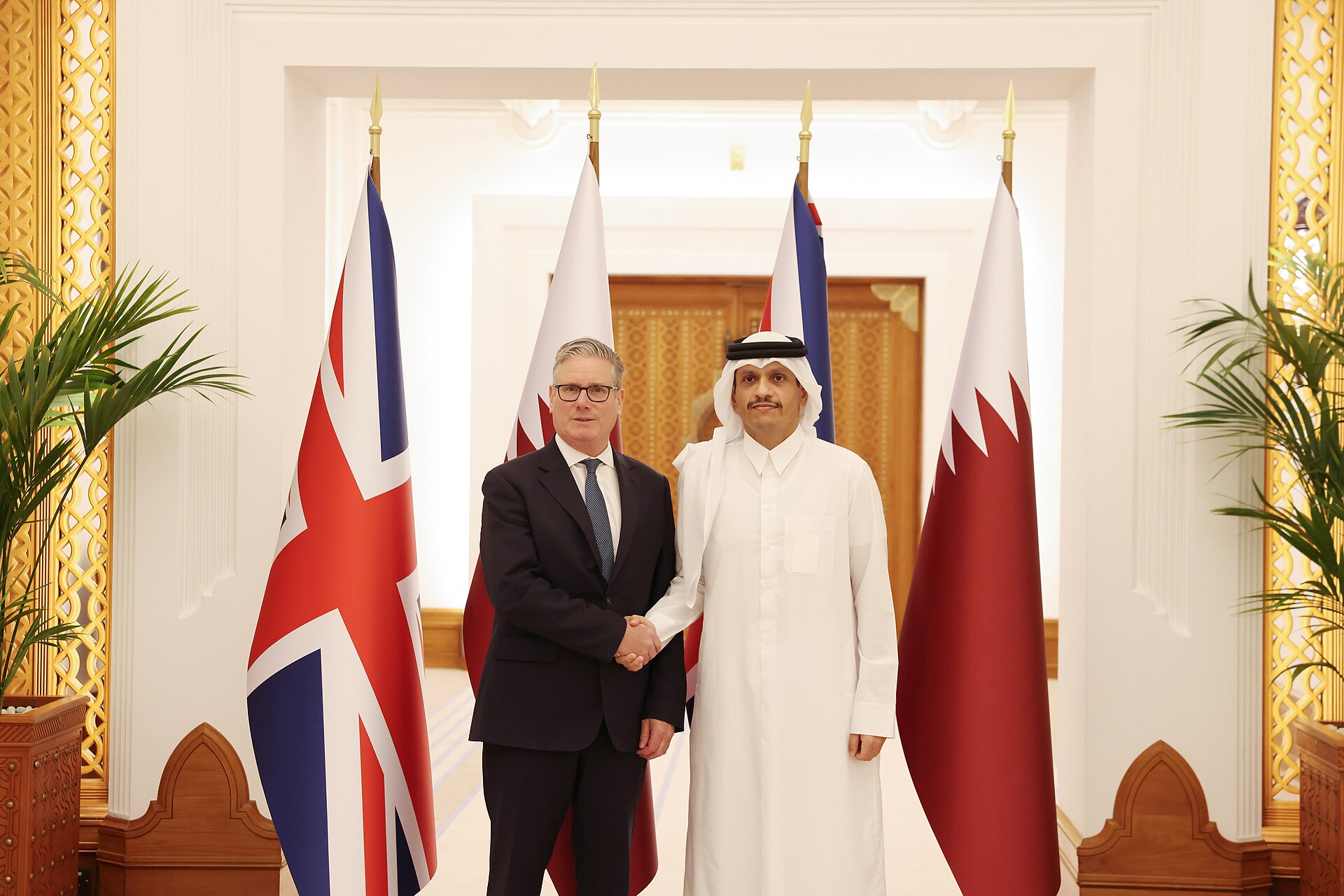
Emir Tamim personally brokered the oral stand-down between June 28–29 that restored a fragile truce after both sides violated the MOU within its first ten days. Qatar holds Iranian frozen funds that include the $6 billion at the center of the Article 11 dispute. Qatar’s PM al-Thani is an acknowledged co-mediator alongside Pakistan as the MOU’s primary mediator.
The country whose air base was struck by Iranian missiles on June 27 confirmed Iran’s account of what happened in Doha on June 30. Al-Ansari reported what Qatar itself did or did not organize: no high-level meeting was planned.
Iran has denied talks before while conducting them. In April 2025, Tehran denied backchannel contacts in Oman while Foreign Minister Abbas Araghchi met Witkoff through Omani intermediaries in separate rooms in Muscat. The indirect format was structurally compatible with public denial.
Al-Ansari’s careful phrasing on June 30 — “no high-level delegation currently planned” — leaves room for technical-level or messenger-facilitated contacts that would not constitute a formal meeting. The difference between Muscat and Doha: in 2025, Oman neither confirmed nor denied in real time. In 2026, Qatar spoke.
The Article 13 Sequencing Gate
Iran’s invocation of a Lebanon precondition is grounded in Article 13 of the MOU, which establishes an explicit sequencing requirement: negotiations toward a final agreement cannot begin until Articles 1, 4, 5, 10, and 11 are implemented. Five of the agreement’s fourteen articles must be fulfilled before the next phase can start, as reported by IRNA via Palestine Chronicle.
The five prerequisite articles cover the all-fronts ceasefire including Lebanon (Article 1), Hormuz transit (Article 4), sovereignty provisions (Article 5), sanctions (Article 10), and frozen assets (Article 11). By Iran’s reading, Article 1 remains unimplemented as long as Israeli military operations continue in Lebanon — and until it is, the sequencing gate blocks what Baqaei called “negotiations for a final agreement.”
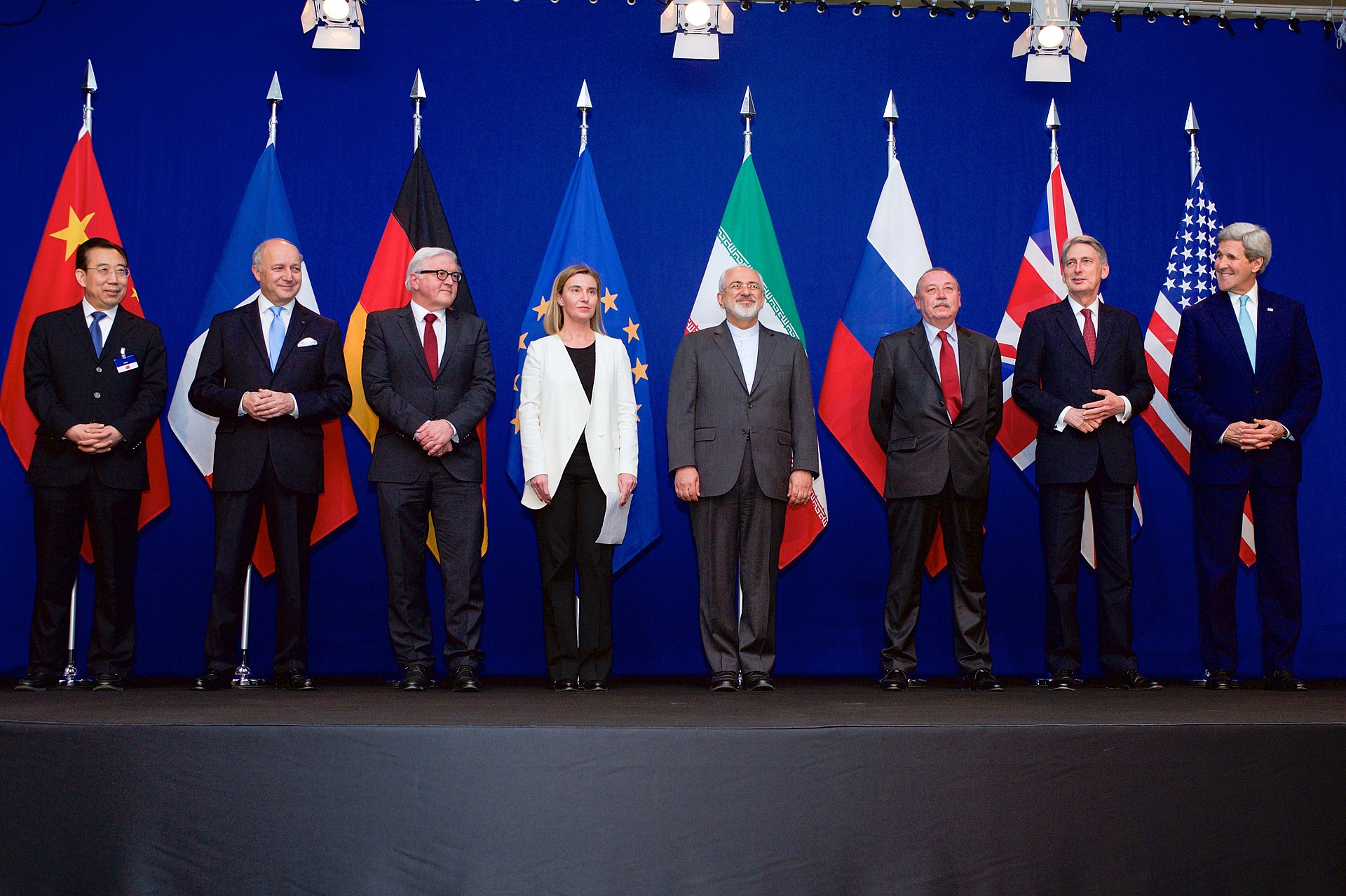
The MOU provides no named arbitrator, no enforcement body, and no dispute mechanism for cases where one party cites Article 13 and the other contests the reading. If Washington considers the relevant articles sufficiently implemented and Tehran disagrees, the fourteen-point text offers no resolution procedure.
The Lake Lucerne monitoring group established under the agreement has no emergency protocol for interpretive disputes. Article 14 references a future UNSC resolution that has not yet been adopted, leaving the MOU’s enforcement architecture incomplete by its own design.
Thomas Warrick, a non-resident senior fellow at the Atlantic Council, assessed on June 22 that “the next phase of technical negotiations could prove far more challenging than the political agreement itself, and may ultimately take longer than the 60-day timeline outlined in the interim deal.” The Phase 2 clock, which started June 17, is on Day 13 with forty-seven days remaining.
The $6 Billion Qatar Holds
On June 29, Iranian President Masoud Pezeshkian stated that $6 billion of Iran’s frozen funds held in Qatar would be “released and returned” under the MOU, as reported by Tasnim News Agency and PressTV. US officials, speaking to CBS News, said no frozen assets had been released. Qatar — which holds the funds — has not publicly stated whether the $6 billion is being processed, withheld, or still under negotiation.
The funds trace to the 2023 prisoner swap brokered by Qatar under the Biden administration. Iranian oil revenues held in South Korean banks were transferred to Qatari-held accounts and subsequently refrozen after the October 7 attacks. Whether the MOU’s Article 11 unfreezes those same funds, unlocks a different pool, or establishes a new release mechanism has not been publicly clarified by any party. The discrepancy between Pezeshkian’s “will be released” and Washington’s “nothing released” sits with the one government that knows the actual status of the accounts: Qatar.
Iran’s delegation in Doha on June 30 was, by Al Jazeera’s account, meeting Qatari officials specifically about Article 11 implementation. PressTV’s headline on June 29 captured Iran’s framing of its Doha presence: “Pezeshkian: Iran to recover $6 billion in funds frozen in Qatar under Islamabad MoU.” The operative verb was “recover.”
Iran has consistently characterized its Doha track as frozen-asset recovery, distinct from any nuclear or security negotiation. Baqaei’s denial on June 30 reinforced this by explicitly separating Iran’s presence in Qatar from the American delegation’s arrival — a distinction Qatar’s own spokesperson confirmed.
Background
The MOU was signed in Islamabad on June 17, 2026, establishing a 60-day framework for US-Iran negotiations mediated primarily by Pakistan, with Qatar as co-mediator. The agreement’s fourteen articles cover military de-escalation (Article 1), Strait of Hormuz transit (Articles 4–5), nuclear enrichment and IAEA-supervised HEU downblending (Article 8), frozen assets (Article 11), and sequencing for final negotiations (Article 13).
Iran initially denied Trump’s talks announcement on June 29 through senior negotiator Gharibabadi. Baqaei’s June 30 statement escalated that denial, closing off “any level” of negotiation and adding the Lebanon precondition. The broader question of what Doha committed to under the MOU — and whether the parties agree on the format of their own diplomacy — remains unresolved between three governments offering three versions of the same day.
Saudi Arabia holds no seat at the Doha table, no role in the MOU’s mediator structure, and no formal position in the Phase 2 nuclear track. FM Prince Faisal bin Farhan visited Beijing on the same day Doha negotiations proceeded without Riyadh. Iran separately barred IAEA inspectors on June 30 until all sanctions are terminated, extending a verification blackout that has lasted 121 days, with 440.9 kilograms of HEU at 60 percent enrichment unverified since June 10, 2025. On July 1, the Doha technical session confirmed working groups had been formed but left a reported $3 billion frozen-asset agreement unconfirmed by Washington.
Frequently Asked Questions
Has any US official corrected Trump’s Truth Social post?
No. As of June 30, the White House, the State Department, and the National Security Council had not addressed the discrepancy between Trump’s claim that “IRAN HAS REQUESTED A MEETING” and Qatar’s confirmation that no high-level meeting was scheduled. CNN described Witkoff and Kushner as arriving “for talks with mediators about Iran.” Bloomberg characterized the format as “indirect talks.” NBC News used “uncertain.” The Washington Times went further on June 29: “Iran says it won’t go.” None of these framings matched the president’s characterization.
Could indirect contacts still be happening through Qatari mediators?
Al-Ansari’s statement specified “no high-level delegation currently planned.” That phrasing is consistent with technical-level or messenger-mediated contacts below the threshold of a formal meeting. Both delegations were talking to the same Qatari mediators about the same agreement on the same day. The April 2025 Muscat format produced substantive outcomes while both sides publicly denied direct contact. Al-Ansari’s phrasing leaves the same space open.
What happens to the MOU if Iran maintains the Article 13 block?
The 60-day clock runs regardless of whether negotiations continue. If Day 60 passes (approximately August 16) without a final agreement, the PGSA’s default fee structure reverts at an implied $5.5 million per day against Saudi exposure. The MOU contains no extension mechanism, no pause provision, and no abort clause in its publicly available text. Iran’s invocation of Article 13 does not stop the clock — it blocks the negotiation track while the implementation requirements Iran cites remain unmet.
Is Iran still participating in the MOU?
Iran has not declared the MOU dead or suspended. Its delegation traveled to Doha on June 30, meeting Qatari officials on Article 11 (frozen assets) implementation. Iran’s position distinguishes between MOU implementation — which it says it is conducting — and final-agreement negotiations — which it says Article 13 does not yet permit. Iran has used the MOU’s own provisions to justify actions that appear to block the agreement’s progress while remaining technically within its framework. That position now has explicit institutional backing: Iran’s Assembly of Experts declared Hormuz reopening a strategic mistake, providing a constitutional-body endorsement of the same sequencing logic — full sanctions termination before any concession — that Doha confirmed Tehran is maintaining.