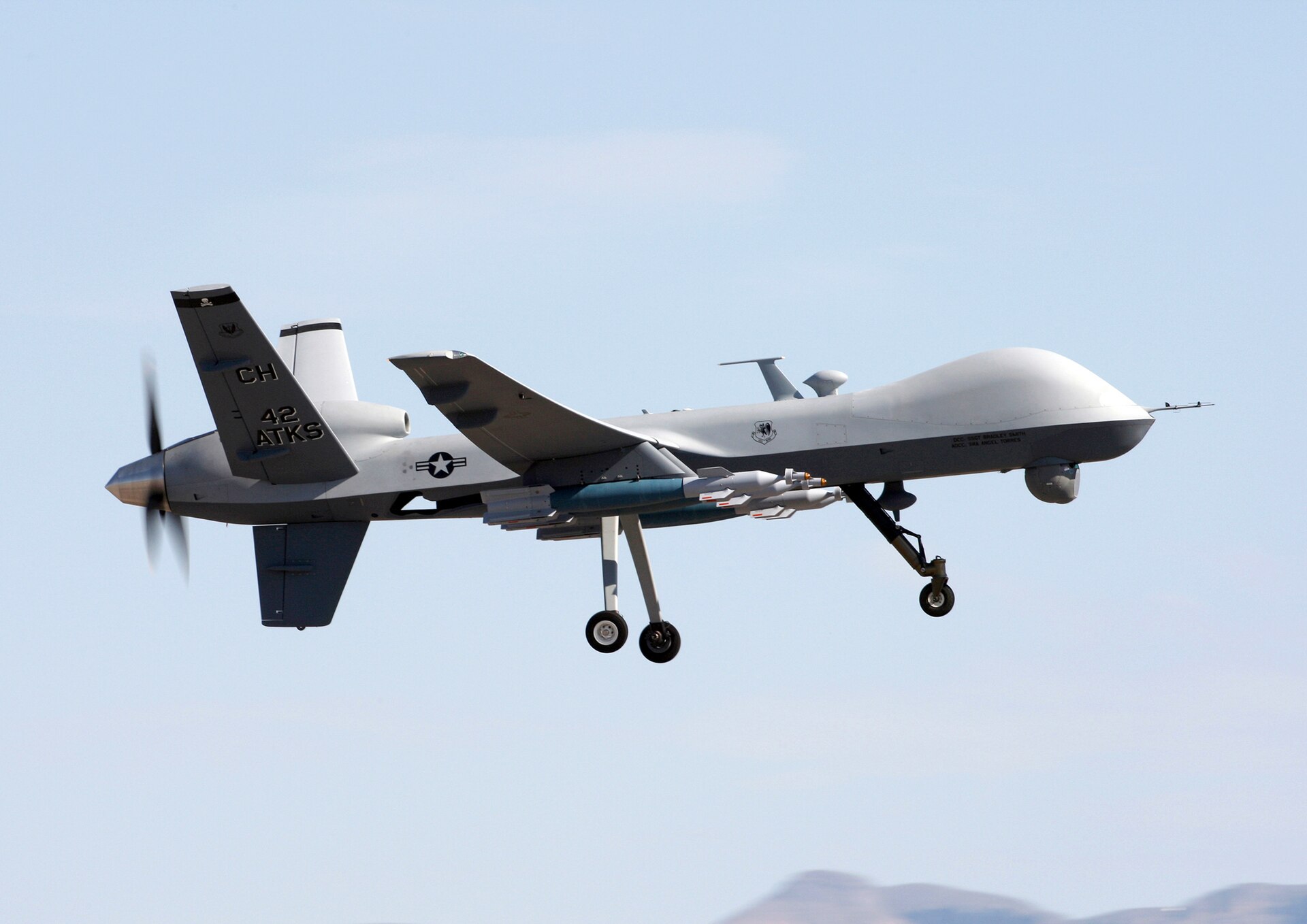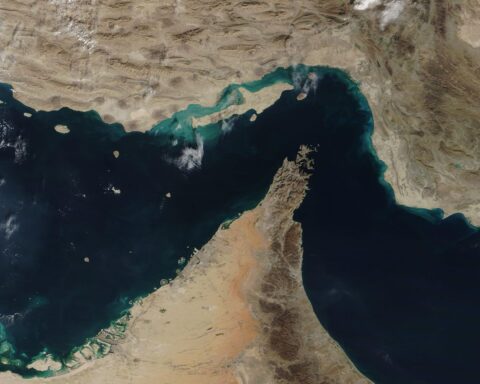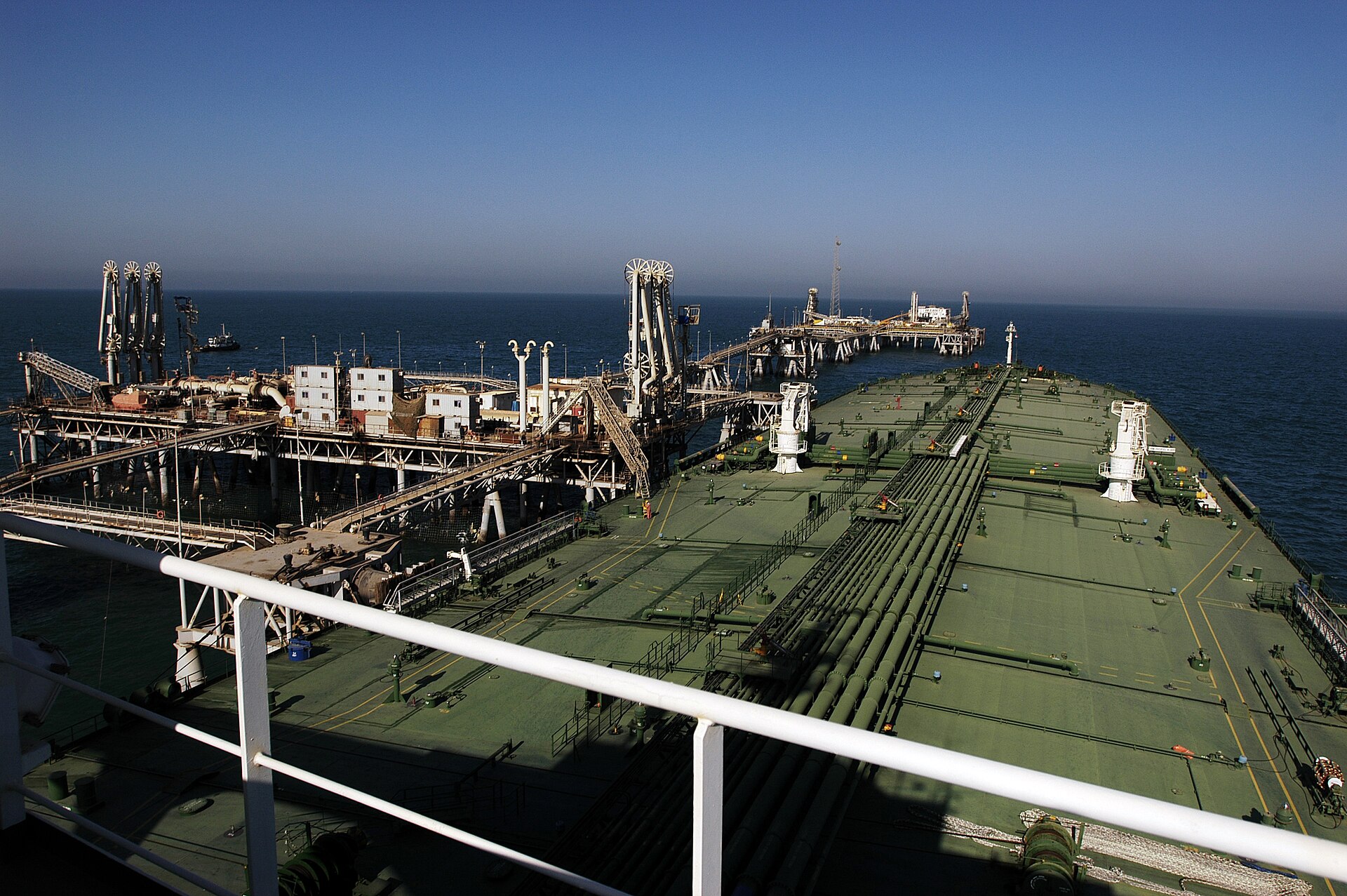

DUBAI — The United Kingdom Maritime Trade Operations centre issued two separate attack warnings within 50 minutes on November 21, reporting that unknown projectiles struck two outbound tankers in the Strait of Hormuz near Oman’s Khasab peninsula. Iran’s Navy and the Islamic Revolutionary Guard Corps claimed the vessels had entered prohibited waters and struck naval mines — the same framing Tehran has applied to every tanker attack since the strait’s closure, and one that CENTCOM, UKMTO and India’s Ministry of External Affairs have all rejected in prior incidents.
The strikes brought to four the number of tankers hit within 13 nautical miles of Khasab in three days, according to Orbital Risk Intelligence, and to approximately 19 the number of attacks in and around Hormuz in November alone, ABC News reported citing UKMTO data as of November 18. The Joint Maritime Information Center maintained its highest threat classification — SEVERE — warning that further attacks were “highly likely” in the next 24 to 48 hours.
The House of Saud Daily Briefing
Saudi Arabia's news in 3 minutes, every morning. Free. See today's issue
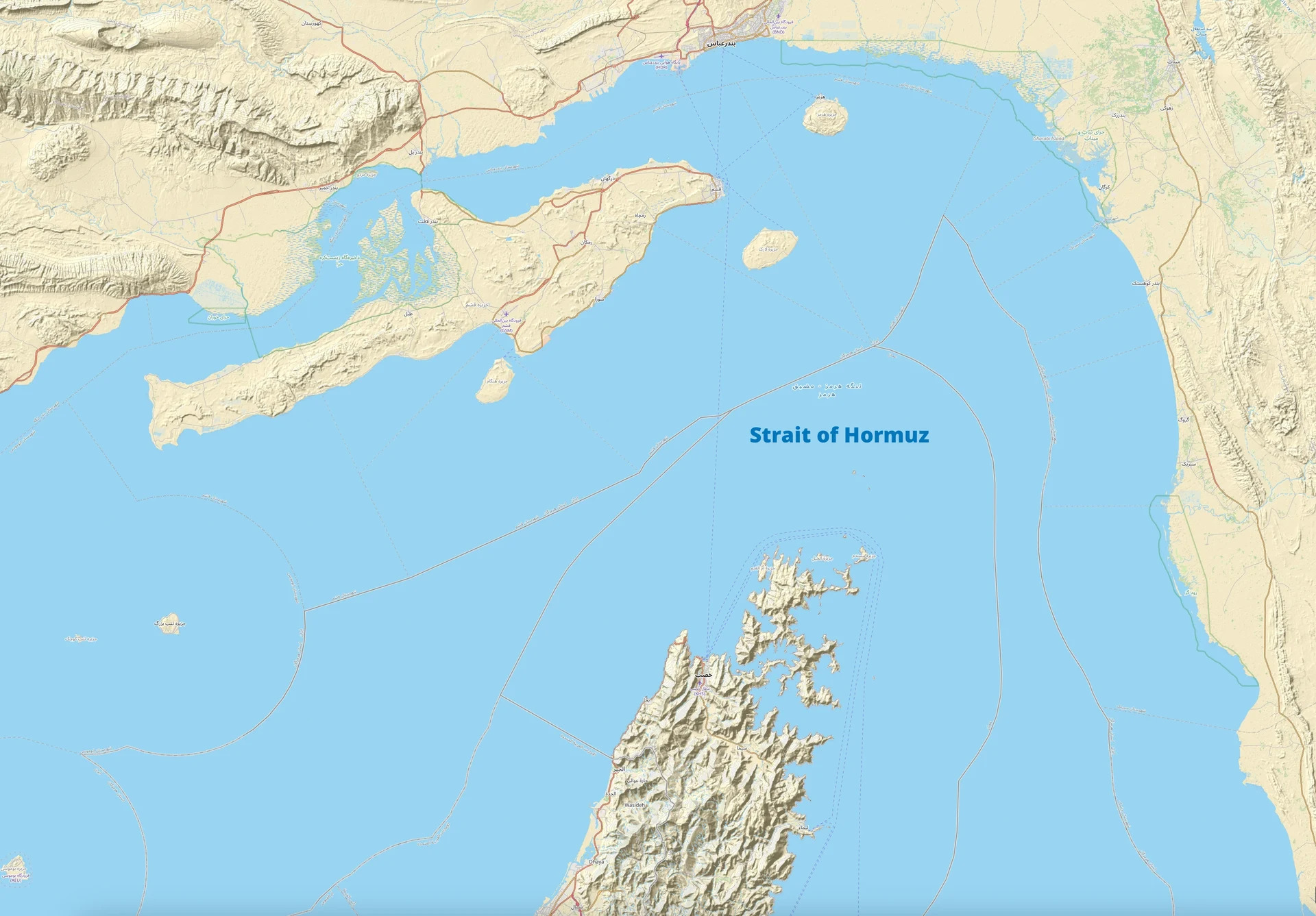
Table of Contents
2 Warnings in 50 Minutes: What UKMTO Reported
UKMTO Warning 215-26, posted at approximately 0500 UTC on November 21, stated that a tanker travelling outbound through the Strait of Hormuz was “struck on its stern by an unknown projectile” approximately 11 nautical miles north of Khasab, Oman, according to Siasat.com and the Times of Israel, which cited a Reuters report. No casualties were reported. Environmental impact was not confirmed.
Fifty minutes later, UKMTO posted Warning 216-26. A second tanker, also outbound, had been “struck in its engine room by an unknown projectile” approximately 17 nautical miles east of Khasab, the Tribune India reported. UKMTO titled the posting “UKMTO WARNING 216-26 – ATTACK.” No casualties were reported.
Neither vessel was named in either warning. No flag state, owner or cargo has been identified in any available source — Siasat.com, Tribune India, gCaptain and the Times of Israel all reported the same gaps in information as of November 21.
The two strikes followed a third tanker attack the previous day. UKMTO Warning 214-26, issued November 20, reported that an outbound tanker had been struck by an unknown projectile on its port bow approximately 8 nautical miles north of Khasab at about 1500 UTC, with fire onboard, according to gCaptain and Middle East Eye. No casualties were reported in that incident either.
What Does Iran Say Happened?
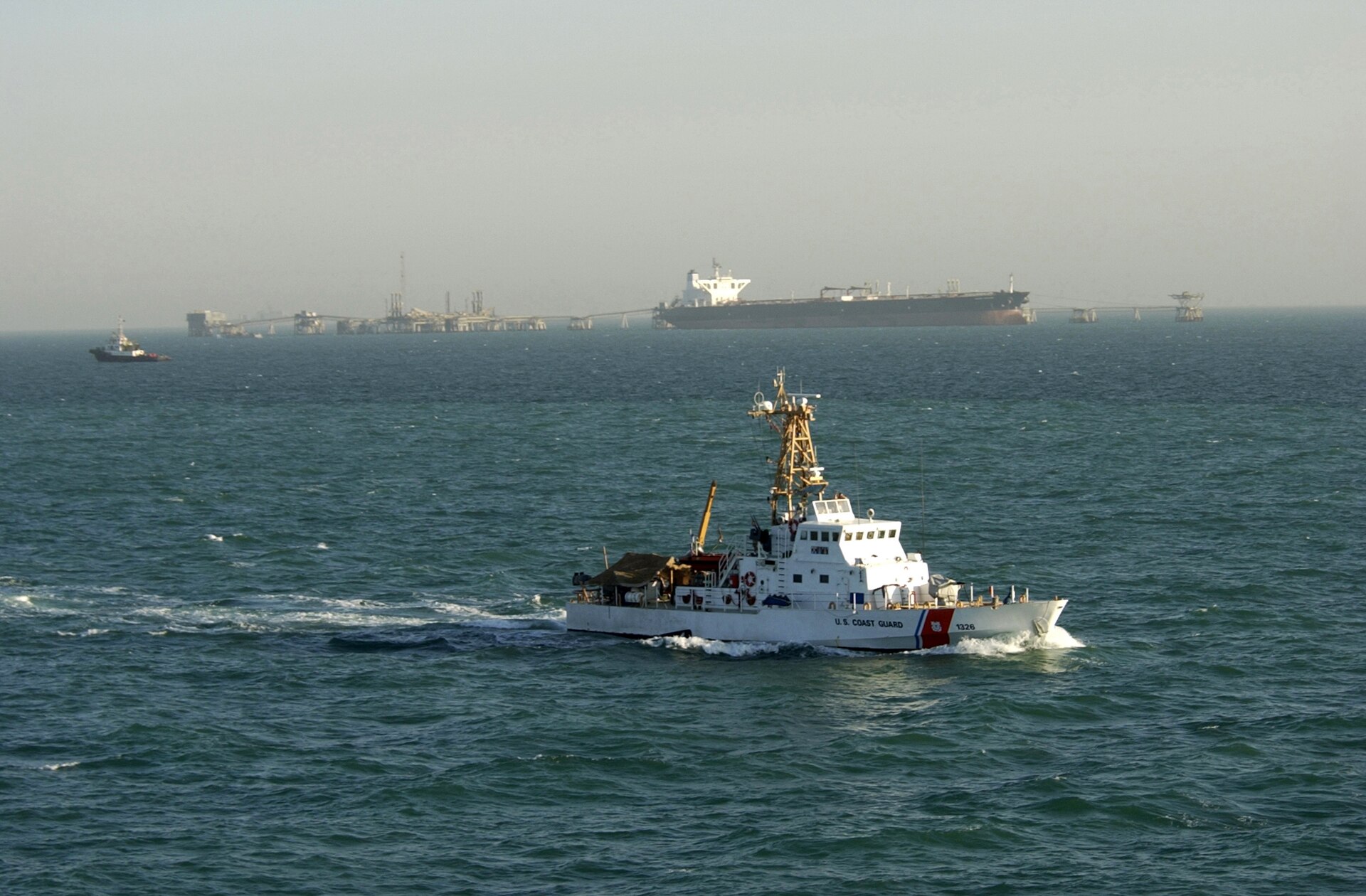
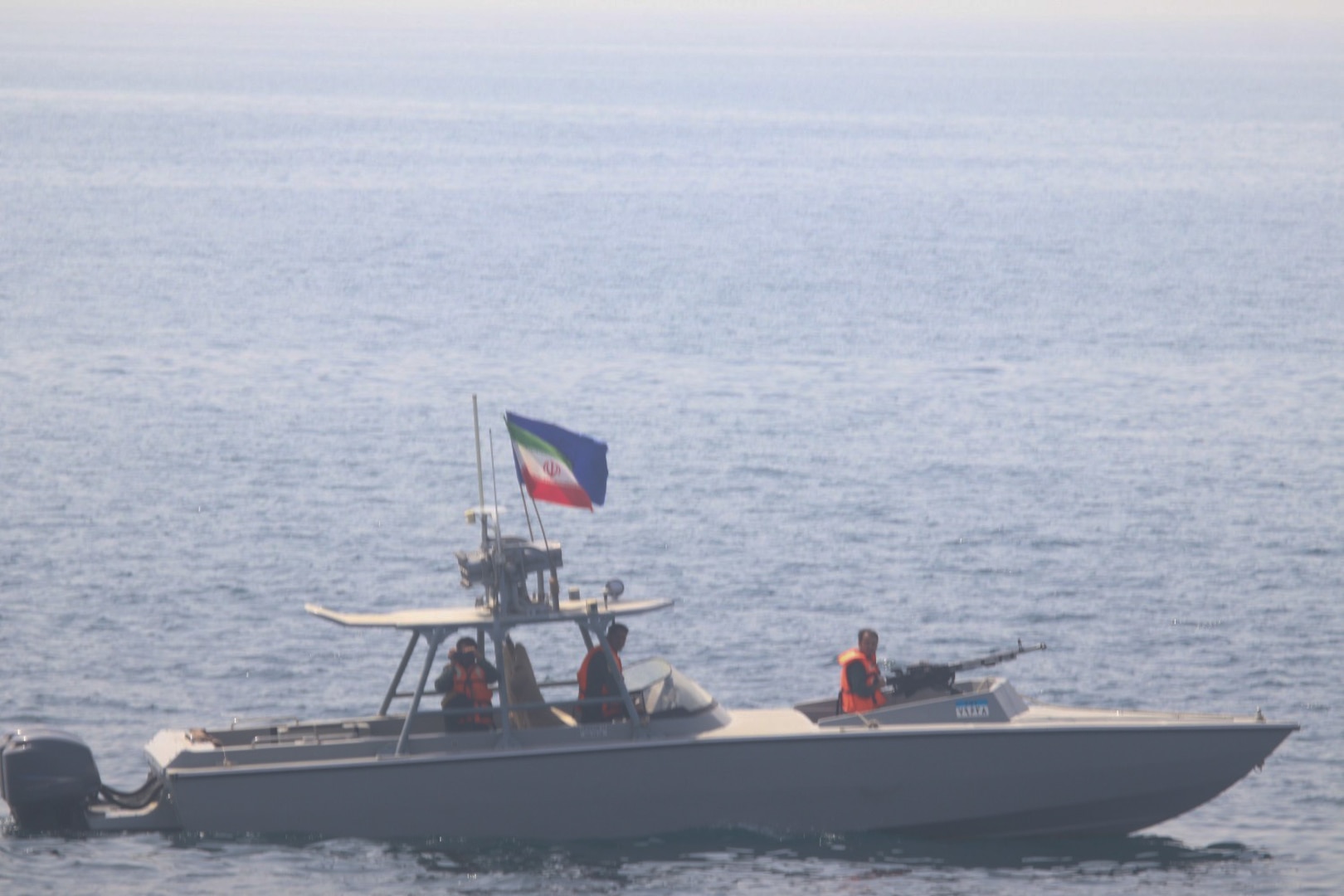
The Iranian Navy said on November 21 that a tanker “entered a prohibited area in the east of the Strait of Hormuz” before noon local time, struck a naval mine and was forced to stop, according to Business Upturn and Xinhua. The Navy alleged the tanker had “switched off its navigation systems” while using an “unauthorized route.”
The IRGC issued a separate statement saying the vessel “collided with naval mines and exploded nearly 3 km off Oman’s Al Ghanam Island,” Xinhua reported. The IRGC described this as the second such tanker incident, following one late on November 20 near Khasab. The IRGC said the incidents occurred “during U.S. Army movements.”
The IRGC added that any vessel navigating “without coordinating with its traffic control center, or with navigation system deactivated, would be treated as a ‘violation and cooperation with the aggressive U.S. military,'” according to the Xinhua report of the IRGC statement.
The framing was consistent with Iran’s standing position on the strait. The Iranian Navy stated on November 16 via Press TV that “all vessels are required to navigate along authorized routes” and comply with regulations issued by Iran’s armed forces. The strait “is closed and will remain closed for as long as the Islamic Republic of Iran deems necessary,” the Navy said.
IRGC spokesman Hossein Mohebbi said on November 20, as reported by the Tribune India, that Iran would not accept “neither war nor peace,” and the conflict would be settled “on the battlefield or the US would have to accept Iran’s conditions.”
The Mine Claim Pattern: El Gaia, Gem No. 2 and the Legal Gap
Iran’s characterization of the November 21 attacks as mine strikes on unauthorized routes followed a pattern that Gulf News, in an October 30 analysis, identified as serving four distinct functions: casting target vessels as violators of Iranian rules, reducing international sympathy; deterring use of the southern route that the US directs shipping along; contesting US demining claims and keeping shipping companies uncertain; and blurring legal responsibility for the attack. Gulf News described it as “legal-style cover.”
UKMTO has used the word “projectile” — not “mine” — in every incident report throughout the conflict. The JMIC advisory log lists “unknown projectiles” for incidents where Iran has claimed mines, according to gCaptain and multiple UKMTO warnings from November 2026.
The Panama-flagged crude tanker El Gaia was struck by an Iranian missile in August and hit again by a drone on September 13 while it sat disabled off Oman, according to Gulf News and gCaptain. The IRGC said the vessel had struck a mine. CENTCOM responded: “The IRGC’s false claim is yet another example of their lies and intimidation attempts.” India’s Ministry of External Affairs and UKMTO both classified the September 13 event as a “projectile attack,” Gulf News reported on September 15.
The Panama-flagged supertanker Gem No. 2, carrying approximately 2 million barrels of Saudi crude according to Kpler data reported by ABC News, was struck by drones on October 9–10. Researcher Fabian Hinz identified wreckage from the attack as belonging to an Iranian-built Hadid-110 drone, ABC News reported on November 18. The IRGC nonetheless said the vessel struck a mine on an “unauthorized” route.
The IRGC statement on October 29, carried by Press TV, applied identical language to the Gem No. 2 and other incidents: tankers “had switched off all their radar and navigation systems” and “were attempting to leave via an unauthorized route south of the Strait of Hormuz… ignoring warnings from the IRGC Navy, when they hit naval mines and exploded.”
Shipping analyst Sal Mercogliano, cited by The National on October 13, said video of a supposed mine strike on a vessel in the strait “doesn’t show one. The vessel was stationary, and there was no underwater explosion.”
Why Does the Projectile-vs.-Mine Distinction Matter?
The gap between “projectile” and “mine” is not semantic. It carries consequences for insurance, international law and the operational decisions of shipping companies.
War risk premiums for independent tanker operators transiting Hormuz were “roughly eight times higher” than pre-conflict levels as of July 2026, Bloomberg reported, according to OilPrice.com. Iran’s mine framing — presenting attacks as the natural consequence of navigating prohibited waters — adds a layer of contributory-fault language that shipping companies and their insurers must contest.
Iran distinguishes between its “authorized northern corridors” and what it calls a US-devised “illegal and dangerous southern route.” It says CENTCOM directs shipping along the southern route to circumvent Iranian control, Press TV reported on October 29. Tehran’s standing position, via the Tehran Times on November 16, is that the US-directed route runs through mined waters and that any vessel using it assumes the risk.
CENTCOM says it has cleared all primary transit routes of sea mines and directs vessels toward the southern route for that reason. It called the IRGC mine framing “false” in the El Gaia case, according to Gulf News on September 15.
JMIC advisories complicate the picture from a different angle. They distinguish between clearing “known mines from designated shipping lanes” and eliminating the “broader mine threat,” explicitly warning of “drifting or uncharted mines,” gCaptain reported citing a September JMIC advisory. This creates a gap that Iran’s mine claims exploit — a space where mine risk is acknowledged as real, even if the specific strikes Iran attributes to mines were carried out by projectiles or drones.
A Gulf News report on October 30 described an October 29 incident in which a small boat attached two devices above the waterline on a vessel identified by three unnamed maritime security sources as the Louise 1, approximately 25 nautical miles northeast of Khasab. Such limpet or surface-mine incidents straddle the projectile/mine boundary, blurring the classification further.
Hormuz Traffic and November Attack Intensity
Martin Kelly, CEO of Orbital Risk Intelligence Middle East, said Iran is “doing everything they can to stop ships getting through,” as quoted by the Financial Times via Gulf News on October 30. Kelly told gCaptain on November 21 that his firm had recorded 15 attacks and piracy incidents in the previous seven days, up 50 percent week-on-week — the highest weekly total since mid-October. Two seafarers were missing and 13 were injured across those incidents, he said.
UKMTO’s weekly overview showed 115 outbound and 148 inbound transits through the strait in the most recent reporting period, down from 139 outbound and 169 inbound the previous week, gCaptain reported on November 21. Pre-conflict, approximately 130 to 140 ships transited per day, according to Reuters.
Non-facilitated traffic — commercial vessels not under US escort — was running at “single-digit to low-double-digit” levels per day, JMIC Advisory Update 115 stated, as reported by Gulf News on November 19.
The November 21 attacks added to a month of sustained intensity. ABC News reported approximately 19 attacks in and around Hormuz as of November 18, citing UKMTO data. October’s total was 31 attacks. From March through September, approximately 53 incidents were recorded cumulatively.
Two vessels struck in the days before November 21 remained in distress. The tanker NAVIG8 MESSI, hit on November 17 approximately 13 nautical miles north of Khasab, caught fire. ADNOC confirmed one crew member missing and 11 injured; the vessel was under tow after the remaining crew evacuated, gCaptain reported. The LPG tanker TARA GAS was disabled by a projectile on November 16 and struck again on November 17, with a second fire. The vessel was abandoned; by November 19–20 it had been moved to a sheltered bay west of Shishah, where the fire was brought under control, the Maritime Executive reported. One crew member remained missing as of November 21.
Since the ceasefire expiry on August 17, 6 vessels had been lost, 22 assisted and 31 had continued their voyages, gCaptain reported.
Saudi Crude Exposure Through the Strait
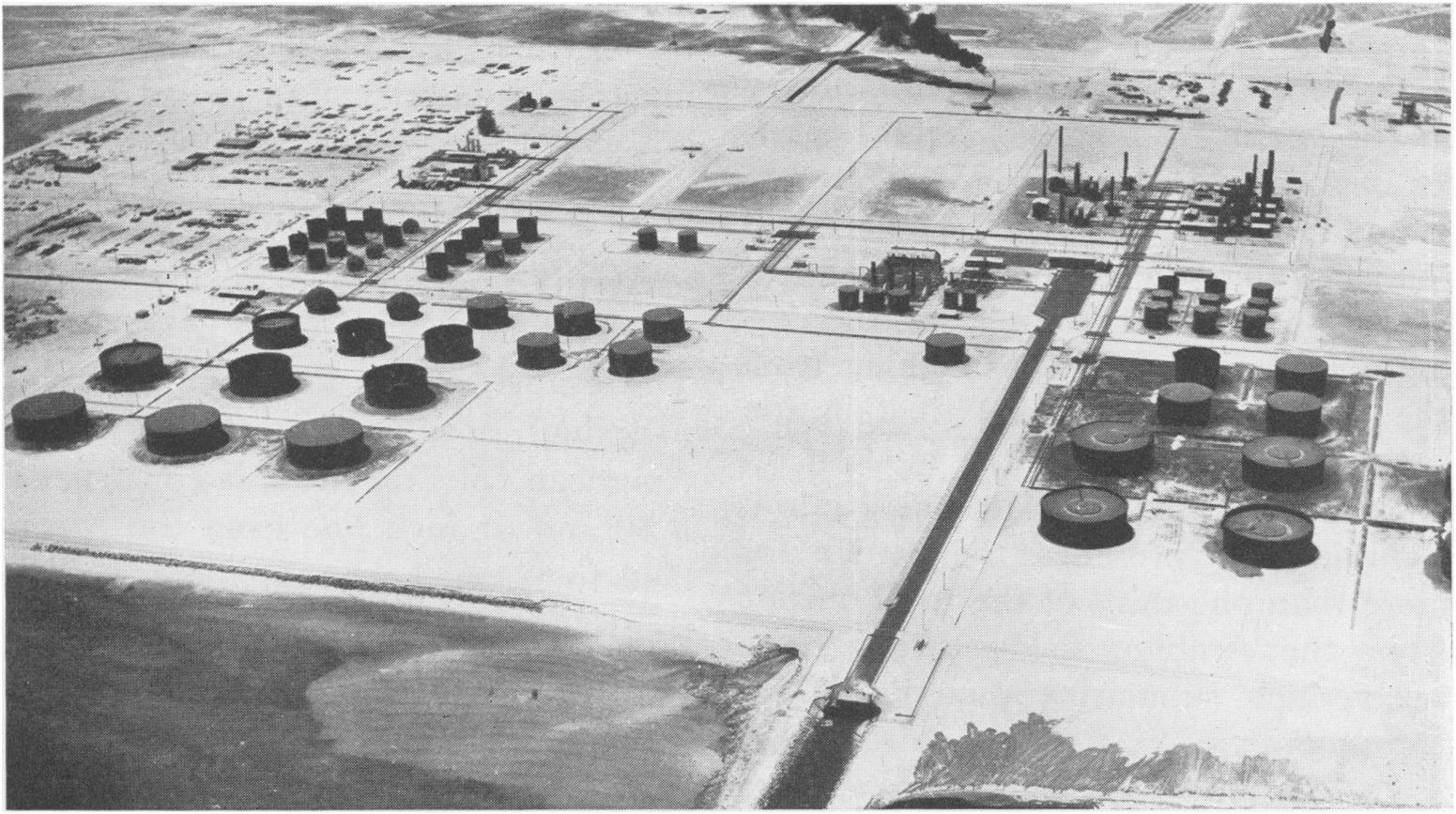
Crude oil flows through Hormuz stood at approximately 8.5 million barrels per day as of November 17, covering all exporters, roughly half of early-November pre-war levels, according to Kpler data reported by Gulf News on November 18. Total Middle Eastern oil exports by all routes were approximately 15 million barrels per day, about 64 percent of pre-war flows, Kpler estimated.
Saudi Arabia’s crude export exposure was split between routes. Kpler data for October 2026 showed Ras Tanura loadings of approximately 2.95 million barrels per day. Total Saudi crude exports were approximately 5.52 million barrels per day, Kpler reported via Gulf News on October 31. The Red Sea and Yanbu route carried approximately 2.5 million barrels per day, according to Vortexa data.
US Secretary of State Marco Rubio said on October 13, as reported by The National, that “the Strait of Hormuz is open. There’s almost as much oil flowing out now as there was before this conflict began.” Rubio added that Iran had “lost complete control of the strait.” JMIC’s own transit data and Kpler’s flow estimates did not support that characterization — non-escorted traffic remained in single digits per day, and total crude flows were approximately half of pre-war levels.
Background
Iran first closed the Strait of Hormuz on February 28, 2026, with full enforcement from March 2 to 4. The strait was re-closed on July 12 after a brief reopening, and the US reinstated its blockade on July 14. The IRGC formally declared the strait closed on October 26, according to Press TV.
JMIC Advisory Update 115, covering March 1 through November 19, maintained the SEVERE threat classification — its highest — and assessed further attacks as “highly likely” in the next 24 to 48 hours, Gulf News reported on November 19.
The pattern of mine claims against projectile evidence has persisted throughout the conflict. Iran maintains two categories of waterway: “authorized northern corridors” under its control, and what it describes as the US-devised southern route. CENTCOM directs vessels along the southern route, which Iran declares mined and within its exclusion zone. Each new incident produces a split report: UKMTO posts “unknown projectile,” and Iran’s military announces a mine strike on a vessel that entered prohibited waters.
The broader conflict between Iran and the US-Saudi coalition continues alongside the Hormuz maritime campaign. Coalition forces struck Hodeidah on November 20, and intercepted 3 Houthi ballistic missiles over Riyadh on November 21, with 2 explosions heard. The US-Iran diplomatic track remained stalled after Muscat talks produced no agreement.
FAQ
Have the 2 tankers struck on November 21 been identified?
No. Neither UKMTO Warning 215-26 nor Warning 216-26 named the vessels, and no flag state, owner or cargo has been disclosed in any source as of November 21, according to Siasat.com, Tribune India, gCaptain and the Times of Israel.
How many total vessels have been attacked in Hormuz in November 2026?
ABC News reported approximately 19 attacks in and around Hormuz as of November 18, citing UKMTO data. For comparison, October saw 31 attacks, and the cumulative total from March through September was approximately 53, according to ABC News.
Has any independent investigator confirmed Iran’s mine claims in any incident?
In the case of the Gem No. 2, researcher Fabian Hinz identified wreckage as belonging to an Iranian-built Hadid-110 drone, ABC News reported on November 18, contradicting the IRGC’s mine claim. In the El Gaia case, CENTCOM called the mine claim “false” and said the vessel was struck by a missile and then a drone, as Gulf News reported on September 15. Shipping analyst Sal Mercogliano said video purporting to show a mine explosion “doesn’t show one,” according to The National on October 13. No independent source has confirmed a mine strike in any incident where Iran claimed one.
What route do CENTCOM-escorted vessels use through Hormuz?
CENTCOM directs shipping toward the southern transit route, which it says has been cleared of sea mines. Iran describes this same route as “illegal and dangerous,” says it runs through mined waters and within Iran’s exclusion zone, and declares any vessel using it a violator cooperating with the US military, according to Press TV on October 29 and the Tehran Times on November 16.
What is the current war risk insurance cost for Hormuz transit?
Bloomberg reported in July 2026, as cited by OilPrice.com, that war risk premiums for independent tanker operators were “roughly eight times higher” than pre-conflict levels. The JMIC SEVERE threat assessment and the sustained pace of November attacks — 15 incidents in the past 7 days according to Orbital Risk Intelligence — suggest those premiums have not fallen. Exact current rates were not publicly disclosed as of November 21.
SOURCE LEDGER
| # | Claim as it appears in the article | Source | URL or reference |
|---|---|---|---|
| 1 | UKMTO Warning 215-26, 0500 UTC Nov 21: tanker struck on stern by unknown projectile, 11 nm north of Khasab | Siasat.com; Times of Israel (Reuters), 2026-11-21 | Deep research brief #1 |
| 2 | UKMTO Warning 216-26, 0550 UTC Nov 21: second tanker struck in engine room, 17 nm east of Khasab, 50 minutes later | Siasat.com; Tribune India, 2026-11-21 | Deep research brief #2 |
| 3 | Neither vessel named; no flag state, owner or cargo identified | Siasat.com; Tribune India; gCaptain; Times of Israel, 2026-11-21 | Deep research brief #6 |
| 4 | UKMTO Warning 214-26 (Nov 20): tanker struck on port bow, 8 nm north of Khasab, ~1500 UTC, fire onboard | gCaptain; Middle East Eye, 2026-11-20 | Deep research brief #3 |
| 5 | Four tankers struck within 13 nm of Khasab in three days (Nov 18–21) | gCaptain / Orbital Risk Intelligence (Martin Kelly), 2026-11-21 | Deep research brief #5 |
| 6 | Approximately 19 attacks in and around Hormuz as of Nov 18; October: 31; March–September: ~53 | ABC News, citing UKMTO, 2026-11-18 | Deep research brief #6 |
| 7 | JMIC threat level: SEVERE; further attacks “highly likely” in next 24–48 hours | JMIC Advisory Update 115 / Gulf News, 2026-11-19 | Deep research brief #7 |
| 8 | Iranian Navy: tanker “entered a prohibited area,” struck a mine, had “switched off its navigation systems” | Business Upturn; Xinhua, 2026-11-21 | Deep research brief #4 |
| 9 | IRGC: vessel “collided with naval mines and exploded nearly 3 km off Oman’s Al Ghanam Island” | Xinhua (IRGC statement), 2026-11-21 | Deep research brief #5 |
| 10 | IRGC: incidents occurred “during U.S. Army movements” | Xinhua (IRGC statement), 2026-11-21 | Deep research brief #5 |
| 11 | IRGC: vessel navigating without coordination or with navigation deactivated treated as “violation and cooperation with the aggressive U.S. military” | Xinhua (IRGC statement), 2026-11-21 | Deep research brief, Adversary Perspective |
| 12 | Iranian Navy (Nov 16): “all vessels are required to navigate along authorized routes”; strait “is closed and will remain closed” | Press TV, 2026-11-16 | Deep research brief, Named Sources |
| 13 | Hossein Mohebbi (Nov 20): conflict settled “on the battlefield or the US would have to accept Iran’s conditions” | Tribune India, 2026-11-21 | Deep research brief, Named Sources |
| 14 | Gulf News analysis: four functions of mine framing — “legal-style cover” | Gulf News / Jay Hilotin, 2026-10-30 | Deep research brief, Background |
| 15 | UKMTO uses “projectile” in every incident report; JMIC advisory log lists “unknown projectiles” | gCaptain; JMIC Advisory Update 115; multiple UKMTO warnings, Nov 2026 | Deep research brief, Counter-claim — UKMTO |
| 16 | El Gaia: struck by missile in August, drone on Sept 13; IRGC claimed mine | Gulf News; gCaptain, 2026-09-14/15 | Deep research brief #12 |
| 17 | CENTCOM: “The IRGC’s false claim is yet another example of their lies and intimidation attempts” | Gulf News, 2026-09-15 | Deep research brief, Named Sources |
| 18 | India’s MEA and UKMTO classified El Gaia Sept 13 event as “projectile attack” | Gulf News; gCaptain, 2026-09-14/15 | Deep research brief #12 |
| 19 | Gem No. 2: ~2 million barrels Saudi crude; struck by drones Oct 9–10 | ABC News, 2026-11-18; Kpler data | Deep research brief, Background |
| 20 | Fabian Hinz identified wreckage as Hadid-110 drone | ABC News, 2026-11-18 | Deep research brief, Background |
| 21 | IRGC (Oct 29): tankers “had switched off all their radar and navigation systems… unauthorized route… hit naval mines and exploded” | Press TV, 2026-10-29 | Deep research brief, Named Sources |
| 22 | Sal Mercogliano: “doesn’t show one. The vessel was stationary, and there was no underwater explosion” | The National, 2026-10-13 | Deep research brief, Named Sources |
| 23 | War risk premiums “roughly eight times higher” than pre-conflict | Bloomberg via OilPrice.com, 2026-07 | Deep research brief #11 |
| 24 | Iran: “authorized northern corridors” vs. US-devised “illegal and dangerous southern route” | Press TV, 2026-10-29; Tehran Times, 2026-11-16 | Deep research brief, Established Iranian framing |
| 25 | CENTCOM: cleared all primary routes of mines; calls mine framing “false” | Gulf News, 2026-09-14; The National, 2026-10-13 | Deep research brief, Counter-claim — CENTCOM |
| 26 | JMIC: distinguishes clearing “known mines” from “broader mine threat”; warns of “drifting or uncharted mines” | gCaptain, citing JMIC, 2026-09-14 | Deep research brief, Background — JMIC on mining |
| 27 | Oct 29 limpet attachment on Louise 1, ~25 nm NE of Khasab, two devices above waterline | Gulf News, 2026-10-30 | Deep research brief, Background — Limpet mines |
| 28 | Martin Kelly: Iran “doing everything they can to stop ships getting through” | Financial Times via Gulf News, 2026-10-30 | Deep research brief, Named Sources |
| 29 | 15 attacks/piracy incidents in past 7 days, up 50% week-on-week, highest since mid-October; 2 missing, 13 injured | gCaptain / Orbital Risk Intelligence (Kelly), 2026-11-21 | Deep research brief, Named Sources |
| 30 | Weekly transits: 115 outbound / 148 inbound (prior week: 139 / 169) | gCaptain, 2026-11-21 | Deep research brief #9 |
| 31 | Pre-conflict: ~130–140 ships per day | Reuters | Deep research brief #8 |
| 32 | Non-facilitated traffic: single-digit to low-double-digit per day | JMIC Advisory Update 115 / Gulf News, 2026-11-19 | Deep research brief #7 |
| 33 | NAVIG8 MESSI (Nov 17): 1 missing, 11 injured, vessel under tow | gCaptain / ADNOC, 2026-11-21 | Deep research brief #14 |
| 34 | TARA GAS: disabled Nov 16, struck again Nov 17, abandoned; moved to sheltered bay west of Shishah, fire under control by Nov 19–20; 1 crew member missing | gCaptain, 2026-11-18; Maritime Executive, 2026-11-19 | Deep research brief, Background — TARA GAS |
| 35 | Since ceasefire expiry (Aug 17): 6 vessels lost, 22 assisted, 31 continued voyages | gCaptain, 2026-11-21 | Deep research brief #10 |
| 36 | Crude through Hormuz: 8.5 million bpd as of Nov 17, ~half of pre-war levels | Gulf News / Kpler, 2026-11-18 | Deep research brief #12 |
| 37 | Total Mideast oil by all routes: 15 million bpd, ~64% of pre-war flows | Gulf News / Kpler, 2026-11-18 | Deep research brief #12 |
| 38 | Saudi Ras Tanura loadings: ~2.95 million bpd (Oct 2026) | Gulf News / Kpler, 2026-10-31 | Deep research brief #13 |
| 39 | Total Saudi crude exports: ~5.52 million bpd | Gulf News / Kpler, 2026-10-31 | Deep research brief #13 |
| 40 | Red Sea/Yanbu route: ~2.5 million bpd | Gulf News / Vortexa, 2026-10-31 | Deep research brief #13 |
| 41 | Rubio: “The Strait of Hormuz is open”; Iran “lost complete control” | The National, 2026-10-13 | Deep research brief, Named Sources |
| 42 | Iran first closed Hormuz Feb 28, 2026; re-closed July 12; US blockade reinstated July 14 | Context extract §7; deep research brief | context-extract.md, Iran Conflict |
| 43 | IRGC declared strait closed October 26 | Press TV | Deep research brief, Established Iranian framing |
The House of Saud Daily Briefing
Saudi Arabia's news in 3 minutes, every morning. Free. See today's issue