
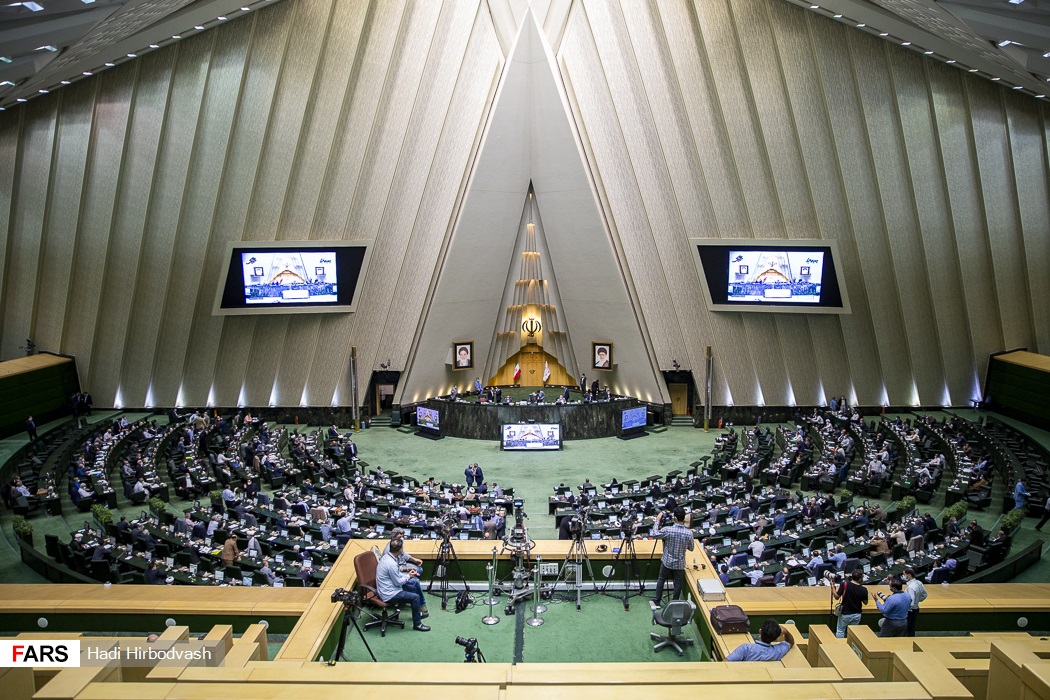
TEHRAN — Iran’s deputy speaker of parliament Hamidreza Hajibabaei confirmed on Wednesday that the first revenue from Tehran’s Strait of Hormuz toll scheme had been deposited into the Central Bank, breaking a 41-day streak of zero collection that had become the most cited evidence of the regime’s internal dysfunction. Neither the amount deposited nor the names of the paying vessels were disclosed, and the announcement — reported by Tasnim News Agency and confirmed by PressTV — arrived on the same day the IRGC seized two foreign-flagged ships and reportedly forced parliamentary speaker Mohammad Bagher Ghalibaf off Iran’s negotiating team entirely.
The deposit, described by Hajibabaei as placed into “the Ministry of Economic Affairs and Finance account at the central bank in accordance with constitutional provisions,” represents a narrow factual correction to the revenue record while opening a far more consequential question. Whether the money that physically passed through IRGC-controlled collection intermediaries — yuan via Kunlun Bank, USDT via Tron blockchain — actually reached the civilian treasury that parliament is now claiming credit for, or whether the Central Bank deposit is a fraction routed for public consumption while the bulk remains in wallets the IRGC controls and Pezeshkian’s government cannot audit, is the fault line this announcement exposes without resolving.
Table of Contents
- What Iran Actually Confirmed — and What It Didn’t
- Three Ships, One Message
- Who Controls the Money?
- Why Was Ghalibaf Forced Off the Negotiating Team?
- The USDT Pipeline the Central Bank Cannot See
- Does the Deposit Change Anything for Shipping Companies?
- Background: From $0 to Undisclosed
- Frequently Asked Questions
What Iran Actually Confirmed — and What It Didn’t
Hajibabaei’s statement to Tasnim on April 23 was calibrated to declare victory without providing evidence of it. He confirmed that “the first revenue received from the Strait of Hormuz tolls was deposited into the Central Bank account” and that “several vessels” had paid, but disclosed neither the sum nor the identities of the ships involved, according to reporting by the Times of Israel and Xinhua on the same day. Iranian lawmaker Alireza Salimi, speaking separately to Tasnim, added that fees “depend on the vessel’s cargo and level of risk” and were “currently being deposited into a unified account and the treasury” — language that implies an ongoing process rather than a single lump-sum transfer.
PressTV, Iran’s English-language state broadcaster, confirmed the deposit had been received “in cash currency” and credited to the Central Bank, framing the toll as Iran exercising sovereign rights over its territorial waters. The framing matters more than the figure, because the figure was not given. As of April 18, Iran’s toll had collected nothing in 36 days — 60 permits issued, eight payment requests sent, zero payments completed, with India explicitly confirming no fees were paid and Hapag-Lloyd and Maersk continuing to avoid the strait entirely, according to Iran International’s April 16 reporting.
What changed between April 18 and April 23 is almost certainly the yuan payments Bloomberg reported on April 1: at least two earlier transits that paid through a Chinese maritime services company intermediary via Kunlun Bank, outside the US banking system. Those transactions, which Iran had not previously confirmed, appear to be what Hajibabaei is now claiming as Central Bank revenue — repackaging payments that may have occurred weeks ago as evidence of a functioning toll system.
Three Ships, One Message
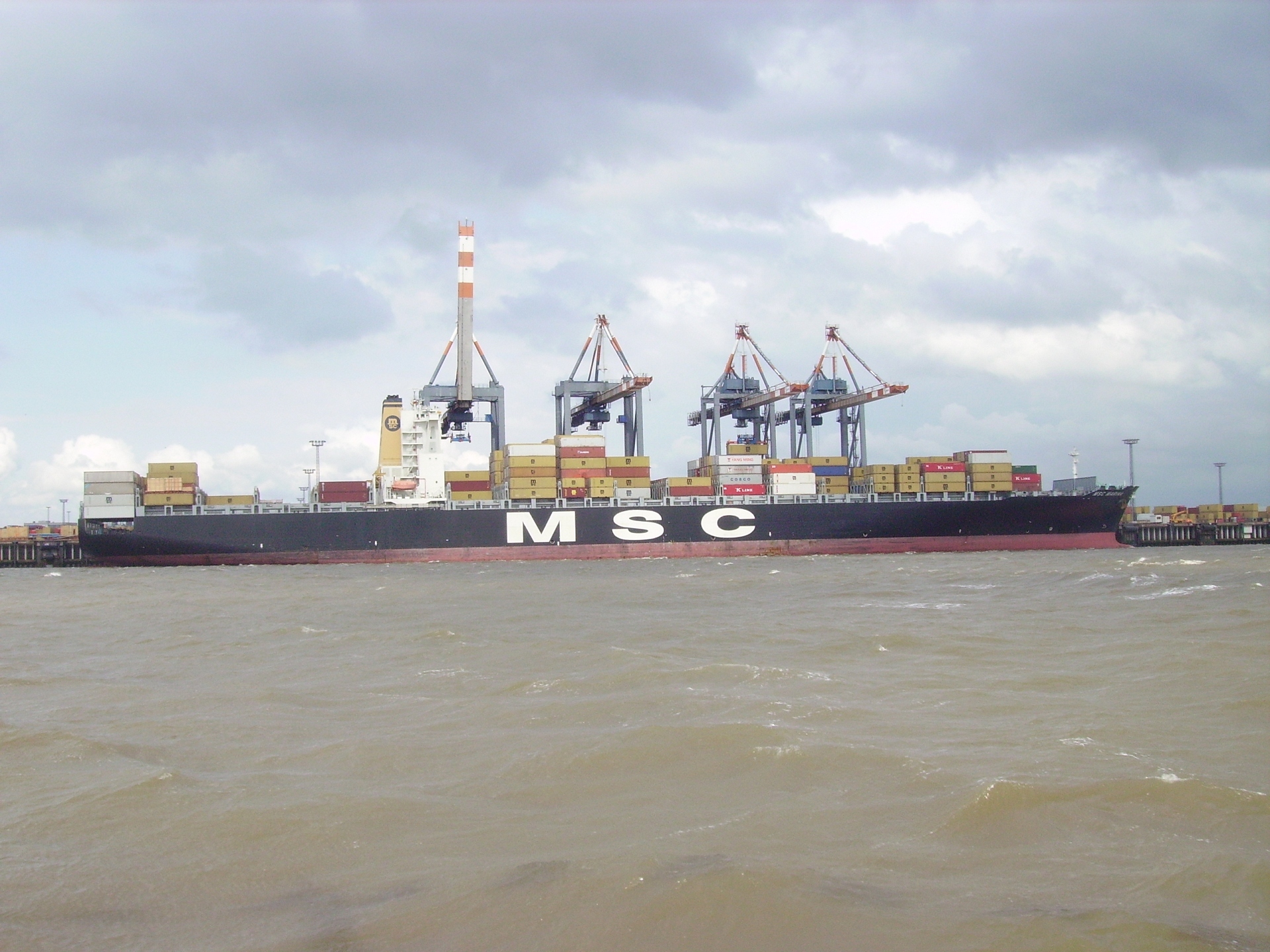
The timing of Hajibabaei’s announcement was not incidental. On the same day he confirmed the first toll deposit, IRGC naval forces seized the MSC Francesca — a Panama-flagged, Italian-owned container vessel — and the Epaminondas, a Liberia-flagged ship bound for India, while firing on a third vessel, the Euphoria, according to Al Jazeera and NBC News reporting on April 23. Panama’s government condemned the MSC Francesca seizure as “illegal” within hours.
The Middle East briefing 3,000+ readers start their day with.
One email. Every weekday morning. Free.
The juxtaposition was deliberate and legible: Iran depositing its first toll revenue into the Central Bank while simultaneously seizing vessels that had not paid presented the strait as a binary — pay or be boarded. Hajibabaei reinforced this framing explicitly, telling Tasnim that “Iran, not the United States, was now making demands.” The statement positioned the deposit not as a commercial transaction but as proof that Iran’s coercive architecture was producing compliance, even as the seizures demonstrated what non-compliance looked like.
The three-vessel operation also served as an answer to the narrative that had dominated coverage since Iran International’s April 16 report headlined “Iran leaders frustrated over failed Hormuz revenue plan.” That story — sourced to officials close to the supreme leader’s office — described internal discussions about stripping toll oversight from SNSC secretary Zolghadr and handing it to Pezeshkian, a transfer of blame rather than authority. The seizures and the deposit announcement, arriving seven days later, were the IRGC’s counter-narrative: the toll works, it generates revenue, and the IRGC Navy’s “full authority” over the strait is producing results.
Who Controls the Money?
The structural question the deposit raises is not whether Iran collected toll revenue — it is whether the revenue reached the institution Hajibabaei named. The toll’s operational architecture runs entirely through IRGC channels: IRGC-linked intermediaries handle vessel vetting (flag, cargo, destination, crew, AIS data), fee negotiation, and payment processing, according to Bloomberg’s April 1 reporting. Yuan payments route through Kunlun Bank via CIPS, China’s alternative to SWIFT. Cryptocurrency payments settle in USDT on the Tron blockchain through exchanges and wallets the IRGC controls.
Neither channel has transparent connectivity to the Ministry of Economic Affairs account that Hajibabaei described. Kunlun Bank transactions could, in theory, be converted and deposited into Central Bank reserves — but the conversion requires cooperation between IRGC financial networks and a Central Bank that Pezeshkian has publicly accused IRGC commanders of undermining. USDT settlements on Tron are peer-to-peer by design; they land in wallet addresses, not treasury accounts, and tracing them from IRGC-controlled wallets to the Central Bank would require a degree of institutional cooperation that does not exist between Iran’s civilian government and its military apparatus.
Chainalysis, the blockchain analytics firm, called Iran’s use of Hormuz crypto tolls “a significant milestone for state adoption” in an April 2026 blog post — but the milestone it described was adoption by the IRGC, not the Iranian state as a unified entity. TRM Labs traced $1 billion in IRGC flows through Zedcex and Zedxion, two exchanges the US Treasury’s OFAC designated on January 30, 2026, according to TRM Labs’ April 2026 analysis. The IRGC’s existing crypto infrastructure — which Chainalysis estimated at $3 billion in total flows during 2025, representing more than 50% of all Iranian cryptocurrency activity — predates the toll scheme and operates independently of any civilian oversight.
Why Was Ghalibaf Forced Off the Negotiating Team?
The deposit announcement and the Ghalibaf ouster are the same story told from different angles. CNBC and the Free Press Journal reported on April 23 that the IRGC had forced Ghalibaf — the parliamentary speaker who is himself a former IRGC Aerospace Force commander from 1997 to 2000 — off Iran’s negotiating team on the same day his deputy announced the toll’s first revenue. The sequence matters: Hajibabaei, Ghalibaf’s closest parliamentary ally, was claiming institutional credit for toll revenue at the precise moment the IRGC was stripping Ghalibaf of his role in the broader negotiations.
Ghalibaf had positioned himself as the bridge between the IRGC’s operational wing and parliament’s legislative authority over the toll. His “field, not social media” rebuke of Araghchi on April 17 — delivered after the IRGC reversed the foreign minister’s declaration that Hormuz was “completely open” within hours — used operational language that signalled alignment with the military command structure rather than the diplomatic corps. But alignment is not the same as control, and the IRGC’s decision to remove him from the negotiating team on the day parliament claimed its first toll revenue suggests that Ghalibaf’s bridge-building had become a liability rather than an asset.
The pattern is consistent with what Axios reported on April 22, citing US officials who described “an absolute fracture inside Iran between the negotiators and the military — with neither side having access to the supreme leader, who is not responsive.” Ghalibaf occupied the fracture line. Parliament legislated the toll on March 31, eighteen days after the IRGC began enforcing it — an inversion of the normal law-then-enforcement sequence that reflected the actual power dynamic. When Hajibabaei announced revenue, he was asserting that parliament’s post-hoc legislative framework had produced fiscal results. The IRGC’s same-day response — removing Ghalibaf while seizing ships — asserted that the strait’s value was coercive, not commercial, and that parliament’s role was ratification, not governance.
The USDT Pipeline the Central Bank Cannot See
The cryptocurrency dimension of the toll scheme creates a structural transparency gap that Hajibabaei’s announcement cannot close. The IRGC has been accepting payment in USDT settled on the Tron blockchain — transactions that complete outside the US banking system, outside SWIFT, and outside any mechanism the Iranian Central Bank can audit in real time, according to analysis by TRM Labs and Chainalysis published in April 2026. The Washington Times reported on April 23 that at least some toll payments had been processed through these crypto channels.
The distinction between yuan-denominated bank transfers and USDT wallet settlements is the distinction between money the Central Bank can plausibly claim and money it cannot. The IRGC’s cryptocurrency infrastructure predates the toll scheme and was built for sanctions evasion; the toll added a revenue stream to an existing pipeline, not a new compliance regime. Yuan payments through Kunlun Bank produce records that can, with institutional cooperation, be reflected in Central Bank accounts. USDT transfers produce blockchain records that are publicly visible but whose beneficial ownership — the identity of the wallet holder — is known only to the parties involved. When Hajibabaei says revenue was deposited into the Central Bank, he may be describing the yuan component. The USDT component may exist in a parallel accounting system that the civilian government can reference but not access.
An absolute fracture inside Iran between the negotiators and the military — with neither side having access to the supreme leader, who is not responsive.
US officials, cited by Axios, April 22, 2026
Does the Deposit Change Anything for Shipping Companies?
For the major container and tanker operators whose compliance departments killed the toll scheme’s commercial viability, the deposit changes nothing. The underlying sanctions architecture remains identical: the IRGC is a US-designated Foreign Terrorist Organization, any payment constitutes material support regardless of currency or routing, OFAC’s General License U expired at 12:01 AM EDT on April 19 without renewal, and UK and EU sanctions apply independently, as maritime lawyer Manny Levitt of Holland & Knight noted in April. Hapag-Lloyd confirmed it has no vessels waiting to enter the strait. Maersk continues to “closely monitor” — the industry’s diplomatic synonym for staying away.
The deposit confirms what Bloomberg reported on April 1: that a small number of vessels — likely Chinese-affiliated or operating through intermediaries willing to accept sanctions risk — have paid in yuan. It does not indicate that the compliance calculus has shifted for the operators responsible for the vast majority of global shipping tonnage. Iran International’s Umud Shokri estimated realistic annual toll revenue at $1-2 billion even under optimistic assumptions; Iranian state media’s claim that the scheme “could exceed $100 billion” annually was described by Iran International’s own analysts as “not supported by legal precedent, market behavior or geopolitical realities” and dismissed as “a catchy headline for an economic illusion.”
The IMO Secretary-General Arsenio Dominguez’s characterisation of the toll as “illegal” and his warning that it sets a “dangerous precedent” — delivered between April 9 and April 12 — remains the operative international legal position. UNCLOS Article 26 prohibits transit charges on natural straits, a provision that constitutes customary international law binding on Iran regardless of its non-ratification of the convention, as Mark Nevitt of Emory University argued in Just Security. Oman’s Transport Minister Said Al-Maawali rejected the scheme explicitly, stating Oman had “signed all international maritime transport agreements” that prohibit such fees. The deposit of an undisclosed sum from unnamed vessels does not alter the legal framework that prevents major operators from paying.
| Source | Projected Revenue | Status |
|---|---|---|
| Iranian state media (March 2026) | $100 billion/year | Debunked by Iran International as “economic illusion” |
| Bloomberg-cited analysts | $600–800 million/month | Based on pre-war traffic volumes; actual throughput ~90% below normal |
| Umud Shokri / Iran International | $1–2 billion/year | Described as optimistic ceiling |
| Confirmed collection (36 days to April 18) | $0 | Iran International, April 16 |
| Confirmed collection (41 days, April 23) | Undisclosed; “several vessels” | Hajibabaei / Tasnim, April 23 |
| IRGC toll rate per laden tanker | Up to $2 million/voyage | Bloomberg, April 1 |
| IRGC crypto flows (2025) | $3 billion total | Chainalysis estimate; 50%+ of Iranian crypto activity |
| IRGC flows via OFAC-designated exchanges | $1 billion (USDT/Tron) | TRM Labs, Zedcex/Zedxion, designated Jan 30 2026 |
Background: From $0 to Undisclosed
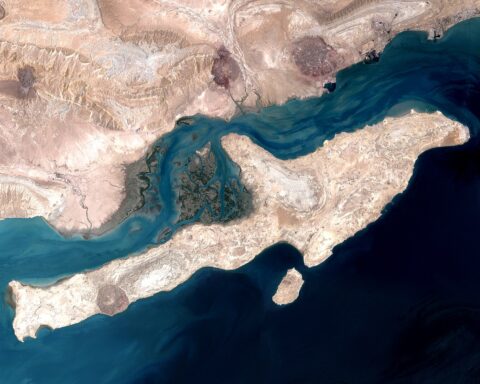
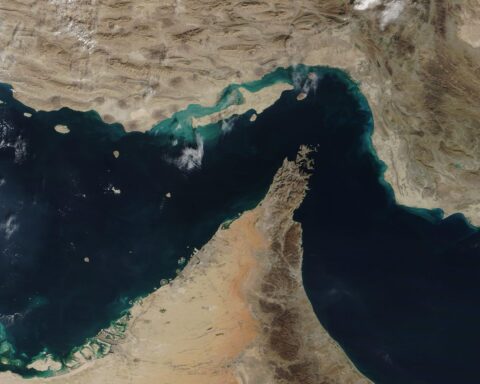
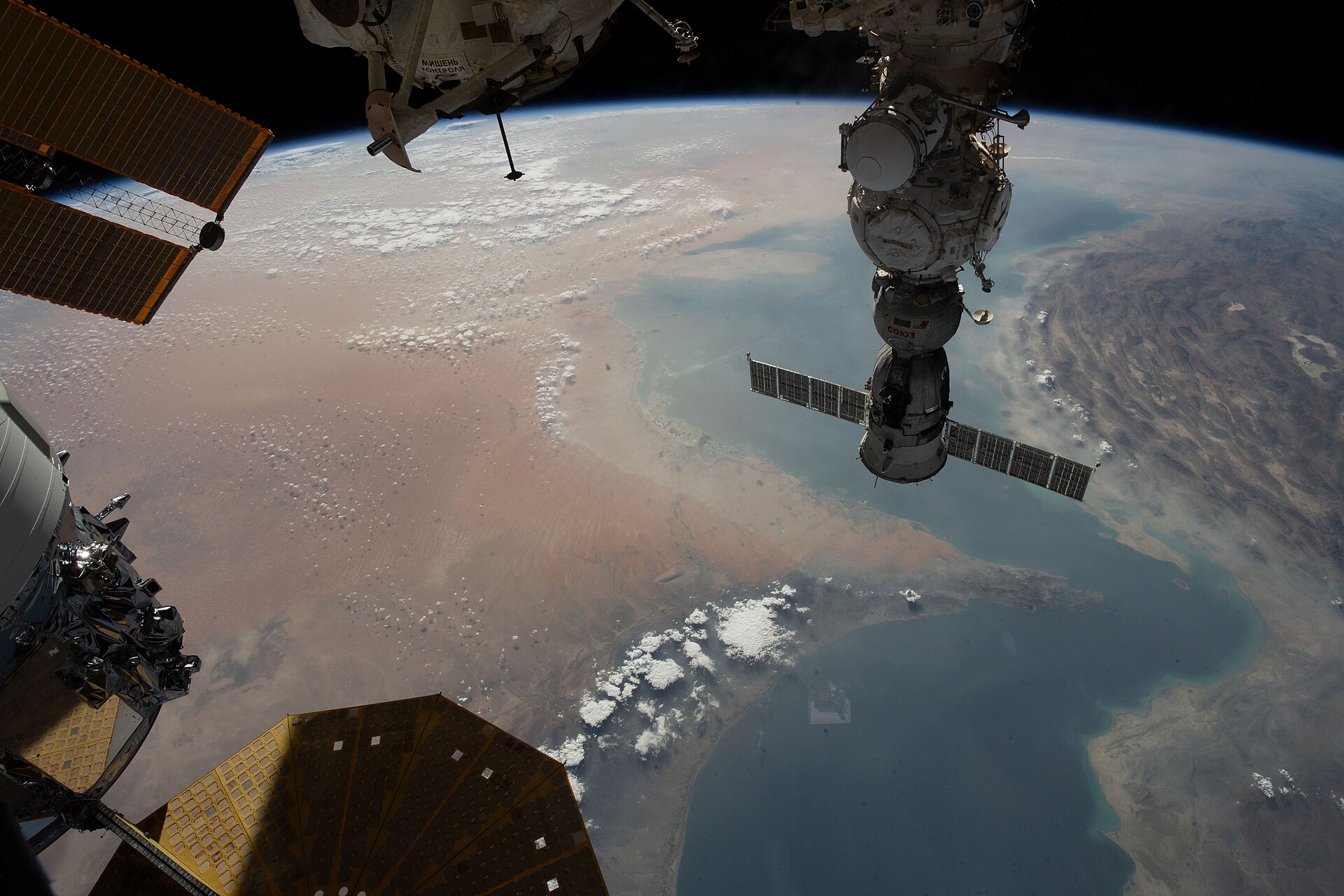
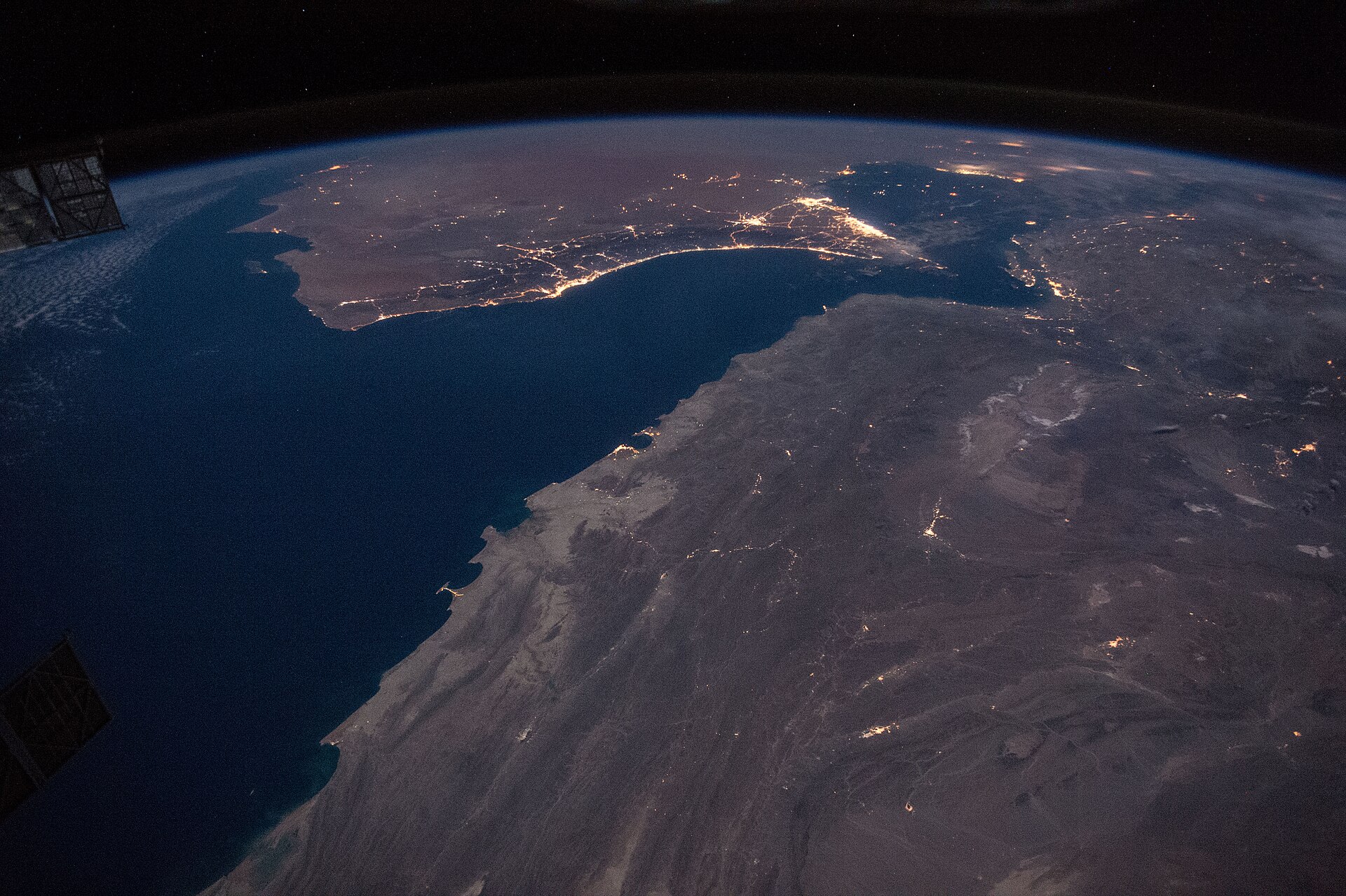
The toll scheme has been operational since mid-March 2026, when the IRGC began requiring vessels to obtain transit permits and pay fees to pass through a five-nautical-mile corridor between Qeshm and Larak islands inside Iranian territorial waters. Parliament passed the “Strait of Hormuz Management Plan” on March 30-31, codifying the scheme eighteen days after the IRGC started enforcing it — the legislative branch ratifying what the military had already imposed, according to Bloomberg’s April 1 reporting. The IRGC Navy, which declared “full authority to manage the Strait” on April 5 and again on April 10, physically operates the collection infrastructure despite having no named commander since Admiral Tangsiri was killed on March 30 — leaving the command headless for 24 days at the time of Hajibabaei’s announcement.
The toll’s first 41 days produced a record of commercial failure that became the dominant analytical frame. India confirmed no fees were paid for Indian vessel passages. The failure prompted internal recriminations: Iran International reported that the supreme leader’s office — operating through intermediaries during Khamenei’s extended absence, now exceeding 50 days — had discussed removing Zolghadr from the toll’s revenue-collection role and handing oversight to a president whom Pezeshkian himself had accused of having zero authority over the IRGC under Article 110.
The US naval blockade effective April 13, which applies to Iranian ports and toll-collecting vessels, added external pressure to the toll’s internal dysfunction. The blockade’s calibrated scope — targeting Iranian maritime operations rather than all Hormuz transit — gave Iran a theoretical path to de-escalation, but the IRGC’s April 23 seizure of the MSC Francesca and Epaminondas represented an escalation rather than a response to that opening. The deposit announcement and the seizures together constitute the IRGC’s answer to both the “$0 in 41 days” frame and the blockade: the toll generates revenue (amount undisclosed), and non-payment has consequences (ships seized).
Iran’s Central Bank warned in a memo obtained by Iran International and Israel Hayom that inflation could reach 180% and that rebuilding the war economy would require 12 years, a timeline that makes even the most optimistic toll revenue projections — $1-2 billion annually, per Shokri’s estimate — marginal against an economy Pezeshkian privately assessed as facing “total collapse within 3-4 weeks” without a ceasefire. The deposit into the Central Bank account, whatever its size, lands in an institution that has already told its own president the numbers do not work.
Frequently Asked Questions
How does the IRGC’s USDT/Tron payment channel work in practice?
Vessel operators or their intermediaries transfer USDT — a dollar-pegged stablecoin — to wallet addresses on the Tron blockchain controlled by IRGC-linked entities. TRM Labs identified $1 billion in IRGC flows routed through Zedcex and Zedxion exchanges, both designated by OFAC on January 30, 2026, according to TRM Labs’ April 2026 analysis. Tron was chosen because its transaction fees are a fraction of Ethereum’s, settlement is near-instant, and the chain operates outside any jurisdiction’s banking infrastructure. Chainalysis estimated IRGC-linked crypto activity at $3 billion in 2025, representing over 50% of all Iranian cryptocurrency flows — meaning the toll channel is an extension of existing IRGC financial infrastructure rather than a purpose-built system. The critical question is whether USDT received in these wallets is converted to fiat and deposited into the Central Bank or remains in the IRGC’s parallel financial ecosystem.
What happened to the MSC Francesca and Epaminondas after seizure?
Al Jazeera and NBC News reported on April 23 that IRGC naval forces seized both vessels and fired on a third, the Euphoria. The MSC Francesca is a Panama-flagged container vessel owned by Italian interests; Panama’s government condemned the seizure as “illegal” within hours. The Epaminondas is Liberia-flagged and was bound for India. Neither vessel’s crew status nor the specific charges Iran cited were disclosed as of April 23. The seizures follow the pattern established when the IRGC turned back the container feeder Selen on March 24 — the first formal administrative rejection of a vessel attempting standard-lane transit — but represent an escalation from administrative rejection to physical seizure and the use of weapons against a commercial vessel.
Could the IRGC Navy operate the toll without a named commander?
Admiral Tangsiri, the IRGC Navy commander, was killed on March 30. As of April 23 — 24 days later — no named successor has been announced. The IRGC’s decentralised command structure means individual naval units at Qeshm, Larak, and Bandar Abbas operate under standing orders that do not require top-down authorization for individual vessel interceptions. The toll’s VHF passcode system, the Qeshm-Larak corridor routing, and the payment-processing intermediaries all function at the operational level. What a headless command cannot do effectively is make strategic decisions about escalation thresholds, exemption policies, or coordination with civilian institutions like the Central Bank — which is precisely the gap Hajibabaei’s announcement exposed without resolving.
Has any international body taken enforcement action against the toll?
IMO Secretary-General Arsenio Dominguez called the toll “illegal” between April 9-12 and warned it would set a “dangerous precedent,” with the IMO Legal Committee in London hearing broad member-state opposition, according to Iran International and US News reporting. However, the IMO has no enforcement mechanism — it issues guidance and facilitates conventions but cannot impose sanctions or deploy assets. Actual enforcement has come through three separate channels: the US naval blockade effective April 13 targeting Iranian ports and toll-collecting vessels; OFAC’s designation of Zedcex and Zedxion exchanges on January 30 targeting the toll’s crypto payment infrastructure; and individual shipping companies’ compliance decisions to avoid the strait entirely. No UN Security Council resolution has addressed the toll specifically, and Russia and China — both UNSC veto holders — benefit from the IRGC’s exemption framework.
What is the Kunlun Bank channel and why does it matter?
Kunlun Bank is a Chinese state-owned bank previously sanctioned by the US for facilitating Iranian oil payments; it operates within CIPS (China’s Cross-Border Interbank Payment System), which processes yuan transactions outside SWIFT. Bloomberg reported on April 1 that at least two Hormuz toll payments were processed in yuan through a Chinese maritime services intermediary using this channel. Kunlun Bank’s involvement matters because it represents the only toll payment pathway that could plausibly produce the Central Bank deposit Hajibabaei described — yuan received through a banking institution can be converted and credited to government accounts in a way that USDT wallet transfers cannot. If the “first revenue” Hajibabaei announced originated from these yuan transactions, the deposit may reflect payments made weeks before the announcement rather than evidence of new commercial activity at the strait.
The IRGC’s grip on toll-collection oversight — and what happens to Brent crude when markets price the possibility of that grip slipping — is examined in Brent Tops $105 on Ghalibaf Resignation Rumour as Markets Price Iran’s Authorization Ceiling Over Any Denial, which analyses how an unsourced report of Ghalibaf’s removal drove Brent above $105 and Polymarket’s peace-deal contract to 8 percent within hours.
The structural question of who actually controls the proceeds — and what a US-Iran deal that formalizes that control would mean for Gulf states — is examined in The Deal Saudi Arabia Can’t Afford to Win, which argues that institutionalizing IRGC administrative authority over Hormuz is Saudi Arabia’s worst-case scenario, regardless of whether the strait reopens.