
TEHRAN — Iran’s Islamic Revolutionary Guard Corps declared the Strait of Hormuz “closed” on October 26, warning that vessels violating its transit regulations “risk being engulfed in flames,” according to a statement carried by Tasnim News Agency. The declaration follows IRGC strikes on four tankers accused of conducting unauthorized ship-to-ship oil transfers in the northern Persian Gulf on October 22–23, and comes as daily transits through the waterway have fallen from a pre-war baseline of 85 to four, according to IMF PortWatch data published on straits.live.
The announcement turns on a compliance framework Iran has built around its Persian Gulf Strait Authority, a body the United States sanctioned in May 2026 and described as an extortion scheme. The PGSA requires vessels to register, obtain transit clearance, and use an IRGC-approved corridor near Iran’s coast; ships using the US-promoted southern lane are designated non-compliant. The authority’s blacklist has grown from 46 named vessels on August 24 to 124 by October 22, according to Lloyd’s List Intelligence. For vessel operators, the framework creates an impossible bind: registering with the PGSA risks US secondary sanctions under the Office of Foreign Assets Control, while ignoring it risks IRGC attack.
Table of Contents
What Changed Between Restriction and Declared Closure
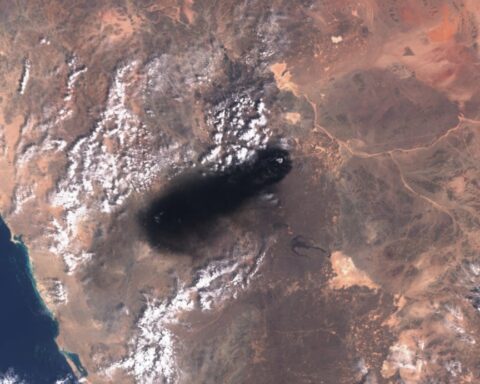
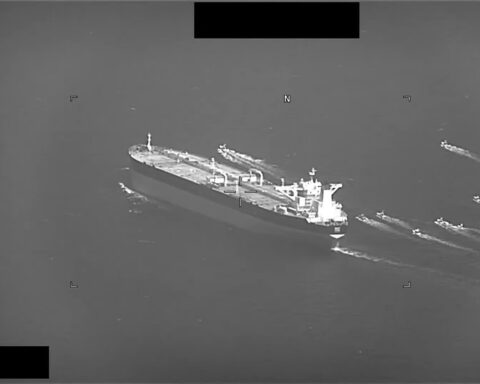
Iran’s enforcement of the strait has escalated through three steps since August. The PGSA published its first non-compliant vessel list on August 24, naming 46 ships barred from transiting without clearance. On October 22–23, the IRGC Navy struck four tankers it said were conducting ship-to-ship oil transfers without PGSA authorization — four caught fire, PressTV reported. Three additional vessels struck mines on the same unauthorized southern route during the same period, PressTV reported.
The House of Saud Daily Briefing
Saudi Arabia's news in 3 minutes, every morning. Free. See today's issue
On October 23, the IRGC Navy announced that “all movement of non-compliant vessels through the Strait of Hormuz has been completely halted,” CBS News and PressTV reported. The October 26 statement went further. “The Strait of Hormuz is closed,” the IRGC stated, per Tasnim News Agency, adding that vessels violating its regulations would be “engulfed in flames.” The identities, flag states, and operators of the four struck vessels have not been publicly confirmed.
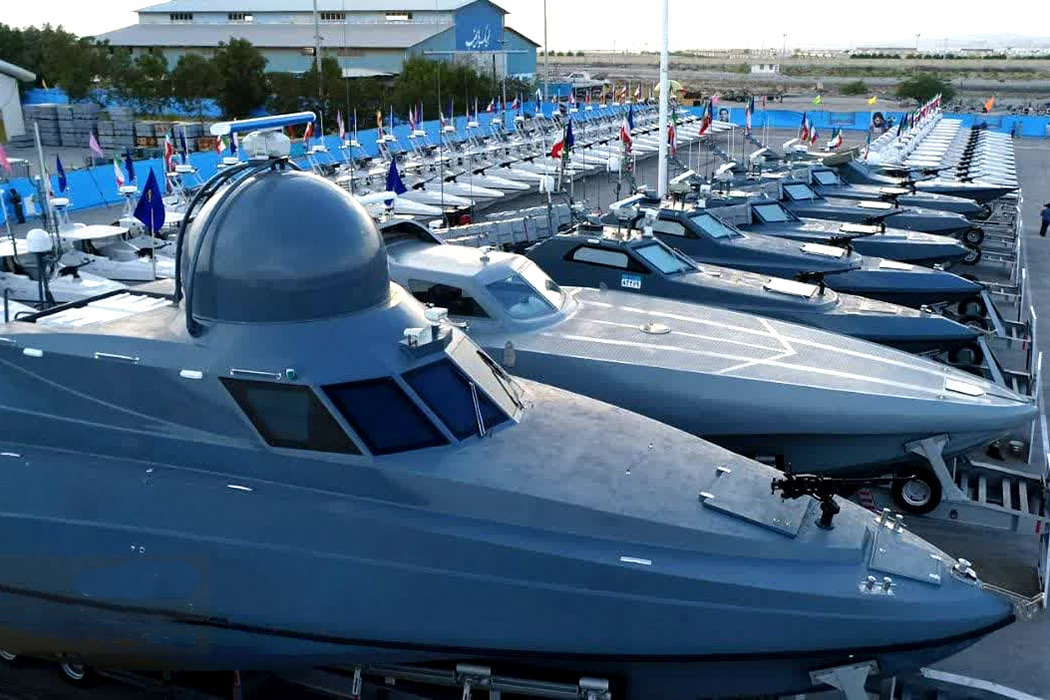
IRGC Spokesperson Brigadier General Hossein Mohebbi posted on X a photograph of CENTCOM Commander Brad Cooper’s flight over the strait alongside a burning supertanker, captioned “BRENT CRUDE: $117 A BARREL,” Tasnim reported on October 26. Cooper had stated on October 17, in a video message during his own flyover of the strait, that “the strait is controlled by the United States and our regional partners, not Iran,” according to Al Jazeera.
The PGSA Compliance Framework
The IRGC’s enforcement operates through a compliance apparatus with no close precedent in modern maritime confrontations. Under PGSA rules, as reported by gCaptain and PressTV, vessels must register with the authority, obtain clearance before each transit, and use an IRGC-approved northern corridor near Iran’s coast. Ships transiting the southern lane — promoted by the US Navy and Oman as the alternative — are classified as non-compliant and subject to interdiction.
The non-compliant vessel list has expanded from 46 ships on August 24 to 124 by October 22, with 43 added in the most recent update, Lloyd’s List Intelligence reported. Martin Kelly of EOS Risk Group told gCaptain in August that the list is “weighted toward UAE state-linked, Greek-managed, and Indian-linked tonnage, with gas carriers well represented.” The 2026 enforcement regime differs from the 1980s Tanker War, when Iran and Iraq attacked commercial shipping indiscriminately; the IRGC has constructed a quasi-regulatory apparatus — a published authority, a compliance list, stated rules — that gives its enforcement actions a pseudo-legal character, as Al Jazeera noted in an April 2026 analysis.
The IRGC framed the October 22–23 strikes not as military operations but as enforcement against “oil smuggling.” PressTV reported that the IRGC described the struck vessels as engaged in illegal oil transfer operations rather than innocent transit passage — language designed to sidestep the transit passage protections guaranteed under the United Nations Convention on the Law of the Sea. An IRGC Navy statement carried by PressTV and Fars warned: “If oil smuggling resumes, action against non-compliant vessels and the technical systems supporting them will be taken with much greater force.”
What Happens When PGSA Compliance Triggers US Sanctions?
The PGSA framework places vessel operators in a compliance trap with no clean exit. The US Treasury’s Office of Foreign Assets Control sanctioned the PGSA and warned that companies cooperating with Iranian transit demands — including sharing vessel data or making payments — could face secondary sanctions, gCaptain reported in August. The warning applied to the very forms of cooperation the PGSA demands: registration, data submission, and payment of transit fees.
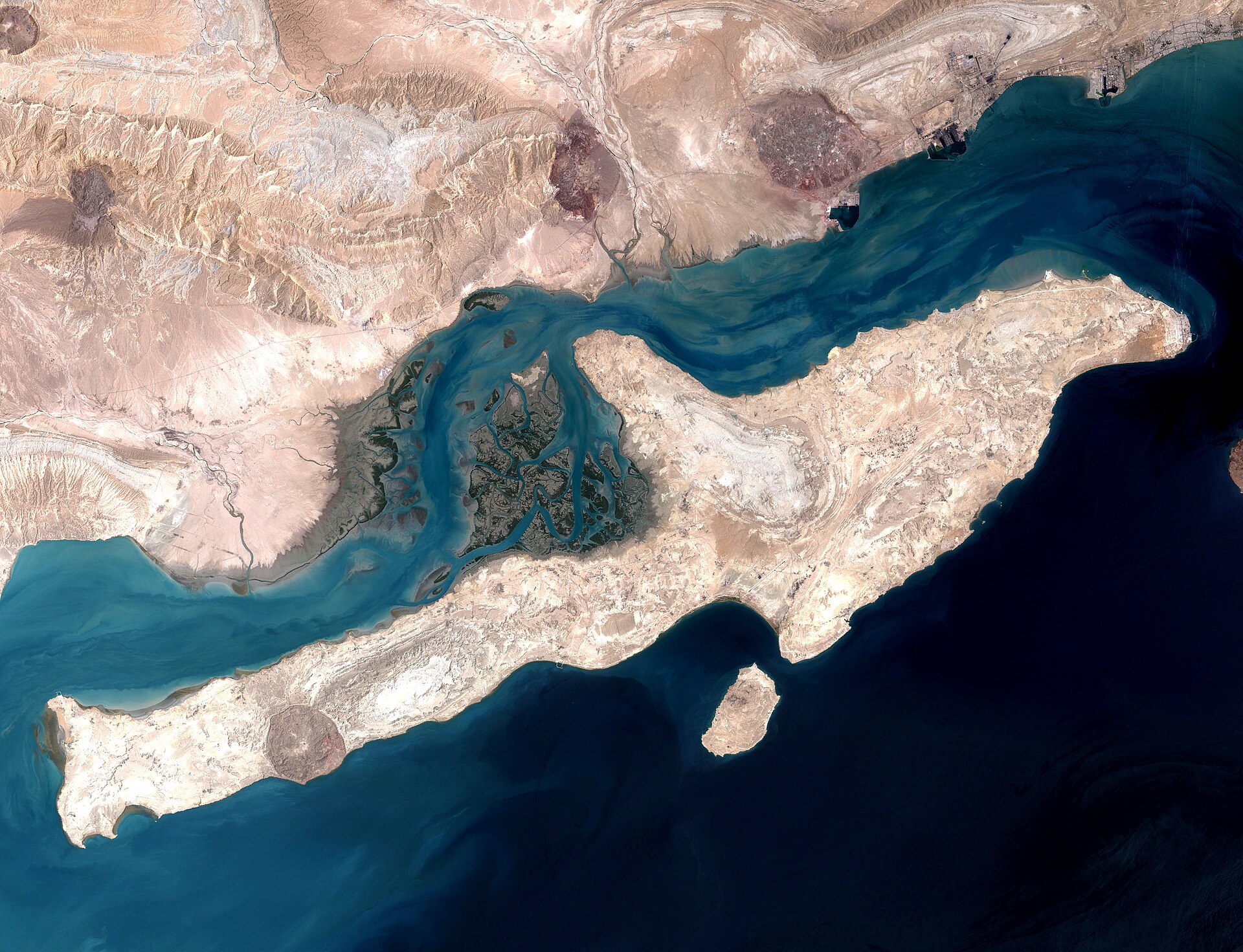
For a tanker operator, the options are irreconcilable. Registering with the PGSA and using the IRGC-approved northern corridor avoids Iranian attack but risks OFAC enforcement. Ignoring the PGSA and transiting the US-promoted southern lane satisfies US sanctions compliance but invites IRGC interdiction — the four vessels struck on October 22–23 had used the unauthorized route, according to PressTV. No third option exists for a loaded tanker that needs to exit the Persian Gulf.
The bind extends to the insurance and charter markets. BIMCO’s CONWARTIME clause, which allows vessel owners to refuse passage through war-risk zones, has been cited in charter agreements for the region. Lloyd’s List Intelligence reported that 45 former shadow-fleet tankers — vessels that once carried sanctioned Iranian or Russian crude — have moved into mainstream commercial trades, replacing tonnage that can no longer transit the strait.
How Are Shipping and Oil Markets Responding?
The transit data describe a strait that was already functionally closed to most commercial traffic before the IRGC’s formal declaration. IMF PortWatch recorded four transits on October 18, against a pre-war baseline of 85 per day, according to straits.live. Oil flows through Hormuz fell to 11.6 million barrels per day in the seven days to October 13 — approximately 68 percent of the pre-war 17.1 million bpd baseline — Kpler data cited by Al Jazeera on October 17 showed.
Non-Iranian-linked vessel transits fell to 81 in the week of October 5–11, down from 105 the previous week, with departures dropping more sharply than arrivals, Lloyd’s List Intelligence reported on October 22. As of October 26, 92 vessels were holding offshore, according to AIS data on straits.live. October recorded at least 28 attacks or security incidents in and around the strait — more than double the monthly average since the war began on February 28 — with attacks spreading beyond tankers to containerships, bulk carriers, and gas carriers, Lloyd’s List Intelligence reported.
Brent crude stood at approximately $117 a barrel on October 26, according to the figure cited in Mohebbi’s post as reported by Tasnim — up from approximately $114 earlier in the week. The market was absorbing simultaneous pressure on both of Saudi Arabia’s export routes: Aramco had told European customers there would be no October oil deliveries, and Saudi Arabia’s overland alternative, the East-West Pipeline, came under Houthi drone attack on the same day the IRGC declared the strait closed.
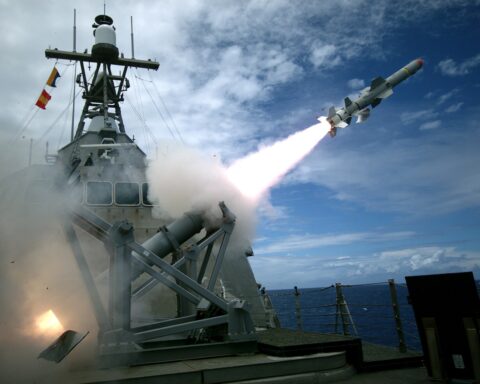
A CENTCOM spokesperson told Al Jazeera on October 22 that US forces had cleared shipping lanes of mines, that Iran’s mine claims were incorrect, and that 95 percent of vessels were “getting through.” The spokesperson described the IRGC attacks as a sign of Tehran’s “desperation.”
The Legal Void
Despite the IRGC’s declaration, Iran has not issued a NAVTEX notice — the standard maritime safety broadcast used to warn ships of hazards or navigational changes — formally declaring a closure or blockade. No IMO circular from Iran announcing the closure has been identified. The only relevant navigational notice in the record is an Oman National Hydrographic Office request to the IMO on June 23 for a Safety NET warning about a two-route system, according to IMO records.
Under UNCLOS, a coastal state cannot suspend transit passage through a strait used for international navigation. The Joint Maritime Information Centre stated in an advisory on February 28 that IRGC VHF radio hails do not constitute a legally recognized suspension of transit passage rights. The IRGC’s “closure” operates without a NAVTEX notice, an IMO circular, or any formal instrument that international maritime law recognizes — yet four tankers have burned and daily transits have fallen to single digits.
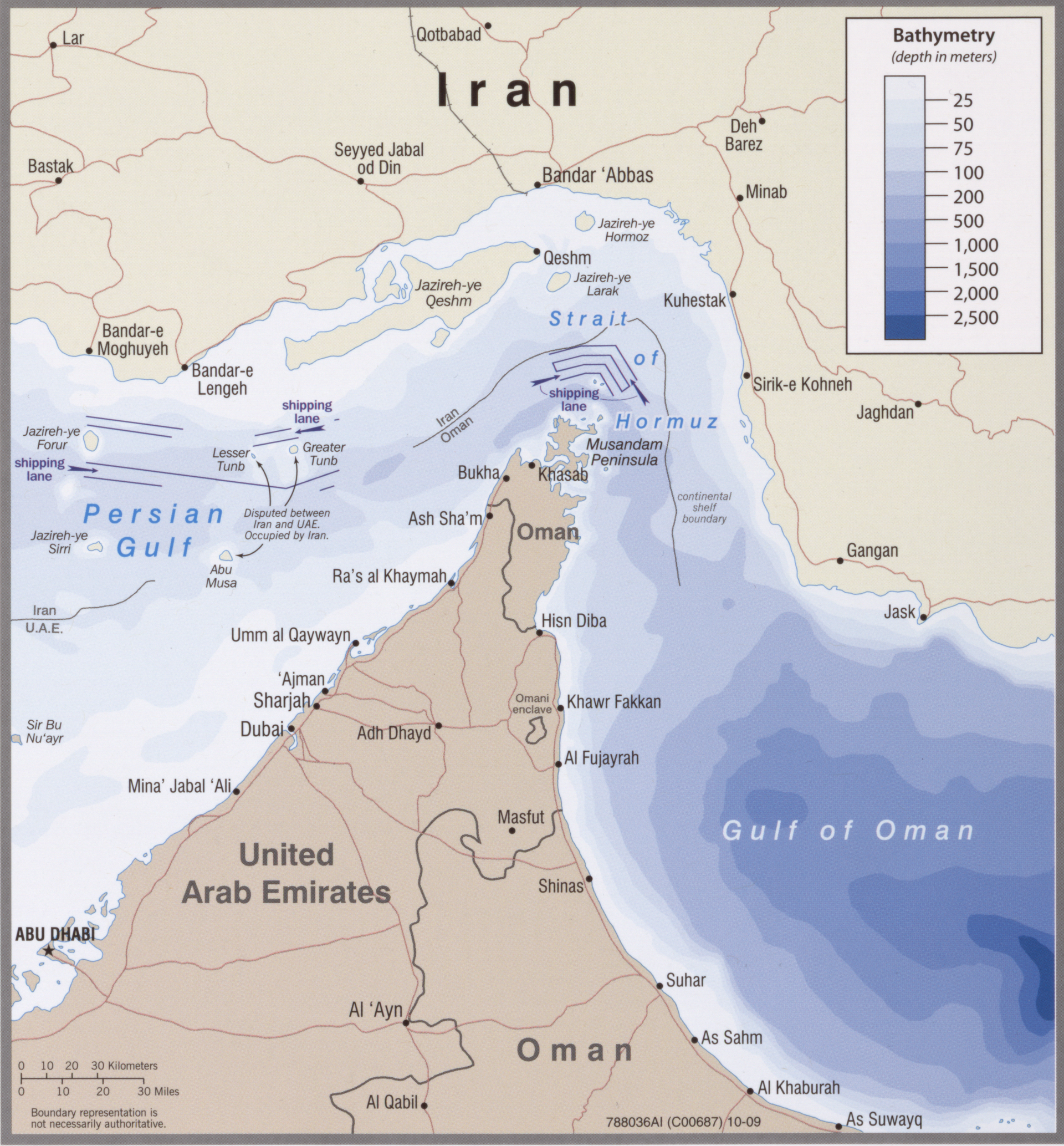
The JMIC advisory, issued on the first day of the war, specifically addressed IRGC radio hails ordering vessels to change course toward the northern corridor. Since then, enforcement has escalated from radio hails to missile and mine strikes, but the legal framework has not changed: no international body has recognized Tehran’s authority to regulate or close the waterway.
Background and Context
The IRGC declared “full control” of the Strait of Hormuz on March 4, five days after the war began on February 28, stating that vessels needed clearance to pass. Enforcement has since escalated through mine-laying, missile strikes on vessels transiting the strait, and the construction of the PGSA compliance regime. CENTCOM reported that 135 ships had been turned around since July 14, and four disabled, according to CBS News on October 10. Iran’s oil income losses under the US naval blockade have reached $25 billion since July 14, per figures CENTCOM provided to Al Jazeera on October 17.
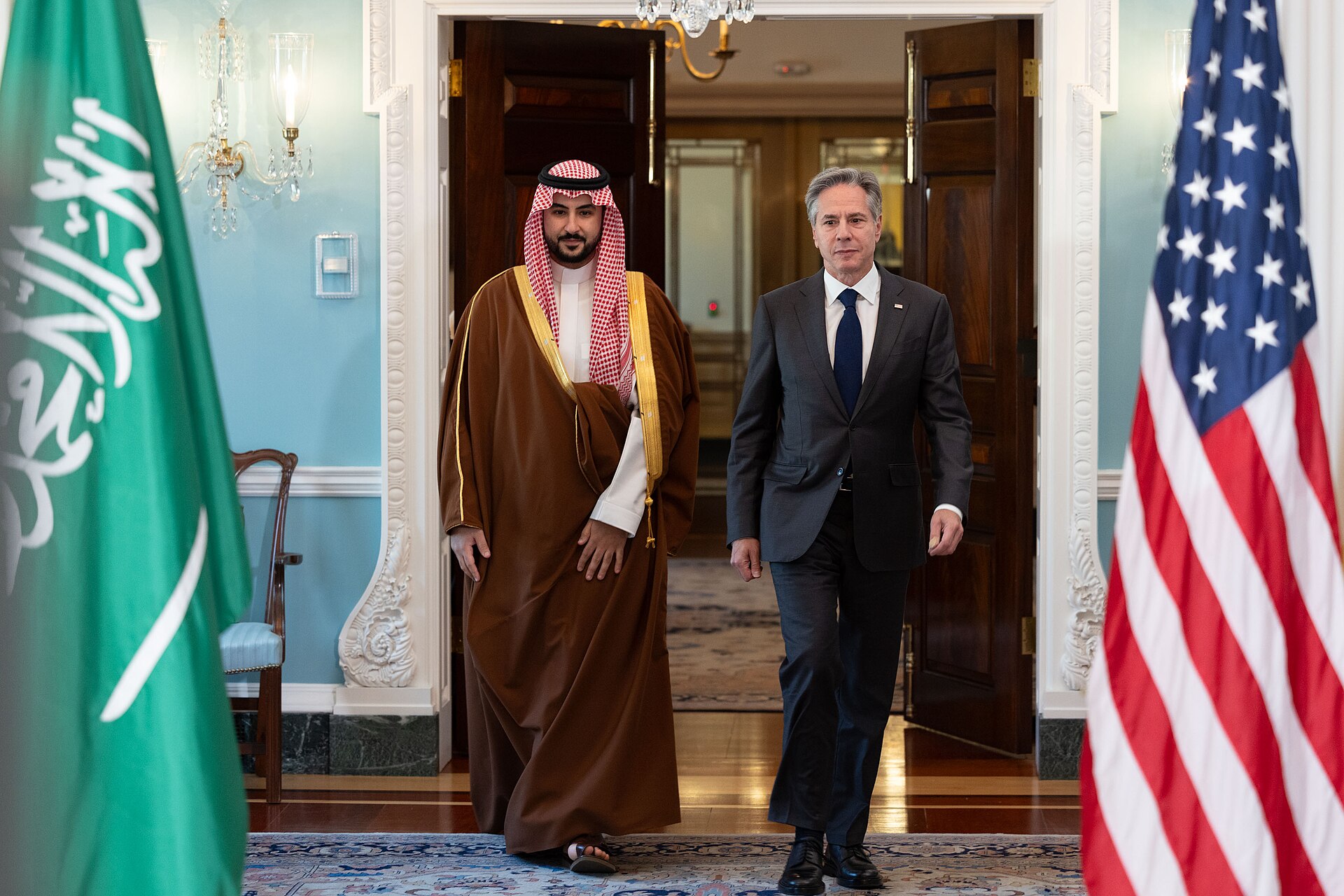
Iran’s stated conditions for reopening the strait remain unchanged from Foreign Minister Abbas Araghchi’s position: the US must lift its naval blockade of Iranian ports, remove sanctions, and release approximately $12 billion in frozen assets, Al Jazeera reported on October 4. The IRGC has not publicly endorsed the diplomatic track, and its October 22 statement to Al Jazeera warned that “the US military must know that if this trend continues, the conflict will extend to its bases in the region.” The closure declaration came on the same day that Saudi Arabia’s Defence Minister, Prince Khalid bin Salman, was in Tehran for Makkah Pact talks.
Frequently Asked Questions
How does the PGSA non-compliant list differ from a sanctions list?
The PGSA list identifies vessels by name, flag, and operator for violating Iranian transit requirements — not for ties to a sanctioned country or entity. Unlike UN or OFAC sanctions lists, it carries no international legal recognition, and compliance with it may itself trigger OFAC enforcement, making it the functional inverse of a conventional sanctions regime. No publicly reported mechanism exists for a vessel to contest its designation or be removed from the list once added.
Has any country recognized Iran’s Hormuz closure as lawful?
No state has publicly recognized the IRGC’s declaration as a lawful blockade or suspension of transit passage. The JMIC advisory of February 28 stated that IRGC radio hails do not constitute a legal suspension under UNCLOS. Iran has not submitted a NAVTEX notice or IMO circular formalizing the closure, and neither Russia nor China — both of which have maintained commercial ties with Tehran throughout the war — have commented publicly on the declaration’s legal status.
What options remain for vessels already inside the Persian Gulf?
AIS data on straits.live showed 92 vessels holding outside the strait as of October 26. Vessels not on the PGSA non-compliant list may transit using the northern corridor with PGSA registration, though doing so means sharing data with an OFAC-sanctioned entity. For the 124 vessels designated non-compliant, the IRGC’s October 23 statement said their movement through the strait had been “completely halted.” The October 26 declaration offered no pathway for removal from the list.
What is Iran’s stated price for reopening the strait?
Foreign Minister Abbas Araghchi proposed a seven-day roadmap through Qatari mediation on September 25, offering to reopen the strait in exchange for the US lifting its naval blockade of Iranian ports, removing sanctions, and releasing approximately $12 billion in frozen assets, Al Jazeera reported. No US response to the proposal has been publicly confirmed as of October 26.
The House of Saud Daily Briefing
Saudi Arabia's news in 3 minutes, every morning. Free. See today's issue