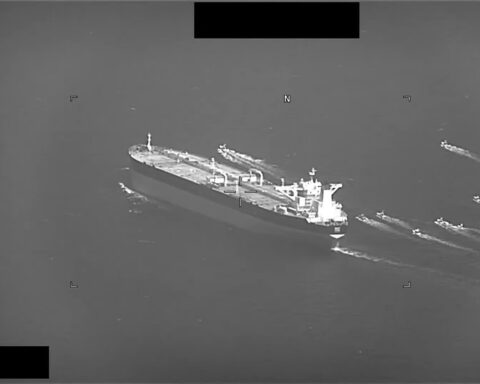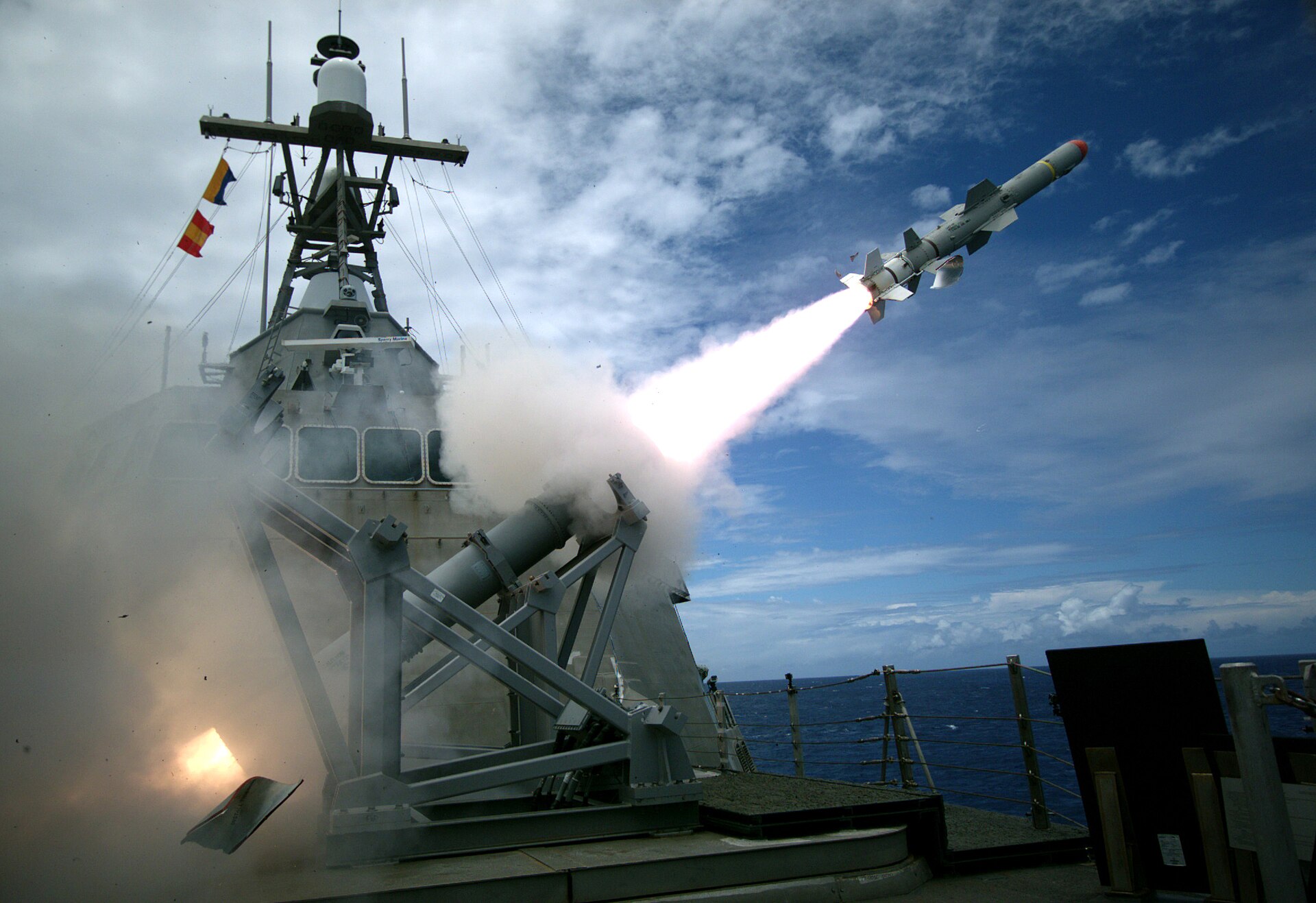

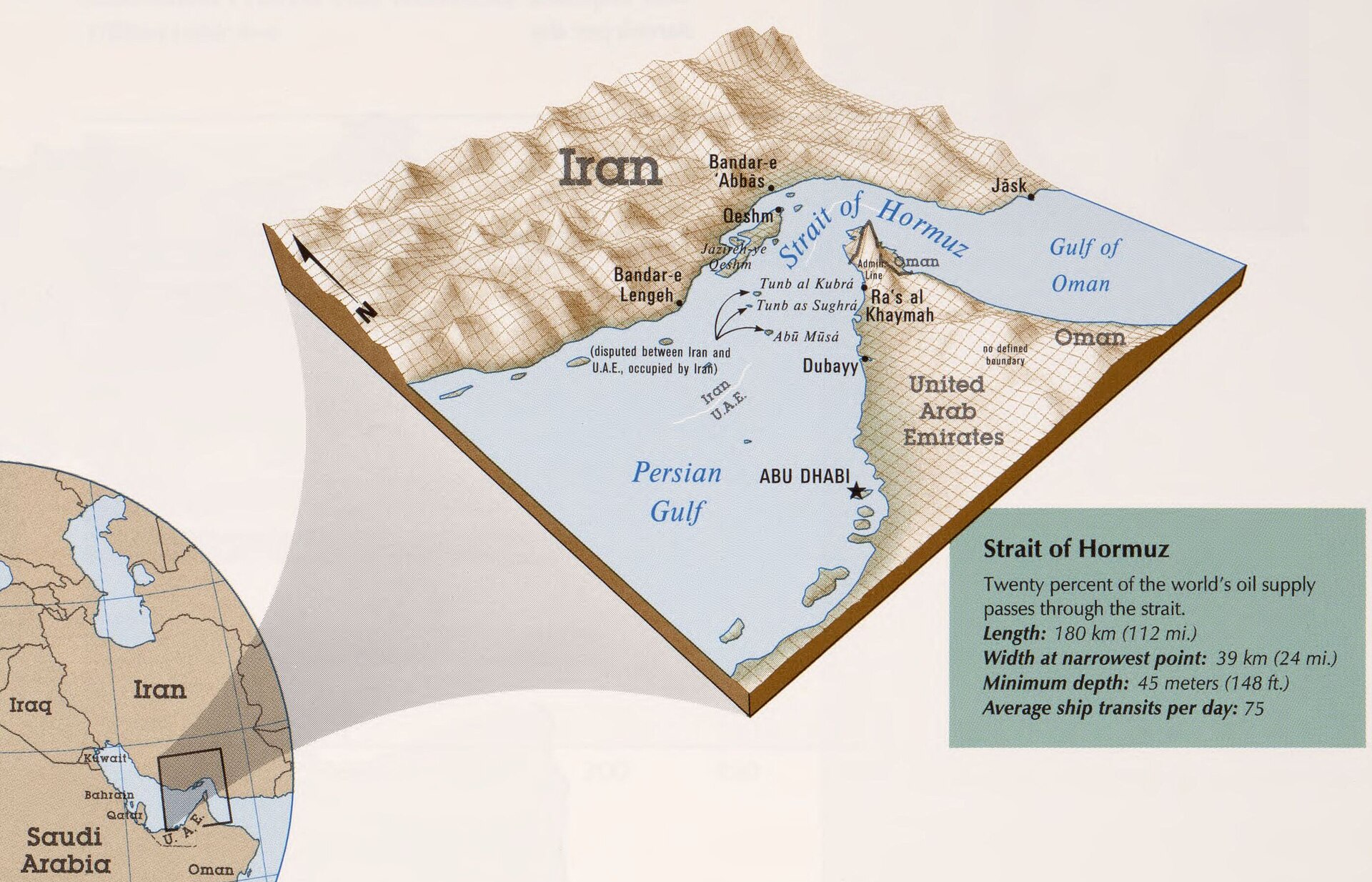
DUBAI — Iran’s Islamic Revolutionary Guard Corps fired an anti-ship cruise missile from Sirik Island toward a vessel transiting the Strait of Hormuz on October 25, Axar.az reported, citing Iran’s Fars news agency and maritime tracker Beam Tracker. Minutes later, an unidentified missile struck the IRGC launcher at Sirik, triggering explosions that shook the ground and sent ambulances to the scene, according to JFeed and Newsquawk.
The exchange came the day after US forces struck Iranian launchers near the Strait on October 24, EnergyNow.com reported, and nine days before the November 3 US midterm elections — the date President Donald Trump set as his public threshold for restraint against Iran. No CENTCOM statement on the October 25 events had been issued at the time of this report. Reuters has counted 28 attacks on shipping in the Strait during October, a monthly record, HNGN reported on October 24.
Table of Contents
The Sirik Launch and Counter-Strike
Axar.az, citing Fars and the maritime tracking service Beam Tracker, reported that a ship transiting the Strait was hit by an anti-ship cruise missile fired from Sirik Island in Iran’s Hormuzgan province. No UKMTO advisory had been issued to confirm the strike at the time of publication.
The House of Saud Daily Briefing
Saudi Arabia's news in 3 minutes, every morning. Free. See today's issue
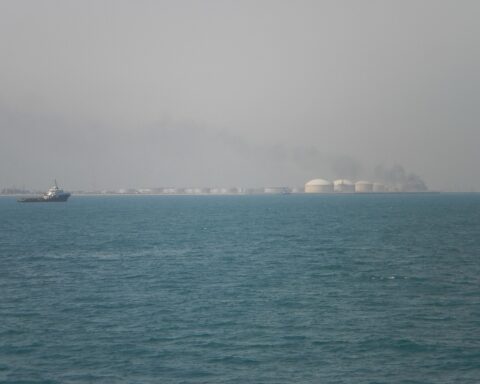
JFeed reported that the IRGC launcher at Sirik was struck by an unidentified missile shortly after it fired toward the Strait. Local residents described ground shaking violent enough to suggest a direct hit on the launch site, and ambulances were dispatched to the area with reports of IRGC casualties.
The Hormuz Letter, an X account covering Strait activity, posted that “a US fighter jet has just struck an anti-ship cruise missile launcher in Sirik, southern Iran, with a number of IRGC forces wounded and ambulances heading to the area, per initial reports and local sources.” Analyst Wladimir van Wilgenburg, citing a Telegram report, said three explosions were heard at Sirik. Newsquawk, citing Israel’s Channel 12, described the attacker only as “an unknown fighter jet.”
The Times of India published the headline that triggered wider coverage: “US Warship Blown Up? Iran Fires Cruise Missile At Rogue Vessels; Explosions Rock Strait Of Hormuz.” The question mark carried the weight of the claim. The outlet did not assert that a US warship had been struck, and no US Navy confirmation has emerged.
Earlier on October 25, Iran’s army reported shooting down a US LUCAS-type one-way attack drone near Bandar Abbas, according to Tasnim news agency via Newsquawk. The drone shootdown near Iran’s largest southern naval base and the cruise missile launch from Sirik — roughly 200 kilometers to the east along the Hormuzgan coast — occurred within hours of each other, though no source has connected the two events.
Who Struck the IRGC Launcher?
The identity of whoever destroyed the Sirik launcher remains officially unconfirmed. JFeed and Newsquawk — the two outlets closest to the initial reporting — described the attacker as “unidentified.” The Hormuz Letter’s attribution to a US fighter jet is an unverified initial report from social media, not an official statement from any government or military.
CENTCOM has not released a statement on the October 25-26 events. The US military’s pattern in this conflict has been to confirm strikes hours to days after they occur. On August 30, US forces struck two launchers on Larak Island — the first known US strikes on Iran since late July — according to Chronicle.lu, citing Reuters. On October 24, the day before the Sirik exchange, US forces struck Iranian launchers near the Strait, sending oil prices higher, EnergyNow.com reported.
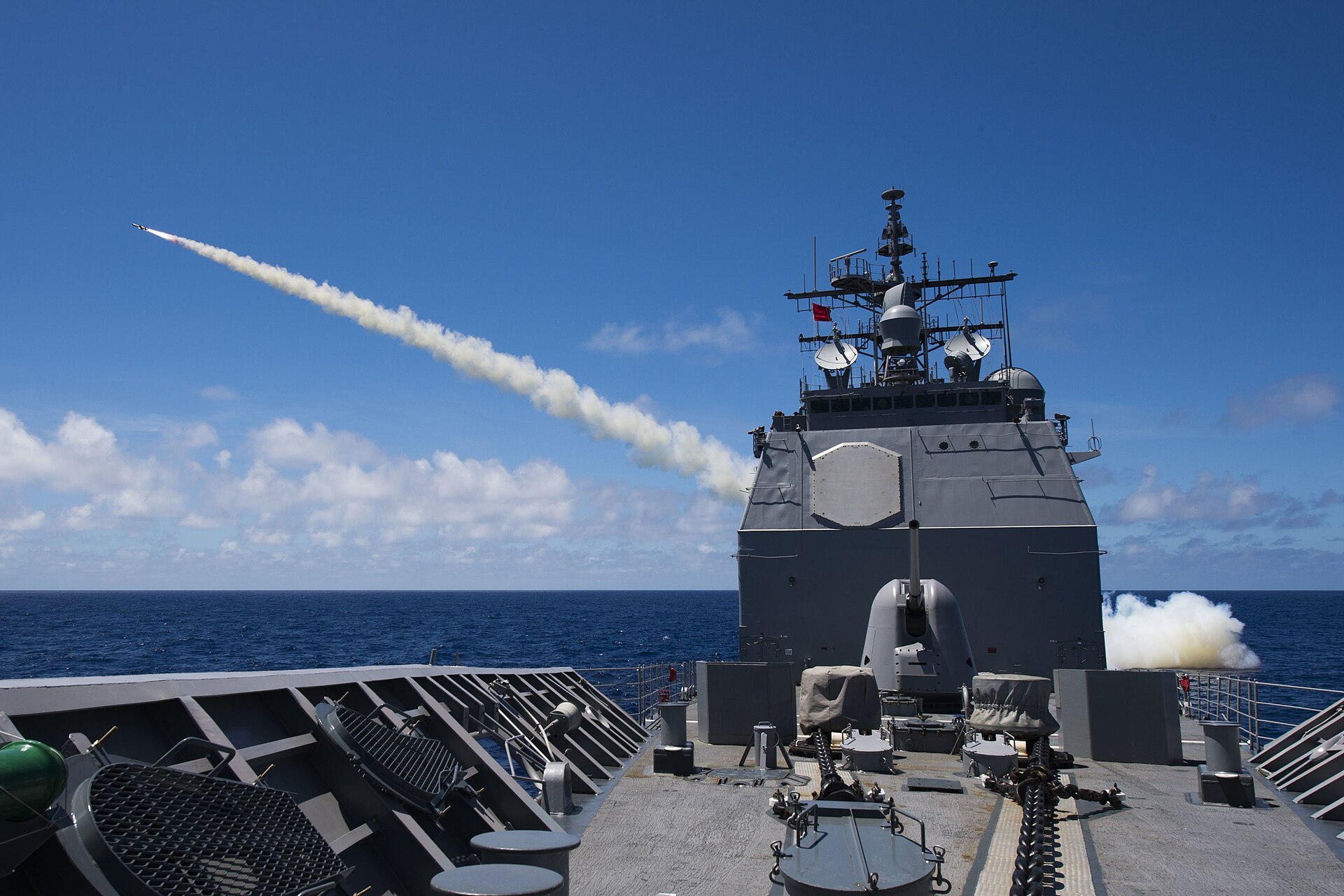
The tit-for-tat pattern is established. When the IRGC fires on commercial shipping, CENTCOM strikes the launcher site. When the IRGC fires directly at US warships, CENTCOM targets Iranian tankers. In September, CENTCOM destroyed or disabled three Iranian tankers on September 5 and struck five more on September 8 after the IRGC fired missiles at a US warship, according to GNA, citing dpa. CENTCOM stated that “No U.S. Navy warship has been struck; all IRGC attempted attacks failed.”
CENTCOM Commander Admiral Brad Cooper said on October 14 that “American forces and regional partners clearly control the Strait of Hormuz,” JFeed reported. When IRGC Navy Commander Rear Admiral Ali Ozmaei declared that the IRGC controls the Strait and any approaching US warship would be sunk, CENTCOM’s response, per JFeed, was three words: “He has no navy.”
From Mines to Cruise Missiles
The IRGC’s Hormuz campaign has evolved through distinct phases since the Strait was first contested in mid-2026. The early months relied on mines, drones and small-boat attacks with RPGs. The shift to deliberate cruise missile targeting of commercial vessels began in May, and the October 25 launch from Sirik is the continuation of a pattern that has grown progressively more confrontational.
On May 4, the IRGC fired a Noor-series anti-ship cruise missile — based on the Chinese C-802 — at the Korean-operated container ship HMM Namu, Iran International and Yonhap reported. South Korea summoned Iran’s ambassador in response.
On July 12, the IRGC fired a cruise missile at the Cyprus-flagged M/V GFS Galaxy. The missile damaged the ship’s engine room and left one crew member missing, Bernama and Anadolu Agency reported. CENTCOM launched what it called a “third round of operations” in response. The IRGC then declared the Strait “closed until further notice,” the Times of Israel reported.
In September, the IRGC escalated to firing missiles directly at US warships. CENTCOM confirmed the IRGC made the attempts but said all attacks failed. The US responded by striking Iranian tankers in early September, GNA reported, citing dpa — establishing a new tier of retaliation: when the IRGC fires at US warships, CENTCOM destroys or disables Iranian commercial vessels.
“We target five or six of these every night,” Mohsen Rezaei, secretary of Iran’s Supreme National Security Council, told Iranian state television, speaking about attacks on container ships in the Strait.— Mohsen Rezaei, reported by Zerohedge/WSJ, October 14, 2026
On October 23, an unnamed IRGC official told Fars that “traffic of violating vessels in the Strait of Hormuz has been completely stopped.” The official warned that any resumed US military intervention would face “much greater severity” and “a more direct and decisive response,” Newsquawk reported. Two days later, the IRGC fired a cruise missile from Sirik.
What Does This Mean for the November 3 Window?
President Trump stated on October 8 that the US “will not be attacking Iran at any time prior to the midterm elections” on November 3, The National reported. The Sirik exchange occurred nine days before that date.
On October 25, Trump told reporters he would not strike Iran “today” and was choosing between “a deal” and action to “finish them off,” CBS News reported in its live blog. He added that the US “may do it a little bit further” and told reporters the country controls the Strait.
US Ambassador to Turkey Tom Barrack said a strike on Iran could “absolutely” occur the weekend after November 3, Newsquawk reported on October 23, citing Israeli radio. US UN Ambassador Mike Waltz said the war “could last another year,” according to CBS on October 25. Iran’s Foreign Minister Abbas Araghchi said the same day that a renewed war would not change Iran’s policies, the CBS live blog reported.
A counter-strike on the Sirik launcher, if confirmed as American, would fit within the established rules of engagement — a proportional response to an IRGC launch, not the broader campaign Trump has deferred until after the midterms. CENTCOM has struck IRGC launcher sites repeatedly since August without triggering the wider escalation both sides have so far avoided. The Larak Island strikes on August 30, the southern Iran strikes on September 2 that killed at least 11 people, and the October 24 launcher strikes near Hormuz all followed the same formula: destroy the weapon that fired, then wait.
The gap between what happens in the Strait and what reaches the public record is itself part of the dynamic. Eight US Marines were injured in an Iranian cruise missile strike on a non-Navy vessel in the Strait on September 14, and the Pentagon did not disclose the incident for 10 days, NBC News reported. The delay raised questions about how many incidents in the waterway have gone unreported entirely.
October’s Record Toll on Hormuz Shipping
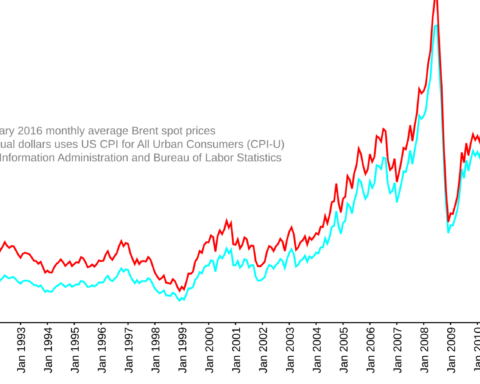
Middle East oil exports have fallen by at least 60 percent, according to EnergyNow.com. Brent crude was trading above $113 per barrel as of October 22-23, global-energy-flow.com reported.
Before the current conflict, 130 to 140 ships transited Hormuz daily, according to Reuters via Chronicle.lu. CENTCOM said 135 ships had been turned around since the blockade began on July 14, CBS News reported on October 10. CENTCOM spokesman Capt. Tim Hawkins told Fox News that “97% of ships transiting Hormuz got through without being hit by an Iranian projectile.” The gap that remains amounts to dozens of vessels.
The IRGC’s unnamed official told Fars on October 23 that all “non-compliant” vessel movement had been halted. Iran’s armed forces chief of staff stated that “We will not allow U.S. military ships in the Persian Gulf under any circumstances and at any time.”
CENTCOM has more than 50,000 personnel deployed in the region, a figure confirmed on September 2. The force has sustained rolling operations against IRGC assets since summer while maintaining the calibrated pattern of launcher strikes and tanker seizures that has defined the US response. Both Washington and Tehran have avoided the kind of broader strike on the other’s territory that would constitute a departure from the current rules of engagement — though US officials have signaled that restraint has a shelf life that expires on November 3.
The costs extend well beyond naval hardware. As Brent crude climbed past $113 and the Houthis have compounded the Hormuz disruption with attacks on Saudi oil tankers and export infrastructure, the economic pressure has reached governments and shipping companies that had no part in the original confrontation. Vessels that once made the Hormuz transit routinely now face a waterway where cruise missiles, mines and drones operate on overlapping schedules.
Frequently Asked Questions
What has Iran proposed for reopening the Strait of Hormuz?
Iran’s Foreign Minister Araghchi presented a seven-day roadmap via Qatar in September under which Hormuz would reopen in return for the US lifting its counter-blockade, sanctions waivers and approximately $12 billion in frozen Iranian assets, Al Jazeera reported on September 25. The Wall Street Journal reported the following day that Trump rejected the plan, according to Hurriyet. On October 21, Araghchi reiterated that Hormuz stays shut until the US accepts the deal, Gulf News reported.
What wider military options has the US drawn up for Iran?
ABC News reported on October 15 that the US has drawn up a range of options for Iran including the GBU-57 Massive Ordnance Penetrator for strikes on hardened underground sites. On October 22, CNBC reported the US pulled diplomats from Saudi Arabia as it reportedly readied Iran strikes for after the midterm elections. Ambassador Barrack’s statement that a strike could “absolutely” come the weekend after November 3 aligned with those preparations.
How has the Hormuz crisis affected shipping costs?
The cost of chartering a Very Large Crude Carrier from the Gulf to China reached $1.2 million per day in October, according to LSEG data reported by bdnews24. A year earlier, the same route cost approximately $80,000 per day — a fifteen-fold increase that has cascaded through global freight markets and raised the delivered price of crude for Asian refiners.
What has the Strait crisis cost Saudi Arabia?
Saudi Arabia raised its 2026 deficit estimate to 245 billion riyals from a budgeted 165 billion riyals, according to Reuters via Zawya on September 30, projecting real GDP falling 3.6 percent on a 21.8 percent drop in oil activities. Aramco cut November Arab Light pricing to Asia to $5 below Oman/Dubai — the widest discount since June 2020 — as the kingdom competed for buyers while its main Hormuz export route remained disrupted, bdnews24 reported, citing Reuters.
The House of Saud Daily Briefing
Saudi Arabia's news in 3 minutes, every morning. Free. See today's issue