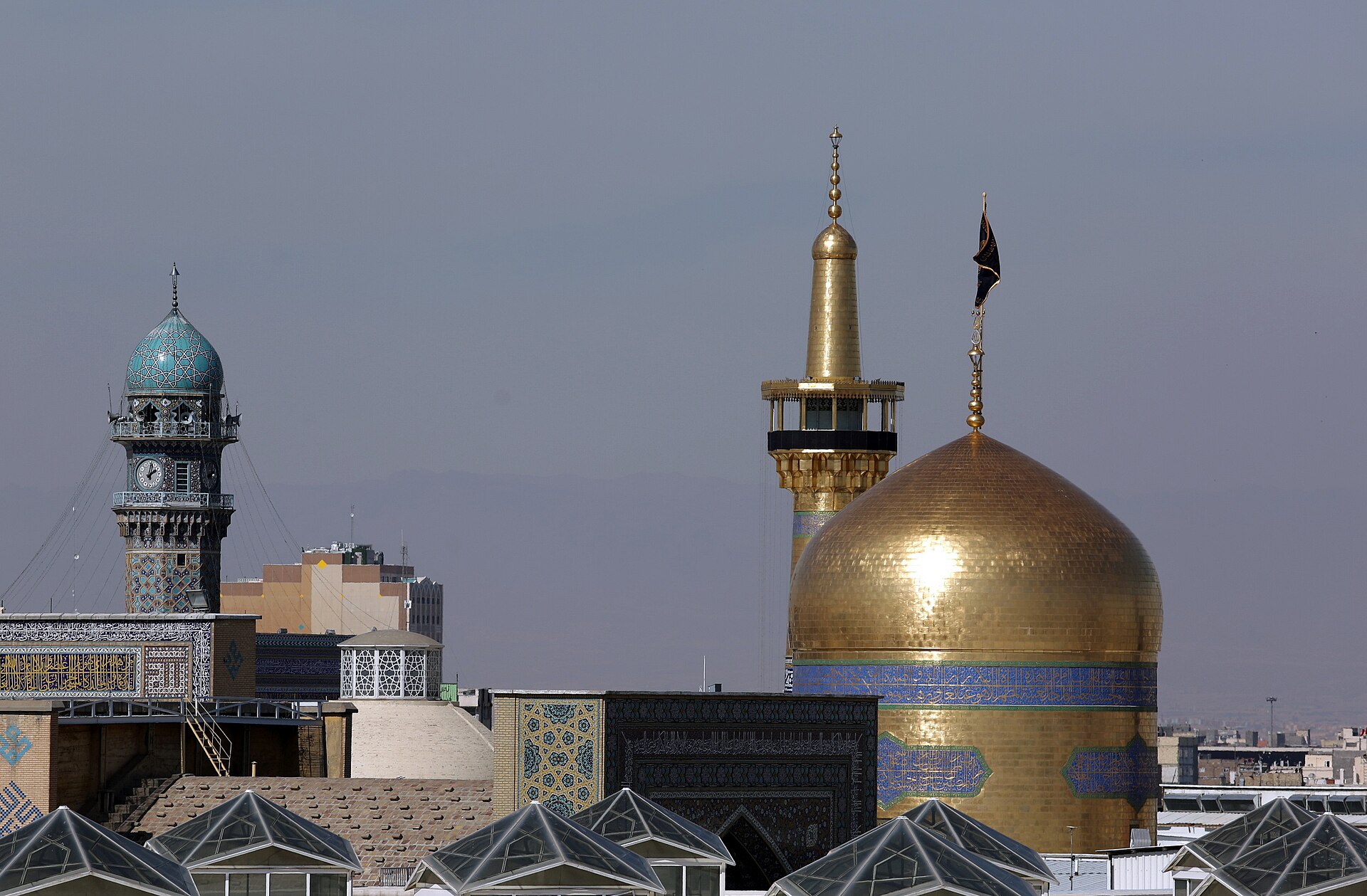
TEHRAN — A mural unveiled in Mashhad titled “Martyrs of the Epic Struggle” depicts Iran’s sitting supreme leader, Mojtaba Khamenei, alongside the country’s confirmed war dead — the most explicit public signal yet from within Iran’s own institutional culture that the 58-day absence of its head of state may be permanent. Hours later, on April 27, Russian President Vladimir Putin told Iranian Foreign Minister Abbas Araghchi in St. Petersburg that he had received “a message from the Supreme Leader of Iran,” a claim he offered without specifying the message’s content, delivery mechanism, or any authenticating detail.
The two events arrive on the same day: one from within Iran’s state media apparatus, one from an allied head of state. Together they frame the central problem now facing every mediator attempting to negotiate an end to the Iran war — the counterparty whose signature any deal requires may not be able to provide it.
Table of Contents
The Mashhad Mural and Iran’s Martyr Tradition
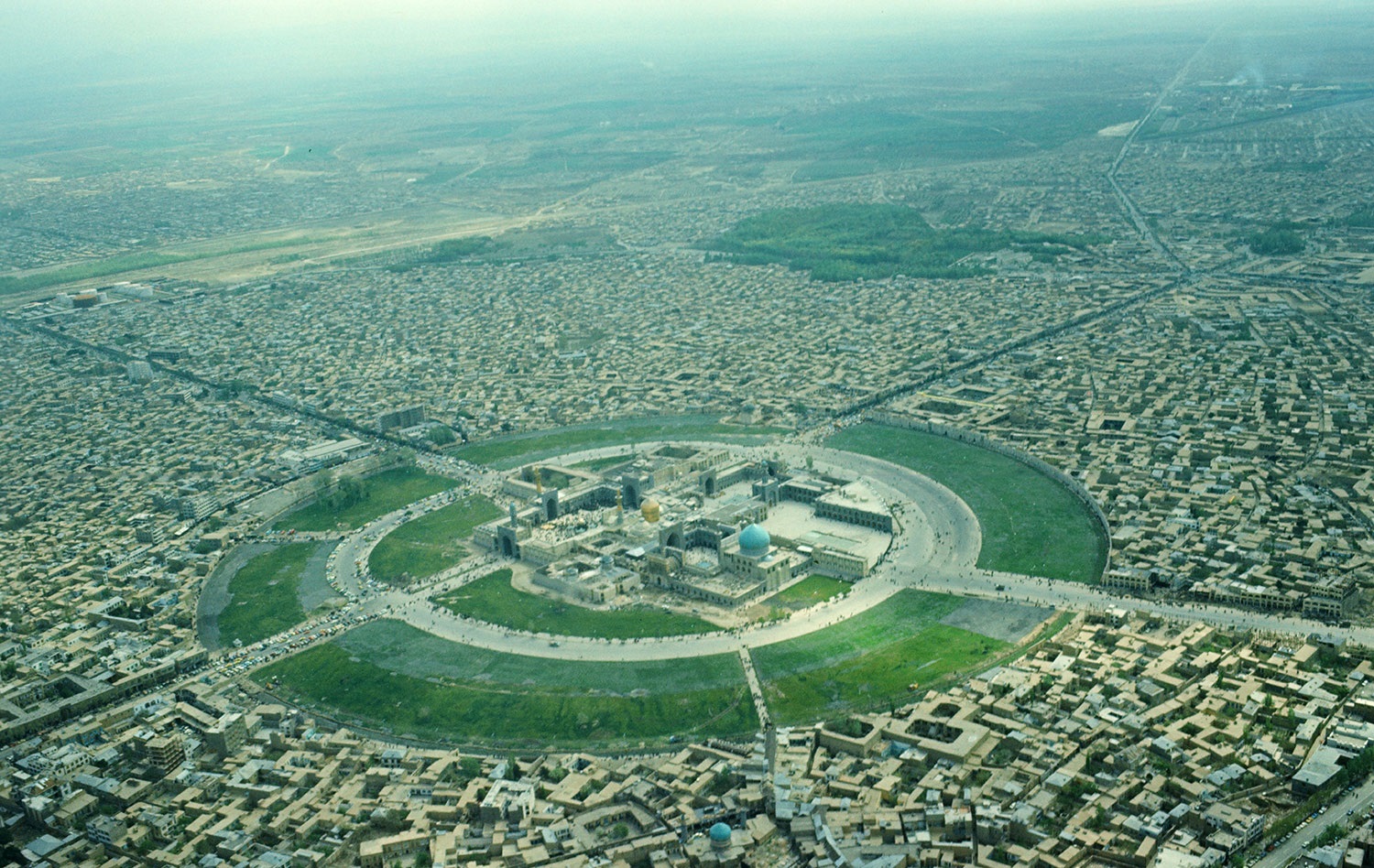
The mural appeared on approximately April 26 in Mashhad, Iran’s second-largest city and the burial site of Imam Reza, one of Shia Islam’s holiest shrines. It depicts Mojtaba Khamenei alongside Qassem Soleimani, killed by a US drone strike in January 2020; former president Ebrahim Raisi, who died in a helicopter crash in May 2024; Islamic Republic founder Ruhollah Khomeini, who died in 1989; and Ali Khamenei, Mojtaba’s father, killed in the February 28 US-Israeli strikes. Every other figure in the composition is confirmed dead.
Iran’s martyr mural tradition dates to the Iran-Iraq War of 1980–1988 and carries a specific institutional grammar. The title “shahid” — martyr — and inclusion in martyrs’ memorial compositions are reserved for the dead. Living leaders, including Ali Khamenei during his 37-year tenure and Khomeini before his death, appeared in separate visual formats distinct from the shahid commemoration genre. The distinction is not ambiguous within Iranian political culture; it is categorical.
Iranian authorities have made no official comment on the mural’s meaning or its inclusion of Mojtaba Khamenei, according to Euronews reporting on April 27. IRNA, IRIB, and PressTV — the three pillars of state media — did not address the mural’s content.
What Did Tasnim Mean by “Martyred Leader”?
The mural was not the first signal from within Iran’s own institutional apparatus. Tasnim News Agency — editorially linked to the IRGC — referred to Mojtaba Khamenei as the “martyred leader of the revolution” in a post before officials characterized the phrase as “an error,” Euronews and The Week India reported. No formal retraction was published. The phrase was not attributed to a junior editor or a social media manager; it appeared under Tasnim’s institutional voice.
The Middle East briefing 3,000+ readers start their day with.
One email. Every weekday morning. Free.
Separately, IRGC-affiliated Fars News Agency referred to Mojtaba as a “janbaaz” — a Persian term with precise institutional meaning denoting severe physical injury, including limb loss. The term occupies a specific position in the Islamic Republic’s taxonomy of war sacrifice: above “razmandeh” (combatant), below “shahid” (martyr). Its application to a sitting supreme leader by an IRGC-linked outlet has no precedent in the Republic’s 47-year history, CNN reported on April 21.
The accumulation matters less as individual data points than as a pattern of institutional language slipping past editorial controls that, in the Islamic Republic’s media ecosystem, are rarely accidental. Tasnim does not publish without IRGC oversight. Fars does not assign terminology of physical incapacitation to the supreme leader by accident.
Putin’s St. Petersburg Claim
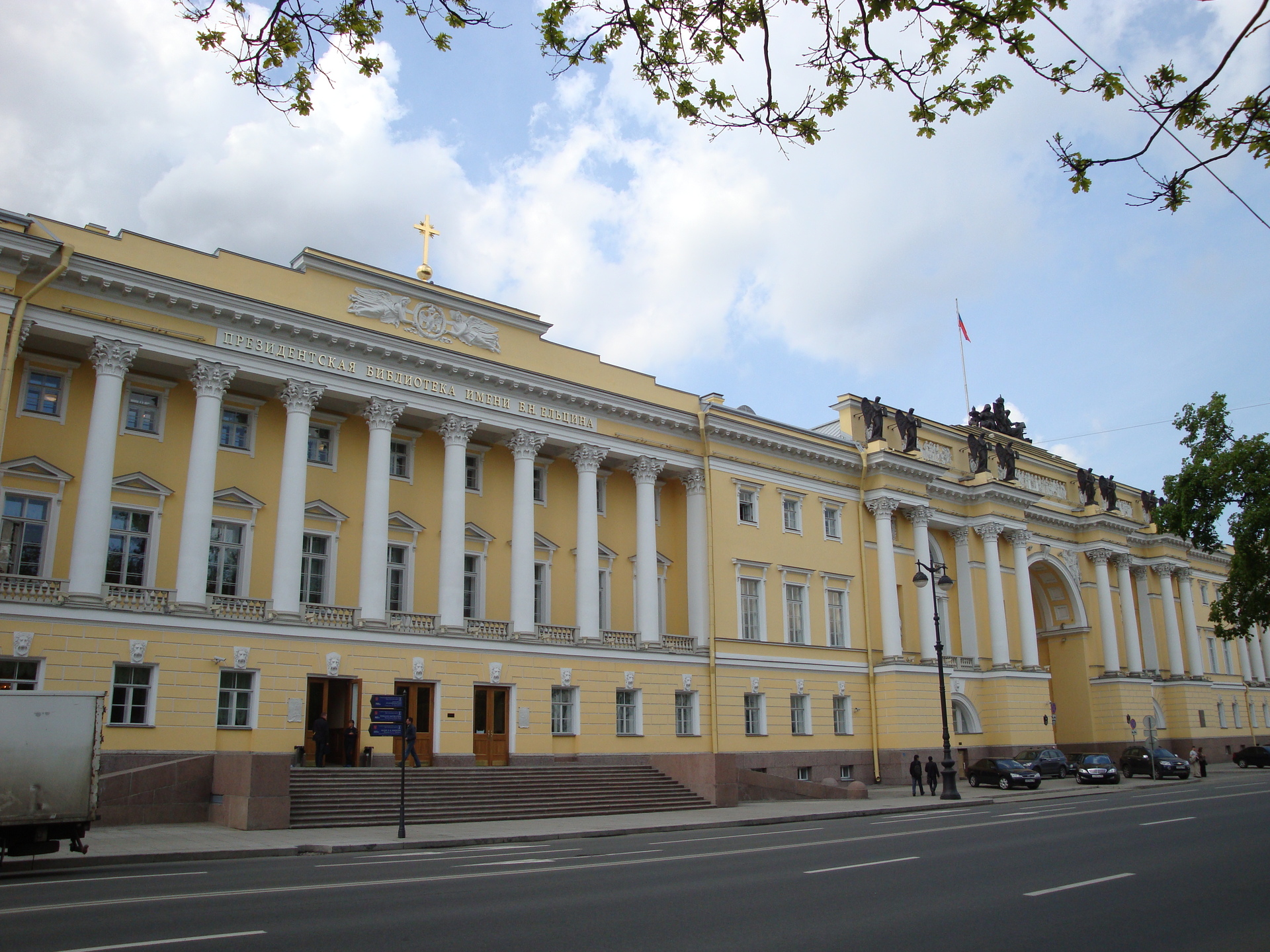
On April 27, Putin met Araghchi at the Presidential Library in St. Petersburg. The Kremlin readout recorded Putin’s opening statement: “At the beginning of our conversation, I would like to note that last week I received a message from the Supreme Leader of Iran. I would ask you to convey my sincere gratitude for it and to confirm that Russia, just like Iran, intends to maintain our strategic relations. Please convey to the Supreme Leader my appreciation for his message and my best wishes for his good health and well-being.”
The statement reveals as much by omission as by content. Putin did not describe the message. He did not specify whether it was written, recorded, or relayed verbally. He did not indicate whether it arrived through diplomatic channels, intelligence liaison, or courier. The phrase “my best wishes for his good health and well-being” — standard diplomatic boilerplate in most contexts — reads differently when addressed to a leader whose physical existence is publicly contested.
GRU chief Igor Kostyukov attended the meeting alongside Foreign Minister Sergei Lavrov and presidential foreign policy aide Yuri Ushakov, The Moscow Times reported. The presence of Russia’s military intelligence chief at what was framed as a diplomatic courtesy call raises its own questions about the meeting’s actual agenda.
Iranian state media handled the claim selectively. Tasnim headlined: “Putin Receives Ayatollah Khamenei’s Message.” Neither Tasnim nor Fars noted that Putin had simultaneously expressed concern for Khamenei’s health — an omission consistent with a regime that has not acknowledged any injury to its supreme leader. No Iranian outlet published verification of the message’s content or origin.
58 Days Without Authenticated Appearance
Mojtaba Khamenei has not appeared in any confirmed video or audio recording since the February 28 strikes that killed his father. He was appointed supreme leader by the Assembly of Experts on March 9 — a ceremony he did not attend in person. As of April 27, the absence spans 58 days, a period without precedent for any Iranian head of state since the 1979 revolution.
The New York Times reported, circa April 23, that Mojtaba has undergone three surgeries on one leg and may require a prosthetic; underwent surgery on one hand; and suffers severe facial and lip burns that make speech difficult, with plastic surgery still pending. President Masoud Pezeshkian — a cardiac surgeon by training — and the health minister are directly overseeing his care, according to the Times’ reporting via The Hill and Just The News.
The regime has attempted to fill the visual gap. BBC Verify documented Iranian state media using AI to manipulate old photographs and present them as new images. A war-room video broadcast by state television was identified as AI-generated. Mojtaba’s first written statement in March contained multiple typographical errors; a Tehran-based source told The Media Line it “was drafted by the IRGC and later rewritten in Mojtaba Khamenei’s style.”
Open Magazine reported that Mojtaba governs from an undisclosed location, communicating exclusively through handwritten messages sealed in envelopes and passed by human courier chains using cars and motorcycles on highways and back roads. The picture that emerges — a leader who cannot speak, cannot appear, cannot be recorded, and whose written communications are drafted by others — raises the question of what “governing” means under these conditions.
How Is Iran Being Governed?
Ali Vaez of the International Crisis Group told CNN on April 21 that “Mojtaba is not in a state where he can actually make critical decisions or micromanage the talks.” The assessment, from one of the most cautious Iran analysts in Washington, aligns with the structural evidence: the system secures his approval for broad decisions but not tactical ones, and his absence provides cover because there is no countering from a leader who is, in operational terms, missing in action.
Abdolreza Davari, a former aide to President Ahmadinejad with documented ties to Mojtaba, offered a different framing to Open Magazine: “Mojtaba is managing the country as though he is the director of the board. He relies heavily on the advice and guidance of the board members, and they collectively make all the decisions.” The metaphor is revealing — a board director who relies entirely on the board is a figurehead, not an executive.
Kayhan Valadbaygi, a research fellow at the International Institute of Social History, argued in Al Jazeera on April 1 that the consolidation is “structural rather than personal” — “the office now matters more than the individual who occupies it.” Iran, in his assessment, is moving toward “a more tightly securitised Islamic Republic” that is “harder, narrower, and more militarised than before.” The implication is that Mojtaba’s condition may be operationally secondary to the IRGC’s institutional grip on every lever that matters.
The two analyses are not contradictory. A system can function without its nominal head — until it needs that head to authorize something unprecedented, such as a ceasefire requiring enrichment suspension or Hormuz sovereignty concessions. Araghchi told four mediator governments on April 25–26 that “there is no consensus inside the Iranian leadership” on precisely those questions, Axios reported.
The Mediation Problem: Who Signs the Deal?
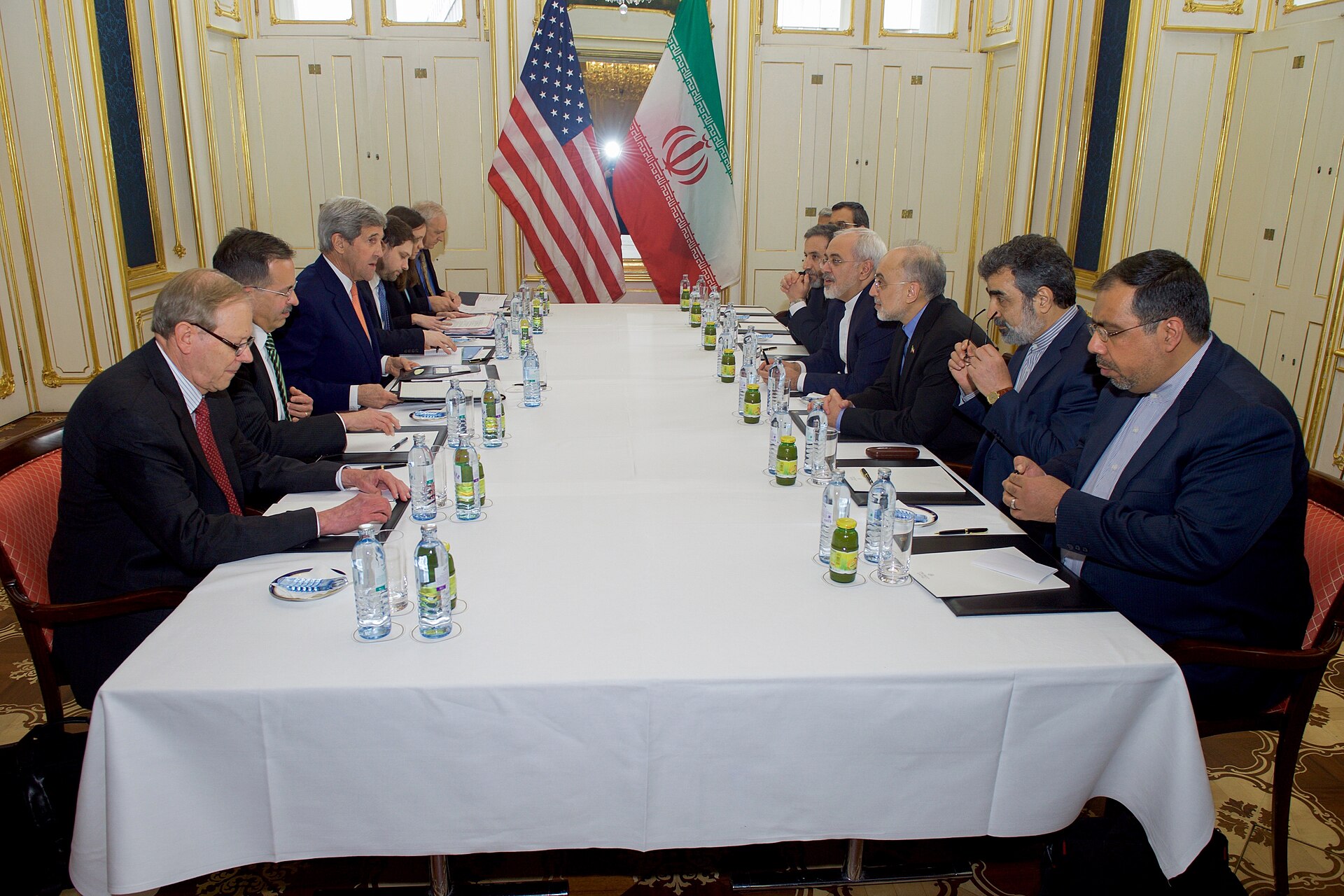
Araghchi told mediators from Pakistan, Egypt, Turkey, and Qatar on approximately April 25–26 that “there is no consensus inside the Iranian leadership” about how to address US demands, specifically the demand for at least a decade-long enrichment suspension, Axios reported on April 27. The admission, to four separate governments simultaneously, is either a negotiating tactic or a factual description of a system whose authorization ceiling has collapsed.
Under Iran’s constitution, the supreme leader holds exclusive authority over the armed forces, nuclear policy, and foreign policy red lines. Article 111 provides a mechanism for incapacitation: if the leader becomes “incapable of fulfilling his constitutional duties,” the Assembly of Experts may dismiss him, and interim authority passes to a three-person council comprising the president, chief justice, and one Guardian Council jurist. That mechanism has not been invoked. No senior Iranian official has acknowledged that it might need to be.
Pakistan’s mediation architecture depends on FM Ishaq Dar’s direct access to Iranian decision-makers. The Vance-Ghalibaf Islamabad channel produced near-agreement before collapsing over enrichment terms. Turkey and Egypt have invested diplomatic capital in shuttle diplomacy. All four tracks assume that someone on the Iranian side can deliver a binding commitment. If Mojtaba cannot sign, and IRGC commanders like Vahidi hold effective veto power while the Article 111 mechanism sits unused, the Islamabad Accord framework has already demonstrated the result: IRGC representative Vahidi’s delegation deviated from its own mandate, and the near-agreement collapsed.
Background: The Succession and Its Fractures
The February 28, 2026 US-Israeli strikes killed Ali Khamenei, who had served as supreme leader since 1989. Mojtaba, his second son, survived but was injured alongside his wife and son, both of whom were killed. Between March 3 and March 8, the Assembly of Experts convened under what the Carnegie Endowment for International Peace described as “repeated contacts and psychological and political pressure” from IRGC commanders on members to vote for Mojtaba.
His appointment was announced March 9. His religious credentials were contested from the outset: Mojtaba is a midlevel cleric with no scholarly publications and no elected office history. The appointment represented the IRGC’s preference for continuity of institutional control over the constitutional requirement for a leader of “necessary scholarly and pious qualifications.” No rival candidate was publicly named during the Assembly’s deliberations.
In the 58 days since, the war has continued under a ceasefire that expired April 22 without renewal. The US naval blockade of Iranian ports, effective since April 13, remains in place. IRGC seizures of commercial vessels in the Gulf of Oman have continued post-ceasefire. And the question of who actually commands Iran’s war policy — a supreme leader communicating by handwritten courier, an IRGC command structure operating with decentralized autonomy, or a constitutional fiction maintained by all parties because the alternative is worse — remains unanswered.
Frequently Asked Questions
Has any previous Iranian supreme leader been depicted in a martyr mural while alive?
No. Khomeini appeared in shahid compositions only after his death in 1989. Ali Khamenei’s public murals during his 37-year tenure consistently placed him as a living authority figure — separate visual formats from martyr memorials, distinct in framing, color palette, and symbolic context. No supreme leader has appeared in a martyrs’ memorial while alive. The Islamic Republic has published murals depicting martyrs alongside living leaders as mourners or patrons, but never as co-members of the same commemorative composition. The Mashhad mural breaks that convention entirely.
What is the legal mechanism if Iran’s supreme leader is incapacitated?
Article 111 of Iran’s constitution empowers the Assembly of Experts — the same 88-member body that appointed Mojtaba on March 9 — to determine incapacitation and dismiss the leader. Interim authority would transfer to a three-person council: President Pezeshkian, Chief Justice Gholamhossein Mohseni-Ejei, and one jurist selected from the Guardian Council. The mechanism has never been invoked in the Islamic Republic’s history. Constitutional scholars note that the Assembly’s own legitimacy depends partly on the supreme leader’s confirmation of its members, creating a circular authority problem if invoked against a sitting leader.
Why was GRU chief Kostyukov present at the Putin-Araghchi meeting?
Igor Kostyukov heads Russia’s Main Intelligence Directorate (GRU), the military intelligence service responsible for covert operations, signals intelligence, and battlefield coordination. His presence at a meeting framed by the Kremlin as diplomatic courtesy — receiving a foreign minister to discuss a message — suggests the conversation extended beyond diplomatic pleasantries into military and intelligence coordination. Russia has maintained military advisors in Iran and Syria throughout the conflict, and GRU channels would be the natural conduit for verifying the physical status of a foreign head of state whose condition is a matter of active intelligence interest to every major power.
Could the Putin “message” claim be independently verified?
As of April 27, no. Putin did not describe the message’s format, content, or delivery channel. Iran’s state media reproduced the claim without adding authenticating detail. No third-party government or intelligence service has confirmed receiving parallel communications from Mojtaba Khamenei in the same timeframe. The verification gap matters: in normal diplomatic practice, a message from a head of state generates a paper trail — acknowledgments, responses, readouts — that multiple parties can reference. The absence of any such trail leaves only Putin’s assertion.
What happens to ceasefire negotiations if Iran cannot produce an authorized signatory?
The legal problem is distinct from the political one. Even if IRGC commanders reached a de facto agreement with mediators, any deal touching nuclear enrichment or Hormuz status requires a supreme leader’s explicit ratification under Article 176 of Iran’s constitution — the SNSC cannot bind Iran on those issues without it. That creates a scenario where the IRGC could accept terms operationally but refuse to allow them to be legally formalized, or accept them and then disclaim the signature later. US negotiators have confronted this problem directly: the Vance-Ghalibaf near-agreement in Islamabad collapsed in part because Ghalibaf, as parliament speaker, holds no constitutional authority to bind the IRGC or the nuclear program. Any deal that bypasses the supreme leader ratification requirement is, under Iran’s own constitutional structure, unenforceable. That same authorization ceiling is at the centre of Russia’s Rosatom custody bid for Iran’s 440 kg of weapons-usable uranium — a framework that positions Moscow as the indispensable gatekeeper regardless of whether Khamenei’s signature can be obtained.
The structural question the Putin disclosure raises — whether a message relayed through Moscow constitutes evidence of operational command or only of political communication — is examined directly in Khamenei’s Message Reached Moscow. It Cannot Reach Vahidi.