
Mojtaba Voided the MOU from a Location No Official Can Name
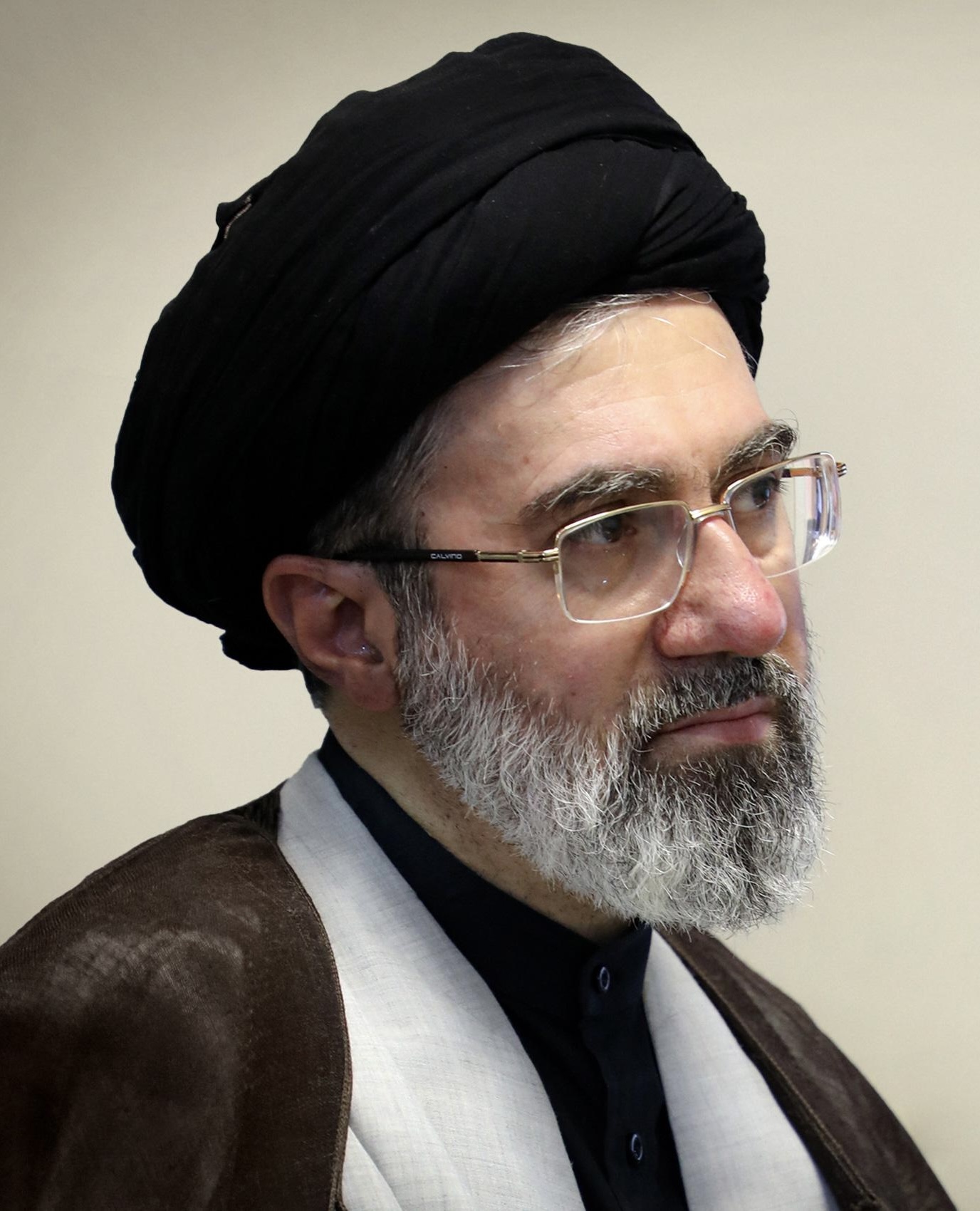
Mojtaba Khamenei, Supreme Leader of Iran, April 10, 2026 — his first confirmed public appearance after assuming leadership on March 8, 2026

Mojtaba Voided the MOU from a Location No Official Can Name

Mojtaba Khamenei declared Trump's MOU signature 'utterly worthless' July 18. Saudi Arabia bears the costs of a framework whose authority has collapsed.

TEHRAN — Mojtaba Khamenei’s first substantive public statement since he assumed the role of Supreme Leader declared the signature of the President of the United States “utterly worthless and invalid” and warned that Iran holds “unforgettable lessons” for its adversaries. The statement was delivered on July 18 as a written message read on Iranian state television. Mojtaba did not appear. He has not appeared — in any verified audio, video, or physical capacity — in the 134 days since the Assembly of Experts elevated him under IRGC pressure on March 8, six days after his father was killed.

Conflict Pulse IRAN–US WAR
Live conflict timeline
Day
143
since Feb 28
Casualties
13,260+
5 nations
Brent Crude ● LIVE
$113
▲ 57% from $72
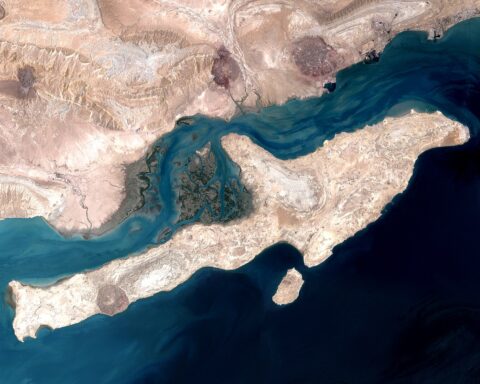
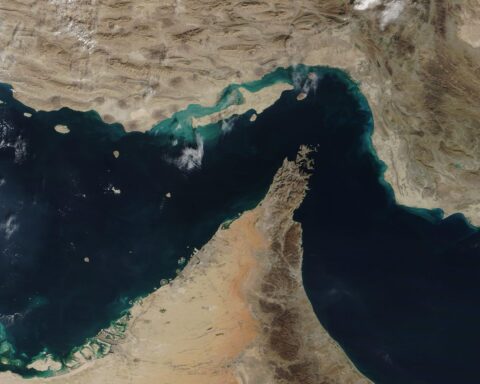
Hormuz Strait
RESTRICTED
94% traffic drop
Ships Hit
16
since Day 1

The managed ambiguity that allowed Iran, the United States, and Saudi Arabia to treat the Islamabad MOU as a living diplomatic instrument — despite the ceasefire’s functional collapse, despite nine consecutive nights of American strikes on Iranian territory, despite Iranian ballistic missiles hitting Prince Sultan Air Base hours before the statement was read — ended on a television screen in Tehran, in a voice that was not Mojtaba’s own. Saudi Arabia holds no seat at any negotiating table where the MOU was drafted, renegotiated, or suspended. It holds no channel to the authority that voided it. And it holds 400 PAC-3 interceptors against a pre-war inventory of 2,800. On July 20, two days after the void, Faisal called Qatar’s PM to discuss MOU compliance — reaching the facilitator Riyadh could not replace with a seat of its own.

The Statement No One Saw Delivered

Iranian state television broadcast the words at approximately 21:00 local time on July 18, 2026. The anchor read from a written text attributed to the Supreme Leader. The message contained two operative declarations. The first: “The repeated breach of agreements by the Great Satan vis-a-vis the accord has once again proven to all that the signature of the President of America is now utterly worthless and invalid, and that bullying, hegemonism and savagery are inseparable components of the American creed and doctrine.” The second: “Now that the American enemy is seeking to foment war and suffer heavier costs and further humiliation, it should know that the dear nation of Iran and the Resistance Front hold unforgettable lessons for it.”

No video of Mojtaba Khamenei accompanied the broadcast. No audio recording in his voice was released. The text was distributed to IRNA, Fars News, and Tasnim News Agency as a written directive. IRNA’s initial publication contained typographical errors — described by opposition analysts as evidence that no one properly edited or proofread the text, and that it pointed to turmoil within the Islamic Republic’s communications apparatus. PressTV, the English-language state outlet, published a version cleaned of the errors, framing the statement as the Leader’s definitive position on the MOU: “America’s dishonesty, irrationality, untrustworthiness, and vileness.”

This is how the most consequential Iranian foreign-policy pronouncement since the Islamabad MOU was signed reached the world: as text on a screen, attributed to a man who has not been photographed, filmed, or recorded in 134 days of nominal leadership. Ali Khamenei, whatever his physical limitations in later years, delivered his major policy declarations — including his conditional endorsement of the 2015 JCPOA and his eventual denunciation of American compliance — in person, in front of audiences whose size and composition served as calibrated signals. The Friday prayer sermons at Tehran University, the annual Nowruz addresses from the Imam Reza Shrine, the military academy graduation speeches — each venue carried institutional weight beyond the words themselves.

Mojtaba has reproduced none of this. His March 12 statement — the first after his elevation — was a written message endorsing the Hormuz closure strategy. His May 26 Eid al-Adha message ran to fourteen pages and declared that American military bases in the region would be removed as a non-negotiable condition of any settlement. Each was read by others. Each contained language and doctrinal framing consistent with IRGC strategic communications. The IRGC-affiliated Fars News Agency has referenced Mojtaba as a “janbaaz” — a designation in the Islamic Republic’s official vocabulary specifically denoting severe physical disability, repurposed here to describe whatever condition prevents the Supreme Leader from appearing before the institutions he nominally commands.

The HOS Daily Brief

The Middle East briefing 3,000+ readers start their day with.

One email. Every weekday morning. Free.

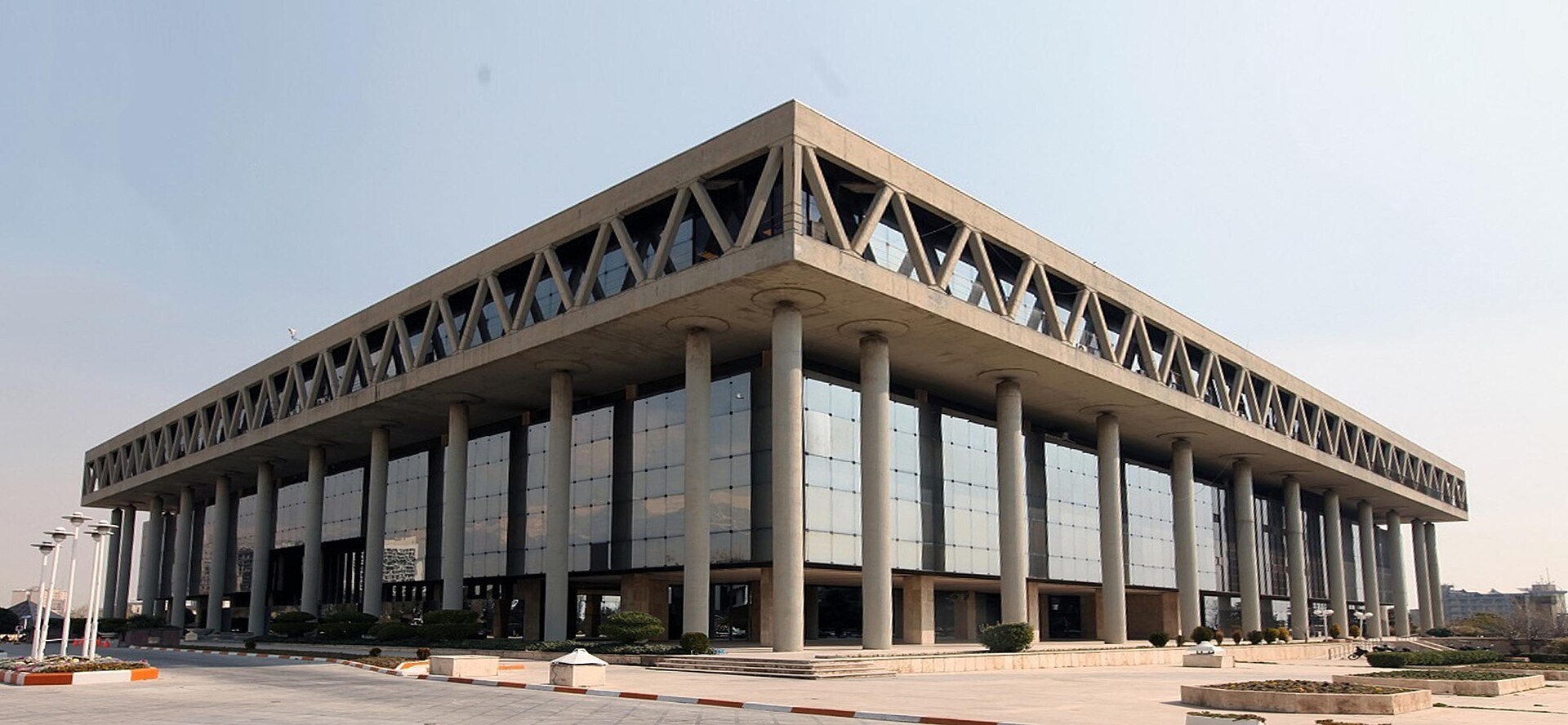
The IRIB headquarters in Tehran, the state broadcasting facility from which Mojtaba Khamenei's July 18 statement voiding the Islamabad MOU was read aloud by a presenter
The Islamic Republic of Iran Broadcasting (IRIB) headquarters in Tehran, where the July 18 statement attributed to Supreme Leader Mojtaba Khamenei was read on air — the fourth consecutive major foreign-policy declaration delivered through state television with no verified appearance by the man whose name it carried. Photo: khamenei.ir / CC BY 4.0

“The signature of the President of America is now utterly worthless and invalid, and bullying, hegemonism and savagery are inseparable components of the American creed and doctrine.” — Written statement attributed to Supreme Leader Mojtaba Khamenei, read on Iranian state television, July 18, 2026

What Does Day 33 of the MOU Framework Mean for Saudi Arabia?

Signed June 17–18 with Pakistan as mediator, the Islamabad Memorandum of Understanding established a sixty-day window for a ceasefire extension, toll-free reopening of the Strait of Hormuz, the lifting of the US naval blockade, the creation of a three-hundred-billion-dollar private reconstruction fund, the release of frozen Iranian assets, and the deferral of nuclear negotiations to a subsequent track. Day 33 of that window falls on July 20. Day 60 falls on August 17. The Petroleum Goods and Services Agreement penalty rate — five and a half million dollars per day — activates August 18, with two hundred and fifty-three million dollars already outstanding.

Saudi Arabia signed none of these provisions. It was not represented in Islamabad. It holds no seat in the Doha channel, where parallel US-Iran contacts were managed through Qatari intermediation. It was excluded from the Oman-facilitated track — a track that collapsed on July 19 when Muscat publicly condemned an Iranian military strike for the first time. Prince Faisal bin Farhan, the Saudi Foreign Minister, called the MOU “incredibly important” and a “potential turning point” at the time of its signing, but immediately conditioned his support on “details” and “long-term verification,” and rejected any maritime toll scheme on the grounds that Hormuz “worked without trouble before the war.”

Faisal’s conditions are now irrelevant. Mojtaba’s statement did not address the MOU’s specific provisions — the frozen assets, the reconstruction fund, Hormuz transit terms. It addressed something more fundamental: the capacity of the counterparty to make binding commitments. By declaring Trump’s signature “utterly worthless,” the statement voided not a particular clause but the framework of American diplomatic credibility within which the MOU was constructed. For Saudi Arabia — which has spent down eighty-six percent of its PAC-3 interceptor inventory defending against a war whose diplomatic framework was supposed to contain escalation — the consequence is that costs continue to accumulate against a framework that the only authority capable of validating it has declared void.

Deputy Foreign Minister Kazem Gharibabadi made the operational implications explicit on the same night, July 18, through Tasnim News Agency — declaring all Iranian commitments suspended, the United States having breached first, and Iran’s priority shifted to national defense. Gharibabadi’s formulation was carefully structured: Iran did not withdraw; it responded. The sequencing placed legal culpability on Washington while closing every diplomatic avenue simultaneously.

Thirty Days from Conditional Authorization to Terminal Voiding

Exactly thirty days separate Mojtaba’s June 18 authorization of the MOU from his July 18 repudiation of it. The June 18 statement — also delivered in written form, also read by others — authorized President Pezeshkian to sign the Islamabad agreement “despite having ‘a different view in principle.’” The authorization was structured with explicit conditionality. Mojtaba approved the MOU after receiving assurances from Pezeshkian and the Supreme National Security Council. He framed Trump as acting “out of desperation.” He preserved every mechanism for retraction. As this publication analyzed on July 6, the conditional phrasing — “a different view in principle” — was not diplomatic hedging. It was a structural veto written in advance of its own exercise.

The June 18 statement generated an immediate interpretive war in Tehran. Moderates within the Pezeshkian government read it as diplomatic guidance — reluctant endorsement of a necessary compromise. Hardliners read it as proof that the Supreme Leader’s preferences had been overridden. Analyst Ruhollah Rahimpour observed that Mojtaba’s need to reassure hardliners he had not abandoned previous positions “unintentionally reveals” how controversial the agreement was within the system. Shahir Shahid Saless noted that the authorization’s reference to “future face-to-face talks” implicitly acknowledged direct US-Iran negotiations — a departure, as Saless framed it, from a leader whose institutional predecessor had maintained the fiction of indirect communication through intermediaries for decades.

The hardline reading has been retroactively validated. Fars News — IRGC-affiliated — claimed after the June 18 authorization that “the principled view of the Guardian Jurist was not followed.” Raja News described Pezeshkian’s response to the authorization as disrespectful. The July 18 statement functionally confirms both assessments: the MOU was authorized under conditions that were not met, the Supreme Leader’s principled opposition was real, and the authorization was always provisional. In thirty days, Mojtaba’s position did not change. What eroded was the operational space available to those — Pezeshkian, the SNSC majority, Pakistan’s mediating team — who had treated the conditional authorization as a mandate to proceed.

The pattern has precedent in the Islamic Republic’s management of the 2015 JCPOA. Ali Khamenei conditionally endorsed the nuclear deal while preserving the language and institutional mechanisms to disown it. When Trump withdrew the United States from the JCPOA in May 2018, Khamenei had already positioned himself as having warned against American untrustworthiness. The July 18 statement borrows the same architecture. But it is more terminal than anything Ali Khamenei issued regarding the JCPOA. The elder Khamenei’s denunciations of the nuclear deal questioned American compliance. Mojtaba’s statement questions American capacity — not whether Washington will honor its commitments, but whether an American presidential signature constitutes a commitment at all.

Mojtaba Khamenei: Public Statements as Supreme Leader (March–July 2026)
Date Format Content Verified Appearance
March 12 Written message, read on state TV Endorsed Hormuz closure; backed IRGC proxy doctrine None
May 26 14-page written message (Eid al-Adha) US base removal non-negotiable; “hands of time will not turn backwards” None
June 18 Written authorization Approved MOU “despite having a different view in principle” None
July 18 Written message, read on state TV Trump’s signature “utterly worthless”; “unforgettable lessons” None
The Assembly of Experts secretariat building in Qom, the institution that elevated Mojtaba Khamenei to Supreme Leader on March 8, 2026, bypassing Grand Ayatollah rank under IRGC pressure
The Assembly of Experts secretariat in Qom — the 88-member body that elevated Mojtaba Khamenei to Supreme Leader on March 8, 2026, six days after his father Ali Khamenei was killed, bypassing the constitutional expectation of Grand Ayatollah rank under wartime IRGC pressure. In thirty days, the institution’s highest appointment went from conditional authorization of the Islamabad MOU to the Supreme Leader’s declaration that the American signature endorsing it was worthless. Photo: Mohammad mahdi P9432 / Wikimedia Commons / CC BY-SA 3.0

Who Drafted the Words Mojtaba Cannot Deliver?

A Tehran-based source told The Media Line in July 2026 that Mojtaba’s July 18 statement “was drafted by the IRGC and later rewritten in Mojtaba Khamenei’s style.” The same source reported that “many senior officials have not seen him in person, and it is reported that he is being treated and kept in an underground safe place outside Tehran.” The statement’s typographical errors on initial publication — errors that survived distribution to multiple state news agencies — are consistent with a text that passed through institutional channels without the personal review that Ali Khamenei applied to his own public communications.

Mohsen Sazegara, a former co-founder of the IRGC who broke with the organization decades ago, assessed in March 2026 that Mojtaba “does not have that position” to replace his father and that “the structure of the leadership office has essentially been disrupted.” The disruption Sazegara identified is not a power vacuum in the conventional sense — orders are issued, institutions function, military operations proceed. It is a disruption of the signatory chain. The Supreme Leader is the only constitutional authority capable of issuing certain categories of directive. If that authority cannot verify his own statements — cannot appear, cannot speak, cannot demonstrate that a text bearing his imprimatur reflects his will — the question of authorship becomes unanswerable from outside the system.

Twenty-four hours before Mojtaba’s statement was read on state television, Mohsen Rezaei — former IRGC commander and formal military adviser to the Supreme Leader — told Iranian state television that “the policy of ‘both war and negotiation’ has ended” and that Iran would enter “an aggressive and destructive phase” and “no longer limit its response to retaliation.” Rezaei set a forty-eight-hour ultimatum: full-scale offensive operations would begin if American strikes continued. Mojtaba’s statement, arriving the following day, supplied the Supreme Leader’s nominal imprimatur to a doctrinal position the IRGC had already declared.

For Riyadh, the authorship question is structurally irrelevant. Whether Mojtaba composed the July 18 statement in his own hand or the IRGC drafted it and affixed his name, the operational result is identical. The only authority within the Islamic Republic capable of validating the MOU framework — or creating conditions for a successor framework — has declared that framework void. Saudi Arabia holds no channel to Mojtaba. It holds no channel to the IRGC command that may be operating under his name. The entity that made the declaration cannot be identified with certainty, and the entity whose authority gives the declaration its constitutional force cannot be located. The veto-holder Saudi and American negotiators spent weeks trying to reach has located himself. His position, whoever authored it, is categorical.

“The US has violated and suspended all its commitments within the framework of the Islamabad MoU. We have suspended all of our commitments and are, in fact, no longer implementing them. We are not implementing them and are focused on defending the country.” — Kazem Gharibabadi, Iran Deputy Foreign Minister, Tasnim News Agency, July 18, 2026

Does Riyadh Hold Any Channel to the Authority That Voided the Framework?

Saudi Arabia’s diplomatic architecture for the Iran crisis has consisted of three elements: Prince Faisal bin Farhan’s public commentary on frameworks negotiated by others, General Fayyad bin Hamed Al-Ruwaili’s military coordination with CENTCOM, and an informal back-channel through Oman that collapsed when Muscat issued its first-ever condemnation of an Iranian military strike on July 19. None of these channels reaches the decision-making authority that issued the July 18 statement.

Al-Ruwaili met CENTCOM Deputy Commander Lieutenant General Patrick Frank on July 15 to “discuss expanding military cooperation.” The Saudi Gazette reported the meeting without specifics. No joint statement was issued. No new defense initiatives were announced. The meeting occurred three days before Iranian ballistic missiles struck Prince Sultan Air Base — the first confirmed Iranian ballistic-missile strike on Saudi territory — wounding twelve American servicemembers, two critically, and hitting KC-135 tanker aircraft on the flight line. Whatever Al-Ruwaili and Frank discussed on July 15 did not include the scenario that materialized seventy-two hours later.

The Omani channel — Saudi Arabia’s most established indirect route to Tehran — had been functioning as a low-bandwidth contact mechanism throughout the war. Muscat’s foreign ministry maintained communication with Iranian counterparts while carefully avoiding public alignment with either side. That posture ended July 19 when Oman, for the first time in the history of the Islamic Republic’s military operations, publicly condemned an Iranian strike. The condemnation did not specify which strike prompted it — the PSAB attack, the broader wave of July 18–19 operations, or both. But the diplomatic effect was to remove Muscat’s mediating credibility with Tehran. Iran does not accept mediation from parties that condemn its military operations.

Saudi Arabia’s remaining institutional option is the Pakistani channel. Pakistan mediated the Islamabad MOU and hosted the July 11 follow-on talks — talks that produced no documented framework output before IRGC attacks on commercial shipping resumed and Trump declared the MOU “over” on July 8, before any July 11 session convened. Islamabad retains institutional relationships with both the IRGC and civilian Iranian authorities. But Pakistan’s standing depends on its value as a mediator to all parties — value that diminishes proportionally with the diplomatic framework it mediated. If the MOU is void, Pakistan’s role as its guarantor is void. The suspension Gharibabadi announced July 18 removes the instrument that gave Islamabad its seat at the table.
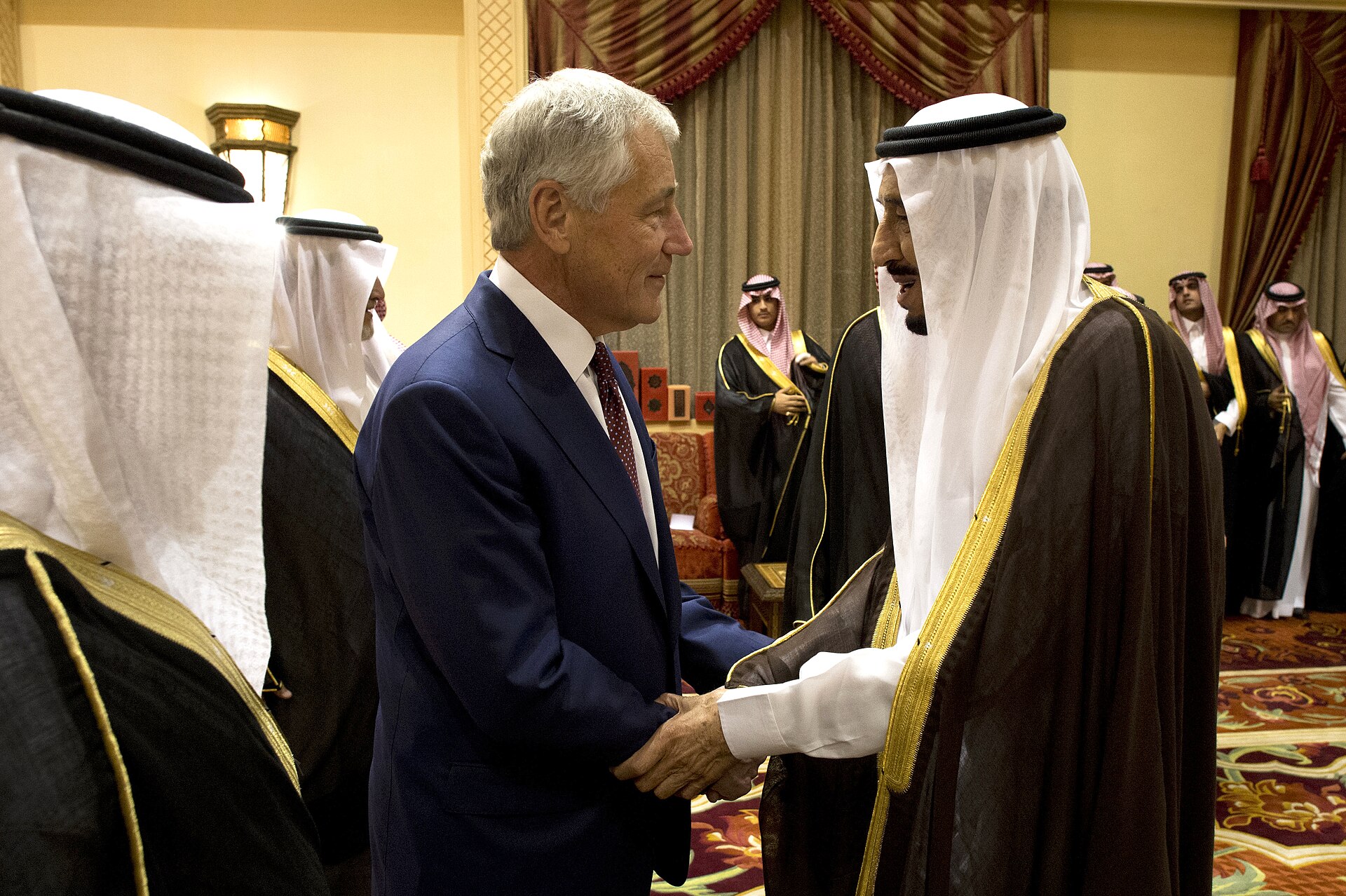
US Defense Secretary Chuck Hagel meets Crown Prince Salman of Saudi Arabia in Riyadh, April 2013 — the US-Saudi defense relationship whose institutional architecture underpins the 2,300 American personnel at Prince Sultan Air Base
US Defense Secretary Chuck Hagel meets Crown Prince Salman bin Abdulaziz — then Minister of Defense, later King — before a bilateral meeting in Riyadh, April 23, 2013. The defense-cooperation architecture established through contacts like this now underpins 2,300 American servicemembers at Prince Sultan Air Base, whose presence Saudi Arabia cannot leverage into any channel reaching the authority that voided the MOU. Photo: DoD / Erin A. Kirk-Cuomo / Public Domain

The Jalili Paradox

Iran’s Supreme National Security Council approved the Islamabad MOU by a vote of twelve to one. The sole dissenting vote belonged to Saeed Jalili — former nuclear negotiator, former SNSC secretary, the hardline candidate who lost the 2024 presidential election to Pezeshkian. Jalili is now expected to replace Mohammad Bagher Ghalibaf as Iran’s lead negotiator in whatever diplomatic process, if any, succeeds the MOU framework. The one council member who voted against the deal has been positioned to inherit it.

In Tehran’s institutional logic, this is not a contradiction. It is a consequence. The SNSC majority that approved the MOU did so under conditions set by a Supreme Leader who had “a different view in principle.” The Supreme Leader has now exercised that different view by declaring the counterparty’s signature worthless. The majority’s position has been retroactively overridden — not by formal veto, which would require the Supreme Leader to invoke Article 176 of the constitution, but by the simpler mechanism of declaring the object of the vote void. If the American signature is worthless, the SNSC’s twelve-to-one approval of a document bearing that signature is moot.

Jalili’s elevation to lead negotiator under these circumstances serves a specific institutional function. A negotiator who opposed the deal cannot be accused of having been invested in its survival. He enters any future process — if one materializes — without the political burden of defending a framework his Supreme Leader has declared null. He also enters without the diplomatic burden of explaining what Iran wants instead, because the July 18 statement offers no positive program. It is purely negative: the American signature is void, Iran holds “unforgettable lessons,” and the nation is “focused on defending the country.” Jalili’s mandate, to the extent one exists, is to represent a position that has been defined entirely by what it rejects.

The Interceptor Deficit and the PGSA Clock

Saudi Arabia entered the war with approximately 2,800 PAC-3 MSE interceptor rounds. It now holds roughly 400 — an eighty-six percent depletion rate. The sole global manufacturing facility for the PAC-3 MSE, Lockheed Martin’s plant in Camden, Arkansas, has no projected delivery capacity for Saudi Arabia before 2028. The interceptor deficit is not a shortage that procurement can resolve within the relevant timeframe. It is a structural exposure that will persist for at least eighteen months regardless of diplomatic outcomes.

The MOU’s provisions, had they been implemented, would have addressed several of Saudi Arabia’s material constraints indirectly. A functional ceasefire would have reduced the rate of interceptor expenditure. Hormuz reopened toll-free would have restored the maritime corridor that carries the majority of Saudi crude exports. The three-hundred-billion-dollar reconstruction fund — to which Saudi Arabia would have been a likely contributor and political beneficiary — would have created economic incentives for sustained Iranian compliance. Each of these provisions is now legally inaccessible. Iran forfeits the reconstruction capital and frozen-asset release. Saudi Arabia forfeits the diplomatic cover under which interceptor resupply, ceasefire maintenance, and maritime normalization could have been negotiated.

Islamabad MOU: Provision Status as of Day 33 (July 20, 2026)
Provision Original Term Status
60-day ceasefire extension June 18 – August 17 Both sides suspended; CENTCOM Night 9 ongoing
Hormuz toll-free transit Immediate reopening ~10 vessels/day vs. 90–100 pre-war baseline
US naval blockade lifted Phased withdrawal Not implemented; CENTCOM maritime operations continue
$300B reconstruction fund Private-sector capitalization Legally inaccessible following mutual suspension
Frozen asset release Staged unfreezing Suspended
Nuclear deferral Separate subsequent track No framework for resumption

The Petroleum Goods and Services Agreement adds a financial clock to the diplomatic vacuum. Saudi Arabia owes two hundred and fifty-three million dollars under the PGSA framework, with a penalty rate of five and a half million dollars per day activating on August 18 — one day after the MOU’s sixty-day window expires. The PGSA was negotiated under assumptions of peacetime energy trade. Its penalty provisions were not designed for a scenario in which the governing diplomatic framework has been voided by one party and abandoned by another. August 18 now functions as a financial deadline without a diplomatic process attached to it.

Hormuz itself has been reduced to a fraction of its pre-war function. Approximately ten vessels transited the strait on July 18 against a baseline of ninety to one hundred daily transits. CENTCOM’s Night 9 operations — conducted July 19–20 — were explicitly framed around degrading Iranian capabilities used to attack Hormuz shipping, the first time the stated mission foregrounded maritime protection over retaliation for attacks on American forces. The doctrinal shift in CENTCOM’s public framing reflects a reality that the MOU was supposed to prevent: the strait’s commercial function has been effectively suspended, and the military operations intended to restore it now operate outside any diplomatic framework that might define their end state.
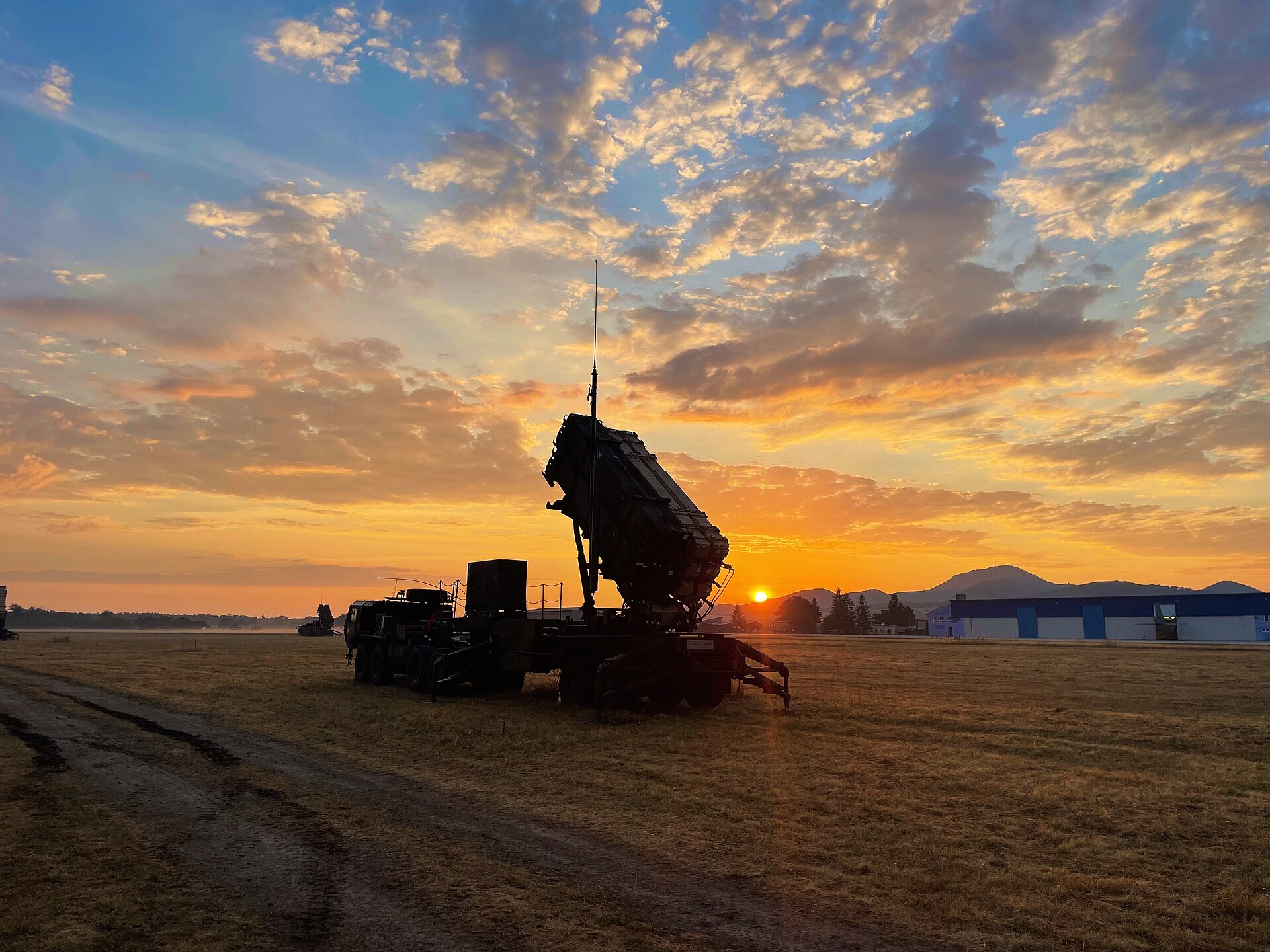
A US Army Patriot PAC-3 missile launcher at dawn, Slovakia. Saudi Arabia entered the war with 2,800 PAC-3 MSE rounds and holds approximately 400 — an 86 percent depletion with no resupply available before 2028
A US Army Patriot PAC-3 launcher at dawn — the same system Saudi Arabia has depleted from 2,800 to approximately 400 rounds defending against Iranian ballistic-missile strikes, with no resupply capacity at Lockheed Martin’s Camden, Arkansas facility available before 2028. The MOU’s ceasefire provisions, had they held, would have reduced the expenditure rate. With the framework voided, the depletion continues against a structural exposure that no procurement decision can reverse within the relevant timeframe. Photo: US Army / 2nd Lt. Emily Park / Public Domain

What Comes After a Framework Whose Signatory Authority Has Been Voided?

Both parties to the Islamabad MOU understood that the framework carried an expiration risk — sixty days is a short window, and the underlying conflict over Hormuz, nuclear enrichment, and regional military presence predated the agreement by decades. What Mojtaba’s July 18 statement introduced was not expiration but invalidation. Expiration allows for renewal. Invalidation questions whether the counterparty ever held the capacity to commit.

No replacement framework is visible. The Islamabad July 11 talks produced no documented output. Gharibabadi formalized Iran’s suspension on July 18. Mojtaba’s statement supplied the Supreme Leader’s constitutional authority to what had already become operational fact. The sixty-day clock continues to run — Day 33 of a framework both parties have declared inoperative — because no party has proposed an alternative mechanism for marking its end. August 17 will arrive as a contractual deadline attached to a contract that no longer has signatories willing to claim it.

The CENTCOM reframing of Night 9 as a Hormuz-degradation mission — rather than retaliation for attacks on US forces — reflects the closure of the interpretive space the MOU had maintained. When the stated mission shifts from punishing treaty violations to degrading capabilities, the implication is that the treaty is no longer the reference point. The military operations have outgrown the diplomatic container that was supposed to define their scope and duration. For Saudi Arabia, this means that the American military presence on and around its territory — 2,300 personnel at Prince Sultan Air Base, the CENTCOM architecture that requires Saudi basing rights, the interceptor batteries that Saudi Arabia funds and American contractors maintain — now operates in service of objectives that are defined in Washington and Tehran without Saudi input.

For Saudi Arabia, the interval between now and August 17 presents constraints with no diplomatic solution currently available. The kingdom cannot negotiate directly with the authority that voided the MOU because that authority cannot be located or verified. It cannot negotiate through Washington because the counterparty has declared the American signature worthless. The Pakistani channel loses its value in proportion to the instrument Pakistan mediated — and that instrument has been voided. Meanwhile the interceptor deficit deepens with every wave of Iranian strikes, the PGSA clock runs regardless of the MOU’s status, and the Hormuz corridor that carries Saudi economic survival moves roughly one vessel in ten against its pre-war rate.

Frequently Asked Questions

Has Mojtaba Khamenei made any verified public appearance since becoming Supreme Leader?

No. As of July 20, 2026 — 134 days after the Assembly of Experts elevated him on March 8 — no verified photograph, video, or audio recording of Mojtaba Khamenei in his capacity as Supreme Leader has been published. His clerical rank at the time of appointment was Hojjat al-Islam, a mid-level designation; the traditional constitutional expectation for the Supreme Leader is Grand Ayatollah rank, though the Assembly bypassed this under wartime pressure from the IRGC. Kamran Bokhari of the New Lines Institute assessed that Mojtaba’s “authority rests more on wartime expediency and factional deals than on broad institutional or popular legitimacy” and that his leadership is “unlikely to stabilize the Iranian regime” given his “limited formal religious credentials and low public profile.”

What is the economic impact of the MOU collapse on Iran’s currency?

The US dollar exceeded 1.91 million Iranian rials on July 17, 2026 — the day before Mojtaba’s statement was broadcast — while the euro reached 2.18 million rials. These figures represent continued deterioration from already historic lows and reflect market pricing of both the military conflict and the diplomatic framework’s collapse. The MOU’s frozen-asset release provisions, had they been implemented, would have provided Iran’s central bank with foreign-currency reserves to defend the rial. With those provisions suspended and the MOU’s signatory authority declared void, no stabilization mechanism is available within the current framework.

Could the Islamabad MOU framework be revived after Mojtaba’s statement?

Ray Takeyh, a senior fellow at the Council on Foreign Relations, has suggested the agreement could potentially be “resurrected in some form” because both nations retain economic incentives to reopen Gulf traffic. Iran’s primary objective, in Takeyh’s assessment, is controlling the Strait of Hormuz — “the Gulf is” Iran’s foremost concern, not nuclear issues. Against this, hardline mobilization within Iran has intensified: Mahmoud Nabavian, a hardline clerical member of parliament, read from classified material on live television in an attempt to derail the MOU arrangement entirely — one of several institutional actions designed to make revival politically toxic within Tehran’s domestic framework. The structural obstacle is that revival would require Mojtaba — or whoever authors his statements — to reverse a position that has already been validated by the hardline bloc his authority depends on.

What was the institutional response within Iran to Mojtaba’s July 18 statement?

Mohammad Bagher Ghalibaf, the Speaker of Iran’s parliament, responded on July 19 by declaring that “obedience to this religious and national decree” is critical to Iran’s success. Ghalibaf’s characterization of the statement as a “decree” (hokm) rather than a policy position carries institutional weight: a hokm from the Supreme Leader has constitutional force that a policy recommendation does not, and Ghalibaf’s framing elevates the MOU’s voiding from a diplomatic stance to a binding religious ruling. Analyst Abdollah Shahbazi compared Mojtaba’s approach to Ali Khamenei’s “historical pattern of maintaining distance from controversial decisions” — though in this case the decision was not to maintain distance from controversy but to author it. Rubio’s July 20 declaration that US maritime enforcement is indefinite and decoupled from the MOU window compounds that repudiation: if the strikes continue regardless of Iranian compliance, the voided agreement has no leverage left to restore. That dynamic is analysed in the ninth night of US strikes, which expanded the campaign to eight cities and removed the MOU deadline from American military calculus.

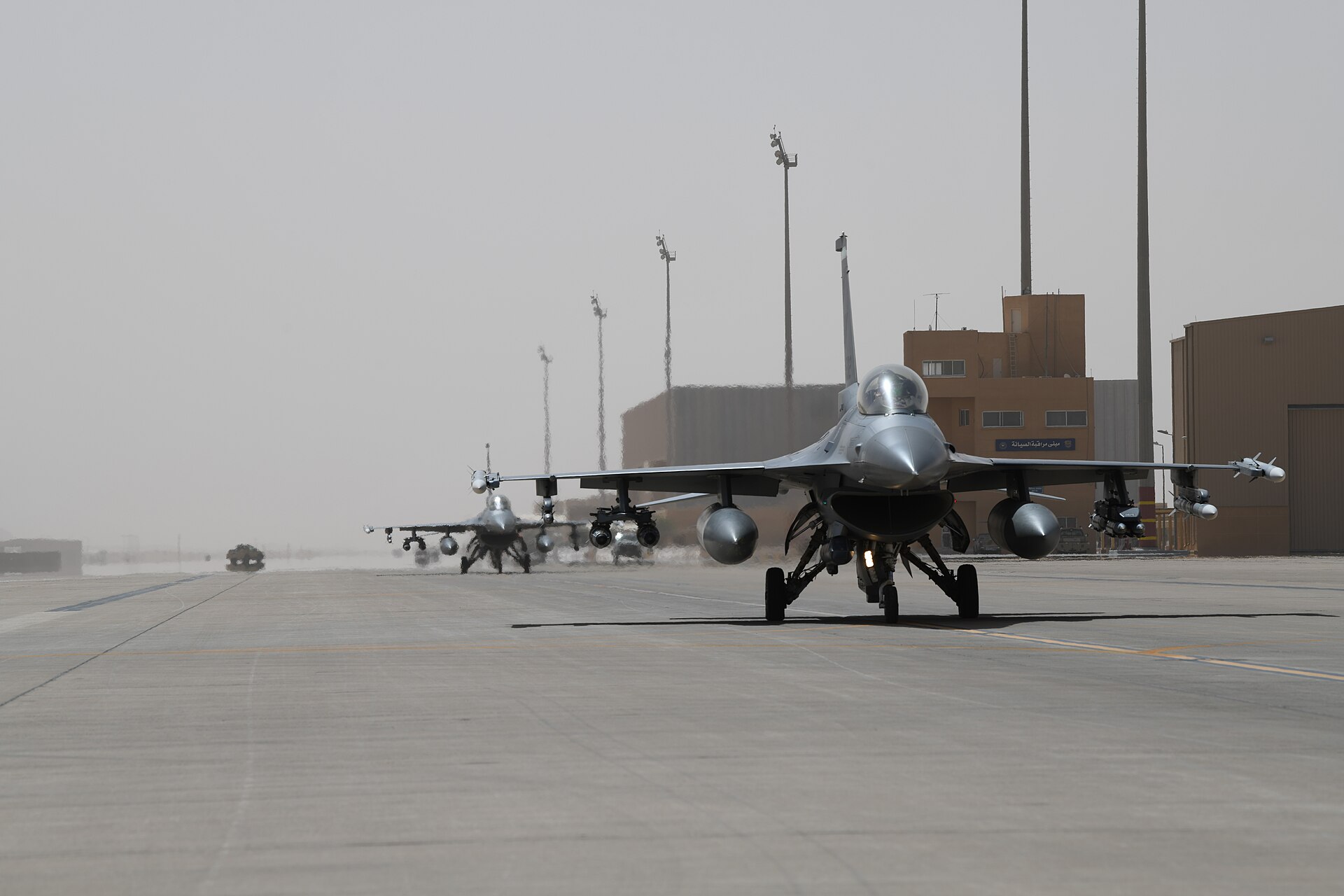
US Air Force F-16 Fighting Falcons of the 555th Expeditionary Fighter Squadron taxi on the flight line at Prince Sultan Air Base, Saudi Arabia, February 2020
Previous Story

Iran Struck Prince Sultan and No One Was Required to Say So

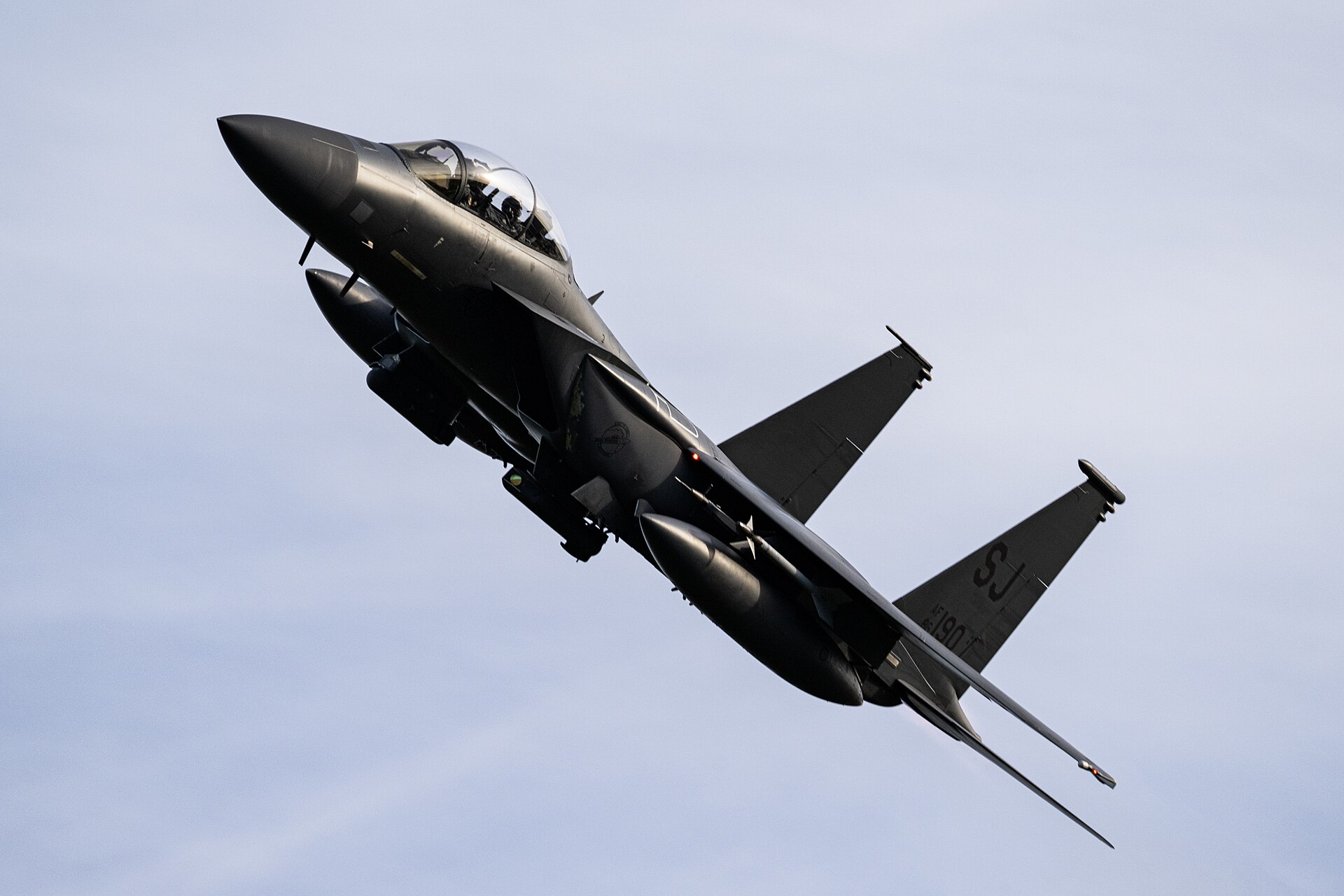
F-15E Strike Eagle armed for strike mission, US Air Force
Next Story

Night Nine Hit Eight Iranian Cities and Rubio Removed the Deadline

Latest from Iran War

The HOS Daily Brief

The Middle East briefing 3,000+ readers start their day with.

One email. Every weekday morning. Free.

Something went wrong. Please try again.