
RIYADH — Amin Nasser, the man who runs the company that is Saudi Arabia’s treasury, told an earnings call on May 11 that the global oil market would not normalise until 2027 — a sentence delivered eight days before Donald Trump’s National Security Council convenes in the Situation Room to decide whether to bomb Iran again, and fifteen days before two million pilgrims gather on the Plain of Arafah outside Mecca. No Saudi minister has contested him, no Palace official has corrected him, and no energy ministry source has briefed against the timeline in the seven trading days since the figure entered the public record. The man priced the next twenty months of Saudi revenue at the precise moment Washington was finalising its menu of strike options, and Riyadh said nothing.
The seven days between Trump’s NSC session on May 19 and the Day of Arafah on May 26 will decide whether Saudi Arabia’s first wartime Hajj since the founding of the modern kingdom proceeds with American bombers in the air, or whether the Persian Gulf Strait Authority — Iran’s new customs bureaucracy on Hormuz — hardens into statute that no post-war deal can easily unwind. Both paths through the NSC end somewhere terrible for the Custodian of the Two Holy Mosques. That is the structure of the trap.
Table of Contents
- The CEO Priced It in an Earnings Call
- Why Does the May 19 NSC Session Matter for Saudi Arabia?
- The Hajj Collision Has No Modern Precedent
- What Is the Persian Gulf Strait Authority, and Why Can’t a Deal Reverse It?
- If Trump Defers, What Hardens While He Waits?
- If Trump Strikes, What Breaks Inside Saudi Arabia?
- The Interceptor Arithmetic Riyadh Cannot Discuss
- The Silence Is the Data
- Frequently Asked Questions
The CEO Priced It in an Earnings Call
Amin Nasser does not speculate. Aramco’s chief executive operates under SEC disclosure rules, Saudi Capital Market Authority oversight, and the listening attention of every sovereign wealth manager from Singapore to Oslo — which is why what he said on May 11 deserves the close reading it has so far been denied. Quarterly profit was $32.5 billion, up twenty-five per cent on the same quarter last year, and the man delivering that number paused to add a paragraph that no Saudi official has been willing to repeat in public, in any language, in the seven days since.
If trade and shipping remain curtailed by more than a few weeks from today, we anticipate the supply disruption to persist, and the market to normalize only in 2027.
Amin Nasser, CEO Saudi Aramco, Q1 2026 earnings call, May 11
Translate that into the language of a Riyadh cabinet meeting and it reads: the war economy that PIF projections, NEOM construction schedules, Vision 2030 deliverables and the FY2026-27 budget were all built around does not exist any more, and the Aramco CEO is telling you to plan for twenty more months of dislocation. Nasser then went further, calling the disruption “the largest the world has ever experienced” — language that no responsible CEO uses for effect, because investors price it instantly into a discount rate. He added a sentence that is closer to philosophy than guidance: “Reopening routes is not the same as normalizing a market that has been deprived of about 1 billion barrels of oil.” One billion barrels. Roughly one hundred million per week since the Strait closed in late March, and the figure was a fortnight stale by the time he read it.
The Middle East briefing 3,000+ readers start their day with.
One email. Every weekday morning. Free.
The point of citing Nasser here is not that he forecast something nobody else had spotted. The IEA had already warned the market could remain severely undersupplied through October even if the shooting stopped in May. The point is who said it, when, and to whom — the CEO of the company that is Saudi oil revenue, eight days before a White House meeting that will determine whether the disruption stretches into a second year, in a forum where Saudi denial would have moved the share price. Riyadh chose silence, which on a Q1 earnings call from the world’s largest energy company is itself a position.
Why Does the May 19 NSC Session Matter for Saudi Arabia?
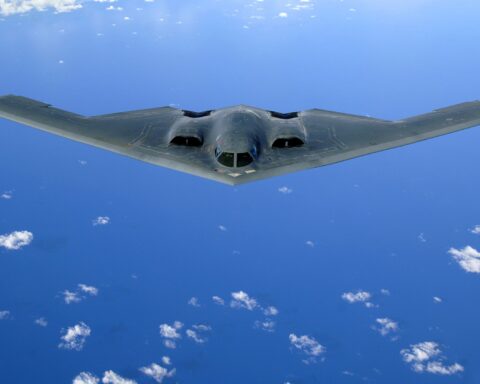
Trump’s National Security Council will assess four military options on May 19 — a “short and powerful” strike wave, Hormuz corridor seizure, special forces against Iran’s HEU stockpile, or resumption of the bombing campaign that, according to assessments circulated to US officials briefed on the campaign’s first phase, left a significant portion of the original target list untouched. Whichever Trump authorises lands first on Saudi territory, Saudi airspace, or Saudi maritime approaches before it lands anywhere in Iran. The geography is not negotiable.
Axios reported the session forty-eight hours after Trump posted on Truth Social that “for Iran, the Clock is Ticking, and they better get moving, FAST, or there won’t be anything left of them.” A week earlier he had told the same outlet that the ceasefire was on “massive life support” with “one percent chance of surviving” after dismissing Tehran’s fourteen-point proposal as “completely unacceptable” — a proposal that, awkwardly for Washington, demanded US recognition of Iranian sovereignty over the Strait of Hormuz, which is the exact thing the Persian Gulf Strait Authority has spent six weeks operationalising while the cameras pointed at Mecca.
The authorisation-to-strike lag in this war has been documented. When the campaign began on February 28, Trump sent congressional notification on March 2 — two days after initial strikes. A May 19 NSC authorisation is therefore operationally capable of producing first ordnance before May 20. Pakistani Hajj charters began arriving in Jeddah on April 18; Indonesian flights followed on April 22; pilgrims have been billeted in Mecca dormitories since April 21, as documented in “1.8 Million Pilgrims and 400 Missiles”. The people the Custodian title was invented to protect are already inside the cordon when Trump’s principals meet.
That is the operational frame Saudi planners are now stuck inside. The kingdom’s air defences face Iran, the kingdom’s pilgrim accommodations face the same axis of incoming, and the kingdom’s revenue model has been priced by its own CEO to remain broken into 2027 regardless of what the NSC decides — because deferral does its own kind of damage, slowly, through statute.
The Hajj Collision Has No Modern Precedent
Desert Storm ran January and February of 1991. Hajj that year fell in June. The Gulf War of 2003 began in March; Hajj fell in February. There has never been an American offensive military operation against an Iranian or Iran-aligned target during the Hajj approach window in the modern history of the Saudi state, and there is a reason for that, which is that no American administration before this one has been willing to test whether the Custodian title can survive being asked to host two million pilgrims while US ordnance transits the kingdom’s airspace toward Bushehr or Bandar Abbas.
The 1987 Mecca massacre — 402 dead, 275 of them Iranian pilgrims — sat for decades as the load-bearing reference point in the Iran-Saudi religious file. Tehran banned Hajj for three years afterward. The deterrence logic that incident embedded ran in one direction: any Iranian operation that risked pilgrim deaths would be received in the Muslim world as a repeat of 1987, which is why the IRGC, for all its appetite, has historically kept Hajj weeks ring-fenced. That logic has now inverted. Iran has zero pilgrims at Hajj 2026 because the war has barred them — and removing your own people from the line of fire removes the standard restraint that came with having them there.
Editor’s note: Subsequent reporting has established that Iran did negotiate 30,000 pilgrims into Saudi Arabia for Hajj 2026, entering via the Jadidat Arar crossing from Iraq from April 27. The deterrence logic is more complex than the framing above suggests. See: Iran Has 30,000 Nationals Inside Saudi Arabia. The Hajj Deterrence Logic Has Reversed.
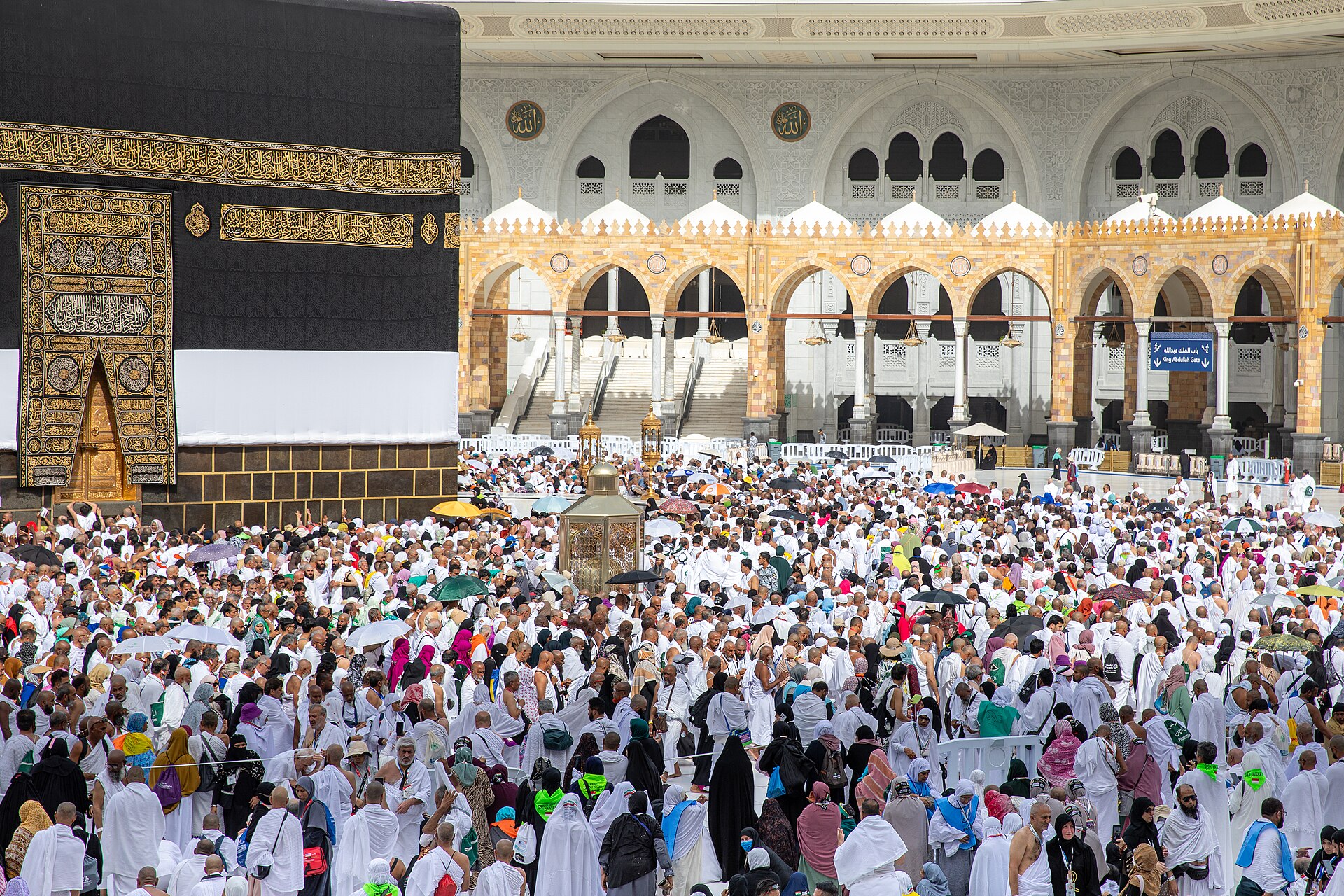
Saudi Arabia expects between two and two and a half million pilgrims. The Saudi Supreme Court’s moon-sighting committee confirmed the date on May 17: 9 Dhul-Hijjah 1447 falls on May 26, with Eid al-Adha the following day. Makkah entry has been restricted to permit-holders since April 13. Iran’s parliamentary spokesman Ebrahim Rezaei put the threat in plain language on May 12 — “one of Iran’s options in the event of another attack could be 90 percent enrichment” — and he said it forty-eight hours before the NSC session was publicly announced, which is the kind of detail Saudi intelligence will have noticed even if no one in Tehran wants you to think they coordinate that closely with anyone.
The Iranian parliament speaker, Mohammad Bagher Ghalibaf, told PressTV on May 16 that Iran’s “seventy-day resistance” had “accelerated a global transformation” and that “the world stands at the cusp of a new order.” Read past the cadence and what Ghalibaf is signalling is that Tehran has stopped negotiating from a position of damage control and started negotiating from a position of structural revision — which matters because Ghalibaf, an IRGC Aerospace Force veteran, is also the man who explicitly tied Hormuz reopening to removal of the US blockade on X, and who shepherded the twelve-article Hormuz sovereignty bill through committee on April 21.
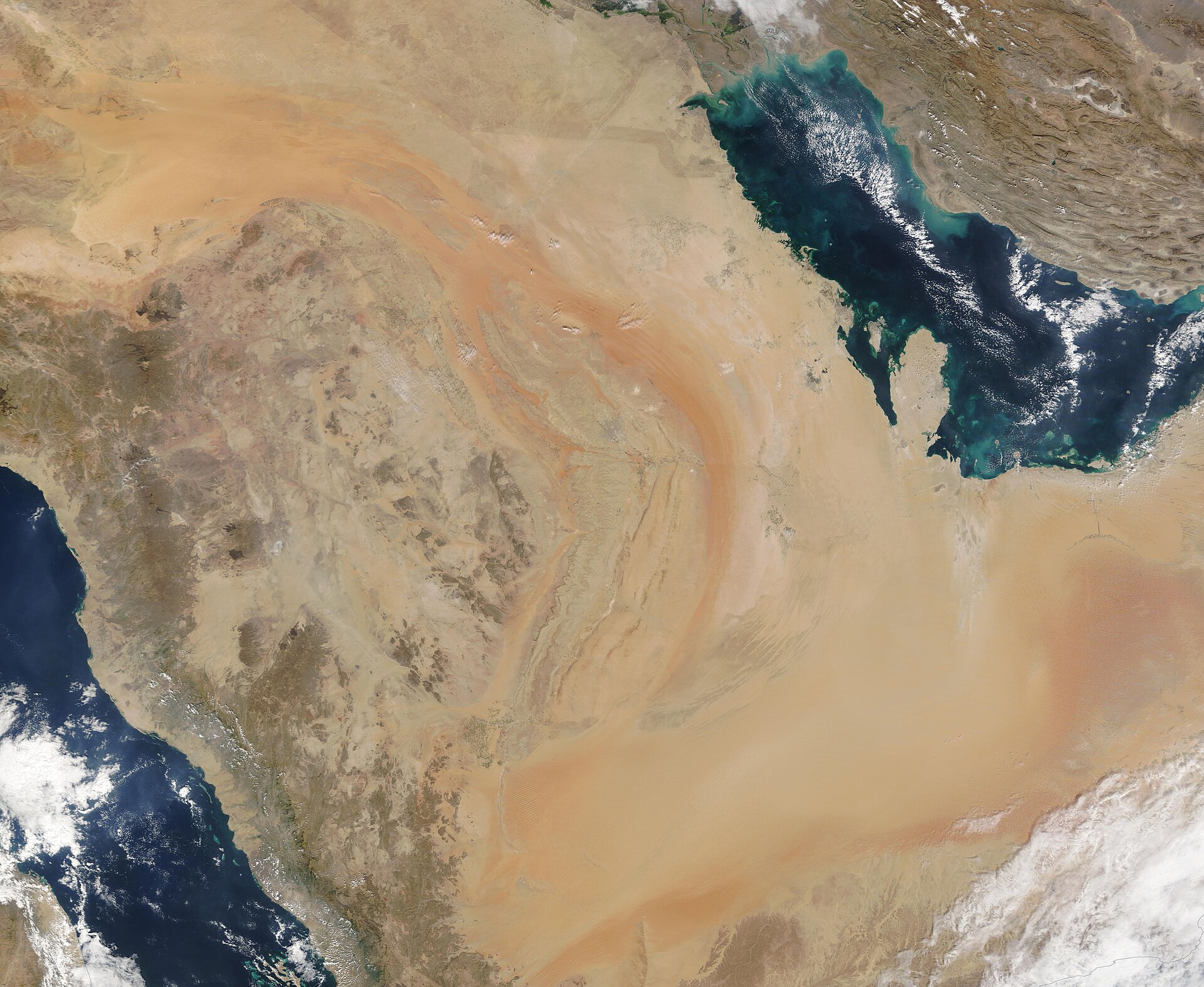
What Is the Persian Gulf Strait Authority, and Why Can’t a Deal Reverse It?
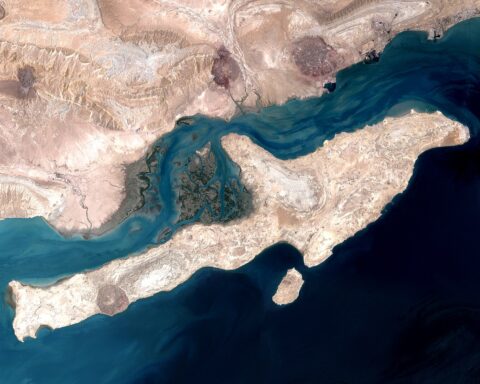
The Persian Gulf Strait Authority was founded on May 5, 2026 as an Iranian statutory authority operating as the executive arm of a twelve-article law titled “Establishing Iran’s Sovereignty over the Strait of Hormuz.” Vessels submit a forty-plus-question Vessel Information Declaration form, receive navigational route instructions by email, and pay tolls of up to two million dollars per ship, settled in Chinese yuan to evade dollar-clearing exposure. OFAC issued an advisory on May 1 warning that any such payment exposes US and non-US persons to sanctions risk regardless of currency. The two regimes are now publicly orthogonal, which is the point.
The architecture is best understood as customs sovereignty smuggled in under the language of maritime safety — the full mechanism was laid out in “Iran Built a Hormuz Customs Agency While the World Negotiated”. The Majlis National Security and Foreign Policy Committee ratified the underlying law on April 21; the full chamber vote is pending. Once it passes, the provisions are statutory: rial-denominated tolls, mandatory IRGC coordination for every transit, an absolute ban on Israeli-linked vessels, SNSC approval for “hostile state” shipping, twenty per cent cargo confiscation for non-compliance. None of that is a wartime emergency measure. It is permanent infrastructure.
| PGSA provision | Status | Reversibility after deal |
|---|---|---|
| 40-plus question Vessel Information Declaration | Operational since May 5 | Administrative — reversible by decree |
| Yuan-denominated tolls up to $2m/vessel | Operational | Reversible by decree |
| Mandatory IRGC coordination for all transits | Committee-passed Article 6 | Statutory once full vote — requires Majlis reversal |
| Israeli-linked vessel ban | Committee-passed Article 8 | Politically irreversible without regime change |
| SNSC approval for “hostile state” vessels | Committee-passed Article 9 | Statutory; revision requires fresh legislation |
| 20% cargo confiscation for non-compliance | Committee-passed Article 11 | Statutory; SNSC retains enforcement discretion |
A post-war ceasefire deal can suspend IRGC enforcement behaviour overnight. What it cannot do is force the Majlis to repeal its own statute. Iranian legal scholars who would never appear on Western television have been writing for weeks that the PGSA is the closest thing the Islamic Republic has produced to a Suez-style sovereignty claim — a unilateral administrative fact that becomes the new baseline from which any future negotiation must start. Deferral on May 19 is therefore not neutral. Every week Trump waits, the committee-passed articles edge closer to chamber-passed statute, and the negotiating floor moves under Riyadh’s feet.
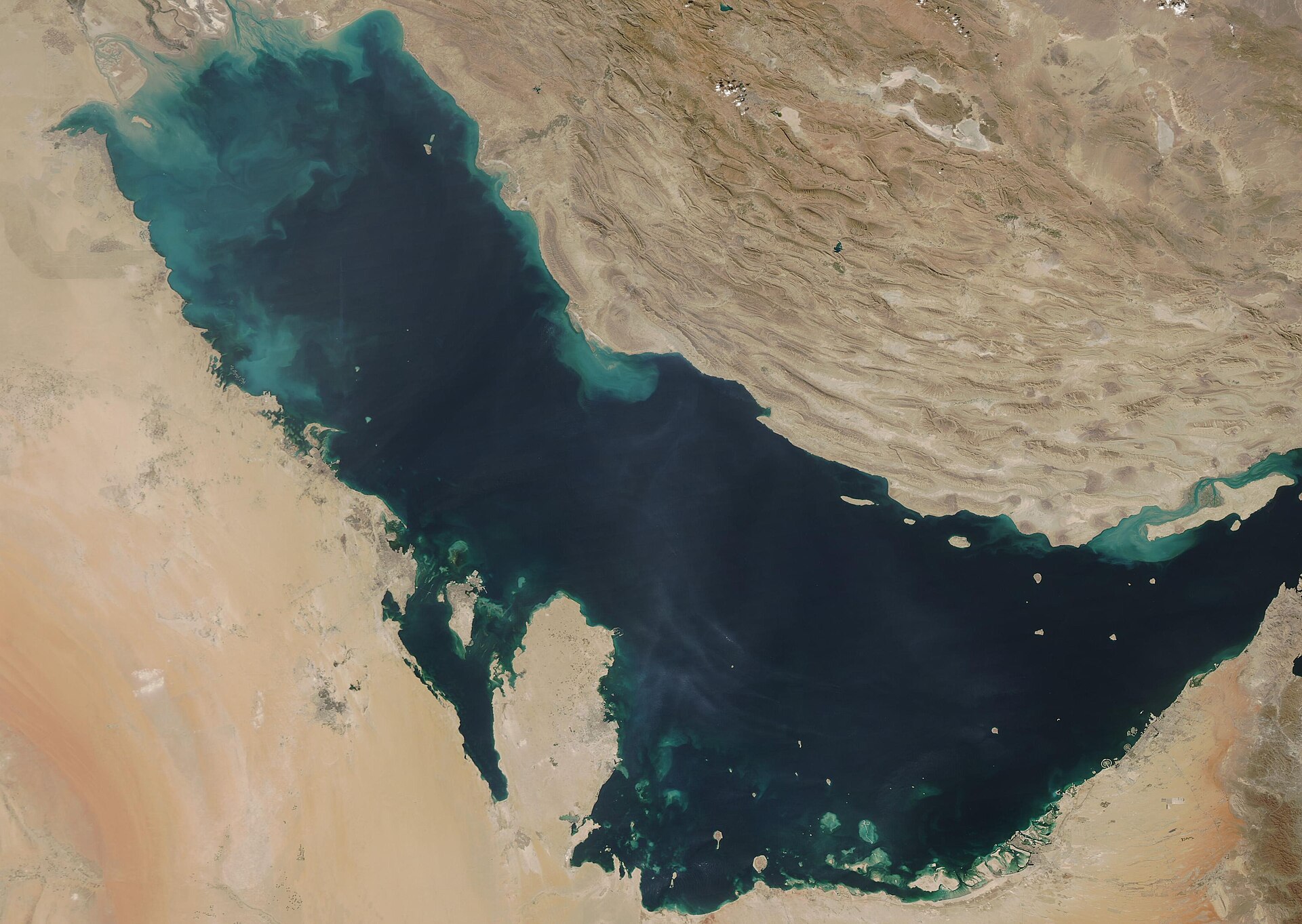
If Trump Defers, What Hardens While He Waits?
Deferral preserves the Hajj. That is the case for it, and it is not nothing — the cordon those pilgrims require is the largest Saudi Arabia has ever maintained in peacetime, and it depends on uncontested airspace, uncontested ports, and an Iranian adversary that calculates the political cost of striking holy cities as still being higher than the operational gain. That calculus held in 1991 and 2003. Whether it holds in 2026, with no Iranian pilgrims present to constrain the IRGC, is the question Saudi planners are now paid to answer in private and not allowed to answer in public.
Against that gain you have to set what hardens in the interval. The Majlis full chamber vote on the Hormuz sovereignty law is the most concrete of these. The PGSA’s operational architecture extends — more vessels processed, more yuan flows captured, more email-issued navigational instructions becoming the operational norm for any captain who wants to clear the Strait without an IRGC escort. The Iranian parliamentary committee that ratified the law in April is, by its members’ own statements, working toward floor passage; deferral hands them weeks of legislative oxygen they would lose under any active strike scenario.
Ebrahim Rezaei’s ninety-per-cent enrichment threat must also be priced in. Witkoff, the US envoy, has told reporters Iran holds approximately 460 kilograms of uranium enriched to sixty per cent and could upgrade to weapons-grade in “one to two weeks” — a timeline examined in the context of the Barakah strike and its implications for Gulf reactor security. Deferral does not freeze that timeline. It hands Tehran an extra fortnight, a month, six weeks of decision time in which the question of breakout becomes a question of parliamentary procedure rather than centrifuge physics.
Then there is the Nasser floor. Every week the disruption persists is another hundred million barrels of foregone supply that the market does not get back, which is what the CEO meant when he distinguished route reopening from market normalisation. Deferral does not buy Saudi Arabia time to recover; it deepens the hole the recovery has to climb out of. The 2027 floor was priced on May 11. By the time a hypothetical deferral pushes negotiations into July, the floor is no longer 2027 — it is 2028, on the same arithmetic.
If Trump Strikes, What Breaks Inside Saudi Arabia?
The case for striking on May 19 is that it resolves the PGSA problem before the full chamber vote, prevents Iranian breakout to ninety per cent, and signals to Tehran that the four-week ceasefire-by-default of April was not a structural retreat. The case against, from a Saudi perspective, is that the first weapon that flies hits Iran but the first counter-strike hits the kingdom — and the kingdom has those same two million pilgrims sitting in the most concentrated soft-target geography on the planet.
Saudi air defence began the war with approximately 2,800 PAC-3 MSE interceptors; roughly four hundred remain — an eighty-six per cent drawdown over seventy days of fighting. The Hejaz allocation, covering Mecca, Madinah, Mina and the Jamaraat pillars, is estimated at eighty to a hundred and fifty rounds. The full interceptor picture is covered in “1.8 Million Pilgrims and 400 Missiles”, and nothing the MOD has published since contradicts those numbers. The kingdom did not run out, but it ran the magazine low enough that another Iranian salvo aimed at the holy cities would force triage decisions no Custodian wants to make.
The structural production gap compounds the air defence problem. Saudi March 2026 output ran 7.25 million barrels per day, down from 10.4 million in February — a thirty per cent drop. The East-West pipeline tops out at seven million barrels per day; Yanbu loading peaks at 5.9 million. Pre-war Hormuz throughput was running between seven and seven and a half million barrels per day of Saudi crude. The gap between what Yanbu can put on a ship and what Hormuz used to handle is between 1.1 and 1.6 million barrels per day of structurally stranded volume — every day, indefinitely, until either the Strait reopens administratively or Iran’s PGSA process becomes the new normal at terms Saudi shippers refuse to pay.
An NSC-authorised strike on May 19 keeps the war hot through the Hajj approach, with pilgrims continuing to fly in, PAC-3 magazines continuing to draw down, Aramco shipping at Yanbu’s ceiling rather than Hormuz’s, and the political cost of any Iranian counter-strike that even brushes Hejaz airspace — whether or not it lands — accruing to the Custodian title rather than to the White House that ordered the campaign. The asymmetry is the entire point: America priced the strike option as a binary, while Saudi Arabia has to price it as a series of cascading exposures whose upstream variables it does not control and whose downstream consequences it cannot diplomatically distance itself from.
The Interceptor Arithmetic Riyadh Cannot Discuss
The Saudi Ministry of Defence has, with unusual discipline, published photographs of launchers but not numbers of interceptors. That asymmetry is deliberate. Launchers are deterrent theatre — visible, photogenic, suggestive of capability. Interceptors are arithmetic, and the arithmetic in May 2026 does not flatter the kingdom’s ability to defend the pilgrim cordon against the kind of mass salvo Iran demonstrated on February 28 and again on April 7, when seven ballistic missiles were aimed at the Eastern Province.
Industry sources who track US Patriot deliveries place Lockheed Martin’s MSE production rate at roughly five hundred and fifty rounds per year — split between US Army demand, Ukrainian transfers, Polish and German orders, Saudi resupply and a queue of smaller customers. A complete replenishment of the Saudi pre-war stockpile of 2,800 rounds would take more than five years at current production rates, even if Riyadh got priority allocation of every round Raytheon and Lockheed produced, which it will not. The kingdom’s interceptor depth is structurally constrained by the fabrication capacity of two American factories.
Five layers of Hejaz air defence sit behind those PAC-3 rounds — THAAD higher up, the KM-SAM, directed-energy systems Saudi acquired from South Korea, and the legacy Skyguard rings around the holy cities. Each consumes different magazines, with different replenishment chains, and none of them can be drawn down to zero without exposing the layer below. The pilgrim cordon will not be defended by a single system. It will be defended by a sequencing decision that has to be made in real time by the Joint Air Operations Centre at Eskan Village, which is the kind of decision no commander wants to make under the gaze of two million people in ihram.
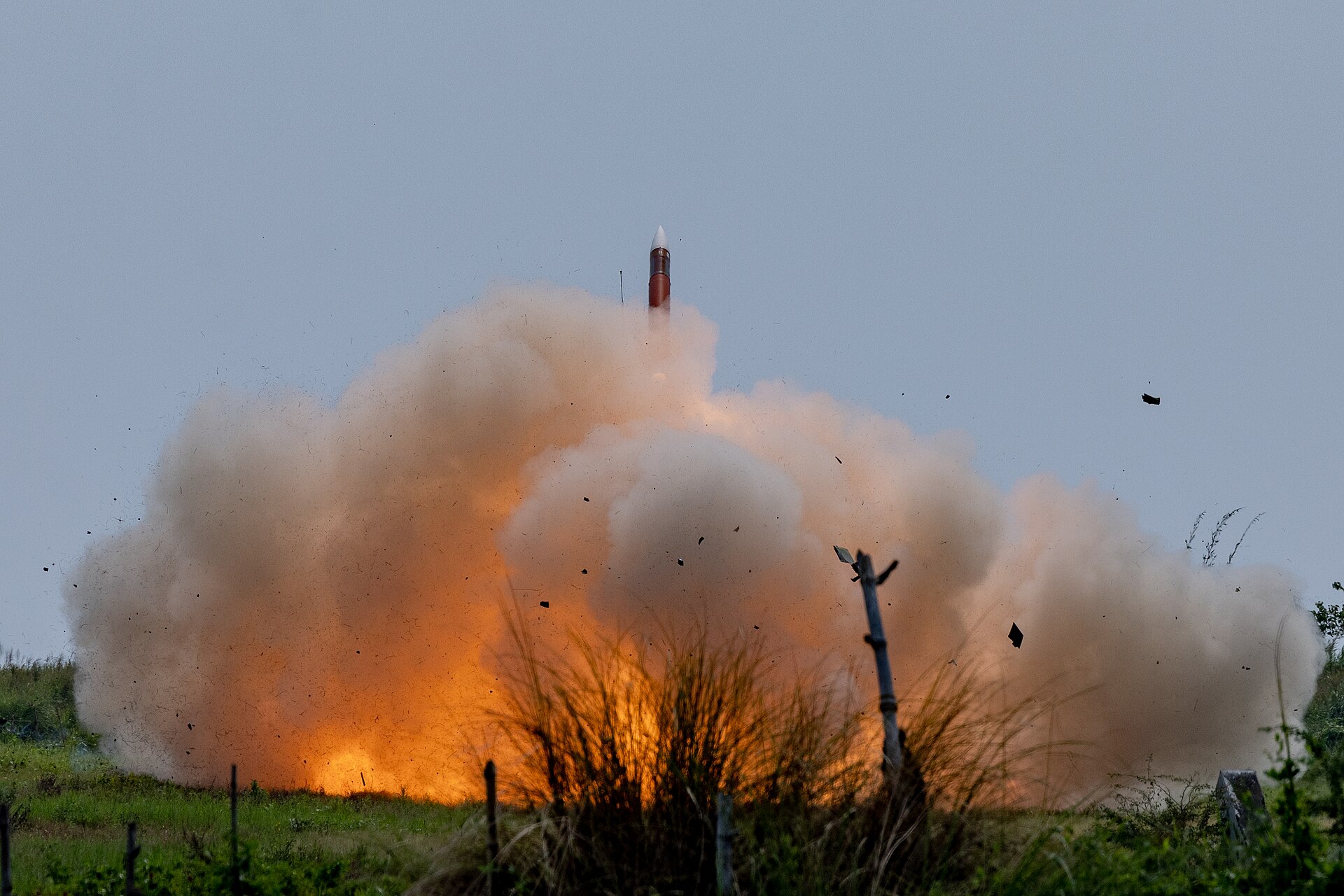
The Iranian missile inventory, by every credible estimate from CSIS to IISS, remains structurally larger than the Saudi interceptor stockpile even after seventy days of attrition. Iran did not exhaust its arsenal in the first round; it expended a defined percentage of it. Whatever fraction remains is sufficient to put more rounds in the air than the kingdom’s remaining interceptors can address, particularly if those interceptors have to defend pilgrims, Aramco facilities and US bases simultaneously. That arithmetic is the real reason no Saudi official has corrected Nasser in public. He priced the war forward, and his pricing is consistent with the assumption that the next round of fighting is not optional.
The Silence Is the Data
Mohammed bin Salman has not spoken publicly about the May 19 NSC session. Energy Minister Prince Abdulaziz bin Salman has not corrected the Aramco CEO’s 2027 floor. Foreign Minister Faisal bin Farhan, who has spent the war’s seventy days on a continuous diplomatic shuttle between Washington, Moscow, Beijing and Tehran’s interlocutors in Islamabad and Muscat, has issued no statement on Trump’s Truth Social ultimatum. This is a kingdom that, when it disagrees with American policy on Yemen or Khashoggi or oil quotas, can find ways to make the disagreement audible. Its silence in May 2026 is not the silence of agreement.
The behavioural evidence runs in a different direction. Saudi has continued to pump from Yanbu at maximum technical capacity rather than throttling to support the price the IRGC’s tolls would otherwise sustain. Saudi has continued to host US Patriot batteries on Saudi soil — including the relocated battery at Prince Sultan Air Base — without the kind of public renegotiation Riyadh used to insist on. Saudi has continued, through the Pakistan channel that emerged in April after the Islamabad accord nearly held, to keep a back-channel open to Tehran that runs in parallel to and not through Washington. That last detail — documented in “Mojtaba Met Iran’s War Commander. The Ceasefire Died in That Room” — is the closest Saudi diplomacy has come to telegraphing that it does not expect the NSC to produce an outcome compatible with Saudi interests, regardless of which option Trump chooses.
The Hajj will go ahead. Saudi authorities have signalled no contingency that would suspend it, which would be politically unthinkable, and the operational machinery — the Mashaer Metro, the Mina tent cities, the air-conditioned pilgrim accommodations in Mecca — is already running at capacity. Pilgrims have been in the dormitories since April 21. The decision to proceed was made before the NSC session was scheduled, and the decision to continue will be made every day of the week between Trump’s meeting and the Day of Arafah by officials who do not know what Washington will do.
What they do know is what Nasser told them in plain commercial English on a Q1 earnings call — that the market does not normalise until 2027, that the supply shock is the largest the world has experienced, and that reopening routes does not equal normalising markets. The man saying it is the man whose company has to deliver the revenue Vision 2030 was funded on, in a year when the Custodian has to deliver Hajj, in a week when a president the kingdom did not elect will decide whether to drop more bombs on the country the kingdom shares a strait with. There is no version of the next seven days that does not cost Saudi Arabia — and the only question is the currency in which the bill arrives, whether in interceptors, barrels, statute or pilgrims, with Riyadh’s silence suggesting the answer has already been worked out behind closed doors and is not one anyone wants on the record.
Frequently Asked Questions
How is Saudi Arabia funding the war-economy gap given Aramco’s 2027 normalisation floor?
Saudi fiscal reserves have contracted materially in the first quarter of 2026, with SAMA custody data pointing to an $18 billion drawdown — a figure consistent with the record SAR 126 billion quarterly deficit confirmed by Saudi government accounts. This represents the largest single-quarter drawdown since the fund’s restructure. The Ministry of Finance has quietly delayed three Vision 2030 megaproject milestones — including portions of the NEOM Line and the Diriyah Gate Phase 2 — without public announcement, with construction subcontractors notified by letter rather than press release. This is the off-balance-sheet evidence Nasser’s 2027 floor implies but does not name.
Has the US offered Saudi Arabia an interceptor resupply guarantee before the May 19 NSC session?
No Foreign Military Sales notification has been filed with Congress for emergency Saudi PAC-3 resupply since the war began, according to DSCA public records. The Biden-era 300-round transfer remains the most recent confirmed delivery. Riyadh has reportedly requested expedited delivery from existing FMS pipeline orders but has not received a Presidential Determination waiver that would allow drawdown from US Army stocks — which is the mechanism that materially closes the magazine gap.
What is the legal basis for the PGSA under international maritime law?
Iran cites Article 25 of UNCLOS, which permits coastal states to suspend innocent passage “essential for the protection of its security” through territorial seas. Western legal opinion at the International Tribunal for the Law of the Sea bar holds that Article 25 cannot be read to authorise a permanent administrative regime with toll collection — that would constitute a treaty-level change to the Hormuz transit regime requiring multilateral negotiation. The PGSA has not been challenged at ITLOS because no shipping flag state has filed, which itself reflects the deterrent effect of Iran’s threat to confiscate twenty per cent of any non-compliant cargo.
Could Hajj be postponed if Trump authorises strikes on May 19?
Postponement is theologically impossible. The Hajj dates are fixed by lunar observation to specific days of Dhul-Hijjah; the Day of Arafah on 9 Dhul-Hijjah cannot be moved without abandoning the Hajj entirely for the year. Saudi authorities have the power to restrict pilgrim numbers, as they did during COVID-19, but the rite itself proceeds on a fixed calendar. The closest Saudi precedent is the 1979 Grand Mosque seizure, when Hajj proceeded on schedule while military operations were underway in Mecca itself.
What happens to the Aramco share price if the war extends into Hajj week?
Tadawul-listed Aramco closed at SAR 26.45 on May 14, down approximately twelve per cent from its January high but up four per cent over the past month on Q1 earnings strength. Gulf equity analysts have warned of material Tadawul downside in a strike scenario, flagging the unique risk in which a Hajj-week strike triggers both a supply disruption and a sovereign risk re-rating simultaneously. Saudi authorities retain the buyback authority used in March to defend the floor at SAR 25.