CANBERRA — Australia raised Saudi Arabia to Level 4 “do not travel” — its highest advisory tier — on 16 October, telling citizens already in the kingdom to stockpile food, water and medication and to shelter in place if a strike occurs.
The Smartraveller advisory, published by the Department of Foreign Affairs and Trade, goes further than other Western advisories in telling nationals to prepare for a scenario in which commercial flights out of Saudi Arabia are unavailable. The United States remains at Level 3 “reconsider travel.” The United Kingdom advises against all but essential travel. Neither has told its nationals to stockpile supplies or prepare for shelter in place.
Table of Contents
What Does the Advisory Say?
The Smartraveller page tells Australians to “be ready to shelter in place at short notice” and, if a strike occurs, to “seek shelter in a substantial building and stay away from windows,” according to the Canberra Times and Newcastle Herald. It warns that falling debris from intercepted missiles and drones poses a risk beyond direct strikes. Australians in Saudi Arabia are told to “stockpile essential supplies” including food, water, medication and other essentials, IBTimes Australia reported.
The House of Saud Daily Briefing
Saudi Arabia's news in 3 minutes, every morning. Free. See today's issue
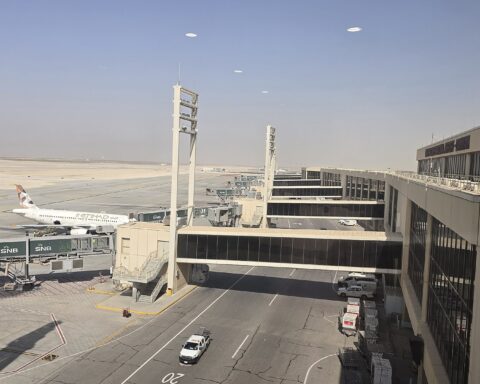
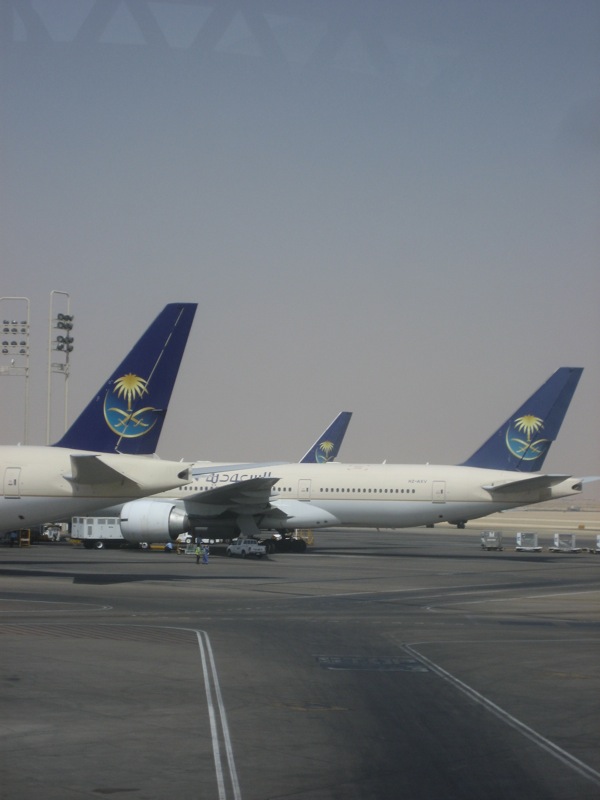
DFAT designated King Khalid International Airport in Riyadh as a specific “do not travel” zone within the broader Level 4 advisory, the Newcastle Herald reported. Australians are told to avoid KKIA entirely and exercise “extreme caution” at all other Saudi airports. The advisory instructs citizens not to leave for any airport until flights are “reconfirmed directly with the airline” and, where safe to do so, to consider private car, train or bus to reach aviation hubs in the UAE or Qatar instead of flying domestically within Saudi Arabia.
The advisory extends to religious travel. Australians planning Umrah or other trips “should postpone any planned travel to Saudi Arabia, including travel for religious purposes,” the Smartraveller page states, according to the Newcastle Herald.
Senior Minister Chris Bowen addressed the advisory in comments reported by Australian media on 18–19 October. “I understand it can be difficult to change your plans, but travel advice is issued for very good reason,” Bowen said. He added that “any Australians in Saudi Arabia, I know, are able to approach our embassy and our consulate for the best advice.”

The Airport Attacks That Forced the Decision
The advisory followed the deadliest period of Houthi attacks on Saudi civilian airports. A Saudi-led coalition spokesman said King Khalid International Airport alone was hit by more than 20 Houthi strikes in October, killing 19 and injuring 364, the Newcastle Herald reported.
The single worst incident came on 10 October, when a Houthi strike on KKIA killed 13 and wounded more than 300. Al Jazeera put the injured at 309; the BBC said 308. Attacks on KKIA and Abha International Airport on 6–7 October killed 3 and wounded 36, the BBC reported. An additional attack on KKIA Terminal 4 on 11 October killed 1 Pakistani resident and injured 11, according to CNN.
Between 5 and 11 October, Houthi forces carried out 10 attacks on five Saudi airports, according to Yeni Safak, citing Anadolu Agency data. KKIA was hit five times and Dammam’s King Fahd International Airport was hit twice in that window.
A NOTAM — notice to airmen — had closed KKIA until “Sunday morning Australian time” as of 18–19 October, according to the Newcastle Herald. Riyadh’s main airport had been cycling between closure and partial reopening throughout October.
How Does Australia Compare With Other Western Advisories?
At least seven countries issued advisories for Saudi Arabia by mid-October. Australia is the only one with shelter-in-place and stockpile language.
| Country | Advisory level | Shelter / stockpile guidance | Approximate date |
|---|---|---|---|
| Australia | Level 4 “Do not travel” | Stockpile food, water, medication; shelter in place | 16 Oct |
| New Zealand | “Do not travel” (KKIA + 3 southern provinces) | None confirmed | ~12 Oct |
| United Kingdom | “Advise against all but essential travel” | General “stay indoors” — no stockpile language | ~17 Oct |
| United States | Level 3 “Reconsider travel” | None | ~12 Oct |
| Canada | “Non-essential travel” | None | ~12 Oct |
| South Korea | Recommend departure unless essential | None | ~12 Oct |
| India | Advisory (not evacuation order) | None | Late Oct |
The United States raised Saudi Arabia to Level 3 “reconsider travel” as of 12 October, according to the US Embassy in Riyadh. On 22 October, the US ordered non-emergency diplomats out of the kingdom — a step above the travel advisory but still short of Australia’s Level 4.
The UK Foreign, Commonwealth and Development Office reached “advise against all but essential travel” by approximately 17 October, according to Gulf News and Radio X. The FCDO advisory included general guidance to stay indoors during an attack but no language on stockpiling supplies or preparing for extended shelter in place.
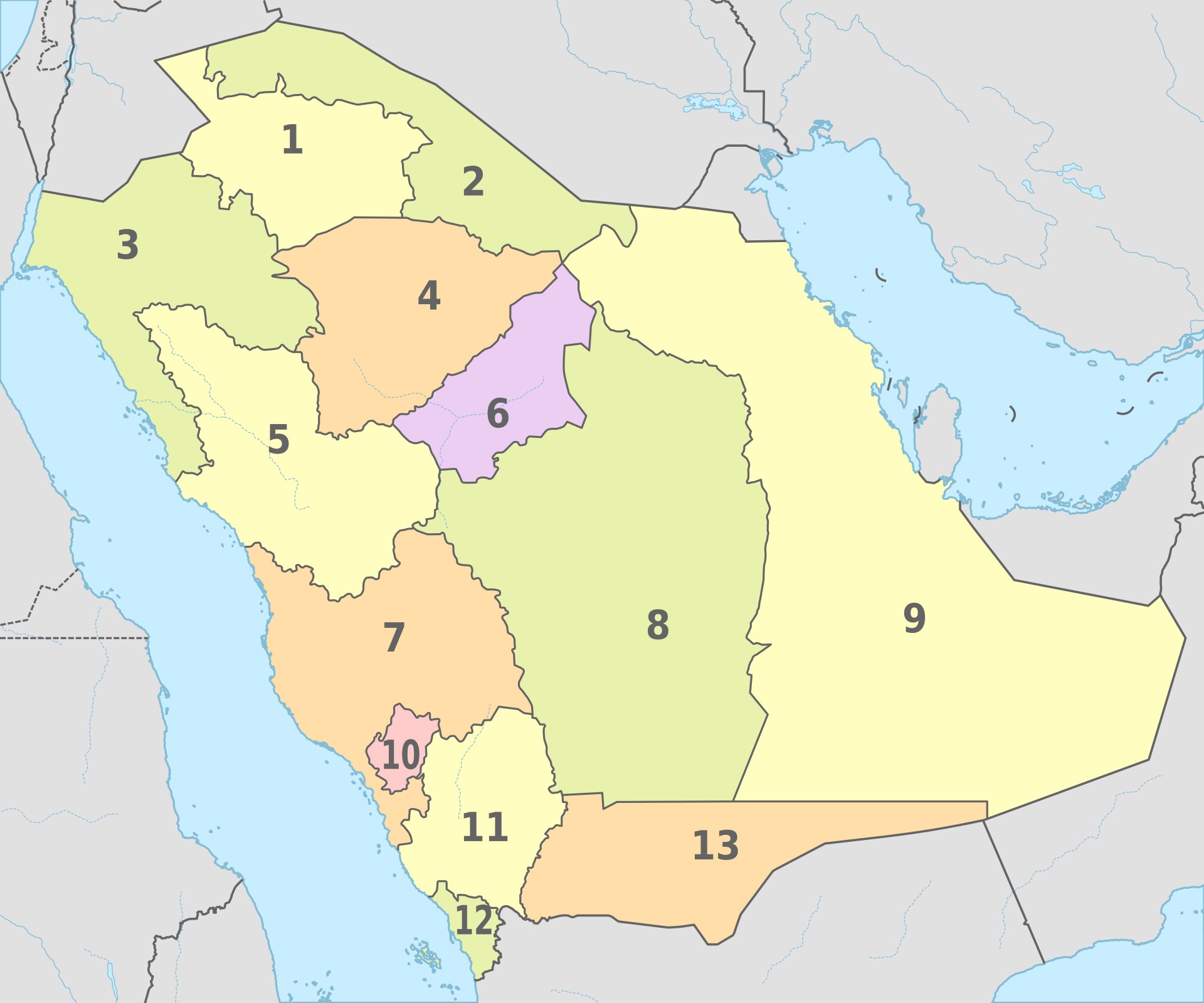
New Zealand designated KKIA and three southern provinces as “do not travel” zones but did not issue nationwide stockpile guidance, Al Jazeera reported. Canada issued a “non-essential travel” advisory. South Korea recommended its nationals leave Saudi Arabia unless they had essential business. India, with an estimated 2.65 million nationals in the kingdom, issued a safety advisory by late October that stopped short of an evacuation order.
Australia’s escalation was swift. DFAT had raised Saudi Arabia from Level 2 to Level 3 in July 2026 when Houthi strikes began targeting Abha International Airport, TravelDaily Australia reported. The jump to Level 4 came less than three months later.
The Shelter-in-Place Precedent
Standard travel advisories tell nationals to leave or to avoid entering a country. Australia’s does both of those — and then adds a third instruction for those who remain. The stockpile and shelter language acknowledges a scenario in which departure is not available.
The last time DFAT used comparable shelter-in-place language in a Level 4 advisory was for Ukraine in January 2022, when Russian forces massed on the border and airports faced potential closure, The Mandarin reported. DFAT told Australians who stayed in Ukraine to “be prepared to shelter in place if required.”
The Saudi advisory follows the same template. The instruction to stockpile food and water, to stay away from windows, and to shelter in a “substantial building” is language designed for a population that cannot evacuate — not one choosing whether to visit.
DFAT’s standard Level 4 language warns that “our ability to provide consular assistance in these destinations is extremely limited” in a major incident. That caveat frames the stockpile instruction: Australians who stay should not expect the embassy to deliver supplies or organise transport during an active attack.
The advisory’s instruction to avoid KKIA entirely while exercising “extreme caution” at other airports, and to consider overland routes to the UAE or Qatar, reinforces the same judgment. DFAT is telling its citizens that Saudi airports may not function as exit points.
The Houthi Declaration
The day after the 10 October KKIA strike, Houthi military spokesman Yahya Saree issued a statement that read less like a claim of responsibility than a standing threat.
“The Yemeni armed forces renew their warning to all aviation and navigation companies, experts, staff, workers, and travellers against using Saudi airports and airspace. The airports and airspace are exposed to targeting and constitute a theatre of operations for our forces, with the exception of the airports of Mecca and Medina.”
Yahya Saree, Houthi military spokesman, 11 October 2026 (Times of Israel / Kurdistan24)
The Mecca and Medina exception is an operational carve-out designed to preserve the Houthis’ standing with Muslim-majority countries whose nationals perform Hajj and Umrah. Every other Saudi airport, in Saree’s framing, is a legitimate military target.
Houthi forces had warned on approximately 5–6 October that Saudi airspace was “within the group’s area of operations,” Aerocorner reported. The 10 October KKIA strike followed within days.
Australia’s advisory appears to take the Houthi declaration at face value. The instruction to avoid KKIA, to reconfirm flights before travelling to any airport, and to consider overland routes to the UAE or Qatar aligns with an assumption that Saudi commercial aviation is unreliable for civilian use. The UN Security Council condemned the Houthi strikes on 22 October and affirmed Saudi Arabia’s right to self-defence, but the presidential statement did not address civilian aviation safety.
What Happens to Insurance at Level 4?
Australia’s highest advisory tier carries financial consequences beyond physical safety. A DFAT “do not travel” designation triggers exclusion clauses in most Australian travel insurance policies.
Professor Brent Ritchie told Insurance Business Magazine Australia that “travellers shouldn’t assume they’re automatically covered” at destinations rated Level 4. The designation means that security-related incidents — the category into which a Houthi strike falls — are typically excluded from coverage.
The “do not travel” rating also applies to transit, according to Shaun McGowan of TravelInsurance.com.au, as paraphrased by the Canberra Times. Australians who would normally connect through Riyadh, Jeddah or Dammam face the same coverage exclusion even for a layover.
The UAE and Qatar were themselves at “do not travel” earlier in the crisis but were downgraded to Level 2 in June 2026, the Canberra Times reported. That distinction matters for Australians following DFAT’s advice to travel overland to those countries: once across the border, standard insurance coverage typically resumes.
Background
Houthi strikes resumed targeting Saudi cities and airports from 13 July 2026 after the collapse of a 2022 truce, according to the BBC. The initial attacks hit Abha International Airport in the south, prompting DFAT’s first upgrade from Level 2 to Level 3 on 21 July.
The campaign escalated through September and into October. Attacks on KKIA and Abha on 6–7 October were followed by the interception of two ballistic missiles aimed at Riyadh on 8 October, the Associated Press reported. The European Union Aviation Safety Agency widened its Saudi airspace warning to airlines on 9 October.
The 10 October KKIA strike was the deadliest single incident of the war. By mid-October, the Houthis had also struck Bab el-Mandeb shipping and expanded their target set to include Aramco facilities in the Eastern Province.
Australia’s Level 4 advisory came six days after the 10 October attack and followed a week in which KKIA was repeatedly closed by NOTAMs, airlines suspended or reduced Saudi routes, and the Saudi government postponed its flagship Future Investment Initiative conference to 2027.
Frequently Asked Questions
Does Australia’s advisory apply to Hajj and Umrah travel?
Yes. The Smartraveller advisory explicitly tells Australians to “postpone any planned travel to Saudi Arabia, including travel for religious purposes,” the Newcastle Herald reported. The Houthis have exempted the airports of Mecca and Medina from their targeting declaration, but reaching those cities from outside Saudi Arabia requires transiting through non-exempted airports or airspace — a distinction that DFAT’s blanket Level 4 does not carve out. Australians with existing bookings for Umrah face both a safety advisory and a likely insurance exclusion for the journey.
What overland options exist for Australians trying to leave?
DFAT suggests private car, train or bus to “reach aviation hubs in the UAE or Qatar,” according to the Newcastle Herald. Saudi Arabia shares land borders with the UAE and Qatar on its eastern and northeastern flanks. Both countries were downgraded from “do not travel” to Level 2 in June 2026, the Canberra Times reported, meaning commercial flights and insurance coverage are available from Dubai, Abu Dhabi and Doha. The advisory does not name specific border crossings or estimate travel times.
Has DFAT used shelter-in-place language before?
Yes, for Ukraine. In January 2022, when Russia massed forces on the Ukrainian border, DFAT raised Ukraine to Level 4 and told Australians who remained to “be prepared to shelter in place if required,” The Mandarin reported. The Saudi advisory uses near-identical language. The template appears to be DFAT’s standard tool for conflict zones where airports may not be available for evacuation — a narrow category that, until October, included only active war zones.
How many Australians are in Saudi Arabia?
DFAT does not publish a real-time count. Estimates from secondary sources place the Australian community in Saudi Arabia at up to 5,000, with most based in Riyadh and Jeddah. Bowen’s reference to “our embassy and our consulate” suggests DFAT maintains contact points in both cities for nationals seeking assistance.
Does the “do not travel” rating affect transit passengers?
Yes. Shaun McGowan of TravelInsurance.com.au told the Canberra Times that “do not travel” also means “do not transit.” Australians who would normally connect through Saudi airports face the same insurance exclusion as those visiting the country. Most travel policies purchased in Australia exclude coverage for security-related incidents at Level 4 destinations, including during layovers and connections, according to Insurance Business Magazine Australia.
The House of Saud Daily Briefing
Saudi Arabia's news in 3 minutes, every morning. Free. See today's issue