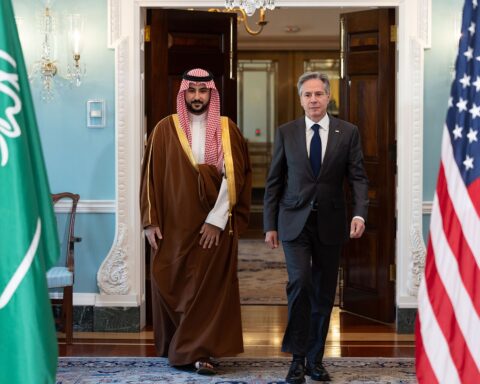
RIYADH — The United States ordered the departure of all non-emergency government employees and their family members from Saudi Arabia, effective October 23, the US Embassy in Riyadh announced in a formalised security alert on October 27. The directive covers the embassy in Riyadh and the consulates in Jeddah and Dhahran, and State Department spokesperson Tommy Pigott confirmed it was a mandatory “ordered departure” rather than the lesser “authorised departure” that leaves the decision to individual staff.
The order restricts remaining government employees from using any airport in the kingdom without clearance from the Chief of Mission, bars travel within 20 miles of the Yemen border and warns American citizens that Saudi authorities have detained people for photographing missile interception debris. It was issued as Washington simultaneously deepens its military role in Saudi Arabia — with advisers embedded in a joint command, a proposed multibillion-dollar F-35A sale before Congress and joint US-Israeli planning for post-midterm strikes on Iran.
Table of Contents
What Does the US Ordered Departure Require?
Pigott told CNN and Al Jazeera on October 21 that the order was driven by “Iranian-supported Houthis” who “have increasingly engaged in hostilities against Saudi Arabia, including attacks on civilian airports and other critical infrastructure resulting in civilian casualties and severe travel disruptions.”
The House of Saud Daily Briefing
Saudi Arabia's news in 3 minutes, every morning. Free. See today's issue
“The safety and security of Department personnel and their families remain our highest priority.”
— Tommy Pigott, State Department spokesperson, CBS News, October 21
An unnamed State Department official told CNN the decision was “about the Houthis.” Pigott explicitly denied Reuters and AFP reports that similar orders would apply to the UAE, Jordan, Qatar and Bahrain — the directive covers Saudi Arabia only, CBS News and CNN reported on October 21. The embassy and consulates have not closed; consular services including emergency citizen assistance continue with reduced staffing, Newsweek and CBS News reported.
The ordered departure is distinct from the travel advisory that applies to all Americans. Saudi Arabia’s overall advisory stands at Level 3, “Reconsider Travel,” with Level 4, “Do Not Travel,” for the Yemen border region, according to travel.state.gov. The departure directive mandates that government employees leave; it does not compel private citizens to do so. But the embassy warned that hostilities “have the potential to escalate rapidly beyond the immediate area,” Middle East Eye reported on October 27.
Beyond the departure itself, US government employees still in Saudi Arabia face layered movement restrictions. They require special authorisation from the Chief of Mission to use any airport in the kingdom, according to Middle East Eye and Gulf News. They are barred from travelling within 20 miles of the Yemen border and need separate clearance for the provinces of Jizan, Asir and Najran as well as for Qatif, Yanbu and Taif, Gulf News reported.
The six restricted areas trace the kingdom’s exposure to the conflict. Jizan, Asir and Najran are the three provinces directly bordering Yemen, where Houthi ground and missile forces are based. Yanbu is Saudi Arabia’s largest Red Sea crude-export terminal. Qatif, in the Eastern Province, has a history of security operations. Taif, southeast of Mecca, hosts a military air base.
Airport Restrictions and the Photography Warning
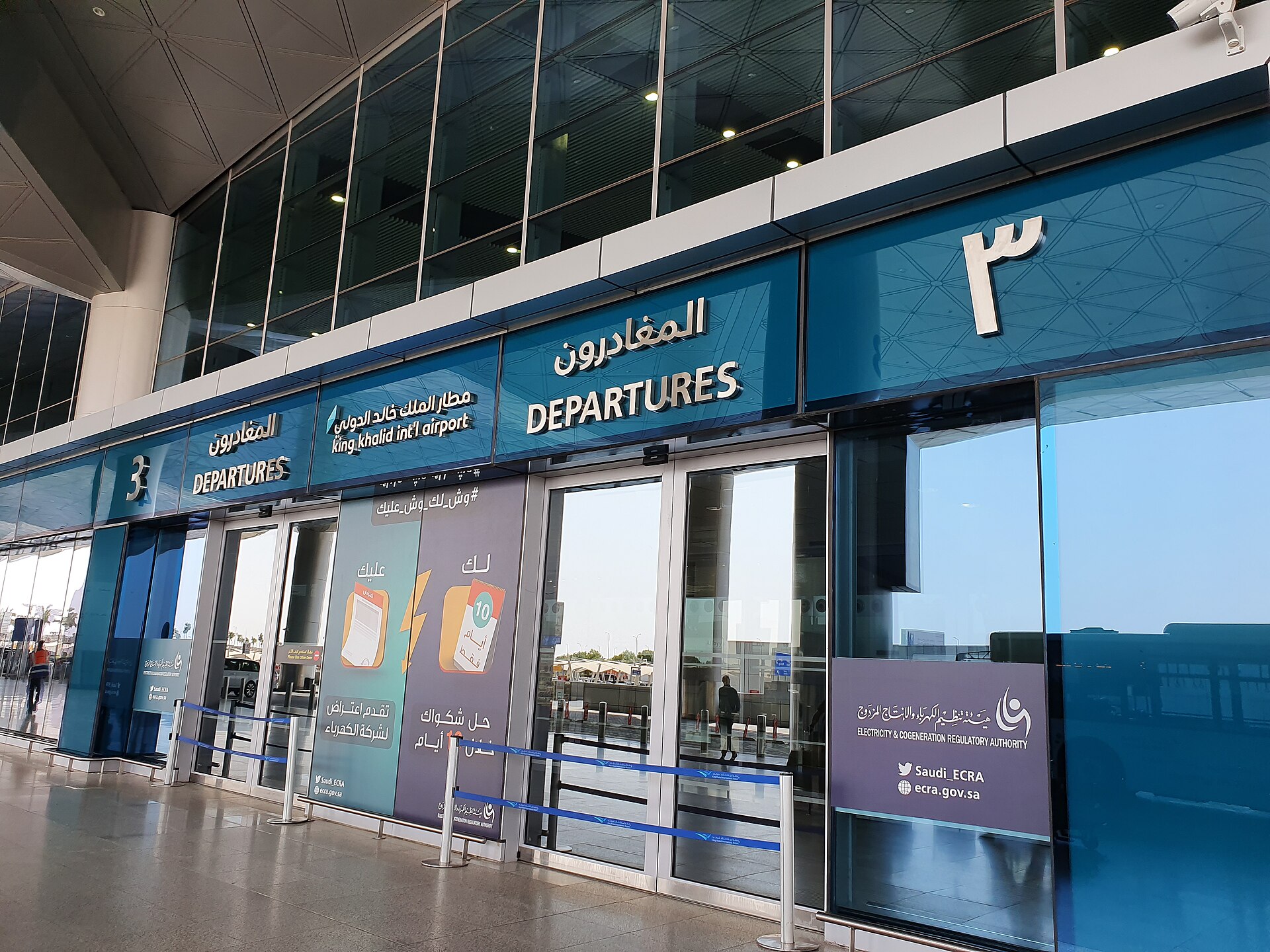
The airport restriction arrives at a time when commercial air travel in Saudi Arabia is fractured. King Khalid International Airport in Riyadh partially reopened in late October after a closure of roughly two weeks following Houthi strikes, but service remains limited to some domestic flights and Saudi-carrier operations, according to Daily Pakistan on October 27. Lufthansa and Air France have cancelled flights to Riyadh through mid-November, Arabian Business reported in October 2026.
At least 19 international airlines had refused to operate flights to Riyadh by late October, after the Houthis renewed their designation of the airport as “a military target,” AA.com.tr reported on October 25.
For Americans weighing travel through the kingdom, the US government’s guidance is layered: the Level 3 advisory applies to all citizens, the airport restriction applies to government employees, and the limited commercial schedule constrains everyone. A current overview of Saudi Arabia’s airport and travel conditions and an assessment of the kingdom’s safety for travellers provide further detail on what services remain operating.
The embassy also warned that American citizens have been detained in Saudi Arabia for photographing or filming missile and drone interception sites and impact debris, Gulf News reported. Saudi Arabia’s Interior Ministry has stated that recording or sharing such material constitutes a criminal offence under Saudi law. The embassy did not specify how many Americans had been detained.
Why Did the US Act While Pledging to Defend Saudi Arabia?
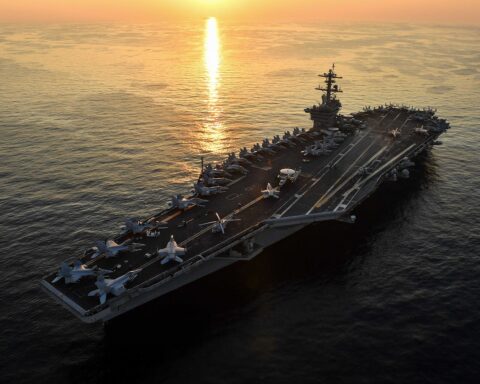
The departure order exists alongside a military commitment that has deepened throughout the conflict. More than 100 US military advisers are working within a joint command in Saudi Arabia, providing boosted intelligence and targeting support to the coalition, CNN reported on October 11 and 21. The relationship rests on the Strategic Defence Agreement signed at the White House in November 2025, which designated Saudi Arabia a major non-NATO ally and approved a package that included future F-35 deliveries and nearly 300 US tanks, Breaking Defense reported in November 2025.
The arms track has continued to accelerate. The US notified Congress on September 17 of a proposed $24.3 billion sale of 48 F-35A fighter aircraft to Saudi Arabia, The Aviationist reported. Secretary of State Marco Rubio said on October 5 that “we intend to live by” the defence agreement, according to The National.
On October 22, ABC News reported that US and Israeli militaries had drawn up plans to renew joint strikes on Iran after the November 3 midterms, citing two Israeli sources. CENTCOM responded that “we regularly move U.S. service members and assets to optimize mission readiness” and declined to discuss specifics “for operational security reasons.”
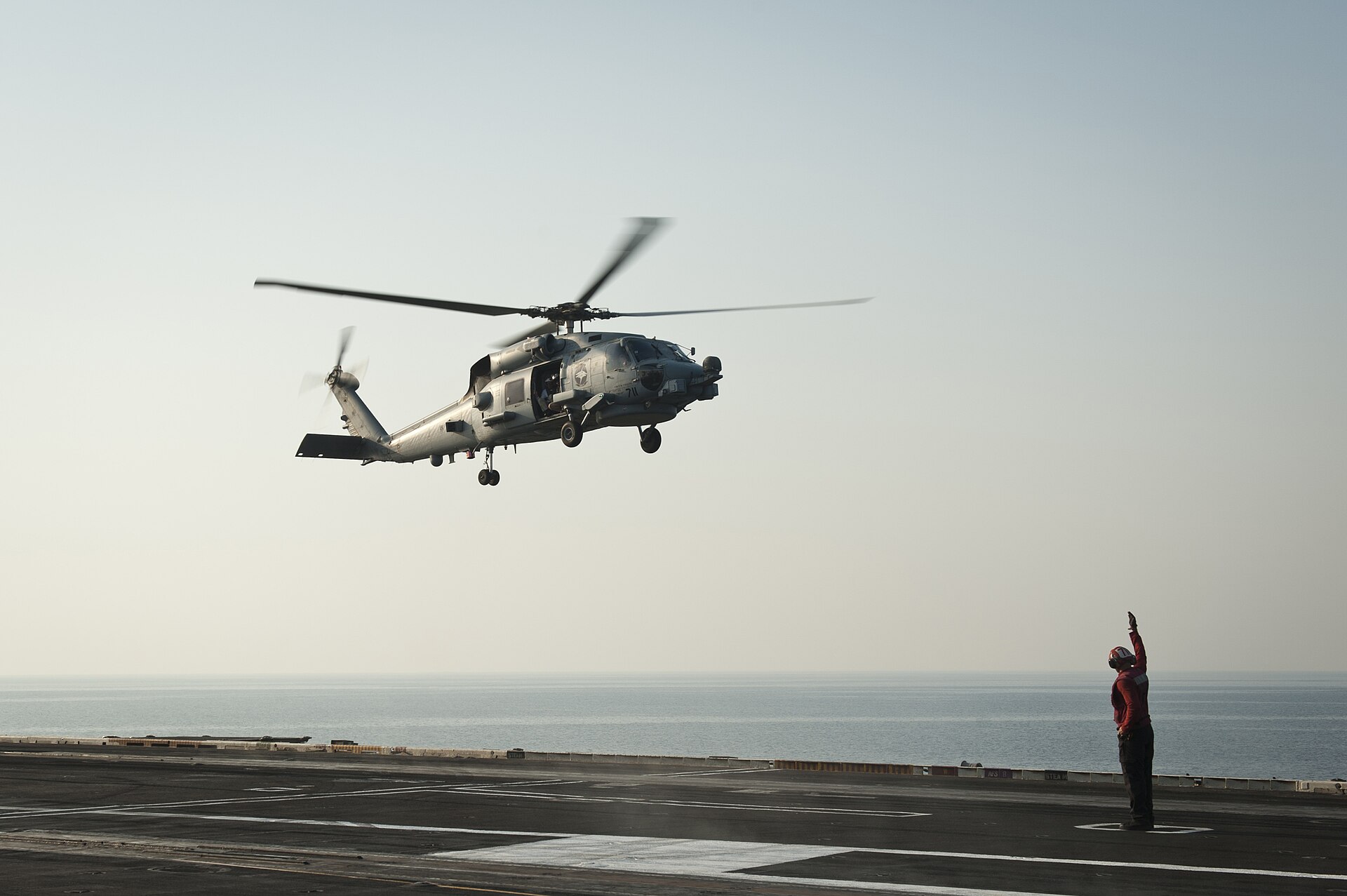
Trump said on October 8 that he had ruled out strikes on Iran before the midterms, The National reported. Two days later, asked specifically about the Houthis, he told CNN: “We may. We’re going to look at it.” He added: “The Saudis are good fighters.”
The result is two US postures operating simultaneously: one that judges Saudi Arabia too dangerous for American civilians, another that commits targeting officers and proposes a generational arms sale. CBS News and a senior US military official separately confirmed that the US military had been “quietly” reducing its footprint at Middle East posts due to Houthi threats and direct threats from Iran — a drawdown conducted in parallel with the intelligence deepening, and without formal announcement.
Saudi Arabia’s failure to secure an Iranian ceasefire through direct diplomacy in Tehran has only compressed the timeline. With no diplomatic off-ramp in place and the midterms a week away, the departure order coincides with a window in which the US has drawn up, but not yet authorised, military options against Iran.
How Have Iran and the Houthis Responded?
No Houthi or Iranian statement specifically addressing the October 23 ordered departure was located as of October 27.
The most recent traceable Houthi position came from Mohammed Al Bukhaiti, a member of the group’s political bureau, who warned on October 13 of a “swift and painful” response targeting the United States and its interests if Washington joined Saudi Arabia in military strikes, Uniindia reported. The Houthis renewed their threat against King Khalid International Airport on October 25, calling it “a military target” they would continue striking, AA.com.tr reported.
Iran’s Foreign Minister Abbas Araghchi said on March 30 that it was “high time to eject U.S. forces” from Saudi Arabia, framing the call as one between neighbours: “Iran respects the Kingdom of Saudi Arabia and considers it a brotherly nation,” Tasnim reported on March 30 and 31. No Iranian official has publicly addressed the October departure order.
Ameneh Mehvar of the Armed Conflict Location and Event Data Project warned that further airstrikes risk “another escalation cycle,” Newsweek reported. On October 27 — the same day the embassy formalised its alert — the coalition reported intercepting Houthi missiles and drones over Saudi Arabia, a pattern that continues to define daily life in the kingdom.
A Pattern of Ordered Departures
A prior ordered departure was issued for Saudi Arabia earlier in 2026 after Iranian strikes on US assets. The Saudi defence ministry said 2 drones hit the US embassy compound in Riyadh on approximately March 3, causing a limited fire and material damage, Gulf News and NBC News reported. That same month, AP reported at least 29 US troops were wounded at Prince Sultan Air Base during a week of Iranian attacks, according to the Times of Israel. Embassy staff had begun returning before the October Houthi escalation forced a second round of departures, Al Jazeera and Newsweek reported. The cycle — departure, partial return, renewed departure — reflects the persistent instability of the US civilian presence in the kingdom since Iranian military operations began in late February.
The precedent extends back decades. In April 2004, Secretary of State Colin Powell announced an ordered departure for Saudi Arabia — the third such departure in twelve months at that time — according to Al Jazeera’s archive dated April 15, 2004. The 2026 orders are driven by state-backed Iranian and Houthi military campaigns — ballistic missiles and armed drones targeting cities and critical infrastructure — rather than the non-state terrorism that prompted the 2004 withdrawals. In both eras, the US pulled diplomats while continuing to arm and support the kingdom — a tension that has defined Washington’s Saudi relationship for more than two decades.
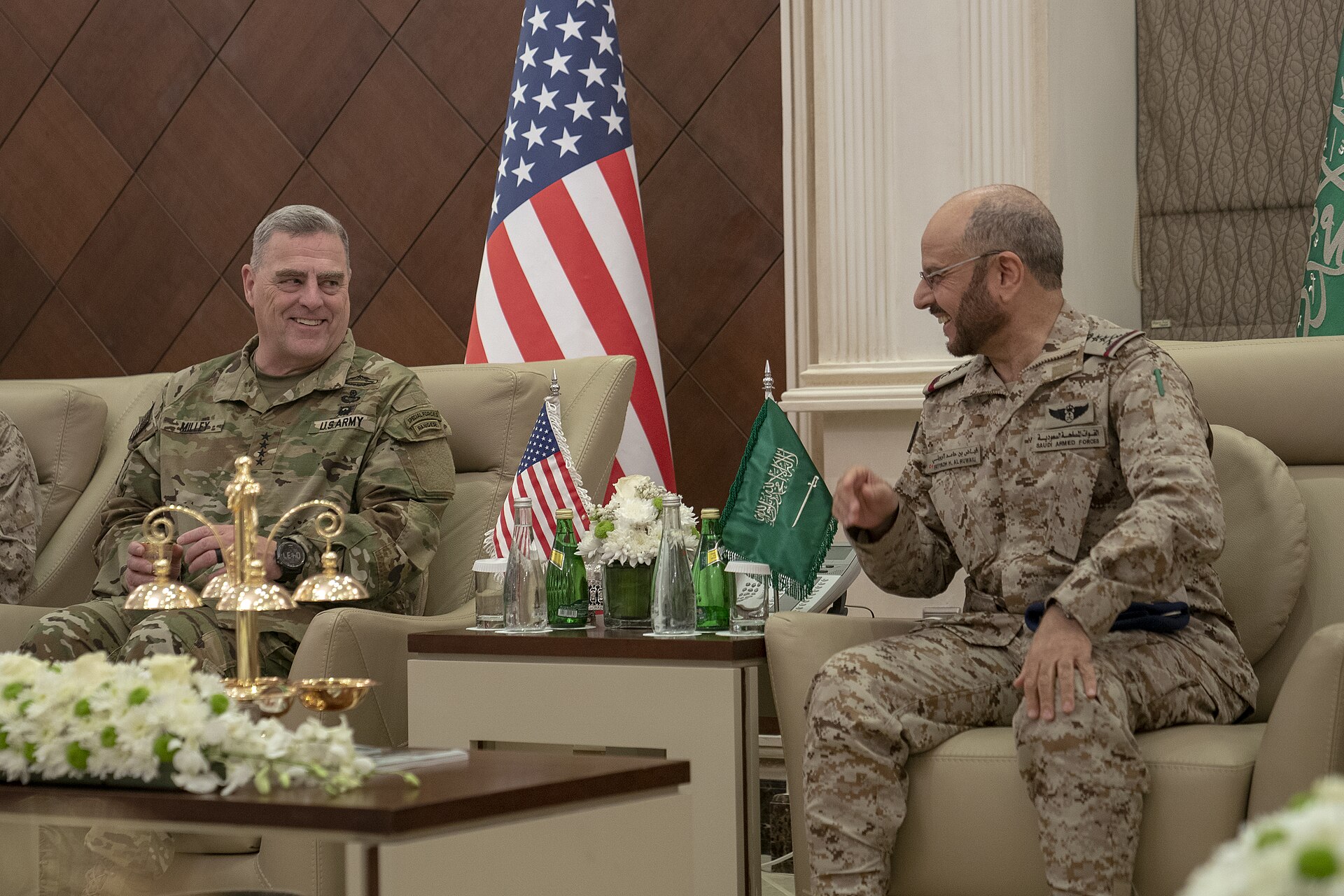
The pattern of Western governments pulling non-essential personnel from the kingdom while maintaining military cooperation has become a recurring feature of the conflict.
Frequently Asked Questions
Does the ordered departure apply to US military personnel in Saudi Arabia?
The order as announced covers non-emergency US government employees and their families at the embassy and consulates. Whether military personnel at Saudi bases fall under the same directive has not been publicly stated. CNN reported more than 100 military advisers remain in a joint command, while CBS News separately reported that the US military had been reducing its footprint at other Middle East posts. The distinction suggests the military operates under separate force-protection protocols rather than the embassy’s departure authority.
Can American civilians still fly to Saudi Arabia?
The ordered departure applies to government employees, not private citizens. However, the Level 3 travel advisory urges all Americans to “reconsider travel,” and commercial options are constrained. KKIA’s partial reopening is limited to domestic and Saudi-carrier flights, and Lufthansa and Air France have cancelled Riyadh services through mid-November.
What legal risks do Americans face for photographing attack sites?
Saudi Arabia’s Interior Ministry has designated the recording or sharing of footage showing interception sites and impact debris as a criminal offence. The US Embassy confirmed that American citizens have been detained under this provision, though no count of detentions was published. The embassy advised all citizens to avoid photographing or filming military or security-related sites and their aftermath. Gulf News reported that the warning applies broadly to photographing “recent events,” a term the embassy did not further define.
How does an ordered departure differ from an embassy closure?
An ordered departure removes non-essential personnel but keeps the diplomatic mission open. Consular services — visa processing, citizen assistance, emergency support — continue with reduced staff. A full “suspension of operations” would end all US diplomatic presence in the country. Saudi Arabia’s US missions remain in the former category: the government has judged the security environment too unstable for anyone not performing essential functions, but the embassy and consulates themselves have not closed.
The House of Saud Daily Briefing
Saudi Arabia's news in 3 minutes, every morning. Free. See today's issue