WASHINGTON — President Donald Trump cancelled a planned Saturday trip by envoys Steve Witkoff and Jared Kushner to Islamabad after Iranian Foreign Minister Abbas Araghchi departed Pakistan without committing to direct talks, a move that US officials have framed as a precursor to resumed military operations against Iran’s Strait of Hormuz defenses. Iran responded two days later by transmitting a formal Hormuz-for-blockade-removal proposal via Pakistan — a sequencing gambit that Washington appears unlikely to accept.
The cancellation — announced via Truth Social on April 25 with the line “Too much time wasted on traveling, too much work!” — collapses two months of Pakistan-brokered diplomacy into a single coercive signal. The War Powers Act’s 60-day clock expires May 1. The Day of Arafah falls May 26. Between those two dates sits the narrowest decision corridor either side has faced since strikes began February 28.
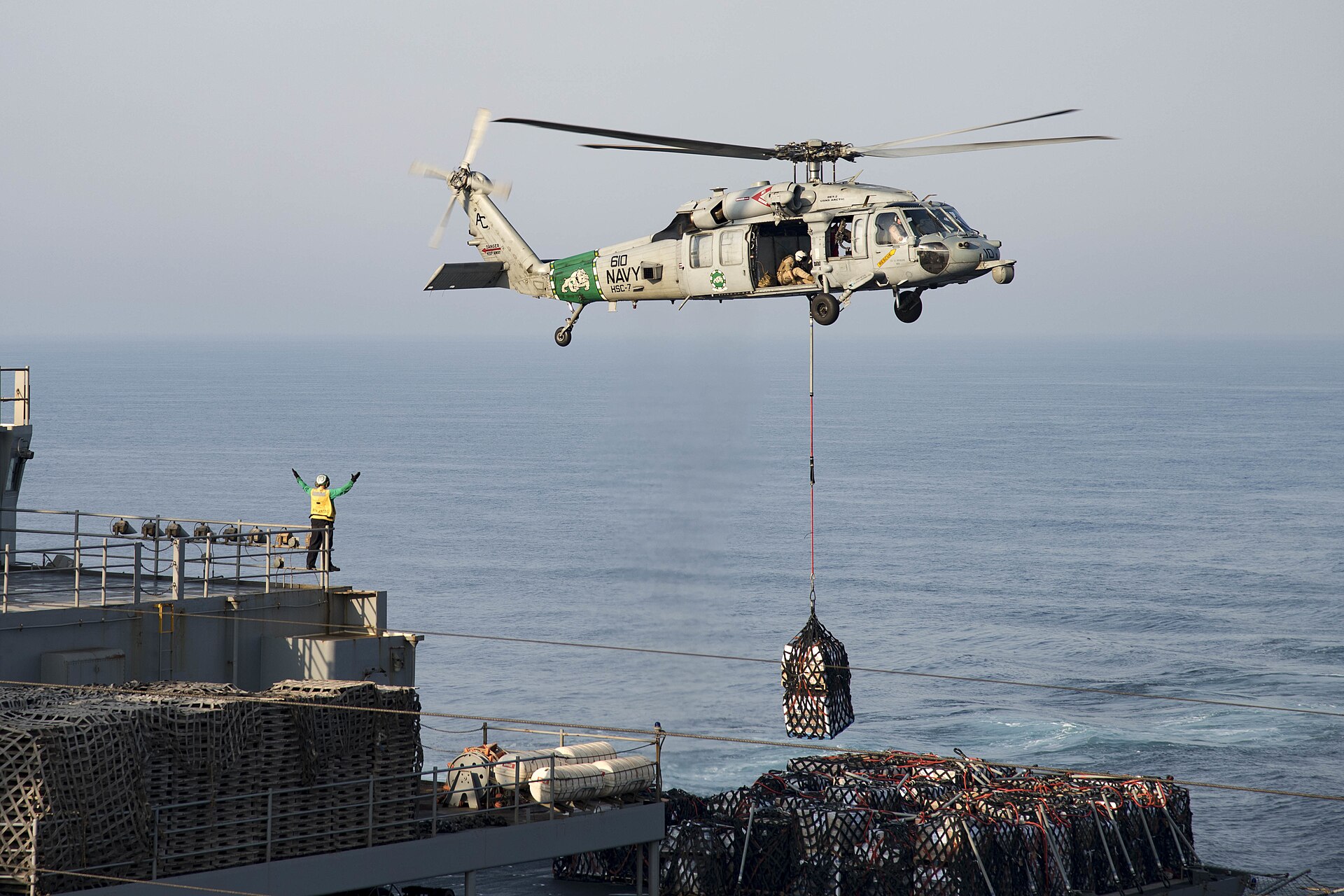
Table of Contents
- What Happened Between April 25 and April 27
- Why Did Trump Cancel the Witkoff-Kushner Trip?
- Iran’s Hormuz-First Proposal and Its Structural Problem
- What Military Options Is the US Developing?
- The May 1 War Powers Deadline
- The Hajj Clock and the Cost of Resumed Strikes
- Araghchi’s 72-Hour Diplomatic Sprint
- Frequently Asked Questions
What Happened Between April 25 and April 27
The White House announced on Friday April 24 that Witkoff and Kushner would travel to Islamabad as a follow-up to the earlier Vance-Ghalibaf face-to-face — the first direct US-Iran talks since 1979. The trip was dead within 24 hours.
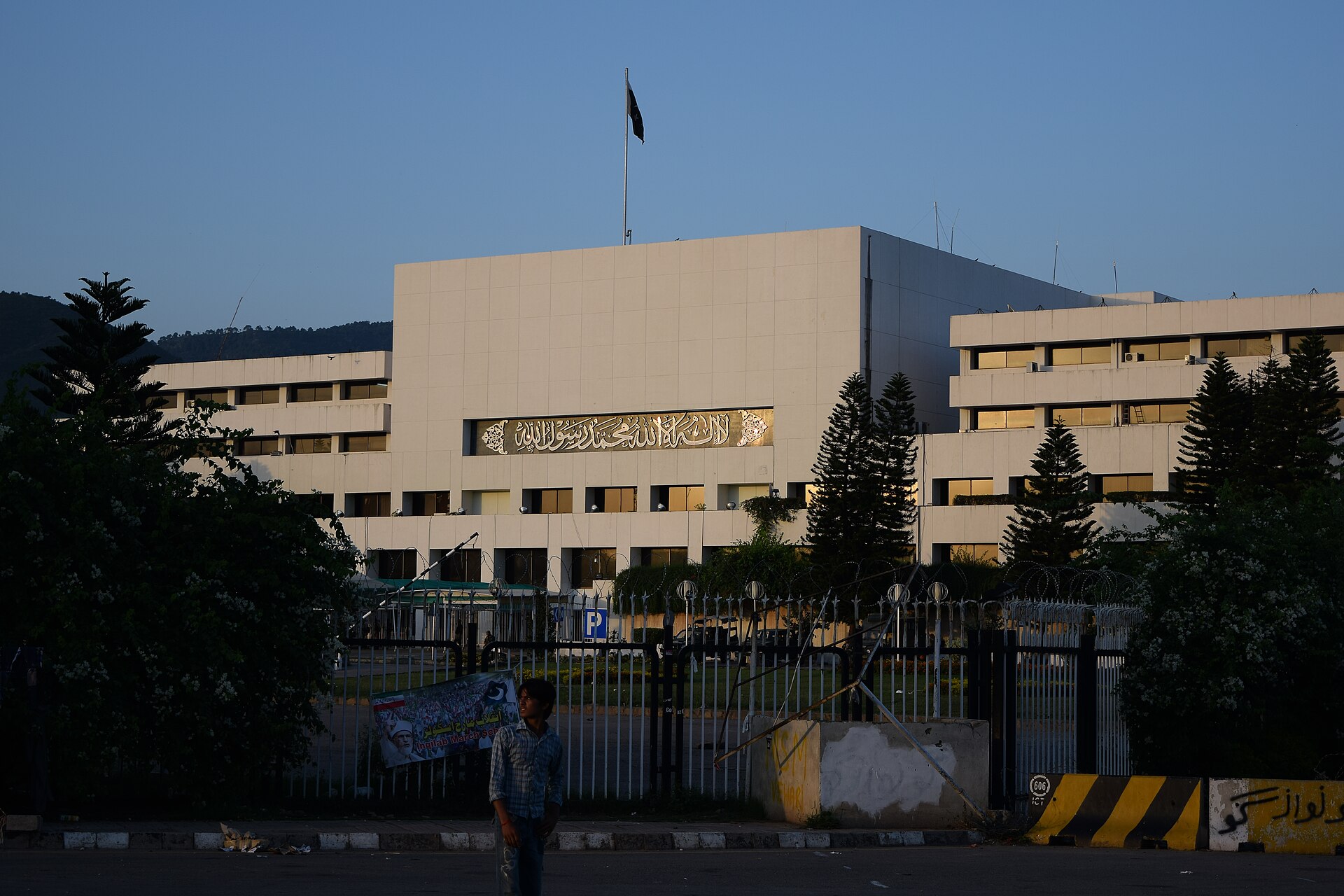
Araghchi had met Pakistani Prime Minister Shehbaz Sharif, Army Chief Asim Munir, and Foreign Minister Ishaq Dar before departing Islamabad without committing to sit across from the American delegation. Trump’s response on Truth Social combined two distinct signals: the logistical complaint (“too much time wasted on traveling”) and the power claim (“We have all the cards. They can call us anytime they want, but you’re not going to be making any more 18-hour flights to sit around talking about nothing”).
The second statement, reported by Al Jazeera on April 25, is the one that matters diplomatically. It reframes Pakistan-mediated talks — where the US travels to Iran’s preferred venue — as a concession Washington is withdrawing. Trump added a separate observation about Iran’s internal command structure: “tremendous infighting and confusion within their ‘leadership.’ Nobody knows who is in charge, including them.” The Times of Israel published that quote the same day.
Two days later, on April 27, Iran transmitted a formal proposal through Pakistan: reopen Hormuz, lift the US blockade, end the war — and defer nuclear talks to a later phase. Axios, PBS, the Washington Post, and Bloomberg all confirmed the proposal’s existence and broad terms. The White House confirmed deliberations were ongoing but Trump “seems unlikely to accept,” according to CNBC and PBS reporting.
The Middle East briefing 3,000+ readers start their day with.
One email. Every weekday morning. Free.
Why Did Trump Cancel the Witkoff-Kushner Trip?
The cancellation is a calibrated coercive signal rather than a scheduling failure. Three elements distinguish it from a genuine logistical decision.
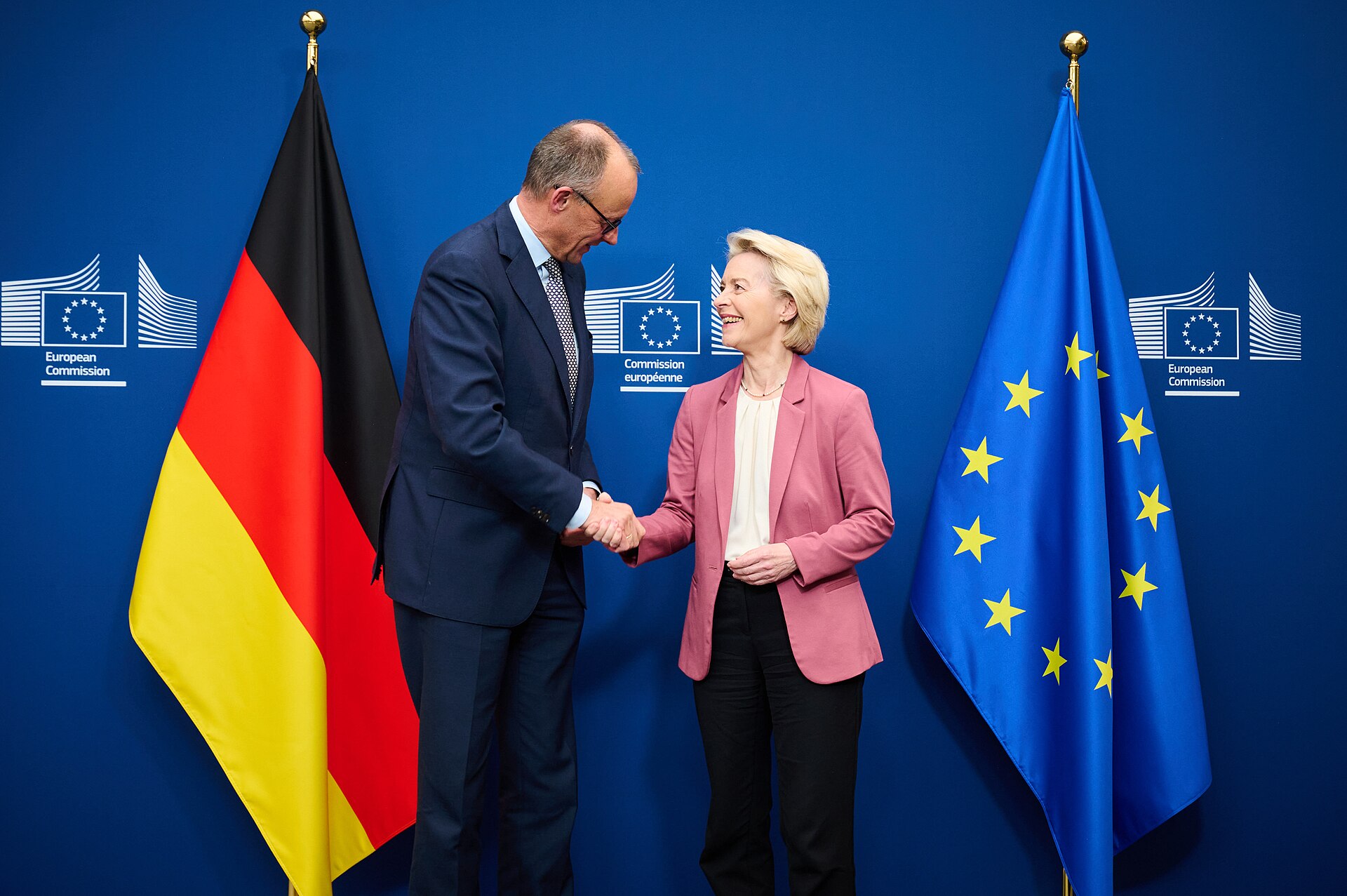
First, the public framing. A genuine scheduling conflict gets a press secretary statement and a rescheduled date. This got a presidential Truth Social post designed to humiliate the other side’s negotiating posture. German Chancellor Friedrich Merz, speaking on April 27, read it correctly: “The Iranians are obviously very skilled at negotiating, or rather, very skilful at not negotiating, letting the Americans travel to Islamabad and then leave again without any result.” His second statement was blunter: “An entire nation is being humiliated by the Iranian leadership, especially by these so-called Revolutionary Guards.”
Second, the timing against military planning. CNN reported on April 23 — two days before the cancellation — that the US military was already developing contingency plans to target Iran’s Strait of Hormuz defenses “if ceasefire fails,” including “dynamic targeting” of fast attack boats, minelaying vessels, coastal defense missiles, and dual-use energy infrastructure. The cancellation converts those contingency plans from background hedging into foreground threat.
Third, the authorization ceiling problem. Trump’s “nobody knows who is in charge” line directly references the structural deadlock that the Institute for the Study of War has documented: Ali Akbar Ahmadian Vahidi and his inner circle “have likely secured at least temporary control over not only Iran’s military response in this conflict but also Iran’s negotiating position and approach.” Araghchi can negotiate. He cannot deliver. Trump is signaling that he knows this — and that talking to someone who cannot commit is worse than not talking at all.
Iran’s Hormuz-First Proposal and Its Structural Problem
Iran’s April 27 proposal attempts to break the core structural deadlock by sequencing: Phase 1 delivers Hormuz reopening, blockade removal, and a war-ending agreement. Phase 2 — deferred, undated — addresses the nuclear file. The proposal reached Washington via Pakistan’s foreign ministry, with Axios and PBS confirming the broad terms.
The structural problem is immediate. The US position since February 28 has been that Iran “cannot have a nuclear weapon. Otherwise, there’s no reason to meet,” as Trump stated on April 27 according to Al Jazeera. Iran’s proposal asks Washington to give up its primary coercive instrument — the naval blockade effective since April 13 — in exchange for a Hormuz reopening that the IRGC can reverse overnight, while deferring the issue Washington considers existential.
The proposal’s timing reveals its actual function. It arrived two days after the no-show, when the threat of military resumption was at its most credible. Iran is not conceding; it is offering the minimum sequencing that would freeze the current military correlation in place while relieving economic pressure. The 440.9 kg of highly enriched uranium at 60% enrichment — last verified by the IAEA in June 2025 before access was terminated on February 28, 2026 — remains unaddressed.
Rubio’s rejection of an interim Hormuz deal, reported on April 27, confirms the administration’s position: no decoupling of Hormuz from the nuclear file. The proposal may still serve a diplomatic purpose — it forces Washington to articulate publicly what it would accept, which constrains future negotiating positions.
What Military Options Is the US Developing?
CNN’s April 23 reporting, citing defense officials, described contingency planning for “dynamic targeting” of four categories of Iranian military infrastructure in and around the Strait: fast attack boats, minelaying vessels, coastal defense cruise missiles, and dual-use energy infrastructure that supports IRGC naval operations.
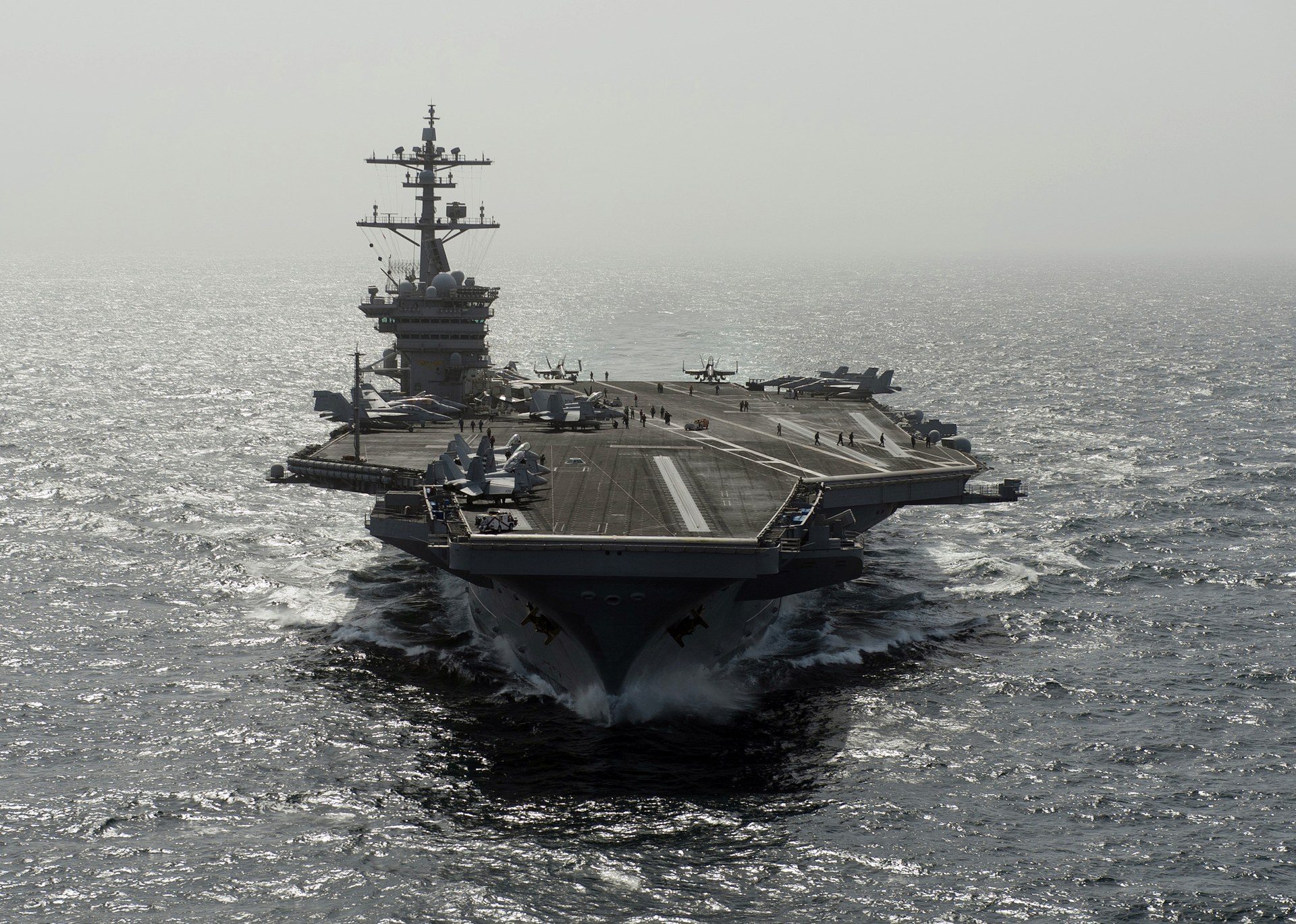
The naval force structure supports these options. Nineteen US ships are deployed in the Middle East, including three aircraft carriers. Seven additional ships operate in the Indian Ocean, according to the same CNN report. Trump’s separate order — to “shoot and kill any boat, small boats though they may be, that is putting mines in the waters of the Strait of Hormuz” with “no hesitation” — was reported by Al Jazeera, PBS, and CNBC on April 23.
An unnamed US military source told CNN the operational question is not capability but risk tolerance: “Unless you can unequivocally prove that 100% of Iran’s military capability is destroyed or near certainty that the US can mitigate the risk with our capability, it will come down to how badly is [Trump] willing to accept the risk and start pushing ships through the strait.”
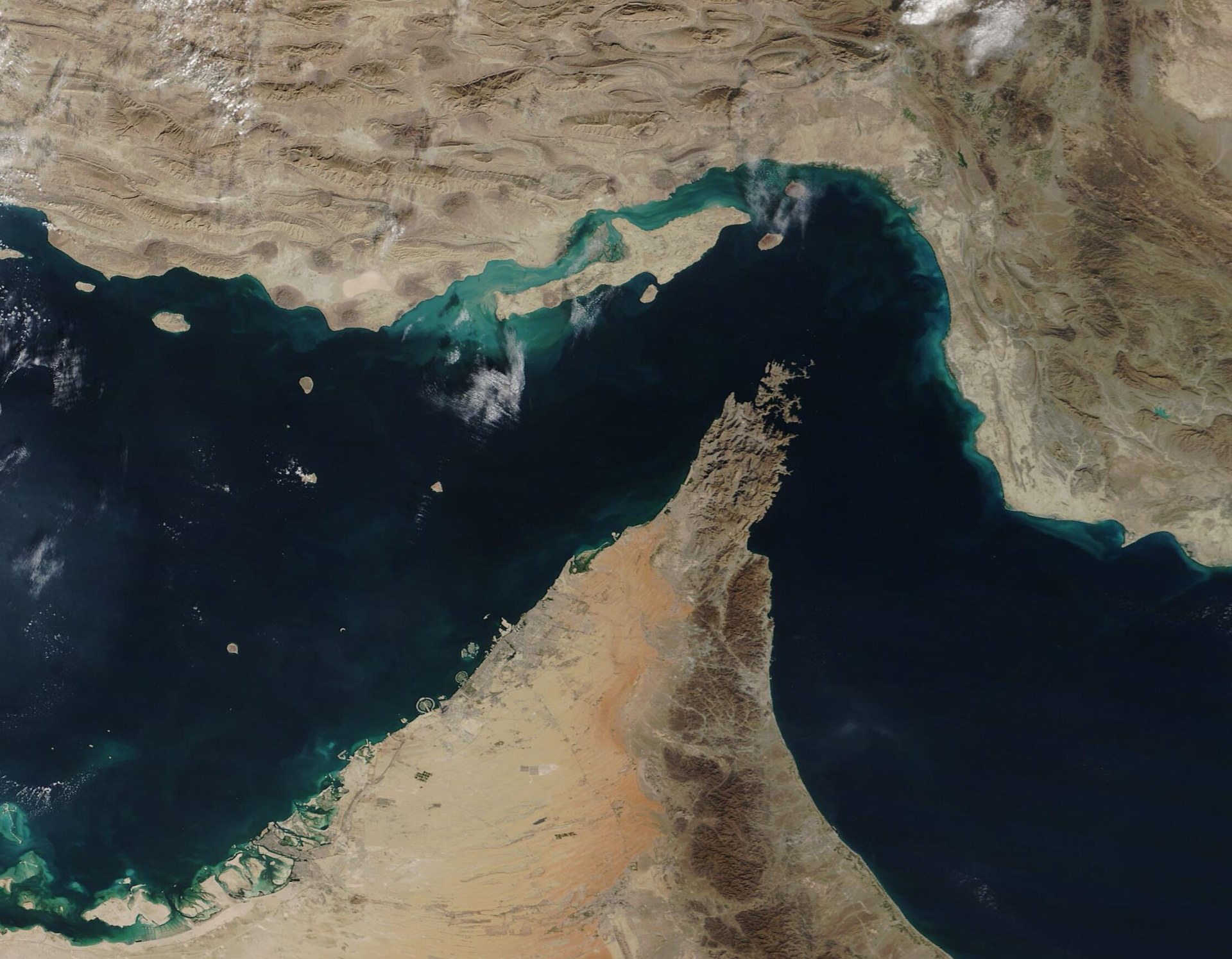
The double blockade mechanism — where the US controls Arabian Sea entry and the IRGC controls Gulf of Oman exit — means military operations would need to suppress Iran’s ability to close its end of the corridor. Current Hormuz transit volume sits at 19 commercial vessels on April 26 versus a pre-war baseline of 129, according to Al Jazeera’s economy desk — 14.7% of normal traffic, marginally above the 3.6% figure from earlier in April as some China-brokered transits have resumed.
The Department of Defense’s public position, stated on April 23: “Due to operations security, we do not discuss future or hypothetical movements. The U.S. military continues to provide the President options, and all options remain on the table.”
The May 1 War Powers Deadline
Trump formally notified Congress of military operations on March 2, 2026, four days after strikes began on February 28. The War Powers Resolution’s 60-day clock expires May 1 — three days from now.
The Senate has rejected five separate War Powers resolutions seeking to constrain or terminate military operations, most recently voting 46-51 on April 23 according to Democracy Now! and CNN. This gives Trump clear congressional acquiescence through the 60-day mark. Beyond May 1, the legal architecture shifts.
Maryam Jamshidi, a law professor at the University of Colorado, told Al Jazeera on April 24 that to extend beyond 90 days after May 1, “the president must certify, in writing, to Congress that the continuing use of armed force is a result of ‘unavoidable military necessity.’” That written certification, if filed, would permit operations to continue — the 90-day outer limit, by Jamshidi’s reading, running to July 30 — without a new congressional vote. This gives the administration a legal corridor for sustained operations without additional legislative action, provided it can articulate the necessity.
The May 1 date creates a perverse incentive structure. If Trump intends to resume strikes, doing so before May 1 is legally cleaner — it falls within the original 60-day window. After May 1, any new operation restarts legal questions. Salar Mohandesi of Bowdoin College told Al Jazeera that Trump faces pressure from his own political brand: “His entire brand is based on winning…it’s very possible that he will continue to escalate.”
The War Powers clock analysis published April 26 details the Saudi exposure under each option. The relevant point here is structural: the deadline compresses Trump’s decision timeline in ways that favor action over continued diplomacy.
The Hajj Clock and the Cost of Resumed Strikes
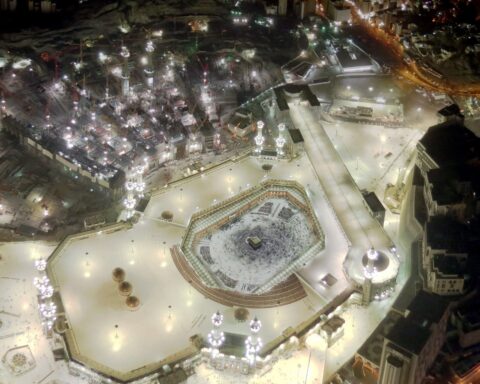
The Day of Arafah falls on May 26 — 28 days from the date of publication. An estimated 1.8 million pilgrims will be present in the Kingdom by that date, with first arrivals from Indonesia (221,000 pilgrims) beginning April 22 and Pakistani contingents (119,000) arriving from April 18 onward.
Saudi Arabia’s Custodian of the Two Holy Mosques title — adopted by King Fahd on October 27, 1986, in response to both the 1979 Grand Mosque seizure and Khomeini’s challenge to Saudi guardianship — converts pilgrim safety into a question of regime legitimacy. Resumed strikes against Iran during Hajj would expose pilgrims to potential IRGC retaliation against Saudi territory, with the Kingdom’s PAC-3 MSE inventory at approximately 400 rounds remaining from 2,800 pre-war — an 86% depletion rate documented in the April 27 analysis.
The intersecting clocks create a window of maximum US coercive credibility between now and mid-May. After that, the political cost of resumed strikes rises sharply — not because the US lacks military capability, but because Saudi Arabia becomes progressively less able to absorb Iranian retaliation as pilgrim density increases. Riyadh’s tolerance for hosting US operations that provoke Iranian counter-strikes diminishes in direct proportion to the number of foreign nationals under its protection.
Iran’s IRGC has warned it had “not used full capacity” in reprisal attacks and would “unveil new capabilities far beyond the enemy’s imagination” if aggression resumed — language that acquires different weight when 1.8 million pilgrims are on Saudi soil.
Araghchi’s 72-Hour Diplomatic Sprint
Between April 25 and April 27, Araghchi conducted a four-stop circuit designed to multilateralize Iran’s negotiating position before the formal proposal reached Washington.
The sequence: Islamabad (April 25, meetings with Sharif, Munir, and Dar) → Muscat (April 26, meeting with Oman’s Sultan Haitham bin Tariq Al Said) → back to Islamabad briefly on April 26 evening → St. Petersburg (April 27, meeting with Putin). Al Jazeera, CNBC, The National, the Moscow Times, and CGTN all tracked segments of the journey.
The Putin meeting produced the most explicit external backing. “We see how courageously and heroically the Iranian people are fighting for their independence, for their sovereignty,” Putin said, according to the Moscow Times and CGTN on April 27. “Russia, just like Iran, intends to continue our strategic relationship.” The Kremlin confirmed Putin received a message attributed to Iran’s supreme leader, transmitted via Mojtaba Khamenei — the supreme leader’s son, now acting as his intermediary — a detail that confirms the authorization ceiling problem in a different register: formal messages now route through a succession figure on behalf of a leader who has not appeared publicly in over 50 days.
Araghchi posted on X after departing Pakistan: “Shared Iran’s position concerning workable framework to permanently end the war on Iran. Have yet to see if the U.S. is truly serious about diplomacy.” The framing — casting doubt on US seriousness — is the diplomatic mirror of Trump’s own gambit. Both sides are positioning the other as the party unwilling to negotiate, creating cover for escalation if talks collapse entirely.
The Oman stop matters for a specific reason. Sultan Haitham has served as the traditional backchannel between Washington and Tehran since the Obama-era nuclear negotiations. Araghchi’s visit to Muscat between two Islamabad stops suggests he was either collecting Omani assurances to attach to the proposal or ensuring Muscat would not be surprised by its contents. Pakistan confirmed it would continue as “an honest facilitator,” according to Al Jazeera and Reuters on April 27.
What Happens Between Now and May 1
The three-day corridor between April 28 and May 1 is the tightest decision space of the war. Trump must either signal that military operations continue under existing War Powers authority, begin the written certification process for an extension beyond 60 days, or accept some version of diplomatic engagement that his own cancellation was designed to foreclose.
Brent crude closed at $106.99-$108.92 on April 27 according to Al Jazeera and the Irish Times — below Saudi Arabia’s fiscal break-even of $108-111 per barrel (Bloomberg’s PIF-inclusive estimate) but rising approximately 2% on the stalled talks. The oil price occupies the narrow band where Saudi Arabia cannot comfortably fund its war footing but where the global economy has not yet hit the recession trigger that would force a US policy reversal.
A source close to the IRGC told Channel 14 that Vahidi “holds a positive stance toward not continuing the negotiations” — consistent with the ISW finding that he controls Iran’s negotiating red lines. The pattern holds: Araghchi negotiates, Pezeshkian cannot deliver, and Vahidi vetoes.
Trump’s “if they want to talk, all they have to do is call” is not an offer of unconditional engagement. It is a demand that Iran come to Washington’s terms — meaning direct bilateral talks on the nuclear file, not Pakistan-mediated discussions on Hormuz sequencing. The gap between what Iran is offering (Hormuz-first, nuclear-later) and what the US is demanding (nuclear-now-or-nothing) is the same structural deadlock that has persisted since the formal deadline rejection on April 6. The no-show changed the coercive context. It did not change the underlying positions.
Frequently Asked Questions
Could Witkoff and Kushner still travel to Islamabad before May 1?
Logistically, yes — Islamabad is an 18-hour journey from Washington that could be organized within 48 hours. Politically, Trump’s public framing makes a reversal costly unless Iran offers something beyond the current Hormuz-first proposal. The administration would need to frame any renewed travel as responding to an Iranian concession rather than reversing its own withdrawal, which requires movement on the nuclear file that Vahidi’s red lines currently prohibit.
What happens if the War Powers 60-day deadline passes without congressional action?
The Resolution’s text requires withdrawal within 30 days after the 60-day mark if Congress has not authorized the operation — creating a theoretical June 1 withdrawal deadline. In practice, every president since Nixon has disputed this provision’s constitutionality, and the Senate’s five failed resolutions signal that Congress will not force compliance. The more operative constraint is the 90-day hard ceiling, which requires written presidential certification of “unavoidable military necessity” — a political act that commits the administration publicly to continued operations.
Has Iran’s proposal been formally rejected by the US?
Not formally as of April 28. Secretary Rubio’s rejection of an interim Hormuz deal on April 27 signals the administration’s direction, and CNBC reported Trump “seems unlikely to accept.” But the White House confirmed deliberations were ongoing, which preserves diplomatic optionality — the proposal can be rejected partially while counter-offering on specific terms, used as the basis for a modified framework, or simply left unanswered while military preparations advance.
What role does Russia play in Iran’s negotiating position after the Putin-Araghchi meeting?
Putin’s April 27 statement — “Russia intends to continue our strategic relationship” — provides political backing but no operational guarantee. Russia cannot prevent US strikes, reopen Hormuz, or substitute for the economic relief that blockade removal would provide. Moscow’s value to Tehran is primarily at the UN Security Council, where vetoes shield Iran from binding resolutions, and in the nuclear file, where Russian technical cooperation on Bushehr and enrichment infrastructure gives Iran redundancy against Western pressure. The meeting signals that Iran is not diplomatically isolated, but it does not change the military correlation in the Strait.
Why did Araghchi visit Oman between his two Islamabad stops?
Oman has served as the US-Iran backchannel since 2012, when Sultan Qaboos facilitated secret talks that produced the JCPOA framework. Sultan Haitham inherited this role. Araghchi’s Muscat stop likely served two functions: securing Omani endorsement of the Hormuz proposal (Oman controls the southern shore of the Strait and has treaty interests in its governance) and ensuring the proposal reached Washington through multiple channels simultaneously — via Pakistan officially and via Oman’s direct line to the State Department unofficially. Araghchi returned to Islamabad for a third time the following morning carrying a further revised draft — the full sequence of proposals and rejections is documented in Araghchi Files Third Islamabad Draft in 48 Hours.
Pakistanthe full sequence of proposals and rejections is documented in Araghchi Files Third Islamabad Draft in 48 Hours.
#8217;s position as ceasefire broker coexists with its status as financial dependent: in the same week Araghchi was using Islamabad as his diplomatic relay, MBS exercised the $5.5 billion arms-export veto that followed Munirthe full sequence of proposals and rejections is documented in Araghchi Files Third Islamabad Draft in 48 Hours.
#8217;s IRGC headquarters visit — the full mechanism is documented in MBS Sent Pakistan $3 Billion and Froze $5.5 Billion in the Same Week.