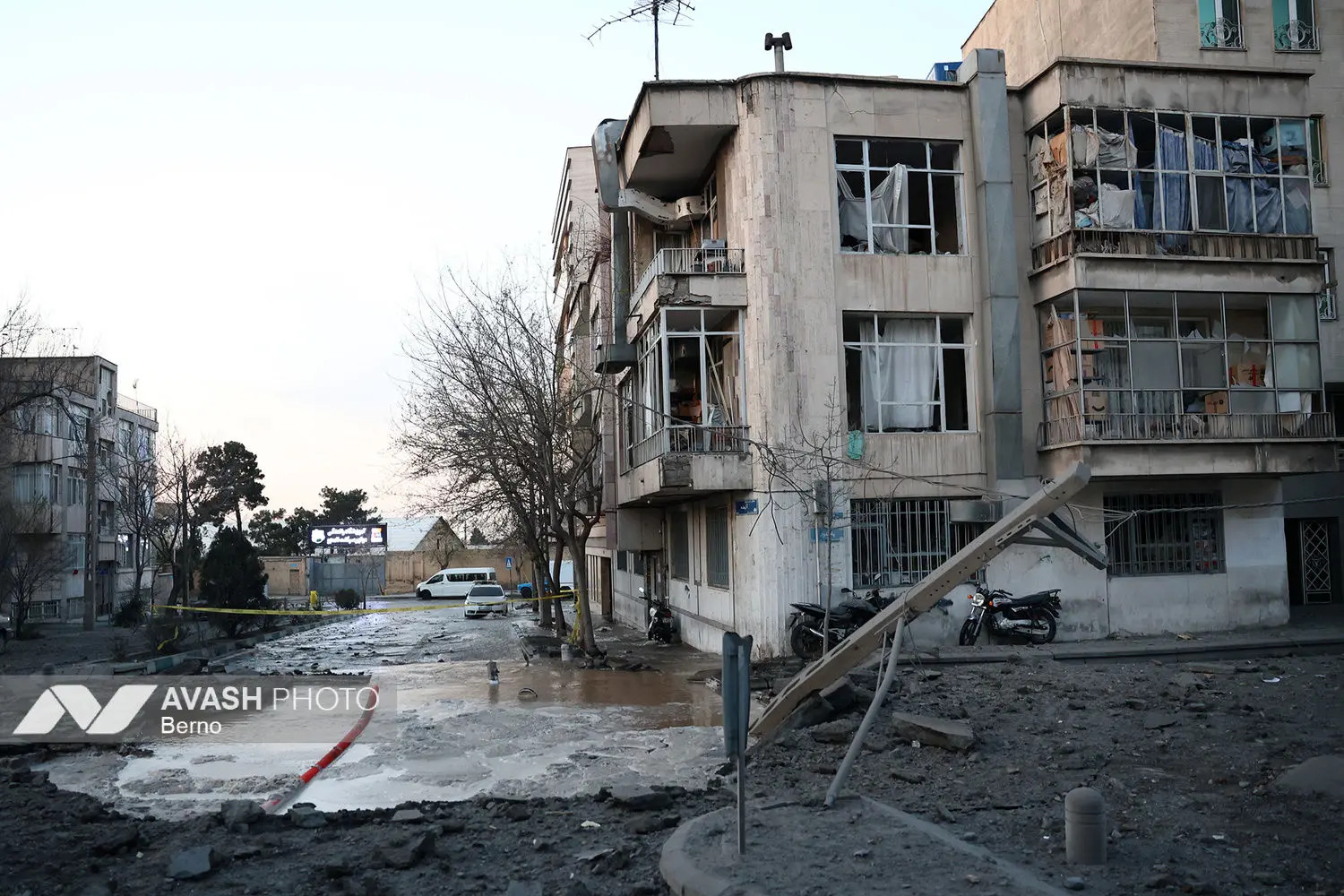

RIYADH — Israel killed Iran’s intelligence minister Esmaeil Khatib in an overnight airstrike on Tehran early Wednesday, making him the third senior Iranian official assassinated in 48 hours and the highest-ranking intelligence figure killed since the war began on February 28. Israeli Defense Minister Israel Katz confirmed the strike and announced that Prime Minister Benjamin Netanyahu had granted the military standing authorization to eliminate any senior Iranian or Hezbollah figure without case-by-case political approval, a directive that amounts to an open-ended kill order against Tehran’s surviving leadership.
The killing followed Tuesday’s confirmed deaths of Ali Larijani, secretary of Iran’s Supreme National Security Council and the country’s de facto wartime leader, and Gholamreza Soleimani, commander of the Basij paramilitary force. Iran’s state media confirmed both deaths but had not acknowledged Khatib’s killing as of Wednesday afternoon. The accelerating pace of targeted assassinations raises immediate questions for Saudi Arabia and its Gulf neighbors, which continue to absorb daily Iranian drone and missile attacks in retaliation for the US-Israeli military campaign and now face the prospect of an adversary whose command structure is disintegrating faster than it can be replaced.
Table of Contents
- Who Was Esmaeil Khatib and Why Does His Death Matter?
- Three Assassinations in 48 Hours
- What Does the Standing Kill Order Mean?
- Iran Retaliates With Missiles and Drones Across the Gulf
- How Does Iran’s Leadership Collapse Affect Saudi Arabia?
- Why Ceasefire Talks Are Now Further Away Than Ever
- The Full Scale of Iran’s Leadership Losses
- Frequently Asked Questions
Who Was Esmaeil Khatib and Why Does His Death Matter?
Esmaeil Khatib served as Iran’s Minister of Intelligence since August 2021, overseeing the Ministry of Intelligence and Security (MOIS), the civilian intelligence apparatus responsible for domestic surveillance, counterintelligence, and foreign espionage operations. Born in 1961 in Qaen, South Khorasan province, Khatib studied Islamic jurisprudence in Qom under leading clerics including Ali Khamenei himself. He held the clerical title of Hujjat al-Islam, and his career wove together the parallel tracks of Iran’s intelligence and religious establishments.
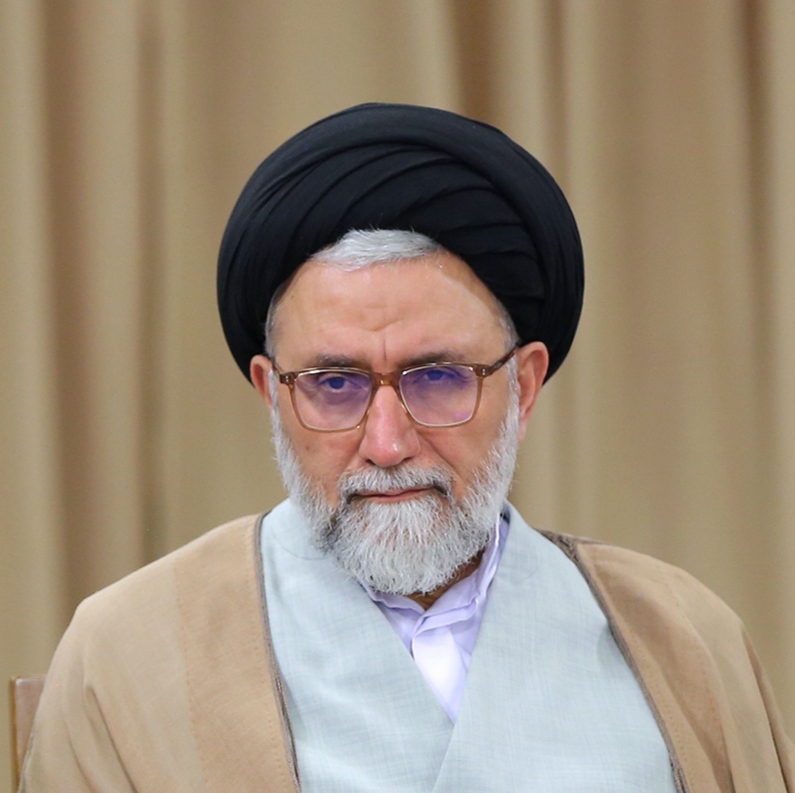
Khatib joined the Islamic Revolutionary Guard Corps intelligence unit in 1985 under then-commander Mohsen Rezaei before transferring to the newly established MOIS. His career included stints as head of the Information Protection Center of Iran’s Judiciary, chief of security for the Astan Quds Razavi shrine complex in Mashhad, and a posting within the Office of the Supreme Leader. When President Ebrahim Raisi nominated him for the intelligence portfolio in 2021, the Majlis confirmed him as the eighth person to hold the post.
The MOIS under Khatib’s leadership operated a network of agents across the Middle East, Europe, and Asia, according to the US Treasury Department, which sanctioned Khatib in September 2022 for the ministry’s role in “serious human rights abuses” including the surveillance and persecution of Iranian dissidents. His ministry also coordinated intelligence-sharing arrangements with Hezbollah, Hamas, and Iraqi militia groups that formed the backbone of Iran’s regional proxy network.
His death strips Iran of the intelligence architecture that coordinated information flows between the IRGC, the Quds Force, and civilian intelligence services. In a wartime environment where Iran is simultaneously managing attacks on multiple Gulf states, defending against US and Israeli airstrikes, and attempting to maintain contact with proxy forces across the region, the loss of this coordinating layer carries operational consequences that extend far beyond the symbolic.
The Middle East briefing 3,000+ readers start their day with.
One email. Every weekday morning. Free.
The United Against Nuclear Iran (UANI) research group has documented Khatib’s role in expanding MOIS operations across the Gulf, including intelligence cells in Bahrain, Kuwait, and the Eastern Province of Saudi Arabia that monitored US military movements and Gulf state defense deployments. The MOIS also maintained parallel intelligence networks to those run by the IRGC’s Quds Force, creating a dual-track espionage system that gave Tehran redundancy in its regional intelligence picture. With Khatib dead and the ministry’s senior staff reportedly among the casualties — four unnamed top MOIS officials were killed in related strikes, according to compiled reports — that redundancy has been shattered.
Three Assassinations in 48 Hours
The killing of Khatib completed the most intensive 48-hour decapitation campaign of the three-week-old war. On Tuesday, March 17, Israel confirmed the deaths of two other senior figures whose killings Iran’s state media subsequently acknowledged.
Ali Larijani, 68, was the most politically significant of the three. As secretary of the Supreme National Security Council, he sat at the intersection of military, intelligence, and political decision-making. A former IRGC officer who had served as Iran’s chief nuclear negotiator, speaker of parliament, and head of state broadcasting, Larijani had emerged as the de facto wartime leader after Ayatollah Ali Khamenei was killed in the opening US-Israeli strikes on February 28. Iran’s Supreme National Security Council confirmed Larijani died alongside his son Morteza and his chief of staff, Alireza Bayat.
Gholamreza Soleimani, 62, commanded the Basij paramilitary force, the IRGC’s sprawling internal security militia responsible for mobilizing hundreds of thousands of volunteers across Iran’s provinces. The IRGC confirmed Soleimani was killed in what it described as an “attack by the American-Zionist enemy.” A veteran of the Iran-Iraq War, Soleimani had led the Basij for six years and was reportedly targeted at a recently established Basij tent camp.
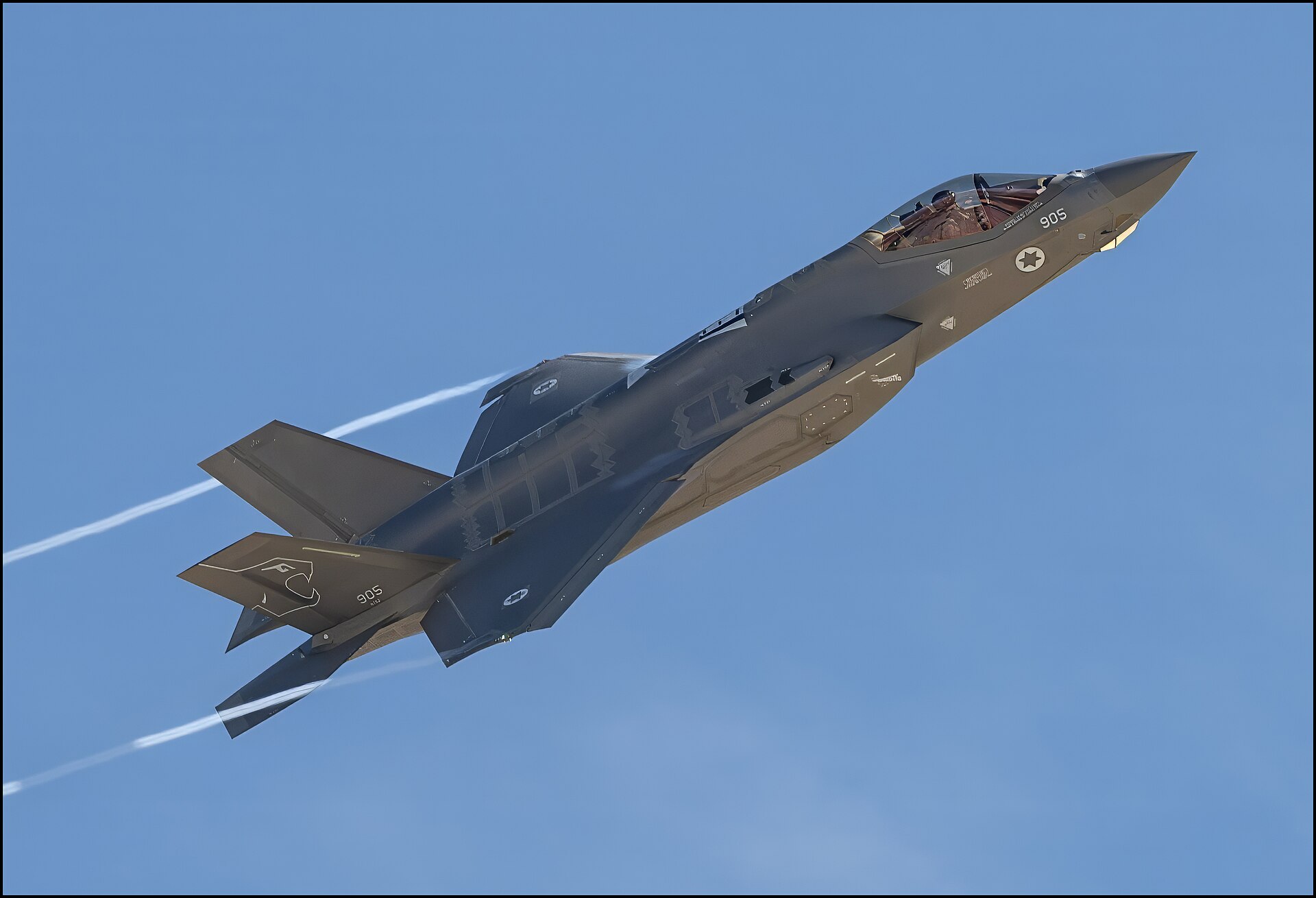
The three killings together removed Iran’s top intelligence coordinator, its senior wartime political strategist, and the commander of its domestic paramilitary forces within a single 48-hour window. According to the Axios running list of Iranian officials killed during the war, the total number of confirmed senior officials killed has now reached approximately 40, including Defense Minister Aziz Nasirzadeh, Armed Forces Chief of Staff Abdolrahim Mousavi, and IRGC Ground Forces Commander Mohammad Pakpour, all killed in the February 28 opening strikes.
What Does the Standing Kill Order Mean?
Israeli Defense Minister Katz announced alongside the Khatib killing that he and Netanyahu had instructed the military to “immediately eliminate any senior Iranian or Hezbollah figure when intelligence allows, without waiting for traditional approval from military and political chains of command.” The Times of Israel reported that this directive removes the standard requirement for case-by-case authorization from political leadership before carrying out targeted killings.
“Israel’s policy is clear and unequivocal: no one in Iran has immunity — everyone is a target,” Katz said, adding that “significant surprises are expected throughout this day on all fronts,” according to Ynet News.
The policy shift formalizes what has been the operational reality of the past three weeks. Since February 28, Israeli forces have killed the supreme leader, multiple cabinet ministers, IRGC commanders, and intelligence officials with a tempo that suggests prior intelligence preparation rather than opportunistic targeting. The standing order, however, removes the bureaucratic friction that previously required each strike to move through an approval chain, allowing field commanders and intelligence officers to act on time-sensitive opportunities immediately.
The standing order represents a departure from the targeted killing protocols Israel has used in previous conflicts. During the 2024 campaign against Hezbollah, individual strikes against senior figures — including Hezbollah leader Hassan Nasrallah — required specific authorization from the war cabinet. The new policy eliminates that deliberation process entirely, treating Iran’s remaining leadership as a single target set rather than individual decisions requiring political judgment.
For the Gulf states absorbing daily Iranian retaliatory fire, the standing authorization carries a paradoxical risk: every successful Israeli assassination provokes a fresh wave of Iranian attacks on targets across the region. Iran fired multiple-warhead missiles — described as cluster munitions — at the Tel Aviv area on Wednesday in response to the latest killings, killing a man and a woman in the suburb of Ramat Gan, according to Iran’s Revolutionary Guard. But Iran’s retaliatory strikes have consistently targeted Gulf infrastructure and US bases alongside Israeli territory, spreading the cost of the assassination campaign across the entire region.
Former CIA director David Petraeus told reporters that Iran’s strategy of striking Gulf states was backfiring, noting that “by sending missiles at Gulf states, Iran has caused them to realize that Iran poses a threat to them, and could thus cause them to support the US-Israel strikes.” But the immediate reality for Riyadh, Abu Dhabi, and Kuwait is that they are absorbing the retaliatory consequences of strikes they did not carry out and a kill policy they did not authorize.
Iran Retaliates With Missiles and Drones Across the Gulf
The pattern of escalation-retaliation has defined every day of the three-week-old conflict. After Larijani’s killing on Tuesday, Iran launched retaliatory strikes on Israeli targets and US assets across the Gulf, according to CNBC. Iran fired missiles and drones at several Gulf Arab nations, with Al Jazeera reporting that the region “remains in war crosshairs” as the conflict edges toward its three-week mark.
Saudi Arabia has been among the most heavily targeted Gulf states. The Kingdom’s air defenses intercepted nearly 100 Iranian drones in a single 24-hour period earlier this week — the largest single-day wave of attacks since the war began, according to Bloomberg. The Eastern Province, home to Saudi Arabia’s critical oil infrastructure, has faced sustained targeting, with Iranian drones repeatedly launched toward the Shaybah oil field, one of the Kingdom’s largest production sites near the UAE border.
According to Al Jazeera, more than 3,000 projectiles — missiles and drones — have been fired at GCC countries since the war began, with more than half targeting locations in the UAE. Human Rights Watch documented 11 civilian deaths across the Gulf from Iranian strikes hitting hotels, airports, and residential buildings, condemning the attacks as unlawful under international humanitarian law.
Iran’s Revolutionary Guard has rejected any distinction between military and civilian targets in the Gulf, declaring that US-allied countries that host American bases bear responsibility for the strikes on Iran. Iranian Foreign Minister Abbas Araghchi demanded that Gulf nations expel American forces from their territories, a demand that Saudi Arabia and its neighbors have rejected.
How Does Iran’s Leadership Collapse Affect Saudi Arabia?
The systematic elimination of Iran’s senior leadership creates an increasingly unpredictable adversary on Saudi Arabia’s eastern flank. When Ayatollah Khamenei was killed on February 28, his son Mojtaba was named as the new supreme leader, but his grip on the fragmented Iranian state remains uncertain. President Trump told reporters this week that it was unclear whether Mojtaba Khamenei was “dead or not,” adding another layer of uncertainty to Iran’s command structure.
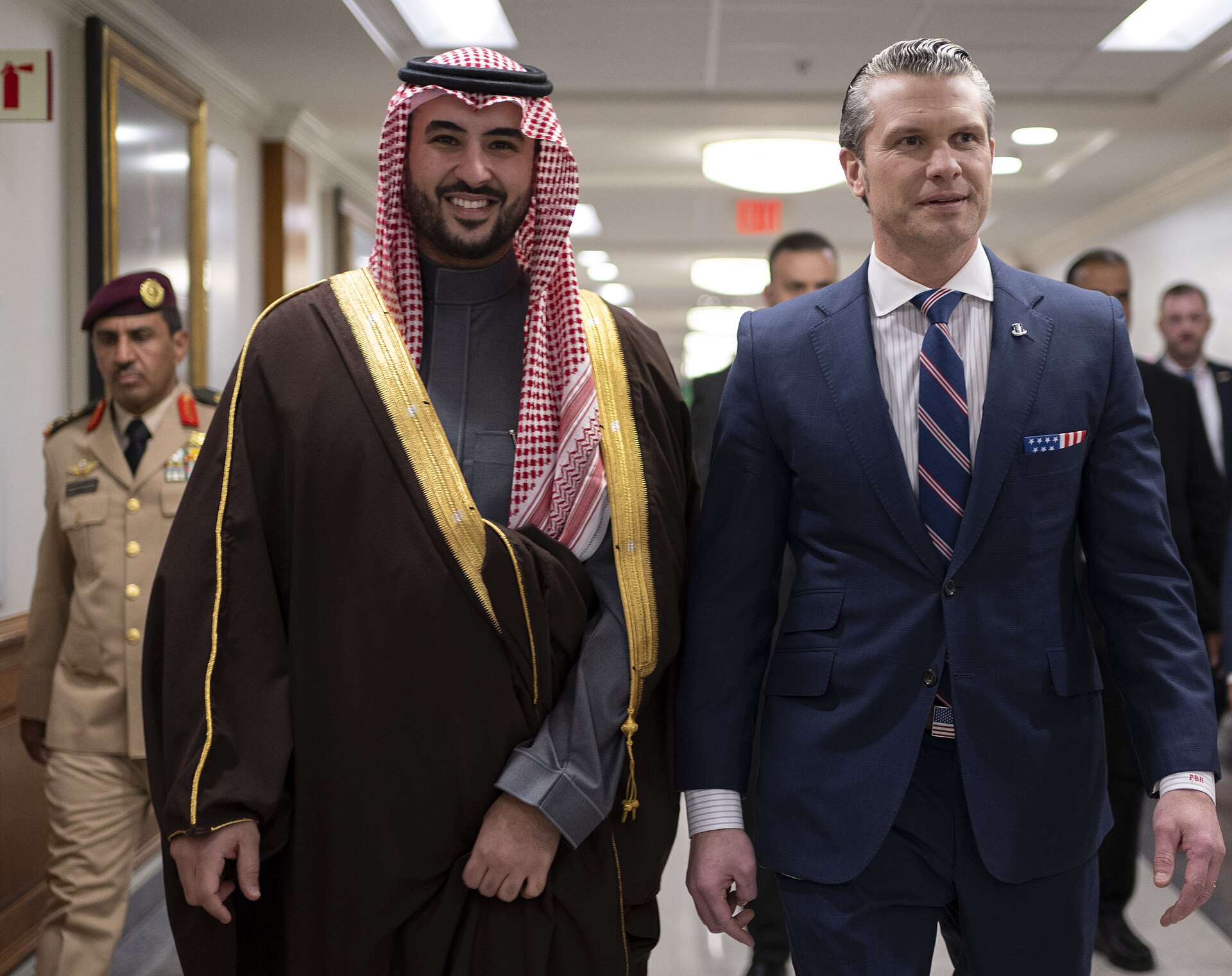
Crown Prince Mohammed bin Salman has spoken regularly with President Trump since the conflict began, urging “harsh action” against Iran, according to the New York Times. On March 1, Trump called MBS to express “the United States’ condemnation of the blatant missile attacks launched against the Kingdom,” according to Al Arabiya. The Washington Post reported that both Saudi Arabia and Israel played a role in pushing Trump toward the initial strikes on February 28.
Saudi Defense Minister Prince Khalid bin Salman has managed the Kingdom’s military response, coordinating with US Central Command on air defense operations while Saudi forces intercept daily Iranian drone salvos. Saudi Arabia has maintained its position as a non-combatant in the US-Israeli campaign, declining to launch offensive operations against Iran while absorbing defensive costs that are mounting rapidly.
The decapitation of Iran’s intelligence apparatus poses a specific concern for Riyadh: the MOIS under Khatib coordinated intelligence operations that included espionage networks across the Gulf. With the ministry’s leadership destroyed, the question is whether those networks continue operating autonomously, beyond anyone’s ability to control or recall. RAND Corporation experts have noted that Iran’s response has become less coordinated but potentially more dangerous as individual IRGC commanders operate without centralized direction.
Saudi Arabia’s own intelligence services will need to recalibrate their assessment of Iranian capabilities. The Kingdom’s General Intelligence Presidency has monitored MOIS and Quds Force operations within the Gulf since long before the war, and the sudden removal of known Iranian intelligence leaders forces a reassessment of who now controls those networks and what operational authorities they retain. An adversary with intact operational cells but no central command is, in some respects, more difficult to deter than one with a functioning chain of command that can be pressured through diplomatic channels.
Riyadh convened an emergency consultative meeting of Arab and Islamic foreign ministers this week to discuss regional security, but the accelerating pace of Israeli assassinations is outrunning diplomatic timelines. Every killing produces a retaliatory cycle that strikes Saudi territory, and the standing kill order suggests the cycle will intensify before it subsides.
Why Ceasefire Talks Are Now Further Away Than Ever
The assassination of three senior officials in 48 hours has effectively destroyed the Iranian chain of command that any ceasefire negotiation would require. Larijani, as the secretary of the Supreme National Security Council, was the official with both the constitutional authority and the political standing to negotiate a halt to hostilities. His death removed the most plausible Iranian interlocutor for any diplomatic off-ramp.
Khatib’s killing compounds the problem. The intelligence minister would normally play a central role in verifying ceasefire compliance, managing prisoner exchanges, and establishing back-channel communications with adversaries. With both figures dead and the Basij commander killed alongside them, Iran’s institutional capacity for conducting structured negotiations has been severely degraded.
Iran’s new supreme leader, Mojtaba Khamenei, has already rejected ceasefire proposals. NPR reported that Iran’s Foreign Minister Araghchi declared “we never asked for a ceasefire,” saying it was not “the right time for peace until the United States and Israel are brought to their knees, accept defeat, and pay compensation.” This position, articulated before the latest round of assassinations, will likely harden further as Iran perceives the decapitation campaign as an existential threat to the regime’s survival.
For Saudi Arabia, the collapse of ceasefire prospects means an indefinite continuation of the defensive burden. The Kingdom’s air defense systems are being tested daily against Iranian drone swarms, and each interceptor missile expended costs orders of magnitude more than the cheap drones it destroys. Goldman Sachs warned this week that the Gulf faces its worst recession in a generation if the conflict continues at its current intensity.
The diplomatic landscape has also been complicated by the standing kill order. Any potential mediator — whether Turkey, Oman, Qatar, or China, all of whom have maintained communication with Tehran at various points since the war began — must now contend with the possibility that their Iranian interlocutor could be killed mid-negotiation. The precedent set by Larijani’s assassination, which occurred while he was reportedly in indirect contact with European mediators, has chilled the willingness of intermediary states to invest diplomatic capital in mediation efforts that Israel’s kill list could render moot at any moment.
The over 2,100 people killed since the war began on February 28, including 13 Americans, represent the human cost of a conflict with no off-ramp in sight. Brent crude has risen past $102 per barrel, according to Bloomberg, and the Strait of Hormuz remains effectively closed to commercial shipping, imposing costs that extend far beyond the immediate combatants. For Saudi Arabia, which has positioned itself as a non-combatant absorbing the war’s consequences, the destruction of Iran’s negotiating capacity transforms a temporary crisis into an open-ended strategic predicament.
The Full Scale of Iran’s Leadership Losses
The three-week-old war has inflicted unprecedented damage on Iran’s civilian and military leadership. According to compiled reports from Axios, Wikipedia, and multiple wire services, the confirmed dead include:
| Name | Position | Date Killed | Confirmed By |
|---|---|---|---|
| Ali Khamenei | Supreme Leader | Feb 28 | Iran state media |
| Ali Shamkhani | Security Adviser | Feb 28 | Iran state media |
| Abdolrahim Mousavi | Armed Forces Chief of Staff | Feb 28 | Iran state media |
| Aziz Nasirzadeh | Defense Minister | Feb 28 | Iran state media |
| Mohammad Pakpour | IRGC Ground Forces Commander | Feb 28 | Iran state media |
| Mohammad Shirazi | Head, Supreme Leader’s Military Office | Feb 28 | Iran state media |
| Ali Larijani | Secretary, Supreme National Security Council | Mar 17 | Iran state media |
| Gholamreza Soleimani | Basij Paramilitary Commander | Mar 17 | IRGC statement |
| Esmaeil Khatib | Intelligence Minister | Mar 18 | Israel (unconfirmed by Iran) |
In addition to the individuals listed above, an estimated 40 senior Iranian officials have been killed since February 28, according to Axios, including unnamed officials from the Ministry of Intelligence, IRGC division commanders, and staff members killed alongside their principals. The cumulative effect represents the most thorough destruction of a nation’s wartime leadership since the targeted killing campaigns of World War II.
The Israeli military has also killed senior figures in Iran’s proxy network during the same period. Hezbollah’s operational infrastructure in Lebanon has absorbed simultaneous strikes, with Israeli troops entering southern Lebanon as the Iran war opened a new front. The Basij deputy commander was reportedly killed alongside Soleimani, according to the Times of Israel.
Frequently Asked Questions
Has Iran confirmed Esmaeil Khatib’s death?
As of Wednesday afternoon on March 18, Iran’s state media had not confirmed Khatib’s killing. Israeli Defense Minister Israel Katz and the IDF confirmed the strike, and both the Washington Post and NPR reported the claim. Iran confirmed the earlier deaths of Larijani and Soleimani within hours of Israel’s announcements, and a similar confirmation or denial regarding Khatib is expected in the coming hours.
What is the standing kill order and who authorized it?
Israeli Prime Minister Benjamin Netanyahu and Defense Minister Israel Katz authorized the IDF to eliminate any senior Iranian or Hezbollah figure when intelligence allows, without requiring the standard case-by-case approval from the political chain of command. The Times of Israel reported that this directive removes the usual bureaucratic process that required each targeted killing to be individually approved, allowing field commanders to act on time-sensitive intelligence immediately.
How many Iranian officials have been killed in total?
Axios maintains a running list that estimates approximately 40 senior Iranian officials have been confirmed killed since the war began on February 28, 2026. This includes the supreme leader, multiple cabinet ministers, IRGC commanders, intelligence officials, and their staff members. The most recent confirmed deaths are Ali Larijani, Gholamreza Soleimani, and Esmaeil Khatib, all killed between March 17 and 18.
What does this mean for Iranian attacks on Saudi Arabia?
The destruction of Iran’s centralized intelligence and command structure may make Iranian attacks on Saudi Arabia less coordinated but not necessarily less frequent. The IRGC operates autonomous regional commands that can sustain drone and missile operations without orders from Tehran. Saudi Arabia intercepted nearly 100 Iranian drones in a single 24-hour period this week, and more than 3,000 projectiles have been fired at GCC countries since the war began, according to Al Jazeera. The standing kill order increases the likelihood of further Iranian retaliatory escalation against Gulf targets.
Is a ceasefire still possible?
Ceasefire prospects have dimmed significantly. Iran’s Foreign Minister Abbas Araghchi declared that Iran “never asked for a ceasefire,” and the new supreme leader Mojtaba Khamenei has rejected proposals for reducing tensions. The killing of Ali Larijani, who held the constitutional authority to negotiate on behalf of the Iranian state, removed the most plausible interlocutor for any diplomatic off-ramp. With Israel’s standing kill order now in effect, the pace of targeted assassinations is expected to accelerate, making structured negotiations increasingly difficult to organize.