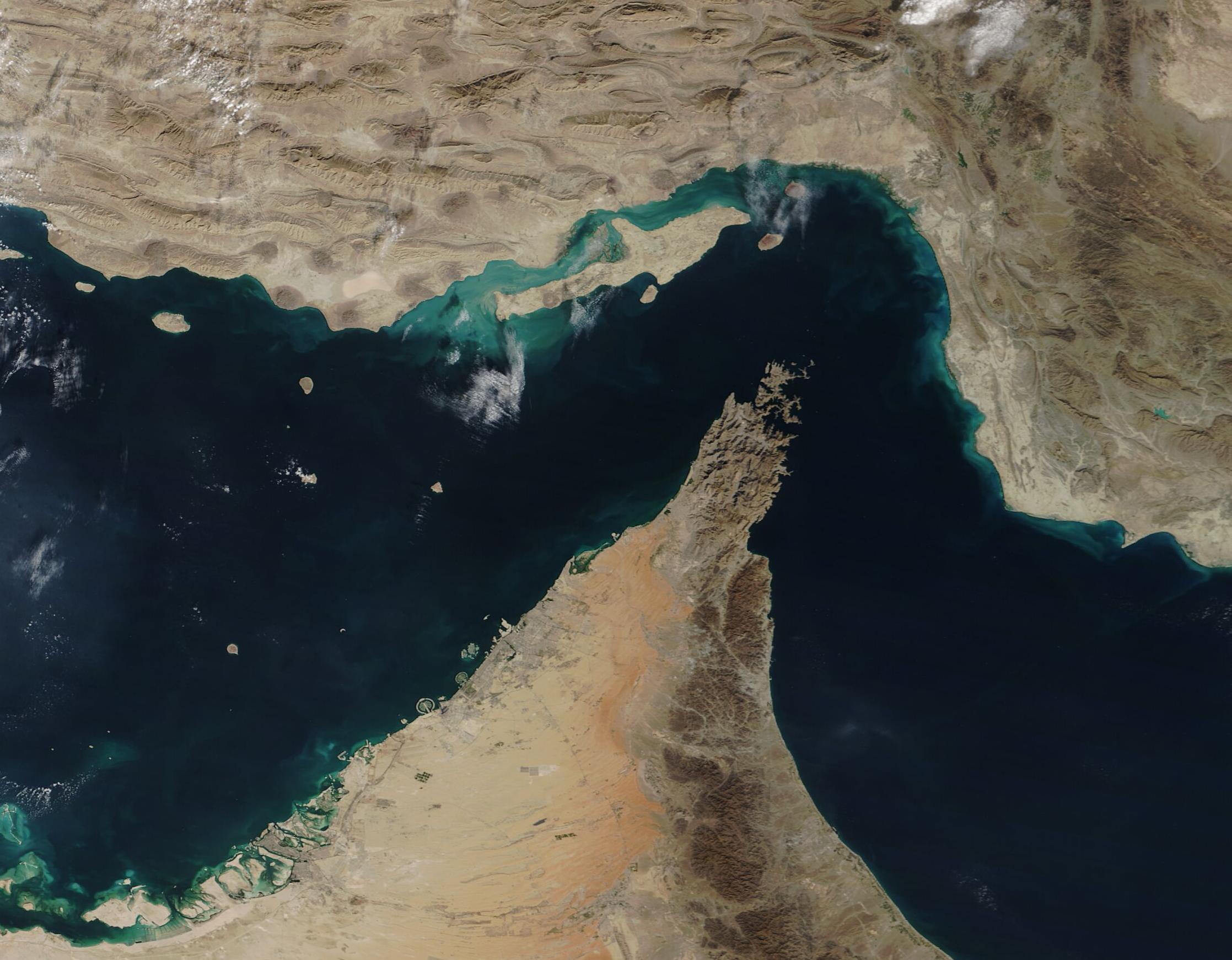
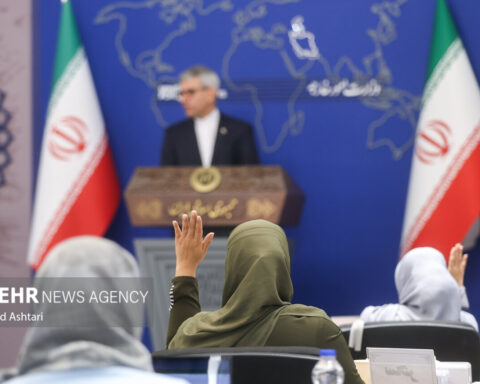
ISLAMABAD — Fourteen hours of direct talks between US Vice President JD Vance and Iranian Parliament Speaker Mohammad Bagher Ghalibaf ended early Sunday without a deal, with both sides agreeing to punt the hardest questions to four expert-level committees that now have 10 days to resolve what their principals could not. The shift — to economic, military, legal, and nuclear working groups — means the single issue that determines whether Saudi oil flows again, sovereignty over the Strait of Hormuz, has been relegated to a legal track staffed by mid-ranking officials with no authority to override the IRGC commanders who control the waterway.
The structure of those four committees maps almost exactly onto Iran’s 10-point plan published last month, a framework President Trump called “workable” before boarding Air Force One on Friday. That the US accepted Iranian framing of the negotiation architecture is itself a concession. It means Washington is now working through Tehran’s agenda, on Tehran’s terms, against a deadline Tehran has no institutional incentive to meet.

Table of Contents
What Happened in Fourteen Hours
Saturday’s session began with Ghalibaf and Vance seated across from each other in the same room where, 24 hours earlier, they had opened the first direct US-Iran talks since 1979. The Iranian delegation numbered 71 members, led by Ghalibaf, Foreign Minister Abbas Araghchi, SNSC representative Ali-Akbar Ahmadian, and Central Bank Governor Abdolnasser Hemmati. The US side, led by Vance with envoy Steve Witkoff and senior adviser Jared Kushner, brought several hundred officials. Pakistan hosted but did not sit at the table.
The talks ran past 2 a.m. Islamabad time — well beyond any scheduled endpoint. Iran’s government posted on X afterward: “Negotiations will continue despite some remaining differences.” That bland language masked what multiple sources described to CNN as a stalemate over the Strait of Hormuz, the issue both sides knew would be the hardest and chose to address last.
Written proposals were exchanged across all four expert tracks, according to CNBC and Iranian state broadcaster IRIB. Iran’s Tasnim news agency framed the shift positively, reporting that “negotiations have moved beyond general issues and entered technical discussions in some cases,” while adding that “extension” of the talks was possible. That word — extension — is the one that matters. Iranian state media is already preparing domestic audiences for talks that run past Sunday, and possibly past the April 22 ceasefire expiry.
The Four Tracks and What Each Must Solve
The four expert committees — economic, military, legal, and nuclear — were announced jointly after the principal-level session ended. Each corresponds to a cluster of demands from Iran’s 10-point plan, the document Tehran published in late March that laid out its conditions for any permanent settlement. Trump dismissed nine of the ten points, telling PBS: “No nuclear weapon. That’s 99 percent of it.” Carnegie’s Michael Young noted that this “diverges significantly” from the plan Iran actually published, which demands war reparations, full asset unfreezing, US base withdrawal from the region, and IRGC “coordination” authority over Hormuz transits.
The Middle East briefing 3,000+ readers start their day with.
One email. Every weekday morning. Free.
The economic track must address Iran’s demand for the unconditional release of blocked assets — including $6 billion held in Qatari accounts that became the subject of a contradictory public dispute on Saturday. An Iranian source told Reuters the US had agreed to unfreeze the funds. The White House denied any agreement within hours. Qatar confirmed the money remains frozen pending US Treasury approval. Three governments issued three contradictory statements about the same $6 billion in the same news cycle, which is not what progress looks like.
The military track covers the active combat architecture — ceasefire enforcement, force positioning, and the IRGC’s pre-departure declaration that Iran’s missile program is non-negotiable. The nuclear track handles enrichment levels and monitoring, the one area where both sides have at least a shared vocabulary from the 2015 JCPOA. The legal track gets everything else — including Hormuz.
Why Did Hormuz End Up on the Legal Track?
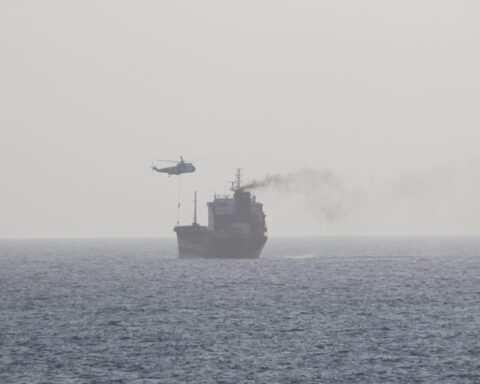
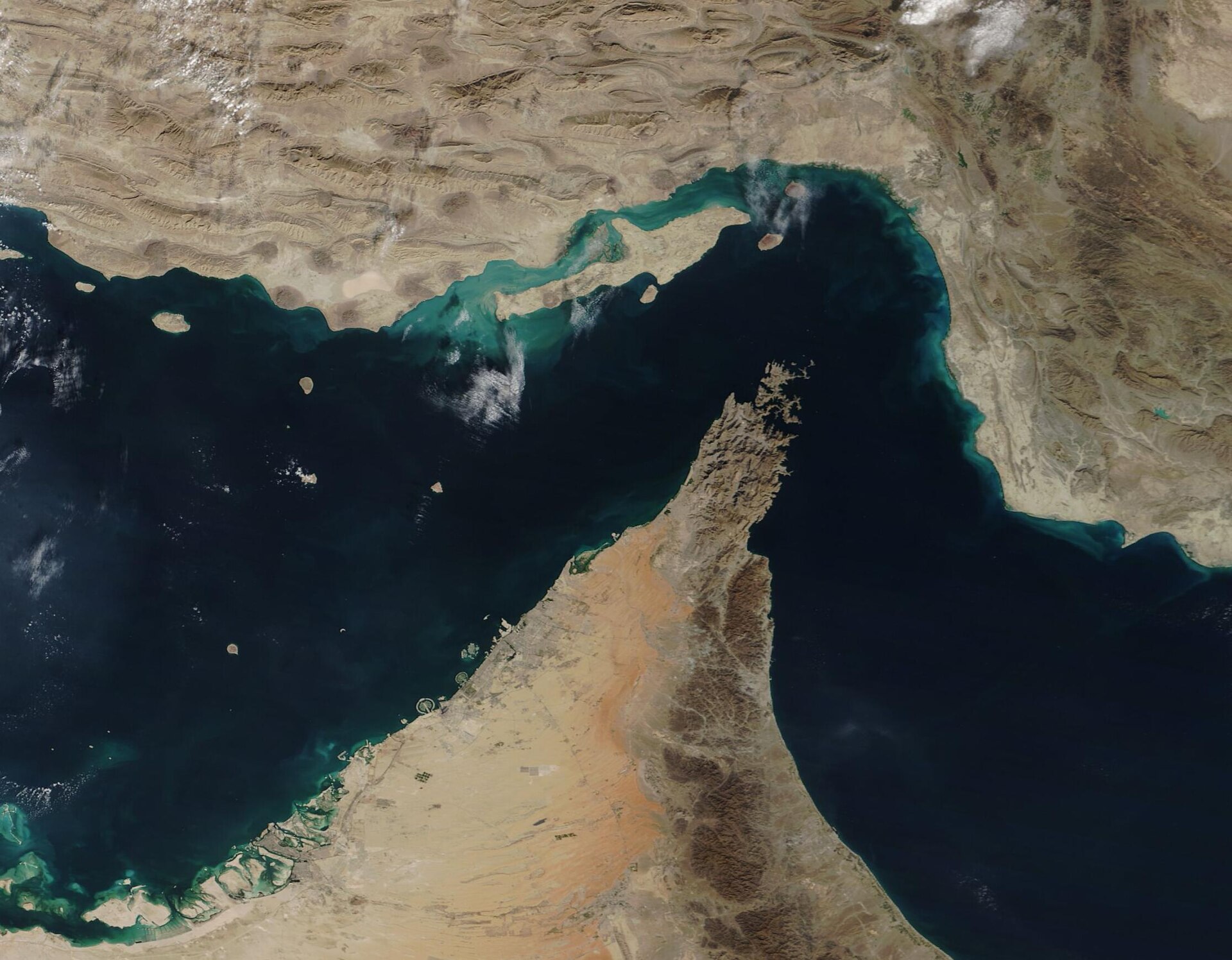
Hormuz is not a legal question. It is a military one. The IRGC controls the waterway with mines, fast-attack boats, and coastal missile batteries. Iran’s Parliament passed a fee bill on March 31 authorizing charges on transiting vessels. The IRGC published its own transit protocol that requires “coordination with the Armed Forces of Iran” for any ship passing through — Point 7 of the 10-point plan. Resolving this requires decisions that only IRGC Commander-in-Chief Ahmad Vahidi and, in theory, Supreme Leader Ali Khamenei can authorize.
Instead, it landed on the legal track. Iran’s position there will rest on UNCLOS Article 26, which prohibits charges for transit passage — but Iran is not an UNCLOS signatory, and neither is the United States. Tehran will argue that its territorial waters extend to the shipping lanes and that “coordination” is a sovereign regulatory function, not a blockade. Washington will invoke freedom of navigation. Both arguments are structurally familiar from decades of maritime law disputes. Neither has ever been resolved at a negotiating table in 10 days by working-level officials.
Tasnim listed “full sovereignty over the Strait of Hormuz” as one of four conditions it called non-negotiable. The other three: complete war reparations, unconditional asset release, and a durable ceasefire across the entire region including Lebanon. Each of those four conditions requires a separate political decision by Iran’s senior leadership. That leadership structure is fractured in ways that make delegation to expert committees particularly dangerous.
The Man Not in the Room
Before the Iranian delegation departed for Islamabad, IRGC Commander-in-Chief Ahmad Vahidi attempted to limit what Ghalibaf and Araghchi could agree to. According to the Jerusalem Post, Vahidi demanded that SNSC Secretary Mohammad Bagheer Zolghadr — who is under both US and EU sanctions — be included in the delegation. The team refused. Vahidi and the IRGC Aerospace Commander then pre-emptively declared Iran’s missile program a “red line” that the delegation has no authority to negotiate.
This is the authorization ceiling problem that has defined every round of these talks. Ghalibaf commands no military units. Araghchi commands no military units. Ahmadian represents the SNSC but cannot override Vahidi, who controls the operational forces that are currently mining Hormuz, shooting at Gulf infrastructure, and running the toll-collection regime that generates an estimated $2 million per transiting vessel. Any agreement the expert committees draft must eventually be ratified by a command structure whose chief tried to sabotage the talks before they started.
The Soufan Center identified Ghalibaf on April 10 as Iran’s “de facto civilian leader” following the airstrikes that have degraded Iran’s conventional military capacity. But civilian leadership means little when the relevant question is whether the IRGC will withdraw mines from a shipping lane. Kayhan editor Hossein Shariatmadari — a direct Khamenei adviser — publicly advocated “war until victory” during the same hours the delegation was negotiating in Islamabad.
Our experience in negotiating with the Americans has always been met with failure and broken promises.— Mohammad Bagher Ghalibaf, Iran Parliament Speaker, via Al Jazeera
CENTCOM Starts Sweeping — Iran Calls It a Violation
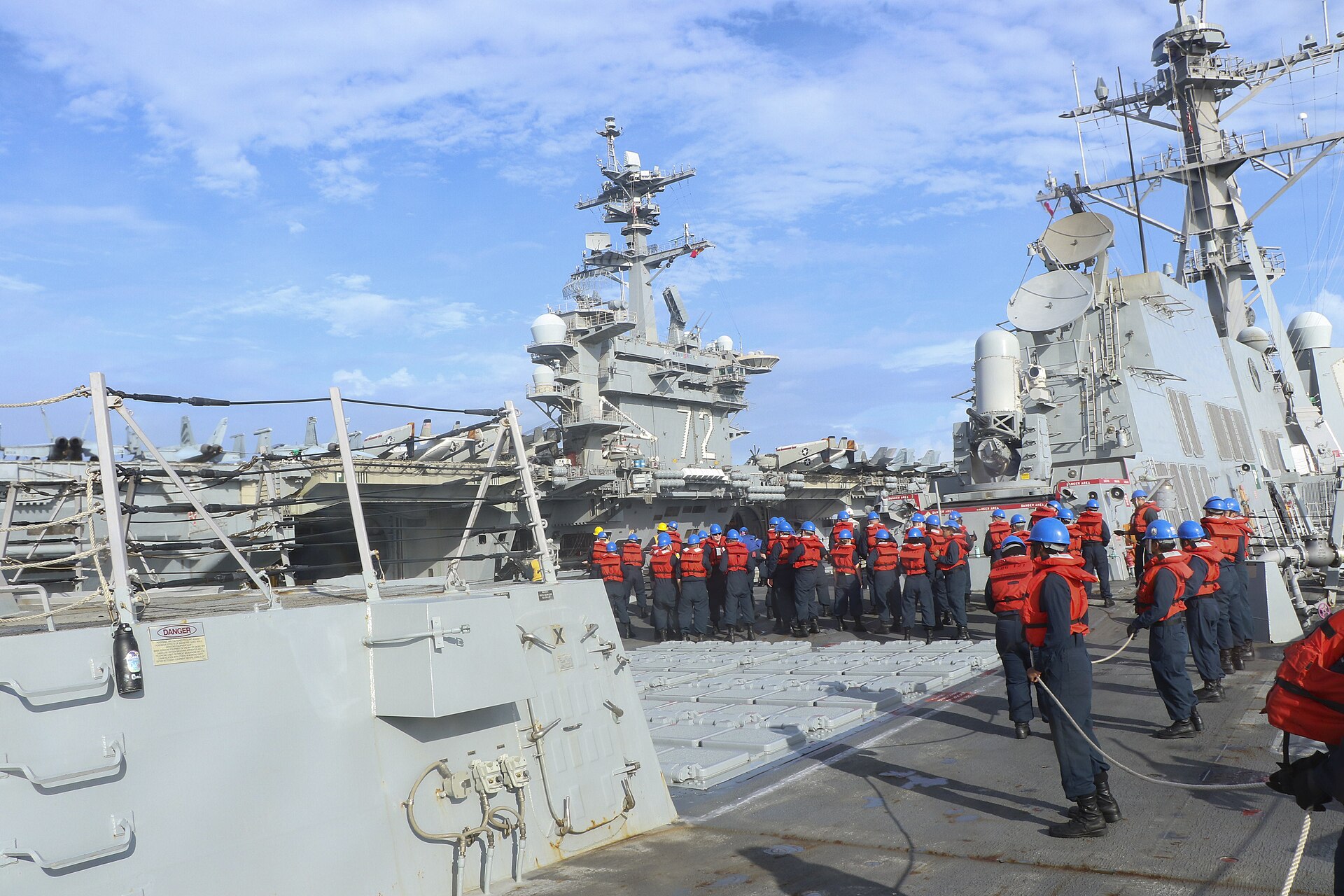
While expert committees were being formed inside the negotiation venue, the US Navy was creating facts on the water outside it. CENTCOM announced that USS Frank E. Peterson (DDG-121) and USS Michael Murphy (DDG-112) transited the Strait of Hormuz on April 11 to begin mine-clearance operations. Admiral Brad Cooper, CENTCOM commander, described the move as the start of “establishing a new passage” to be shared with the maritime industry.
We’re sweeping the strait. Whether we make a deal or not makes no difference to me.— President Donald Trump, via pool reporters
That statement signals to Iran that the US considers Hormuz a military problem with a military solution regardless of what happens in Islamabad. It also undercuts Vance’s negotiating position by suggesting the talks are irrelevant to US operational planning. CENTCOM crossed Hormuz, but the mine-clearance timeline — estimated at 51 days based on the 1991 Kuwait benchmark — extends well past April 22.
Iran’s response was immediate and contradictory. IRIB denied any US vessel had crossed the strait — a claim directly contradicted by CENTCOM’s announcement and maritime tracking data. Tehran simultaneously threatened to attack unauthorized ships, framing the mine-clearance operation as a ceasefire violation. This dual posture — denial plus threat — allows the IRGC to frame any future enforcement action as a response to an American provocation rather than an escalation of its own.
Current throughput remains at roughly 15-20 ships per day, according to Windward maritime intelligence. Pre-war traffic was 138 ships daily. NBC reported that at least 16 ships transited on one recent day — the busiest since the ceasefire began — but that is still barely 12 percent of normal flow. For Saudi Arabia, which cannot locate all the mines Iran has laid, that number is where the next section begins.
Can Expert Committees Close a Deal in 10 Days?
The closest precedent is the 2015 JCPOA, which used a similar structure: a Joint Commission with four working groups covering procurement, technical reactor design, the Arak facility, and sanctions. Those groups took 20 months to produce a final agreement, with two formal deadline extensions. The Islamabad committees have 10 days before the ceasefire expires on April 22, and no party has reported any mechanism to extend it.
The 1981 Algiers Accords offer a more hopeful parallel — expert “flying committees” shuttled between three capitals and produced a deal in weeks. But that was a hostage-and-assets transaction with quantifiable deliverables and a counterpart that had unified authority to implement what it signed. In 2026, the counterpart’s command structure is split between a civilian delegation in Islamabad and an IRGC chief in Tehran who pre-emptively rejected the delegation’s negotiating authority on the one issue — missiles — that the military track must address.
CSIS senior fellow Daniel Byman assessed the ceasefire as masking a “far more dangerous reality” in which the underlying drivers of conflict are “not only intact but intensified.” His warning: the ceasefire itself “may become the indefinite settlement” — meaning no deal, no war, and no resolution, with Hormuz operating at a fraction of capacity indefinitely. For a global oil market already absorbing a 6 million barrel-per-day deficit (Kpler estimate), that is not peace. It is managed crisis.
The calendar compounds the problem. April 18 marks the beginning of Hajj arrivals and the sealing of the Umrah cordon — the point at which Saudi Arabia’s security obligations to millions of pilgrims collide with whatever military posture the ceasefire’s expiry demands. Indonesia’s 221,000 pilgrims depart on April 22. Pakistan’s 119,000 arrive April 18. There is no extension mechanism, and no precedent for pilgrimage-season warfare in the modern era.
Saudi Arabia Watches From Outside
Riyadh has no representative at the Islamabad table. Saudi Foreign Minister Prince Faisal bin Farhan, who held a co-guarantor seat during the March 29-30 preliminary round, was excluded from the April 10 bilateral format. The Kingdom issued a boilerplate statement welcoming the talks. Diplomatic sources told ANI that Saudi redlines are being relayed through Pakistan’s Foreign Ministry — a channel that adds a layer of translation, delay, and deniability to every position Riyadh takes.
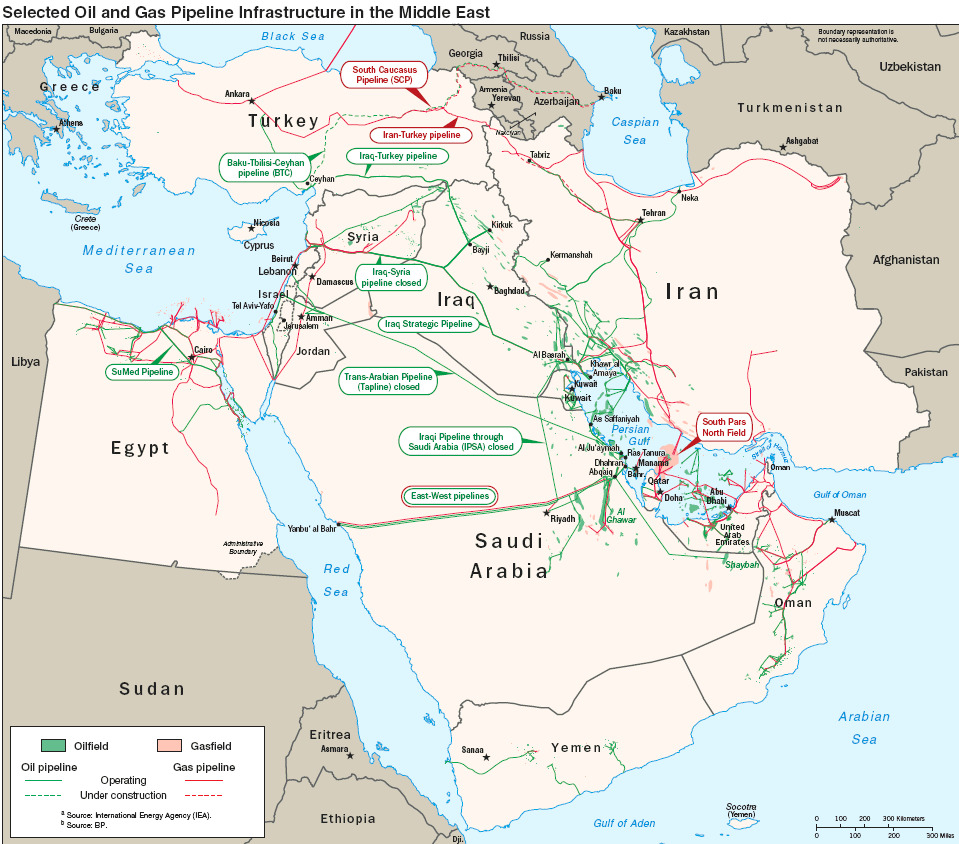
The issue Saudi Arabia cannot delegate is Hormuz. The Kingdom’s East-West Pipeline to Yanbu operates at roughly 7 million barrels per day of capacity, covering 80-85 percent of pre-war exports but leaving no margin for the infrastructure damage already sustained. Saudi PAC-3 missile interceptor stocks are down an estimated 86 percent from pre-war levels — roughly 400 rounds remaining from an original stockpile of approximately 2,800, at $3.9 million per round. The reparations question that sits on the economic track is one Riyadh has conspicuously not raised publicly, even as the UAE has demanded Iran pay for 2,819 missiles.
Seth G. Jones of CSIS noted that proceeds from Hormuz control “could be used for either civilian infrastructure or military purposes like missile programs and drone production.” That assessment frames the legal track’s work not as an abstract sovereignty dispute but as a question of whether the IRGC retains a permanent revenue stream from the waterway that funds the weapons pointed at Saudi cities. Expert committees are not designed to answer questions of that magnitude. They are designed to find technical compromises within a political framework that principals have already agreed to. In Islamabad, the principals agreed to nothing except to keep talking.
FAQ
What happens if the expert committees don’t reach agreement before April 22?
No extension mechanism for the ceasefire has been reported by any party. If committees are still deliberating when the ceasefire expires, both sides revert to pre-ceasefire rules of engagement unless a separate renewal is negotiated at principal level. Iran’s Tasnim has already signaled that “extension” of talks is possible, but extending talks is not the same as extending a ceasefire — the former requires only agreement to keep meeting, while the latter requires authorization from IRGC Commander-in-Chief Vahidi, who has not participated in any round.
Why is Pakistan hosting but not mediating?
Pakistan occupies a unique structural position: it is simultaneously Iran’s protecting power in the United States (since 1992), Saudi Arabia’s treaty ally under the September 2025 SMDA, and the venue host. Prime Minister’s Special Envoy Asim Munir is running the diplomatic logistics, but Pakistan’s enforcement capacity is limited to what both parties voluntarily accept. A $5 billion Saudi loan to Pakistan matures in June 2026, giving Riyadh indirect financial pressure on the host without direct participation in the talks. A separate analysis published April 12 argues that the $5 billion pledged that morning was not a loan for successful diplomacy but payment for a military deployment already underway: Saudi Arabia and Qatar paid for Pakistan’s troops, not its mediation.
Has Iran agreed to stop collecting tolls on ships transiting Hormuz during the talks?
No. Iran’s Parliament passed a fee authorization bill on March 31, and the IRGC’s published transit protocol requiring “coordination with the Armed Forces of Iran” remains in effect. Vessels transiting under the ceasefire are still subject to the approximately $2 million per-ship charge routed through Kunlun Bank or USDT on the Tron network. The legal track would need to address this, but no interim suspension of fees has been announced or requested.
What is the US fallback if talks collapse?
Trump’s public statements suggest the fallback is unilateral mine-clearance — the operation that began April 11 with two guided-missile destroyers entering the strait. The 1991 Kuwait mine-clearance operation, which covered a comparable area, took 51 days with dedicated minesweeper vessels. The US retired its four Avenger-class mine countermeasure ships from Bahrain in September 2025, meaning the current operation relies on destroyer-based systems and unmanned vehicles rather than purpose-built minesweepers. Admiral Cooper’s announcement of a “new passage” suggests CENTCOM may attempt to clear a narrow corridor rather than the full shipping lane.
Could the JCPOA model work here — extend deadlines until a deal materializes?
The JCPOA negotiations operated without a live combat deadline. Extensions deepened consensus because both sides had already made the political decision to agree and were refining technical details. In Islamabad, the political decision has not been made — Vahidi’s pre-departure red lines, Ghalibaf’s listed non-negotiables, and Khamenei’s continued absence (now 42 days without a verified public appearance) all indicate that the Iranian system has not authorized its delegation to close. Extending talks without extending the ceasefire produces a paradox: more time to negotiate, less time before war resumes. The ceasefire expiry on April 22 creates a ten-day enforcement void in which no follow-on session is scheduled and the IRGC decentralized command structure faces no institutional pressure to hold.
Vance subsequently declared the US had made its final and best offer after 21 hours of talks — and Iran responded with four non-negotiable conditions, each requiring the United States to dismantle a piece of the security architecture it has spent decades building.