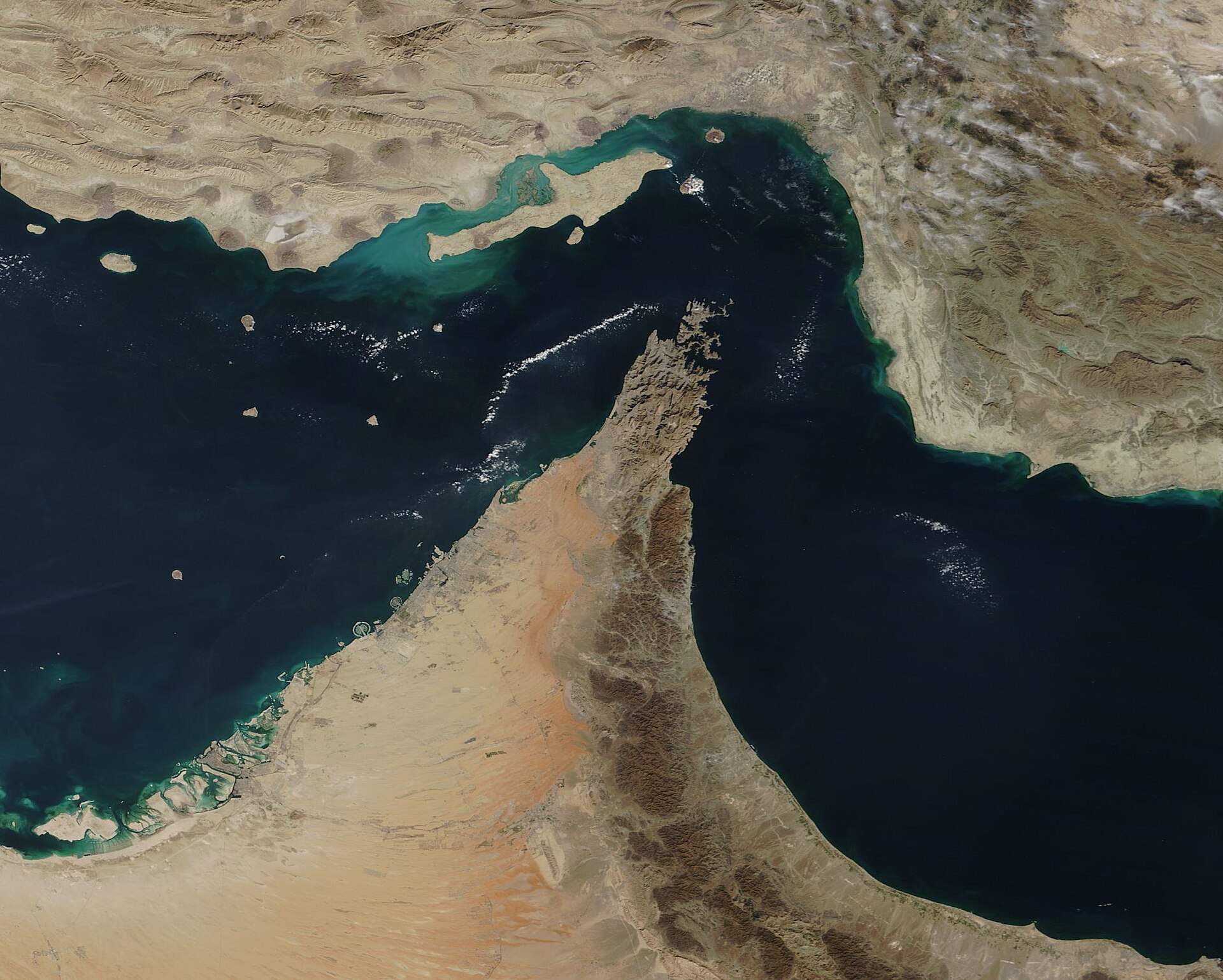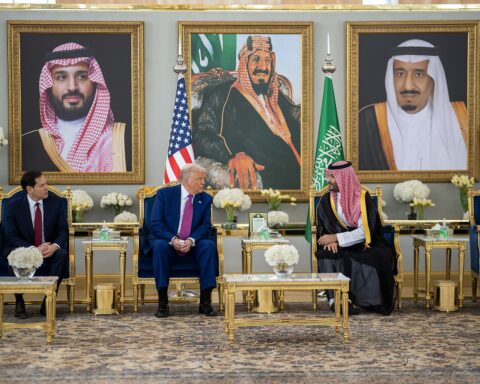

RIYADH — China’s Defense Minister told the world on April 13 that the Strait of Hormuz is “open to us,” and in doing so destroyed the single most expensive assumption in Saudi foreign policy. For two years, Riyadh built a deliberate dual-dependency architecture — American missiles for physical survival, Chinese crude offtake for fiscal survival — on one foundational bet: that Washington and Beijing would never directly confront each other over the waterway through which Saudi Arabia ships its future. They are now confronting each other over exactly that, and Saudi Arabia has no playbook for the scenario, no seat at the table where it will be discussed on April 17, and approximately 400 PAC-3 interceptor rounds standing between the kingdom and the next Iranian salvo.
The architecture was elegant while the assumption held. Saudi Arabia signed $50 billion in MOUs with six Chinese state banks in August 2024, expanded Aramco-Sinopec joint ventures to include a 430,000-barrel-per-day refinery and a $3.95 billion Singapore trading hub, and committed to supply China with more than one million barrels per day of crude — all while remaining Washington’s largest arms customer, sourcing roughly 80 percent of its weapons from the United States. The design relied on neither patron forcing Riyadh to choose. Dong Jun’s declaration and Trump’s 50-percent tariff threat on China, issued within hours of each other, have made the choice unavoidable.
Table of Contents
- The Architecture That Worked Until It Didn’t
- What Did Dong Jun Actually Say?
- Can Saudi Arabia Stay Silent on the Blockade?
- The $50 Billion Hostage Problem
- How Deep Is the US Arms Lock?
- The May Shipment Cut and What It Signals
- Why Is Saudi Arabia Excluded from the April 17 Summit?
- The Dual-Chokepoint Threat That Changes Everything
- Saudi Arabia’s Actual Decision Space
- Frequently Asked Questions
The Architecture That Worked Until It Didn’t
The dual-dependency model was not accidental. It was the product of a specific traumatic event and the strategic recalibration that followed. When Iran struck Abqaiq and Khurais in September 2019, temporarily knocking out half of Saudi Arabia’s oil production, Donald Trump’s response was to observe that “that was an attack on Saudi Arabia, and that wasn’t an attack on us.” The United States sent roughly 3,000 additional troops and some Patriot batteries. It did not strike Iran. Mohammed bin Salman absorbed the lesson: American security guarantees are conditional, degradable, and subject to the political weather in Washington.
The Chinese leg of the architecture was constructed with deliberate speed. Xi Jinping visited Riyadh in December 2022 — the first Chinese head-of-state visit in six years — and the two sides elevated their relationship to a “comprehensive strategic partnership,” Beijing’s highest diplomatic tier. Thirty-four energy and investment deals worth approximately $30 billion were signed over three days. Biannual head-of-state meetings were committed. The Public Investment Fund followed up in August 2024 by signing MOUs with six Chinese state banks — Agricultural Bank of China, Bank of China, China Construction Bank, China Export & Credit Insurance Corporation, Export-Import Bank of China, and ICBC — worth up to $50 billion in two-way capital flows.
The US leg was reinforced simultaneously. A $9 billion, 730-round PAC-3 MSE sale was approved in January 2026 — new-build units that would not arrive for years but that locked Saudi Arabia deeper into the Lockheed Martin supply chain. Saudi Arabia continued to source approximately 80 percent of its arms from the United States, a dependency so total that Riyadh cannot operate its air defense network without American contractors, spare parts, and software updates.
The design was symmetrical and, within its own logic, rational. China needed Saudi crude — 1.5 to 1.65 million barrels per day in 2025, roughly 14 percent of China’s total imports. Saudi Arabia needed Chinese capital for Vision 2030’s post-oil economy. The United States needed Saudi Arabia as its anchor Gulf partner and arms customer. Saudi Arabia needed American missiles to survive the Iranian threat that had been live since Abqaiq. As long as the US-China rivalry remained economic and did not become kinetic over the Gulf’s primary maritime chokepoint, Riyadh could hold both relationships without contradiction.
The Middle East briefing 3,000+ readers start their day with.
One email. Every weekday morning. Free.
What Did Dong Jun Actually Say?
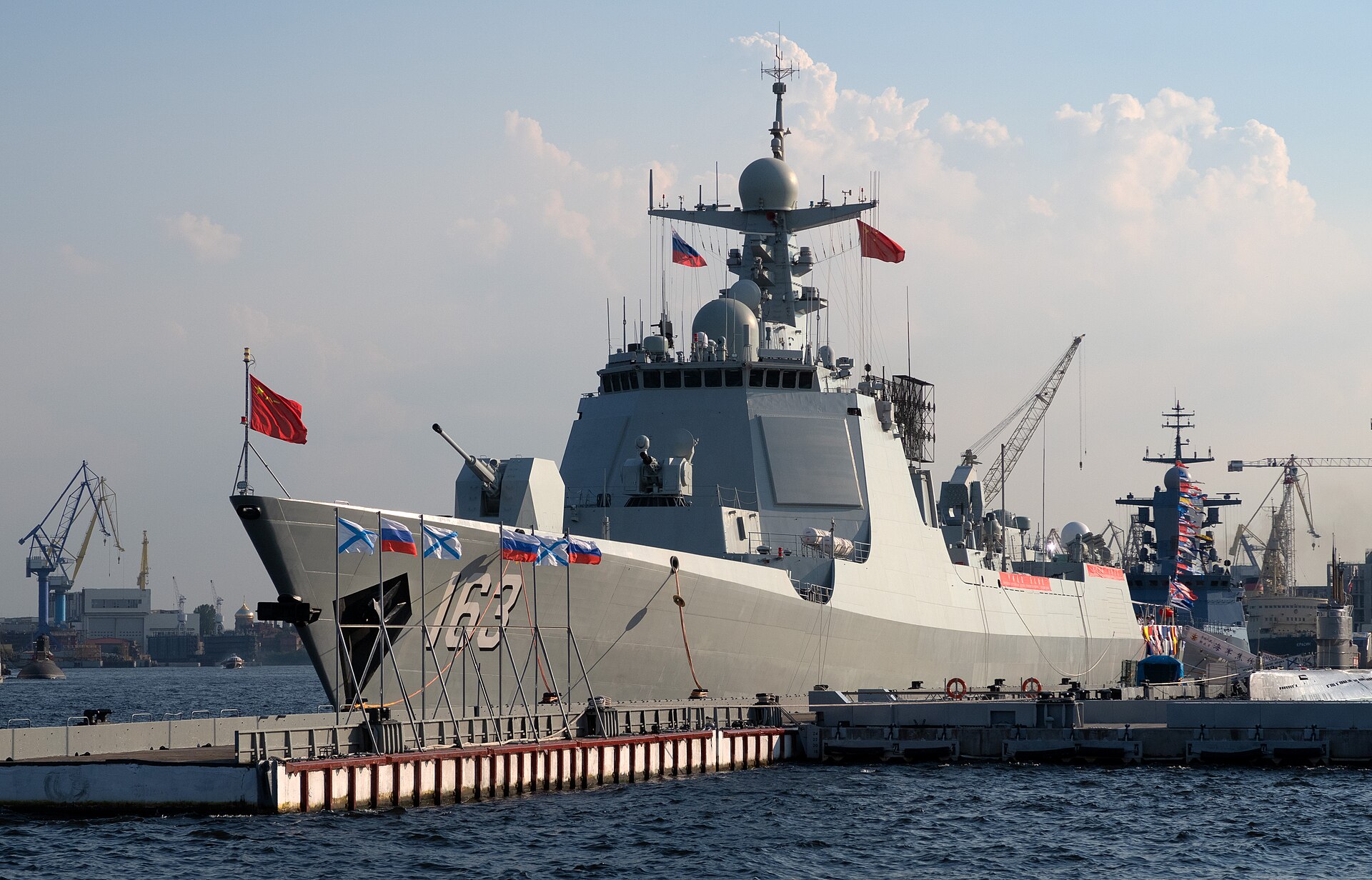
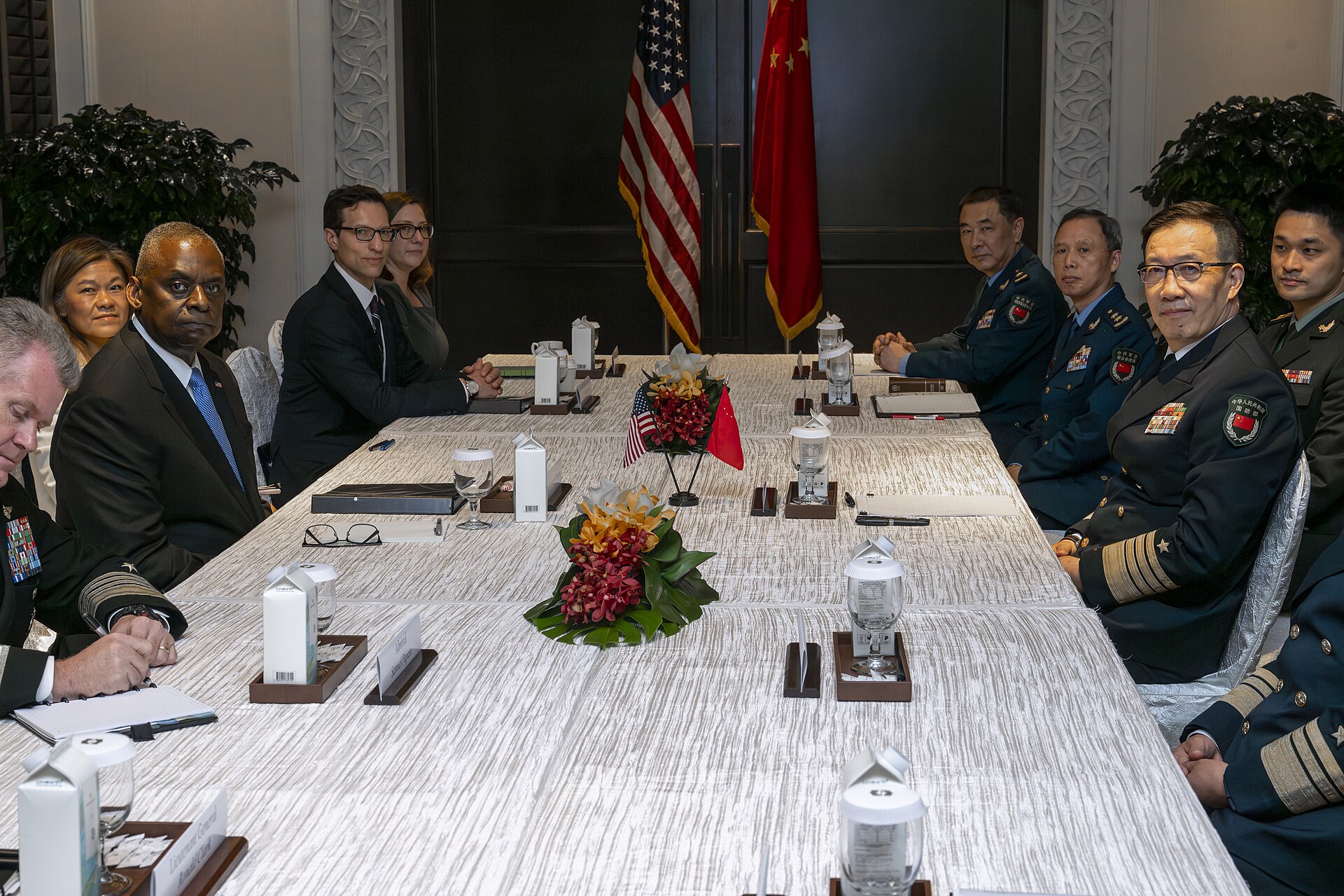
Dong Jun’s statement on April 13 was six words that Saudi planners will spend months unpacking: “The Strait of Hormuz is open to us.” The full quote, reported by Democracy Now and EADaily, framed the claim as a matter of bilateral right rather than universal principle: “We have trade and energy agreements with Iran; we expect others not to interfere in our affairs.” This is not a freedom-of-navigation argument. It is a claim of privileged access derived from China’s economic relationship with Iran — the same Iran whose ports the United States began blockading the following day.
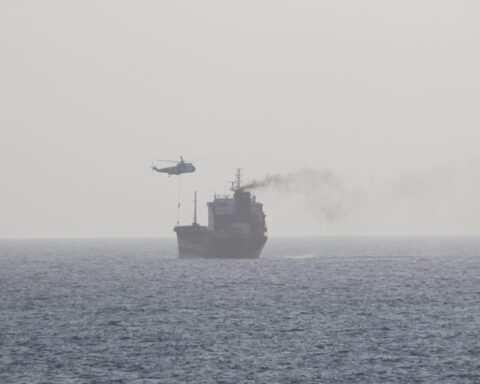
The timing was precise. The US naval blockade of Iranian ports took effect at 10:00 AM Eastern on April 14, with CENTCOM confirming six vessels turned back in the first 24 hours and 10,000-plus personnel deployed. Dong Jun’s declaration, made the day before the blockade began, was not reactive. It was pre-positioned — a signal to Washington that China intended to treat the strait as functionally bifurcated, with Chinese-flagged or Chinese-chartered vessels operating under a separate legal and strategic framework than the one the US Navy was about to enforce.
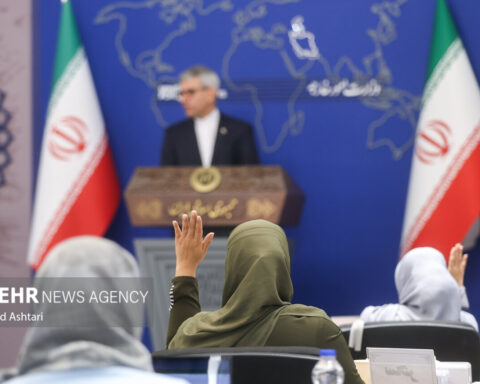
China’s Foreign Ministry reinforced the message within 24 hours. Spokesperson Guo Jiakun described the blockade as a “dangerous and irresponsible act” that would “further enflame tensions,” adding that it “coupled with an increase in U.S. military deployment, risks undermining an already fragile ceasefire situation.” The ministry called for the strait to remain “an important international trade route for goods and energy” where “keeping the area safe and stable and ensuring unimpeded passage serves the common interest of the international community.” As this publication reported on day one of the blockade, China sent two signals simultaneously: it would not accept the blockade’s legitimacy, and it would frame any confrontation as American aggression against international commerce.
Retired US Air Force Colonel Cedric Leighton, speaking to Newsweek, warned it was “very possible” that a Chinese tanker could encounter US Navy vessels during enforcement operations, potentially causing “major escalation” if mishandled. He noted that “there doesn’t seem a mechanism to de-escalate.” For Saudi Arabia, this is the nightmare scenario — not because a US-China naval incident would directly harm the kingdom, but because it would force every Gulf state to declare which side of the confrontation it stands on, at a moment when Riyadh has structured its entire strategic position around never having to answer that question.
Can Saudi Arabia Stay Silent on the Blockade?
The Saudi Foreign Ministry had issued 14 public statements on Iran-related matters since the war began as of April 13. It had issued zero statements on the US blockade. This silence is not an oversight. It is the sound of an institution that cannot speak without choosing a side it has spent billions of dollars avoiding.
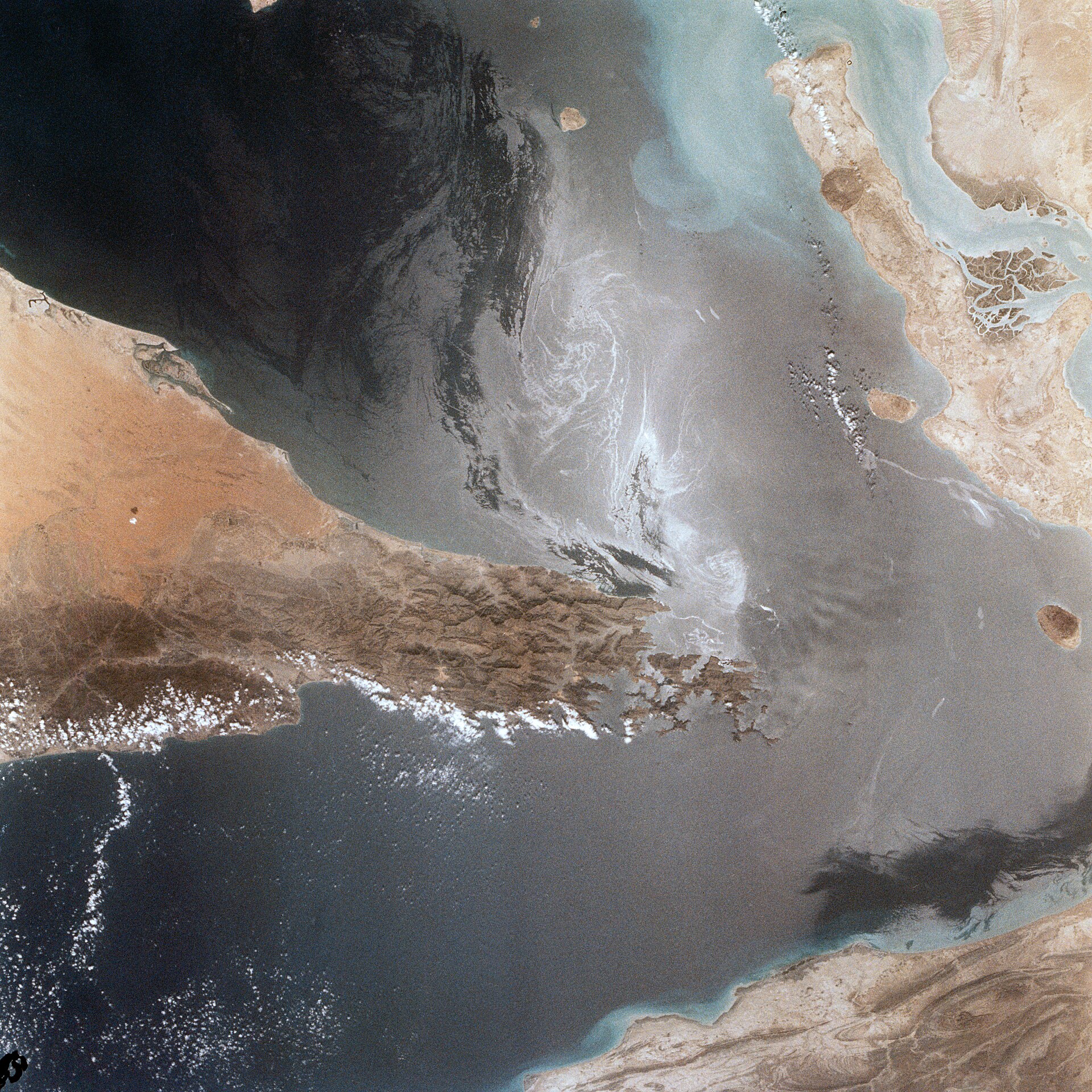
The Wall Street Journal reported on April 14 that Saudi Arabia had privately pressed Washington to end the Hormuz blockade and resume negotiations with Iran, citing fears of Houthi retaliation at Bab al-Mandeb — the Red Sea chokepoint that serves as Saudi Arabia’s bypass route when Hormuz is contested. The private lobbying, conducted through diplomatic channels rather than public statements, reveals the structural trap.
Riyadh cannot publicly criticize the blockade without alienating the country whose interceptors are the only thing standing between Saudi cities and Iranian ballistic missiles. But it cannot publicly endorse the blockade without alienating the country that buys 14 percent of its crude exports and whose state banks have committed $50 billion to the Saudi economic transformation.
Ahmed Alkhuzaie, cited in the WSJ reporting, captured the paradox: “A US blockade would paradoxically harm its allies more than Iran, destabilizing markets and eroding the Gulf’s credibility as reliable suppliers.” This framing — that the blockade damages Saudi Arabia’s commercial reputation more than Iran’s revenue — explains why Riyadh has chosen silence over endorsement, even as it continues to depend on American military protection. Saudi Arabia leads neither diplomatic track for the strait it needs most, a position that reflects not strategic ambiguity but strategic paralysis.
The silence also has a domestic cost that accumulates daily. Saudi Arabia’s position as custodian of the two holy mosques and the Arab world’s largest economy creates expectations of regional leadership that are visibly unmet. Fourteen statements on Iranian aggression and zero on American blockade enforcement reads, to Gulf audiences, as either complicity with Washington or fear of Beijing — neither of which serves the image of sovereign decision-making that Vision 2030 is supposed to project.
The $50 Billion Hostage Problem
The financial entanglement between Saudi Arabia and China is not a portfolio that can be rebalanced over a quarterly earnings call. It is a set of structural commitments — joint ventures, supply contracts, refinery ownership stakes, and capital deployment agreements — that create mutual dependencies designed to be difficult to exit. That was the point. The difficulty of exit was supposed to be the feature, not the vulnerability.
YASREF, the Yanbu Aramco Sinopec Refinery, processes 430,000 barrels per day on Saudi Arabia’s Red Sea coast. Aramco holds 62.5 percent; Sinopec holds 37.5 percent. In April 2025, the two companies signed a framework to add a 1.8-million-metric-ton-per-year ethylene plant to the complex, deepening the integration from crude processing into petrochemicals. Separately, Aramco and Sinopec established a $3.95 billion joint venture in Singapore — registered at 28.80 billion yuan — to trade and optimize crude flows across Asia. Aramco has committed to supply “in excess of one million barrels per day of our crude oil to high chemical conversion assets in China,” a volume that represents a binding structural floor beneath the commercial relationship.
| Deal | Value | Date | Structure |
|---|---|---|---|
| Xi Jinping Riyadh summit — 34 deals | ~$30B | Dec 2022 | Bilateral agreements |
| PIF-Chinese state banks MOUs | Up to $50B | Aug 2024 | Six-bank capital commitment |
| YASREF Yanbu refinery | 430,000 bpd | Operating | Aramco 62.5% / Sinopec 37.5% |
| YASREF ethylene expansion | 1.8M mt/year | Framework Apr 2025 | Joint venture extension |
| Aramco-Sinopec Asia Singapore JV | $3.95B | Apr 2025 | Trading and optimization |
| Aramco-to-China crude commitment | 1M+ bpd | Apr 2025 | Long-term supply framework |
The $50 billion PIF-Chinese bank commitment is the most politically sensitive element. The Public Investment Fund — which formally suspended The Line in its 2026-2030 strategy and pivoted to Humain’s AI partnerships with NVIDIA, AMD, and AWS — needs Chinese capital to fill the gap left by construction cutbacks and an Aramco dividend reduction of approximately one-third. The PIF’s near-zero return in 2024 means the fund is not generating enough organic growth to finance Vision 2030’s surviving projects. Chinese state bank capital is not supplementary. For several PIF initiatives, it is the margin between execution and suspension.
Zineb Riboua of the Hoover Institution, writing in Asia Times, identified the structural dynamic from Beijing’s perspective: “Beijing has spent billions of dollars building Iran into a structural asset. By striking Iran directly, the Trump administration is dismantling a pillar of China’s regional architecture.” The problem for Saudi Arabia is that China has simultaneously built the kingdom into a structural asset — and the two assets are now on opposite sides of a naval blockade. China’s 25-year, $400 billion economic cooperation agreement with Iran, signed in 2021, runs parallel to its comprehensive strategic partnership with Saudi Arabia. Beijing maintained equidistance between the two for years. Dong Jun’s declaration ended equidistance.
How Deep Is the US Arms Lock?
Saudi Arabia’s military dependency on the United States is not a preference. It is a physical fact embedded in the kingdom’s air defense architecture at the level of software, spare parts, and operational doctrine. The kingdom sources approximately 80 percent of its arms from the United States and represents 15 percent of total US arms exports — figures large enough that any disruption would register in Lockheed Martin’s quarterly guidance and on the floor of the US Senate, which is precisely why both sides have avoided testing the relationship’s limits.
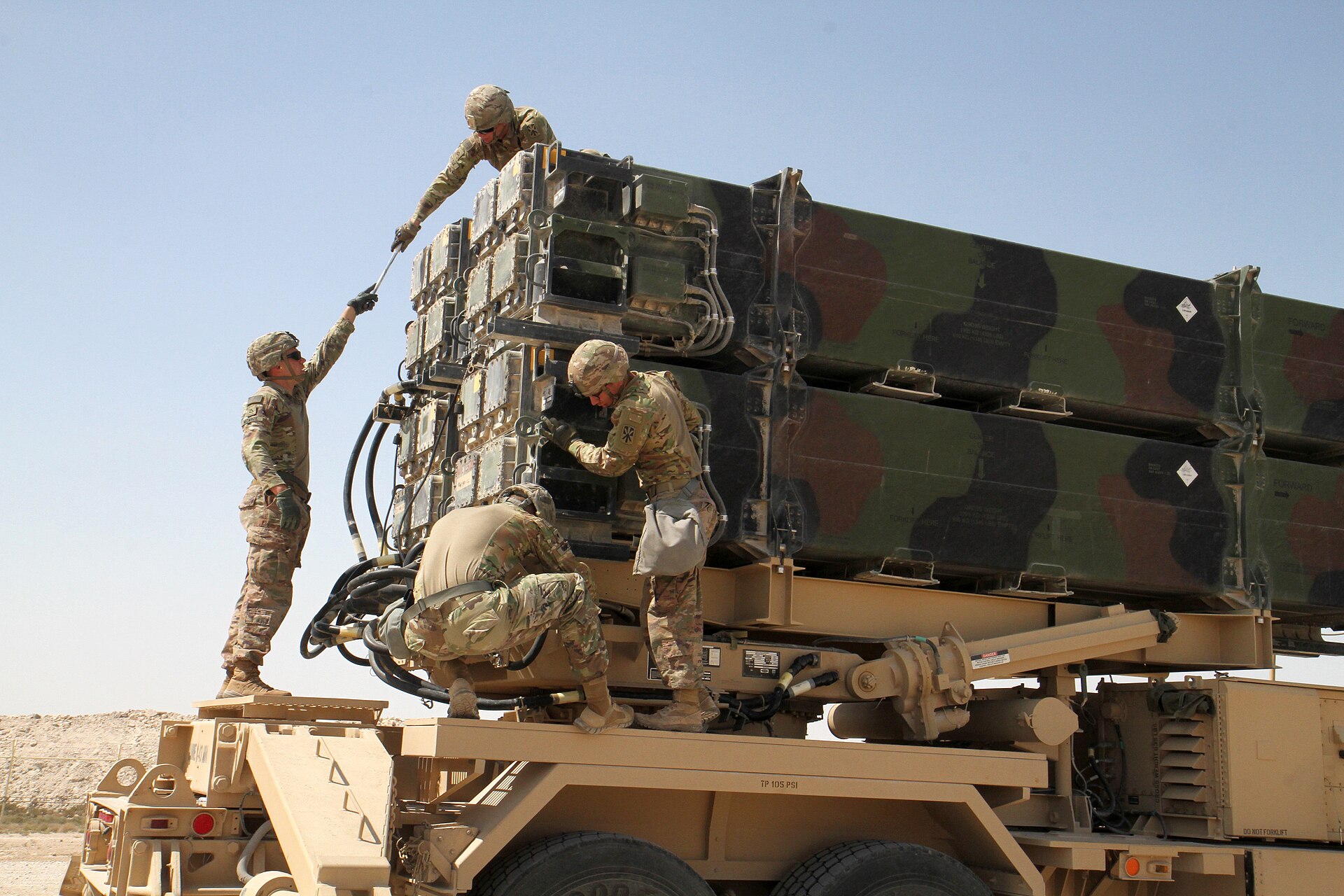
The PAC-3 MSE situation illustrates the dependency in its most acute form. Saudi Arabia has approximately 400 interceptor rounds remaining after depleting 86 percent of its pre-war stockpile of roughly 2,800 rounds — the result of intercepting more than 800 drones and 95 ballistic missiles since March 3. Lockheed Martin’s Camden, Arkansas facility produces 620 PAC-3 MSE rounds per year for all global customers, meaning Saudi Arabia cannot replenish its stocks faster than the production line allows, regardless of how much money it is willing to spend. The $9 billion, 730-round sale approved in January 2026 is new-build — those rounds do not yet exist. The kingdom is defending itself with a diminishing inventory that only one country on earth can refill.
This is the arithmetic that makes Saudi silence on the blockade comprehensible. Washington does not need to threaten Riyadh with anything. The threat is structural: any rupture in the US-Saudi defense relationship, even a temporary one caused by Saudi Arabia publicly siding with China on Hormuz, could delay interceptor deliveries, restrict contractor access, or complicate the Congressional notifications required for emergency arms transfers. With Iran’s IRGC maintaining an estimated 50 percent of its pre-war missile arsenal intact, Saudi Arabia cannot afford even a brief interruption in American military support.
Joe Webster of the China-Russia Report identified the escalation pathway that makes this dependency most dangerous: “Chinese support for a US adversary could directly result in American casualties. What will be the US response if Chinese military intelligence support for Iran results in the deaths of US airmen or sailors?” Trump’s 50-percent tariff threat was triggered by reports of Chinese shoulder-fired anti-aircraft missiles reaching Iranian forces. If those reports are confirmed — and if American aircraft are downed by Chinese-supplied weapons — the pressure on Washington to condition Saudi arms sales on explicit alignment against China would become politically irresistible.
The May Shipment Cut and What It Signals
Bloomberg reported on April 13 that Saudi Arabia will ship approximately 20 million barrels of crude to China in May 2026, down from roughly 40 million barrels in April — a 50-percent reduction that represents the first measurable commercial consequence of the Hormuz confrontation on the Saudi-China energy relationship. The cut is not voluntary in any meaningful sense. It is the physical result of a blockaded strait, reduced tanker availability, and the insurance and reinsurance markets’ refusal to cover Hormuz transit risk at anything close to pre-war premiums.
The volume matters because of what it represents structurally. Saudi Arabia supplied China with 1.5 to 1.65 million barrels per day in 2025, making the kingdom China’s second-largest crude supplier after Russia. China sourced approximately 50 percent of its total crude imports from the Persian Gulf, with Iran providing about 15 percent of China’s annual oil under the 25-year cooperation agreement. The blockade does not only restrict Iranian exports. It restricts all Gulf exports that transit Hormuz, which means Saudi eastbound shipments — the ones bound for China, Japan, South Korea, and India — face the same chokepoint constraints as Iranian cargoes, even though Saudi Arabia is nominally an American ally whose exports Washington has no interest in disrupting.
China holds approximately 1.4 billion barrels in state and commercial petroleum reserves, enough to cover roughly four months of total imports or seven months of what normally transits Hormuz. This reserve cushion gives Beijing time — time to negotiate, time to test the blockade’s enforcement boundaries, and time to avoid making concessions under immediate economic pressure. Saudi Arabia has no equivalent cushion. Every barrel that does not reach a Chinese refinery is a barrel of revenue lost during a war that has already forced PIF to write down $8 billion in construction commitments and cut Aramco’s dividend.
The May cut also complicates Aramco’s commitment to supply China with more than one million barrels per day. If the blockade persists through May and into June, Aramco will face a choice between honoring its contractual volume commitments by rerouting cargoes around the Cape of Good Hope — adding 15 to 20 days and $3 to $5 per barrel in freight costs — or declaring force majeure on Chinese supply contracts, which would damage the commercial relationship at the worst possible moment.
Why Is Saudi Arabia Excluded from the April 17 Summit?
The Macron-Starmer Hormuz multilateral summit on April 17 will convene more than 40 nations in a virtual format hosted from Paris. Saudi Arabia is not a co-host. The absence of the Gulf’s largest economy from the table where the Gulf’s most important waterway will be discussed is a structural exclusion, not an oversight. The summit’s organizing logic — European-led, multilateral, explicitly not aligned with the US blockade — creates a forum where Saudi Arabia’s silence becomes a liability rather than a strategy.
The UK position is instructive. London has declined to support the US naval blockade on Iranian ports, creating daylight between the two closest members of the Five Eyes alliance on a question of maritime enforcement. British Defence Secretary John Healey and Foreign Secretary David Lammy have framed the UK position around ceasefire preservation and Hormuz reopening, not blockade endorsement. For Saudi Arabia, this creates a problem: if even Britain — which deployed Sky Sabre air defense batteries to the kingdom in late March and whose trade with Saudi Arabia targets £30 billion by 2030 — will not back the blockade, Riyadh’s private lobbying against it looks less like quiet diplomacy and more like a position shared by most of the international community except Washington.
China and Russia jointly vetoed the UN Security Council resolution aimed at reopening the strait, with China’s Ambassador Fu Cong arguing that the draft “failed to capture the root causes and the full picture of the conflict in a comprehensive and balanced manner.” The veto means the April 17 summit is the only live multilateral forum addressing Hormuz — and Saudi Arabia is in neither the room nor the resolution. The kingdom’s dual-dependency architecture, which was supposed to guarantee a seat at every table, has instead produced exclusion from the one table that matters most this week.
The Dual-Chokepoint Threat That Changes Everything
IRGC Major General Ali Abdollahi’s statement on April 15 escalated Iran’s position from selective Hormuz enforcement to something far more dangerous: “The powerful armed forces of the Islamic Republic will not allow any exports or imports to continue in the Persian Gulf, the Sea of Oman, and the Red Sea.” The geographic scope of that threat — three bodies of water, two chokepoints — targets the entirety of Saudi Arabia’s export infrastructure, including the bypass routes that Riyadh has spent the war developing as alternatives to Hormuz.
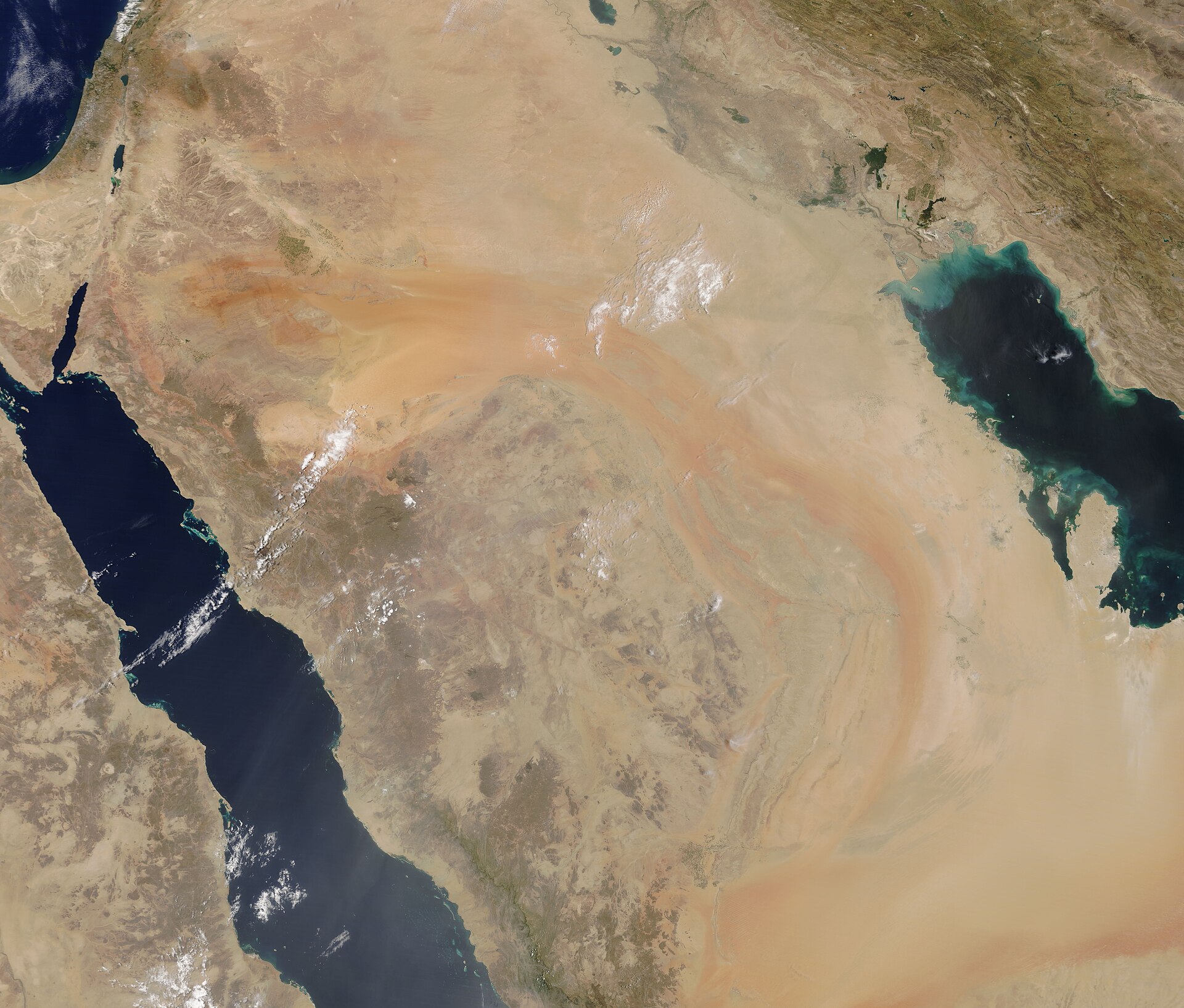
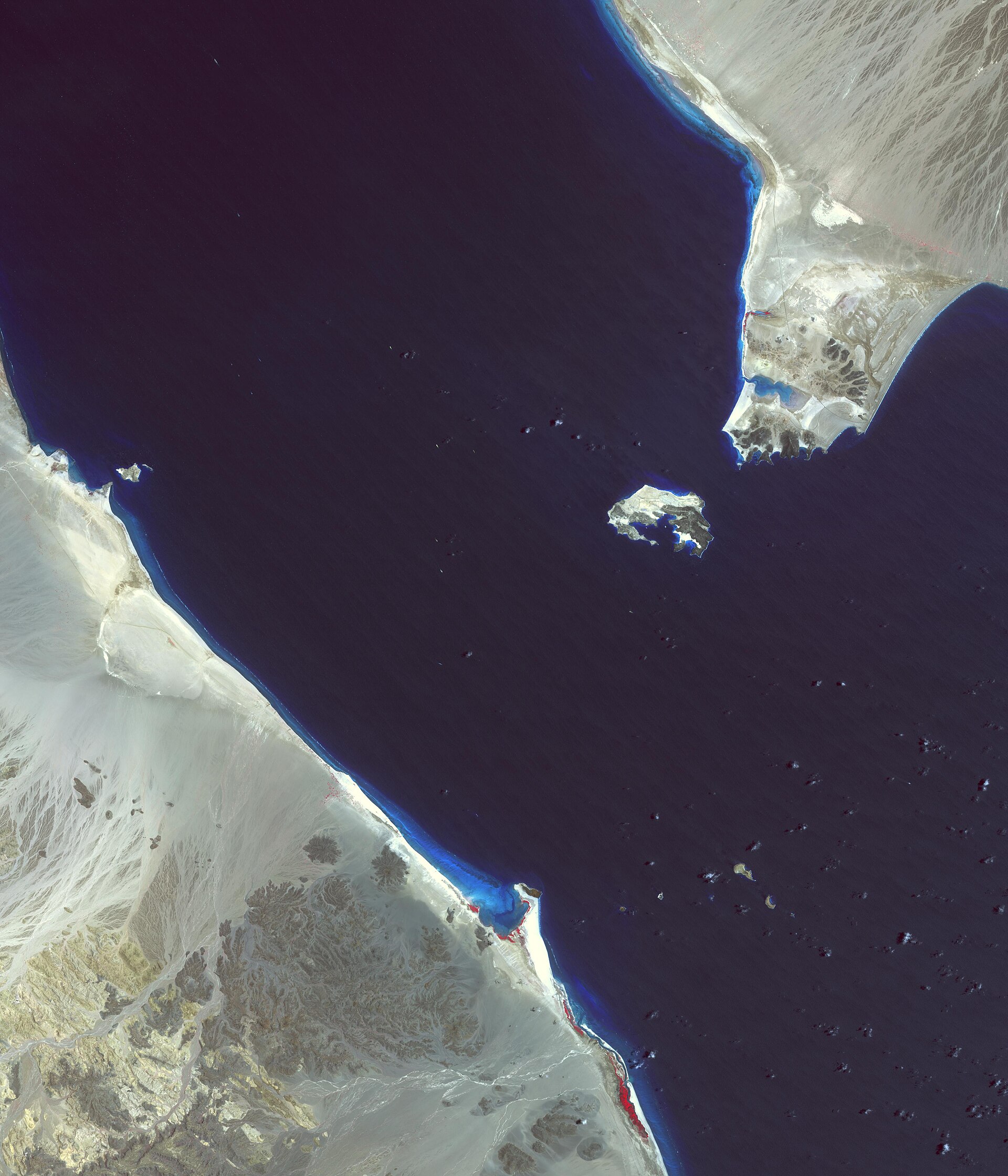
Saudi Arabia’s East-West Pipeline to Yanbu, operating at a ceiling of approximately 5.9 million barrels per day against a pre-war Hormuz throughput of 7 to 7.5 million, was supposed to be the insurance policy. Yanbu sits on the Red Sea, which empties into the global shipping network through Bab al-Mandeb — the strait between Yemen and Djibouti that Houthi forces have intermittently threatened since November 2023. Abdollahi’s statement explicitly includes the Red Sea in Iran’s threat envelope, suggesting coordination between IRGC strategy and Houthi capability that would eliminate both the primary export route (Hormuz) and the bypass (Bab al-Mandeb) simultaneously. This is precisely why the Wall Street Journal reported that Saudi Arabia’s private objections to Washington cited Houthi retaliation as the primary concern.
The dual-chokepoint threat also explains China’s posture. Beijing’s 1.4-billion-barrel reserves provide four months of cushion if Hormuz alone is disrupted. If both Hormuz and Bab al-Mandeb are contested, the disruption extends to Red Sea traffic that includes Suez Canal-bound shipments from the broader Gulf region. China’s reserves still provide a buffer, but the global supply shock would be severe enough to spike prices beyond anything the reserves could meaningfully offset. Dong Jun’s “open to us” declaration is, in this light, not confidence about Hormuz access but a negotiating position aimed at preventing the scenario where China’s reserves are actually tested.
Saudi Arabia’s Actual Decision Space
The structural analysis produces a decision space that is narrower than any Saudi Arabia has faced since the 1973 oil embargo — and in some respects more constrained, because in 1973 the kingdom was choosing between customers, not between the country that defends it and the country that funds it. The options reduce to four, none of them comfortable, all of them carrying costs that would have been unthinkable when the dual-dependency architecture was designed.
| Option | US relationship cost | China relationship cost | Operational risk |
|---|---|---|---|
| Maintain silence / hedge | Low (short-term) | Medium (perceived alignment with US) | Exclusion from Hormuz resolution framework |
| Publicly back US blockade | None | Severe (PIF MOUs, Sinopec JVs at risk) | Iran retaliatory escalation; Houthi activation |
| Publicly oppose blockade | Severe (arms pipeline, PAC-3 deliveries) | Low | 400 remaining interceptors with no resupply guarantee |
| Propose mediation / third way | Medium (perceived as obstructing US ops) | Medium (perceived as insufficient) | Requires credibility Riyadh has not built |
The first option — continued silence — has a shelf life measured in days, not weeks. The April 17 summit will produce a framework or a communiqué that implicitly positions participants relative to the blockade. Saudi Arabia’s absence from the summit means it will be positioned by others rather than positioning itself. The April 18 Hajj cordon, when the holy sites seal for the pilgrimage season, raises the kinetic threshold for all parties — Iran included — but it also concentrates millions of pilgrims inside Saudi Arabia at a moment when the PAC-3 inventory defending Mecca stands at approximately 400 rounds.
The second option — backing the blockade — would likely trigger the dual-chokepoint scenario that Abdollahi explicitly threatened, while putting $50 billion in Chinese capital commitments and the YASREF joint refinery at risk. The PIF cannot absorb the loss of Chinese capital flows while simultaneously managing an $8 billion construction write-down and a one-third Aramco dividend cut. This option solves the security problem by creating a fiscal crisis.
The third option — publicly opposing the blockade — is the one most aligned with Saudi Arabia’s commercial interests and with the apparent position of most of the international community, including close allies like the United Kingdom. But it is foreclosed by the PAC-3 arithmetic. The remaining stockpile at current depletion rates buys weeks, not months. The blockade has already undermined Washington’s own freedom-of-navigation doctrine; Saudi opposition would not change that reality but would give Congress a reason to slow-walk the emergency resupply that the kingdom cannot survive without.
The fourth option — a Saudi-led mediation initiative — would require diplomatic capital and regional credibility that the kingdom’s 47-day silence has not built. Saudi Arabia was not a co-host of the Islamabad talks, was excluded from the Vance-Ghalibaf channel, and has issued no public position on the blockade. Proposing mediation from a standing start, with no existing framework and no relationship with Iran’s decision-making structure, is aspirational rather than operational. It is also the only option that does not immediately damage one of the two dependency relationships — which may be reason enough to attempt it, however unlikely success appears.
The dual-dependency architecture was designed for a world where Saudi Arabia’s two patrons competed economically but cooperated — or at least coexisted — on Gulf security. That world ended on April 13, when a Chinese defense minister claimed privileged access to a strait that an American president was about to blockade. The architecture has no redundancy for this failure mode, because the failure mode was supposed to be impossible. Saudi Arabia’s May crude shipments to China — halved to 20 million barrels — are the first physical measure of what the impossible looks like when it arrives.
Frequently Asked Questions
What is Saudi Arabia’s total trade volume with China compared to the United States?
Saudi-China bilateral trade reached approximately $100 billion annually by 2024, driven overwhelmingly by energy exports. Saudi-US bilateral trade is smaller in absolute dollar terms — roughly $30-35 billion annually — but the US relationship carries disproportionate weight because it includes the defense component that China cannot substitute. Saudi Arabia exports crude to China; it imports survival from the United States. The asymmetry makes dollar-for-dollar trade comparisons misleading as a measure of strategic dependence.
Could Saudi Arabia source air defense systems from China instead of the United States?
China produces the HQ-9 air defense system, which it has exported to countries including Pakistan and Turkmenistan, and the HQ-22 (FK-3 export variant) sold to Serbia and Morocco. Saudi Arabia evaluated the HQ-9 as far back as 2013 but did not proceed to acquisition. The practical barrier is not capability but interoperability: Saudi Arabia’s entire integrated air defense network — radars, command-and-control, battle management — is built on American architecture. Switching to Chinese systems would require not replacing individual batteries but rebuilding the network from the sensor layer up, a process measured in years, not months, during which the kingdom would have degraded coverage against an active Iranian missile threat. The dependency also runs in an intelligence direction: the Chinese satellite TEE-01B imaged Prince Sultan Air Base on March 13–15, providing the IRGC with targeting data before the KC-135 strikes, a role Saudi Arabia cannot publicly acknowledge without directly confronting Beijing.
Has China ever directly challenged a US naval blockade before?
No. The closest precedent is the 1995-1996 Taiwan Strait Crisis, when the US deployed two carrier strike groups in response to Chinese missile tests near Taiwan, and China backed down without a direct confrontation. The Hormuz situation differs in a critical respect: China’s interest is commercial and energy-related rather than territorial, which means Beijing can calibrate its response through economic tools — tariff retaliation, capital flow restrictions, rare earth export controls — rather than military escalation. Dong Jun’s statement claimed the strait was “open to us” but did not announce a naval escort or convoy operation, leaving China room to escalate or de-escalate without a military commitment it cannot easily reverse.
What happens to the Aramco-Sinopec joint ventures if the US-China confrontation escalates?
YASREF in Yanbu sits on Saudi sovereign territory and is governed by Saudi commercial law, which makes forced divestiture legally complex and politically costly for either side. The Singapore JV ($3.95 billion) is more exposed because it operates under Singaporean jurisdiction, where US secondary sanctions could theoretically apply if Washington designates entities involved in circumventing the blockade. The most likely near-term impact is operational — delayed expansion timelines, suspended capital commitments, and force majeure declarations on supply contracts — rather than ownership restructuring. Aramco’s one-million-barrel-per-day supply commitment to Chinese conversion assets would be the first casualty, as physical crude delivery depends on Hormuz access that neither party currently controls.
Why did China and Russia veto the UN Security Council Hormuz resolution?
Russia’s co-veto reflected its strategic partnership with Iran, its opposition to any Security Council framework that could create a legal basis for Western intervention, and its structural preference — established since the Libya 2011 resolution — for blocking resolutions that contain implicit authorization for force. China’s objection, articulated by Ambassador Fu Cong, was that the draft legitimized freedom of navigation through Hormuz without addressing the US strikes that Beijing considers the underlying cause of the crisis. The joint veto was not coordinated in advance as a formal bloc action; both states arrived at the same outcome through separate calculations, which is why the explanatory statements diverged in emphasis. The practical effect eliminated the UN as a resolution venue and concentrated diplomatic weight in the April 17 Macron-Starmer summit, a format where neither China nor the United States holds the chair.