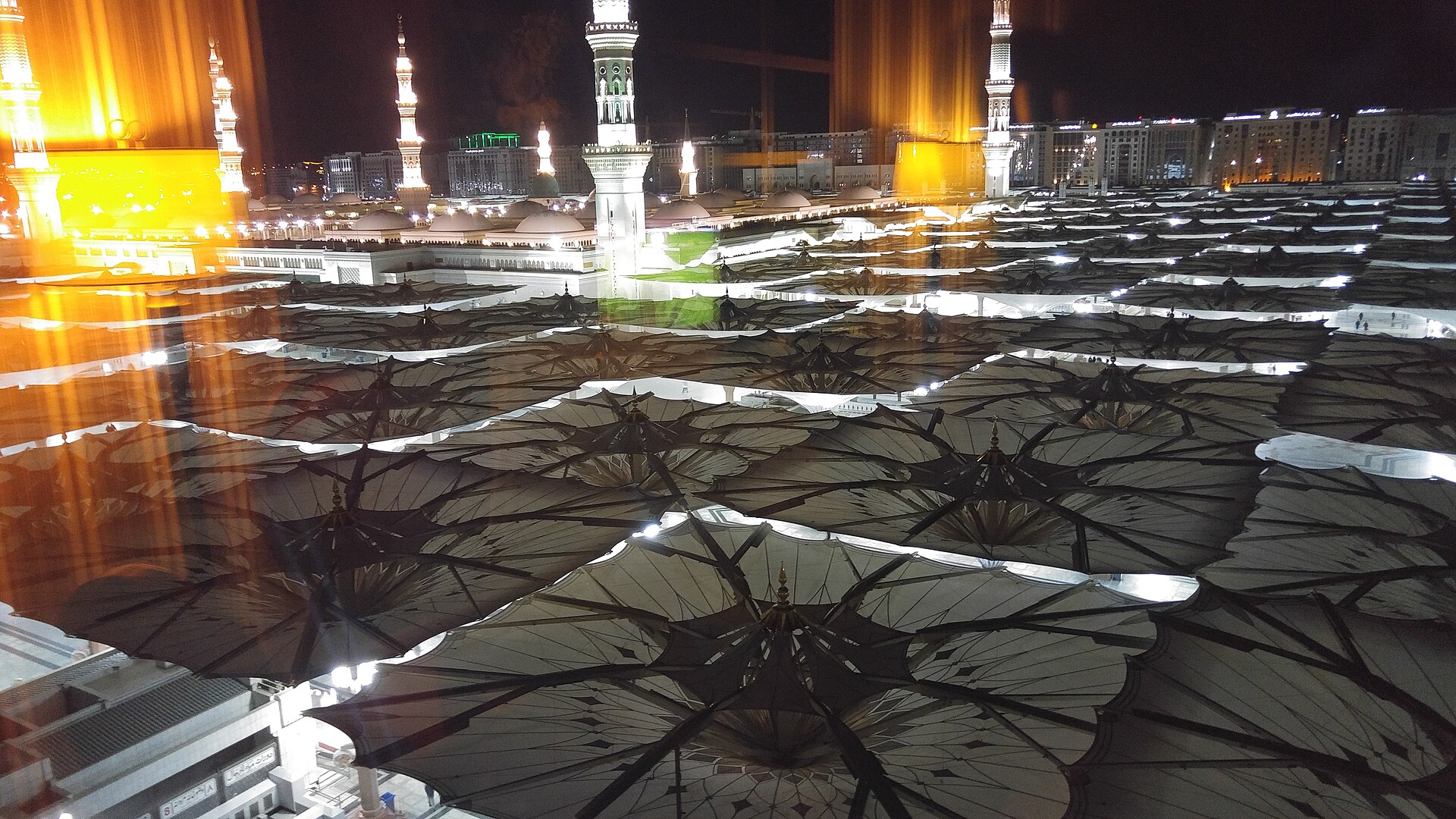

JEDDAH — The first cohort of Iranian Hajj pilgrims landed at Prince Mohammad bin Abdulaziz International Airport in Medina on April 27, with full-scale departures from Iran beginning April 28, marking the first time Iranian nationals have entered Saudi territory since the war began on February 28. Approximately 30,000 Iranian pilgrims are expected to arrive over the coming weeks under a bilateral agreement reached after the April 9 phone call between Iranian Foreign Minister Abbas Araghchi and Saudi Foreign Minister Prince Faisal bin Farhan — the first official diplomatic contact between Riyadh and Tehran since Day 1 of hostilities.
The deployment places Iranian civilians inside the Haramayn cordon through at least Day of Arafah on May 26, a period of 28 days during which Saudi Arabia’s constitutional identity as Custodian of the Two Holy Mosques constrains its military decision-making in ways that no ceasefire text or diplomatic framework has managed to achieve in 60 days of war.
Table of Contents
- Arrival Operations and Logistics
- Who Authorized the Deployment — and Why It Matters
- The Custodian Constraint
- How Does 1987 Compare to 2026?
- Parallel Escalation: Hormuz Seizures and Nuclear Withdrawal
- What Does 14% Interceptor Stock Mean for Pilgrim Protection?
- Timeline: April 9 Phone Call to April 28 Deployment
Arrival Operations and Logistics
Gulf News confirmed that approximately 260 Iranian pilgrims arrived at Medina’s Prince Mohammad bin Abdulaziz International Airport on April 27, with a second batch scheduled for April 29. Administrative and advance teams had arrived between April 25 and 27 to prepare accommodation and coordinate with Saudi authorities.
Akbar Rezaei, Deputy for Hajj and Umrah Affairs at Iran’s Hajj and Pilgrimage Organization, told Gulf News that the arrangements “were the result of agreements with Saudi Arabia’s Ministry of Hajj and Umrah” and included “contracts with specialised service providers.” Iran has secured 16 hotels in Medina and 24 hotels in Makkah for its pilgrim contingent.
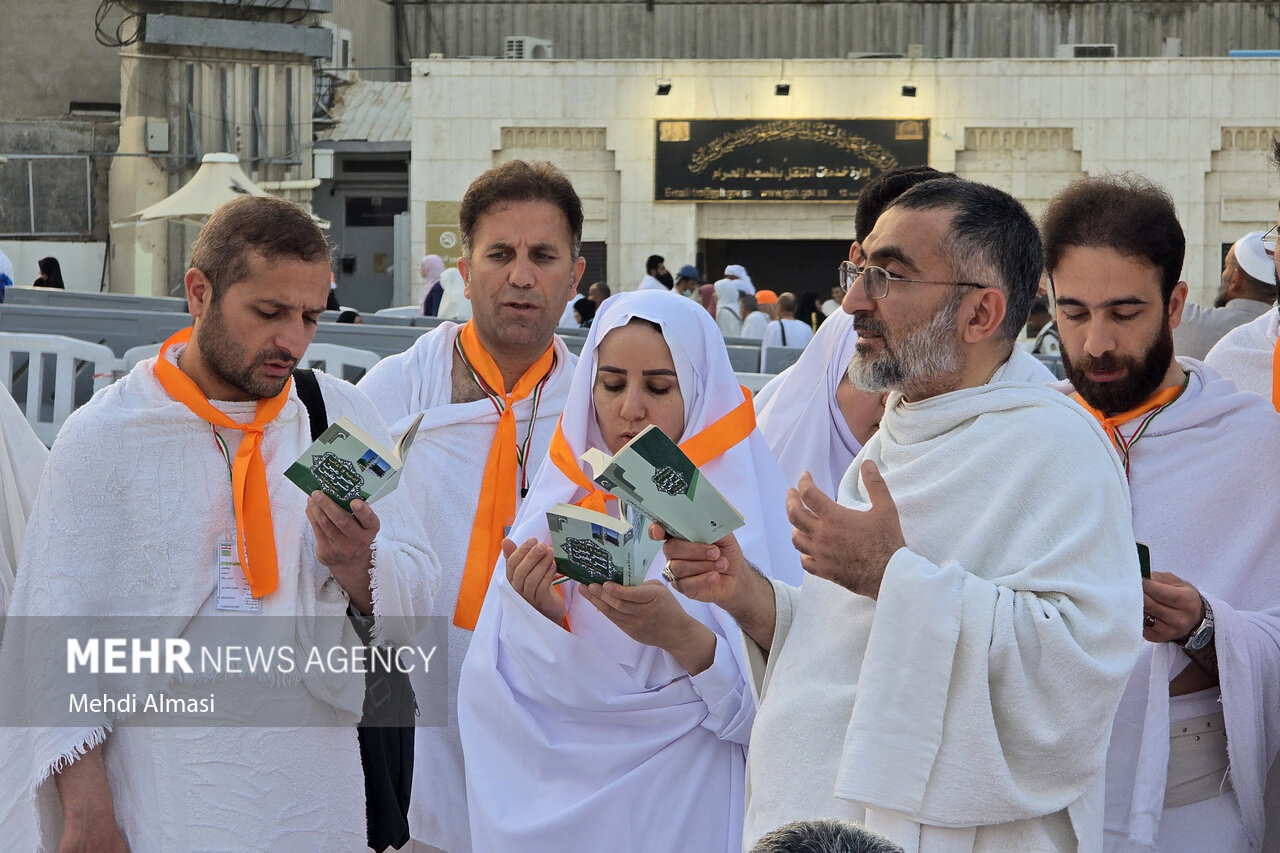
A Saudi Ministry of Hajj and Umrah representative confirmed the operational timeline on April 25, according to IFPNews. “The first operational Hajj group from Iran will enter Medina tomorrow. They will perform their rituals in complete security, peace, and comfort. We are waiting for the guests of God with the utmost enthusiasm and respect.”
Travel routes include a combination of land crossings via the Arar border and direct flights, the latter having resumed following the ceasefire extension. Asharq Al-Awsat and Gulf News reported that the air corridor reopened specifically for Hajj pilgrim transport.
The Middle East briefing 3,000+ readers start their day with.
One email. Every weekday morning. Free.
Who Authorized the Deployment — and Why It Matters
Iran’s Supreme National Security Council authorized the pilgrim dispatch, according to Islam Times. The SNSC is the same body that manages Iran’s war coordination, nuclear posture, and Hormuz transit policy. Its secretary, Ali Akbar Ahmadian, reports directly to Supreme Leader Khamenei — who has been absent from public view for over 58 days.
The decision to send 30,000 civilians into Saudi territory during active hostilities was not made by a religious ministry. It was made by the national security apparatus.
Iran’s formal Hajj quota under the OIC formula — one pilgrim per 1,000 population — would entitle it to approximately 86,500 places. The 30,000-pilgrim figure represents 34.7% of that entitlement, a deliberate under-utilization that keeps the deployment manageable while still achieving its operational effect.
Alireza Enayati, Iran’s Ambassador to Saudi Arabia, framed the arrivals in purely religious terms. “Our pilgrims are fully adhering to Saudi regulations” and “are being generously welcomed by Saudi Arabia, as are all pilgrims,” Enayati told Saudi Gazette on April 27. He expressed hope that “Iranians would perform the rituals with ease and return home safely.”
PressTV, Iran’s state English-language broadcaster, shared video of the first group’s arrival at Medina airport, treating the event as unambiguously positive national news. No Iranian official has acknowledged any strategic dimension to the deployment. The framing is entirely religious — “sacred duty,” “hospitality,” “bilateral agreement.”
The Custodian Constraint
King Fahd adopted the title Custodian of the Two Holy Mosques on October 27, 1986, replacing “His Majesty” to reinforce Islamic legitimacy against the Iranian revolutionary challenge and the trauma of the 1979 Grand Mosque seizure. The title commits its holder — now King Salman — to the safety, service, and facilitation of all Muslim pilgrims. There is no carve-out for belligerent nationals.
Saudi Arabia’s Ministry of Defense reinforced this obligation in its own language this month. “Air defense forces — an eye that never sleeps, its mission is the safety of Muslim pilgrims,” the MoD stated, according to Gulf News. The statement was issued as Iran’s pilgrim flow became operational.
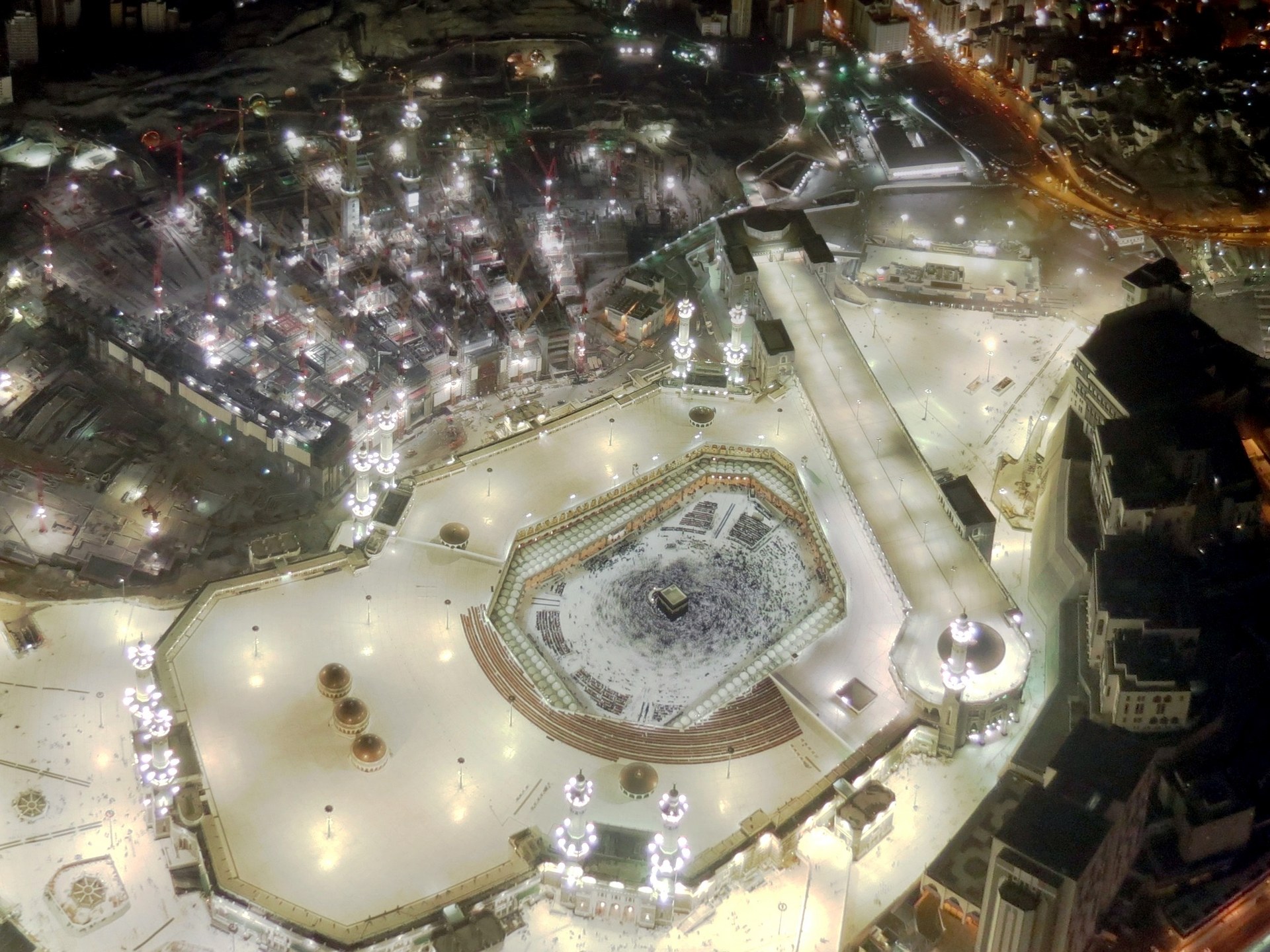
The Umrah cordon sealed on April 18. Makkah entry has been restricted since April 13 to permit holders only, with Umrah suspended through May 31. Iranian pilgrims entering this cordon carry Saudi-issued permits, placing them under the direct protection obligation that the Custodian title creates. Hajj rites run May 24-29, with Day of Arafah on approximately May 26 — meaning Iranian civilians will remain inside Saudi Arabia for nearly four weeks.
How Does 1987 Compare to 2026?
On July 31, 1987, Iranian pilgrims staged a political demonstration inside the Haram area in Makkah. The confrontation with Saudi National Guard forces left 402 dead — 275 Iranians, 85 Saudis, and 42 other nationals — with 649 wounded. Saudi Arabia severed diplomatic relations in April 1988 and cut Iran’s Hajj quota from 150,000 to 45,000. Iran boycotted Hajj from 1988 to 1991.
The 1987 crisis gave Saudi Arabia maximum freedom of action. With zero Iranian pilgrims inside the Kingdom during the three-year boycott, Riyadh faced no constituency risk from Iranian nationals when making security decisions. The diplomatic cost of the incident was absorbed through the severance itself.
The 2026 configuration inverts this. On February 28, when war began, Iran had zero pilgrims in Saudi Arabia — visa processing had been suspended, and Saudi Arabia’s military planners operated without the variable of Iranian civilian presence. Sixty days later, 30,000 Iranian nationals are entering Saudi territory under the Custodian’s protection — the same protection that makes cancellation or mistreatment a constitutional impossibility.
There is no modern precedent for wartime Hajj with belligerent nationals present. The 1987 incident occurred during peacetime between Saudi Arabia and Iran. The current situation — active hostilities, three US carrier strike groups in the region, and Iranian civilians arriving under bilateral agreement — has no parallel in the 99-year history of Saudi state management of the Hajj.
Parallel Escalation: Hormuz Seizures and Nuclear Withdrawal
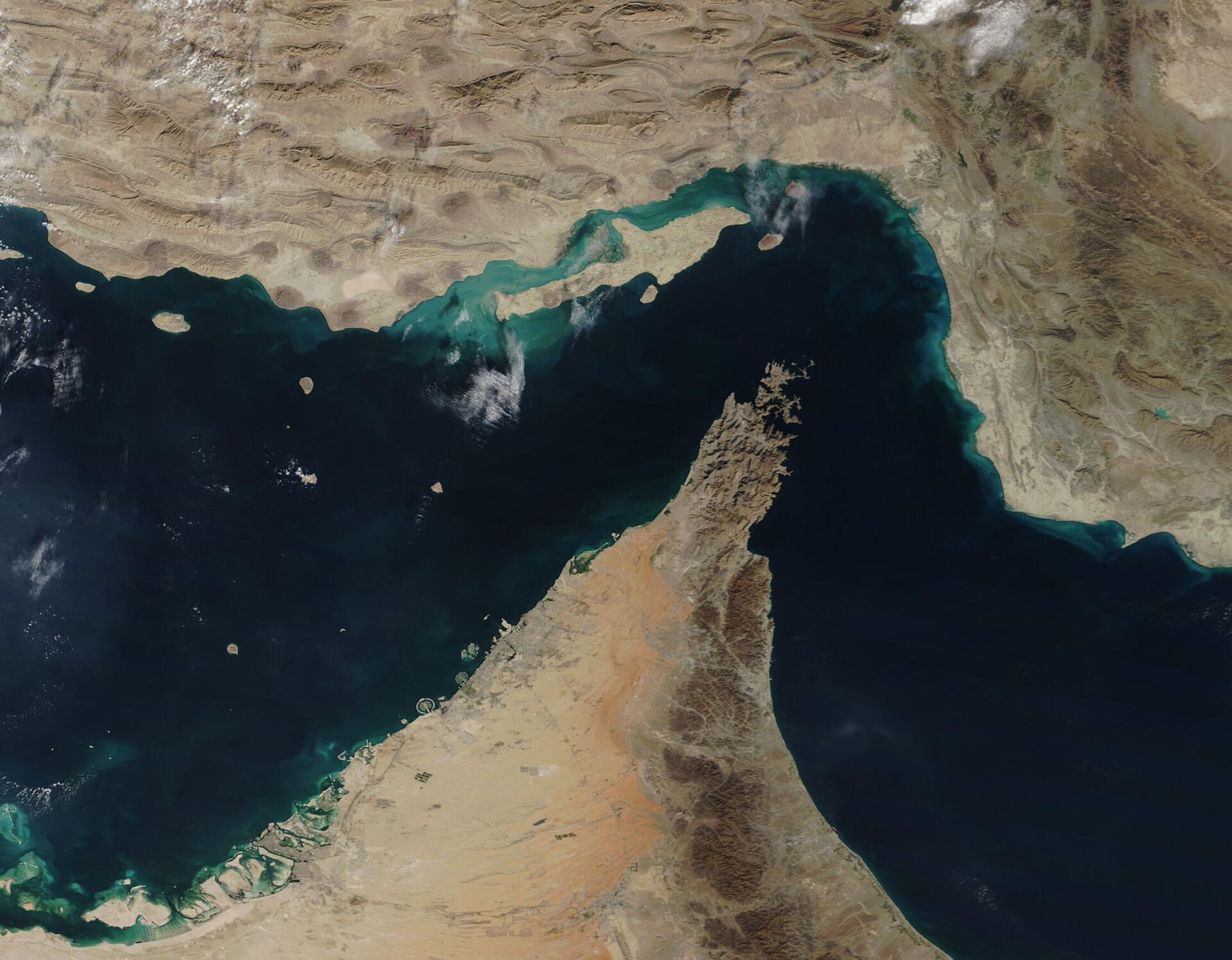
Iran’s pilgrim deployment does not exist in diplomatic isolation. On April 22 — the same day the ceasefire was extended — IRGC naval forces seized the MSC Francesca (11,660 TEU) and the Epaminondas (6,690 TEU) in the Strait of Hormuz. Iran is simultaneously placing civilians inside Saudi Arabia and seizing commercial vessels in the waterway that carries 20% of global oil transit.
On April 27, Tasnim News Agency reported that Iran had formally removed nuclear negotiations from the current diplomatic agenda. IRGC Quds Force commander Esmail Qa’ani reinforced the hardline posture the same day, telling PressTV that “unity and cohesion across the broader resistance front have become stronger and more solid than ever,” vowing continued support for Hezbollah.
The parallel tracks are structurally connected. The SNSC that authorized pilgrim departures is the same body overseeing Islamabad ceasefire negotiations, Hormuz policy, and the nuclear program. Pilgrim deployment, vessel seizures, and nuclear withdrawal are outputs of a single decision-making apparatus — not separate policy streams managed by competing bureaucracies.
“Our pilgrims are fully adhering to Saudi regulations. They are being generously welcomed by Saudi Arabia, as are all pilgrims.”Alireza Enayati, Iranian Ambassador to Saudi Arabia, April 27, 2026
What Does 14% Interceptor Stock Mean for Pilgrim Protection?
Saudi Arabia’s PAC-3 MSE interceptor stockpile stands at approximately 400 rounds — 14% of pre-war levels — according to Saudi MoD figures referenced in prior HOS reporting. A $9.0 billion tranche of 730 additional missiles was approved on January 30 but has not yet been delivered. Raytheon’s production timeline for PAC-3 MSE rounds runs 24-30 months from contract to delivery under standard conditions. On May 1–2, Secretary Rubio’s emergency Section 36(b) authorization provided $8.6 billion in arms to Israel, Qatar, Kuwait, and the UAE — Saudi Arabia’s PAC-3 resupply gap was not addressed despite its interceptor stockpile sitting at 14% of pre-war levels with Hajj 24 days away.
The MoD’s own language — “an eye that never sleeps” — was issued into this context. Saudi Arabia is publicly guaranteeing pilgrim safety with a missile defense architecture operating at less than one-sixth capacity. The 1.2-2 million pilgrims expected for Hajj 2026 include 221,000 Indonesians, 179,210 Pakistanis, 175,025 Indians, and 36,000 Bangladeshis already in-country, according to Wego Travel Blog and HOS situation tracking.
Any Iranian ballistic missile strike on the Haramayn — however unlikely during the ceasefire — would now risk killing Iranian pilgrims alongside those from 180 other countries. But the constraint runs the other direction as well. Any Saudi escalation that endangers pilgrims, including Iranian pilgrims under Custodian protection, would damage the legitimacy architecture that the title was designed to create in 1986.
| Metric | Figure | Source |
|---|---|---|
| Iranian pilgrims expected | ~30,000 | Gulf News / Khaleej Times |
| Iran’s full OIC quota | ~86,500 | IranIntl (Nov 2025) |
| Quota utilization | 34.7% | Calculated |
| Total Hajj 2026 pilgrims | 1.2-2 million | Wego / HOS tracking |
| PAC-3 MSE interceptors remaining | ~400 (14% pre-war) | Saudi MoD / HOS |
| Hotels secured (Medina) | 16 | Akbar Rezaei / Gulf News |
| Hotels secured (Makkah) | 24 | Akbar Rezaei / Gulf News |
| Day of war at first arrival | 59 (Apr 27) | Calculated |
| Duration of pilgrim presence | ~28 days (Apr 28 – May 26) | Iran Hajj Organization |
| First diplomatic contact since war | April 9 (Araghchi-Faisal call) | Multiple sources |
Timeline: April 9 Phone Call to April 28 Deployment
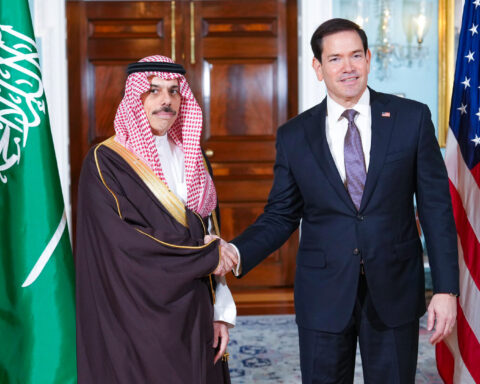
April 9 — Araghchi and Saudi FM Prince Faisal bin Farhan hold first official phone call since war began February 28. Hajj arrangement is a central agenda item. Both sides agree to facilitate Iranian pilgrim participation.
April 13 — Makkah entry restricted to permit holders. CENTCOM blockade of Iranian ports takes effect the same day. Saudi FM calls Araghchi on blockade day — behavioral evidence of a diplomatic channel operating parallel to military escalation.
April 18 — Umrah cordon seals. Hajj pilgrim arrivals from other nations accelerate. Rubio urges EU to reimpose Iran sanctions the same day.
April 22 — Ceasefire extended. IRGC seizes MSC Francesca and Epaminondas in Hormuz the same day.
April 25 — SNSC authorizes pilgrim dispatch, per Islam Times. Saudi Hajj Ministry confirms operational readiness. Iranian advance teams arrive in Medina.
April 27 — First cohort of approximately 260 Iranian pilgrims lands at Medina airport. PressTV broadcasts arrival footage. Enayati confirms pilgrims “adhering to Saudi regulations.”
April 28 — Full-scale departures from Iran begin. Iran’s Hajj and Pilgrimage Organization confirms this as the official start of the deployment.
Background: The Custodian Title and Iranian Pilgrims
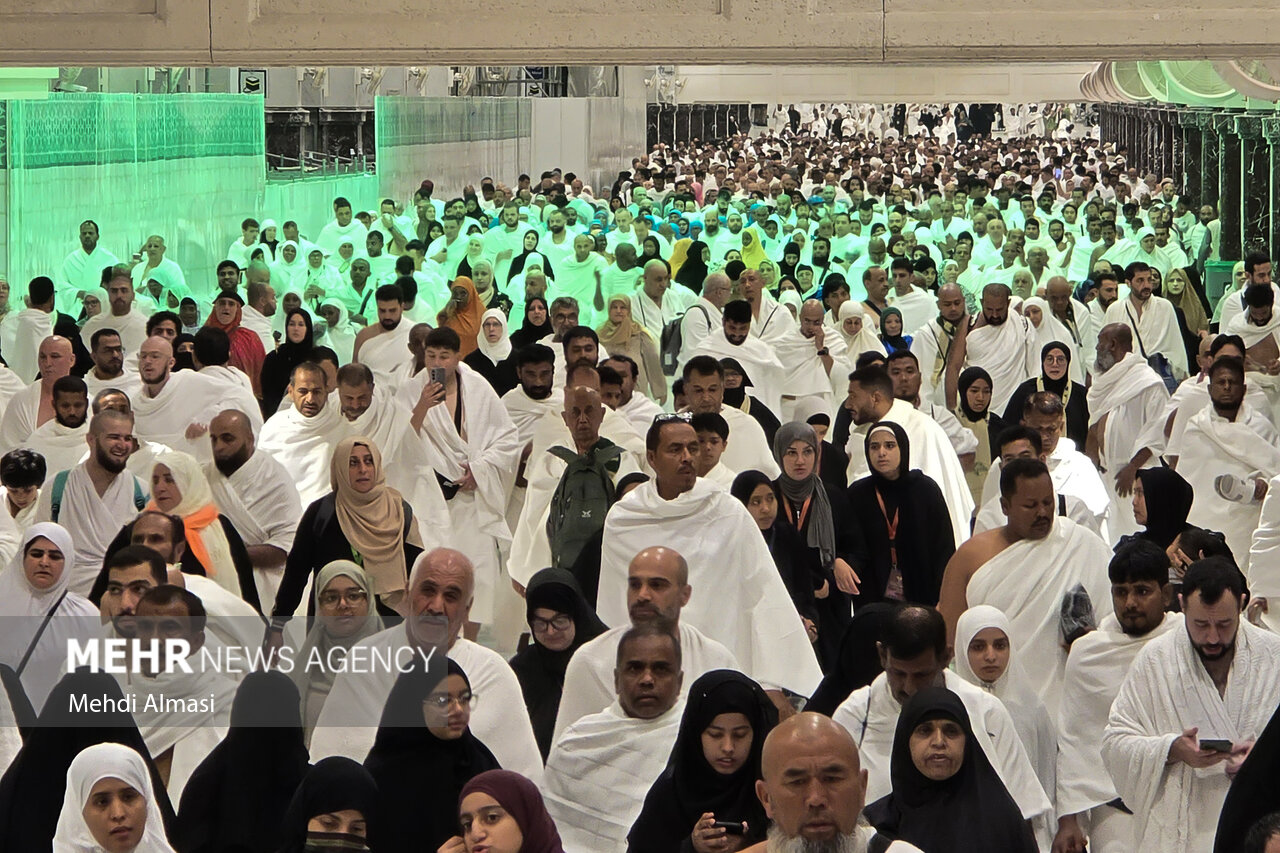
Since 1986, every Saudi king has governed under this title. It appears on official documents, diplomatic correspondence, and state media. The obligation it creates — universal protection of pilgrims regardless of nationality — has never been tested under conditions of active war between Saudi Arabia and a pilgrim-sending state.
Iran and Saudi Arabia restored diplomatic relations in 1991 following the three-year post-1987 rupture, and again in 2023 through the Beijing-brokered agreement after a seven-year break (2016-2023). In both previous cases, pilgrim access resumed after diplomatic normalization. The 2026 case reverses the sequence — pilgrim access is resuming during active hostilities, not after their resolution.
“The first operational Hajj group from Iran will enter Medina tomorrow. They will perform their rituals in complete security, peace, and comfort. We are waiting for the guests of God with the utmost enthusiasm and respect.”Saudi Ministry of Hajj and Umrah, April 25, 2026
Frequently Asked Questions
Have Iranian pilgrims attended Hajj during previous diplomatic crises?
Iran boycotted Hajj from 1988 to 1991 following the 1987 Mecca incident, and again from 2016 to 2017 after Saudi Arabia severed relations over the storming of its embassy in Tehran. In both cases, the boycott was Iran’s decision, not a Saudi ban. Saudi Arabia has never formally barred Iranian pilgrims on national grounds — doing so would contradict the Custodian title’s universalist obligation. The 2026 arrangement is the first time pilgrims have been dispatched during active military hostilities between the two countries.
Why did Iran send only 30,000 pilgrims instead of its full 86,500 quota?
No official explanation has been given. Logistical constraints — wartime flight restrictions, limited land-crossing capacity at Arar, and compressed preparation timelines following the April 9 agreement — likely account for part of the reduction. The 19-day window between diplomatic agreement and first arrivals left insufficient time to process visa applications, medical screenings, and hotel contracts for the full quota. The 34.7% utilization rate still places an operationally meaningful number of Iranian citizens inside Saudi territory.
What happens to Iranian pilgrims if the ceasefire collapses before Hajj ends?
No evacuation protocol has been publicly announced by either government. The Umrah cordon restricts movement into and out of Makkah, meaning pilgrims inside the cordon cannot easily be extracted. Saudi Arabia’s Custodian obligation would require continued protection regardless of military developments. Iran’s exposure-as-constraint grows proportionally with any escalation — the higher the military tension, the greater the cost to Saudi Arabia of any incident involving Iranian pilgrims.
How does the pilgrim deployment interact with the US naval blockade?
The CENTCOM blockade, effective April 13, applies to Iranian ports and vessels transiting Hormuz under Iranian toll arrangements. Pilgrim flights operate on a separate corridor — civilian aviation between Iran and Saudi Arabia reopened specifically for Hajj transport under the bilateral agreement. The blockade and the pilgrim flow coexist as parallel tracks: the US restricts Iranian maritime commerce while Saudi Arabia facilitates Iranian civilian entry by air and land.
Has any country objected to Iranian pilgrims attending Hajj 2026?
No public objection has been recorded from any OIC member state, Western government, or the US-led coalition conducting operations against Iran. The religious framing of Hajj participation makes public opposition politically untenable for any Muslim-majority government. Israel has not commented. The absence of objection is itself part of the mechanism — opposing Iranian pilgrim access would require opposing the principle of universal Muslim access to Makkah and Medina, a position no state has been willing to adopt.