
JEDDAH — Saudi Arabia’s moon-sighting committee confirmed the crescent of Dhul Hijjah on the evening of May 17, fixing the Day of Arafah on May 26 and Eid al-Adha on May 27. The same forty-eight-hour window in which the Hajj calendar moved from projection to constraint also produced a New York Times report, citing two unnamed Middle East officials, that the United States and Israel are preparing to renew hostilities with Iran “possibly as soon as next week.”
The two windows are the same window. 1.2 to 1.5 million pilgrims are either inside the Kingdom or on aircraft heading to it. Every operational decision involving Saudi-based US and Israeli air power runs through a date that, until Saturday evening, could still have shifted by a day.
Table of Contents
The Calendar Is Fixed
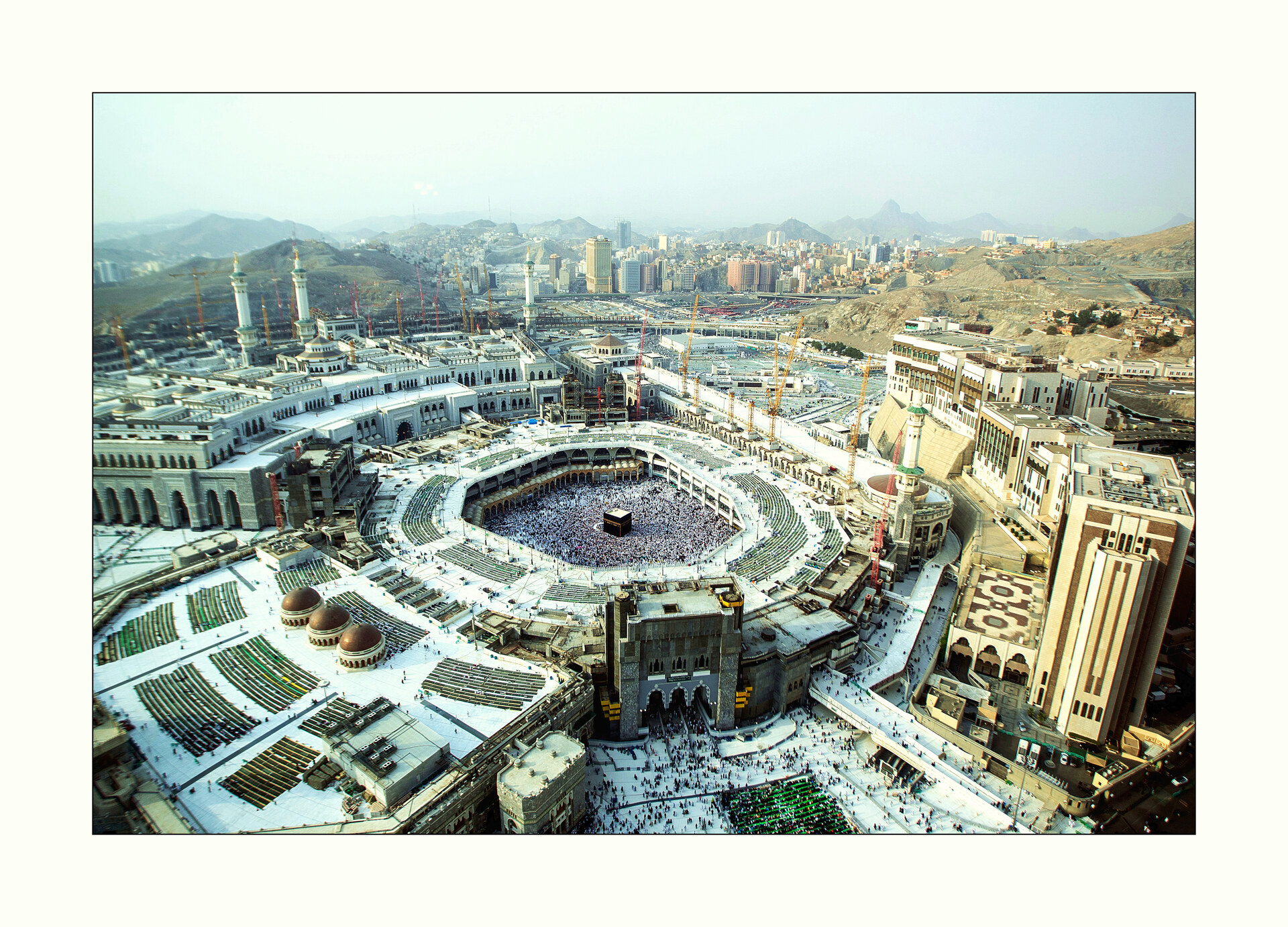
The Supreme Court of Saudi Arabia announced the Dhul Hijjah sighting on May 17, with confirmation echoed across the UAE and other Gulf states. Dhul Hijjah 1 falls on Monday, May 18. The Day of Arafah, the doctrinal apex of the pilgrimage, falls on May 26. The core rites — the standing at Arafat, the stoning at Mina, the tawaf al-ifadah — run May 25 through May 30.
Saudi Arabia’s General Authority of Civil Aviation set the pilgrim arrival window from April 18 through May 21. Pakistan’s 119,000 pilgrims are travelling on 468 flights running from May 4 to May 21, according to Hajj Reporters. Indonesia, with the largest national quota at 221,000, began arrivals on April 18 via Garuda Indonesia, with the last waves landing through late May. The overwhelming majority of the 1.2 to 1.5 million total are already on the ground.
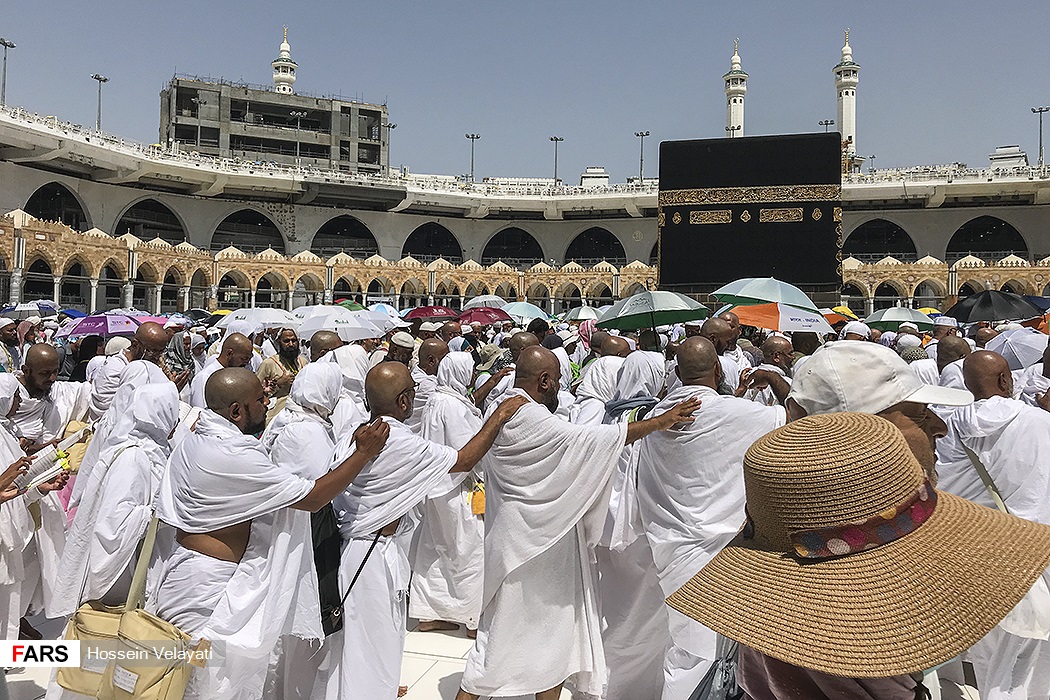
What changed on May 17 was not the volume of pilgrims. The volume was forecast weeks ago. What changed was that the dates stopped being conditional. Until the crescent was sighted, every plan held by US Central Command, by Israeli planners, and by the Royal Saudi Air Defense Forces carried a one-day uncertainty band. That band closed Saturday evening.
What “Next Week” Means in Riyadh
The New York Times report on May 15 quoted two Middle East officials describing preparations that have “greatly accelerated over the past few days.” Options on the table include more aggressive bombing of Iranian military targets and a raid to seize Tehran’s enriched uranium stockpile, believed to have been moved underground following the June 2025 strikes. One US official told the paper: “We’re preparing for days to weeks of fighting and waiting for Trump’s final decision. We’ll know more in 24 hours.” The NSC convenes May 19 to formalise those options into a decision — with the Day of Arafah seven days away and Aramco’s CEO already pricing the war at a 2027 recovery floor.
The Middle East briefing 3,000+ readers start their day with.
One email. Every weekday morning. Free.
Two days later, on May 17, the Times revealed that Israel had built a secret military base in the Iraqi desert in advance of its earlier Iran strikes — a logistics hub, special forces presence, and an airstrip on a dried-up lake basin. The base was used during Operation Rising Lion. US officials were aware and took no steps to restrict the construction.
President Trump on May 15 warned he would “have to finish the job of annihilating the regime” if no deal is reached. On May 6 he had told CNBC that Iran would be bombed “at a much higher level” absent agreement. On May 11 he called Iran’s ceasefire proposal “totally unacceptable.” The April 8 ceasefire, in his own May 10–11 description, sits on “massive life support.”
“Next week” in NYT terminology covers May 18 through May 24. The arrival window closes May 21. The Day of Arafah is May 26. The overlap is not a coincidence of dates — it is the operational window itself, layered over the doctrinal one.
Does MBS Pull the Plug Again?
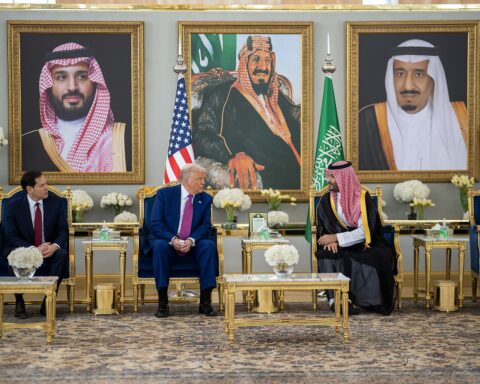
On May 4, Trump announced Operation Project Freedom on Truth Social — a US escort regime for merchant ships transiting Hormuz — without notifying Saudi Arabia or Kuwait in advance. NBC News, citing three US officials, reported MBS as “furious.” Within twenty-four hours, Saudi Arabia and Kuwait suspended basing and overflight access. Project Freedom halted in under thirty-six hours. The New York Times confirmed the cause: Riyadh judged the operation “not well thought-out and could result in escalation with Iran.”
Access was restored on May 7 after a second Trump-MBS call, the terms of which remain undisclosed. The episode is documented in detail in HOS reporting on the Saudi grounding of American air power and Operation Sledgehammer’s Saudi veto precedent. The relevant point for May 17 is that the veto exists, has been exercised once already this month, and can be exercised again.
The only US place in the Gulf is at the bottom of its waters.
Mojtaba Khamenei, written statement (Times of Israel)
The Custodian of the Two Holy Mosques title, formalised by King Fahd on October 27, 1986, makes MBS legally and theologically liable for whatever retaliatory fire reaches Mecca during Hajj — a structural trap explored at length in the Custodian wartime analysis. The title does not give him a veto over US or Israeli action. It gives him liability for the pilgrim casualty figures that follow.
Saudi air defense holds approximately 400 PAC-3 MSE interceptors — roughly 14 percent of pre-war stockpile, as detailed in the 1.8 million pilgrims and 400 missiles assessment. The Yanbu and Eastern Province batteries cannot simultaneously cover the Hejaz and the oil corridor at full density. The arithmetic dictates that any strike that triggers Iranian retaliation against Saudi territory during the arrival or rites windows draws from a finite, depleted magazine.
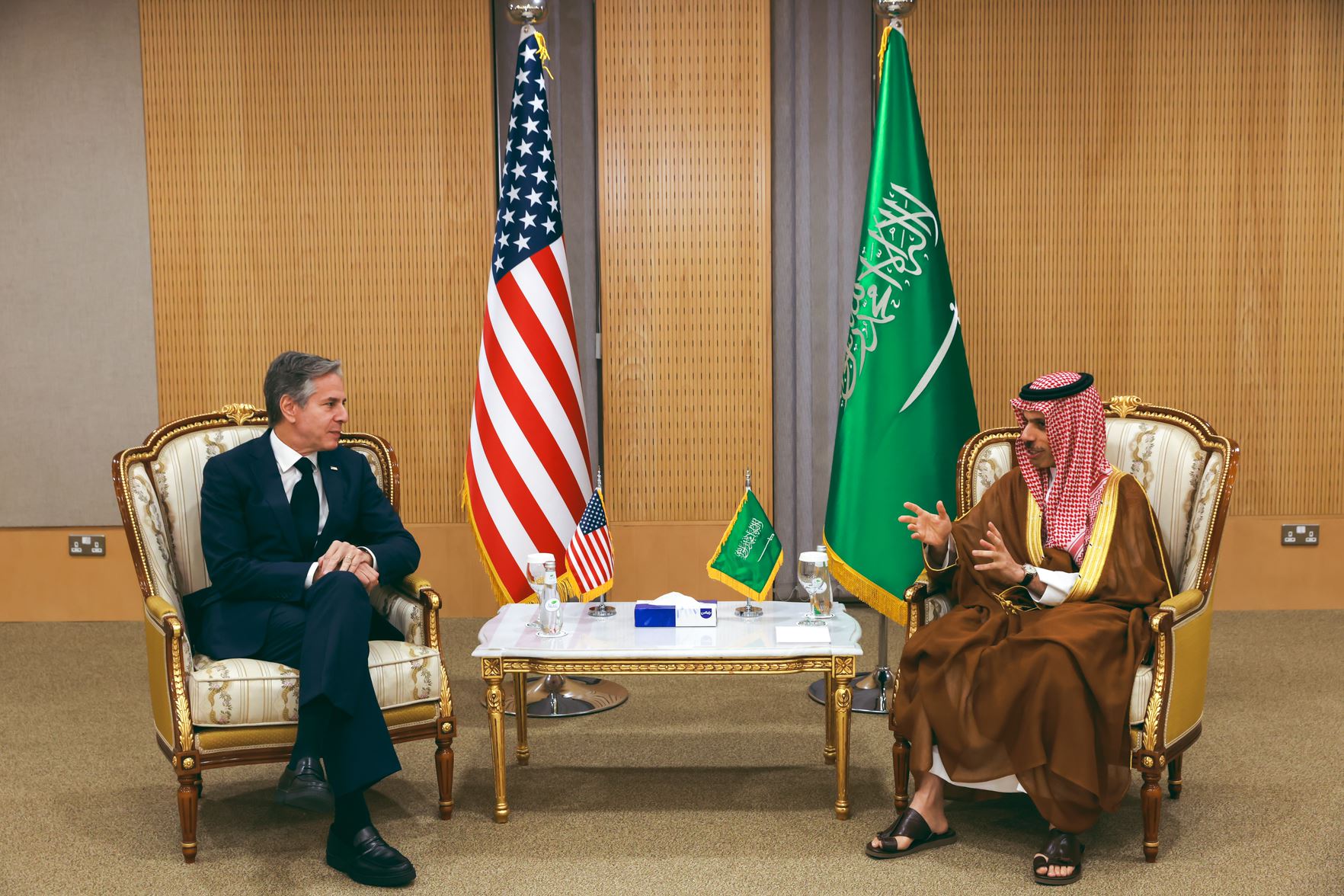
Saudi FM Prince Faisal bin Farhan spoke by phone today, May 17, with Qatar’s Prime Minister and Foreign Minister Mohammed bin Abdulrahman Al Thani. The Qatari readout, released through the Qatar Ministry of Foreign Affairs, described discussion of “efforts to de-escalation tensions in the region” and called on all parties to respond positively to mediation. Riyadh’s first publicly disclosed diplomatic act on the day the moon was sighted was a Doha-channel call.
Mojtaba’s Rejection and the Catalyst
Mojtaba Khamenei was named Iran’s supreme leader on March 9, 2026 following the Assembly of Experts election conducted March 3–8. He has not appeared publicly since the war began and communicates in writing only. Iran International, citing assembly members, reported that IRGC commanders applied “repeated contacts and psychological and political pressure” to secure his election — the same election his father had explicitly tried to foreclose in 2024 by stating Mojtaba should be excluded from succession consideration.
On May 16, Mojtaba rejected Trump’s nuclear proposal. He called the US demand to abandon enrichment “excessive and outrageous,” per Al Jazeera’s liveblog and confirmed by multiple outlets. The proposal had been delivered through Omani channels. The rejection was channelled in writing. There is no record of any phone exchange, video address, or public appearance from him in the period leading up to the announcement.
The five conditions Mojtaba issued on May 12, reported by Al Jazeera, must be met before entering nuclear file talks — that is, before substantive negotiations even begin. They reportedly include Hormuz sovereignty recognition and US withdrawal from the Gulf. Trump’s response on May 16, per search synthesis, made Hormuz reopening a “red line.” The two positions cannot both be true. The internal dynamics of Mojtaba’s elevation and the ceasefire’s collapse have been documented in prior HOS coverage.
An Adversary at Seventy Percent
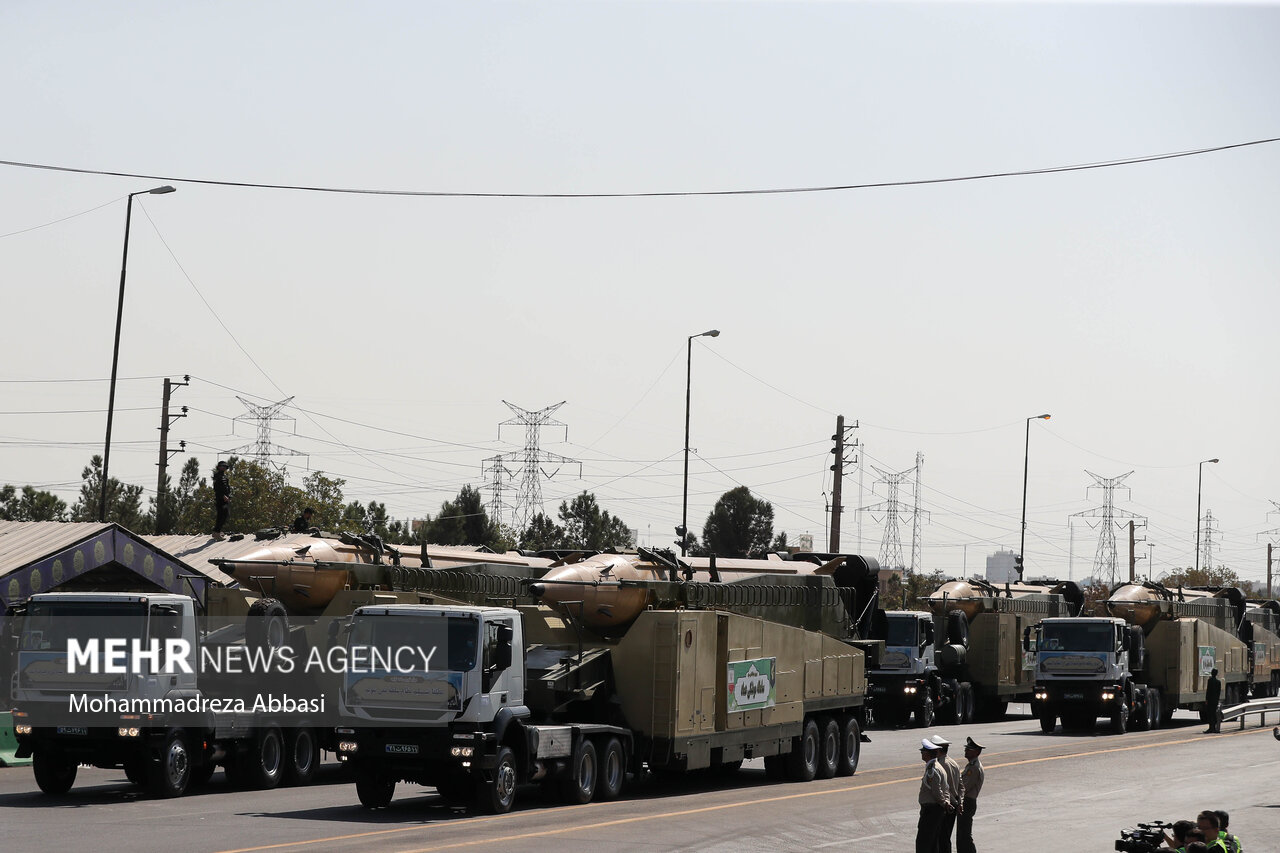
US intelligence circulated to the New York Times around May 13 assesses that 30 of 33 Iranian missile sites along Hormuz are operational. Iran has regained access to approximately 90 percent of its underground missile storage and launch facilities. The reconstituted stockpile sits at roughly 70 percent of pre-war levels. Only three sites remain fully inaccessible following Operation Epic Fury. Critical Threats and Euronews confirmed the assessment on May 13.
Iran’s operational ballistic inventory includes the Emad at 1,700 km range, the Fattah-1 hypersonic at 1,400 km, and the Sejjil at over 2,000 km. The straight-line distance from western Iran to Mecca is 1,200 to 1,500 km. Every system in the operational inventory can reach the Hejaz. The reconstitution math has been laid out in detail in prior reporting.
The 1987 deterrence logic is inverted. In 1987, Iranian pilgrims were present in Mecca when clashes killed 402. Saudi Arabia cut Iran’s Hajj quota by 87 percent. The boycott held three years. The presence of Iranian pilgrims constrained Iranian behaviour against Saudi territory because Iran had hostages of its own to worry about. In 2026, Iran has zero pilgrims at Hajj. There are no Iranian nationals in Mecca whose safety constrains Tehran’s targeting decisions. The asymmetry runs entirely against Riyadh.
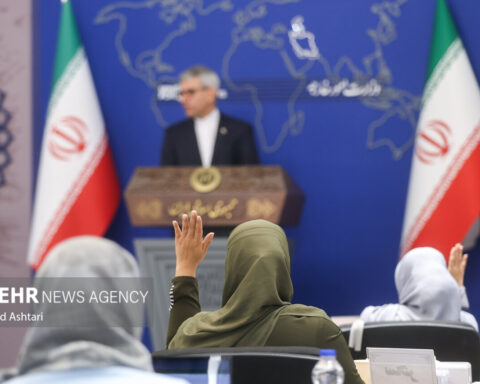
Mojtaba’s written statement that “the only US place in the Gulf is at the bottom of its waters” is one of two public communications from Iran’s new supreme leader. The other is the May 16 rejection. Iranian state media has cast US and Israeli strike preparations as proof of bad faith during negotiations, which is the language used when retaliatory authorisation is being seeded.
Raboah and the Southern Front
On May 11, Houthi forces captured a Saudi military base in Raboah, Asir Province, killing and wounding Saudi soldiers, per Middle East Monitor. The capture sits inside the Hajj approach window. It is the first ground-force seizure of a Saudi installation by the Houthis in this phase of the war. Asir is the province directly north of the Yemeni border.
King Salman’s seven royal decrees on May 15 reshuffled the Saudi Arabian National Guard, the Ministry of Finance, Commerce, Tourism, and the Saudi Data and AI Authority. The decrees are wartime command consolidation, issued two days before the moon sighting and four days after Raboah. The Q1 2026 fiscal deficit reached SAR 125.7 billion — roughly $33.5 billion — a record quarterly figure, with military spending up 26 percent year-on-year, according to FDD analysis published May 12.
Pakistan, the nominal April 8 ceasefire mediator, was described by Al Jazeera on May 12 as “scrambling” as the agreement unravels. The mediator architecture that produced the ceasefire is not the mediator architecture that exists today. Doha is now carrying weight that Islamabad was supposed to carry, which is what the Faisal-Al Thani call earlier today registered diplomatically.
Background
The April 8 ceasefire ended the kinetic phase of the spring 2026 war. Operation Epic Fury, the US-led strike campaign that preceded it, degraded Iranian missile infrastructure and produced the conditions for Tehran to accept a pause. Operation Rising Lion, the Israeli strike series, used the Iraqi desert base now disclosed by the New York Times. Iran spent the ceasefire reconstituting, as the intelligence assessment now confirms.
FAQ
Can the Hajj dates shift now that the moon has been sighted?
No. The Saudi Supreme Court announcement on May 17 is the doctrinal anchor. Once the crescent of Dhul Hijjah is confirmed and the kingdom announces it, the rites calendar is fixed for the global Muslim community that follows Saudi sighting. Some jurisdictions follow local sightings, but the operational Hajj timetable inside Saudi Arabia — including the Day of Arafah on May 26 — does not move.
What does GACA’s May 21 pilgrim arrival cutoff mean for foreign airlines?
After May 21, scheduled Hajj-visa arrivals end. The Saudi General Authority of Civil Aviation enforces the cutoff to ensure all pilgrims complete onward movement to Mecca and Mina before the rites begin May 25. Airlines such as Garuda Indonesia and Pakistan’s Hajj charter fleet front-load their flight schedules through that date.
How much warning would Saudi Arabia get before US-Israeli strikes?
The May 4 Project Freedom episode established that Trump’s Truth Social posting can be the first notification Riyadh receives. NBC News reported MBS was not consulted before that announcement. Saudi response time on basing-veto activation that week was under twenty-four hours.
What is the closest Iranian missile site to Mecca?
US intelligence places 30 of 33 operational Iranian sites along the Hormuz corridor, in Hormozgan, Bushehr, and Khuzestan provinces. The shortest straight-line distance to Mecca from these positions is approximately 1,200 km — within the Fattah-1 hypersonic’s 1,400 km range and well inside the Sejjil’s 2,000-plus km envelope.
Has Mojtaba Khamenei made any public appearance since becoming supreme leader?
No. Since his March 9, 2026 elevation, Mojtaba has communicated only in writing. His May 16 rejection of the Trump nuclear proposal, his May 12 five conditions, and his earlier statement on US naval presence in the Gulf were all delivered as written communications. There is no audio, video, or photographic record of him in office.