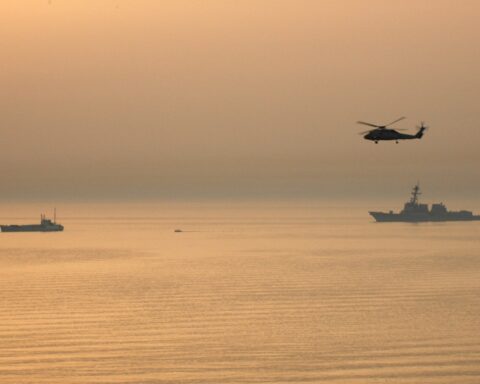
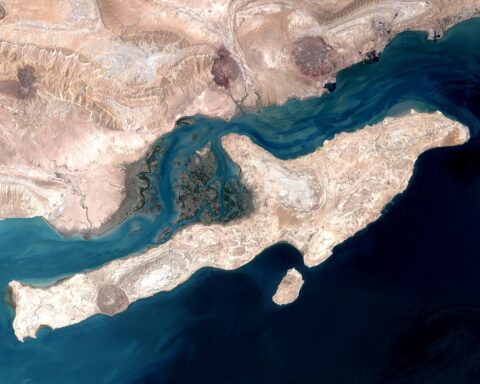
DHAHRAN — A Saudi Aramco helicopter crashed at Ras Tanura at approximately 06:00 local time (03:00 GMT) on Saturday, June 28, killing all 14 people on board, the Saudi Ministry of Energy confirmed. All victims were Saudi nationals.
The crash occurred at the world’s largest crude oil export terminal — a facility that had resumed loading tankers just three days earlier after a nearly four-month halt — and approximately three hours after the Islamic Revolutionary Guard Corps struck US military installations in Kuwait and Bahrain. No group or actor has claimed responsibility. Saudi Arabia has launched an investigation but has not disclosed the helicopter’s mission, its flight path, or any preliminary assessment of cause.
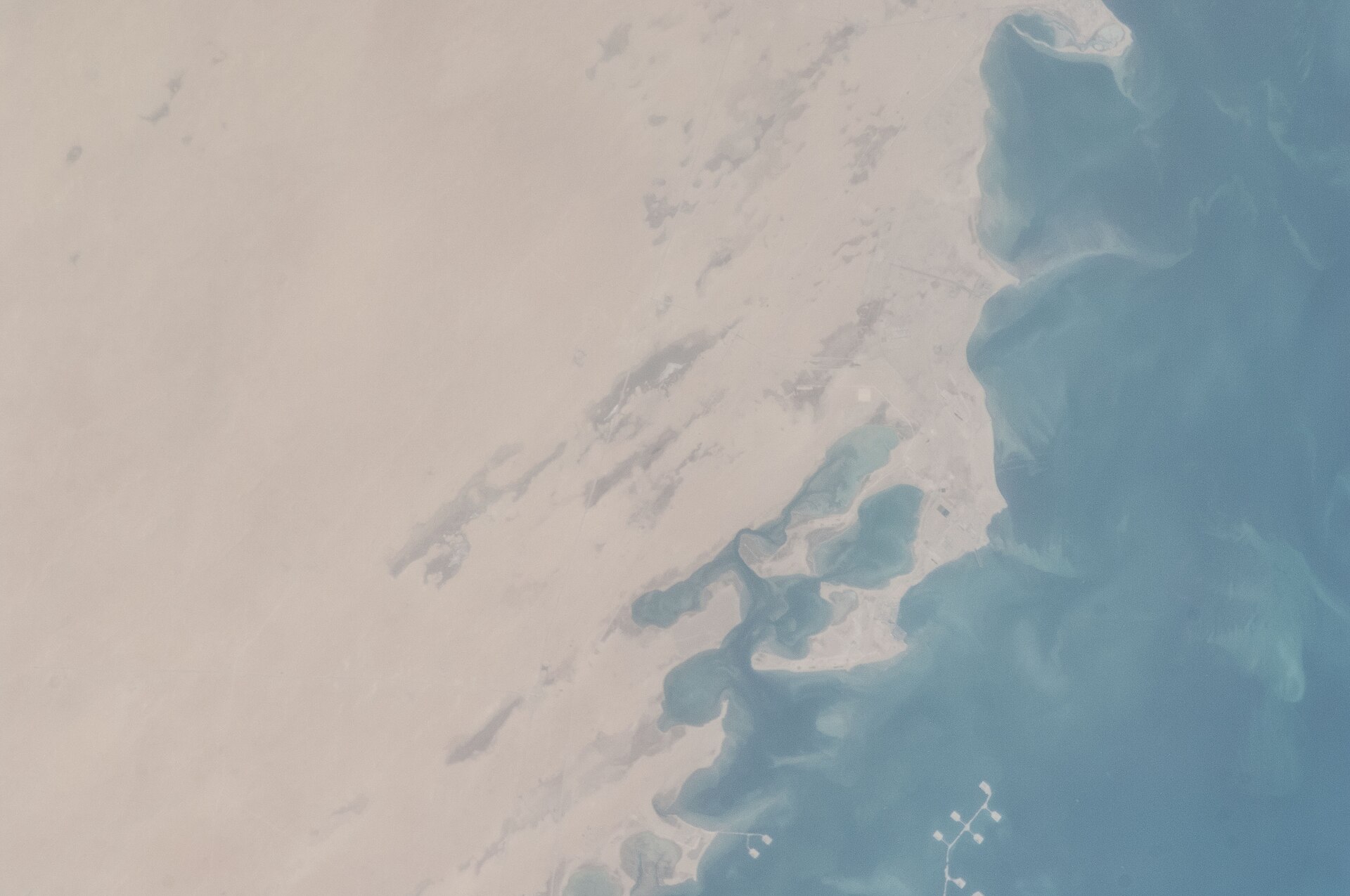
Table of Contents
What Happened at Ras Tanura
The Ministry of Energy issued a statement confirming the crash and extending “deepest condolences and sincere sympathy to the families of the victims,” asking the Almighty “to grant them mercy and forgiveness, and to accept them among the martyrs.”
Investigators will examine “all possible factors, including the aircraft’s technical condition, weather conditions and flight operations,” the ministry stated. No timeline for findings was announced.
The helicopter is reported by Al Jazeera and Asharq Al-Awsat to be a Leonardo AW139, a medium twin-engine aircraft with a 14-passenger capacity widely used in offshore oil and gas operations. Neither Saudi Aramco nor the Ministry of Energy has confirmed the aircraft type.
Ras Tanura Airport serves exclusively as an Aramco facility, handling predominantly helicopter operations that shuttle crew to and from offshore platforms, conduct aerial inspections of pipeline and terminal infrastructure, and provide medical evacuation services. The specific mission of the crashed aircraft has not been disclosed.
The Middle East briefing 3,000+ readers start their day with.
One email. Every weekday morning. Free.
Three Hours After the Strikes
The crash at 06:00 local time followed by approximately three hours the IRGC’s second consecutive day of strikes against US military facilities in the Gulf. Between 02:00 and 03:00 local time on June 28, the IRGC struck Ali Al Salem Air Base in Kuwait and the US Naval Support Activity in Juffair, Bahrain — the headquarters of the US Fifth Fleet.
The IRGC confirmed the strikes and cited Article 1 of the Iran-US Memorandum of Understanding to justify them. CENTCOM reported no damage or casualties.
Saudi Arabia was not among the IRGC’s announced targets on June 28, nor on June 27, when the IRGC struck four US bases across Kuwait, Bahrain, Qatar, and the UAE. Throughout the June escalation, the IRGC has explicitly excluded Saudi territory from its declared target set.
No Iranian state media outlet — PressTV, IRNA, or Tasnim — has been identified as having published reporting or commentary on the Ras Tanura helicopter crash. Iranian state media covered every other Saudi energy infrastructure event during the conflict, including Aramco’s loading resumption and Hormuz transit developments.
The temporal proximity does not establish a causal link. Helicopter accidents in offshore oil and gas operations, while rare, occur. The crash site, the timing, and the absence of any public explanation from either side are the available facts.
A Terminal That Just Resumed Loading
Ras Tanura is the chokepoint through which approximately 90% of Saudi Arabia’s total hydrocarbon exports pass under normal operations. The facility had been effectively shut for exports since early March, when an Iranian Shahed-136 drone struck the adjacent refinery on March 2. That 550,000-barrel-per-day refinery went offline for 11 days.
Aramco resumed crude loadings at Ras Tanura between June 25 and 27, the first since approximately March 8, when the last Saudi cargo — bound for China, according to LSEG data — departed. Two Bahri VLCCs, each carrying approximately two million barrels, were loading at the terminal on June 26, two days before the crash.
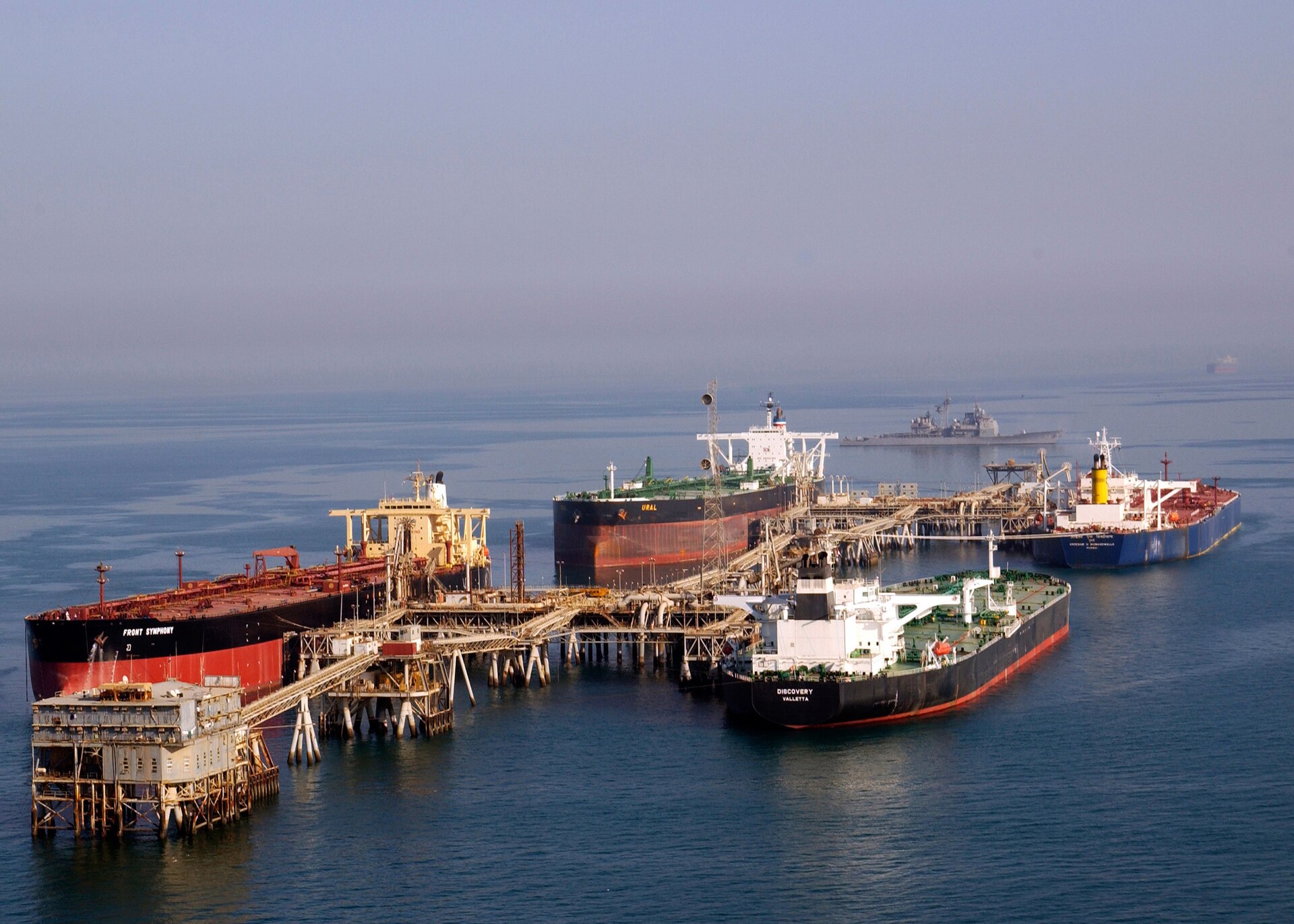
The resumption came 10 days after three Bahri supertankers — the Shaden, Jaham, and Awtad — transited the Strait of Hormuz on June 18 carrying roughly six million barrels of Saudi crude, the first such passage since February 28. Those tankers crossed the strait under the MOU’s “best efforts” clause on freedom of navigation — a clause that names no enforcer and defines no protected routes.
Whether Ras Tanura loading operations have continued, paused, or been suspended since the crash has not been announced by Aramco, the Ministry of Energy, or any Saudi government body.
What Has Saudi Arabia Said?
The Ministry of Energy confirmed the crash, offered condolences, and announced the investigation. Saudi Aramco — the operator of Ras Tanura and, through its subsidiary Aloula Aviation, the operator of the helicopter fleet — did not issue a public statement. Bloomberg reported that Aramco “did not respond immediately to an emailed request for comment.”
The Saudi Ministry of Foreign Affairs has issued no statement on the crash.
Foreign Minister Prince Faisal bin Farhan’s first confirmed public engagement on June 28 was not a statement on the crash or on the IRGC strikes that preceded it by hours. It was a condolence call — received, not initiated. Pakistani Deputy Prime Minister and Foreign Minister Ishaq Dar called Faisal to convey condolences “over the tragic incident, which resulted in the loss of 14 precious lives,” according to Radio Pakistan.
Faisal “deeply appreciated the brotherly gesture.” The two ministers held “an in-depth discussion on recent developments in the region” and expressed “deep concern over the evolving situation.”
The readout came from Islamabad. No corresponding Saudi statement has been identified.
Saudi Arabia condemned the IRGC’s June 27 strikes on Bahrain — its closest GCC ally — but offered no defense commitment. Riyadh’s public response to the June 28 strikes on Kuwait and Bahrain, which occurred hours before the helicopter crash, has not been identified as of Saturday afternoon.
The Abqaiq Template
Saudi Arabia has a documented communication pattern for incidents at critical energy infrastructure, refined across two decades and at least three major events.
On February 24, 2006, two al-Qaeda suicide bombers drove explosive-laden vehicles toward the Abqaiq oil processing facility, the world’s largest crude stabilization plant. Two attackers and two security guards were killed at the outer perimeter. The Center for Strategic and International Studies later assessed that a successful penetration of the inner facility could have reduced Saudi production from 6.8 million barrels per day to 1 million.
The sequence that followed — Ministry of Energy confirms the incident, Aramco issues no public comment, MOFA maintains silence, investigation results emerge slowly or not at all — repeated after the September 14, 2019 Abqaiq-Khurais attack. Houthi or Iranian drone and cruise missile strikes that day temporarily knocked out approximately 5.7 million barrels per day of Saudi production, roughly 5% of global supply. Saudi Arabia spent several days stating “investigation underway” before attributing responsibility.
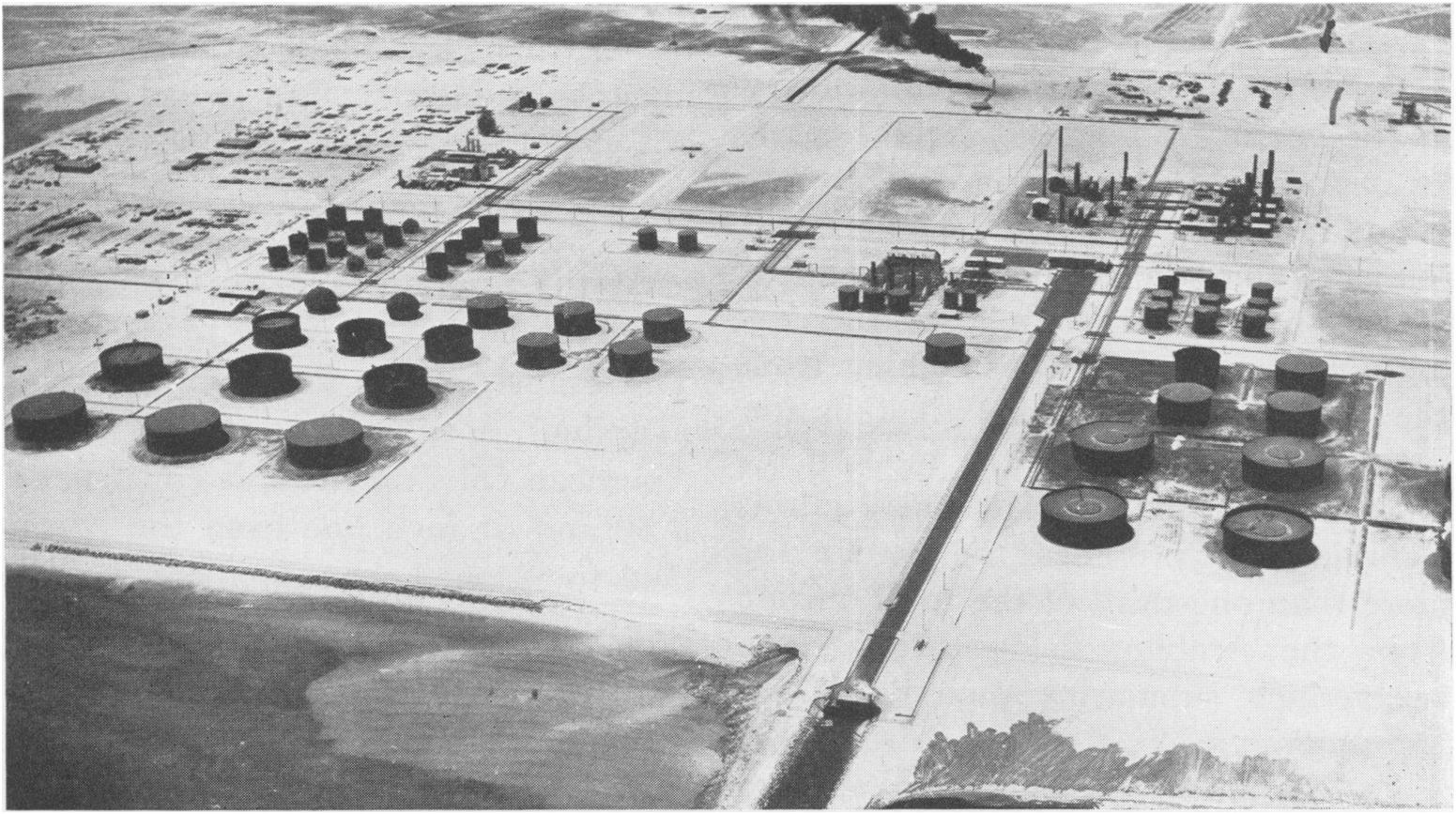
The March 2, 2026 Ras Tanura refinery drone strike — the same terminal, three months and 26 days before the helicopter crash — followed the identical communicative sequence. Ministry confirmed. Aramco did not comment publicly.
The June 28 helicopter crash has, through Saturday afternoon, followed the same architecture. Ministry confirms. Aramco silent. MOFA silent. Investigation announced without timeline.
What Is Known About the Aircraft?
The AW139, if confirmed as the aircraft type, is a medium twin-engine helicopter manufactured by Leonardo (formerly AgustaWestland) at its facility in Vergiate, Italy. It entered service in 2003 and is among the most widely operated helicopters in the offshore energy sector, with more than 1,100 delivered worldwide. The type seats up to 15 passengers in its maximum utility configuration; offshore crew-transport variants are typically configured for 14.
The AW139 is used extensively across the world’s major offshore energy basins — the North Sea, the Gulf of Mexico, Brazil’s pre-salt fields, and the Persian Gulf. It has accumulated millions of flight hours in offshore crew transport.
Aloula Aviation, which separated from Saudi Aramco as an independent entity in 2023, operates a fleet of more than 60 aircraft serving Aramco’s operations. The company provides crew transport to offshore platforms, aerial infrastructure inspection, and medical evacuation services across Aramco’s operational footprint, including offshore fields in the Persian Gulf accessible from Ras Tanura.
International standards for helicopter accident investigation, governed by ICAO Annex 13, typically involve the state of the operator, the state of manufacture, and — where applicable — the state of design. Leonardo, as manufacturer of the reported aircraft type, would ordinarily participate in such an investigation. No Italian government or Leonardo statement on the crash has been identified.
Background
The helicopter crash occurred on Day 11 of the 60-day Phase 2 window established by the Iran-US Memorandum of Understanding signed June 17 in Switzerland. The MOU created a framework for nuclear negotiations while establishing a $1-per-barrel transit fee through the Strait of Hormuz, administered by the IRGC-linked Persian Gulf Security Authority.
In the 11 days since the MOU was signed, the IRGC has struck US military facilities in Qatar, Kuwait, Bahrain, and the UAE — citing the MOU itself as justification. The US has struck Iranian mine-laying operations in the Gulf. A Doha deconfliction cell established to prevent escalation was not used before any of the strikes.
Brent crude closed Friday at $71.99 per barrel, down 4.34%. WTI fell to $69.23 — its first close below $70 since February 27. Saudi Arabia’s fiscal breakeven sits between $108 and $111 per barrel, a gap of approximately $36 to $39 per barrel, or roughly $160 to $175 million per day in foregone revenue.
War-risk insurance premiums for Gulf transits remain at 2% to 3% of hull value, compared with 0.1% before the conflict began, according to Lloyd’s and Chatham House assessments. The Joint Maritime Information Centre maintains its threat assessment for the Persian Gulf at “Substantial,” downgraded from “Severe” on June 17.
President Trump, in a Truth Social post on June 28, threatened that Iran “will no longer exist” if the United States is “forced to militarily complete the job” — the first state-elimination language from a US president directed at Iran during the current conflict. The IRGC responded by announcing a “complete halt to all diplomatic processes.”
Frequently Asked Questions
Has Ras Tanura been attacked before?
Yes. Most recently, on March 2, 2026, an Iranian Shahed-136 drone struck the Ras Tanura refinery, causing a fire and forcing an 11-day shutdown of the 550,000-barrel-per-day facility. In 2021, the Houthis launched a drone at Ras Tanura port; Saudi Arabia intercepted it. The 2006 Abqaiq attack targeted a different facility approximately 320 kilometers southwest of Ras Tanura but within the same Aramco Eastern Province infrastructure network.
How common are helicopter accidents in offshore oil and gas operations?
Fatal helicopter accidents in the offshore energy sector occur but are statistically rare. The global oil and gas aviation industry has improved its safety record through adoption of health and usage monitoring systems, flight data monitoring, and enhanced crew training protocols. The North Sea sector, which uses helicopters similar in type and mission to those in the Persian Gulf, has experienced several fatal crashes over the past two decades — including two Super Puma accidents off Norway in 2016 and Scotland in 2009, each of which resulted in fleet-wide groundings and regulatory reviews.
What would happen to Saudi oil exports if Ras Tanura shut down?
Ras Tanura handles approximately 90% of Saudi hydrocarbon exports under normal conditions. A sustained closure would force Aramco to reroute crude through the Yanbu terminal on the Red Sea coast via the East-West Pipeline, which operates at a capacity of roughly 7.0 million barrels per day — insufficient for the kingdom’s full export requirements. During the 2019 Abqaiq-Khurais shutdown, Saudi Arabia drew down strategic reserves and rerouted volumes through Yanbu. A prolonged Ras Tanura closure during the current conflict would compound the fiscal pressure from the $36-to-$39-per-barrel gap between Brent and Saudi breakeven.
Why has Aramco not commented?
Aramco’s silence is consistent with its communication practice after previous infrastructure incidents. Following the September 2019 Abqaiq-Khurais attacks, Aramco’s public response was managed through the Ministry of Energy and the Saudi government rather than through corporate channels. The March 2026 Ras Tanura drone strike followed the same pattern. As a publicly listed company with minority shareholders trading on the Tadawul, Aramco’s disclosure obligations for material events are governed by Saudi Capital Market Authority regulations, but its majority shareholder — the Public Investment Fund, and by extension the Saudi state — has historically directed the communicative response to security-related incidents.
Has Iran commented on the crash?
No Iranian statement — from the government, the IRGC, or state media — has been identified as commenting on or claiming the helicopter crash as of Saturday afternoon. PressTV, IRNA, and Tasnim, which covered every other major Saudi energy development during the conflict in real time, have not published reporting on the Ras Tanura incident. The IRGC confirmed its June 28 strikes on Ali Al Salem Air Base in Kuwait and the Fifth Fleet headquarters in Juffair, Bahrain, but made no mention of Saudi Arabia or Ras Tanura.