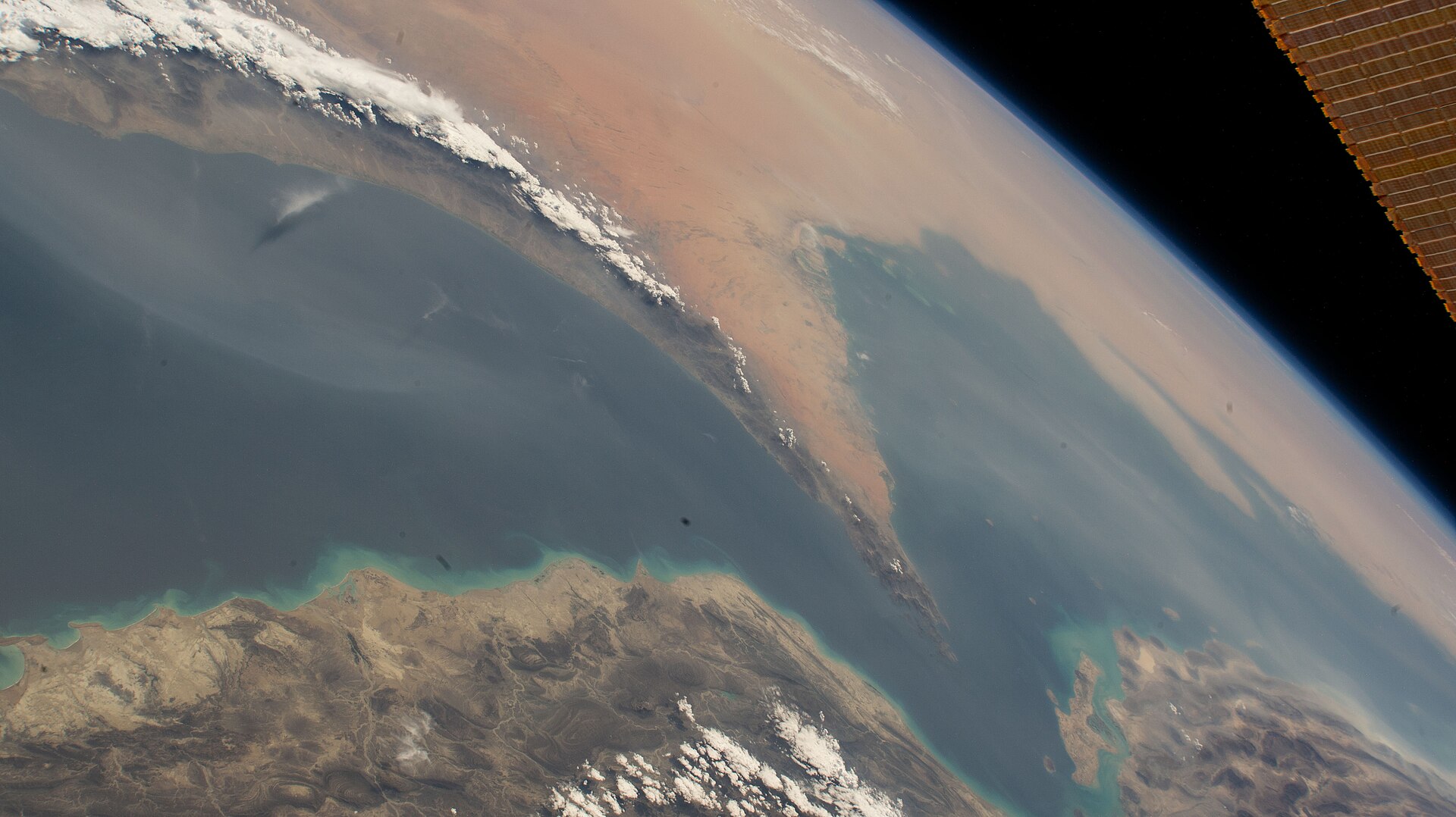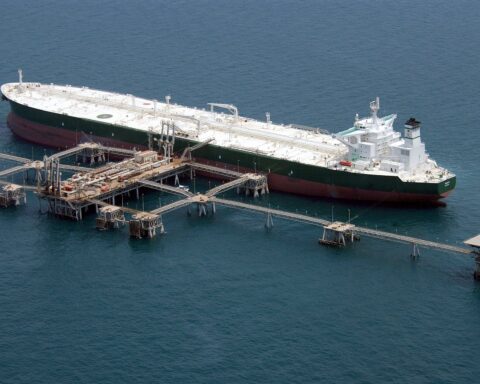

DHAHRAN — Iraq’s Oil Ministry threatened on June 25 to withdraw from OPEC if its quota demands are not met — a warning issued on the same day an IRGC drone struck a Singapore-flagged cargo vessel exiting the Strait of Hormuz and the IMO paused its vessel evacuation corridor. The timing was coincidental; the structural collision is not.
Saudi Arabia has enforced OPEC discipline for decades with one weapon: the credible ability to flood the market, crash prices, and punish defectors into submission. It deployed this weapon against US shale in 2014, letting Brent fall from $114 to $27, and against Russia in March 2020, announcing a production ramp from 9.7 to 12.3 million barrels per day. Both campaigns worked because Riyadh could deliver the barrels — through an open Hormuz, at a price it could temporarily absorb, from fields with spare capacity to ramp.
None of those conditions exist in June 2026. The East-West Pipeline to Yanbu is running at its 7.0 million bpd maximum, Brent closed June 25 at $73.74 — more than six dollars below the IMF’s $80–91 breakeven estimate — and the kingdom holds roughly 2.5 million bpd of spare capacity on paper that cannot reach any port while the strait remains mined and interdicted. Iraq’s threat to leave landed in the one configuration of constraints where the enforcer has nothing left to enforce with.
Table of Contents
- What Did Iraq Actually Threaten?
- The UAE Wrote the Exit Manual
- Why Can’t Saudi Arabia Punish Defection This Time?
- The IRGC Strike That Froze the Corridor
- How Much Revenue Has Iraq Already Lost?
- The Numbers Behind the Collapse
- What Happens to Oil Prices If Iraq Leaves OPEC?
- The Cartel After Two Departures
- The July Convergence
- Frequently Asked Questions
What Did Iraq Actually Threaten?
Iraq’s Oil Ministry told Bloomberg on June 25 that “a decision will have to be made regarding whether to remain in or withdraw” from OPEC if the organization does not increase Baghdad’s production quota. Iraq currently holds a July allocation of 4.378 million bpd — a volume Baghdad says is insufficient to fund a country where oil revenues account for 90 percent of government income — and is pushing for approximately 5 million bpd in the near term, with a longer-term ambition to reach 7 million bpd as post-war reconstruction accelerates.
The ministry then partially walked the statement back. A subsequent clarification, reported by Bernama, said the language “did not reflect the Iraqi government’s official position,” while reaffirming that Baghdad “continues to stress the importance of reviewing oil production quotas.” This is textbook negotiating architecture: make the statement loud enough to move Brent, retract just enough to avoid a diplomatic rupture with Riyadh, and leave the exit option sitting visibly on the table for the next meeting cycle.
The pattern is familiar because the UAE followed the same script before it actually left. Abu Dhabi had threatened to leave OPEC before — most prominently in 2021, when it briefly blocked a production deal over quota allocation — and the Atlantic Council later described the eventual May 2026 departure as “a long time coming.” Iraq is now at approximately the stage where the UAE was twelve to eighteen months before it formally filed under Article 8: publicly frustrated, officially non-committal, and operationally ramping an alternative export route as its Mediterranean bypass.
The Middle East briefing 3,000+ readers start their day with.
One email. Every weekday morning. Free.
Markets reacted to the threat, not the retraction. WTI briefly dipped below $69 on June 24–25, and Bloomberg framed the episode as “Iraq Shows Frustration With OPEC in Push to Pump More Oil,” while TradingKey called it a “tactical retreat” that increased the “risk of collapse.” The competing coverage differed on intent but agreed on one thing: the threat was credible because the UAE had already demonstrated that OPEC exits are procedurally simple and practically unpunished.
“A decision will have to be made regarding whether to remain in or withdraw.”
— Iraq Oil Ministry, June 25, 2026
The UAE Wrote the Exit Manual
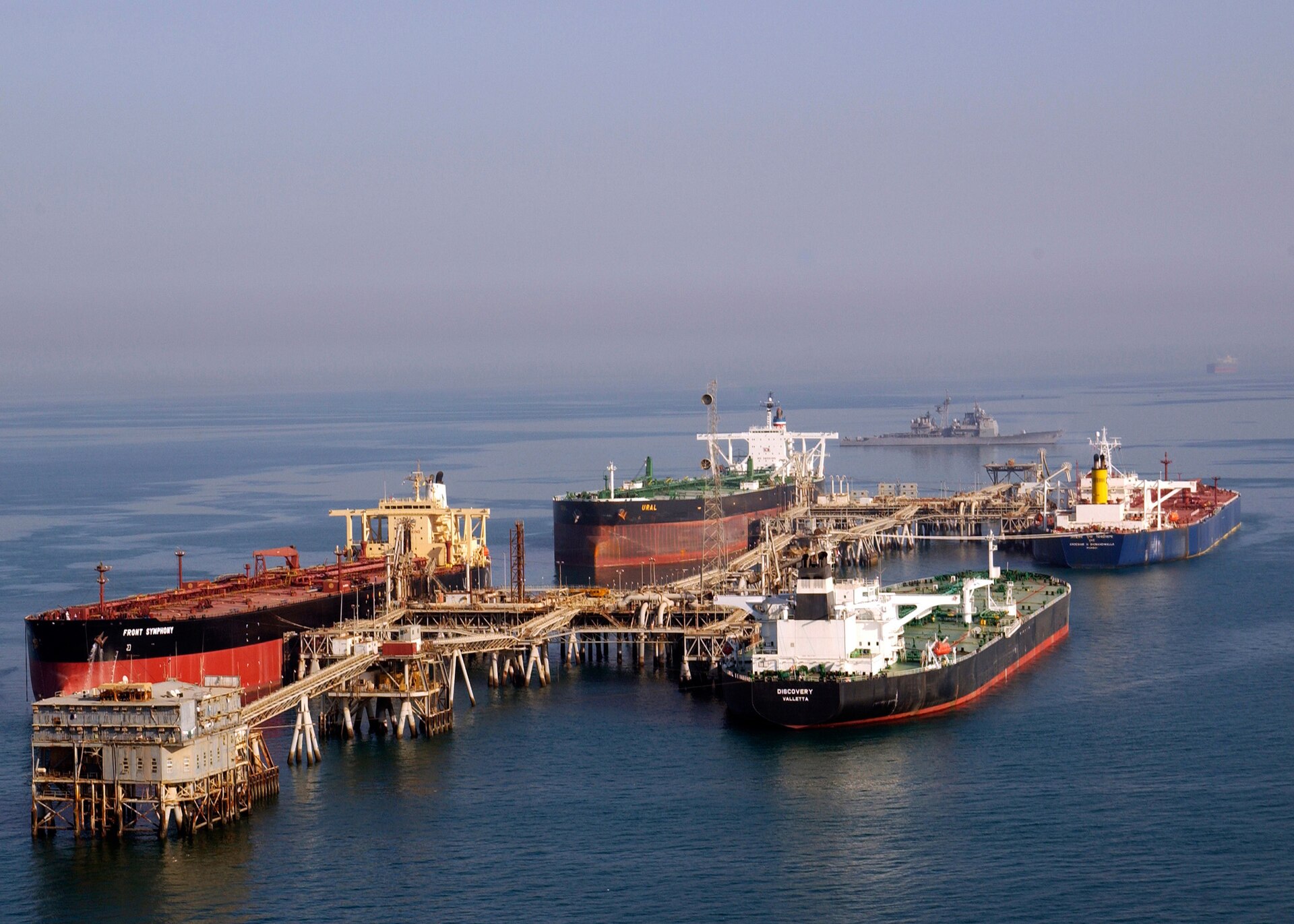
The UAE formally exited OPEC on May 1, 2026, after 59 years of membership, citing a structural mismatch between its 4.8 million bpd production capacity and its permitted quota of 3.2 million bpd — a 1.6 million bpd gap that Abu Dhabi could no longer justify to its own fiscal planners. The departure removed approximately 12 percent of OPEC’s core production capacity in a single bureaucratic filing under Article 8 of the organization’s statute.
What made the UAE exit so damaging to the cartel was not the volume itself but the validation. It demonstrated that the withdrawal clause was functional, not theoretical — that a major Gulf producer could leave, face no punishment, and begin producing at its own discretion within weeks. For the remaining members, especially those with their own capacity-quota mismatches, the UAE’s departure was not a cautionary tale but a proof of concept. The constraint that had kept members in — the fear of Saudi retaliation — required a Saudi Arabia capable of retaliating, and the Hormuz crisis had already removed that capability before the UAE formally walked out the door.
An Iraqi departure would remove an additional 17 percent of OPEC’s core capacity, according to CNBC and Gulf Business estimates. Combined with the UAE’s 12 percent, nearly a third of the cartel’s production base would have exited within ninety days — an attrition rate without precedent in OPEC’s sixty-six-year history, accomplished without a single barrel fired in a price war.
Why Can’t Saudi Arabia Punish Defection This Time?
Saudi Arabia’s counter-defection weapon has historically required three conditions operating simultaneously: an open Strait of Hormuz through which to deliver punishment barrels; spare production capacity that can physically reach tankers and refineries; and a price environment where further discounting hurts the target more than it hurts Riyadh. In June 2026, all three conditions have been eliminated by the same crisis that is driving Iraq toward the exit.
In 2014, Saudi Arabia refused to cut production and let Brent collapse from $114 to $27 per barrel over eighteen months, destroying the economics of US shale production until breakeven drilling costs fell enough to restore competitiveness. In March 2020, after Russia rejected a 1.5 million bpd cut, Riyadh announced price discounts of $6–8 per barrel across all regions and declared a ramp from 9.7 to 12.3 million bpd — a threat so overwhelming that the Trump administration brokered a resolution within six weeks. Both campaigns required Hormuz to be open, and both required Saudi Arabia to be producing below capacity with room to ramp.
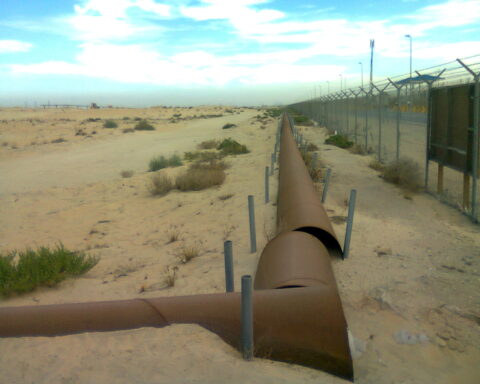
Neither condition applies today. The East-West Pipeline to Yanbu — the only export route bypassing Hormuz — is running at its 7.0 million bpd maximum capacity, and Saudi production stood at 7.76 million bpd in March, meaning any additional barrels would need to transit a strait that remains mined with sonar-evading Maham-7 devices, patrolled by the IRGC, and commercially uninsurable at standard rates. The approximately 2.5 million bpd of spare capacity that Saudi Arabia holds on paper — the difference between its 10.291 million bpd quota and actual output — is stranded production, not a deliverable threat.
The price dimension is equally inoperative. Brent at $73.74 on June 25 already sat more than six dollars below the floor of the IMF’s $80–91 breakeven estimate and twenty dollars below Bloomberg Economics’ $94 estimate. Saudi Arabia is selling crude below the level required to fund its own budget while absorbing $5.5 million per day in PGSA corridor fees, and Aramco’s Q1 free cash flow covered dividends at only 0.85 times — meaning the national oil company is paying shareholders more than it earns. A flood strategy demands the ability to accept short-term losses for long-term enforcement; Saudi Arabia is already absorbing losses it never chose and cannot stop.
The IRGC Strike That Froze the Corridor
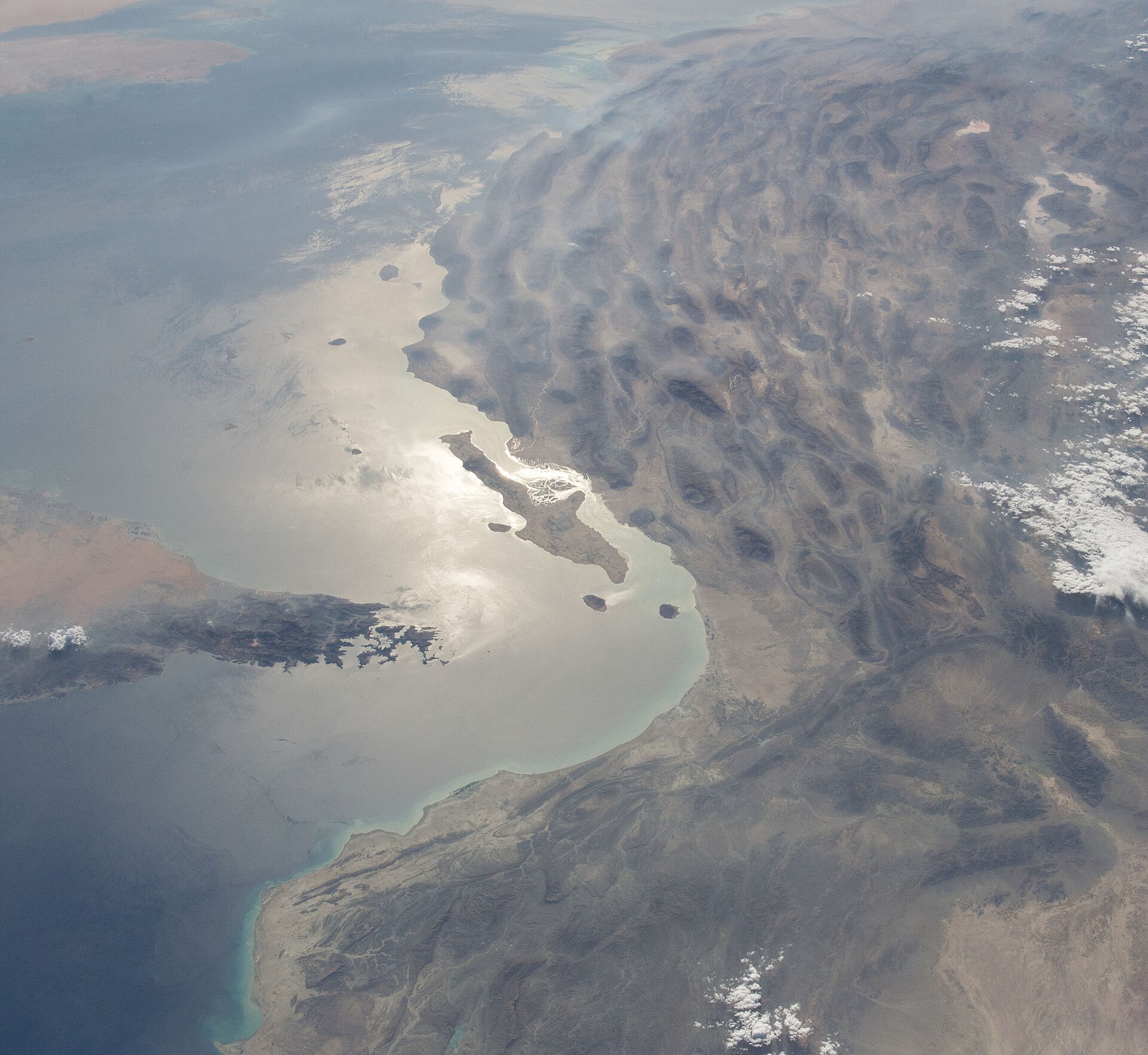
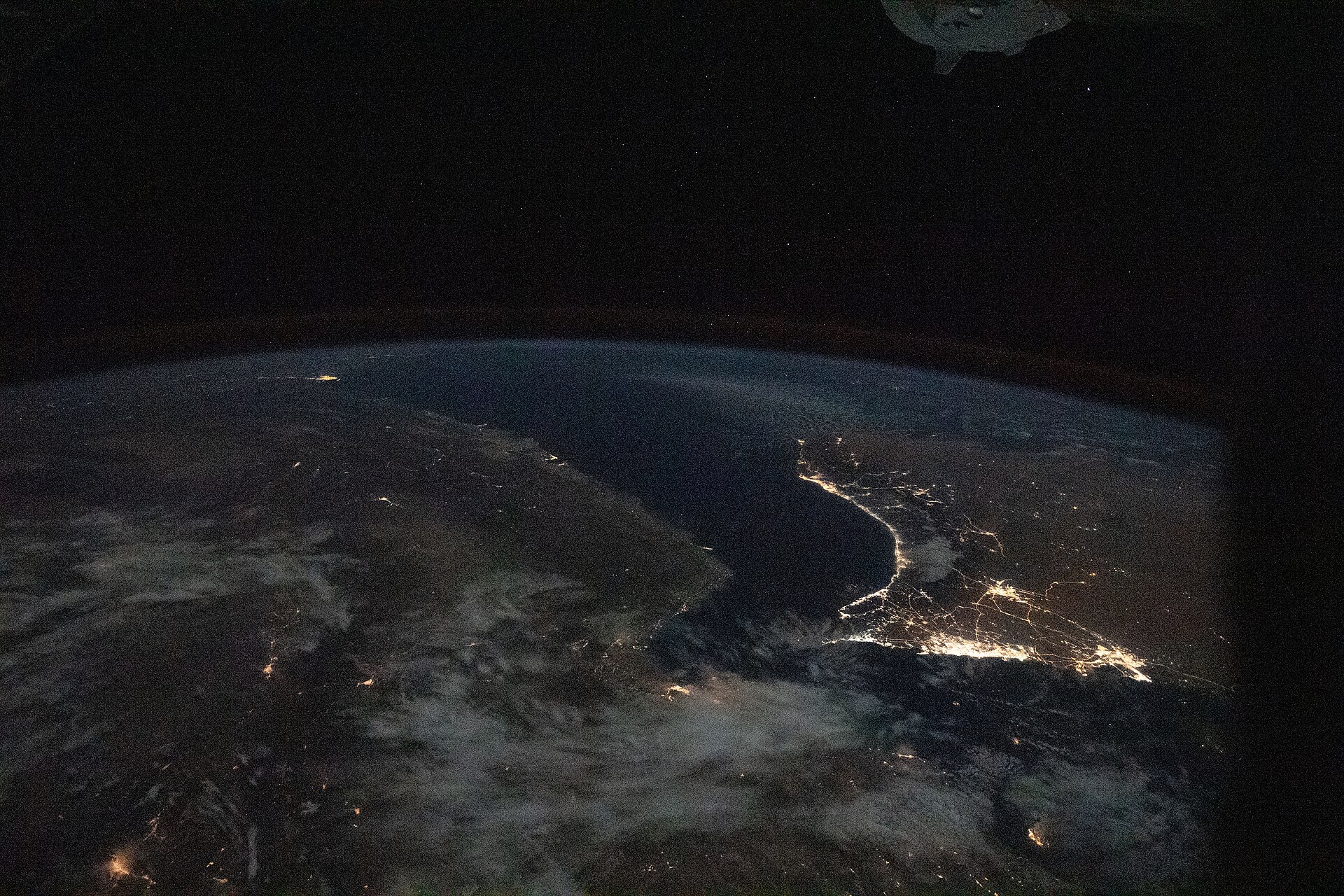
On June 25 — the same day Iraq’s Oil Ministry issued its withdrawal warning — the IRGC struck the Singapore-flagged cargo vessel “Ever Lovely” with a drone approximately 7.5 nautical miles southeast of Dahit, Oman, as the vessel was exiting the Strait of Hormuz, according to Fox News and The War Zone. The IMO responded by pausing its vessel evacuation operation, stating it needed “to confirm that safety guarantees remain in place” before resuming corridor movements. The IRGC Navy separately warned that safe passage through the strait is restricted to routes designated by Tehran, describing alternative routing as “unacceptable and completely dangerous.”
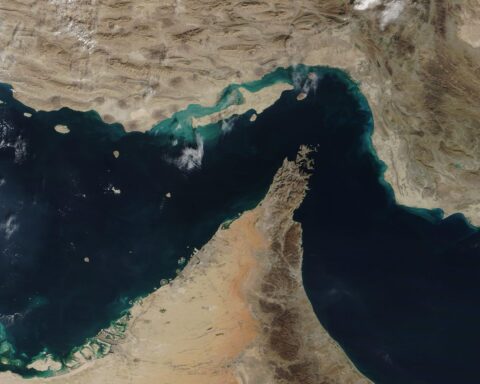
The attack was the latest event in a pattern that has made Hormuz commercially impassable for most traffic since late February. Approximately 850 vessels remain stranded in and around the Gulf, war-risk insurance premiums run $3–8 million per vessel per transit, and the JMIC threat assessment — while downgraded from “severe” to “substantial” in mid-June — has not reached the “moderate” level that P&I clubs require to normalize coverage and restore standard hull policies. Saudi Arabia’s first post-conflict crude transit through the strait did not occur until June 18, and only with a military-escorted convoy of three Bahri supertankers carrying approximately 6 million barrels under AIS blackout conditions through the Qeshm-Larak corridor.
Iraq’s export position differs from Saudi Arabia’s in one respect that makes Baghdad’s exit threat operationally credible. Iraq’s cabinet has approved plans to accelerate the Kurdistan-Turkey pipeline from its current 220,000 bpd to 770,000 bpd, routing crude from Kirkuk to Turkey’s Mediterranean port of Ceyhan — a path that bypasses the Persian Gulf entirely. This is Baghdad’s revealed preference: not exit from OPEC as an end in itself, but a bet on Mediterranean routing that reduces dependence on a strait where the IMO just paused evacuation operations. The hitch is that the bilateral treaty governing the Kirkuk-Ceyhan pipeline expires in July 2026, and Ankara has not confirmed renewal terms.
How Much Revenue Has Iraq Already Lost?
Iraq’s oil export revenues collapsed from $6.8 billion in February 2026 to approximately $1.087 billion in April — an 84 percent drop in two months, according to Shafaq News. In March alone, revenues fell an estimated $5.53 billion compared to the prior year, per ORF Middle East analysis. Crude production declined from approximately 4.14 million bpd pre-conflict to 1.49 million bpd in April, a contraction exceeding 60 percent that reflects both Hormuz transit disruption and the downstream effects of insurance and shipping withdrawal from Gulf-facing terminals.
Oil revenues fund approximately 90 percent of Iraq’s government operations, which means the Hormuz disruption did not merely dent Baghdad’s fiscal balance — it collapsed the funding mechanism for a state simultaneously running post-war reconstruction, managing the return of populations displaced by the ISIS campaign, and servicing debt accumulated during the 2014–2017 conflict. The Middle East Institute described Iraq’s predicament as “a self-inflicted wound and a gift to Tehran,” a formulation that captures the paradox of Iraq’s dependence on Gulf-facing exports without the pipeline bypass infrastructure that even Saudi Arabia partially possesses through Yanbu.
Iraq is not threatening to leave OPEC for the same reason the UAE did. Abu Dhabi had excess capacity it wanted to monetize and a long-term diversification plan that made OPEC constraints strategically inconvenient rather than existentially threatening. Baghdad’s motivation is more elemental: at April production levels and $73 Brent, Iraq cannot fund basic government functions, and the OPEC quota that caps its recovery is one of the few constraints within its own power to remove.
The Numbers Behind the Collapse
| Metric | Saudi Arabia | Iraq | UAE (exited May 1) |
|---|---|---|---|
| OPEC+ quota (July 2026) | 10.291M bpd | 4.378M bpd | N/A (departed) |
| Actual production (latest) | 7.76M bpd (March) | 1.49M bpd (April) | Uncapped (~4.8M bpd capacity) |
| Pre-conflict production | ~10M+ bpd (quota-constrained) | ~4.14M bpd | ~3.2M bpd (quota-constrained) |
| Spare capacity (theoretical) | ~2.5M bpd | ~2.9M bpd | ~1.6M bpd (pre-exit gap) |
| Hormuz bypass route | East-West Pipeline (7.0M bpd, maxed) | Kirkuk-Ceyhan (220K bpd; treaty expires July 2026) | Fujairah + direct Indian Ocean loading |
| Share of OPEC core capacity | ~30% | ~17% | ~12% (lost at exit) |
| Revenue impact (Feb–Apr 2026) | Brent $6–17/bbl below IMF breakeven; $5.5M/day PGSA fees | Revenue down 84% ($6.8B→$1.087B in two months) | Minimal (bypassed Hormuz) |
Sources: OPEC Secretariat, IEA June 2026 OMR, IMF regional outlook, Bloomberg, WorldOil, CNBC, Gulf Business, Shafaq News.
The spare-capacity trap is visible in the comparison. Saudi Arabia holds a roughly 2.5 million bpd gap between its quota and actual output — theoretical ammunition for a market-flooding campaign — but the East-West Pipeline’s 7.0 million bpd ceiling means only Yanbu-routed barrels can reach buyers, transforming that surplus into a paper asset that functions as neither a deliverable export nor a credible threat. Iraq’s theoretical spare capacity is even larger relative to its quota, but most of it depends on Gulf-facing terminals that face the same Hormuz constraints.
The demand side offers nothing to offset the structural trap. The IEA’s June report projected global oil demand falling 1.1 million bpd year-on-year in 2026, global supply dropping 3.9 million bpd to 102.4 million bpd, and OECD inventories hitting their lowest level since December 1990. Those inventory figures would normally support prices, but the forward curve is pricing in the expectation that Hormuz will eventually reopen, Iranian supply will reach refineries, and the IEA’s projected 8 million bpd supply rebound in 2027 will create a glut that makes any current squeeze temporary. Aramco’s CEO told CNBC in May that the market “won’t normalize until 2027 if Hormuz disruption persists” — a timeline that concedes the current pricing environment is structural, not cyclical.

What Happens to Oil Prices If Iraq Leaves OPEC?
Mizuho analyst Robert Yawger has placed a sub-$50 barrel scenario on the table “if producers begin racing for market share without coordination” following an Iraqi exit — a price not seen since the worst months of the 2020 COVID crash and one at which every major Gulf producer except the UAE would operate at a fiscal loss. WTI’s dip below $69 on June 24–25, achieved without any formal departure, suggests the market is already testing the lower band of what Gulf producers can sustain.
The mechanics of a price collapse following an Iraqi exit are straightforward. If Iraq leaves and begins ramping production toward its stated 5 million bpd target — even partially, even through the Kirkuk-Ceyhan corridor alone — the signal effect to every other quota-constrained producer is that OPEC allocations carry no enforceable consequence. The IEA has already projected a 3.7 million bpd full-year surplus for 2026, a figure calculated before any Iraqi ramp or quota abandonment. Kuwait’s post-force-majeure production ramp — which saw output surge at 89 times the formal OPEC+ increment — has added further oversupply pressure that an Iraqi exit would compound.
Iraq’s stated justification for considering an exit is the fiscal devastation caused by the Hormuz crisis — the same crisis that has eliminated Saudi Arabia’s ability to punish defection. Both positions are factually sound and mutually exclusive: Iraq cannot afford to remain in OPEC at current quotas while losing billions per month, and Saudi Arabia cannot afford to let Iraq leave while Brent trades seventeen dollars below the IMF breakeven. But Saudi Arabia also cannot threaten consequences, because the consequences require barrels that are stuck behind the same mines and transit restrictions that created the revenue collapse driving Iraq toward the exit in the first place.
The 2020 Saudi-Russia price war ended in six weeks because all three conditions for resolution existed: Saudi Arabia could flood (Hormuz was open), the pain was mutual (both sides were hemorrhaging revenue at $25 Brent), and a neutral mediator stepped in (the Trump administration brokered the April deal). In 2026, the mediating administration is the same government that negotiated the MOU establishing the PGSA fee structure that compounds Riyadh’s losses — and the flood weapon it relied on in 2020 requires a strait that the IRGC struck with a drone on the same day Iraq made its threat.
The Cartel After Two Departures
Before the UAE’s departure, OPEC+ had 23 participating countries and controlled roughly 40 percent of global oil production. The UAE’s exit removed 12 percent of core capacity; an Iraqi exit would strip a further 17 percent. Between the two departures — one completed, one under active consideration — nearly a third of the cartel’s production base would be operating outside any coordinated supply-management framework within ninety days of the first exit, an unraveling faster than anything OPEC experienced during the 1980s market-share wars.
The coordination problem facing the remaining members is the kind that game theory predicts will dissolve a cartel. OPEC+ functioned as long as the expected punishment for cheating exceeded the reward for producing above quota, and Saudi Arabia’s flood threat was that punishment. With the threat neutralized by Hormuz, every non-Gulf member with an alternative export route now gains more from producing at capacity and capturing market share than from complying with an allocation enforced by nothing. Kazakhstan has consistently exceeded its OPEC+ quota and now faces no enforcement risk; Nigeria’s production recovery has already surpassed its allocation with no consequence.
The OPEC+ May 3 decision to add 188,000 bpd for June — the latest step in what was designed as a gradual, coordinated unwinding of pandemic-era cuts — was premised on synchronized discipline among all participants. Kuwait’s unilateral ramp already violated that premise by adding barrels at a pace that bore no relationship to the agreed increment. Iraq’s public threat makes the premise formally inoperative: a member that has told the market it is weighing withdrawal is a member that no longer considers itself bound by the terms of the last agreement.
The May 3 decision also assumed that OPEC+ retained enough collective production share to influence price. OPEC would retain the Secretariat, the logo, and the biannual meetings, but the mechanism that translated coordinated supply management into price support requires a collective production weight large enough to move the forward curve. If the UAE and Iraq both operate outside the framework — together representing 29 percent of OPEC’s core capacity — the cartel would retain roughly three-quarters of the membership that collectively accounted for approximately 40 percent of global oil production before the Hormuz crisis began.
The July Convergence
Several deadlines are converging in the next four to six weeks, and their alignment is more consequential than any individual event. Iraq’s Prime Minister Ali Al-Zaidi is expected in Washington in mid-July, and markets are watching whether the visit will harden or soften Baghdad’s OPEC posture — particularly given that the trip falls roughly ten weeks after the UAE’s exit, enough time for the precedent to have settled into market expectations. The Kirkuk-Ceyhan pipeline treaty with Turkey expires in the same month, meaning Iraq will either secure a Mediterranean export alternative or lose the one operational bypass that makes an OPEC exit logistically feasible.
But neither the Washington visit nor the treaty renewal will change the structural reality underpinning Iraq’s frustration. Saudi Arabia has lost the ability to discipline cartel members at the precise moment when cartel discipline is the only mechanism keeping oil prices above the level at which the kingdom can fund its own government. Aramco’s July OSP for Arab Light to Asia has already been cut by $6 per barrel — the largest reduction since 2022 — for cargoes loading at terminals that face a strait where the IMO suspended evacuation operations on the same day Iraq issued its threat. Iraq’s dual role deepened three days later: on June 28, Iraqi FM Fuad Hussein co-sponsored Iran’s “6+2” Gulf security framework proposal from a Baghdad podium, positioning Baghdad simultaneously as an OPEC disruptor and a diplomatic co-architect of a new regional order — a combination that makes Iraq’s mediation posture harder to sustain than at any point since the 2021 Baghdad Conference.
If Al-Zaidi arrives in Washington with a renewed Kirkuk-Ceyhan agreement and a credible Mediterranean export route, the OPEC exit shifts from a negotiating lever to a scheduling question. Saudi Arabia’s ability to prevent that shift depends on cartel discipline it can no longer enforce, through a strait the IMO paused on the same day the threat was issued, at a Brent price more than twenty dollars below the Bloomberg Economics breakeven — and the Kirkuk-Ceyhan treaty governing Iraq’s only Mediterranean bypass route expires in the same month as the Washington visit.
Frequently Asked Questions
Has Iraq ever withdrawn from OPEC?
No — Iraq is a founding member, having helped establish OPEC at the Baghdad Conference in September 1960 alongside Saudi Arabia, Iran, Kuwait, and Venezuela. Its production was effectively suspended during the 2003 US-led invasion and subsequent occupation, and it was exempt from OPEC production quotas from 1998 to 2016 due to conflict-related disruptions, but it never exercised the Article 8 withdrawal clause. The only OPEC members to have formally exited are Ecuador (which withdrew in 1992, rejoined in 2007, and left again in 2020), Qatar (which departed in January 2019 to focus on LNG), Indonesia (which suspended membership twice), and the UAE (May 2026). Iraq’s public discussion of withdrawal is the first time a founding member has raised the option.
What role do Chinese companies play in Iraq’s oil production?
Chinese national oil companies operate or hold stakes in more than half of Iraq’s total oil production, according to the Middle East Institute and the US Energy Information Administration. CNPC holds major positions in the Rumaila and Halfaya fields — two of Iraq’s largest — while CNOOC operates in the Missan complex and Sinopec’s parent company has interests in al-Ahdab and West Qurna. This gives Beijing a direct commercial interest in maximizing Iraqi output regardless of OPEC quotas, because Chinese refineries configured to process Basra-grade crude benefit from both higher Iraqi volumes and the price depression that uncoordinated production would cause. If Iraq exits OPEC and ramps production, the primary beneficiaries of cheaper, more abundant Iraqi crude would be the same Chinese operators already embedded in the fields producing it.
How does Iraq’s threat differ from the 2020 Saudi-Russia OPEC+ crisis?
The 2020 dispute was resolved in six weeks. After Russia rejected Saudi Arabia’s proposed 1.5 million bpd cut on March 6, 2020, Riyadh launched a price war; by April 12, the Trump administration had brokered a deal in which OPEC+ agreed to cut 9.7 million bpd — the largest coordinated reduction in the cartel’s history. Resolution was possible because Saudi Arabia could credibly flood the market through an open Hormuz, the damage was mutually assured at approximately $25 Brent, and a mediator existed with no stake in the outcome. In 2026, none of these conditions hold: the strait is blocked, Saudi Arabia cannot flood even if it wanted to, and the mediating Trump administration — far from neutral this time — is the same government that negotiated the MOU creating the PGSA fee structure now compounding Riyadh’s losses.
What assumptions drive the sub-$50 oil price scenario?
Mizuho’s Robert Yawger described the sub-$50 scenario as contingent on sequential OPEC exits triggering an uncoordinated race for market share — a dynamic similar to what drove Brent from $114 to $27 between 2014 and early 2016. The scenario assumes that the UAE (already out), Iraq (threatening to leave), and potentially Kazakhstan (which has consistently exceeded its quota without consequence) each ramp production to capacity, while the IEA’s projected 8 million bpd supply rebound in 2027 adds further downward pressure on the forward curve. At $50 Brent, Saudi Arabia would face a fiscal gap of approximately $30–44 per barrel against its IMF-estimated breakeven, translating to a daily revenue shortfall of roughly $230–340 million at current production volumes — a deficit that would exceed the kingdom’s sovereign wealth drawdown capacity within twelve to eighteen months at that rate.