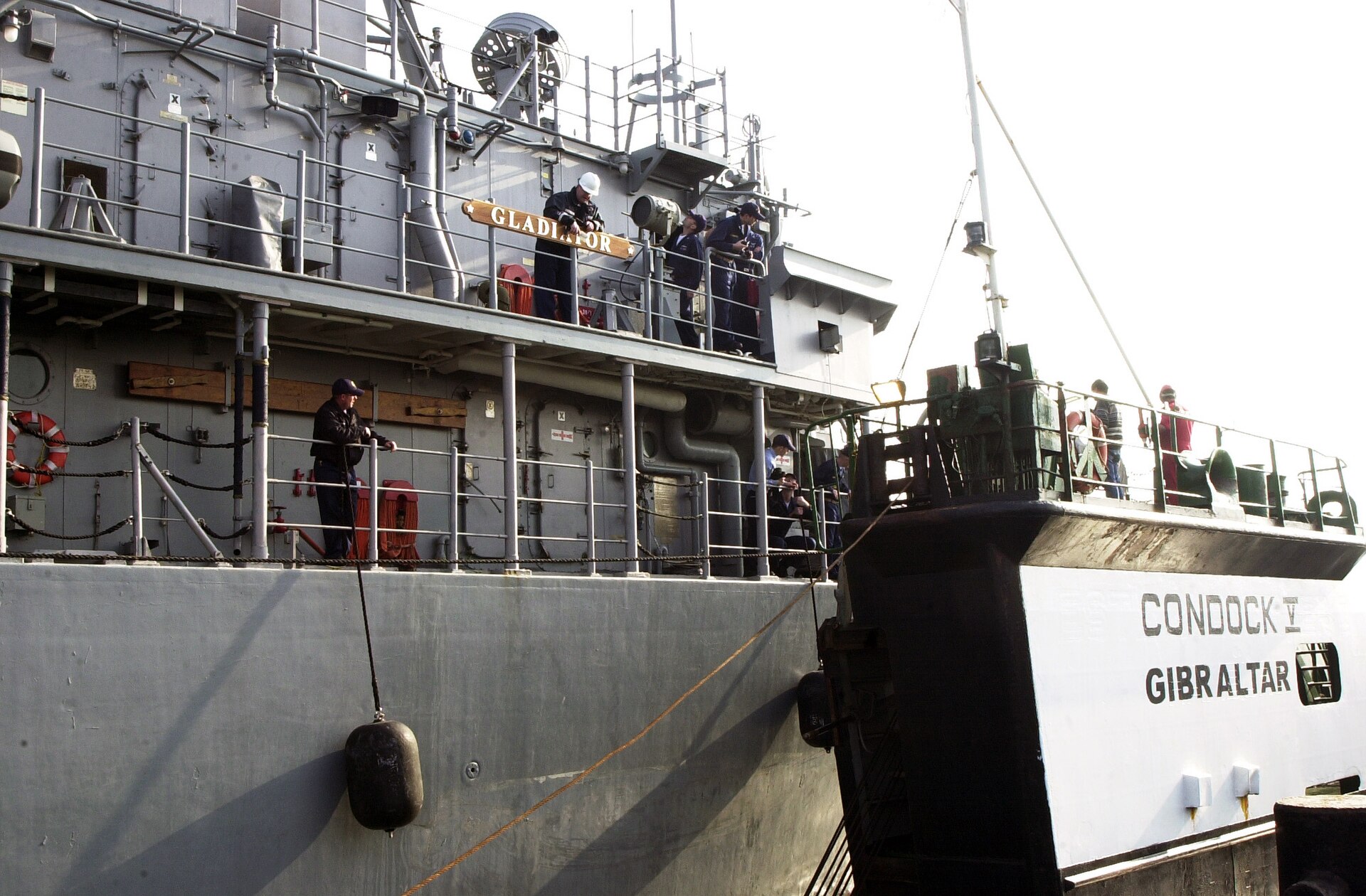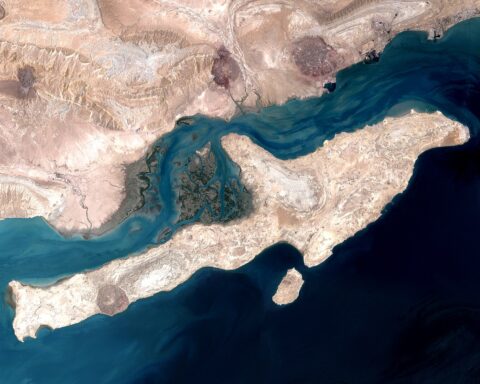

MANAMA — Iran’s Islamic Revolutionary Guard Corps said it destroyed eight American military installations at Ali Al Salem Air Base in Kuwait and the US Fifth Fleet headquarters in Bahrain during a joint missile-and-drone operation between 02:00 and 03:00 local time on June 28. Hours later, a US official told Reuters there were “no reported US casualties or major impacts or damage to US facilities in the region.”
Both statements were issued within the same news cycle, both delivered with the full weight of their respective governments — and both cannot be simultaneously true. The credibility gap now threatens to complicate Phase 2 nuclear negotiations at the worst possible moment, with scheduling already described as uncertain and the IRGC explicitly threatening “the complete halt of all diplomatic processes” after invoking the MOU to justify its own strikes on June 27.
Table of Contents
What Did the IRGC Claim?
The IRGC’s joint naval and aerospace forces statement, carried by IRNA and Tasnim on June 28, declared they had “destroyed eight important infrastructures of the child-killing US army at the Ali al-Salem base in Kuwait and the Fifth Naval Fleet in Port Salman, Bahrain.” The language was calculated for domestic consumption — “child-killing” is standard IRGC lexicon for the US military, and “destroyed” leaves no room for qualification.
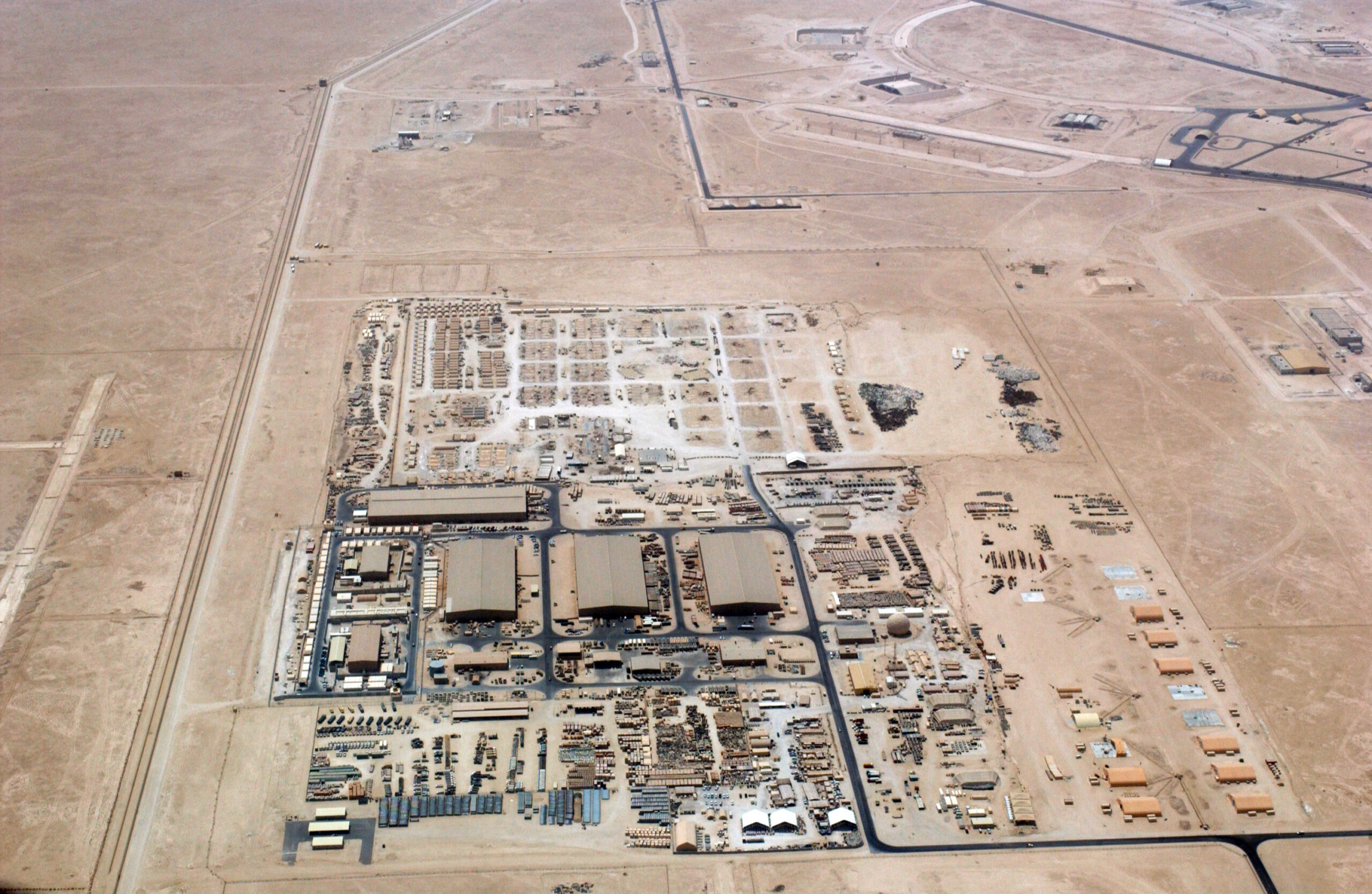
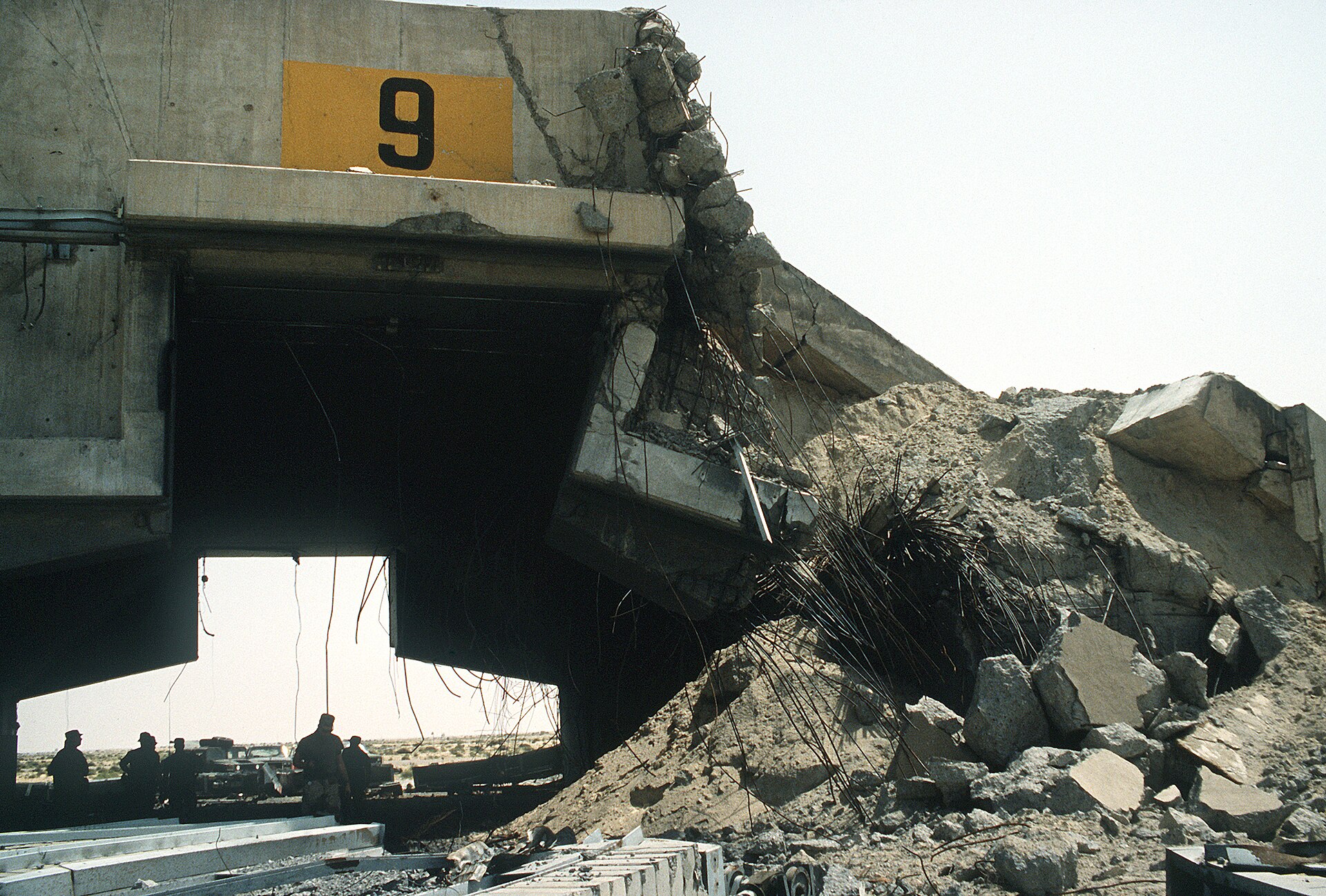
The targets themselves tell a story about Iranian intelligence priorities. Ali Al Salem, roughly 65 kilometres west of Kuwait City, has served as the primary staging base for US rotary-wing operations in the Gulf since 2003. The Fifth Fleet headquarters at Juffair, on Bahrain’s eastern coast, houses Combined Maritime Forces and is the largest permanent American naval installation in the Middle East. Both are hardened, defended, and have been struck before — which makes the “destroyed” claim either remarkable or implausible, depending on which government you trust.
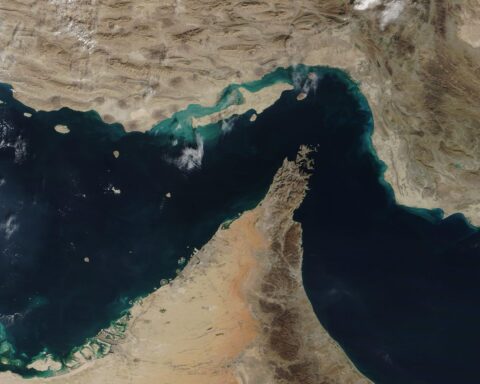
The IRGC framed the operation as retaliation for US strikes on Iranian southern coast facilities on June 27, which CENTCOM said targeted minelaying infrastructure along the Strait of Hormuz. Khamenei adviser Mohsen Rezaei told PressTV that “America, by continuing to create tensions in the Strait of Hormuz, has violated the fifth article,” adding that “the response to the violation of any article of the memorandum of understanding will be swift and decisive.” The Corps then issued a secondary warning carried by Palestine Chronicle that landed harder than the missiles may have: “This will be our future approach.”
The ‘No Major Impacts’ Qualifier
The US response to the IRGC’s claims arrived in a single sentence from an unnamed official speaking to Reuters. “There were no reported US casualties or major impacts or damage to US facilities in the region,” the official said. At first reading, it sounds definitive — a clean denial of everything the IRGC claimed. On closer inspection, the sentence is engineered with the precision of a legal brief.
The Middle East briefing 3,000+ readers start their day with.
One email. Every weekday morning. Free.
The operative phrase is “major impacts.” It does not address how many incoming munitions were intercepted versus how many struck their targets. It does not address structural damage to hangars, shelters, or runways, and it says nothing about radar or sensor degradation, equipment losses, or operational disruption.
“Major impacts” is a term with no defined threshold in CENTCOM’s public reporting framework. The qualifier does precisely what it is designed to do: it answers the question the public is asking while declining to answer the questions the evidence might demand.
President Trump, posting on Truth Social on June 27, offered a different register entirely. “It is very possible that they will never learn,” he wrote. “There may come a point when we are no longer able to be reasonable, and will be forced to militarily complete the job.” The threat left Iran’s domestic audience with confirmation that their missiles had provoked a response — exactly the reaction the IRGC needs, regardless of how many hangar doors the warheads actually bent.
The Al-Asad Playbook
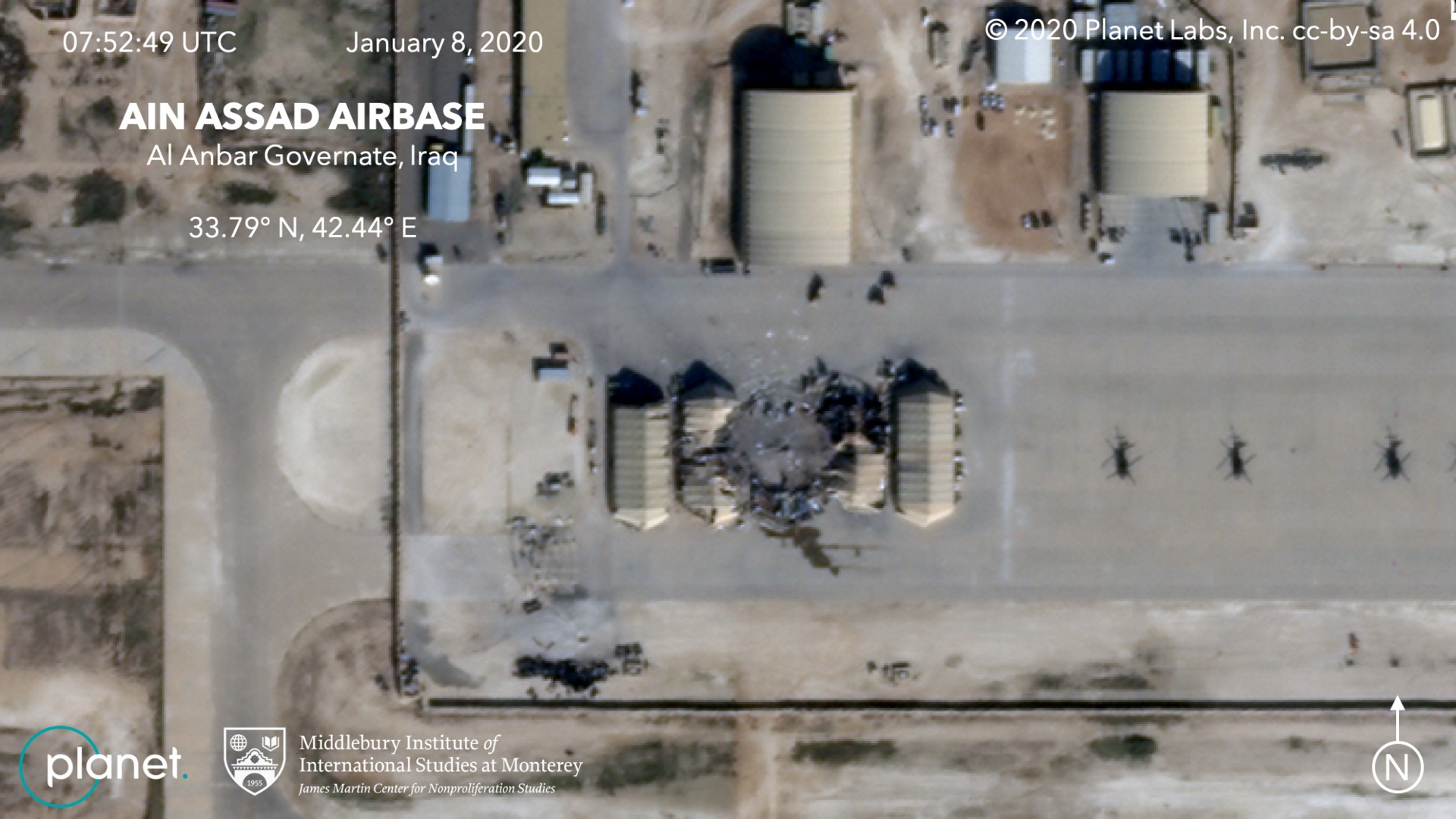
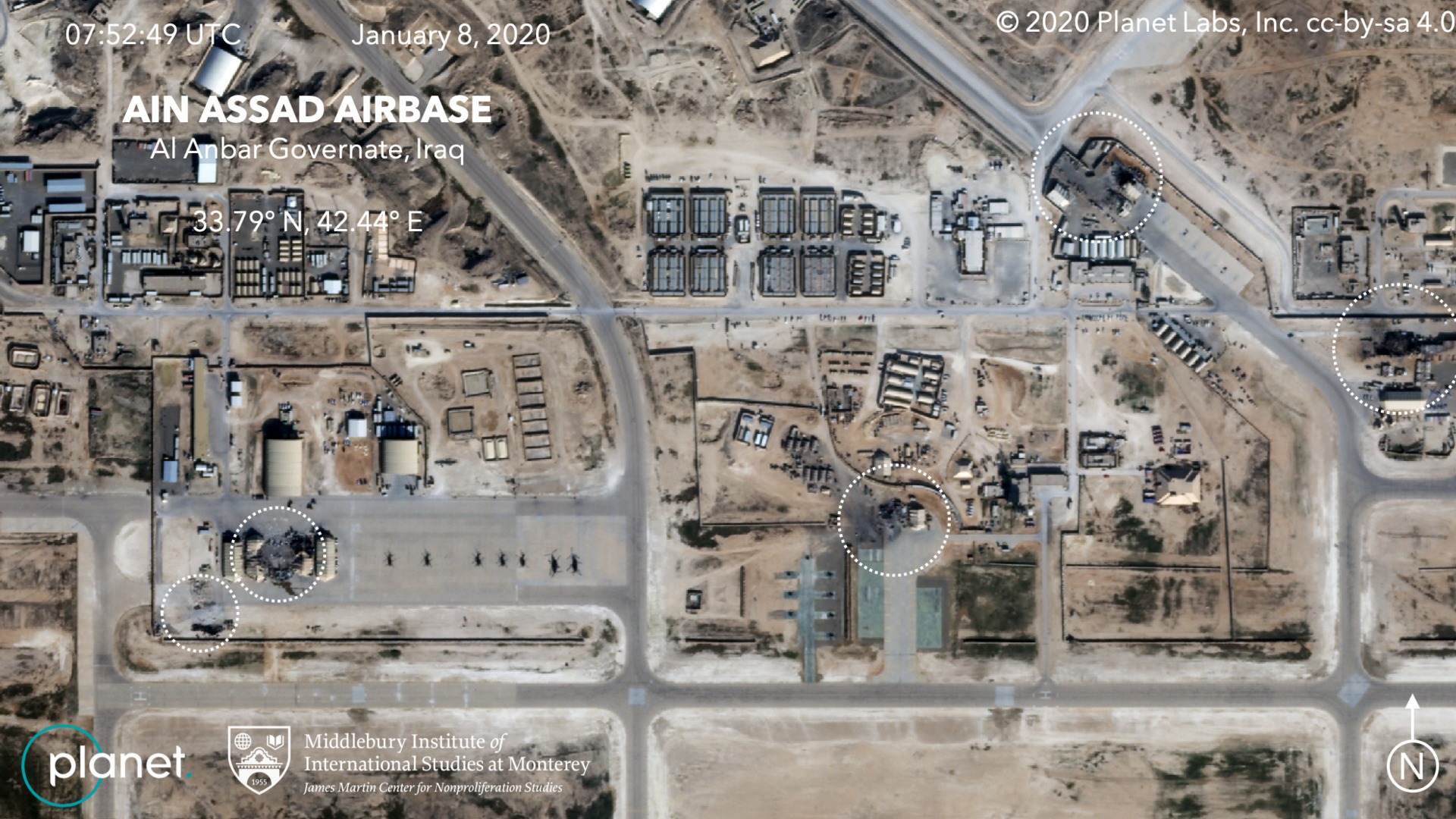
The “no casualties, no damage” formulation has a direct precedent, and it did not age well. On January 8, 2020, Iran launched more than a dozen Fateh-313 and Qiam-1 ballistic missiles at Al-Asad Airbase in western Iraq in retaliation for the killing of Qasem Soleimani. President Trump told the nation hours later that “no Americans were harmed in last night’s attack by the Iranian regime” and that “only minimal damage was sustained.” Both sides stepped back from the brink, and the narrative held — for about two weeks.
The Pentagon initially disclosed 34 traumatic brain injuries. That number rose to 50 by late January, then 64 by early February, and finally — in a Pentagon update reported by NPR — 109 US service members diagnosed with mild TBI. Of those, 76 returned to duty; the remaining 33 required extended treatment. CSIS missile defence director Tom Karako, in an analysis titled “Uncomfortable Lessons,” documented something the initial “no harm” framing had obscured entirely.
Iran’s ballistic missiles have crossed the threshold of around 50 meters circular error probable accuracy, giving Tehran the potential capability to handicap the effectiveness of US forces in the region.
Tom Karako, CSIS, “Uncomfortable Lessons: Reassessing Iran’s Missile Attack,” January 2020
The Al-Asad episode established a template that is now four months into its second deployment: the initial US assessment minimises the strike’s effect, the domestic news cycle moves on, and the fuller accounting arrives weeks or months later when attention has shifted elsewhere. Whether that template is being applied again on June 28 is the question that cannot yet be answered — and that, precisely, is the point.
What Have Satellites Already Shown?
The gap between official US damage assessments and observable reality is no longer theoretical. A Washington Post investigation published on May 6, 2026, analysed more than 100 satellite images — including Iranian-released imagery verified against European Union satellite data — and found that strikes since February 28 had damaged or destroyed at least 228 structures and pieces of military equipment across 15 mostly US-operated Gulf sites. The Post identified damaged hangars, barracks, warehouses, fuel depots, aircraft, radar systems, communications installations, and air defence assets — a catalogue that bears little resemblance to the real-time statements issued by CENTCOM during the same period.
Ali Al Salem has been documented before. Commercial satellite imagery from earlier 2026 strike waves showed damage to at least nine fuel bladders, more than a dozen structures, and aircraft shelters, according to analysis by Orbital Today and Middle East Eye. DefenceSecurityAsia reported that OSINT analysts identified what appeared to be a direct hit on an ASR-1000 L-band early-warning radar at coordinates 29.358°N, 47.527°E inside the base perimeter. A separate DefenceSecurityAsia analysis identified what it described as three Kuwaiti Eurofighter Typhoons destroyed and two Italian fighters damaged at Ali Al Salem, though neither government confirmed these losses.
| Strike Event | Initial US Assessment | Subsequent Evidence |
|---|---|---|
| Al-Asad, Jan 8, 2020 | “No casualties, minimal damage” (Trump) | 109 TBIs, 5+ structures damaged (Pentagon/NPR) |
| Ali Al Salem, Feb–May 2026 | “All missiles and drones defeated” (CENTCOM) | 9 fuel bladders, 12+ structures, possible radar hit (OSINT/DefenceSecurityAsia) |
| Cumulative since Feb 28, 2026 | Real-time statements | 228+ structures/equipment across 15 sites (Washington Post) |
| Ali Al Salem/Juffair, Jun 28, 2026 | “No casualties, no major impacts” (US official/Reuters) | Commercial satellite imagery pending |
None of this proves that the June 28 overnight strikes inflicted the damage the IRGC claims. It proves something more corrosive: that prior IRGC strikes on the same installation inflicted damage that was not reflected in contemporaneous US public statements. If CENTCOM’s June 28 language follows the same pattern, the full picture may take weeks to emerge — and by then, the Phase 2 diplomatic calendar will have consumed whatever leverage the damage assessment was meant to serve.
Iran’s Compliance Theater
The IRGC’s June 28 statement did not merely claim a military success — it issued a legal argument. The Corps declared that “violating the ceasefire is contrary to Clause 1 of the Islamabad Memorandum of Understanding and will result in the complete halt of all diplomatic processes,” framing the overnight strikes as enforcement of the MOU rather than a violation of it.
Violating the ceasefire is contrary to Clause 1 of the Islamabad Memorandum of Understanding and will result in the complete halt of all diplomatic processes.
IRGC statement, June 28, 2026 (IRNA/Tasnim)
The logic, stripped to its bones, runs in four steps. First, Iran says the US violated Article 1 — which calls for an “immediate and permanent end to the war on all fronts, including Lebanon” — by striking Iranian coastal facilities on June 27; second, that its prior strike on the tanker M/T Kiku was authorised under Article 5, which addresses Hormuz transit. Third, Iran’s overnight retaliation against Ali Al Salem and Juffair is therefore a proportionate response to US violations. Fourth, Iran concludes it remains in compliance and the US is the sole violator.
The claim cannot be tested, and it is not new: Iran used this same MOU-compliance framework to justify its June 27 strikes on four bases across three countries. Article 1’s 14-point text names no arbiters, establishes no enforcement mechanism, and provides no adjudication process, as HOS analysis of the MOU’s “best efforts” language showed. The Lake Lucerne monitoring group has no emergency protocol. The IRGC-CENTCOM deconfliction cell that Vice President Vance publicly confirmed on June 26 — IRGC officers stationed alongside CENTCOM personnel in Doha to resolve disputes in real time — was also bypassed when the June 28 strikes were ordered.
Each side cites the same instrument to justify contradictory actions, and neither has a forum in which to challenge the other’s reading. The MOU has become a mirror — both governments see their own compliance reflected back.
The Regional Response
Kuwait and Bahrain responded with the diplomatic instruments available to them — condemnation, protest notes, and institutional language calibrated to express outrage without committing to action. Bahrain’s Ministry of Foreign Affairs described the strikes as “a flagrant violation of Bahrain’s sovereignty, a blatant threat to the safety of its citizens and residents, and a clear breach of international norms and conventions,” according to Gulf News. Kuwait’s Defence Ministry characterised the attacks as “heinous Iranian aggression targeting civilian and vital facilities.”
The Iran-on-Bahrain framing is worth pausing on. The IRGC’s statement targeted its language exclusively at “American military infrastructure” on Bahraini soil — not at the Al Khalifa government. Iran distinguished between Bahrain-the-state and Bahrain-the-host, a legal distinction that does nothing for the Bahraini civilians living within blast radius of Juffair but does signal that Tehran considers its quarrel to be with Washington, not Manama. Bahrain’s sovereignty language rejected that distinction outright. Iran then pressed the legal logic further: within hours of the strikes, Araghchi issued a formal demand that both Kuwait and Bahrain “must not allow their territory or facilities to be used for attacks” against Iran — the post-strike architecture documented in Iran Struck First, Then Issued the Rules.
The GCC’s 167th Ministerial Council, meeting in Manama, issued what was described as the first collective defence invocation in the organisation’s 45-year history, naming Bahrain, Kuwait, and Jordan as attacked states. Saudi Arabia signed the declaration but was not among the countries named as targets — a distinction that reflects Riyadh’s position as a condemner of attacks on its neighbours rather than a defender of them.
The GCC’s Joint Defence Agreement, signed in 2000, states that an attack on one member constitutes an attack on all, but no new operational mechanism, force deployment, or Peninsula Shield Force mandate adjustment accompanied the June invocation. Kuwait had already summoned Iran’s chargé d’affaires and expelled two Iranian diplomats after the June 3 airport strike, according to the Saudi Press Agency — a cycle of protest and expulsion that has not altered the targeting pattern. The full legal and institutional anatomy of the 167th Ministerial’s “attack on all” declaration — why it produced a communiqué rather than a deployment — is examined in The GCC Declared ‘Attack on All’ — Not One Soldier Moved. Hours later on June 28, Iraq’s Foreign Minister issued a formal invitation to all six GCC states and Iran for an eight-party Baghdad summit — a diplomatic opening that placed each GCC capital’s silence on record, as analyzed in Baghdad Sent the Invitation Saudi Arabia Cannot Answer.
What Does the Credibility Gap Cost at Phase 2?
The overnight strikes’ military effect may take weeks to assess. Their diplomatic consequence is already visible. The IRGC’s explicit threat to “completely halt all diplomatic processes” marks the first time Iran has formally linked retaliatory military action to the suspension of Phase 2 nuclear talks.
US and Iranian negotiators last met on June 22 in Switzerland, according to Al Jazeera’s Day 120 update. The next round remains unscheduled, with Day 11 of the MOU’s 60-day Phase 2 clock ticking toward an approximate August 16 deadline.
The credibility gap cuts in both directions. If the IRGC’s strikes were genuinely ineffective — intercepted, scattered, or absorbed by hardened infrastructure — then Iran’s deterrent credibility weakens at the moment when its Phase 2 leverage depends on the threat of escalation. The IRGC cannot negotiate from a position of demonstrated military capacity if that capacity is publicly shown to be overstated, and the enrichment ceiling will be set by parties already at the table, not by parties struggling to prove they belong there. If the strikes did inflict damage that CENTCOM is declining to confirm, then the US is managing the narrative to protect alliance relationships with Kuwait and Bahrain — governments that need to assure their publics that hosting American forces does not make them targets without consequence.
Neither government can publicly yield. The IRGC’s institutional credibility — its standing within the Islamic Republic’s power structure, Khamenei’s authorisation framework, the Pasdaran’s internal accountability — depends on the narrative that Iran strikes back with effect. CENTCOM’s alliance-management function demands the opposite. And the domestic audience each statement serves is not the audience the other side is trying to reach.
Brent crude closed at approximately $72.86 on June 27, against Saudi Arabia’s fiscal breakeven of $108–111 per barrel — a gap that costs Riyadh roughly $160–175 million for every day the diplomacy stalls while the PGSA’s transit framework and Iran’s corridor-control apparatus harden into facts. Between 02:00 and 03:00 on June 28, something hit Ali Al Salem and Juffair. The IRGC says it was destruction, CENTCOM says it was nothing, and the satellites that could settle it have not yet spoken.
Background
The 2026 Iran war began on February 28, when US and Israeli forces launched coordinated airstrikes on Iranian military and government sites. Iran retaliated with ballistic missile and drone strikes across the Gulf. As of June 28, the Pentagon has confirmed 13 US service members killed in the conflict and approximately 373 wounded, according to figures reported by Time and CBS News. Independent estimates from The Intercept place the wounded total higher, at approximately 520–543.
The Islamabad Memorandum of Understanding, signed on June 17 with a formal ceremony in Geneva, established a 60-day Phase 2 framework for negotiating nuclear enrichment limits, ballistic missile controls, and regional security arrangements. The MOU’s Article 1 calls for an “immediate and permanent end to the war on all fronts, including Lebanon” but provides no enforcement mechanism, no named arbiters, and no adjudication protocol. The IRGC established the Persian Gulf Security Administration on May 5 — 43 days before the MOU’s signing — to administer a $1-per-barrel transit fee and pre-clearance system through the Strait of Hormuz.
Ali Al Salem Air Base has hosted US air operations since the 2003 Iraq invasion and is the primary rotary-wing staging base in the Gulf theatre. The US Fifth Fleet headquarters at Juffair, Bahrain, houses approximately 8,000 US military personnel. Both facilities have been struck multiple times since the war’s outbreak — Ali Al Salem at least three times and Juffair at least twice prior to the June 28 operation.
Frequently Asked Questions
Has commercial satellite imagery of the June 28 strikes been released?
No. As of publication, no commercial satellite provider has released imagery of Ali Al Salem or Juffair from the June 28 time window. In prior strike waves, commercial imagery from providers including Planet Labs and Airbus Defence and Space took between 24 hours and two weeks to become publicly available. The Washington Post’s May 2026 investigation relied on imagery verified against European Union satellite data, a process that required weeks of collection and cross-referencing before publication.
How many times has Kuwait been struck since the war began?
Kuwait has been targeted in at least three major strike waves. On February 28–March 1, Iranian missiles and drones struck Shuaiba port, killing six US service members — nearly half of all confirmed American combat deaths in the conflict. On June 3, drones hit Kuwait International Airport, killing an Indian citizen and injuring 63 others, according to Al Jazeera. The June 27–28 overnight operation targeted Ali Al Salem Air Base, the third documented wave against Kuwaiti territory in four months.
What is the IRGC’s legal basis for claiming MOU compliance?
The IRGC cites Article 1, calling for an end to war on all fronts, and Article 5, addressing Hormuz transit. Iran argues that US June 27 strikes violated Article 1, making Iran’s retaliation a lawful enforcement action. The MOU contains no arbitration body — a gap that contrasts with the 2015 JCPOA, which designated the UN Security Council under Resolution 2231 as its enforcement mechanism, giving any permanent member the ability to trigger a snapback of sanctions through a defined institutional process.
What does “no major impacts” specifically exclude?
CENTCOM’s formulation addresses US casualties and “major impacts” — a term without a published threshold in its reporting framework. It does not address the number of incoming munitions, interception rates versus strike rates, structural damage to hangars or runways, radar or sensor degradation, equipment losses, or operational disruption to scheduled missions. The qualifier is designed to close the public question while leaving the evidentiary questions open. Prior OSINT analysis of earlier 2026 strike waves found damage at Ali Al Salem — including fuel bladders, structures, and a possible radar hit — that did not appear in contemporaneous CENTCOM public statements.
What happens when the MOU’s 60-day clock expires?
The MOU specifies that if Phase 2 issues — enrichment ceilings, ballistic missile controls, and PGSA transit arrangements — are not resolved by approximately August 16, the $1-per-barrel PGSA transit fee reverts to its default collection mode, with no announced waiver mechanism. The MOU provides no automatic extension clause, no arbitration trigger, and no defined consequence for expiry short of a return to pre-agreement conditions. Because the clock runs regardless of whether talks are in session, the IRGC’s threat to suspend diplomatic processes does not pause the deadline — it accelerates the gap between the calendar and the negotiating table.
Also on June 28, an Aramco helicopter crashed at Ras Tanura, killing all 14 aboard — Saudi Arabia’s largest oil export terminal, already constrained by the Hormuz transit standoff. Trump responded to the conflicting damage claims with a threat to eliminate the Iranian state entirely.