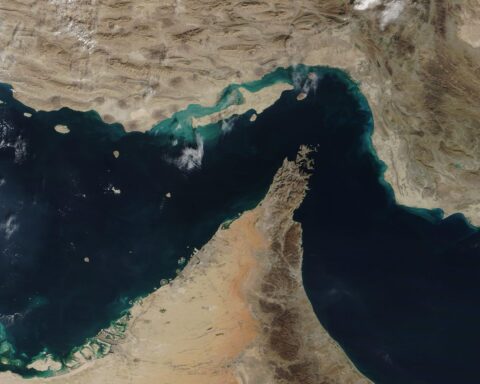
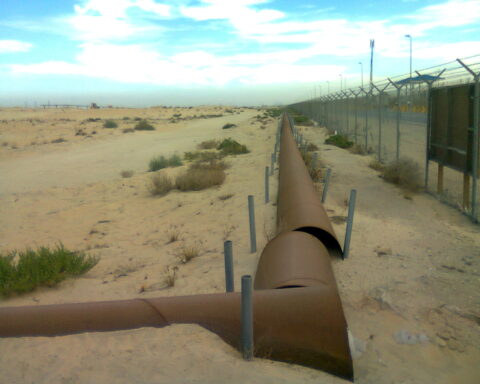
DHAHRAN — Saudi Aramco loaded four Bahri supertankers at Ras Tanura on June 27 — the terminal’s first loading since March 8, nearly four months of enforced silence — and within hours Iran’s Islamic Revolutionary Guard Corps declared the Strait of Hormuz closed to all vessels. Eight million barrels of crude, roughly $583 million at a Brent price of $72.86, now sit in hulls that cannot reach a single paying customer without passing through a chokepoint whose self-appointed gatekeeper has just revoked passage.
The four tankers face three options, and every one of them costs Saudi Arabia something it cannot afford to lose: pay the PGSA corridor fee and legitimize Iran’s toll mechanism on Saudi crude; turn back to Ras Tanura and concede that Iran’s closure is effective; or attempt transit under US naval escort — except the United States has explicitly said it is not providing one, and Saudi Arabia itself blocked the only escort architecture Washington had built when it denied American aircraft use of Saudi airspace during Project Freedom in May. The tankers are loaded, the strait is declared closed, and the only entity offering to reopen it is the one demanding payment.
Table of Contents
- What Happened at Ras Tanura on June 27?
- Three Options, Three Losses
- Why Can’t the US Navy Escort Saudi Tankers Through Hormuz?
- Thirty Warships and a ‘Best Efforts’ Clause
- How Much Does Hormuz Cost When Brent Is at $72?
- The Disclaimer That Arrived Before the Strikes
- What Does Iran’s Dual Track Mean for the Tankers?
- The Loop No Clause Can Break
- Frequently Asked Questions
What Happened at Ras Tanura on June 27?
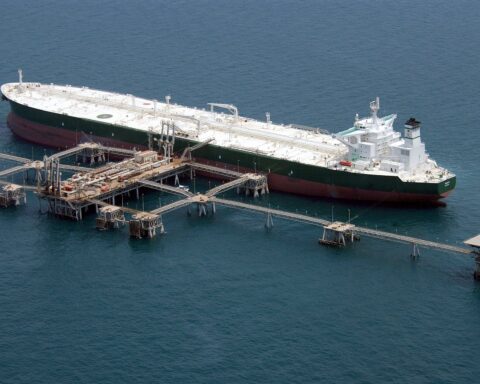
Four Bahri VLCCs — each capable of carrying approximately two million barrels — began loading crude at Ras Tanura on the eastern coast of Saudi Arabia’s Eastern Province on June 26-27, according to Reuters and CNBC. The loading was the first at the terminal since March 8, a gap of nearly four months during which Saudi Arabia’s largest export facility sat idle while Iran’s blockade, US air strikes, and the slow architecture of the Iran-US memorandum of understanding reshaped the entire structure of Gulf energy commerce. AIS transponder data for the four vessels went dark during loading — the same pattern observed during the June 18 Bahri convoy that carried the Shaden, Jaham, and Awtad through Hormuz with an estimated six million barrels.
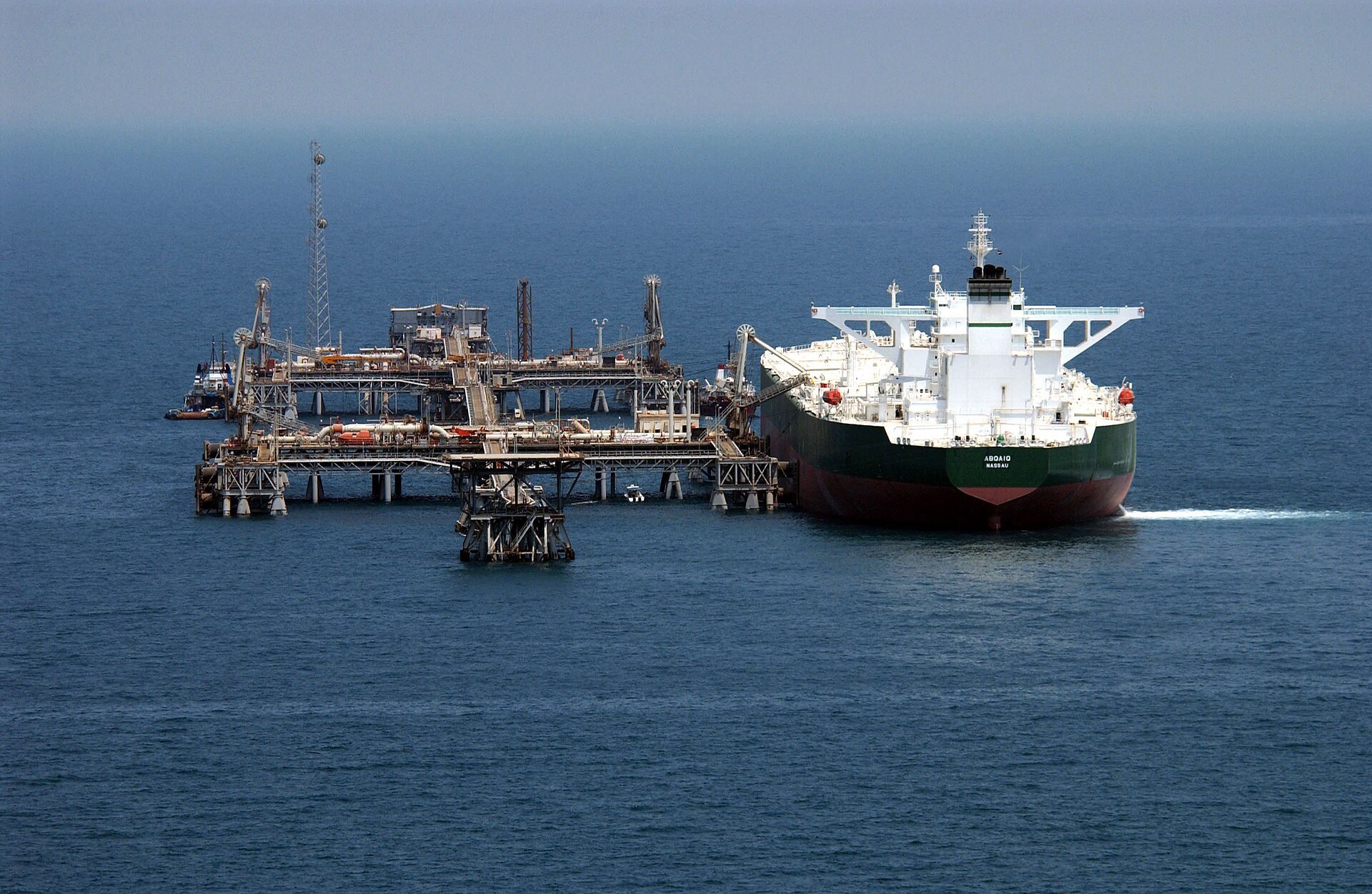
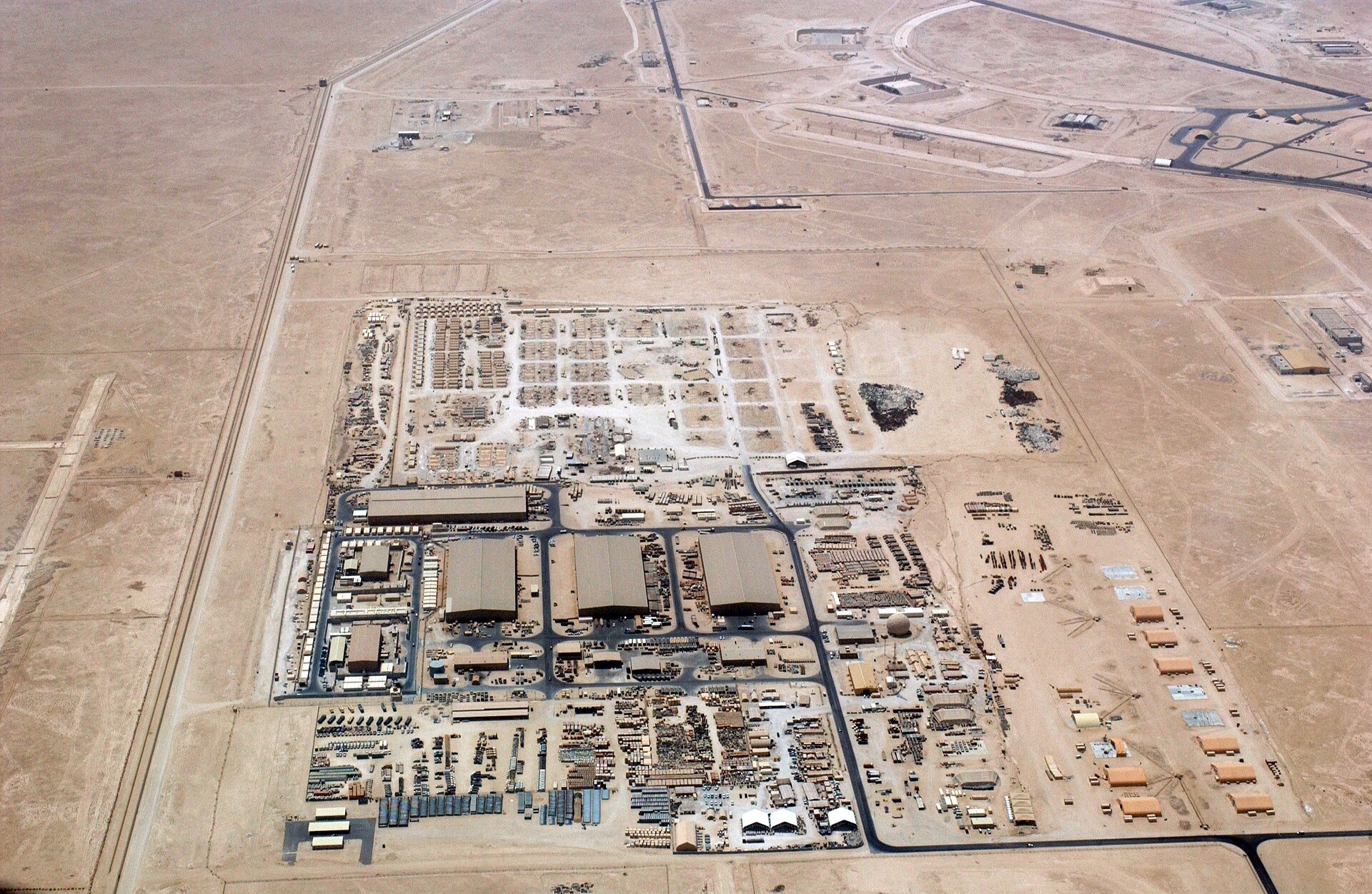
Within hours of the loading confirmation, the IRGC declared Hormuz “closed to all vessels,” citing US air strikes on June 26 against Iranian targets — themselves US retaliation for the IRGC drone strike on the Ever Lovely on June 25 — and the IRGC’s own June 27 strikes on four US-linked military installations: Al Udeid in Qatar, Ali Al Salem in Kuwait, Al Dhafra in the UAE, and the Fifth Fleet headquarters at Juffair in Bahrain. The IRGC invoked MOU Article 1, which requires a ceasefire on all fronts, and Article 5, which obliges both parties to use “best efforts” to ensure safe passage through Hormuz, arguing that US military action constituted violations of both provisions and that closure was the lawful contractual response. The four base strikes themselves had already altered the security environment in the Gulf before the closure declaration was issued — Qatar’s Ministry of Defence confirmed Al Udeid was hit, though it reported no casualties — and the declaration layered a maritime blockade on top of a regional escalation that was still unfolding.
Iran’s Foreign Ministry contradicted the IRGC within hours, telling Tasnim that shipping in the strait was “operating normally” — a pattern of deliberate dual-track messaging that Tehran has deployed repeatedly throughout the conflict, with the IRGC imposing operational pressure and the diplomatic corps preserving deniability for negotiators and insurers. For the four Bahri tankers at Ras Tanura, the contradiction offered no operational clarity: the IRGC controls the mines, the drones, and the PGSA corridor infrastructure, and whether Tehran’s diplomats consider the strait “normal” has no bearing on whether a two-million-barrel supertanker can safely transit it.
Three Options, Three Losses
The trap facing the four Bahri VLCCs is not a matter of tactics but of structural exposure, and each of the three available options imposes a cost that compounds rather than resolves Saudi Arabia’s position in the corridor. The options are not equally bad — they are differently bad, and each one concedes something to Iran that Saudi Arabia has spent the past four months trying to withhold.
The Middle East briefing 3,000+ readers start their day with.
One email. Every weekday morning. Free.
Option one: pay the PGSA fee. The Persian Gulf Shipping Authority, Iran’s self-created corridor administration, has published a liability framework that includes a $1-per-barrel transit fee — implying an $8 million charge on the four-VLCC convoy. The MOU’s 60-day toll-free window, running until approximately August 16, theoretically waives this fee, but the PGSA’s June 27 statement — published on X before the base strikes even began — made clear that “any passage through routes outside the framework designated by PGSA will not be covered by safe passage guarantees and will not be entitled to insurance coverage or related liabilities.” Paying the fee, or even registering for pre-clearance through the PGSA’s 40-category form system, would constitute the first confirmed Saudi acknowledgment that Iran’s corridor mechanism has authority over Saudi crude exports. No Bahri, Aramco, or Saudi MOFA entity has confirmed payment on any prior transit, including the June 18 convoy.
Option two: turn back. If the four VLCCs return their cargo to Ras Tanura’s storage tanks, Saudi Arabia concedes that Iran’s closure declaration is operationally effective — that the IRGC’s word, not UNCLOS Article 38, determines whether the strait is open. Every barrel returned to storage reinforces the precedent that Iran can freeze Saudi exports by announcement, without firing a shot at the tankers themselves, and it means that Ras Tanura’s first loading in four months produced zero barrels delivered — a fact that markets, credit agencies, and Aramco’s own investors would be forced to absorb at a moment when the company is already paying more in dividends than it generates in free cash flow.
Option three: transit under US naval escort. CENTCOM stated in late May that “Project Freedom has not resumed, and U.S. forces are not currently escorting commercial vessels through the Strait of Hormuz.” Project Freedom lasted fewer than 48 hours — May 4 to May 5 — and covered only two US-flagged vessels before President Trump halted the operation after Saudi Arabia denied US escort aircraft the use of Saudi airspace. Trump spoke directly with Crown Prince Mohammed bin Salman about the impasse and could not resolve it, meaning the escort architecture that would protect Saudi barrels requires Saudi cooperation that Saudi Arabia has structurally withheld. No June 27 Pentagon statement, CENTCOM advisory, or operational movement visible in public AIS data indicated any change in posture.
Why Can’t the US Navy Escort Saudi Tankers Through Hormuz?
The US Navy cannot escort Saudi tankers through Hormuz because the escort path requires Saudi cooperation that Riyadh has refused to provide — and after June 27, there is no indication that posture has changed. The June 27 Hormuz re-closure produced no new escort commitment from the Department of Defense, no CENTCOM statement of intent to resume convoy operations, and no detectable operational movement in public maritime tracking data consistent with the formation of an escort group. When Trump raised the airspace impasse directly with MBS during Project Freedom and could not resolve it, and when six allied nations that had offered to participate in Hormuz clearing operations were turned away, the United States exhausted the institutional options it had available.
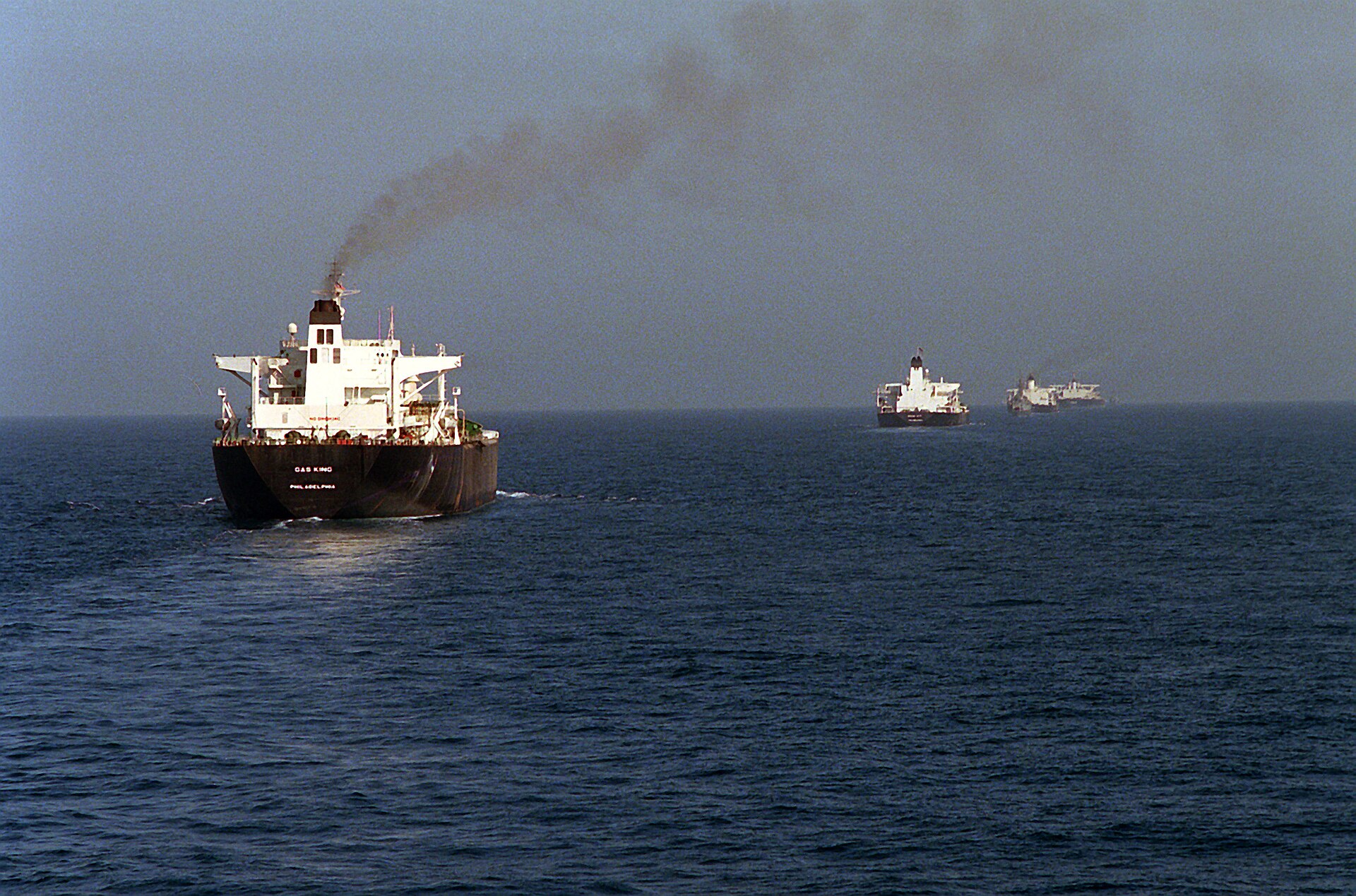
The structural paradox runs deeper than a single airspace decision, because it implicates the entire framework within which Saudi Arabia has positioned itself since the MOU was signed. Riyadh denied US airspace not out of caprice but because permitting American combat aircraft to operate from Saudi territory during active hostilities with Iran would have constituted a direct Saudi military entanglement that the Kingdom has spent this conflict avoiding. The same logic that kept Saudi Arabia out of the firing line kept the escorts out of the sky — and without air cover, a naval convoy through a strait where the IRGC has deployed mines, drones, and fast-attack boats operates under conditions that no US military commander would accept absent explicit presidential authorisation that has not been given.
Thirty Warships and a ‘Best Efforts’ Clause
Operation Earnest Will ran from July 24, 1987, to September 26, 1988, and at its peak the United States maintained more than 30 warships in the Persian Gulf to escort reflagged Kuwaiti tankers through a 500-mile corridor. The operation was kinetic in every sense: the guided-missile frigate USS Samuel B. Roberts struck an Iranian mine on April 14, 1988, injuring ten sailors, and the US responded four days later with Operation Praying Mantis — the largest American naval surface engagement since the Second World War — sinking or crippling six Iranian warships and armed platforms. Twelve Kuwaiti tankers were reflagged under the Stars and Stripes, given active US Navy escort, and transited the strait under a security guarantee backed by carrier strike groups, minesweepers, and rules of engagement that treated any interference with escorted vessels as an act requiring immediate kinetic response.
The 2026 MOU’s Article 5, by contrast, commits its signatories to use “best efforts” to ensure safe passage — language that Chatham House assessed on June 22 as not constituting “a firm legal obligation in international law that coastal states must not interfere with maritime traffic through straits used for international navigation.” The Center for Strategic and International Studies was blunter in its assessment, noting that the deal “does not appear to include provisions for Gulf security, reparations, or any compliance verification mechanism” and that the US is “losing its key pressure points, whether economic or military.” The gap between 30 warships and “best efforts” is the distance between a security guarantee that costs something to enforce and a political understanding that costs nothing to ignore.
The comparison is sharpened by the fact that Earnest Will protected Kuwaiti tankers — not American ones — at a moment when Kuwait faced the same kind of Iranian maritime pressure Saudi Arabia faces now. Kuwait’s exports were at risk, Iran was mining shipping lanes, and the United States determined that the strategic cost of inaction exceeded the operational cost of a 14-month naval deployment. In 2026, Saudi Arabia’s exports face a structurally identical threat from the same adversary through the same waterway, but the US has produced a 14-point memorandum of understanding instead of a carrier group, and the memorandum’s enforceability depends on the good faith of the party that declared the strait closed on the same day Saudi Arabia’s first tankers in four months were loading. Iran’s legal argument for why the strikes and the closure were compliant — not a breach — is traced in detail in Iran Cited the MOU to Justify Breaking It.
How Much Does Hormuz Cost When Brent Is at $72?
Brent crude settled at approximately $72.86 on June 27 — the lowest price since February 27, a decline of more than 10 percent in a single week, and a level that opens a gap of $35-38 per barrel against Saudi Arabia’s fiscal breakeven of $108-111 as estimated by Bloomberg Economics incorporating PIF domestic spending obligations. At full production of approximately 9 million barrels per day, that gap translates to a daily revenue shortfall of roughly $315-342 million. The 2026 Saudi budget, built on the assumption of substantially higher oil prices, already projected a deficit of SAR 165 billion — 3.3 percent of GDP — and the actual deficit at sustained $72 Brent would dwarf the projection.
That fiscal gap has a pricing dimension the Ras Tanura restart cannot close: the revenue-side compression from Aramco’s July OSP cut — a $6 per barrel reduction to Asian buyers, the steepest single-month concession in four years — widened the deficit arithmetic further, as the barrels that did move through the strait moved at prices that embedded Hormuz credibility risk as a structural discount.
| Component | Per barrel | Four-VLCC total (~8M bbl) | Source |
|---|---|---|---|
| Brent spot (June 27) | $72.86 | $582.9M gross | Reuters |
| Saudi fiscal breakeven | $108–111 | — | Bloomberg Economics |
| Breakeven gap | −$35 to −$38 | −$281M to −$305M | — |
| PGSA corridor fee (implied) | $1.00 | $8M | PGSA.ir |
| War-risk insurance (est.) | $1.50–$4.00 | $12M–$32M | Howden Re / The National |
| July OSP premium (Arab Light, Asia) | +$9.50 | +$76M | Aramco OSP release |
The price is falling for reasons that compound rather than offset the Hormuz closure. Iranian crude — moved through the PGSA corridor by NITC tankers exempted from the blockade their own government imposed — has been reaching Asian markets since mid-June, and the anticipation of additional Iranian supply under the MOU’s 60-day sanctions waiver has pushed Brent downward through five consecutive sessions. GlobalSecurity.org’s Day 120 assessment captured the bind precisely: “Structural signs of normalization that had built up before the incident — Saudi tankers resuming exports toward Ras Tanura, Qatar’s first post-war crude tender, the US Treasury’s 60-day waiver permitting Iran to sell oil and petrochemicals at full price — now stood against a sharply higher security risk.” Saudi Arabia faces the worst possible combination: its barrels cannot move, its competitor’s barrels are moving, and the price those barrels command is falling because the competitor’s barrels arrived first.
Aramco’s Q1 2026 free cash flow of $18.6 billion already fell short of its $21.9 billion base dividend commitment, producing a coverage ratio of 0.85x — meaning Aramco was paying more in dividends than it generated in cash for the quarter. The July OSP cut of $6 per barrel for Arab Light to Asia, the largest since 2022, was published on June 8 — a full week before the MOU was signed, eleven days before the Geneva ceremony — and it priced in a market reality that has since deteriorated further. At that price with a $9.50 OSP premium, the gross realised revenue per barrel is approximately $82 before PGSA fees, war-risk insurance, and operational costs are deducted, against a breakeven that requires $108 or more. Every day the four VLCCs sit loaded but unable to transit is a day those eight million barrels generate zero revenue while the carrying cost — insurance on the vessels themselves, terminal occupancy, crew wages, and the opportunity cost of storage capacity — accumulates. The sovereign-level impact of that compression is captured in Riyadh’s fiscal paralysis: Saudi Arabia’s Q1 2026 deficit reached $33.5 billion — 76% of its full-year target — as military spending surged 26% and Brent traded $36–39 below the kingdom’s composite fiscal breakeven. The sovereign-level impact of that compression is captured in Riyadh’s fiscal paralysis: Saudi Arabia’s Q1 2026 deficit reached $33.5 billion — 76% of its full-year target — as military spending surged 26% and Brent traded $36–39 below the kingdom’s composite fiscal breakeven. The sovereign-level impact of that compression is captured in Riyadh’s fiscal paralysis: Saudi Arabia’s Q1 2026 deficit reached $33.5 billion — 76% of its full-year target — as military spending surged 26% and Brent traded $36–39 below the kingdom’s composite fiscal breakeven. The sovereign-level impact of that compression is captured in Riyadh’s fiscal paralysis: Saudi Arabia’s Q1 2026 deficit reached $33.5 billion — 76% of its full-year target — as military spending surged 26% and Brent traded $36–39 below the kingdom’s composite fiscal breakeven. The sovereign-level impact of that compression is captured in Riyadh’s fiscal paralysis: Saudi Arabia’s Q1 2026 deficit reached $33.5 billion — 76% of its full-year target — as military spending surged 26% and Brent traded $36–39 below the kingdom’s composite fiscal breakeven. The sovereign-level impact of that compression is captured in Riyadh’s fiscal paralysis: Saudi Arabia’s Q1 2026 deficit reached $33.5 billion — 76% of its full-year target — as military spending surged 26% and Brent traded $36–39 below the kingdom’s composite fiscal breakeven. The sovereign-level impact of that compression is captured in Riyadh’s fiscal paralysis: Saudi Arabia’s Q1 2026 deficit reached $33.5 billion — 76% of its full-year target — as military spending surged 26% and Brent traded $36–39 below the kingdom’s composite fiscal breakeven. The sovereign-level impact of that compression is captured in Riyadh’s fiscal paralysis: Saudi Arabia’s Q1 2026 deficit reached $33.5 billion — 76% of its full-year target — as military spending surged 26% and Brent traded $36–39 below the kingdom’s composite fiscal breakeven. The sovereign-level impact of that compression is captured in Riyadh’s fiscal paralysis: Saudi Arabia’s Q1 2026 deficit reached $33.5 billion — 76% of its full-year target — as military spending surged 26% and Brent traded $36–39 below the kingdom’s composite fiscal breakeven. The sovereign-level impact of that compression is captured in Riyadh’s fiscal paralysis: Saudi Arabia’s Q1 2026 deficit reached $33.5 billion — 76% of its full-year target — as military spending surged 26% and Brent traded $36–39 below the kingdom’s composite fiscal breakeven. The sovereign-level impact of that compression is captured in Riyadh’s fiscal paralysis: Saudi Arabia’s Q1 2026 deficit reached $33.5 billion — 76% of its full-year target — as military spending surged 26% and Brent traded $36–39 below the kingdom’s composite fiscal breakeven. The sovereign-level impact of that compression is captured in Riyadh’s fiscal paralysis: Saudi Arabia’s Q1 2026 deficit reached $33.5 billion — 76% of its full-year target — as military spending surged 26% and Brent traded $36–39 below the kingdom’s composite fiscal breakeven. The sovereign-level impact of that compression is captured in Riyadh’s fiscal paralysis: Saudi Arabia’s Q1 2026 deficit reached $33.5 billion — 76% of its full-year target — as military spending surged 26% and Brent traded $36–39 below the kingdom’s composite fiscal breakeven. The sovereign-level impact of that compression is captured in Riyadh’s fiscal paralysis: Saudi Arabia’s Q1 2026 deficit reached $33.5 billion — 76% of its full-year target — as military spending surged 26% and Brent traded $36–39 below the kingdom’s composite fiscal breakeven. The sovereign-level impact of that compression is captured in Riyadh’s fiscal paralysis: Saudi Arabia’s Q1 2026 deficit reached $33.5 billion — 76% of its full-year target — as military spending surged 26% and Brent traded $36–39 below the kingdom’s composite fiscal breakeven. The sovereign-level impact of that compression is captured in Riyadh’s fiscal paralysis: Saudi Arabia’s Q1 2026 deficit reached $33.5 billion — 76% of its full-year target — as military spending surged 26% and Brent traded $36–39 below the kingdom’s composite fiscal breakeven. The sovereign-level impact of that compression is captured in Riyadh’s fiscal paralysis: Saudi Arabia’s Q1 2026 deficit reached $33.5 billion — 76% of its full-year target — as military spending surged 26% and Brent traded $36–39 below the kingdom’s composite fiscal breakeven. The sovereign-level impact of that compression is captured in Riyadh’s fiscal paralysis: Saudi Arabia’s Q1 2026 deficit reached $33.5 billion — 76% of its full-year target — as military spending surged 26% and Brent traded $36–39 below the kingdom’s composite fiscal breakeven. The sovereign-level impact of that compression is captured in Riyadh’s fiscal paralysis: Saudi Arabia’s Q1 2026 deficit reached $33.5 billion — 76% of its full-year target — as military spending surged 26% and Brent traded $36–39 below the kingdom’s composite fiscal breakeven. The sovereign-level impact of that compression is captured in Riyadh’s fiscal paralysis: Saudi Arabia’s Q1 2026 deficit reached $33.5 billion — 76% of its full-year target — as military spending surged 26% and Brent traded $36–39 below the kingdom’s composite fiscal breakeven. The sovereign-level impact of that compression is captured in Riyadh’s fiscal paralysis: Saudi Arabia’s Q1 2026 deficit reached $33.5 billion — 76% of its full-year target — as military spending surged 26% and Brent traded $36–39 below the kingdom’s composite fiscal breakeven. The sovereign-level impact of that compression is captured in Riyadh’s fiscal paralysis: Saudi Arabia’s Q1 2026 deficit reached $33.5 billion — 76% of its full-year target — as military spending surged 26% and Brent traded $36–39 below the kingdom’s composite fiscal breakeven. The sovereign-level impact of that compression is captured in Riyadh’s fiscal paralysis: Saudi Arabia’s Q1 2026 deficit reached $33.5 billion — 76% of its full-year target — as military spending surged 26% and Brent traded $36–39 below the kingdom’s composite fiscal breakeven. The sovereign-level impact of that compression is captured in Riyadh’s fiscal paralysis: Saudi Arabia’s Q1 2026 deficit reached $33.5 billion — 76% of its full-year target — as military spending surged 26% and Brent traded $36–39 below the kingdom’s composite fiscal breakeven. The sovereign-level impact of that compression is captured in Riyadh’s fiscal paralysis: Saudi Arabia’s Q1 2026 deficit reached $33.5 billion — 76% of its full-year target — as military spending surged 26% and Brent traded $36–39 below the kingdom’s composite fiscal breakeven. The sovereign-level impact of that compression is captured in Riyadh’s fiscal paralysis: Saudi Arabia’s Q1 2026 deficit reached $33.5 billion — 76% of its full-year target — as military spending surged 26% and Brent traded $36–39 below the kingdom’s composite fiscal breakeven. The sovereign-level impact of that compression is captured in Riyadh’s fiscal paralysis: Saudi Arabia’s Q1 2026 deficit reached $33.5 billion — 76% of its full-year target — as military spending surged 26% and Brent traded $36–39 below the kingdom’s composite fiscal breakeven. The sovereign-level impact of that compression is captured in Riyadh’s fiscal paralysis: Saudi Arabia’s Q1 2026 deficit reached $33.5 billion — 76% of its full-year target — as military spending surged 26% and Brent traded $36–39 below the kingdom’s composite fiscal breakeven. The sovereign-level impact of that compression is captured in Riyadh’s fiscal paralysis: Saudi Arabia’s Q1 2026 deficit reached $33.5 billion — 76% of its full-year target — as military spending surged 26% and Brent traded $36–39 below the kingdom’s composite fiscal breakeven. The sovereign-level impact of that compression is captured in Riyadh’s fiscal paralysis: Saudi Arabia’s Q1 2026 deficit reached $33.5 billion — 76% of its full-year target — as military spending surged 26% and Brent traded $36–39 below the kingdom’s composite fiscal breakeven. The sovereign-level impact of that compression is captured in Riyadh’s fiscal paralysis: Saudi Arabia’s Q1 2026 deficit reached $33.5 billion — 76% of its full-year target — as military spending surged 26% and Brent traded $36–39 below the kingdom’s composite fiscal breakeven. The sovereign-level impact of that compression is captured in Riyadh’s fiscal paralysis: Saudi Arabia’s Q1 2026 deficit reached $33.5 billion — 76% of its full-year target — as military spending surged 26% and Brent traded $36–39 below the kingdom’s composite fiscal breakeven. The sovereign-level impact of that compression is captured in Riyadh’s fiscal paralysis: Saudi Arabia’s Q1 2026 deficit reached $33.5 billion — 76% of its full-year target — as military spending surged 26% and Brent traded $36–39 below the kingdom’s composite fiscal breakeven. The sovereign-level impact of that compression is captured in Riyadh’s fiscal paralysis: Saudi Arabia’s Q1 2026 deficit reached $33.5 billion — 76% of its full-year target — as military spending surged 26% and Brent traded $36–39 below the kingdom’s composite fiscal breakeven. The sovereign-level impact of that compression is captured in Riyadh’s fiscal paralysis: Saudi Arabia’s Q1 2026 deficit reached $33.5 billion — 76% of its full-year target — as military spending surged 26% and Brent traded $36–39 below the kingdom’s composite fiscal breakeven. The sovereign-level impact of that compression is captured in Riyadh’s fiscal paralysis: Saudi Arabia’s Q1 2026 deficit reached $33.5 billion — 76% of its full-year target — as military spending surged 26% and Brent traded $36–39 below the kingdom’s composite fiscal breakeven. The sovereign-level impact of that compression is captured in Riyadh’s fiscal paralysis: Saudi Arabia’s Q1 2026 deficit reached $33.5 billion — 76% of its full-year target — as military spending surged 26% and Brent traded $36–39 below the kingdom’s composite fiscal breakeven. The sovereign-level impact of that compression is captured in Riyadh’s fiscal paralysis: Saudi Arabia’s Q1 2026 deficit reached $33.5 billion — 76% of its full-year target — as military spending surged 26% and Brent traded $36–39 below the kingdom’s composite fiscal breakeven. The sovereign-level impact of that compression is captured in Riyadh’s fiscal paralysis: Saudi Arabia’s Q1 2026 deficit reached $33.5 billion — 76% of its full-year target — as military spending surged 26% and Brent traded $36–39 below the kingdom’s composite fiscal breakeven. The sovereign-level impact of that compression is captured in Riyadh’s fiscal paralysis: Saudi Arabia’s Q1 2026 deficit reached $33.5 billion — 76% of its full-year target — as military spending surged 26% and Brent traded $36–39 below the kingdom’s composite fiscal breakeven. The sovereign-level impact of that compression is captured in Riyadh’s fiscal paralysis: Saudi Arabia’s Q1 2026 deficit reached $33.5 billion — 76% of its full-year target — as military spending surged 26% and Brent traded $36–39 below the kingdom’s composite fiscal breakeven. The sovereign-level impact of that compression is captured in Riyadh’s fiscal paralysis: Saudi Arabia’s Q1 2026 deficit reached $33.5 billion — 76% of its full-year target — as military spending surged 26% and Brent traded $36–39 below the kingdom’s composite fiscal breakeven. The sovereign-level impact of that compression is captured in Riyadh’s fiscal paralysis: Saudi Arabia’s Q1 2026 deficit reached $33.5 billion — 76% of its full-year target — as military spending surged 26% and Brent traded $36–39 below the kingdom’s composite fiscal breakeven. The sovereign-level impact of that compression is captured in Riyadh’s fiscal paralysis: Saudi Arabia’s Q1 2026 deficit reached $33.5 billion — 76% of its full-year target — as military spending surged 26% and Brent traded $36–39 below the kingdom’s composite fiscal breakeven. The sovereign-level impact of that compression is captured in Riyadh’s fiscal paralysis: Saudi Arabia’s Q1 2026 deficit reached $33.5 billion — 76% of its full-year target — as military spending surged 26% and Brent traded $36–39 below the kingdom’s composite fiscal breakeven. The sovereign-level impact of that compression is captured in Riyadh’s fiscal paralysis: Saudi Arabia’s Q1 2026 deficit reached $33.5 billion — 76% of its full-year target — as military spending surged 26% and Brent traded $36–39 below the kingdom’s composite fiscal breakeven. The sovereign-level impact of that compression is captured in Riyadh’s fiscal paralysis: Saudi Arabia’s Q1 2026 deficit reached $33.5 billion — 76% of its full-year target — as military spending surged 26% and Brent traded $36–39 below the kingdom’s composite fiscal breakeven. The sovereign-level impact of that compression is captured in Riyadh’s fiscal paralysis: Saudi Arabia’s Q1 2026 deficit reached $33.5 billion — 76% of its full-year target — as military spending surged 26% and Brent traded $36–39 below the kingdom’s composite fiscal breakeven. The sovereign-level impact of that compression is captured in Riyadh’s fiscal paralysis: Saudi Arabia’s Q1 2026 deficit reached $33.5 billion — 76% of its full-year target — as military spending surged 26% and Brent traded $36–39 below the kingdom’s composite fiscal breakeven. The sovereign-level impact of that compression is captured in Riyadh’s fiscal paralysis: Saudi Arabia’s Q1 2026 deficit reached $33.5 billion — 76% of its full-year target — as military spending surged 26% and Brent traded $36–39 below the kingdom’s composite fiscal breakeven. The sovereign-level impact of that compression is captured in Riyadh’s fiscal paralysis: Saudi Arabia’s Q1 2026 deficit reached $33.5 billion — 76% of its full-year target — as military spending surged 26% and Brent traded $36–39 below the kingdom’s composite fiscal breakeven. The sovereign-level impact of that compression is captured in Riyadh’s fiscal paralysis: Saudi Arabia’s Q1 2026 deficit reached $33.5 billion — 76% of its full-year target — as military spending surged 26% and Brent traded $36–39 below the kingdom’s composite fiscal breakeven. The sovereign-level impact of that compression is captured in Riyadh’s fiscal paralysis: Saudi Arabia’s Q1 2026 deficit reached $33.5 billion — 76% of its full-year target — as military spending surged 26% and Brent traded $36–39 below the kingdom’s composite fiscal breakeven. The sovereign-level impact of that compression is captured in Riyadh’s fiscal paralysis: Saudi Arabia’s Q1 2026 deficit reached $33.5 billion — 76% of its full-year target — as military spending surged 26% and Brent traded $36–39 below the kingdom’s composite fiscal breakeven. The sovereign-level impact of that compression is captured in Riyadh’s fiscal paralysis: Saudi Arabia’s Q1 2026 deficit reached $33.5 billion — 76% of its full-year target — as military spending surged 26% and Brent traded $36–39 below the kingdom’s composite fiscal breakeven. The sovereign-level impact of that compression is captured in Riyadh’s fiscal paralysis: Saudi Arabia’s Q1 2026 deficit reached $33.5 billion — 76% of its full-year target — as military spending surged 26% and Brent traded $36–39 below the kingdom’s composite fiscal breakeven. The sovereign-level impact of that compression is captured in Riyadh’s fiscal paralysis: Saudi Arabia’s Q1 2026 deficit reached $33.5 billion — 76% of its full-year target — as military spending surged 26% and Brent traded $36–39 below the kingdom’s composite fiscal breakeven. The sovereign-level impact of that compression is captured in Riyadh’s fiscal paralysis: Saudi Arabia’s Q1 2026 deficit reached $33.5 billion — 76% of its full-year target — as military spending surged 26% and Brent traded $36–39 below the kingdom’s composite fiscal breakeven. The sovereign-level impact of that compression is captured in Riyadh’s fiscal paralysis: Saudi Arabia’s Q1 2026 deficit reached $33.5 billion — 76% of its full-year target — as military spending surged 26% and Brent traded $36–39 below the kingdom’s composite fiscal breakeven. The sovereign-level impact of that compression is captured in Riyadh’s fiscal paralysis: Saudi Arabia’s Q1 2026 deficit reached $33.5 billion — 76% of its full-year target — as military spending surged 26% and Brent traded $36–39 below the kingdom’s composite fiscal breakeven. The sovereign-level impact of that compression is captured in Riyadh’s fiscal paralysis: Saudi Arabia’s Q1 2026 deficit reached $33.5 billion — 76% of its full-year target — as military spending surged 26% and Brent traded $36–39 below the kingdom’s composite fiscal breakeven.
The Disclaimer That Arrived Before the Strikes
The PGSA published its liability disclaimer on X before the IRGC launched its June 27 strikes on the four US-linked bases — a sequencing detail that transforms the Hormuz re-closure from a reactive military escalation into something that was planned before the public justification existed. The statement was specific and operational: “Any passage through routes outside the framework designated by PGSA will not be covered by safe passage guarantees and will not be entitled to insurance coverage or related liabilities. The consequences arising from passage through unauthorized routes shall be the responsibility of the owner, operator, and vessel commander.” This is not the language of an ad hoc military response issued in the fog of retaliation; it is the language of a regulatory body pre-positioning its terms of service before an anticipated change in operating conditions, drafted and approved before the first drone hit Al Udeid.
The PGSA was founded on May 5, 2026 — 43 days before the MOU was signed — and has never been dissolved despite the memorandum’s implicit assumption that maritime traffic through Hormuz would normalise during the 60-day toll-free window. Its 40-category pre-clearance form, first reported in detail on June 19, requires vessel operators to submit data on cargo type, ownership structure, insurance provider, flag state, and intended route before receiving a PGSA passage credential. The infrastructure of a permanent toll authority was operational weeks before the strikes gave the IRGC a public justification for closure, and the disclaimer’s pre-strike timing suggests that the IRGC and the PGSA coordinated the sequence rather than responding to it. The Iran-Oman “Strait of Hormuz Committee,” formed on June 24 — two days before the US strikes the IRGC cited as the reason for closure — further demonstrates that the institutional architecture was being assembled on a timeline that preceded the events Tehran cited as triggers. For operators trying to navigate that architecture in practice — filing PGSA pre-clearance forms that the White House simultaneously told them to ignore — see the dual-doctrine conflict over Hormuz transit authority.
For the Bahri VLCCs loaded at Ras Tanura, the PGSA disclaimer creates a specific and documented liability: any transit attempt outside the PGSA’s designated framework would be conducted, per the PGSA’s own published terms, without insurance coverage or safe passage guarantees, with full liability assigned to the vessel’s owner, operator, and commander. Bahri’s majority shareholder is the Public Investment Fund, the sovereign wealth vehicle through which Crown Prince Mohammed bin Salman channels Saudi Arabia’s post-oil economic transformation. The liability, in practical terms, flows directly to the institution responsible for NEOM, the Red Sea tourism corridor, and every other signature project of Vision 2030.
What Does Iran’s Dual Track Mean for the Tankers?
Iran’s Foreign Ministry told Tasnim on June 27 that shipping was “operating normally” — but the reassurance is operationally meaningless because the question is not whether Tehran’s diplomats consider the strait open but whether the war-risk insurance market does. P&I clubs — the mutual insurance associations that underwrite commercial maritime liability — make their coverage assessments on the basis of the Joint Maritime Information Centre’s threat rating and on observable conditions in the transit corridor, not on public statements from any government’s foreign ministry. The structural collapse of the P&I insurance market for Hormuz transits — not merely its repricing — is what makes the strait commercially impassable even when Iranian warships are not blocking it. The JMIC downgraded Hormuz from “severe” to “substantial” on June 17, a change that enabled the June 18 Bahri convoy, but no further downgrade to “moderate” — the level at which standard commercial insurance terms apply and premiums revert to pre-crisis levels — has been issued. A re-closure declaration from the IRGC, regardless of what the Foreign Ministry says, moves the risk calculus backward: war-risk premiums that had already risen to roughly 4,000 times their pre-crisis baseline of 0.1 percent would be expected to widen further, adding an estimated $3-8 million per VLCC in surcharges that compound on top of the PGSA fee and the OSP discount already embedded in the price.
Windward AI’s maritime traffic data captured the immediate effect of the re-closure: transits through the strait fell from 43 on June 25 — the last full day before the strikes began — to 12 after the declaration, with European and neutral commercial tonnage disappearing entirely from the corridor and five of eight inbound vessels switching off their AIS transponders. “Iran’s re-closure of Hormuz is already measurable in the data,” Windward reported. “The MOU-driven recovery that began June 18 has stalled within 24 hours.” Whether the Foreign Ministry considers this pattern “normal” is a question for press conferences and diplomatic cables, not for underwriters calculating whether to cover a supertanker carrying two million barrels of Saudi crude through a strait that the military branch of the same government has formally declared shut.
The Loop No Clause Can Break
The MOU’s structural flaw is now visible in its recursive operation: any US military action against Iran constitutes, in Tehran’s reading, a violation of Article 1’s all-fronts ceasefire requirement, which in turn suspends Article 5’s “best efforts” safe passage obligation, which in turn justifies Hormuz closure as a lawful contractual response — and the closure itself provokes the next cycle of US military response that triggers the next Article 1 claim. The IRGC’s June 27 base strikes were framed as retaliation for US air strikes on June 26, which were themselves retaliation for the IRGC drone strike on the Ever Lovely on June 25, which Iran framed as enforcement of PGSA corridor authority over a vessel transiting without pre-clearance. Each action generates the predicate for the next, and the MOU contains no mechanism — Chatham House confirmed it has “few of the mechanisms typically used to define obligations, resolve disputes or enforce compliance” — capable of interrupting the sequence.
The IRGC appeared to dismiss the MOU’s only explicit deconfliction tool on June 27. The US-Iran “hotline” established under the memorandum’s terms was referenced sarcastically by IRGC-linked media, which used the phrase “pick up the phone” in a tone that Al Jazeera’s reporting characterised as dismissive of the channel’s relevance. If the hotline is inoperative — and the IRGC’s public posture on June 27 suggests it is — then the MOU’s entire dispute architecture consists of “best efforts” language that neither party treats as binding and a communication channel that one party is publicly ridiculing. The CSIS assessment that the US is “losing its key pressure points, whether economic or military” describes not a future risk but a present condition, observable in the gap between what the MOU promises and what the IRGC enforces.
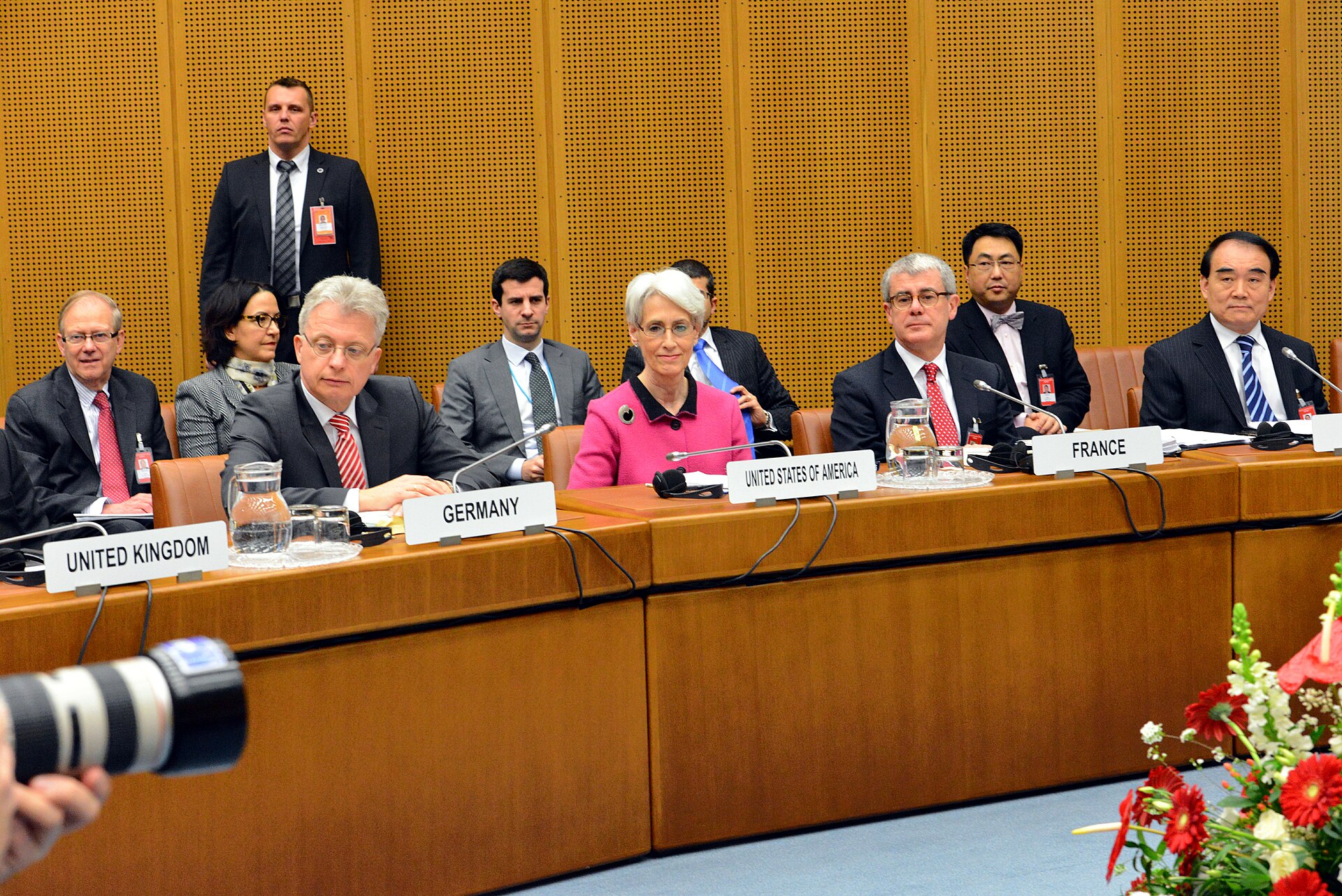
Saudi Arabia’s position inside this loop is defined entirely by exposure and entirely without voice. Riyadh has no seat on the Iran-Oman “Strait of Hormuz Committee” formed on June 24, no role in the Phase 2 nuclear negotiations that will determine the corridor’s permanent status, and no institutional channel through which to contest the PGSA’s authority over the transit route that carries the majority of Saudi crude exports. The Kingdom’s sole nuclear-track input remains Foreign Minister Prince Faisal bin Farhan’s statement at an ECFR event in Vienna — “verification is key” — a sentence that carries no operational weight in a negotiation being conducted between Washington and Tehran with Pakistan and Qatar as co-mediators. The four VLCCs at Ras Tanura are loaded with crude that must pass through a corridor governed by a committee on which Saudi Arabia does not sit, under terms set by an authority Saudi Arabia has not recognised, priced by a market that Saudi Arabia’s own absent barrels helped depress.
In 1988, the USS Samuel B. Roberts struck an Iranian mine in these same waters and ten sailors were wounded, and four days later the United States responded with the largest American naval surface engagement since 1945. In 2026, eight million barrels of Saudi crude sit loaded in four hulls at Ras Tanura, protected by a “best efforts” clause that Chatham House says is not legally binding and a deconfliction hotline that the IRGC will not answer.
By June 29, those VLCCs had nowhere to go: Hormuz traffic fell to four AIS-visible vessels, down from the post-MOU peak of 70 on June 24, as the IRGC strikes on four US bases and a re-declared closure reversed the corridor’s brief recovery.
Frequently Asked Questions
Can the Bahri VLCCs use the East-West Pipeline to bypass Hormuz?
The East-West Pipeline — also known as the Petroline — connects the Eastern Province to Yanbu on the Red Sea coast, bypassing Hormuz entirely, but its capacity of approximately 5 million barrels per day is already committed to sustaining the baseline export flow that has kept Saudi Arabia partially operational during the blockade. Diverting four VLCCs’ worth of crude through the pipeline would require displacing existing committed volumes and would not resolve the fundamental problem: the tankers are already loaded at Ras Tanura, not at Yanbu, and offloading them back to storage for pipeline rerouting would take days, require terminal capacity that may not be immediately available, and would publicly confirm that Hormuz is impassable for Saudi crude. The pipeline is a strategic insurance policy against permanent closure, not a tactical workaround for tankers already loaded on the wrong coast.
Has any country formally challenged Iran’s PGSA corridor fee under international law?
No state has formally challenged the PGSA’s legal authority, despite the fee’s apparent tension with UNCLOS Article 26(2), which prohibits charges on vessels transiting straits used for international navigation unless the charges are for “specific services rendered to the ship.” Iran has structured the PGSA fee as payment for a service — safe passage coordination, corridor management, and mine-clearance assurance — rather than as a transit toll, exploiting the same UNCLOS service exception. A formal challenge would require a case before the International Tribunal for the Law of the Sea in Hamburg, a process that typically takes two to five years and requires the challenging state to first exhaust bilateral dispute resolution — which, given the MOU’s lack of any dispute mechanism, creates a procedural paradox that effectively insulates the fee from legal challenge for the duration of the conflict.
What happened to the June 18 Bahri convoy’s PGSA payment?
Neither Bahri, Aramco, nor the Saudi Ministry of Foreign Affairs has confirmed or denied payment of the PGSA corridor fee for the June 18 convoy carrying the Shaden, Jaham, and Awtad through Hormuz with an estimated six million barrels. Iran has likewise not announced collection, and the implied fee at $1 per barrel would have been approximately $6 million. AIS data showed the three vessels going dark during transit through the Qeshm-Larak corridor — the same PGSA-designated route — but darkness on AIS is consistent with both compliant and non-compliant transit. The silence from both governments may itself be strategic: Saudi Arabia avoids confirming it paid and thereby recognising the PGSA’s authority, Iran avoids confirming it was not paid and thereby advertising a lack of enforcement, and neither side establishes a binding precedent before the 60-day toll-free window expires around August 16.
How many days remain in the MOU’s Phase 2 negotiation window?
Approximately 51 days as of June 27, 2026. The MOU was signed on June 17, establishing a 60-day Phase 2 negotiation deadline of approximately August 16 for resolving the remaining substantive issues — including Iran’s nuclear enrichment ceiling, the PGSA’s permanent legal status, and the disposition of the corridor fee after the toll-free window expires. Whether the 60-day clock pauses during disruptions is itself in dispute: Fars News Agency has claimed Iran “suspended the entire 60-day period” after Vance canceled his Bürgenstock trip and Iran suspended its delegation on June 19, while the White House attributed Vance’s absence to “logistics” and has given no indication that the clock has stopped. If the clock expires without agreement, the PGSA’s $1-per-barrel fee reverts to its default status — payable on every barrel of Saudi crude transiting Hormuz — and the “best efforts” safe passage language loses even the limited political force it carried during the negotiation window. On June 28, the day the four Bahri VLCCs remained stranded off Ras Tanura, an Aramco helicopter crashed at the terminal, killing all 14 people on board — a reminder that the costs accumulating at Ras Tanura are not only financial.
The structural trap documented here — loading without the ability to sail — acquires a new dimension as the MOU clock advances: if the sixty-day window expires without a final agreement, PGSA Day 61 triggers automatic fee reinstatement on every barrel transiting Hormuz, converting a political deadline into a direct fiscal charge on Saudi crude exports. The full scope of that exposure is analysed in Riyadh Holds the Bag Washington Dropped.