RIYADH — Saudi Arabia’s General Authority of Civil Aviation extended the closure of King Khalid International Airport on October 12 without naming a reopening date, leaving Riyadh’s only commercial airport shut twelve days before the EU-GCC summit scheduled for October 24. KLM, Air France and British Airways have all suspended Riyadh flights through or beyond the summit date, and Delta Air Lines postponed the planned launch of its first nonstop US service from October 23 to March 2027.
No major European carrier will operate commercial flights into Riyadh on the day twenty-seven EU heads of state and the presidents of the European Council and European Commission are scheduled to arrive. As of October 13, no European government, nor the European Council, nor the European Commission has issued a public statement addressing how summit delegations will reach the Saudi capital, according to a review of official EU institutional websites.
Table of Contents
GACA Extends the Closure Without a Reopening Date
GACA said the suspension was extended “to allow completion of procedures verifying the safety and operational readiness of the airport’s facilities, in coordination with the relevant authorities,” according to the authority’s statement reported by Cairoscene and DefconAlerts on October 12.
The current Notice to Air Missions closes the airport until 21:00 UTC on October 17, according to The Siasat Daily and Cairoscene. That time represents a minimum floor, not a guaranteed reopening. Prior NOTAMs set shorter windows that expired and were extended. The airport briefly resumed operations after attacks on October 6-8 — GACA said air traffic had returned to normal — before being struck again on October 10 and October 11, according to Al Jazeera and the BBC. The pattern of closure, brief reopening and renewed attack is the immediate context for GACA’s decision to omit a reopening target.
On October 11, 353 of 354 scheduled departures from KKIA were cancelled — 99.7 per cent — according to Cirium data cited by Aerospace Global News. Across all Saudi airports, 486 of 1,048 scheduled departures — 46 per cent — were cancelled as of October 13, Air Data News reported.
Twenty people died in attacks on Saudi airports between October 6 and October 11, according to a toll compiled from GACA statements reported by the BBC.
The Middle East briefing 3,000+ readers start their day with.
One email. Every weekday morning. Free.
Which Airlines Have Suspended Riyadh Flights?
The following carriers have suspended or cancelled Saudi Arabia routes as of October 12, according to The National News and Air Data News:
| Airline | Routes Suspended | Through |
|---|---|---|
| KLM | Riyadh and Dammam | October 31 |
| Air France | All Saudi routes | End of October |
| British Airways | Riyadh | November 3 |
| Etihad | Saudi routes | October 19 |
| Lufthansa Group | Saudi routes | October 16 |
| Cathay Pacific | Saudi routes | January 31, 2027 |
| Philippine Airlines | Saudi routes | November 29 |
KLM had previously set its Riyadh suspension through October 24. It extended the window to October 31 and added Dammam to the same suspension, The National News reported on October 12. Air France suspended all Saudi routes through the end of October. Both carriers’ cancellation windows now extend past the October 24 summit date.
British Airways set the longest suspension window among European carriers at November 3, according to The National News. Cathay Pacific’s suspension through January 2027 is the most extended of any carrier. Philippine Airlines suspended Saudi routes through November 29, Air Data News reported.
Each extension has followed a new attack. KLM set its initial window through October 24 and extended after the October 10 strike. The second extension, to October 31 with Dammam added, followed the October 11 strikes on both airports. Air France and British Airways followed similar patterns. No carrier that has suspended operations has shortened its window or announced an early resumption.
The European Union Aviation Safety Agency revised its Saudi conflict-zone information bulletin on October 9, telling EU operators not to fly at any altitude over two Saudi airspace zones, citing risks from missiles, drones, debris and potential misidentification, according to FlightGlobal. The bulletin remains valid through November 16. The US Federal Aviation Administration issued a Notice to Air Missions on October 11, telling US airlines to exercise caution at all altitudes in Saudi airspace through December 10, citing “safety-of-flight risks associated with ongoing military activities and GNSS interference,” according to the News Tribune.
Delta Air Lines announced on October 12 that it would delay its planned nonstop service between Atlanta and Riyadh — what would have been the first nonstop US carrier route to the Saudi capital — from an October 23 launch to March 2027. “The safety and security of our customers and employees always come first and continue to guide our operational decisions,” Delta said in a statement reported by CNBC.
The suspensions extend a pattern of growing aviation isolation that has deepened with each attack cycle since July.
How Will Twenty-Seven EU Leaders Reach Riyadh?
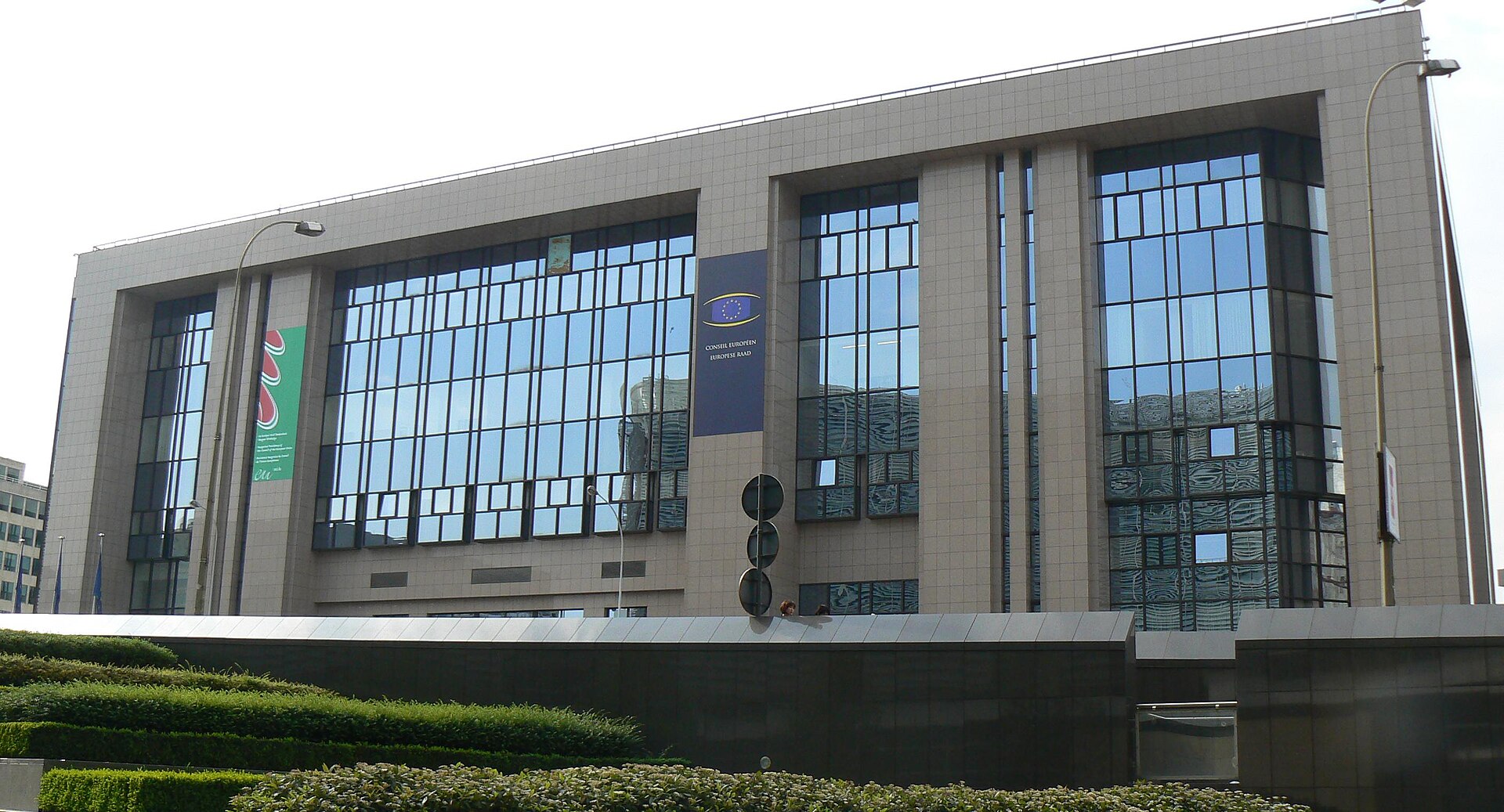
European Council President Antonio Costa sent summit invitations dated October 6, confirming the EU-GCC meeting for Riyadh on October 24, to be co-chaired with Crown Prince Mohammed bin Salman, The National reported on October 8. European Commission President Ursula von der Leyen is also confirmed to attend, along with the heads of state or government of all twenty-seven EU member states, according to the European Council’s published calendar.
The summit is the second EU-GCC leaders’ meeting and the first to take place on Gulf soil, following the inaugural summit held in Brussels on October 16, 2024. More than 75 per cent of EU imports from the GCC consist of fuel, according to European Commission data cited by The National. A Schengen visa waiver for five GCC states was among the deliverables expected at the summit, according to VisaVerge and the Oman Observer.
Kuwait said Saudi security is “an inseparable part of the security” of Kuwait and the GCC, according to Fortune and the Associated Press on October 9. Qatar called the October 10 strike “a direct threat to the security of the region,” Al Jazeera reported. The UAE declared “full solidarity,” CBS News said on October 11. None of the GCC solidarity statements addressed the summit’s logistics.
As of October 13, no statement from the European Council, the European Commission, or any EU member state government has addressed travel arrangements for the summit. A review of the Consilium.europa.eu and EEAS websites returned no relevant results.
The European Council is scheduled to meet in Brussels on October 15-16 — eight days before the Riyadh summit — according to the Council’s published calendar. That meeting is the last scheduled gathering of EU leaders before they are expected in the Saudi capital.
King Salman sent invitations to Gulf leaders, including Kuwait’s Emir and Bahrain’s King, Asharq Al-Awsat reported on September 29. The UAE President received his invitation on October 8, according to the UAE foreign ministry. Airlines and EASA had already flagged Riyadh as a risk before the GACA closure was extended indefinitely. The October 12 developments — the indefinite closure extension, KLM’s Dammam cancellation, Delta’s withdrawal — closed or complicated the remaining commercial routes into the Saudi capital.
Is Dammam Still an Alternative Route?
The World Petroleum Congress, which began in Riyadh on October 11, directed its delegates to fly to King Fahd International Airport in Dammam and then drive approximately four hours to the capital, according to The National News and The Deep Dive.
That workaround assumed Dammam would remain operational. GACA confirmed that King Fahd International Airport in Dammam was attacked on October 11, CNN reported. No information about the origin of the attack, casualties or damage was released by the coalition, The Deep Dive reported. KLM has since suspended Dammam service through October 31, alongside its Riyadh suspension.
Jeddah’s King Abdulaziz International Airport, approximately 950 kilometres west of Riyadh, has not been named as a summit alternative by any source. The Houthis have declared all Saudi airports except those serving Mecca and Medina to be targets, which would include Jeddah.
No EU government has disclosed whether it plans to use government or military aircraft, apply for diplomatic flight clearances outside the EASA advisory, or route delegations through an alternative airport.
What Did the Houthis Declare About Saudi Airports?
Houthi military spokesman Yahya Saree issued a warning on October 11, according to Middle East Eye:
“The Yemeni armed forces renew their warning to all aviation and navigation companies, experts, staff, workers, and travellers against using Saudi airports and airspace. The airports and airspace are exposed to targeting and constitute a theatre of operations for our forces, with the exception of the airports of Makkah and Madina.”
A separate Houthi statement framed the campaign as reciprocal: “Airport for airport, siege for siege, and escalation for escalation,” The Siasat Daily reported on October 11.
The two stated exceptions — the airports serving Islam’s two holiest cities — define the boundaries of the Houthi targeting doctrine in this phase of the conflict. Every other Saudi commercial airport falls within the declared threat envelope. No Houthi statement has specifically addressed diplomatic flights or government aircraft.
The warning came the same day as the attack on Dammam and the Terminal 4 strike in Riyadh, and followed what the Houthis described as retaliation for Saudi-led coalition operations in Yemen.
Background
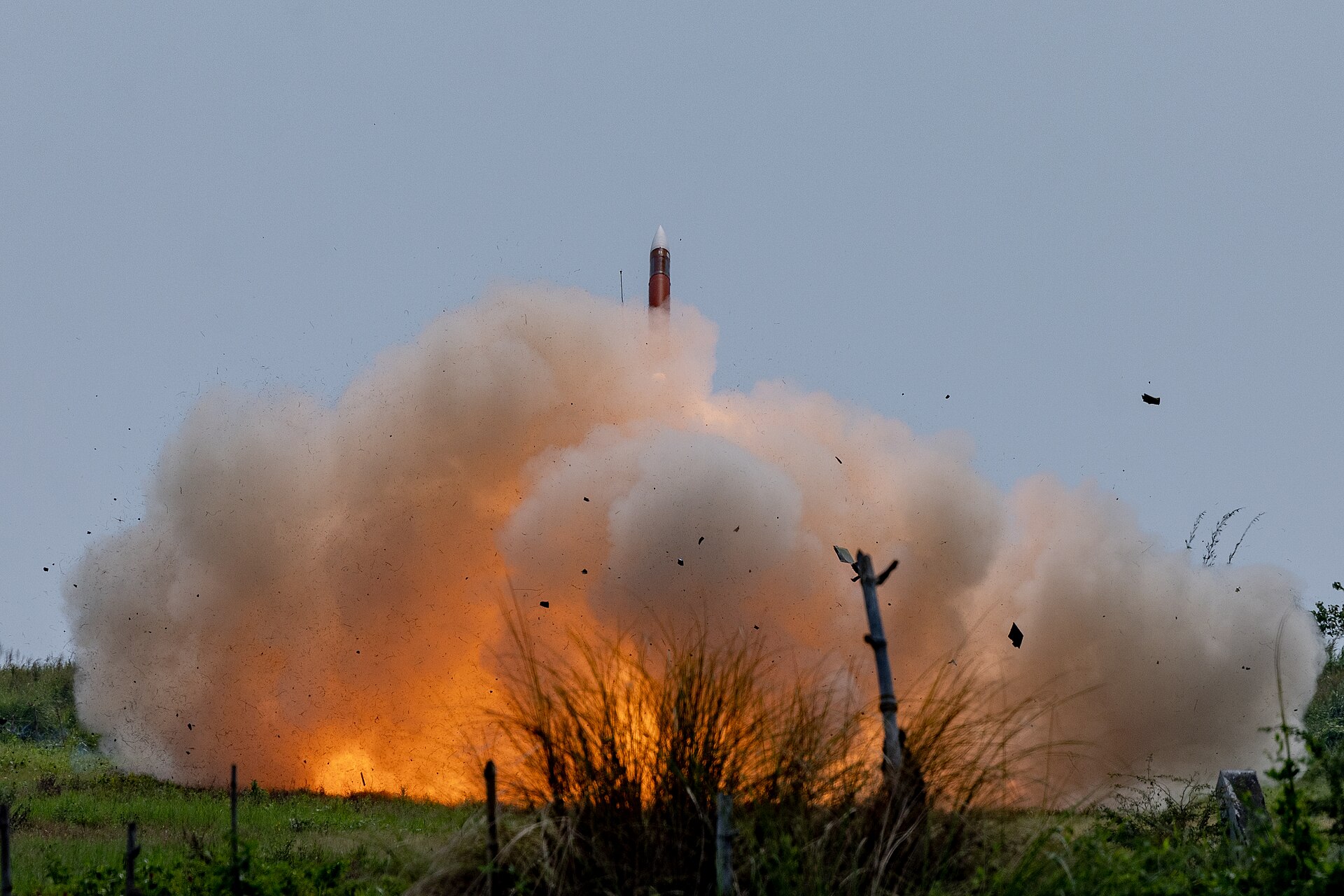
The 2022 ceasefire between Saudi Arabia and the Houthis collapsed in July, the BBC reported. Houthi attacks on King Khalid International Airport began in September, when smoke rose near the airport on September 19 and the Houthis claimed what appeared to be their first strike on Riyadh in the current escalation, according to Reuters via the Kathmandu Post. The coalition said it intercepted a missile targeting KKIA on September 18, Al Jazeera reported.
Strikes escalated in October. Attacks on October 6-7 killed three and wounded thirty-six, the BBC reported. Two attacks on October 8 killed three Saudi nationals, including Saudia captain Hamoud Ali Al Kalthami, according to Gulf Daily News. The October 10 strike was the deadliest: twelve killed and 309 wounded, according to Al Jazeera. The BBC reported 308 wounded. An Indian victim’s death raised the October 10 toll to thirteen, the BBC said. A projectile hit Terminal 4 on October 11, killing a Pakistani resident and injuring eleven, according to the BBC. Dammam airport was attacked the same day, CNN reported.
Yemen’s government launched a ground offensive on October 4, and the coalition said 100 jets flew in what it called Operation Dawn of Yemen, the Oman Observer reported. The Makkah pact committee, which treats an attack on one member as an attack on all, agreed to deploy Pakistani and Turkish forces, according to Al Jazeera.
After the October 10 attack, President Trump said “They’re able to defend. The Saudis are good fighters,” according to CNN. He had earlier declined two appeals from Crown Prince Mohammed bin Salman for US strikes on the Houthis, CNN reported.
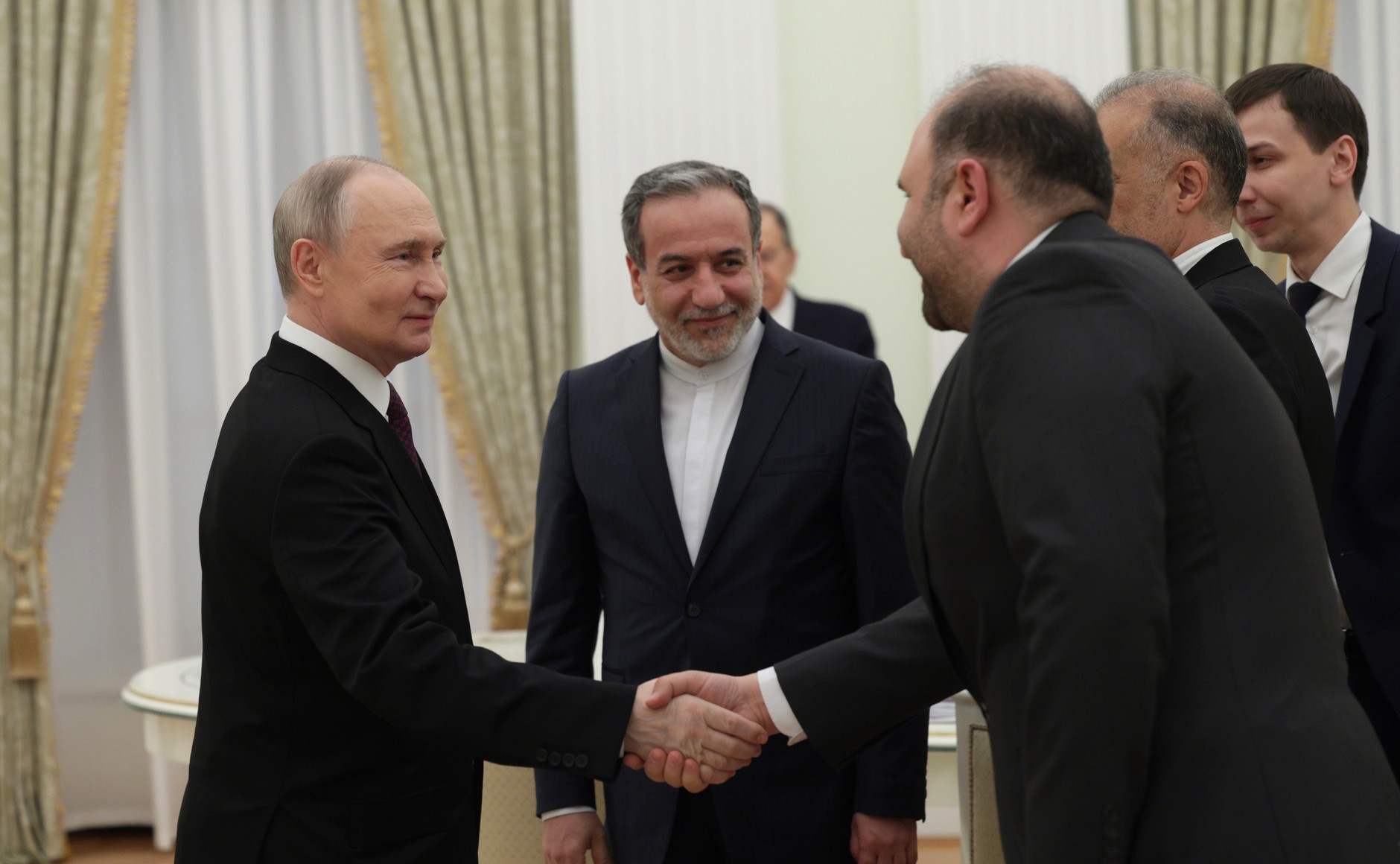
Iran’s Foreign Minister Abbas Araghchi called Saudi Foreign Minister Prince Faisal bin Farhan on October 11 and said “insisting on a military approach and disregarding a political solution would only further complicate the situation,” according to Al Jazeera. Araghchi offered to “facilitate dialogue between Saudi Arabia and Yemen.” Saudi Arabia confirmed the call but did not release a statement from Faisal.
Riyadh’s military and diplomatic response options remain constrained as infrastructure vulnerability persists and the diplomatic calendar advances toward October 24.
Frequently Asked Questions
Has any EU government said it will use military aircraft for the summit?
No. As of October 13, no EU government has disclosed its travel plans for the October 24 summit. Government and military aircraft are not bound by commercial airline suspensions. However, EASA’s conflict-zone information bulletin, valid through November 16, advises EU operators against flying at any altitude over two Saudi airspace zones, according to FlightGlobal. Whether individual member states would treat government flights as exempt from the advisory has not been addressed publicly.
What is the Schengen visa waiver expected at the summit?
GCC Secretary-General Jasem Al-Budaiwi said on October 9 that Schengen visa-free travel for citizens of Saudi Arabia, Qatar, Oman, Bahrain and Kuwait was “very close,” according to VisaVerge and the Oman Observer. The UAE is currently the only GCC state whose citizens hold Schengen visa-free access. The waiver was expected to be announced at the October 24 summit, which would make it a deliverable that depends on the event taking place as planned.
Are Riyadh Season and the Future Investment Initiative still scheduled?
Riyadh Season was set to open on October 21, three days before the summit, according to Gulf News. The tenth Future Investment Initiative conference is scheduled for October 26-29, according to Kuwait Times. The New York Times reported on October 10 that the airport strikes threaten Riyadh’s events calendar. Saudi authorities have not announced cancellations or postponements of either event as of October 13. National Day fireworks and drone shows were already postponed indefinitely in September, Khaleej Times reported.
What did the UK say about the airport attacks?
UK Health Secretary Wes Streeting called the airport strikes “contemptible” and a “dangerous escalation,” according to Middle East Eye on October 11. Britain had previously sent an RAF Voyager tanker to support Saudi air defence operations, The National reported on September 22. The UK Foreign Office advises against all travel within 10 kilometres of the Saudi-Yemen border, according to the BBC.