Correction, November 1, 2026: We removed an estimate that Saudi Arabia’s PAC-3 interceptor stock had fallen to about 400 of 2,800 rounds (86 percent depleted); no source supports it and Riyadh publishes no figures. The meta description and several passages still described Trump’s remarks as a reversal or walk-back within hours, which the October 12 correction had already found unsupported; they now describe the remarks without a sequence.
Correction, October 12, 2026: An earlier version of this article said the October 8 attack was the first on King Khalid International Airport, that it destroyed a Saudia Airbus A320 at its gate, and that the airport handled no departures for most of three days afterwards. The airport had already been attacked on October 6–7; on October 8 a parked Saudia aircraft of unstated type was damaged, and the aviation authority said operations resumed the next day. The article also attributed to President Trump the phrase “capable of defending itself” and said he reversed himself within hours; his words were “They’re able to defend. The Saudis are good fighters,” and no source gives a sequence. It misdated Secretary Rubio’s statement to October 11 and misquoted it, gave the January 2026 Patriot sale as $9.4 billion instead of $9 billion, presented May estimates of Patriot stocks as current figures, and included unsourced claims about withheld PAC-3 shipments, delegates rerouted through Dammam, an Italian minister attending by video, a Houthi statement and Bloomberg wording. These have been corrected or removed.
The House of Saud Daily Briefing
Saudi Arabia's news in 3 minutes, every morning. Free. See today's issue
RIYADH — Donald Trump said on October 10 that the United States “may” join Saudi strikes against the Houthis, and, asked whether the kingdom could defend itself, said: “They’re able to defend. The Saudis are good fighters.” The remark was not a shift in policy — Trump had announced on Truth Social two days earlier that the US would not attack Iran before the November 3 midterms — but it publicly designated Riyadh as a self-sufficient ally at the moment a Houthi missile had just killed twelve people at its main airport, including one American. Secretary of State Marco Rubio confirmed the American death, condemned the attack, and offered no operational commitment. The 25th World Petroleum Congress opened the next day at Riyadh Front in a city whose airport operations had been suspended, and whose principal security partner had just told the world it could manage alone.
Table of Contents
- What Did Trump Say About Joining Saudi Arabia’s War?
- The Constraint Trump Set on October 8
- What Happened at King Khalid Airport on October 10?
- Rubio Condemned the Strike and Offered Nothing Operational
- What Does ‘Able to Defend’ Mean for Saudi Air Defence?
- The Congress Opens Under Missile Threat
- How Did Washington’s Position Form Before October 10?
- What Did Energy Executives Witness on Opening Day?
- Frequently Asked Questions
What Did Trump Say About Joining Saudi Arabia’s War?
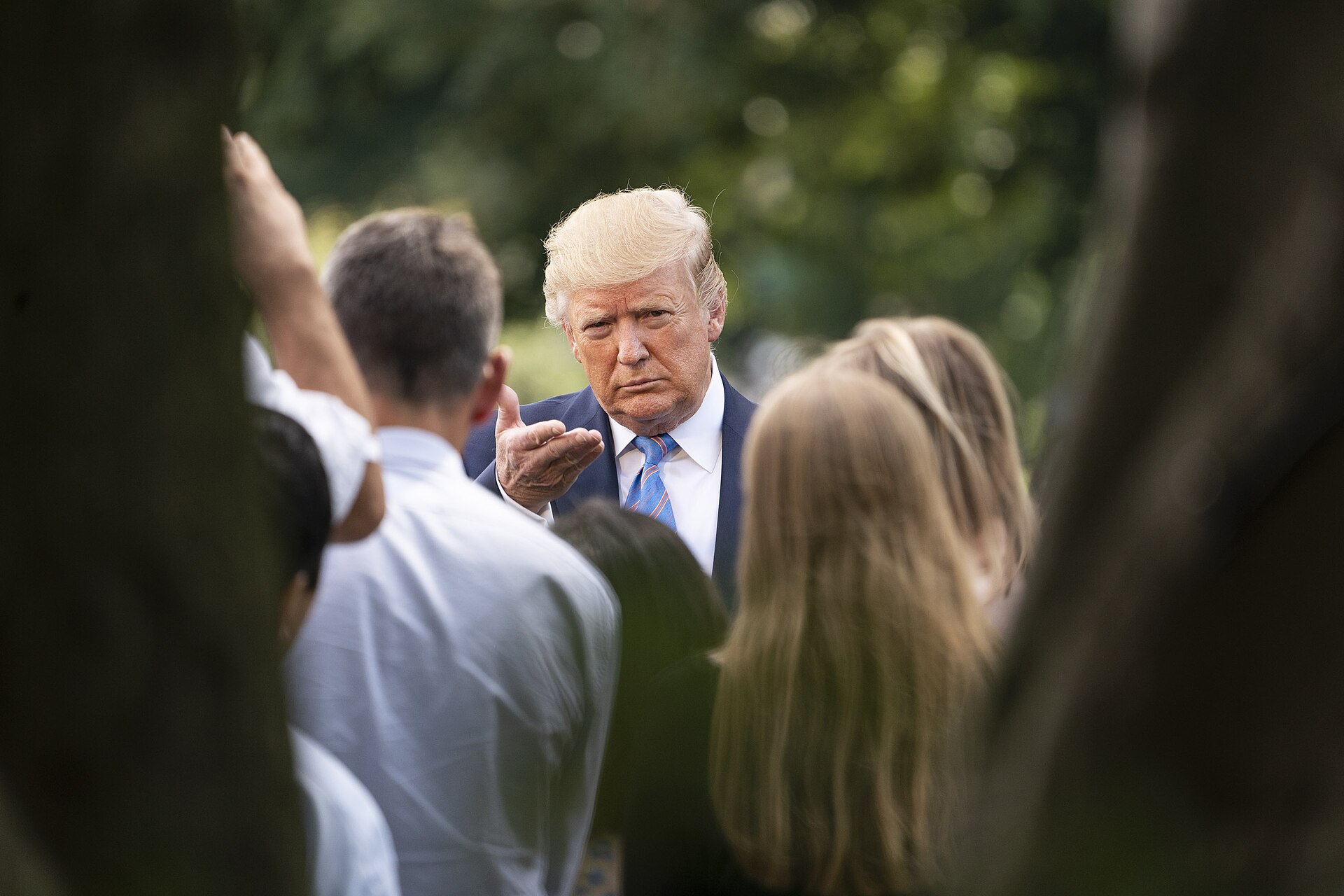
On October 10, 2026, President Trump told reporters at the White House that the US was considering joining Saudi strikes against the Houthis. “We may. We’re going to look at it,” he said. Asked whether Saudi Arabia could defend itself, he said: “They’re able to defend. The Saudis are good fighters” — language of praise, not partnership.
The initial statement came in the informal register Trump uses with reporters outside the White House, committing to nothing specific. “We just found out about the recent attack, so we’ll make a decision. We move very quickly.” The syntax carried no operational weight. It was a holding statement dressed in the vocabulary of momentum.
The second remark came in the register Trump uses when a position is settled. “They’re able to defend” is declarative. “Good fighters” is conclusive. The first comment invited follow-up questions. The second foreclosed them. One was improvised and the other was policy — and the policy had been established in writing on Truth Social two days prior.
The Constraint Trump Set on October 8
Two days before the “we may” comment, Trump had posted on Truth Social a statement that made the comment structurally impossible to fulfil. “We will not be attacking Iran at any time prior to the Midterm Elections,” he wrote on October 8. The midterm elections are November 3 — twenty-six days from the date of the post.
The statement appeared on the same day two attacks on KKIA damaged a parked Saudia aircraft and killed three Saudi nationals, including Saudia captain Hamoud Ali Alkalthami. Trump’s response to that strike was not a military commitment but a domestic political boundary: no action before voters went to the polls. The timeline was visible to every actor in the theatre — Riyadh, Tehran, Ansar Allah, CENTCOM — and it told each of them the same thing. Washington had given itself a calendar, and the calendar ran through November.
Secretary Rubio had reinforced the framing five days before the second strike. On October 5, he told reporters that the Saudis “have a right to defend themselves” from the Houthis. “Have a right” is permission language. It is the formulation of a patron granting latitude, not an ally assembling forces. Rubio placed Saudi Arabia’s defence inside Saudi Arabia’s responsibility with words that were grammatically supportive and operationally empty, adding only that the United States has a defence agreement with the kingdom and “we intend to live by it.”
Bloomberg reported on October 6 — four days before Trump’s remarks — that the administration was “reluctant to get more involved” in Saudi Arabia’s Houthi offensive and had “tried to restrain Riyadh from sparking a major new conflict in Yemen.” The report said Saudi Arabia had been “casting about unsuccessfully” for more countries to join its military operation in Yemen. When Trump said “we may” on October 10, these positions — the Truth Social post, Rubio’s statement, and the Bloomberg reporting — were already part of the public record.
What Happened at King Khalid Airport on October 10?
A Houthi missile struck a terminal at King Khalid International Airport in Riyadh on October 10, 2026. Saudi Arabia’s General Authority of Civil Aviation confirmed twelve killed — including one American citizen — and 309 injured. It was the deadliest single attack on Saudi soil in more than a decade, and airport operations were suspended.
The Houthis claimed the attack; the head of the Houthi media office said the group had “shut down Riyadh international airport.” The Houthis framed the strike as retaliation for Saudi military operations in Yemen, directly contesting the coalition’s characterisation of the attack as an act of terrorism. The claim named the airport — the language of a military operation, not of an indiscriminate act.
Coalition spokesperson Turki al-Maliki called it a “full-fledged war crime” and vowed to “respond decisively to this terrorist attack in accordance with the Customary International Humanitarian Law.” His statement named no timeline, no operational specifics, and no coordinating partner. The absence of any reference to US military support — even in the formulaic language of coalition communiqués — was consistent with what Trump had said that day.
Al-Maliki’s formulation followed a pattern that has repeated throughout the current escalation: the rhetoric of decisive response without the operational substance. Saudi Arabia’s available military options against the Houthis have narrowed to the point where the coalition’s public statements have become indistinguishable from earlier ones that preceded further strikes on the kingdom.
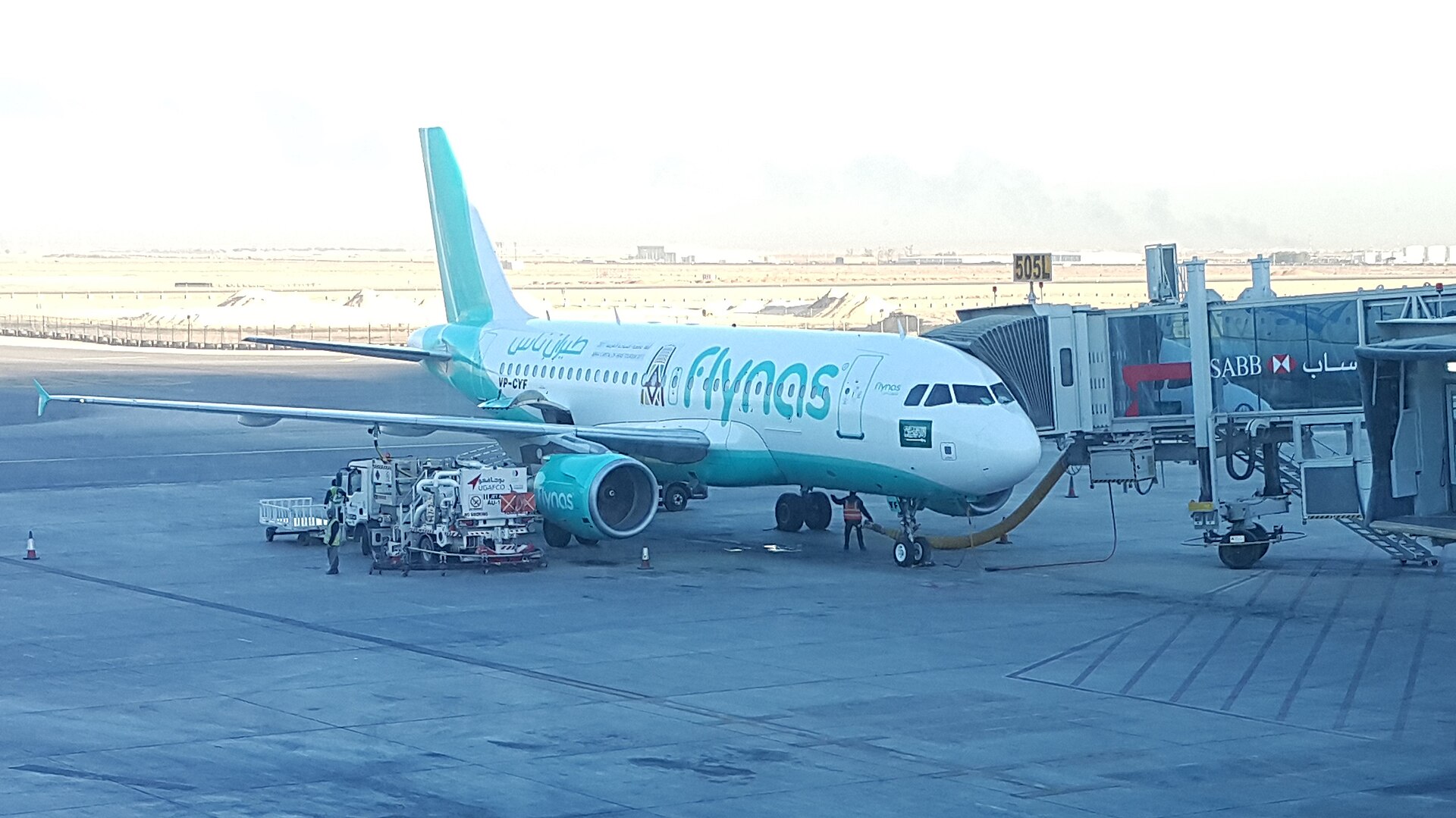
The October 8 attacks had damaged a parked Saudia aircraft and killed three. The October 10 strike killed twelve and injured 309. Several airlines suspended Riyadh routes after October 8, among them Lufthansa Group through October 16. The following day, a second strike hit Terminal 4, and the Houthis formalised the declared siege of Saudi airports — naming every airport in the kingdom a legitimate target except Mecca and Medina.
The European Union Aviation Safety Agency broadened its Saudi airspace guidance on October 9 — the day between the two strikes — citing the Houthis’ ability to strike deeper inside the kingdom, including Riyadh. By the time the second missile struck on October 10, the regulatory architecture over Saudi airspace had already shifted.
Rubio Condemned the Strike and Offered Nothing Operational
Rubio confirmed on October 10 that an American citizen was among the dead at KKIA. He said the United States “strongly condemns” the attacks “by the terrorist Houthis” and that they showed “a blatant disregard for innocent civilian life.”
The statement contained no military content. Rubio did not announce a change in US operational posture, reference interceptor deliveries, mention THAAD deployment, or address the kill-chain integration that would allow Saudi forces to engage incoming missiles earlier in their trajectory. An American citizen died in a ballistic missile strike on a civilian airport terminal, and the secretary of state’s response occupied the space between condemnation and silence.
Trump’s broader reversal on Iran in the preceding days had already compressed the available space for a US military response. Rubio’s October 10 statement confirmed that the death of an American did not expand it. His October 5 formulation — “a right to defend themselves” — survived the killing of a US citizen without revision. The language that had been set before the crisis continued after it.
The historical contrast is instructive. The 1996 Khobar Towers bombing in Dhahran killed nineteen American servicemen and produced a years-long US investigation, diplomatic confrontation with Iran, and sustained military presence adjustments. The 2019 Abqaiq-Khurais drone and cruise-missile attack — which struck Saudi oil infrastructure but killed no one — prompted Trump to declare the US “locked and loaded” before choosing not to strike. In October 2026, a missile killed twelve people including an American at the capital’s main airport, and the secretary of state’s public response was a condemnation that named no action, referenced no capability, and proposed no timeline.
What Does ‘Able to Defend’ Mean for Saudi Air Defence?
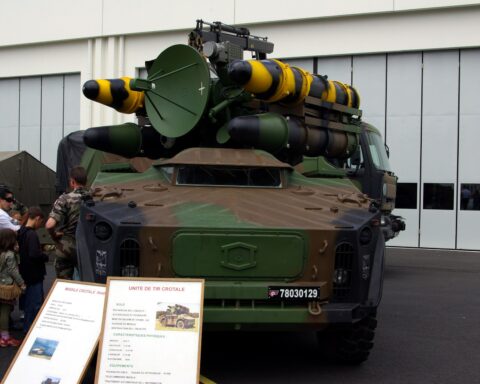
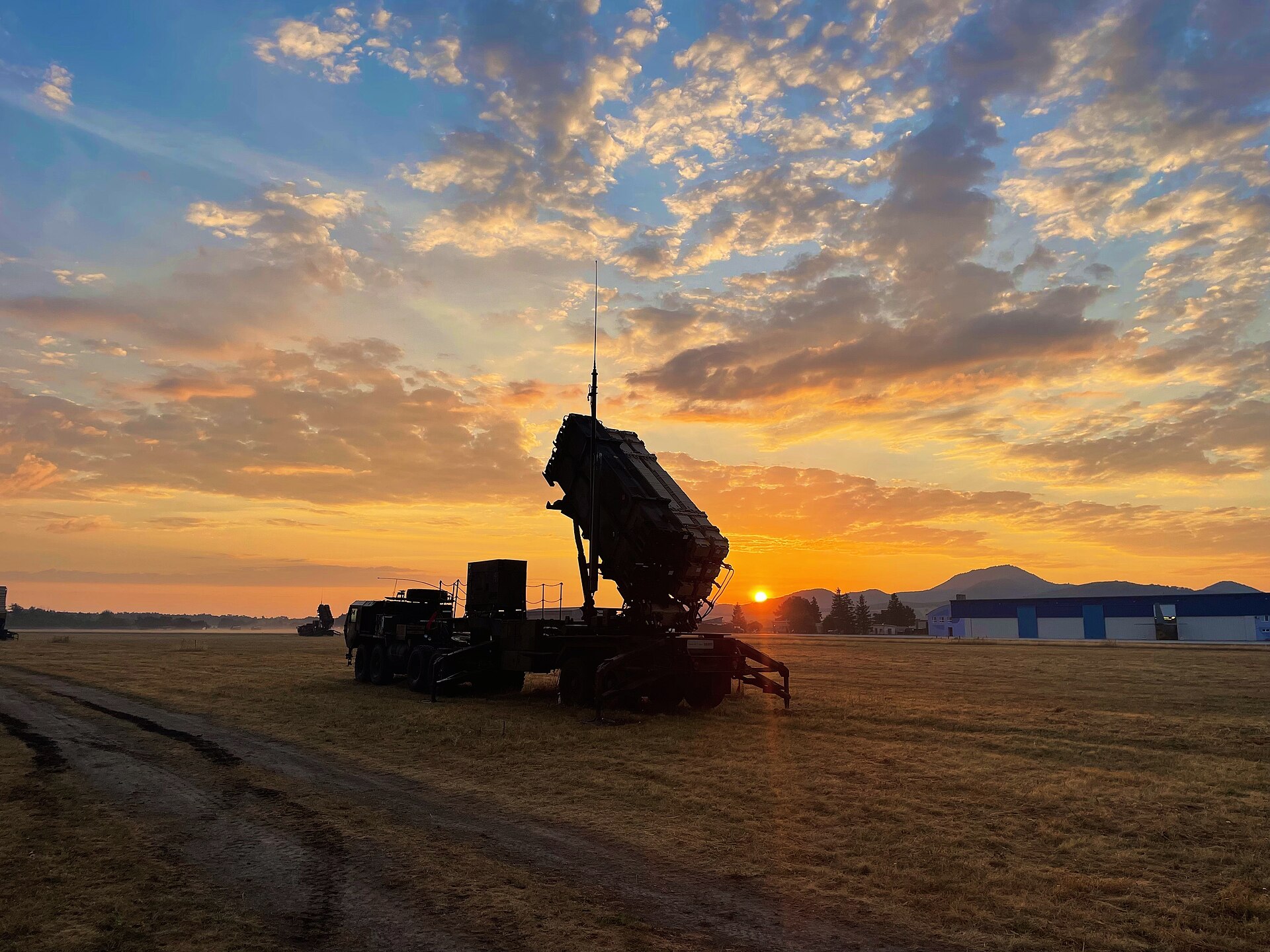
Riyadh has not published figures for its PAC-3 MSE inventory. The $9 billion DSCA-approved sale of up to 730 rounds, notified to Congress in January 2026, has no announced delivery schedule.
Trump described the Saudis as able to defend on the same day their air defences failed to prevent the deadliest Houthi strike of the war. The PAC-3 MSE is the primary terminal-phase interceptor in the Saudi inventory — the system designed to stop exactly the kind of ballistic missile that struck KKIA. With a sustained Houthi launch tempo, each interception reduces the remaining stockpile against a threat that shows no sign of diminishing. The mathematics run in one direction.
The January 2026 Defence Security Cooperation Agency notification approved the possible sale of up to 730 rounds in principle. It is an approval, not a delivery. Saudi Arabia holds the approval. It does not hold the rounds. The distinction is the distance between an approved purchase and a functioning air defence.
The Congress Opens Under Missile Threat
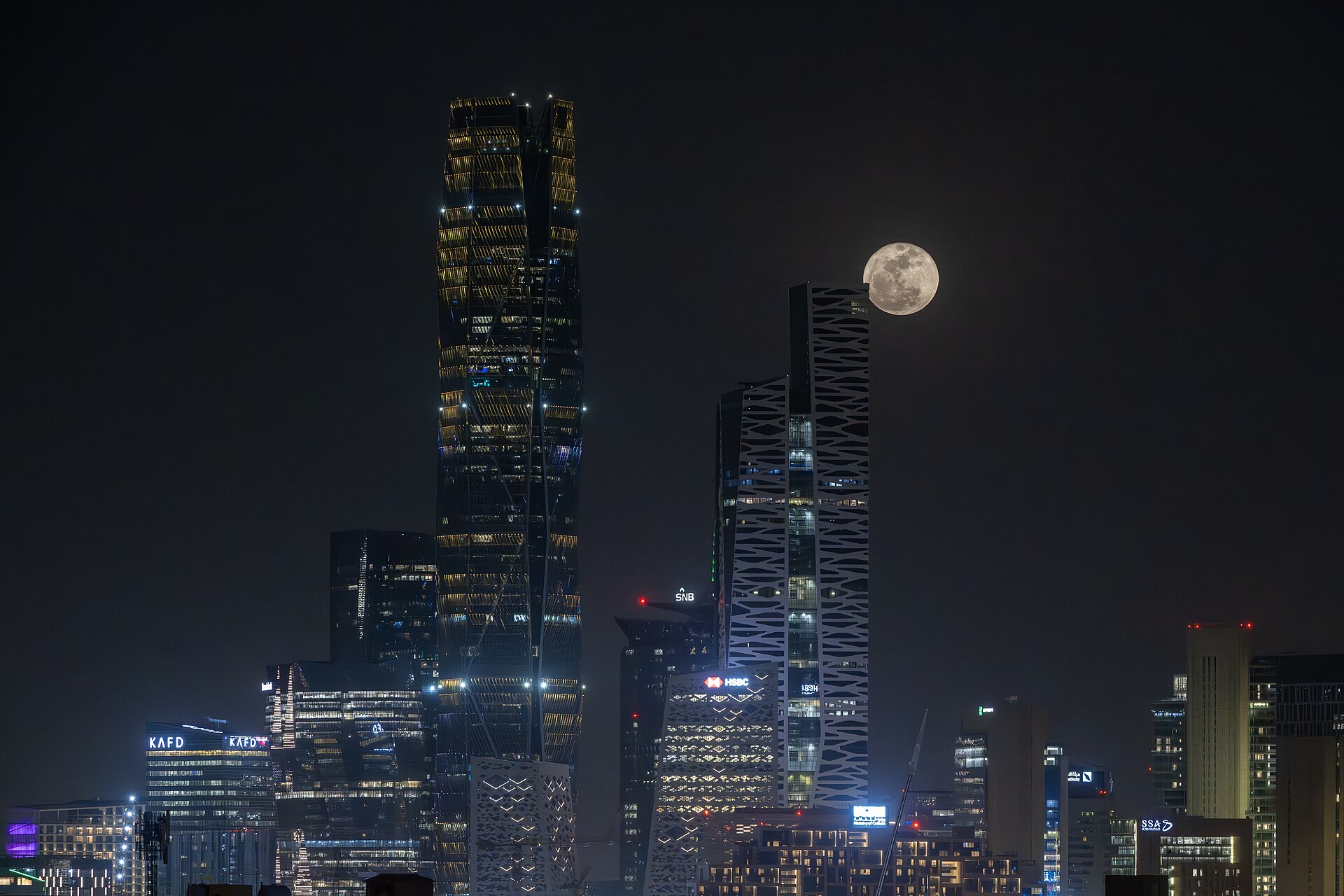
The 25th World Petroleum Congress opened on October 11 at Riyadh Front Exhibition and Conference Centre. It was the first time in the WPC’s ninety-year history that the congress came to the kingdom. Organisers had projected 800 speakers, 1,000 companies and more than 25,000 delegates; a later update put expected attendance at more than 70 ministers and some 300 CEOs and senior executives. The Saudi energy ministry said the congress began as scheduled, but how many delegates attended is unclear.
The city’s main airport had been struck the previous day. Twelve people were dead. A terminal was damaged. Operations had been suspended. The congress Riyadh had built as a showcase for its energy ambitions opened in a city that could not guarantee its delegates a functioning airport for the return flight.
The Houthis had warned airlines to avoid Saudi airspace, exempting only Mecca and Medina airports, framing civil aviation disruption as a deliberate instrument of their campaign — not collateral damage but stated policy. The congress was open. The European aviation regulator had warned of the risk in the airspace above it.
How Did Washington’s Position Form Before October 10?
Bloomberg reported on October 6 that the Trump administration was “reluctant to get more involved” in Saudi Arabia’s Houthi offensive, had “tried to restrain Riyadh from sparking a major new conflict in Yemen,” and that US help had been limited to intelligence, targeting and refuelling assistance.
The October 10 remarks did not create a new position. They restated one that had been forming since at least early October.
Washington’s position was assistance without participation. The support architecture — intelligence sharing, targeting data, aerial refuelling — remained intact. The offensive commitment remained absent. October 10 confirmed that the “we may” remark had not altered the underlying structure; it had only briefly obscured it.
The remarks sat inside a fixed calendar. Trump’s October 8 Truth Social post established the outer boundary for any US military action against Iran: nothing before November 3. The midterms were twenty-three days from the WPC opening. Between October 11 and the first Tuesday in November, Tehran operated inside a publicly announced pause in American strikes on Iran — a pause the president of the United States had posted on social media for anyone to read.
What Did Energy Executives Witness on Opening Day?
The executives at WPC 2026 are not a diplomatic audience — they price risk and allocate capital for a living. On October 11 they had watched Trump say the US “may” join and, in the same remarks, that the Saudis are “able to defend,” heard Rubio condemn a strike that killed an American without announcing any operational response, and saw EASA warn of the risk in the airspace above the congress venue where they sat.
The WPC was designed as a platform for Saudi Arabia’s energy transition ambitions — downstream investment, petrochemical capacity expansion, the hydrogen corridor, the broader Vision 2030 programme. Aramco’s pricing and fiscal pressures were already under scrutiny from the audience in the room. What October 11 added was a physical context for evaluating those decisions. The executives who heard Trump’s remarks are the same executives who approve capital allocation for Saudi downstream projects, who set political-risk premiums on Gulf investments, and who structure insurance for facilities inside the Houthi targeting envelope.
Trump’s remarks reached this audience not as a diplomatic cable or a classified briefing but as a wire story on every phone in the congress hall. The implication was plain: when a missile killed twelve people including a US citizen at Riyadh’s main airport, the American president’s stated willingness to intervene sat beside a baseline established days earlier. For an audience that builds thirty-year project models and prices country risk into joint-venture agreements, that data point did not expire with the news cycle.
The actual attendance figure for opening day has not been confirmed. What is confirmed is the setting: a country whose airspace the European aviation regulator had flagged, and a congress about the future of energy in a city that could not guarantee a departing flight.
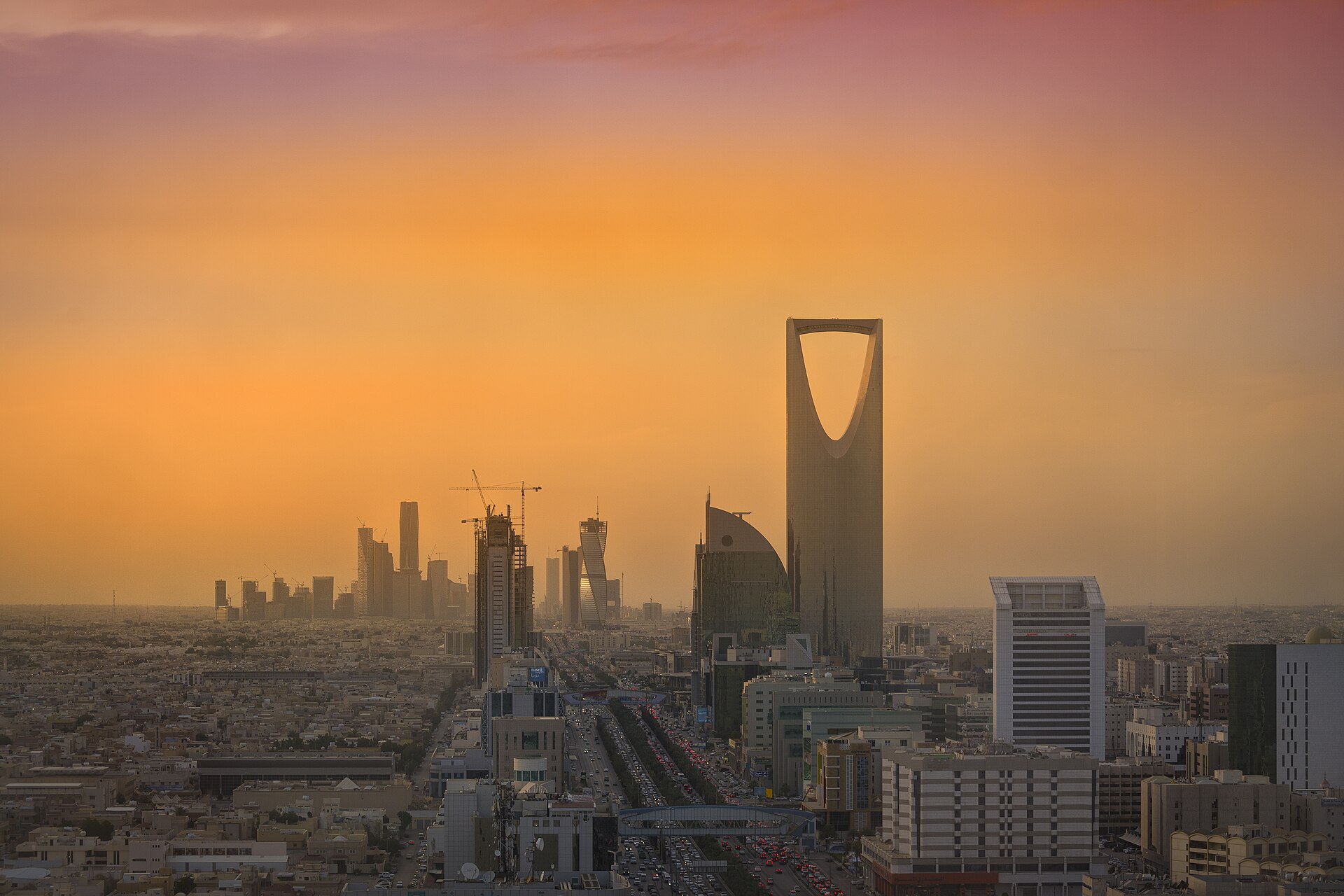
The escalation sequence continued the following day: on October 11, Houthi forces claimed strikes on Saudi Aramco’s Shedgum gas plant and Tanajib offshore facility — shifting the target set from Saudi airports to the infrastructure that funds the state. By October 15, the coalition had placed a cumulative figure on the airport campaign: twenty attacks on King Khalid International Airport since October 1, with a final toll of seventeen dead and 333 injured — the first time Riyadh published a running count for the strikes Trump had called proof that the Saudis are “able to defend.”
Frequently Asked Questions
Did any other countries offer military support to Saudi Arabia after the October 10 KKIA strike?
No country announced new offensive military support following the October 10 attack. France kept the troops, radars and defence systems it sent to Yanbu in September but announced no expansion. Britain’s foreign secretary said he was “appalled” but announced no new military commitment. Saudi Arabia’s coalition response, articulated by Turki al-Maliki, referenced international humanitarian law without naming any multinational military coordination mechanism or allied contribution. Bloomberg had reported on October 6 that Saudi Arabia had been “casting about unsuccessfully” for more countries to join its military operation — a search that the October 10 strike did not appear to resolve.
Has the United States intervened directly against the Houthis before?
Yes. In 2025 US Central Command struck more than 1,000 Houthi targets, including radar systems, air defences and ballistic missile sites, before Trump announced a ceasefire with the group less than two months into the campaign. Earlier, beginning in January 2024, the US and Britain struck Houthi targets after attacks on commercial shipping.
Did the Houthis claim responsibility for both KKIA strikes?
The Houthis claimed the October 8 and October 10 attacks on KKIA. For October 8 they said they had used two cruise missiles. After the October 10 strike, Saree said the attacks responded to “brutal Saudi aggression against our country and our people.” The Houthis also warned airlines and travellers against using Saudi airports and airspace, with the exception of Mecca and Medina airports, positioning civil aviation disruption as an intentional element of their strategy.
The same operational window that prompted Trump’s assessment also produced Houthi claims of fires at Aramco’s Shedgum gas plant and Tanajib facility — claims Aramco did not confirm or deny for more than 24 hours. That silence, and what it signals to energy markets, is analysed in Abqaiq Got a Timeline — Shedgum Got Silence.
The House of Saud Daily Briefing
Saudi Arabia's news in 3 minutes, every morning. Free. See today's issue