
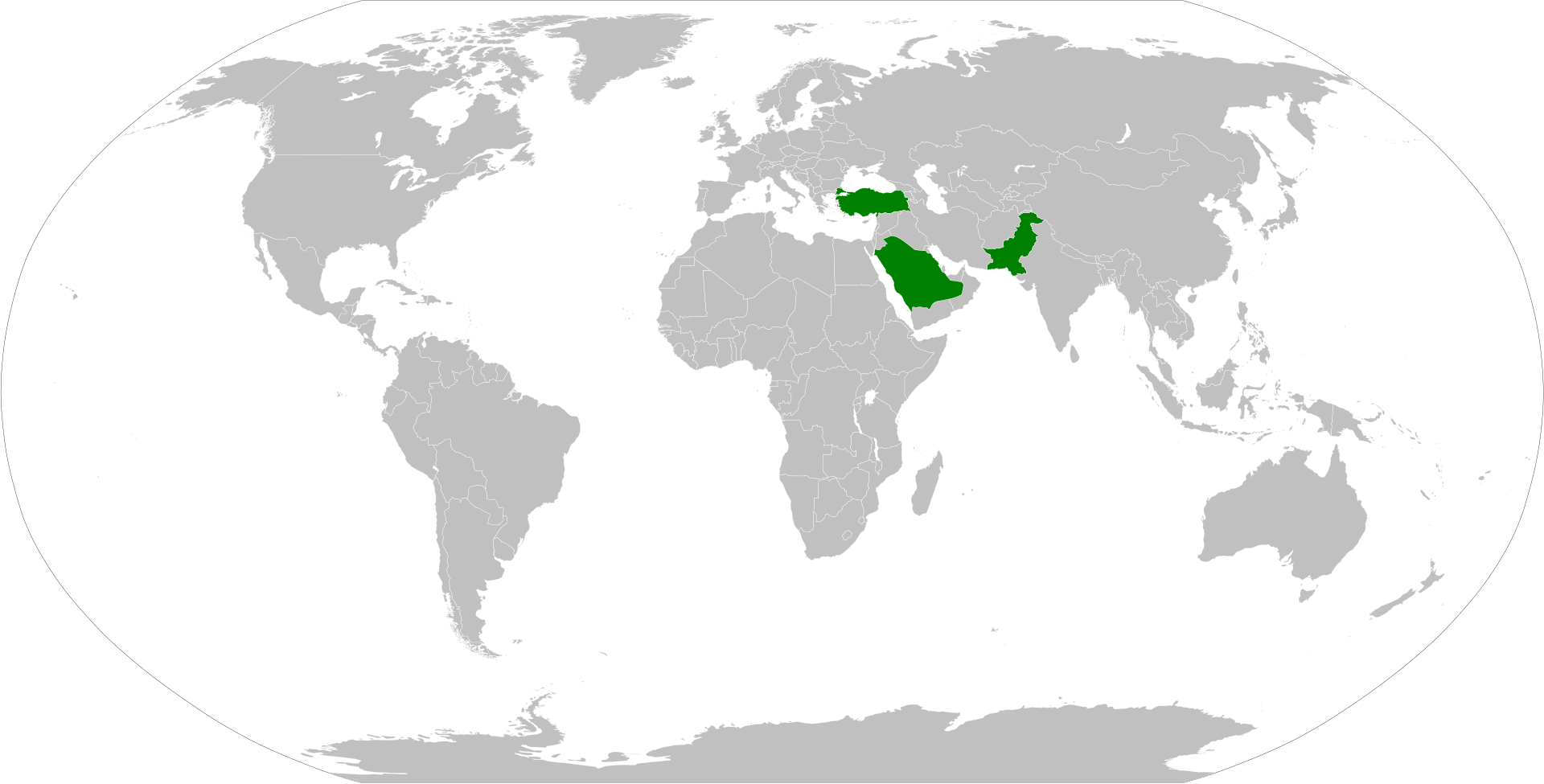
RIYADH — On October 5, Saudi Defence Minister Prince Khalid bin Salman announced the activation of “collective deterrence measures within the framework of the Alliance” — the first formal invocation of the Makkah Joint Defence Agreement signed two months earlier by Saudi Arabia, Pakistan, and Turkey. The activation produced no operational plan, no timeline, no specified troop numbers, and no breakdown of national contributions. Turkey’s parliament has not ratified the agreement. Pakistan’s deployable force — approximately eight thousand troops already stationed in the kingdom — remains constrained by a nine-hundred-kilometre border with Iran that shapes every decision Islamabad makes about operations against Tehran’s Houthi allies. The pact followed two appeals by Crown Prince Mohammed bin Salman to President Trump in September for American strikes on Houthi positions, both declined. Riyadh invoked an agreement that exists in diplomatic communiqués and not yet in the field.
Table of Contents
- What Did the October 5 Activation Actually Produce?
- Forty-Eight Hours After Signing, Riyadh Said Nothing
- What Stops Turkey From Deploying Tomorrow?
- The 2015 Vote Pakistan Cannot Forget
- Eight Thousand Troops and One Chinese Battery
- How Does Iran Read the Makkah Pact?
- The Allies Already in the Field
- Can Forty-Three IMCTC Members Predict What Comes Next?
- Frequently Asked Questions
What Did the October 5 Activation Actually Produce?
The October 5 joint statement from Saudi Arabia, Pakistan, and Turkey cited attacks on the holy cities of Mecca and Medina without naming the Houthis. It produced no operational plan, no deployment timeline, no troop numbers, and no breakdown of national contributions. Pakistan’s Defence Minister Khawaja Asif described his country’s forces as playing “a supporting role” while combat remained “practically being conducted by Saudi Arabia’s own forces.”
Prince Khalid bin Salman’s language — “activate collective deterrence measures” and “all those responsible for them” — left the boundaries of activation undefined. Dania Thafer of the Gulf International Forum noted that “all those responsible” was “intentionally ambiguous.” The phrase could authorise intercepting missiles, reinforcing air defence, or striking the infrastructure enabling attacks. The statement did not specify which.
Pakistan’s Deputy Prime Minister Ishaq Dar narrowed the aperture: “The document itself says, first, that it is defensive in nature.” Turkish Foreign Minister Hakan Fidan had established this boundary after the August signing. “If one of the countries is attacked, you support its defense. This is not an offensive agreement.” He added that Turkey “will not send troops abroad to launch attacks.”
The military chiefs of all three countries had met in Riyadh on September 26, nine days before activation. What emerged was agreement to deploy Pakistani and Turkish forces. What did not emerge was any public indication of where, in what configuration, or under whose operational authority. Arab Center DC’s analysis identified what the activation lacked: no joint command, no standing forces, no defined trigger mechanism.
Saudi air defence continued to operate as it had before October 5. The activation changed the diplomatic language. It did not change — on the public record — the forces defending Saudi airspace.
The Middle East briefing 3,000+ readers start their day with.
One email. Every weekday morning. Free.
Forty-Eight Hours After Signing, Riyadh Said Nothing
The Makkah Joint Defence Agreement was signed on August 7, 2026, by Mohammed bin Salman, President Erdogan, and Pakistani Prime Minister Shahbaz Sharif. The terms treated an armed attack on any one signatory as an attack on all three. No official text was released.
Forty-eight hours later, Houthis struck an Aramco refinery in Jazan. Saudi leaders did not invoke the pact. They did not request assistance from their new partners.
Steven Cook of the Council on Foreign Relations noted the gap within a week. “After five decades,” he wrote, “it is no longer possible to talk about a U.S.-led order in the Middle East.” But Riyadh’s non-invocation also revealed something about the agreement’s intended function. The pact existed as a signal — directed at Washington, at Tehran, and at a Saudi public watching Houthi ordnance land on national territory — before it existed as a military instrument.
What changed between August and October was the tempo of attacks, not the structure of the alliance. By late September, strikes on King Khalid International Airport had killed seventeen people. Saudi Arabia’s Grand Mufti Saleh al-Fawzan issued a rare public call for troops to defend the kingdom. Mohammed bin Salman made two direct appeals to Trump for American strikes on Houthi positions in September. Both were declined.
Riyadh invoked the Makkah Agreement on October 5. The American strikes had not come.
What Stops Turkey From Deploying Tomorrow?
Article 92 of Turkey’s constitution grants parliament sole authority to authorise overseas troop deployments. The Makkah Agreement has not been submitted for ratification. President Erdogan said on October 8 that submission would come “in a few days.” His governing coalition — the AK Party and its Nationalist Movement Party ally — controls a parliamentary majority, making eventual approval likely. No session date has been set.
The procedural path may not be straightforward. A senior Turkish official told Al-Monitor that Ankara may prioritise a separate military deployment authorisation bill over ratifying the treaty itself. This approach would permit Turkish forces to deploy under a standalone parliamentary mandate while leaving the broader alliance non-binding under Turkish domestic law — allowing Ankara to calibrate its commitment without the political weight of formal treaty ratification.
As of October 13, the operational picture reflects that procedural gap. Gokhan Ereli of Ibn Haldun University told Al Jazeera that “there is no publicly acknowledged standing Turkish deployment in Saudi Arabia.” What Turkey would contribute, if parliament acts, is unlikely to resemble a conventional force deployment.
Mustafa Enes Esen, a former Turkish diplomat, described the expected contribution as “largely technical” — equipment, intelligence, and drone operators linked to the 2023 Akinci combat drone sale to Saudi Arabia. “Ankara sees the pact as a way to deepen defense ties,” Esen told Xinhua, “not to fight Riyadh’s war.”
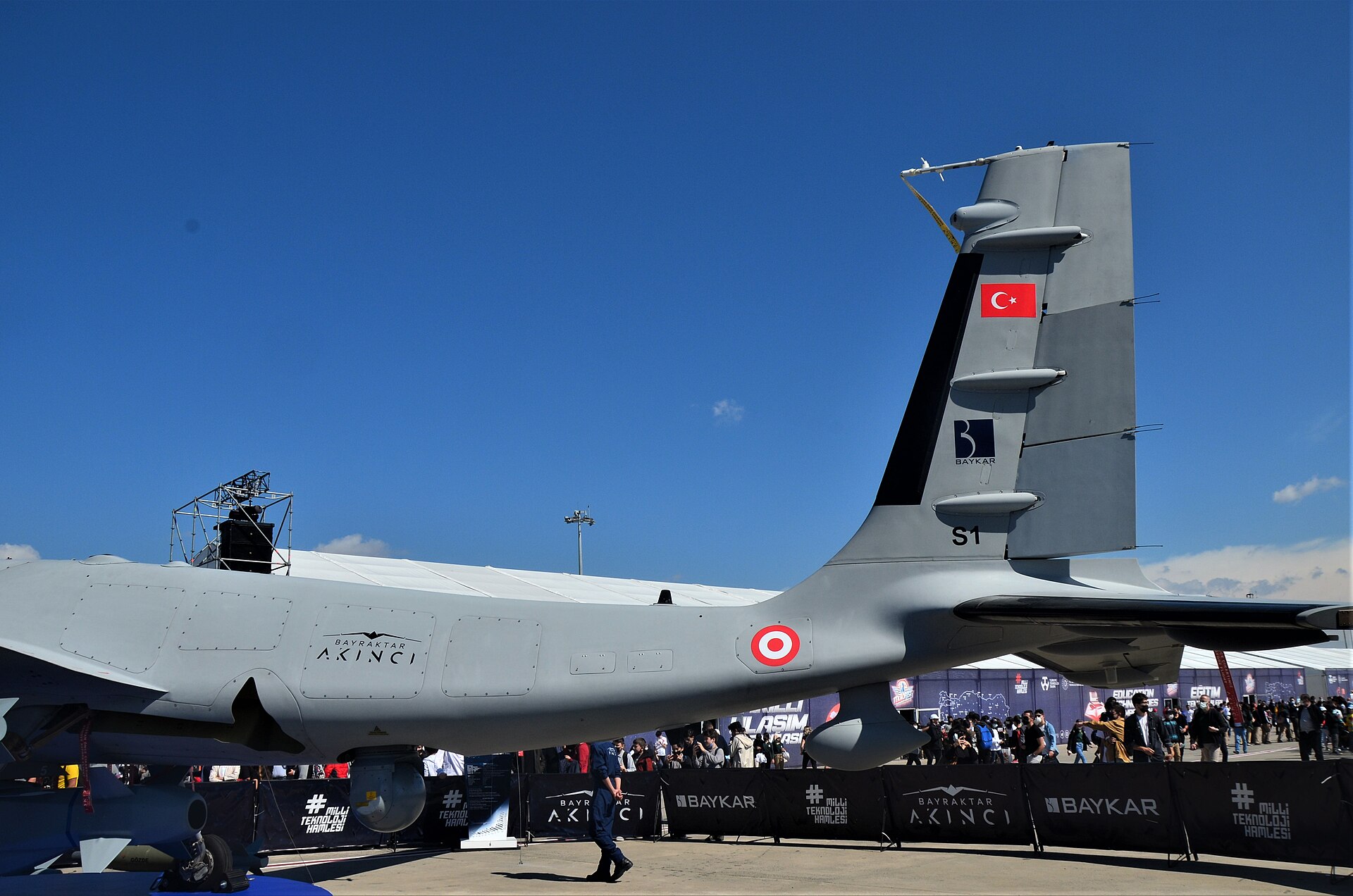
Canan Tercan of Istanbul Aydin University listed the likely Turkish assets: UAVs, air defence systems, and cyber capabilities alongside intelligence and diplomatic coordination. Much of that list — intelligence sharing, diplomatic coordination, equipment resupply — does not require troops on Saudi soil. The parliamentary bottleneck applies to personnel. It may not apply to the equipment and technical support Turkish analysts expect Ankara to provide.
The assessment from outside Turkey’s policy community has been blunter. Tim Chattell of Chatham House called Turkey’s participation “opportunistic hedging” that “adds little to Turkish defense.” Baris Doster of Marmara University assessed that without a common threat directly targeting all parties, the pact is “more likely to serve as a symbolic diplomatic gesture.”
Turkey signed the Makkah Agreement on August 7. Erdogan’s AK Party called parliamentary submission imminent on October 8. As of October 16, no vote has been scheduled.
The 2015 Vote Pakistan Cannot Forget
In April 2015, Pakistan’s parliament voted unanimously against joining the Saudi-led coalition in Yemen. The government was willing. Parliament was not. Iran’s foreign minister flew to Islamabad in the days before the vote.
The stated justification was that Pakistan preferred a “mediating role” and would defend Saudi territorial integrity but not join an offensive war. The operative constraint was geographic. Pakistan and Iran share nine hundred kilometres of border in Balochistan. Cross-border militant operations have been a recurring flashpoint. Pakistan imports Iranian gas. Islamabad’s willingness to participate in operations against the Houthis — the group Iran arms, advises, and publicly defends — runs directly into the security of that frontier.
The 2015 vote did not end the Saudi-Pakistan defence relationship. Islamabad continued cooperating on counter-terrorism, intelligence, and military training. The bilateral Strategic Mutual Defence Agreement signed in September 2025 expanded the institutional foundation. But the parliamentary rejection established a boundary that a decade of Saudi financial support has not moved.
That boundary was tested again in September 2019, when Houthi drones and cruise missiles struck Saudi Aramco facilities at Abqaiq and Khurais — the most damaging attack on Saudi energy infrastructure in a generation. Pakistan offered solidarity. No military response followed.
Yoav Guzansky and Gallia Lindenstrauss of Israel’s Institute for National Security Studies assessed the pattern in their August 2026 analysis of the Makkah pact. Their conclusion: Pakistan will help Saudi Arabia only “under conditions that do not jeopardize its ties with Tehran.”
Tughral Yamin of Pakistan’s Institute of Policy Studies expects any Pakistani contribution to remain “specialised rather than large.” Pakistan, he said, “should draw its red lines carefully to avoid combat.” Javad Heiran-Nia of the Persian Gulf Studies Group identified the red line from the Iranian perspective: the nine-hundred-kilometre border ensures that Pakistan can participate in Saudi air defence. Conducting strikes on Houthi positions in Yemen — where Iran’s allies operate — risks a direct response across that shared frontier.
The institutional relationship between Saudi Arabia and Pakistan is six decades old. The first formal defence cooperation agreement dates to 1967. A second bilateral security cooperation agreement followed in 1982. The bilateral SMDA of September 2025 was the third in a series that spans the Cold War, the Gulf wars, and the current Houthi conflict. What six decades of institutional cooperation have not produced is a single instance of Pakistan joining a Saudi offensive campaign.
Eight Thousand Troops and One Chinese Battery
Reuters reported approximately eight thousand Pakistani troops in Saudi Arabia — the most widely cited figure in the verified record. One unnamed security official told Reuters that the bilateral Strategic Mutual Defence Agreement permits deployment of up to eighty thousand Pakistani troops to secure Saudi borders. That figure is one official’s characterisation of the agreement’s ceiling, not a current deployment number and not drawn from a published treaty text.
The bilateral SMDA was signed in September 2025 — nearly a year before Turkey joined the arrangement in Makkah. Saudi Arabia and Pakistan built the operational foundation before the trilateral existed.
In April 2026, Saudi Arabia confirmed the arrival of a Pakistani military contingent at King Abdulaziz Air Base in the Eastern Province.
| Asset | Reported Quantity | Location | Source |
|---|---|---|---|
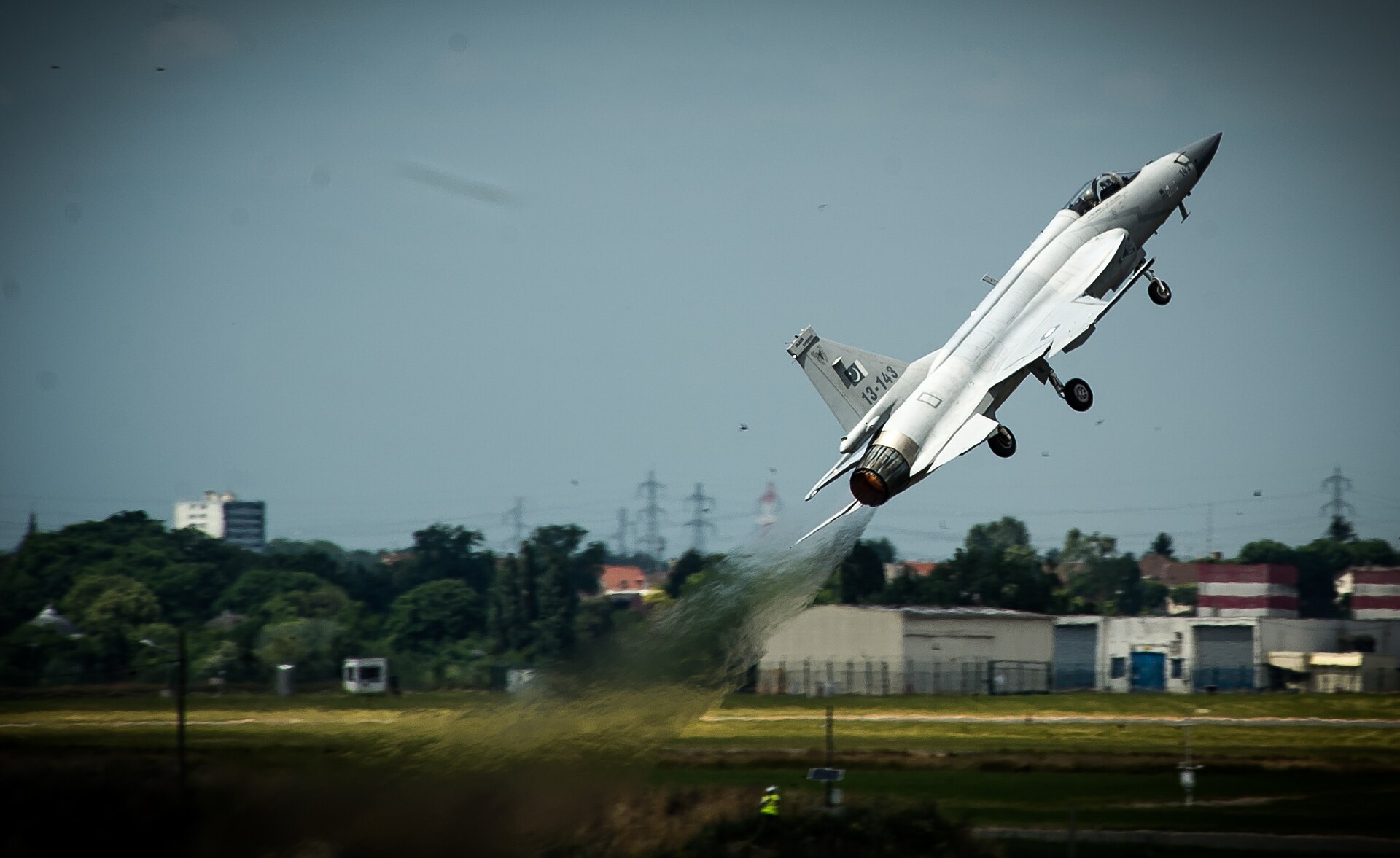
| JF-17 Block III fighters | ~16 (one squadron) | King Abdulaziz Air Base, Eastern Province | Reuters via Arab Center DC, The Print |
| Drone squadrons | 2 | King Abdulaziz Air Base | Reuters via Arab Center DC, The Print |
| HQ-9 air defence battery | 1 (financed by Saudi Arabia) | King Abdulaziz Air Base | Reuters via Arab Center DC, The Print |
| Total personnel | ~8,000 | Undisclosed | Reuters |
Lt Gen Ahmed Sharif Chaudhry, Pakistan’s director general of military public relations, confirmed Pakistani forces were present but declined to disclose numbers or locations. “We will go to any extent,” he said.
The deployment’s timing — April 2026 — coincided with a three-billion-dollar Saudi cash infusion to Pakistan’s economy. Arab Center DC noted the proximity. The pattern is older than this deployment: Saudi financial support has been part of the security relationship since the 1960s. The 2026 configuration differs in scale, not in kind.
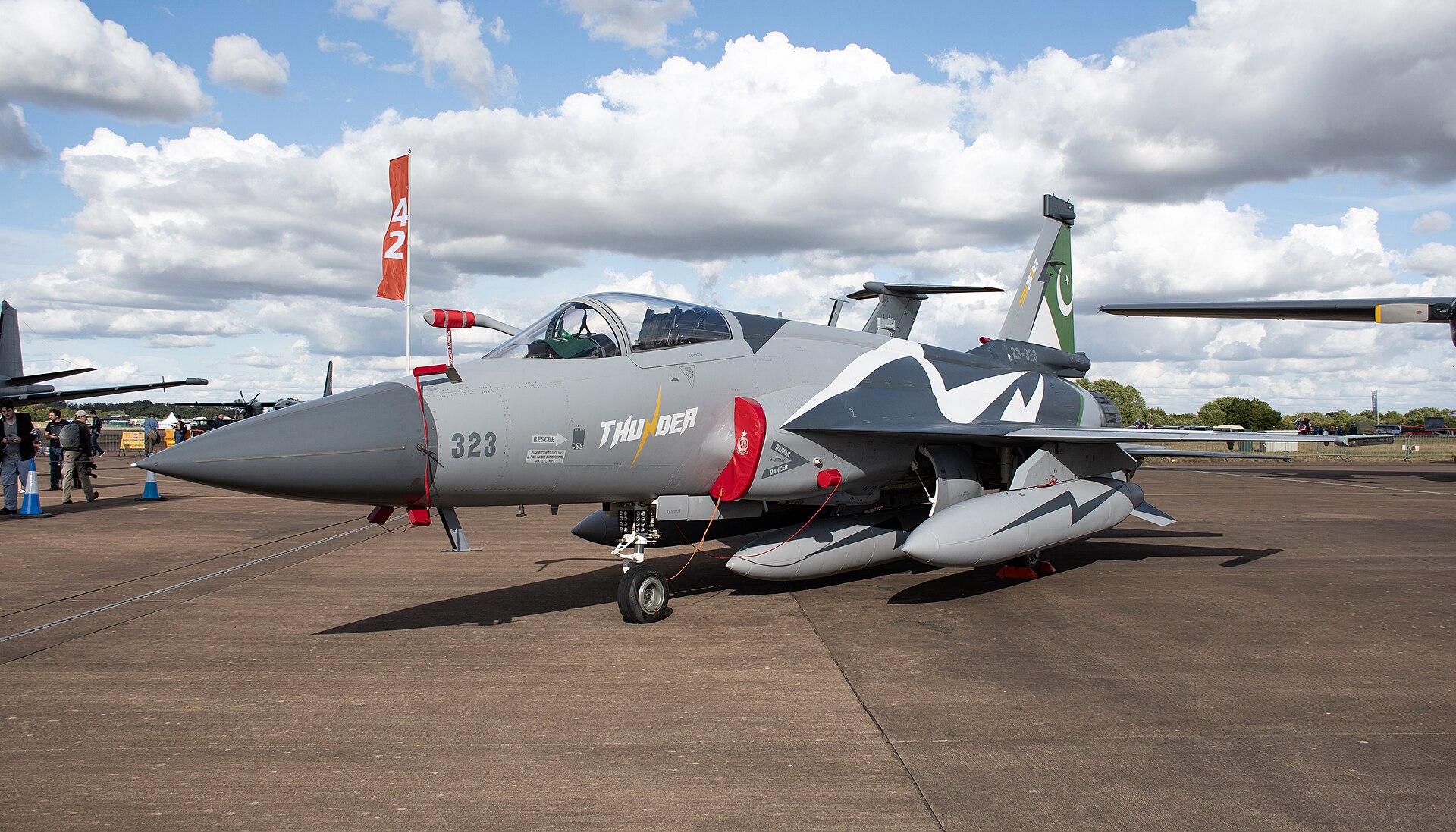
Khawaja Asif described the Pakistani role precisely: “The forces of Türkiye and Pakistan are playing a supporting role.” Combat “is practically being conducted by Saudi Arabia’s own forces.” Pakistani forces were involved in reconnaissance.
What has not been confirmed publicly: whether JF-17s have conducted strikes inside Yemen, whether Pakistani drone squadrons are providing targeting data for Saudi operations, or what rules of engagement govern the HQ-9 battery. No signatory has disclosed these operational details.
How Does Iran Read the Makkah Pact?
Tehran pursued two messages simultaneously. Foreign Minister Abbas Araghchi welcomed the August signing as proof of Muslim self-reliance, neutralising the anti-Iran framing before it could harden. Spokesman Esmaeil Baghaei warned that “new intervention would complicate matters” and said he “hoped reports of a Pakistani deployment for Yemen were untrue.” Iran can tolerate a purely defensive Pakistani role. Offensive operations against the Houthis — strikes inside Yemen — remain a publicly stated red line.
Araghchi’s response was the more calibrated move. By welcoming the pact as validation of Tehran’s long-standing argument against Western security dependence in the Gulf, Iran reframed what could have been an anti-Iran alliance as an alignment with Iran’s own position. If the Makkah Agreement meant Muslim countries defending themselves — as Fidan’s “not an offensive agreement” language suggested — then the pact confirmed what Tehran had been saying for decades.
Baghaei’s warning addressed what Araghchi’s framing left open. If Pakistani or Turkish forces shift from defending Saudi airspace to striking Houthi positions inside Yemen, Tehran’s posture changes. The warning was issued publicly, aimed at Islamabad, and delivered before deployment details had been confirmed.
Heiran-Nia of the Persian Gulf Studies Group mapped the boundary: Iran “can tolerate a purely defensive Pakistani role” but treats offensive operations against the Houthis as a red line. The nine-hundred-kilometre border makes Pakistan unwilling to cross it. The deployment is not Tehran’s concern. Pakistani or Turkish aircraft over Yemeni airspace would be.
A report by Al Mayadeen, cited by the Jerusalem Post, claimed Iran had been invited to join the pact. Neither Iran’s foreign ministry nor any signatory confirmed the report.
Tehran’s measured response reflects the pact’s current operational reality. No Turkish forces have deployed. Pakistan’s contribution remains reconnaissance and air defence. The joint activation statement did not name the Houthis. But the pact’s structure — in which an attack on any signatory triggers collective response — places Pakistan one operational step from the line Iran has publicly drawn. The INSS assessment anticipated that constraint: Islamabad will help Riyadh only “under conditions that do not jeopardize its ties with Tehran.”
The Allies Already in the Field
The Makkah Defence Agreement is not the only multilateral arrangement defending Saudi Arabia, and it is not the first to deploy operational forces.
A Greek Patriot missile battery has been stationed near Yanbu since 2021. It has intercepted Houthi missiles and drones — a record of operational use that no asset deployed under the Makkah pact can claim. British Sky Sabre air defence units and Royal Artillery personnel arrived in spring 2026. France confirmed troops, radars, and air defence systems for Yanbu in September 2026. Britain sent an RAF Voyager tanker to support Saudi air operations.
One hundred American military advisers are providing intelligence support. Secretary of State Marco Rubio said in October that “we intend to live by” the existing US-Saudi defence agreement. The United States approved a possible twenty-four-point-three-billion-dollar sale of forty-eight F-35A fighters to Saudi Arabia in September, a deal under congressional review.
Yet Mohammed bin Salman made two direct appeals to Trump in September for American strikes on Houthi positions. Both were declined. Trump later called the Turkish and Pakistani deployments “good” — an endorsement that carried no operational commitment.
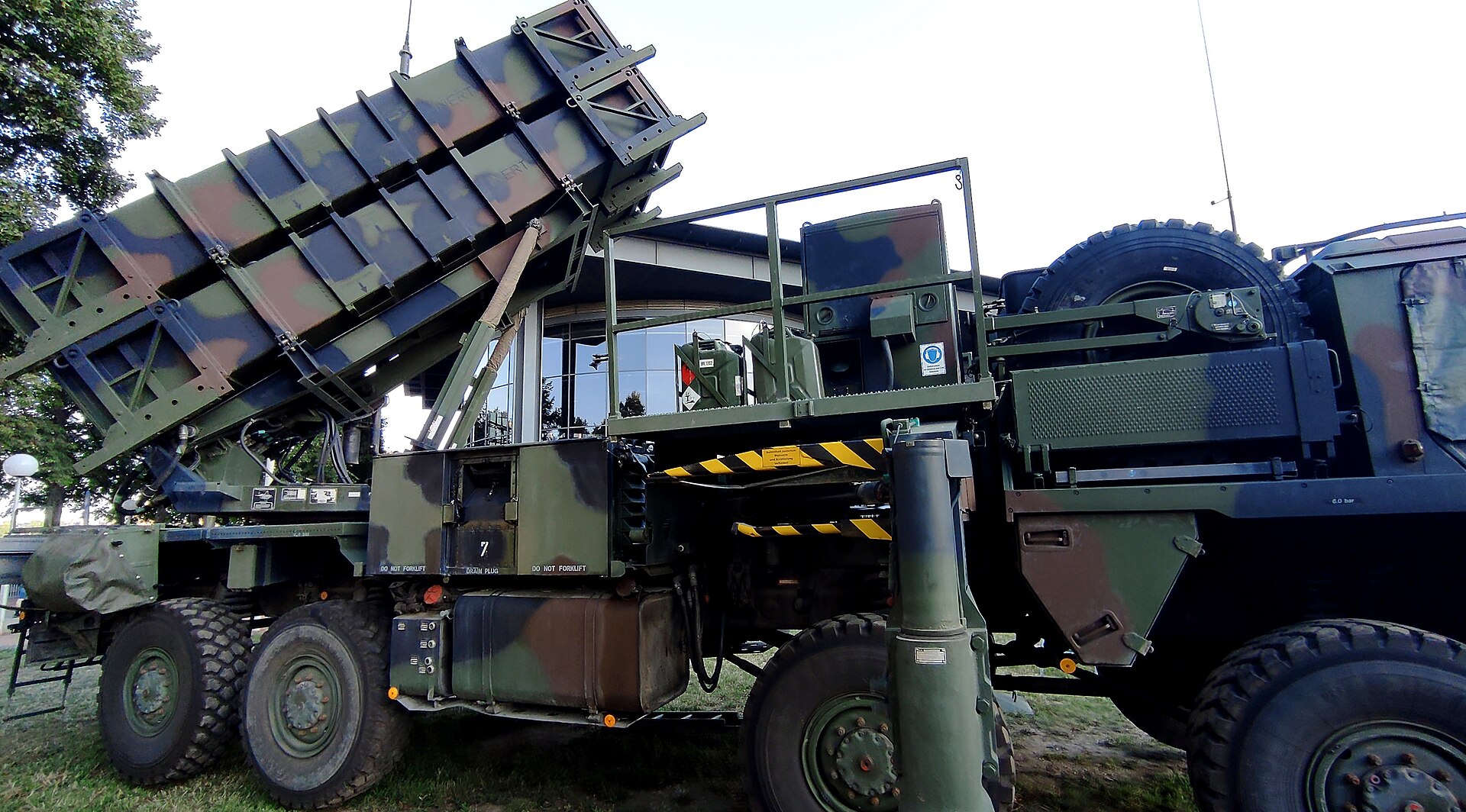
The Western deployments are small, specialised, and operationally proven. The Greek battery has fired. The British system is deployed. The French radars at Yanbu are running. The Makkah pact has been activated without producing a single joint operation, a unified command structure, or a publicly confirmed deployment under its authority.
Arab Center DC’s analysis identified what most coverage of the Makkah Agreement has missed: Saudi Arabia already has functioning multilateral air defence — Greek Patriot interceptors, British Sky Sabre, French radars — provided by Western partners with combat-proven systems and established logistics chains.
The distinction is not between Western allies and Islamic allies. It is between allies who have deployed operational air defence and an alliance that has not yet deployed anything under its own authority. The Greek battery near Yanbu arrived without a mutual defence clause, without a trilateral summit, and without a joint statement that avoided naming the threat. It arrived, and it fired. The Makkah pact is not Riyadh’s only hedge against Washington’s reluctance. It is one of several, and among them it is the least operational.
Can Forty-Three IMCTC Members Predict What Comes Next?
The Islamic Military Counter Terrorism Coalition has forty-three member states, a headquarters in Riyadh, a retired Pakistani general — Raheel Sharif — as commander since 2017, and no joint operations record. Its 2026 activities included media training in Dakar, counter-terrorism financing courses in Nairobi, and a rehabilitation programme in Kenya. It is the most direct precedent for Islamic multilateral security cooperation under Saudi leadership.
The IMCTC was announced in 2015 — the same year Pakistan’s parliament refused to join the Yemen coalition. It has the institutional architecture the Makkah pact lacks: a permanent headquarters, a designated commander, formal member-state commitments. Eleven years later, that architecture has not produced joint military operations.
The Makkah pact’s three signatories face structural constraints that the IMCTC’s broader membership could absorb through dilution. Guzansky and Lindenstrauss identified them in their INSS assessment: the partners “have divergent threat maps, compete for Sunni leadership, and maintain complex ties with Iran.” They “have no territorial contiguity.” Saudi Arabia shares no border with Pakistan or Turkey. Deploying and sustaining forces requires overflight permissions, logistics chains through third countries, and sustained political will in three capitals with different domestic pressures.
The combined paper force of the three Makkah signatories — Foreign Policy’s figure — is approximately 1.4 million active-duty troops, thirty-four hundred military aircraft, and more than three hundred and forty naval assets. The number measures what each country has, not what any of them can send. The paper force of the IMCTC’s forty-three members is larger still.
The UAE’s absence is its own signal. The INSS assessment noted that rivalry with Saudi Arabia and low relations with Pakistan push Abu Dhabi toward India and Israel rather than toward a Riyadh-led Islamic defence arrangement. Cook expects the region to divide along a different axis: Abraham Accords states aligned with Israel and the United States on one side, Mecca Agreement states on the other.
Pakistan’s nuclear arsenal gives the pact a dimension no other Middle Eastern security arrangement possesses. The INSS analysis was direct on the limits: the arsenal provides deterrent weight but “no automatic nuclear umbrella” for Saudi Arabia or Turkey. Pakistan has never extended nuclear guarantees to any state. The nuclear capability is a feature of the regional order. It is not a provision of the Makkah framework.
Saudi Arabia, Egypt, Pakistan, and Turkey issued a joint condemnation of the airport strikes on October 11. It was the Makkah committee’s first collective public action since the October 5 activation.
Frequently Asked Questions
Is the Makkah Defence Agreement a formal mutual defence treaty comparable to NATO?
No official text has been released, making direct comparison difficult. Unlike NATO’s Article 5, the Makkah Agreement has no defined automatic trigger mechanism, no standing joint command, no integrated force planning, and no permanent military infrastructure — all absences confirmed by Arab Center DC’s analysis. The closest regional historical parallel is the 1955 Baghdad Pact between Iraq, Turkey, Iran, Pakistan, and the United Kingdom, which also lacked enforcement capacity and collapsed after Iraq’s 1958 revolution. The Baghdad Pact included two of the same members — Turkey and Pakistan — who signed in Makkah seven decades later.
Has Pakistan ever engaged in combat operations on Saudi territory?
In 1969, Pakistani pilots flew Royal Saudi Air Force Lightning interceptors and helped repulse a South Yemeni border incursion — the only confirmed instance of Pakistani personnel engaging in combat on Saudi soil. Pakistani troops were reportedly present during the 1990-91 Gulf War, though the nature of their role is not well documented. A retired Pakistani general, Raheel Sharif, has commanded the Riyadh-headquartered IMCTC since 2017. None of these precedents involved Pakistan joining a Saudi-led offensive campaign, and the 2015 unanimous parliamentary vote against the Yemen coalition remains the operative constraint on Islamabad’s military posture.
What is the HQ-9 air defence system deployed at King Abdulaziz Air Base?
The HQ-9 is a Chinese-made long-range surface-to-air missile system. The battery deployed to King Abdulaziz Air Base in April 2026 was financed by Saudi Arabia and is operated by Pakistani personnel. Its presence is notable because the kingdom’s primary air defence network has relied on American-made Patriot and THAAD systems for decades. The HQ-9 represents Saudi Arabia’s diversification of weapons procurement beyond Western suppliers — a trend that predates the current conflict but has accelerated under wartime conditions and amid uncertainty about the timeline for American resupply of Patriot interceptors.
What would Turkish parliamentary approval authorise?
Under Article 92 of Turkey’s constitution, parliament votes on a deployment mandate that typically specifies geographic scope, duration, and a troop ceiling. A senior Turkish official indicated that Ankara may pursue a standalone deployment authorisation bill rather than formal treaty ratification — a legal pathway permitting Turkish forces to operate in Saudi Arabia while leaving the trilateral agreement itself non-binding under Turkish domestic law. Turkey has used similar standalone mandates for its military operations in Syria, Iraq, and Libya, giving Ankara the flexibility to extend, modify, or terminate the authorisation independently of any broader alliance framework.
Why is the UAE absent from the Makkah Defence Agreement?
Abu Dhabi has not stated a formal position on the pact. The INSS assessment identified three factors behind the absence: the UAE’s evolving rivalry with Saudi Arabia over regional leadership, low-point Emirati-Pakistani relations, and Abu Dhabi’s strategic pivot toward India and Israel as preferred security partners. The UAE withdrew its forces from most positions in Yemen in 2019 — a split that marked the limits of Gulf monarchies acting as a unified security bloc years before the Makkah pact was conceived. Steven Cook of the Council on Foreign Relations expects the UAE to align with an Abraham Accords grouping rather than with the Makkah framework.