The Warning and Its Real Audience
RIYADH — On 13 October, as smoke still hung over King Khalid International Airport and Riyadh counted its dead, Mohammed Al Bukhaiti of the Houthi political bureau issued a statement to AFP that read less like a military warning and more like the closing move in a game whose rules had already been written. “If the US becomes involved in the aggression against Yemen,” Bukhaiti said, “we will not deliberate over the decision to respond, rather, there will be a swift and painful response targeting the US and all its interests in the region.”
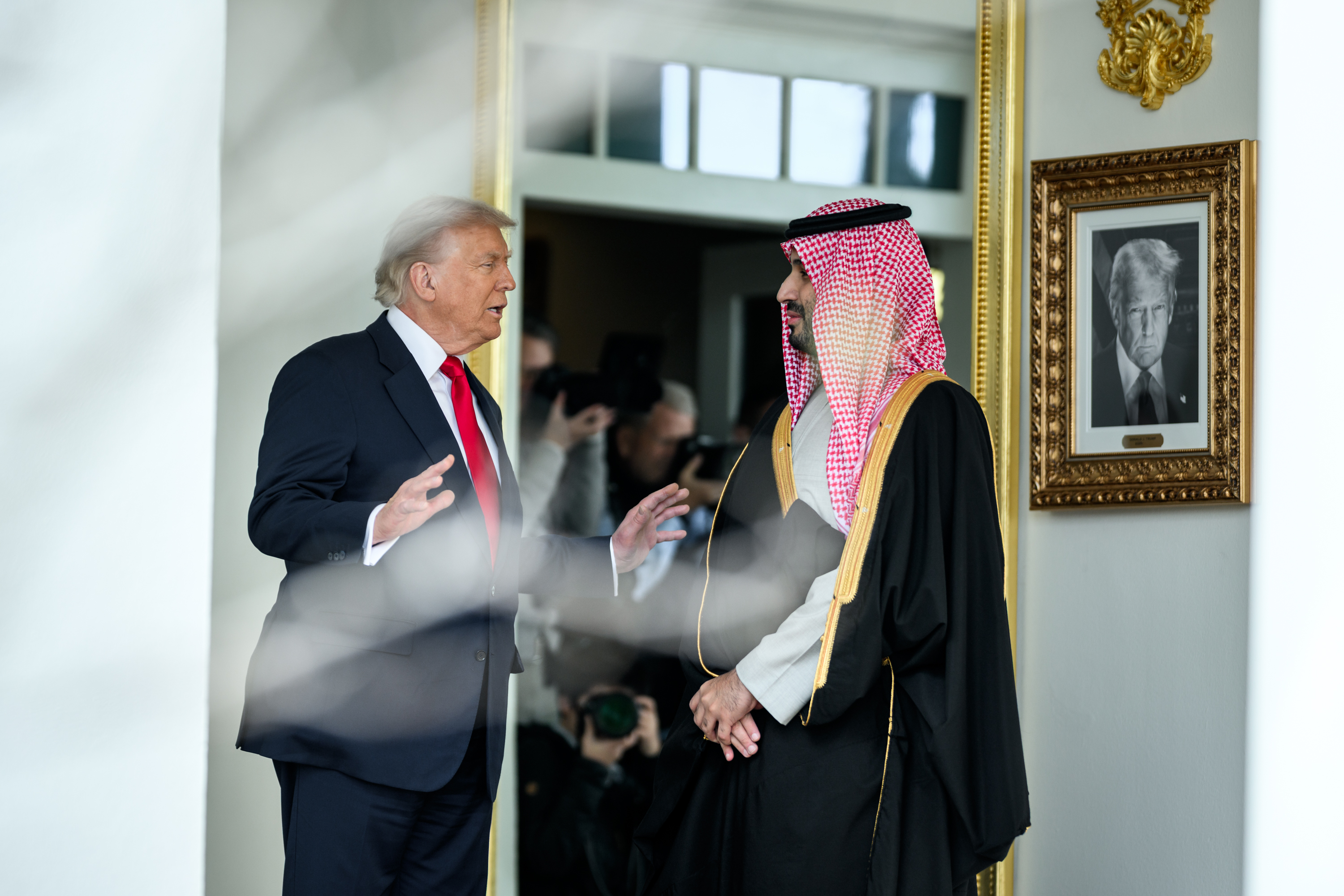
In Washington, the statement was treated as a threat. In the Gulf, it was treated as news. But in Riyadh — where Crown Prince Mohammed bin Salman had already made two private requests to President Trump for American airstrikes in September, both declined, and where Defence Minister Prince Khalid bin Salman had been rebuffed a third time by Defence Secretary Pete Hegseth in early October — the warning functioned as something else entirely: a lock on a door that was already closing.

The Houthi statement was calibrated for an audience of one, and that audience was not the United States. Washington had already decided, repeatedly and at the highest level, that it would not strike the Houthis on Saudi Arabia’s behalf. What the warning did was transform that private American reluctance into a public strategic fact — one that Riyadh can no longer work around through back channels, quiet diplomacy, or the kind of transactional arm-twisting at which the crown prince has historically excelled.
The trap is not tactical. It is structural. And it was set for Riyadh.
Three Requests, Zero Public Ones
The sequence of Saudi appeals to Washington tells a story of escalating desperation kept carefully out of view. On 17 September, Mohammed bin Salman called Trump directly to ask for US strikes on the Houthis. Trump initially ordered the Pentagon to prepare, then reversed course on 20 September (New York Times via Philadelphia Inquirer, 2026-09-21). CNN later confirmed that the crown prince had made two such appeals in September, both declined (CNN, 2026-10-10). In early October, Prince Khalid bin Salman called Defence Secretary Pete Hegseth to make the same request; he was rebuffed again (Middle East Online / Axios, 2026-10-02).
Three private requests. Three refusals. And not a single public one.
The Middle East briefing 3,000+ readers start their day with.
One email. Every weekday morning. Free.
This is not coincidence. It is strategy — or it was, before Bukhaiti’s statement rendered it irrelevant. Saudi Arabia’s approach was to keep the ask behind closed doors, where the dynamics of personal relationships, arms deals, and strategic dependence could do their work without the complicating factor of public opinion. In private, MBS could frame the request as a mutual security obligation. He could invoke the Strategic Defense Agreement signed at the White House in November 2025 (Enterprise, 2025-11-19). He could point to the $24.3 billion F-35 sale still working its way through congressional review (The Aviationist, 2026-09-17). He could remind Trump that Saudi Arabia had pledged to raise its US investment commitments to one trillion dollars (Enterprise, 2025-11-19).
In public, none of this could be said without consequence. A public Saudi request for American military intervention against the Houthis would have been an admission that the kingdom’s $83 billion annual defence expenditure (SIPRI) was insufficient. It would have exposed the gap between Saudi Arabia’s projection of military capability and the reality of its air defence situation. And, after Bukhaiti’s warning, it would have handed the Houthis exactly what they wanted: a publicly stated casus belli against American assets, gifted to them by Riyadh itself.
The Saudi-led coalition’s language after the 10 October airport strike — which killed 13 people and left Al Jazeera reporting 309 injured and the BBC reporting 308 (BBC, 2026-10-11; Al Jazeera, 2026-10-10) — was instructive. It promised “a decisive response” without naming American involvement (IranIntl, 2026-10-11). The coalition did not ask for American strikes. It did not call on Washington by name. It responded within the frame it had available, and that frame deliberately excluded the United States.
Why Did Washington Refuse to Strike the Houthis?
Washington had already deterred itself. The United States had recent and painful experience of what bombing the Houthis actually looks like: a seven-week campaign in 2025 that cost more than one billion dollars and, according to the Arab Center in Washington, “was unable to defeat the Houthis militarily” (Arab Center DC, 2026-10-13). The campaign degraded some capabilities temporarily but did not stop Houthi missile and drone operations, did not alter the group’s strategic calculus, and left the US with nothing to show for the expenditure but a demonstration of the limits of air power against a dispersed, entrenched, guerrilla-style adversary.
April Longley Alley, a senior fellow at the Washington Institute for Near East Policy, put it directly: “While U.S. airpower could temporarily degrade the Houthis’ capabilities and disrupt their leadership, it is unlikely to resolve the challenges they pose absent effective Yemeni forces on the ground and a unified political strategy” (Washington Institute, 2026-10-13).
This assessment — that air power alone cannot solve the Houthi problem — was not a controversial finding. It was the consensus view in Washington before Bukhaiti ever opened his mouth. Bloomberg reported on 6 October that Trump was resisting deeper US involvement even before the 13 October warning (Bloomberg, 2026-10-06). The warning confirmed a constraint; it did not create one.
Then there is the domestic political arithmetic. A Reuters/Ipsos poll found that 78 per cent of Americans assign at least some blame for rising costs to Trump’s policies, and approximately 70 per cent say the Iran war was “not worth fighting” (Caracal Reports citing Reuters/Ipsos, 2026-10-14). Trump faces midterm elections on 3 November. He has already told reporters, in a formulation that sounded more like a campaign schedule than a military one, “I’ll be there after the Elections” (Al Jazeera, 2026-10-13). He said on 8 October that the US “will not be attacking Iran at any time prior to the midterm elections” (The National, 2026-10-08). A new military front against the Houthis — with the attendant risk of American casualties, oil price spikes, and a public that has already decided the broader regional war is not worth it — would be an extraordinary political gamble three weeks before an election.
When asked on 10 October whether the US would join Saudi strikes, Trump said: “We may. We’re going to look at it. We move very quickly” (CNN / Time, 2026-10-10). Three days later, asked the same question, he said: “I can’t tell you that” (CBS News, 2026-10-13). He also posted on Truth Social that the Houthis were “purposefully trying to drive up Oil prices” ahead of elections (Al Jazeera, 2026-10-13) — framing the conflict not as a security obligation but as an economic irritant, and one whose resolution could wait.
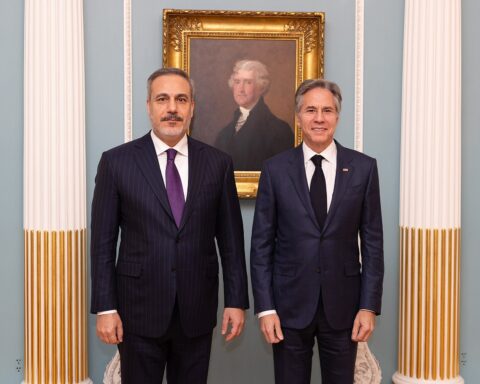
Secretary of State Marco Rubio confirmed that “the United States has a defense and security agreement with Saudi Arabia” but did not commit to kinetic action (State Department, 2026-10-05). The language was the language of obligation acknowledged but not yet honoured — a posture Washington can maintain indefinitely.
How Did the Houthi Warning Change Riyadh’s Options?
The Houthi warning did not change Washington’s mind. It changed the geometry of Riyadh’s options.
Before Bukhaiti’s statement, Saudi Arabia could pursue US military involvement through back channels while maintaining the public fiction that it was capable of handling the Houthi threat on its own. The three private requests — two from MBS, one from Prince Khalid — were attempts to secure American firepower without the political cost of being seen to need it. If Trump had said yes, the strikes could have been presented as an American decision, driven by American interests — protection of oil flows, freedom of navigation, the defence of a major non-NATO ally. Riyadh would have been the grateful beneficiary, not the desperate petitioner.
After Bukhaiti’s statement, that back-channel approach is poisoned. Any American military action against the Houthis now comes with a publicly stated price: Houthi retaliation against US interests in the region. Washington’s risk calculus has to include that cost, not because the Houthis created a new capability — they had the ability to threaten regional US assets before — but because they created a new political fact. The warning is now on the record. It has been reported by AFP, carried by every major wire service, and entered the public discourse. If the US strikes and something happens to American assets, the Houthis will point to 13 October and say they warned.
This changes the calculus for Riyadh in three ways.
First, any future Saudi request for US strikes is now a request for the US to accept a publicly stated risk. It is not a quiet favour between allies. It is an act that both sides know could trigger consequences, and an act that both sides know the world is watching. That makes the ask harder to make and harder to grant.
Second, the warning gives domestic American opponents of intervention a readymade argument. Any member of Congress, any Pentagon official, any cable news commentator who wants to argue against US strikes on the Houthis can now point to Bukhaiti’s words and say: “They told us what would happen.” The political cost of intervention has increased, not because the military risk has changed, but because the rhetorical ammunition has been supplied.
Third — and this is the most consequential dimension — the warning reframes the Saudi-American relationship in a way that is deeply uncomfortable for Riyadh. If Saudi Arabia asks for US strikes and the US says no, the kingdom looks weak. If Saudi Arabia asks for US strikes and the US says yes and something goes wrong, the kingdom looks reckless — the country that dragged America into a fight the Houthis warned them about. Either way, the act of asking has become the problem.
Bukhaiti appeared to understand this when he told AFP that the purpose of the campaign was to send MBS a message “that he can no longer wage aggression against Yemen from a safe position” (AFP via ground.news, 2026-10-13). The warning to the US was not the message. The message was the elimination of the safe position — the closing of every route by which Riyadh might escalate without bearing the full cost.
Can Saudi Arabia Defend Against Houthi Missiles?
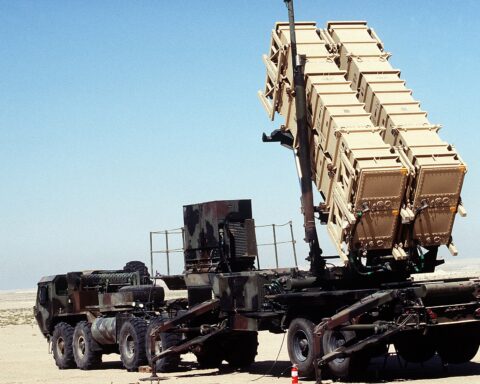
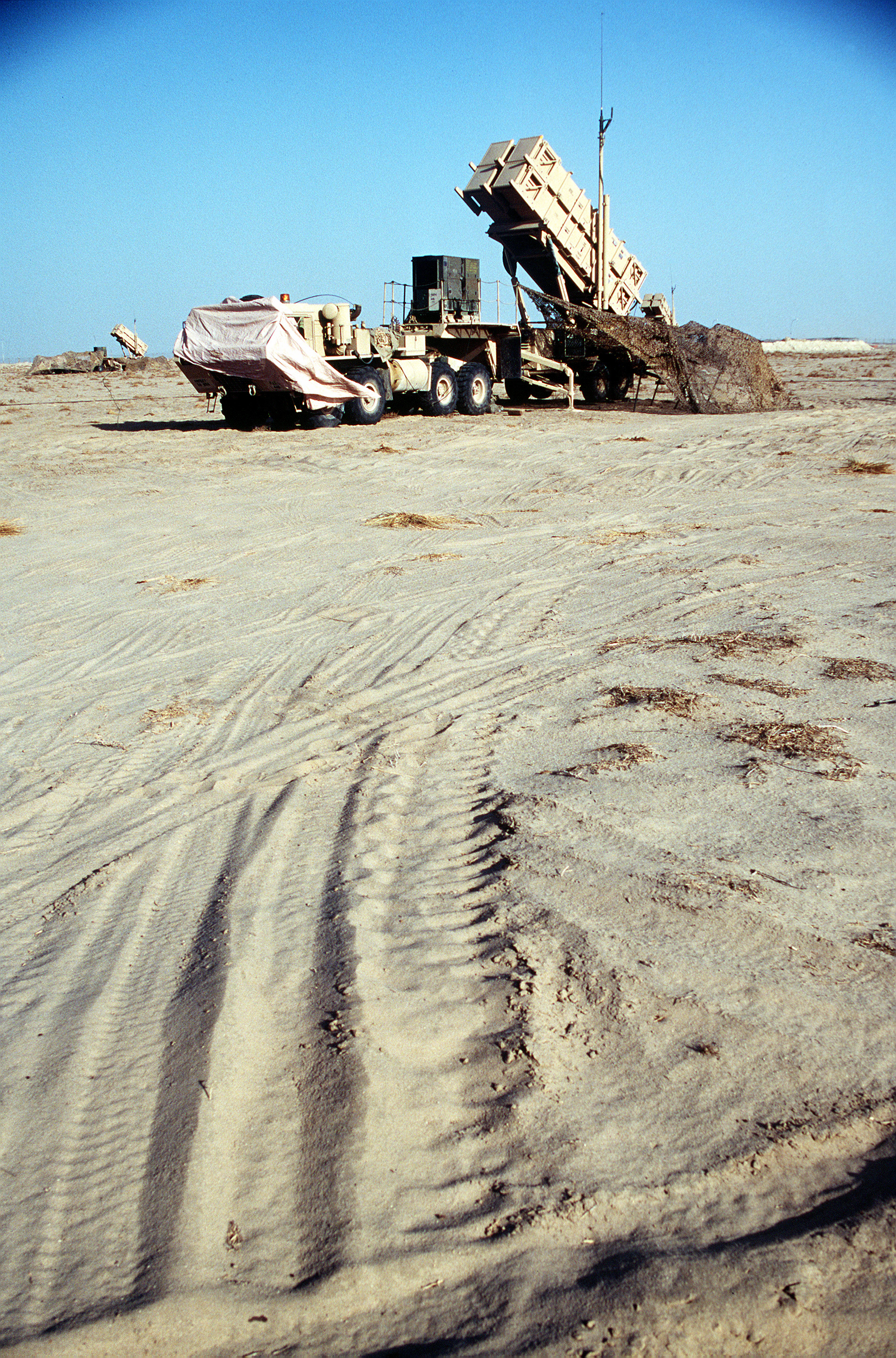
Saudi Arabia acquired 730 Patriot missiles in a deal worth $9 billion. Officials have acknowledged running low on interceptors (PBS NewsHour, 2026-10-13). The mathematics are unfavourable: interceptor missiles cost millions of dollars each; the weapons they are designed to stop cost a fraction of that. Every successful interception depletes a finite and expensive stockpile. Every failed interception lands on an airport, an oil facility, or a city.
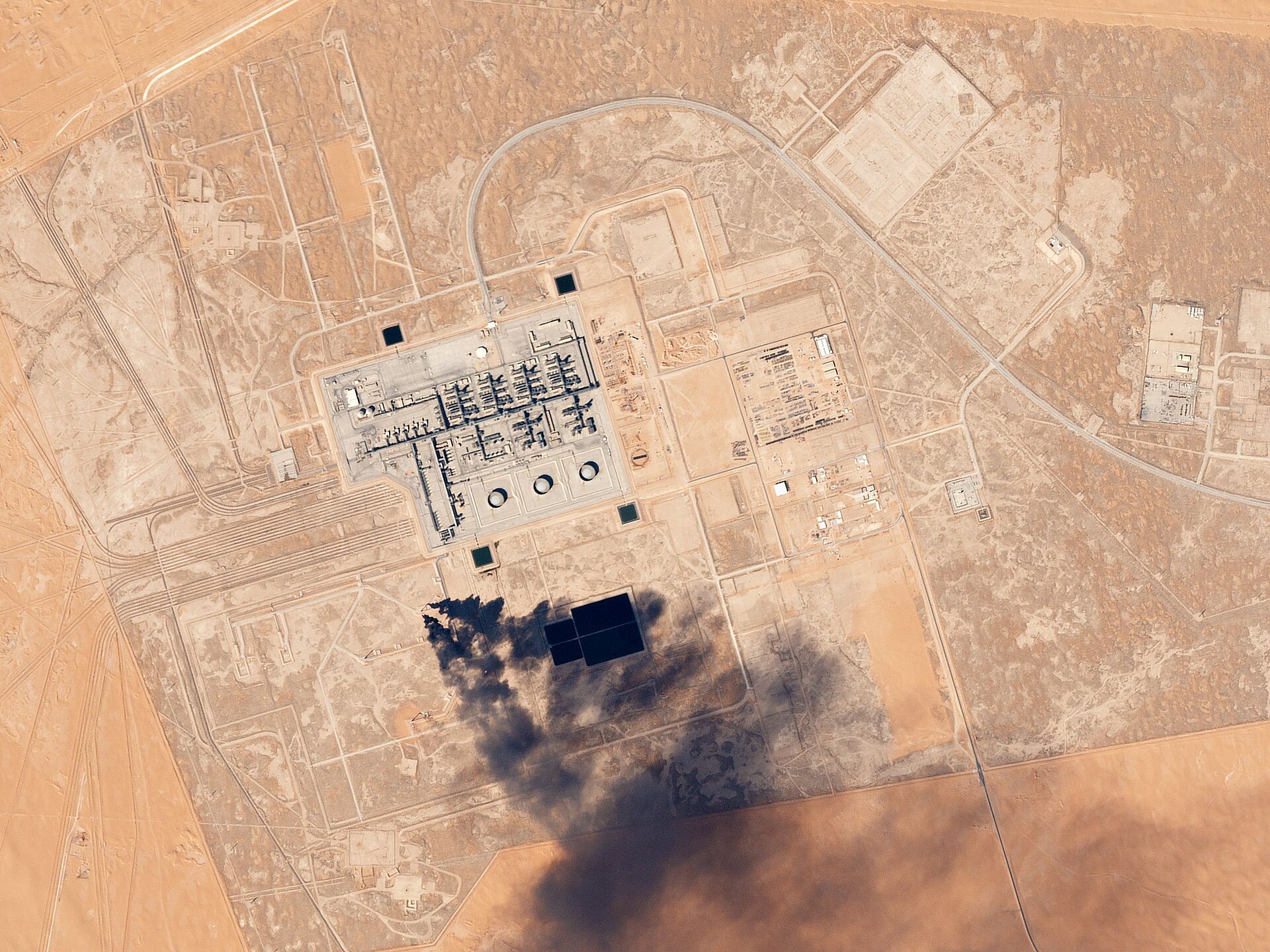
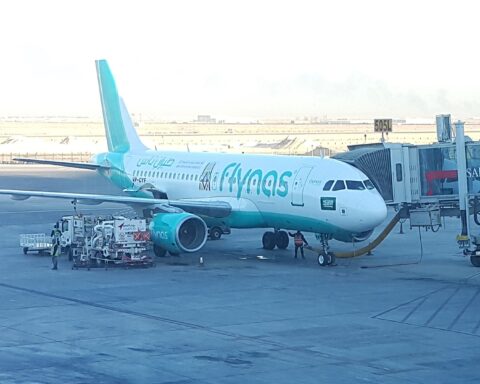
The weapons Saudi Arabia is trying to stop have also grown harder to intercept. Andreas Krieg of King’s College London noted that current Houthi missiles “change direction mid-flight” and can “over-saturate the radars” (PBS NewsHour, 2026-10-13). The airport strikes of October demonstrated the scale of the problem. Between 6 and 11 October, Houthi attacks on Saudi airports killed 20 people — 3 on 6–7 October, 3 on 8 October including Saudia captain Hamoud Ali Al Kalthami, 13 on 10 October, and 1 on 11 October (BBC, 2026-10-08; GDN, 2026-10-09; BBC, 2026-10-11; CNN, 2026-10-11). On 8 October the coalition said it intercepted two ballistic missiles aimed at Riyadh (AP via NY1, 2026-10-08). By 14 October, the Houthis had struck the Aramco headquarters in Dhahran, causing a limited fire in an administrative building (Bloomberg; The Seattle Times, 2026-10-14).
Michael Ratney, the former US ambassador to Saudi Arabia, identified the core dilemma: “The Houthis’ ability to retaliate asymmetrically, in a way that hurts, puts the Saudi leadership in a quandary.” He added: “They can’t not strike back — they were attacked in a very brutal way by their archenemies” (PBS NewsHour, 2026-10-13).
Saudi Arabia cannot defend against every Houthi missile. It cannot stop the Houthis through air power alone — as the 2025 US campaign demonstrated. It cannot secure American air power without accepting the costs that Bukhaiti’s warning has attached to it. And it cannot stop fighting, because the Houthis have made the attacks personal, targeting the capital’s airport, the national airline, and the crown jewel of the national economy.
Kristen Smith Diwan of the Arab Gulf States Institute in Washington captured the broader cost: “You can’t do that when people can’t land in your country safely” (PBS NewsHour, 2026-10-13) — a reference to the Vision 2030 ambitions that depend on Saudi Arabia being perceived as a safe, modern, investable destination.
The Houthi Missile Trajectory
The Houthis are not a static adversary. Their guided-missile accuracy rose from 15 per cent to 89 per cent of events between 2015 and 2022 (Middle East Monitor, 2026-10-11). The weapons they are deploying now are more sophisticated than anything they used in the first years of the Saudi intervention.
Reports indicate the group is developing a Palestine-2 missile variant with a reported range of 1,800 kilometres, modelled on Iran’s Kheibar Shekan, which has a range of 2,000 kilometres. Components have reportedly been sourced from Chinese suppliers (Conflict Armament Research / The National, 2026-10-15). Dr Nawaf Obaid, writing in The National, assessed that the Houthis have “not yet mastered” the technology, and noted that 85 to 90 per cent of current missiles are intercepted by Saudi defences (The National, 2026-10-15). The Palestine-2 remains under development, not in operational use.
But the trajectory matters more than the current state. An adversary whose accuracy has improved fivefold in seven years, whose range is expanding, and whose supply chain draws on Chinese commercial components that are difficult to interdict is an adversary whose threat grows with time. Saudi Arabia’s interceptor stockpile, by contrast, depletes with time. The asymmetry runs in one direction.
Thomas Juneau of the University of Ottawa summarised the strategic picture: Saudi Arabia faces “no good options with the Houthis” and military escalation will “hurt Saudi Arabia more than the Houthis” (Jerusalem Post, 2026-10-13). That assessment predates the Bukhaiti warning. The warning makes it harder to escape.
Why Are the Houthis Negotiating With Washington While Threatening It?
There is one detail in the current picture that complicates the narrative of an implacable Houthi adversary determined to draw the US into a wider war: the Houthis have been talking to the Americans.
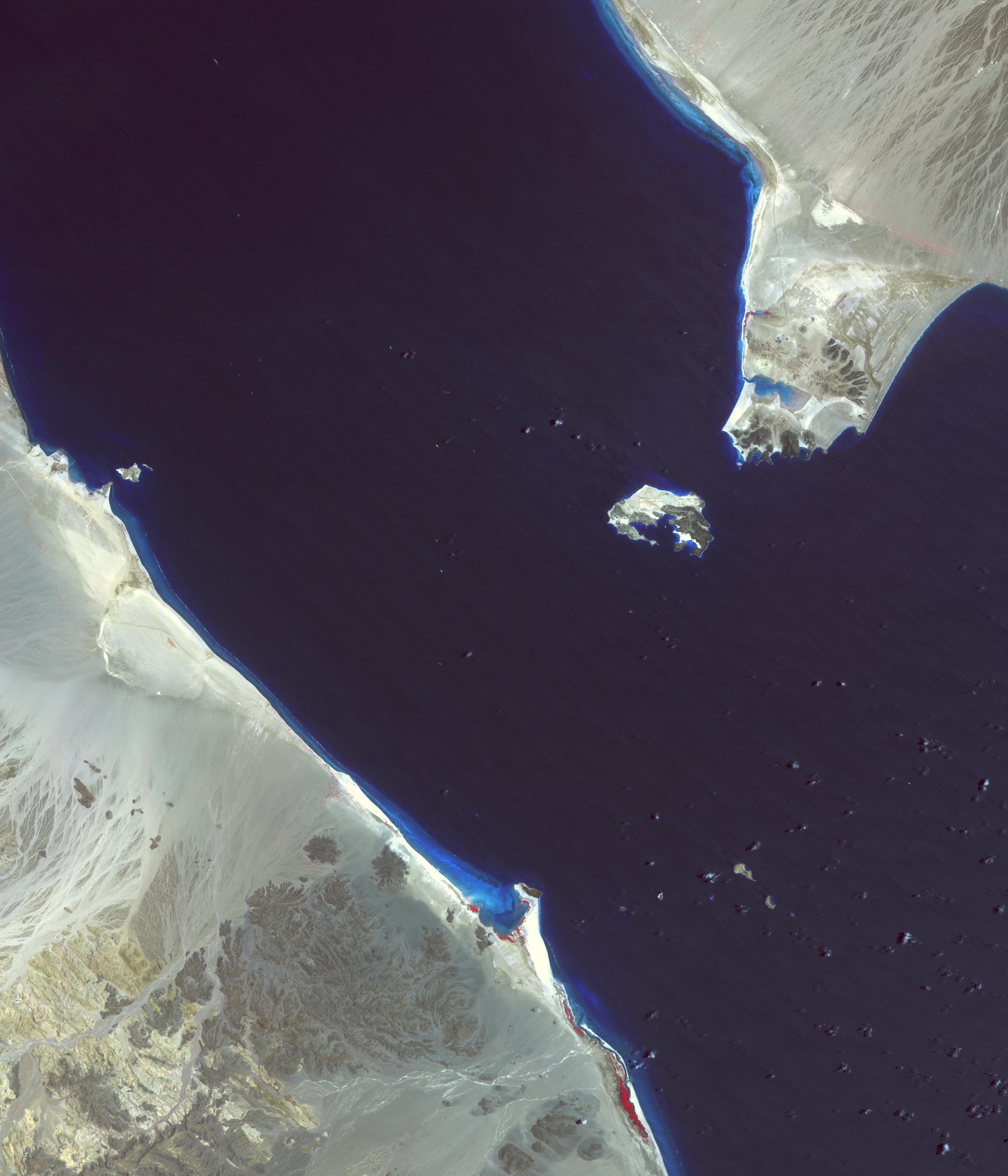
The Arab Center in Washington reported that the Houthis held separate talks with US representatives in Oman over safe passage through Bab al-Mandab (Arab Center DC, 2026-10-13). The existence of this parallel diplomatic channel reveals something important about the Houthi warning. The threat to American interests is conditional. It is not an ideological commitment to attack the United States; it is a lever designed to be activated only if the US crosses a specific line. The Houthis are simultaneously threatening the US and negotiating with it — a combination that only makes sense if the real purpose of the threat is to influence a third party.
That third party is Saudi Arabia. The Oman channel tells Washington that the Houthis can be dealt with — just not through the mechanism Riyadh is requesting. It tells Riyadh that the Houthis have a direct line to Washington that does not run through the kingdom. And it tells everyone that the Houthi position is more sophisticated than the “terrorist militia” framing that Saudi state media employs.
Houthi military adviser Abed Mohammed al-Thawr had laid the groundwork for this dual posture three weeks earlier. In a 23 September statement to AFP, he said: “If America gambles on supporting Saudi Arabia with airstrikes or air support… We will consider any American interests around us to be targets and we will not exclude anything” (AFP via This Is Beirut, 2026-09-23). The construction is precise: “if America gambles.” The threat is contingent. The Houthis are not promising to attack America. They are promising to attack America if America does what Riyadh is asking it to do.
This is the mechanism by which the warning becomes a trap for Riyadh rather than a deterrent for Washington. A deterrent says: “Do not act.” A trap says: “Your ally’s act of asking is now the problem.”
The Coalition That Cannot Fill the Gap
With American strikes off the table, at least before the 3 November midterms, Saudi Arabia has assembled an alternative security architecture. The Mecca pact, signed on 7 August, treats an attack on one member as an attack on all (Kuwait Times/AFP, 2026-08-07). Its committee agreed to deploy Pakistani and Turkish forces (Al Jazeera, 2026-10-06). France confirmed troops, radars, and air defences for Yanbu (Al Jazeera, 2026-09-25). Britain sent an RAF Voyager tanker (The National, 2026-09-22). Washington offered intelligence support and more than 100 military advisers on the ground (CNN, 2026-10-11).
But the coalition has limits that the Houthi warning has exploited. Turkey’s parliament has not ratified the Mecca pact (Al Jazeera, 2026-10-06). Pakistan’s defence minister said combat “is practically being conducted by Saudi Arabia’s own forces” (Al Jazeera, 2026-10-06). The intelligence and targeting data Washington provides is valuable, but it is not air power. Three US aircraft carriers have been reported en route to the region (AP via WSWS, 2026-10-14), but their presence is not the same as their participation.
The gap between what Saudi Arabia has and what it needs is the gap the Houthi warning was designed to make permanent. By raising the cost of American kinetic involvement, the Houthis have ensured that the coalition’s most capable member remains on the sideline — contributing intelligence, selling weapons, positioning carriers, doing everything short of the one thing that might change the balance.
Trump himself signalled the limits of American commitment when he said, after the 10 October airport strike, that Saudis “are good fighters” and are “able to defend” (CNN / IranIntl, 2026-10-10). The message was clear: Saudi Arabia should handle this itself. The Houthi warning makes that message harder for Riyadh to challenge, because challenging it now means asking Washington to accept a risk that has been publicly described and publicly recorded.
The Calendar as a Weapon
The timing of the Houthi warning — and of the escalation it accompanied — is not incidental. Saudi Arabia’s October calendar was dense with events designed to project normalcy, ambition, and investability. Riyadh Season was due to open on 21 October (Gulf News, 2026-09-27). The EU-GCC summit was set for 24 October (The National, 2026-10-08). The 10th Future Investment Initiative was scheduled for 26–29 October (Kuwait Times/KUNA, 2026-08-04). The New York Times noted that the airport strikes threatened Riyadh’s events calendar (New York Times, 2026-10-10).
Each of these events requires a functioning airport. Each requires international visitors who believe they can arrive and depart safely. Each requires the perception — if not the reality — that Riyadh is a capital at peace, not a capital under fire. The European Aviation Safety Agency widened its Saudi airspace warning after the strikes (Fortune, 2026-10-09). Airlines cancelled Saudi Arabia flights (The Independent, 2026-10-13). Riyadh airport was closed and its closure extended (Hurriyet Daily News, 2026-10-13).
The Houthi warning to the US reinforces this pressure. It tells potential attendees at FII or the EU-GCC summit that the conflict is not contained — that it could expand to include American targets, that the region’s most powerful military is being warned off, and that the kingdom’s own defences are being tested daily. It transforms each unresolved day without US involvement into evidence that the situation cannot be controlled.
Bukhaiti’s additional warning — that all employees at Saudi oil facilities and airports should “stay away from these sites, as they have become legitimate targets” (AFP via nation.com.pk, 2026-10-13) — was an extension of the same logic. It turned the Houthis’ threat matrix from a military map into an economic one. Oil facilities, airports, the infrastructure on which Vision 2030 depends: all of it was placed under notice, and the notice was issued at the moment when the world was watching most closely.
The kingdom’s fiscal position adds weight to the pressure. The 2026 deficit has been revised upward to 245 billion riyals, from a budgeted 165 billion (Reuters via Zawya, 2026-09-30). Real GDP is forecast to fall 3.6 per cent in 2026 on a 21.8 per cent drop in oil activities, before a projected 12.8 per cent rebound in 2027 (Reuters via Zawya, 2026-09-30). These are not the numbers of a country that can afford to have its airports closed, its oil facilities targeted, and its flagship events thrown into question.
What Riyadh Cannot Say
The deepest dimension of the trap is what it does to Saudi Arabia’s narrative. The kingdom has built its modern identity on a set of claims: that it is a regional power capable of defending itself; that it is a reliable partner for international investment; that it is building a post-oil future that justifies the world’s attention and capital; and that its leadership — concentrated in the person of the crown prince — is competent, decisive, and in control.
The Houthi warning corrodes each of these claims without Saudi Arabia being able to respond directly. Riyadh cannot publicly refute the warning without acknowledging it. It cannot dismiss the threat to American interests without undermining its own case for American involvement. It cannot argue that US strikes are unnecessary without conceding the point. And it cannot argue that US strikes are necessary without making the public request that the Houthis have turned into a weapon.
This is why the Saudi-led coalition’s response after the 10 October strike did not name the United States. This is why Saudi Arabia asked the UN Security Council to act (Al Jazeera, 2026-10-09) — routing the request through a multilateral body rather than making a bilateral appeal. This is why the kingdom issued a joint condemnation with Egypt, Pakistan, and Turkey (CBS News, 2026-10-11) — distributing the political weight across four countries rather than placing it on one relationship.
These are the moves of a government navigating a trap it can see but cannot disarm.
The Warning’s Afterlife
Whether the United States eventually strikes the Houthis is an open question. Trump has not ruled it out. He has not ruled it in. His statements — “We may,” “I can’t tell you that,” “I’ll be there after the Elections” — are the statements of a president who wants to preserve optionality without making commitments.
But even if US strikes come, the Houthi warning will have done its work. It will have established that Saudi Arabia could not secure American support through private channels. It will have demonstrated that the kingdom’s most important security relationship was insufficient to the moment. It will have forced Riyadh to fight for weeks or months without the capability it sought, depleting interceptors, absorbing strikes, and watching its economic calendar buckle under the pressure.
And if US strikes do not come — if Trump’s pre-election caution hardens into post-election indifference, or if the domestic political cost remains too high, or if the Oman channel produces an arrangement that makes strikes unnecessary — then the warning will have achieved something larger. It will have shown that a non-state actor with Iranian backing and Chinese components can structure the strategic environment of the world’s largest oil exporter by issuing a statement to a wire service.
The Houthis did not need to attack the United States. They did not need to demonstrate a capability against American assets. They needed only to say what they would do, loudly enough and credibly enough that the saying itself became a fact in Washington’s calculations. The warning was not a bluff. It was an architectural act — the construction of a constraint that exists regardless of whether it is ever tested.
For Riyadh, the constraint is now part of the terrain. Every future conversation with Washington about the Houthis will take place in the shadow of Bukhaiti’s words. Every private request will carry the knowledge that the Houthis have publicly described the consequences. Every strategic option that depends on American firepower will have to account for a cost that was, until 13 October, implicit and is now explicit.
The crown prince faces a war he did not choose, fought with defences that are being depleted, against an adversary whose capabilities are improving, in an environment where his most important ally has been publicly warned away. He cannot ask for help without arming his enemy rhetorically. He cannot fight alone without exhausting his defences. He cannot negotiate without conceding ground. And he cannot wait, because the missiles keep coming and the calendar keeps turning.
The warning was aimed at Washington. The trap was set for Riyadh. And the distance between those two facts is the space in which Saudi Arabia’s strategic crisis now unfolds.
Frequently Asked Questions
Has Trump definitively ruled out US military strikes against the Houthis?
No. Trump ruled out attacking Iran before the 3 November midterm elections (The National, 2026-10-08), but has made no equivalent ruling on the Houthis. His statements oscillate between “We may. We’re going to look at it” (CNN, 2026-10-10) and “I can’t tell you that” (CBS News, 2026-10-13). The distinction matters: the Houthis operate from Yemen, not Iran, and any decision to strike them would carry separate military and political calculations — including the risk of triggering the retaliatory threat Bukhaiti put on the record on 13 October.
What exactly does the Mecca pact commit Saudi Arabia’s partners to do?
The Mecca pact, signed on 7 August 2026, treats an attack on any member as an attack on all (Kuwait Times/AFP, 2026-08-07). Its implementation committee agreed in early October to deploy Pakistani and Turkish forces to the kingdom (Al Jazeera, 2026-10-06). However, the pact does not specify what military response is required, and Turkey’s parliament had not ratified it as of that date. Pakistan’s defence minister made clear that active combat is “practically being conducted by Saudi Arabia’s own forces” — suggesting that partner commitments stop well short of joint offensive operations.
Is the Palestine-2 missile a current threat to Saudi Arabia?
Not yet in operational use. Reports in The National and Conflict Armament Research (2026-10-15) place the Palestine-2 at the testing stage: a variant modelled on Iran’s Kheibar Shekan, with a projected range of 1,800 kilometres and components reportedly sourced from Chinese commercial suppliers. Dr Nawaf Obaid, writing in The National, assessed that the Houthis have “not yet mastered” the technology and that 85 to 90 per cent of current missiles are intercepted. The context matters: the Houthis’ guided-missile accuracy improved from 15 per cent to 89 per cent of events between 2015 and 2022 (Middle East Monitor, 2026-10-11). The Palestine-2 is a programme, not yet a weapon — but Houthi programmes have a documented history of becoming weapons.
Was there a separate Saudi ceasefire approach to the Houthis in September?
Jerusalem Post, citing Al Akhbar, reported a Saudi two-week ceasefire offer transmitted via Oman in mid-September 2026. Riyadh did not confirm the report. Separately, the Arab Center in Washington reported that the Houthis held their own talks with US representatives in Oman over safe passage through Bab al-Mandab (Arab Center DC, 2026-10-13). The existence of parallel channels — a Saudi ceasefire offer and a Houthi–US track — suggests the conflict’s diplomatic picture is more active than either side’s public statements acknowledge, but no deal had materialised as of 13 October.
What is the Hormuz situation’s connection to the Houthi–Saudi escalation?
Iran’s closure of the Strait of Hormuz since July 2026 forced Saudi crude exports onto the Red Sea route through Yanbu and Bab al-Mandab. The Houthis then declared a maritime blockade of Saudi Arabia on 20 July (Al Jazeera, 2026-07-28), placing both of Saudi Arabia’s main export corridors under threat simultaneously. The airport strikes are the land dimension of the same pressure. For Saudi Arabia, the fiscal and logistical exposure created by two contested chokepoints is what gives the Houthi campaign its systemic quality — it is not merely a security problem but a structural squeeze on the kingdom’s revenue base.
Read more: MBS Called Twice — Trump Loaded the Bombs and Walked Away
Related: What Defends Saudi Arabia When Washington Cannot Answer
Related: Dhahran Took the Missile Aramco Was Never Supposed to Take
Also: Houthis Vow Continued Strikes on Saudi Oil Facilities and Airports
Background: Rubio Reaffirmed the Shield — Riyadh Activated Another
Analysis: Who Closes the Kill Chain When the Americans Say No?