
BANGKOK — The IMF’s managing director warned on October 14 that attacks on Saudi Arabia carry “potentially negative spillovers for everybody, everywhere,” a statement without clear precedent in the fund’s engagement with previous Gulf conflicts. Delivered at the IMF-World Bank annual meetings, one day after a missile struck Aramco’s Dhahran headquarters, the warning reframes Saudi Arabia’s war as a recognized source of global financial risk.
Vision 2030 was designed to reduce Saudi Arabia’s dependence on oil revenue, and by the IMF’s own assessment, diversification has partially succeeded. But in internationalizing the kingdom’s economic footprint — through a sovereign wealth fund managing over $900 billion, global sports hosting, a nuclear cooperation agreement with Washington, and infrastructure partnerships on four continents — Saudi Arabia multiplied the number of foreign counterparties exposed to its operational stability. The diversification was economic, not geographic, and the infrastructure the world now depends on remains concentrated in the Eastern Province.
What Georgieva meant by “everywhere” has as much to do with Vision 2030 as with the price of crude. The transmission channels run through sovereign wealth stakes in Heathrow and SoftBank, energy contracts with Japan and South Korea — each sourcing more than half of their imports from the Gulf — and an international events calendar that has been progressively cancelled since the war began.
Table of Contents
- What Did the IMF Actually Say in Bangkok?
- The Paradox at the Heart of Vision 2030
- How Exposed Is the Global Economy to Saudi Stability?
- The Eastern Province Concentration
- What Happens When the Events Calendar Collapses?
- Who Benefits From Saudi Arabia’s Systemic Exposure?
- The Fiscal Equation
- A Warning Without Precedent
- Frequently Asked Questions
What Did the IMF Actually Say in Bangkok?
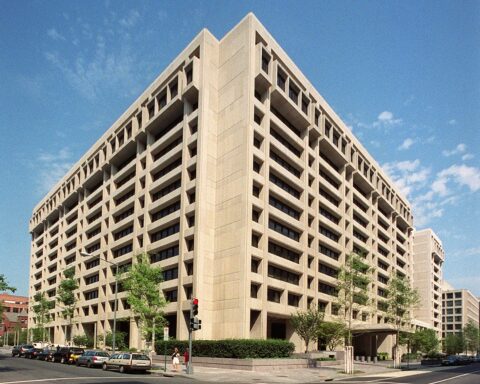
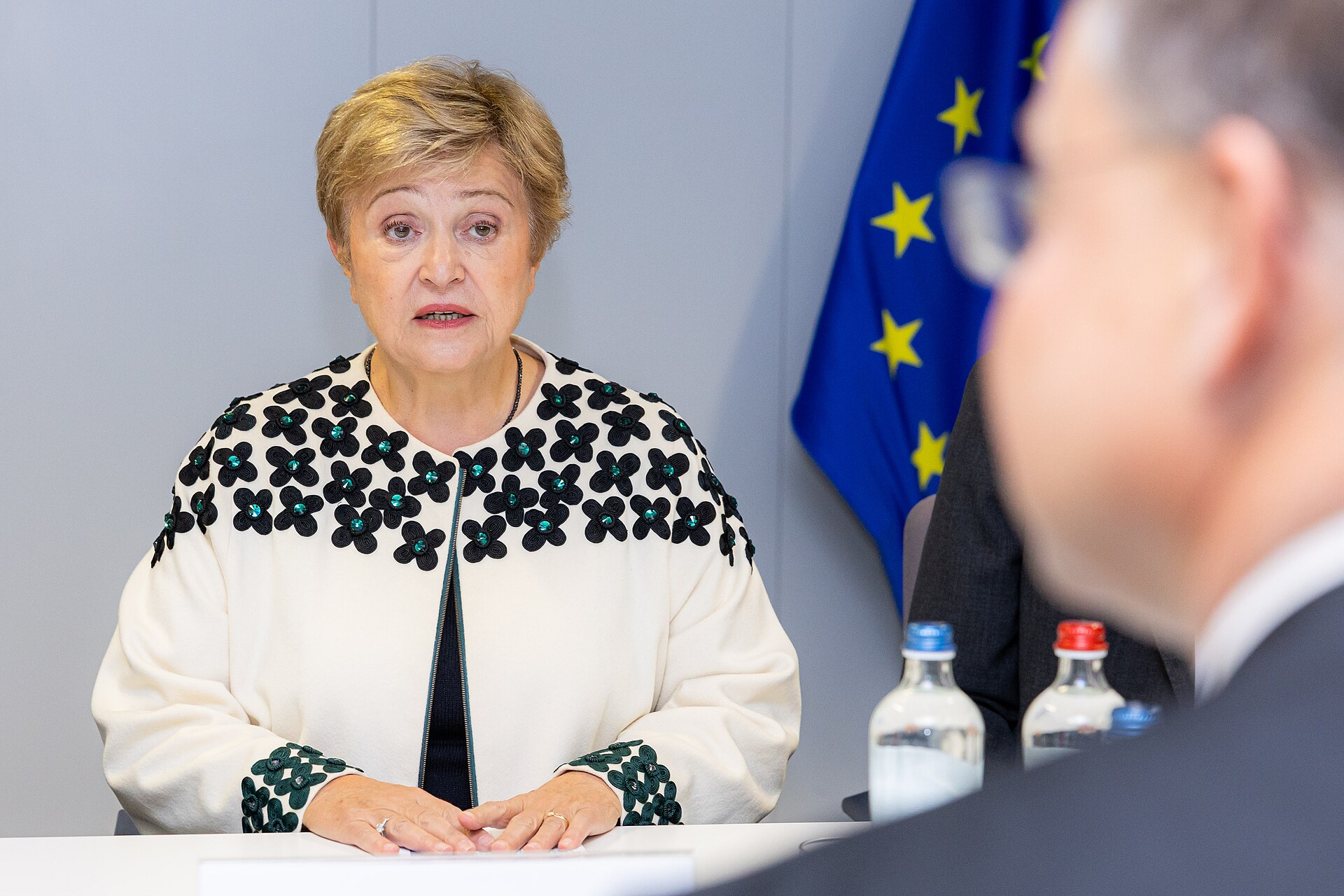
At the IMF-World Bank annual meetings in Bangkok on October 14, Managing Director Kristalina Georgieva said attacks on Saudi Arabia have “potentially negative spillovers for everybody, everywhere.” She called the Saudi economy “important for the region and the world” and warned that global economic resilience is “reaching its limits.” She urged governments to “make urgent repairs to the fiscal house before the cracks widen.”
“In that sense, these developments have potentially negative spillovers for everybody, everywhere.”
Kristalina Georgieva, IMF Managing Director, Bangkok, October 14, 2026
Georgieva spoke against a specific backdrop. The previous evening, a Houthi missile struck an administrative building at Aramco’s Dhahran headquarters. The top three floors were badly damaged, including CEO Amin Nasser’s office, according to a source with direct knowledge cited by Reuters. The Saudi energy ministry described the attack as causing “no deaths or injuries” and a “limited fire.” Aramco shares fell 0.5 percent. Some employees shifted to home working; others had their functions transferred to offices abroad, according to Euronews. The strike came four days after a Houthi attack on King Khalid International Airport killed 13 people and wounded at least 308, according to BBC and Al Jazeera.
The Middle East briefing 3,000+ readers start their day with.
One email. Every weekday morning. Free.
The IMF’s October World Economic Outlook, released the day before the Aramco strike, projected Saudi GDP contracting 3.3 percent in 2026 before rebounding 7.9 percent in 2027. That recovery depends on the Strait of Hormuz gradually reopening from March 2027, with shipping returning to pre-war conditions by October 2027 — an assumption embedded in the WEO’s baseline scenario. The Middle East and Central Asia region as a whole is expected to contract 0.3 percent in 2026, according to the WEO.
Georgieva’s statement contained what appeared to be a contradiction. She acknowledged that Vision 2030’s diversification had helped shield the Saudi economy from the war’s worst effects. In the same briefing, she warned of spillovers “for everybody, everywhere.” The two claims describe different exposures. The first addresses Saudi GDP. The second addresses the world’s financial stake in Saudi stability — and that stake, unlike Saudi Arabia’s oil dependence, has only expanded. Goldman Sachs estimated a risk premium of roughly $20 per barrel embedded in Brent crude, which traded at $106.06 on October 14, according to CNBC and Reuters.
The IMF’s global growth projection stands at 3.1 percent for 2026, unchanged from its April estimate. Debt-service costs for low-income countries have risen from 6 percent of government revenues a decade ago to 14 percent today, according to the IMF’s Global Policy Agenda presented at the same Bangkok meetings.
The Paradox at the Heart of Vision 2030
Vision 2030 was announced in April 2016 as Crown Prince Mohammed bin Salman’s plan to end what he called Saudi Arabia’s “addiction” to oil. A decade later — and amid a wartime stress test no one planned for — the domestic results are measurable. Non-oil GDP rose 0.6 percent year on year in the second quarter of 2026, even as oil activity fell 24.7 percent, according to GASTAT flash estimates reported by TradeArabia. PIF’s 2025 annual report showed revenue of $120 billion, net profit of $17 billion — more than double the prior year — and assets under management exceeding $900 billion. The fund accounted for 11 percent of non-oil GDP in 2025, according to Asharq Al-Awsat.
But diversification within Saudi Arabia and internationalization beyond it are two different accomplishments, and the second is what brought Georgieva to the podium. In the decade before the war, the kingdom expanded its global footprint at a pace without obvious parallel among sovereign wealth funds. PIF committed $45 billion to SoftBank’s Vision Fund I. It purchased a 37.62 percent stake in Heathrow Airport alongside Ardian. It backed the consortium that took Electronic Arts private for $55 billion, part of a global brand-building campaign that reshaped PIF’s public profile. It held roughly 58.6 percent of Lucid Motors, with cumulative committed capital approaching $9.5 billion as of April 2026 disclosures. Saudi Arabia hosted Formula 1 in Jeddah, the Six Kings Slam tennis tournament in Riyadh, and the Future Investment Initiative — a conference that brought thousands of global executives to the Eastern Province. It signed a 30-year nuclear cooperation agreement with the United States on July 22. It bid for the 2034 FIFA World Cup.
Each of these ventures created counterparties: investors, governments, league administrators, logistics firms, conference sponsors, airline route planners. Each one produced a line item in a foreign balance sheet that depends on Saudi Arabia functioning normally. And not one of them altered the physical geography that makes Saudi Arabia vulnerable. Aramco’s crude processing capacity, its pipeline infrastructure, and its primary export terminals remain concentrated in the Eastern Province and along the Persian Gulf coast, within range of the weapons the Houthis have been firing since the war began.
PIF’s own 2026–2030 strategy, published in August, described a shift “from rapid expansion to consolidating efficiency,” according to the fund’s Jawlah statement. The timing was unintentional but pointed. Consolidation came not because the expansion succeeded on its own terms, but because the country’s physical infrastructure — the thing the global expansion was supposed to transcend — was under sustained military attack. Aramco CEO Amin Nasser said in August that the company’s maximum sustained capacity is 12 million barrels per day, reachable within three weeks if requested. The facilities that produce at that capacity sit in the same province where his office was hit on October 13.
How Exposed Is the Global Economy to Saudi Stability?
Japan, South Korea, and India each source more than half of their total energy imports from the Gulf, while China and ASEAN draw roughly one-third, according to ECB economists Pablo Aguilar, Lukas Boeckelmann, and Antoine Kornprobst. The euro area, the United Kingdom, and the United States depend on the Gulf for about 10 percent of energy imports. The ECB’s dynamic model estimates Gulf disruption will reduce China’s GDP by 0.8 percentage points in 2026 and 1.1 points in 2027, with inflation peaking 2.3 points above baseline.
The ECB team, in a July 2026 analysis, identified three channels through which Gulf disruption reaches global GDP — and the most important one has nothing to do with the price on a barrel of Brent. The first channel is energy costs: the direct burden of more expensive oil and gas. The second is supply-chain disruption, where intermediate goods that transit the Gulf or originate there become scarce or delayed. The third — the one the ECB authors flagged as chronically underappreciated — is the hard-to-substitute nature of specific petrochemical inputs. Fertilizers, plastics feedstocks, and specialty chemicals produced in the Gulf cannot be sourced at scale from alternative suppliers within the timeframes the disruption demands. The constraint is not the price. It is the physical absence of inputs that global manufacturing was configured around.
| Economy | GDP 2026 | GDP 2027 | Inflation peak (2027) |
|---|---|---|---|
| China | -0.8 pp | -1.1 pp | +2.3 pp |
| Euro area | -0.3 pp | -0.3 pp | +0.9 pp |
| United States | -0.1 pp | -0.1 pp | +0.3 pp |
The costs are already measurable in dollar terms. China absorbed an additional $31.7 billion in energy costs between March and August 2026, according to CREA analysis. Japan’s extra burden over the same period was $10.4 billion. Saudi crude accounted for 34.1 percent of South Korea’s oil imports in July, 27.3 percent of Japan’s, and 14.9 percent of China’s, according to CNBC — proportions large enough that any production disruption in the Eastern Province registers immediately in Asian refinery margins and electricity prices.
The asymmetry in exposure matters as much as the exposure itself. Countries absorbing the deepest costs — Japan, South Korea, India — have the least leverage over the conflict’s trajectory. They cannot influence Tehran’s maritime posture, Washington’s blockade enforcement, or the Houthi targeting cycle. Their exposure is a function of geography and decades of energy-trade dependence, not of any policy decision taken since March. Bangkok was a pointed choice for this warning, situated at the center of the region bearing the heaviest costs with the fewest instruments to manage them.
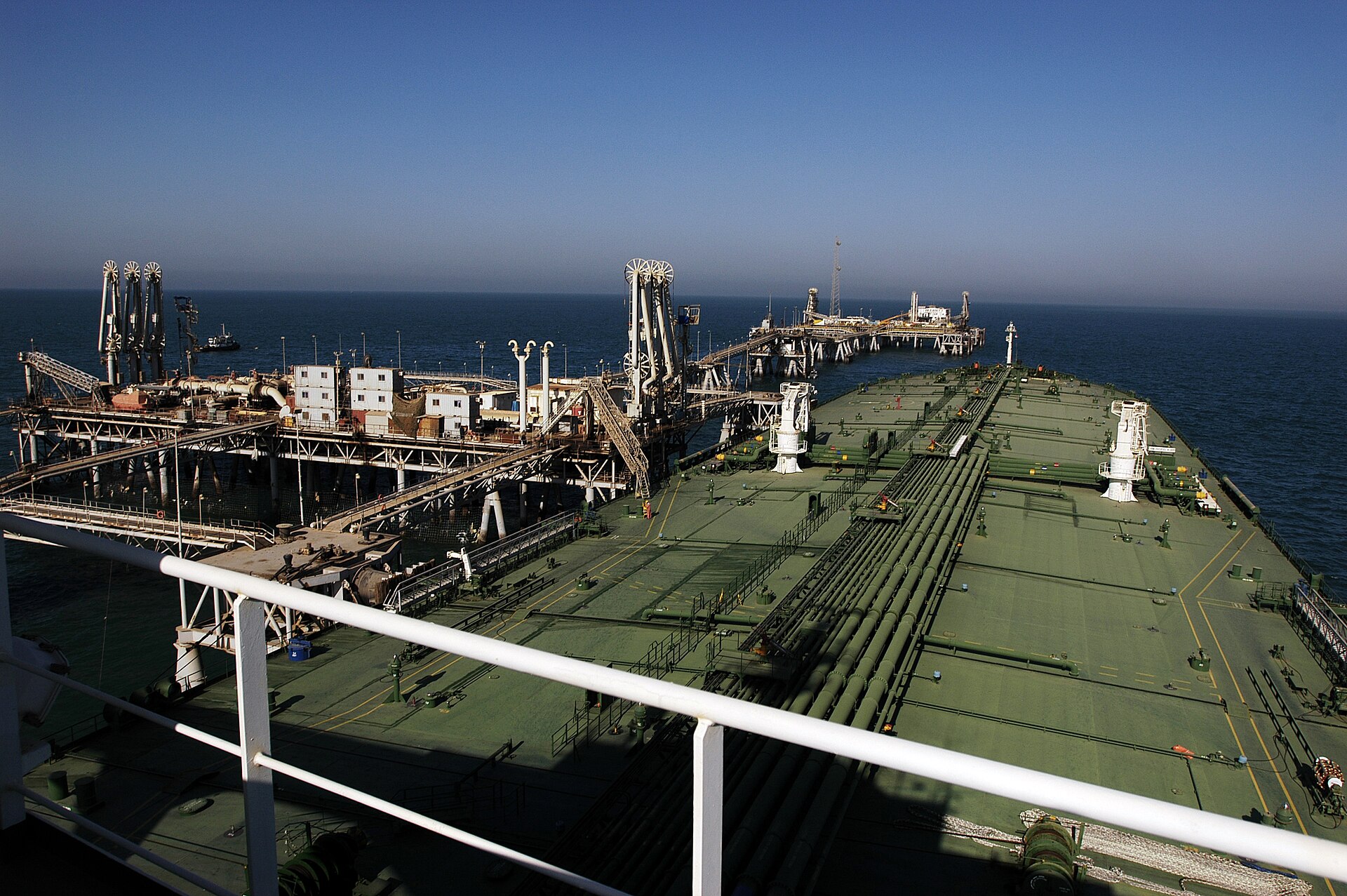
The shipping market registers the disruption in real time. VLCC charter rates on the Gulf-to-China route have risen to $1.2 million per day, against roughly $80,000 a year earlier, according to LSEG data reported by bdnews24.
The Eastern Province Concentration
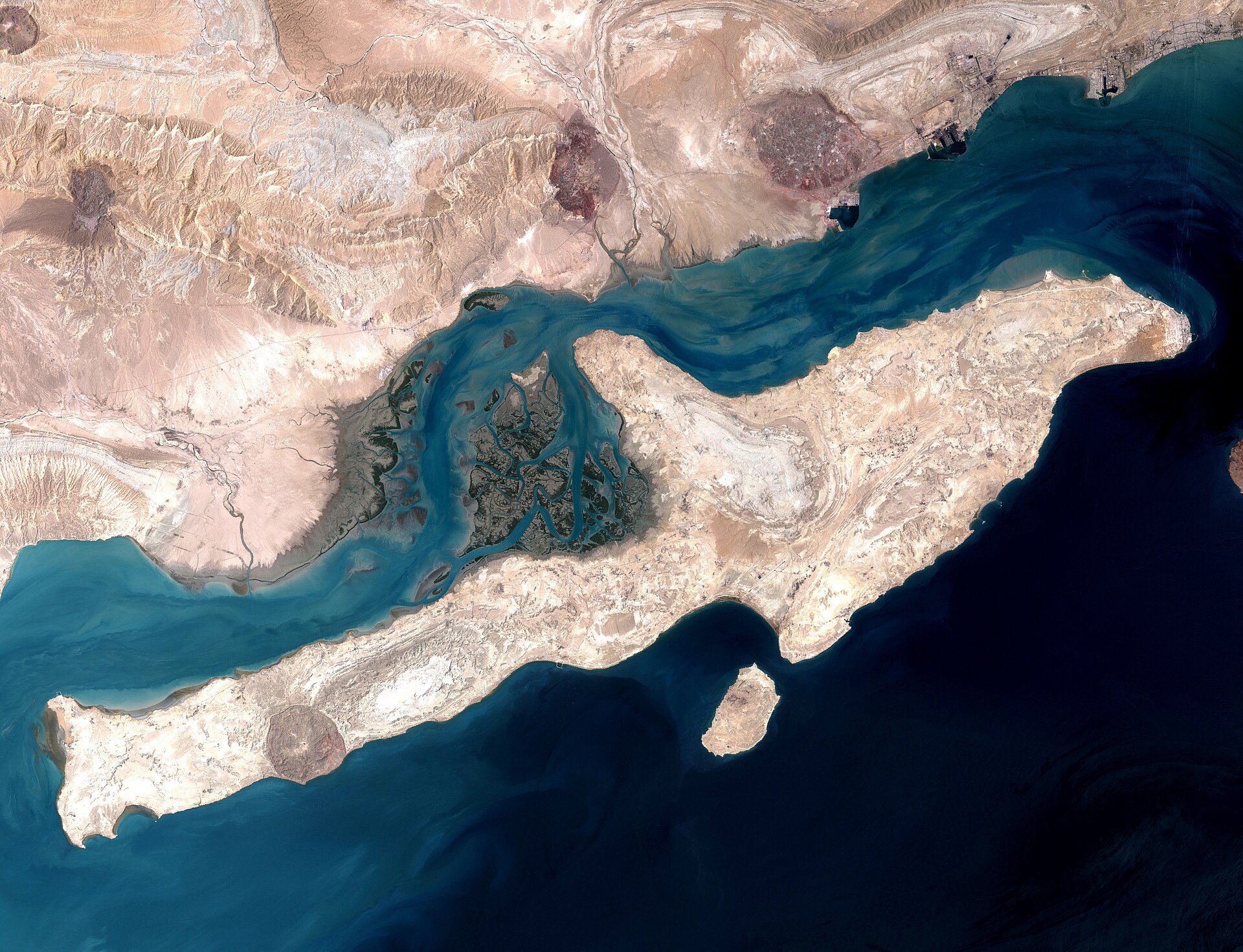
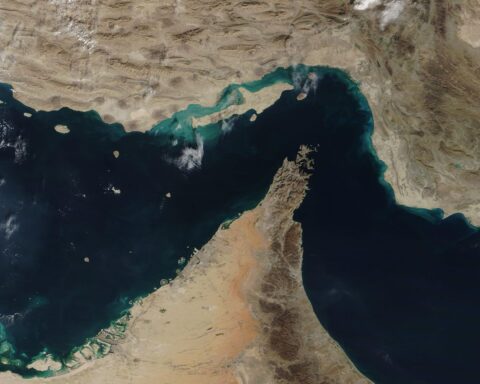
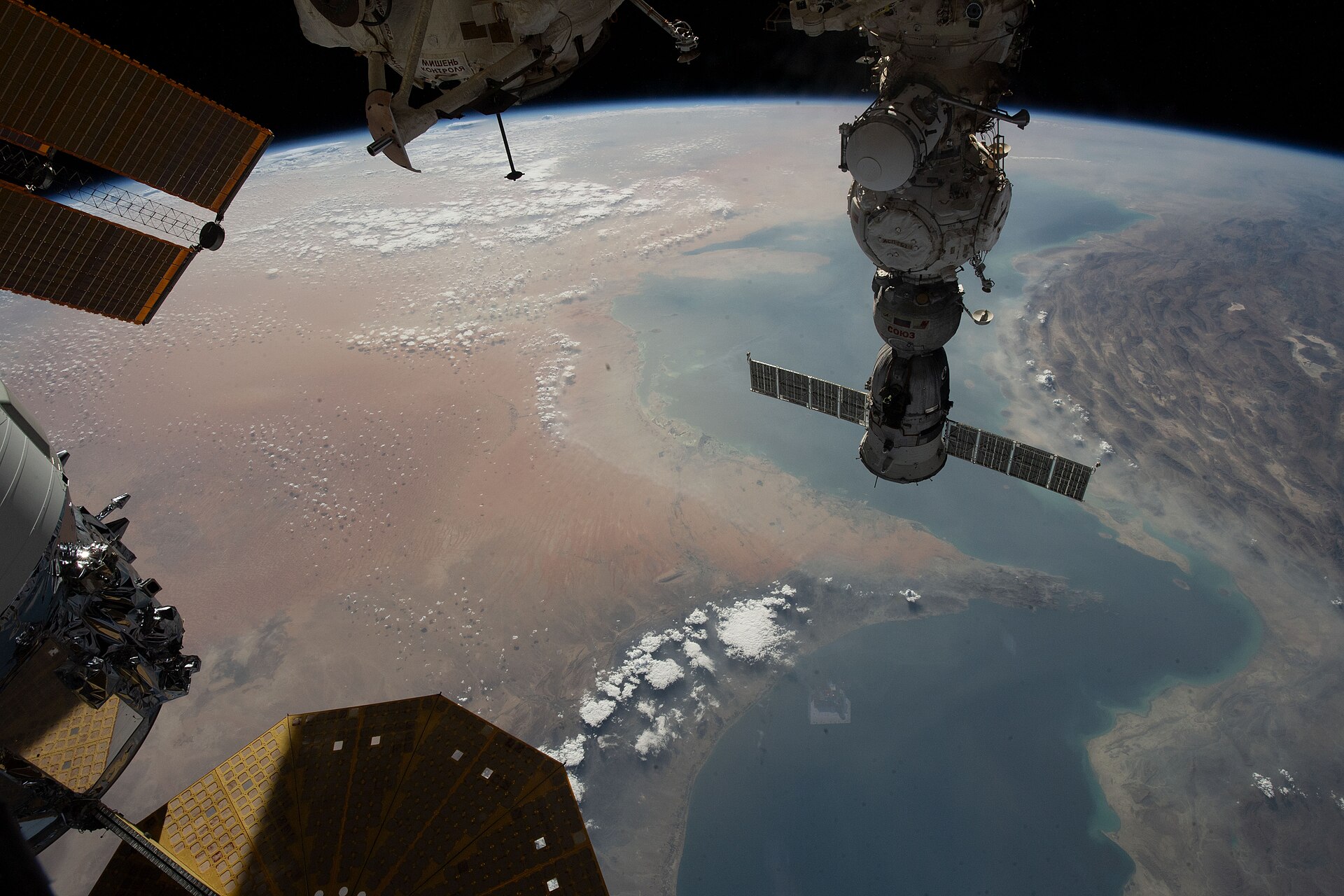
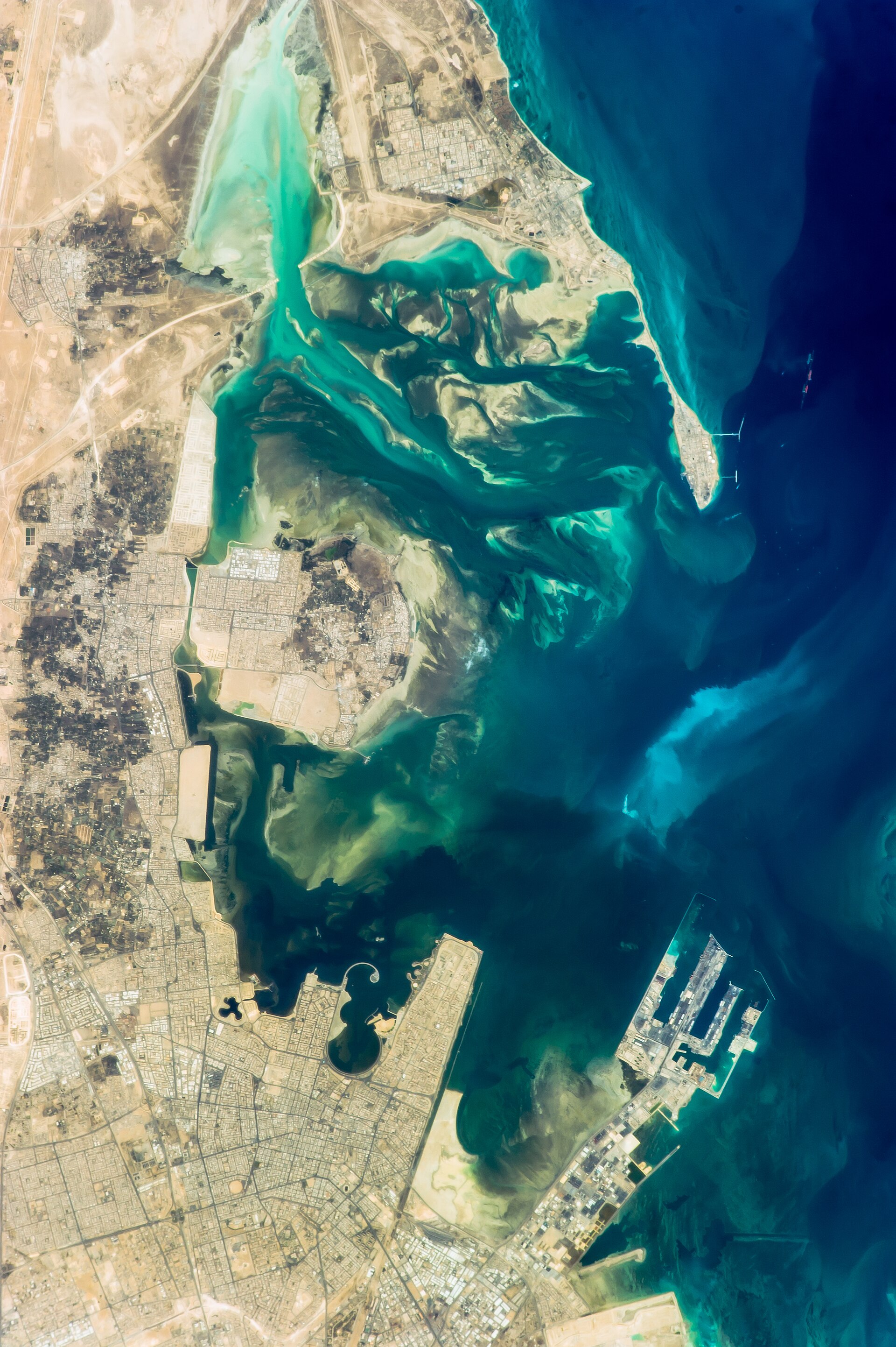
Saudi Arabia’s entire response to the closure of the Strait of Hormuz depends on infrastructure that can be traced on a single page. The East-West Petroline, rated at 7 million barrels per day, was pumping 5.8 million bpd as of October 6, according to the Saudi energy minister cited by Al Jazeera. Yanbu port on the Red Sea tested wartime loading capacity at approximately 4 million bpd, according to Vortexa data cited by PipeXCH. Pipeline and port together represent the only alternative to Hormuz. If either is knocked out, there is no fallback route with the capacity to sustain current export volumes.
Crude throughput through Hormuz has fluctuated sharply. In late September, Kpler data cited by CNBC showed a seven-day average of 13.5 million bpd in crude alone, with refined products at 677,000 bpd against a pre-war level of 3.6 million bpd. A separate estimate for the week ending October 12 put total throughput — crude and products combined — at approximately 8.5 million bpd, roughly 40 percent below pre-war levels. The two figures are not directly comparable (one measures crude only, the other all flows), but both describe a strait open enough to move some oil and constrained enough to starve refineries of the volumes they need.
Aramco’s output has partially recovered but remains well below pre-war levels. Production fell below 7 million bpd for most of the first six months of the war, according to IEA data cited by the Korea Times. By September it had climbed to approximately 8 million bpd — against a pre-war baseline of 10 to 10.9 million bpd. Aramco itself estimated in August that the war had cost the global market 2.6 billion barrels of oil cumulatively, according to AJOT.
The International Energy Agency responded with its largest-ever collective action: 400 million barrels of emergency stock releases agreed on March 11, 2026, of which 325 million had been released by early October. On October 7, IEA members agreed to accelerate the remaining releases and prioritize diesel, according to Dawn and Fortune.
What Happens When the Events Calendar Collapses?
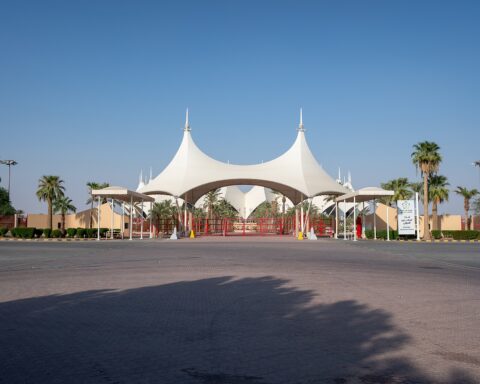
Saudi Arabia’s international events calendar — a core pillar of Vision 2030’s brand-building strategy — has been progressively dismantled since September. The Six Kings Slam tennis tournament, originally scheduled for October 21–24 in Riyadh, was moved to December 27–30, with organizers citing “organizational and logistical difficulties,” according to Al-Monitor. The Saudi Formula 1 Grand Prix, initially shifted from its April date to November, was cancelled outright. The EU-GCC summit scheduled for October 24 in Riyadh was postponed without a new date. The Future Investment Initiative’s 10th edition, set for October 26–29, went partially online after Reuters reported that executives were invited to join remotely. Riyadh Season, due to open October 21, was pushed to December. Lufthansa suspended its Riyadh flights through November 18, according to Euronews.
Before the war, the calendar served two functions. The revenue was substantial — hosting fees, tourism spending, sponsorship contracts, airline route openings. But the calendar was also a credibility mechanism, and in some ways the more valuable one. Every international event held in Saudi Arabia was, by the fact of its being held there, an institutional endorsement of the kingdom’s stability and its trajectory toward commercial normality. Airlines committed routes on the assumption that Riyadh would become a permanent hub. Hotels committed rooms on the assumption that conference season would recur annually. Sponsors committed budgets on the assumption that the kingdom’s trajectory was toward more openness, not less. The calculation behind each commitment was the same: Saudi Arabia is a functioning commercial center with acceptable risk.
The calendar’s collapse is a cascade of counterparty reversals. Tournament sponsors lose placement value. Airlines lose route revenue. Hotels absorb cancellation costs. The Red Sea International Film Festival cancelled its 2026 edition entirely, moving it to late 2027. LEAP, the technology conference, had already been rescheduled from April to September. The 2034 World Cup infrastructure plans face their own uncertainties. The pattern extends beyond events: the European Aviation Safety Agency widened its Saudi airspace warning in early October, and multiple carriers have rerouted or suspended Gulf services, according to Fortune.
Who Benefits From Saudi Arabia’s Systemic Exposure?
The Peterson Institute for International Economics estimated in 2026 that Russia could capture between $45 billion and $151 billion in additional budget revenues from the conflict, depending on its duration, through oil-premium capture at a time when Russian crude trades at steep discounts to international benchmarks. China imports more than 80 percent of Iran’s shipped oil and purchases Russian crude at those same discounts, giving Beijing a structural energy-cost advantage over European and Japanese competitors that widens as global prices rise. PIIE framed both countries as net economic beneficiaries of the conflict.
Georgieva’s Bangkok address gestured toward this asymmetry without naming it. “China needs to spend more, the US has to save more, and Europe has to invest more,” she said — a formulation that places the Saudi crisis within a global rebalancing argument. The countries absorbing the deepest energy costs are asked to adjust. The countries profiting from the premium are not addressed in the same terms.
Iran has not publicly responded to the IMF’s Bangkok warning. The Houthis, who claimed responsibility for the Aramco headquarters strike, have framed their escalation as retaliation for coalition airstrikes on Yemen. A Houthi spokesperson warned employees and citizens near any Aramco oil facility to evacuate, calling them legitimate targets, according to Newsquawk. Mohsen Rezaei, Iran’s secretary of the Expediency Discernment Council, said Tehran wanted the Saudi-Houthi war ended, according to Reuters — a position described as a call for de-escalation even as the group Tehran backs continued to escalate.
The Fiscal Equation
The revised 2026 budget deficit stands at 245 billion riyals, approximately $65 billion, up from a budgeted 165 billion riyals, according to the pre-budget statement reported by Reuters via Zawya on September 30. The widening gap reflects what an earlier IMF assessment described as the paradox of higher prices but lower volumes. The Saudi government projects real GDP falling 3.6 percent in 2026 — driven by a 21.8 percent drop in oil activities — then growing 12.8 percent in 2027. The projected 2027 deficit is 191 billion riyals, approximately $51 billion.
These government figures sit alongside, but do not match, the IMF’s WEO projections of a 3.3 percent contraction in 2026 and 7.9 percent growth in 2027. The gap is partly methodological: the Saudi government’s oil-activity calculations reflect production decisions and pricing in ways the IMF model captures differently. As of October 16, the government has not publicly reconciled the two sets of projections.
Public debt reached approximately 1.685 trillion riyals by mid-2026, according to Asharq Al-Awsat — already above the 1.62 trillion riyal level that the finance ministry forecast when the 2026 budget was approved in December 2025, per Argaam. Aramco’s second-quarter adjusted net income was $33.4 billion, with a $21.9 billion base dividend paid, according to QNA. The company is still generating cash, but the gap between what the government budgeted and what the war has cost is widening faster than Aramco’s revenue can close it. Bloomberg Opinion’s John Authers wrote on October 13 that “the wrong infrastructure attack” could push oil past $120 a barrel.
A Warning Without Precedent
Neither the 1973 oil embargo nor the 1990–91 Gulf War produced an explicit IMF managing-director statement warning of systemic global spillovers during an active Gulf conflict. The distinction matters for understanding what happened in Bangkok.
In 1973, the Arab oil embargo removed approximately 9 percent of global supply — roughly 14 percent of internationally traded oil — and the price of crude quadrupled by 1974, according to the Federal Reserve’s historical account. The political consequences were severe: Japan and most US allies in Europe broke with Washington on Middle East policy to protect their oil supply. But the IMF’s institutional role was marginal. The United States blocked a proposed IMF lending facility, and the fund’s engagement was primarily post-crisis — managing the balance-of-payments aftermath rather than warning about it in real time.
In 1990–91, oil rose from $17 per barrel in July to $36 in October 1990, according to TrendSpider’s historical analysis. The IEA activated a coordinated release plan on January 17, 1991, making 2.5 million barrels per day available from government stocks. The IMF’s engagement was again retrospective: post-crisis lending to developing economies affected by the price shock, not a real-time systemic warning during the fighting.
Georgieva’s October 14 statement breaks that pattern. It was delivered during an active conflict, not after one. It was issued at a scheduled multilateral forum attended by central bankers and finance ministers from 190 countries, in the context of a formal economic outlook, and it named a specific country whose stability the fund’s managing director described as a global concern. The institutional weight is different from a central-bank research note or a think-tank policy brief. When the managing director of the IMF tells Bangkok that Saudi Arabia’s war affects “everybody, everywhere,” the statement carries the implicit authority of the institution’s surveillance mandate. As of October 16, no coordinated multilateral response has followed from the warning Georgieva delivered two days earlier.
Frequently Asked Questions
Has Saudi Arabia officially responded to the IMF’s Bangkok warning?
No public Saudi government response to Georgieva’s “everywhere” characterization has been found as of October 16. The Saudi Ministry of Finance, the Saudi embassy in Washington, and Aramco have not issued statements addressing the systemic-risk framing. Riyadh typically responds rapidly to international economic assessments that frame the kingdom’s outlook negatively, making the silence itself a data point that diplomats and market analysts are watching.
How does PIF’s international portfolio transmit Saudi risk to global markets?
PIF’s 2024 annual report showed approximately 40 percent of its portfolio in Saudi companies. The fund had previously targeted raising international assets from 10 to 50 percent of the portfolio by 2030. Its international partners — SoftBank, Heathrow’s operators, Electronic Arts’ new ownership consortium — carry counterparty exposure that routes through Riyadh, creating indirect channels of Saudi risk that do not appear in standard energy-trade statistics.
Are any international events still proceeding in Saudi Arabia?
WWE Crown Jewel 2026 remains scheduled for November 7 in Riyadh. A boxing match between Canelo Alvarez and Christian Mbilli is set for October 31. Events with shorter lead times and primarily indoor venues have so far proceeded, though industry sources cited by Al-Monitor reported rising insurance premiums and security costs for organizers who maintained their Saudi commitments.
What would an oil price of $120 per barrel mean for global supply management?
Goldman Sachs modeled a $120 Brent scenario specifically for conditions where Hormuz disruption continues through 2027. Roughly 75 million barrels of the IEA’s original 400-million-barrel commitment remain unreleased as of early October. The PIIE analysis estimating Russia’s potential war windfall at $45 billion to $151 billion used prolonged high prices as a key variable — the same conditions a sustained $120 Brent scenario would confirm.