
CAIRO — Egypt’s parliament is debating whether to authorize military support for Saudi Arabia, but the negotiation that matters is not happening in the chamber. President Abdel Fattah el-Sisi asked lawmakers on October 17 to approve “any measure” needed to defend the kingdom, provided Riyadh formally requests it. The National Defence Council met the following day and pledged “all necessary and possible forms of support.” Parliament then postponed the vote — deliberations were expected to resume on Monday, October 19, with some reports placing the final ballot no earlier than Tuesday — and the presidency has not specified what Egypt would actually deploy.
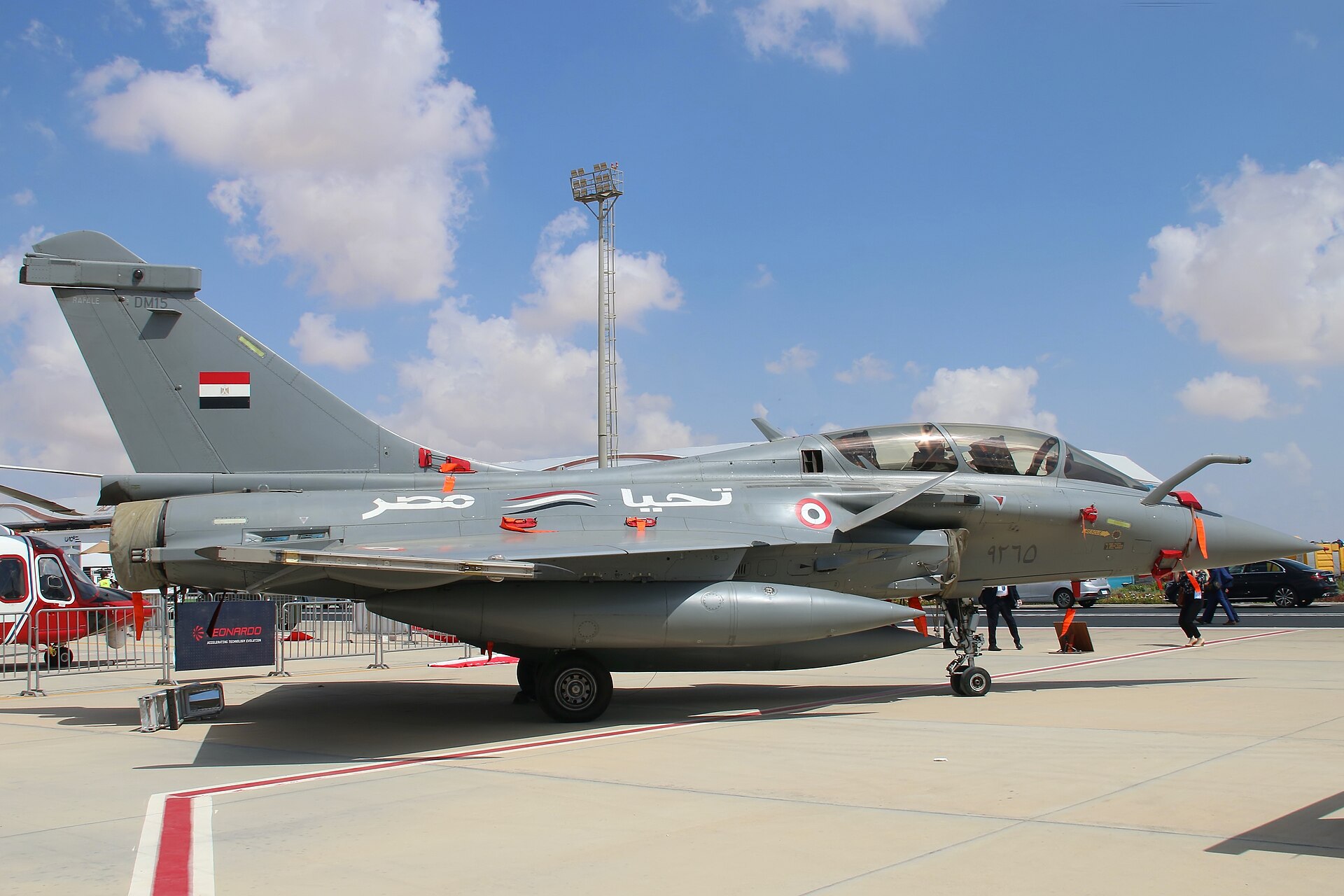
The distance between Sisi’s rhetoric and the operational detail tells you more about Cairo’s intentions than the speeches do. Egypt fields Africa’s largest military — 438,500 active troops, an air force built around 220 F-16s and more than 43 Rafales — but its economy cannot afford to put them in motion without compensation. Saudi Arabia holds approximately $10.3 billion in deposits at Egypt’s central bank. A $5.3 billion tranche of that matured this month. When Sisi tells a military academy audience that he is “not looking for a role to play,” he is describing a role that comes with a price.
Table of Contents
- What Did Sisi Actually Ask Parliament to Authorize?
- The Defence Council Pledged Everything — The Presidency Confirmed Nothing
- What Would Egyptian Forces Actually Do in Saudi Arabia?
- Nasser’s Ghost in the War Room
- Seventy Billion Reasons to Say Yes
- How Does the Strait of Hormuz Threaten Cairo’s Budget?
- Why Was Egypt Left Out of the Makkah Pact?
- The Warning From Sanaa
- Frequently Asked Questions
What Did Sisi Actually Ask Parliament to Authorize?
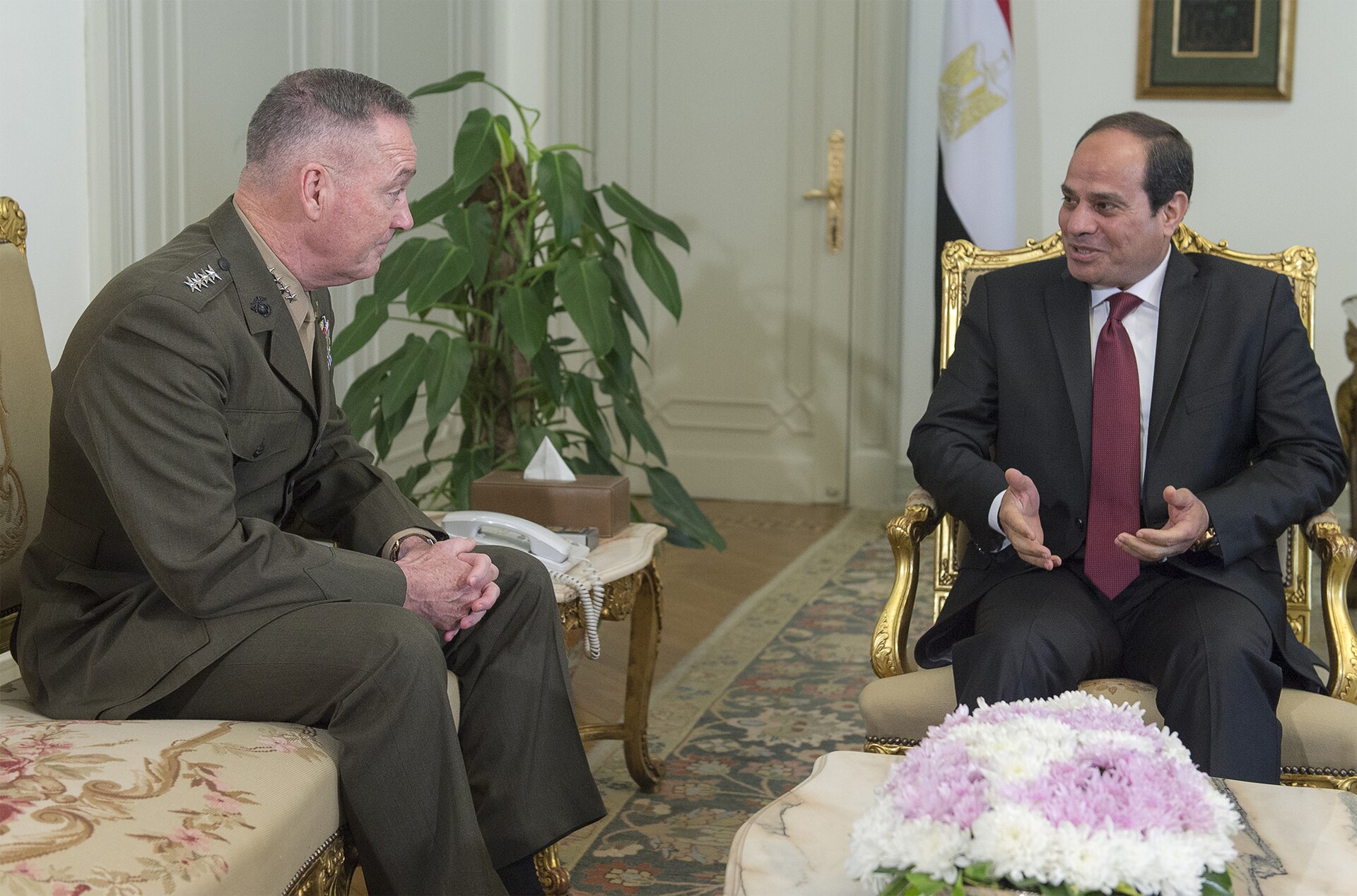
Sisi asked lawmakers to approve defensive military support for Saudi Arabia, conditional on the kingdom formally requesting it. The authorization is framed as purely defensive — “I am not speaking about attacking or waging war,” he said — and requires a two-thirds supermajority under Article 152 of Egypt’s constitution.
The president addressed a military academy graduation on October 17 and called on parliament to convene an emergency session. His language was calibrated with care. “It is absolutely unacceptable for us to allow the kingdom of Saudi Arabia to be targeted,” he told the cadets. “This move and this defence require approval from the Egyptian parliament.” Both statements are true on their own. Together, they construct a commitment that is forceful enough to reassure Riyadh and procedural enough to let Cairo define the scope after the fact.
Under Article 152, deploying forces on a combat mission abroad requires consultation with the National Defence Council and a two-thirds vote in the House of Representatives, conducted in closed session. Sisi satisfied the first condition within twenty-four hours. The second has proved harder. Parliament convened an emergency session on October 18, heard debate, and postponed the vote. Two lawmakers told AFP that no details had been discussed about what form Egypt’s military support would take — a striking absence of specificity for a chamber being asked to sign off on a foreign deployment.
The delay is not obstruction. Egypt’s House of Representatives has a commanding pro-Sisi majority, and MP Ibrahim Kholeif told AFP that members were “mostly in support.” But lawmakers demanded more information about the scope and nature of any commitment, according to Mada Masr, which reported the vote could slip to Tuesday. The last time Egypt’s parliament authorized foreign military action was July 2020, when lawmakers approved potential troop deployment toward Libya’s western front — an authorization that proved sweeping on paper and closely circumscribed in practice.
The Middle East briefing 3,000+ readers start their day with.
One email. Every weekday morning. Free.
The Defence Council Pledged Everything — The Presidency Confirmed Nothing
The National Defence Council met on October 18, chaired by Sisi and attended by the prime minister, the speaker of parliament, Defence Minister Lieutenant General Ashraf Zaher, the chief of staff of the armed forces, and the heads of Egypt’s intelligence services. The published statement pledged “all necessary and possible forms of support” for Saudi Arabia’s security, territorial integrity, and the protection of the Islamic holy sites. It was language designed to dominate a news cycle without committing to a specific force package.
Hours later, MP Mostafa Bakry — a television presenter and parliamentarian close to the state — announced on X that the Defence Council had also approved deploying troops on a “defensive mission.” The presidency did not confirm Bakry’s account. No official source repeated it. The gap between his claim and the published communiqué remains unresolved, and in Egyptian politics that kind of ambiguity is rarely accidental — Cairo has a long practice of letting loyalist media figures float maximalist positions that the state retains the option to walk back.
The council meeting followed a well-established choreography. When Sisi convened the National Defence Council before the Libya authorization in 2020, the pattern was identical: a broad statement of intent from the council, followed by a parliamentary debate that negotiated the limits. The council’s role is political cover, not operational planning. What matters is the text that parliament eventually votes on, and as of October 19 that text does not exist in any published form.
MBS visited Cairo on September 15, a meeting after which Egypt’s presidency declared that Saudi and Gulf security was “inseparable from Egypt’s.” That formulation, echoed in the Defence Council’s October 18 pledge, carries the weight of a pre-negotiated position. By the time Sisi addressed the military academy on October 17, the bilateral groundwork was already in place. The parliamentary process is the public performance of a decision whose outlines were settled privately.
What Would Egyptian Forces Actually Do in Saudi Arabia?
Analysts assess that Egypt’s military contribution would centre on air and missile defence for critical Saudi infrastructure, counter-drone operations, naval escort, and intelligence sharing. Front-line ground deployment in Yemen is effectively ruled out by the institutional memory of Egypt’s catastrophic 1962–1967 intervention, which cost more than 10,000 Egyptian lives.
Thomas Bonnie James, a political analyst specializing in Gulf studies, told Al Jazeera on October 18 that intelligence sharing would feature prominently and that the Nasser-era intervention “caused heavy casualties and strained Saudi-Egyptian ties” — a history that weighs heavily on any discussion of ground forces. Alexandru Hudisteanu, a military defence analyst, assessed that counter-drone and anti-missile support was “highly likely” if parliament granted authorization. He added that the authorization request itself served a deterrent function, signalling Egypt’s capacity to the Houthis before any assets crossed the border. On the prospect of defeating the Houthis outright, James was blunt: “a tall order, since stopping missiles fired from the mountains is much harder than retaking the coast.”
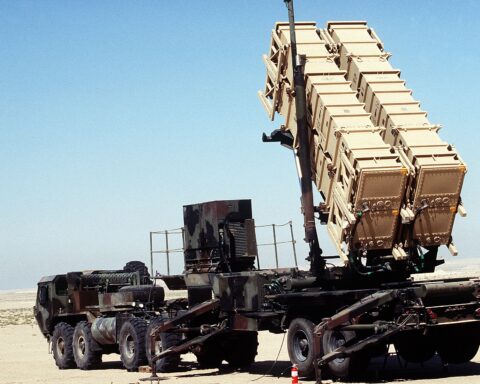
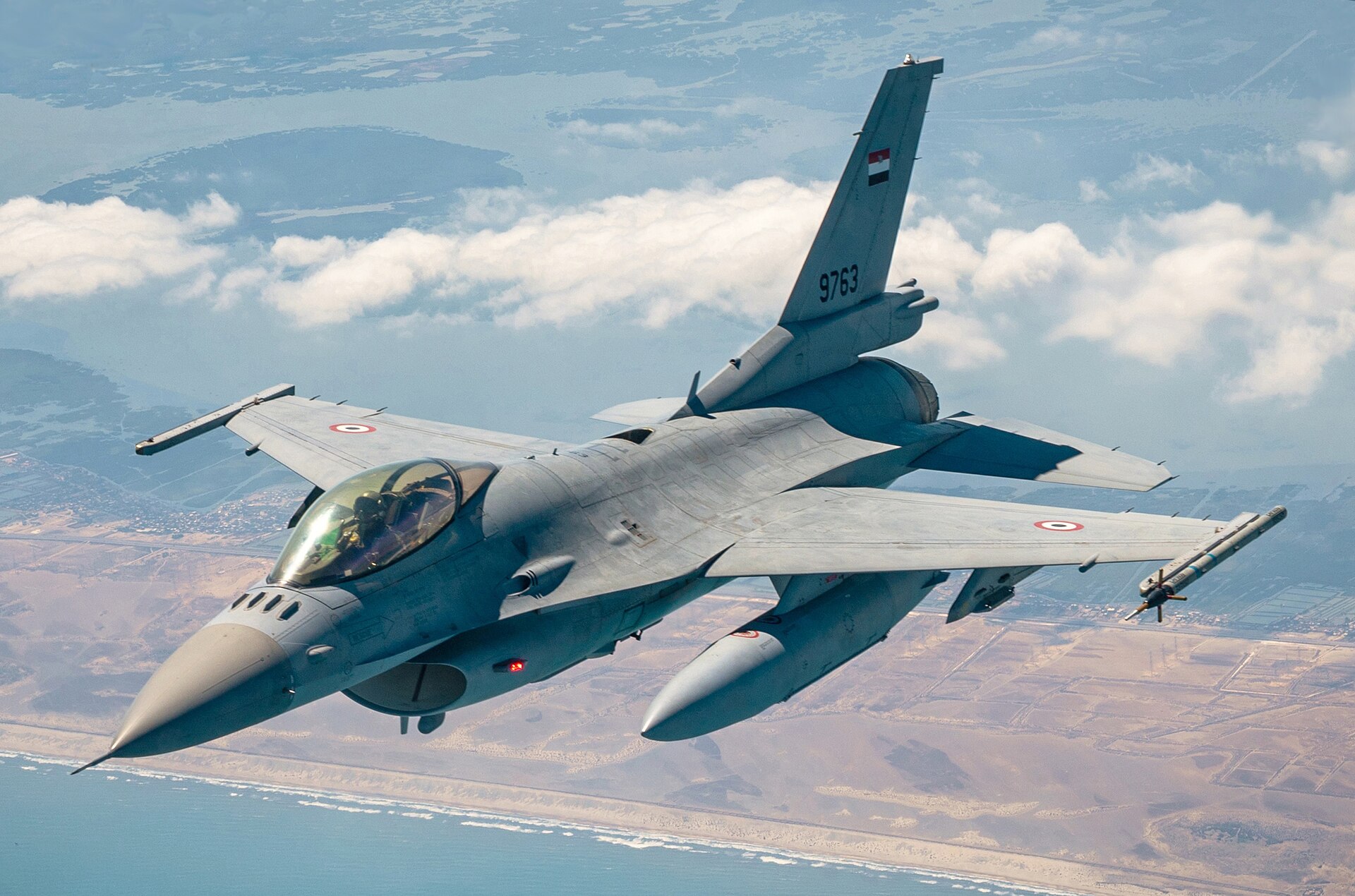
Egypt’s order of battle supports a defensive, standoff role. The Egyptian Air Force operates approximately 220 F-16 fighters upgraded to Block 40/52 standard and more than 43 Dassault Rafales, with 12 additional Rafales expected by end-2026. These are interception and air-superiority platforms suited to the kind of defensive umbrella that Washington has been reluctant to provide over Saudi cities. Egypt also operates Russian S-300VM systems — the same class of long-range air defence that Saudi Arabia has used, with mixed results, against Houthi cruise missiles and drones.
Cairo already has operational exposure in the theatre. On August 13, Egypt joined a Saudi-led multinational maritime coalition focused on protecting Red Sea and Bab al-Mandeb shipping, a commitment framed around Egypt’s own commercial interests in keeping the Suez Canal’s southern approaches open. The parliamentary authorization would expand that mandate from maritime policing to territorial defence of Saudi soil and airspace — a qualitatively different commitment even if the frigates and patrol aircraft remain the same.
The trigger for Sisi’s request is concrete. Houthi attacks have struck King Khalid International Airport at least twenty times since October 1. Saudi authorities report 19 people killed and 364 wounded across Saudi airports during that period. One of those killed was an Egyptian flight attendant, a single casualty that gave Cairo a domestic justification it did not previously have. When Riyadh took Tehran’s call one day after thirteen people died at the airport, Egypt watched from the sidelines. Now it is being asked to do more than watch.
The question of what actually defends Saudi Arabia remains unresolved. France has confirmed troops, radars, and air defence systems at Yanbu. Britain sent an RAF Voyager tanker. The United States offered more than 100 advisers and proposed an F-35 sale, but President Trump has reportedly ruled out military action against Iran before the November 3 midterm elections. Egypt’s entry would add the largest Arab military to a coalition so far built on Western hardware and Gulf financing. Whether Cairo’s contribution changes the military balance or merely the political optics depends on scope — the one detail nobody has specified.
Nasser’s Ghost in the War Room
Every Egyptian general who sat in the National Defence Council meeting on October 18 knows the arithmetic of the last time Cairo sent ground troops to the Arabian Peninsula. In 1962, Gamal Abdel Nasser dispatched what he expected to be a short deployment in support of republican forces in Yemen against royalists backed — in one of the region’s enduring ironies — by Saudi Arabia. “I sent a company to Yemen and ended up reinforcing it with 70,000 troops,” Nasser later said. By 1965, Egyptian losses exceeded 10,000 killed and the intervention had consumed a third of the country’s combat-ready army. Foreign Policy’s 2015 analysis called it “Egypt’s Vietnam.”
The parallels to 2026 are imperfect but the institutional lessons are not. Sisi is not proposing to fight inside Yemen, and Saudi Arabia, which bankrolled the royalist insurgency against Nasser, is now the beneficiary of Cairo’s offer rather than its adversary. But the core lesson has survived every generation of Egyptian military leadership: expeditionary commitments on the Arabian Peninsula escalate beyond their original mandate. The 1962 deployment began with a company-sized advisory mission and the expectation that Egyptian commandos could stabilize the new republican government within weeks. Within three years, the force exceeded 70,000, bogged down in mountain warfare that Egyptian doctrine was never designed to fight, and some of those units were still stalemated in Yemen when Israel attacked Egypt in June 1967.
That 1967 connection is the part the Egyptian military establishment has never processed publicly but has internalized operationally. Egypt’s best combat divisions were tied down on the Arabian Peninsula when the existential threat came from the Sinai. The strategic cost of the Yemen intervention was not measured only in the 10,000 dead — it was measured in the catastrophic unpreparedness of June 1967, the worst military defeat in modern Egyptian history.
In 2015, when Saudi Arabia launched its coalition campaign against the Houthis, Egypt contributed four naval warships to the Bab al-Mandeb strait and declared its role was limited to protecting Red Sea navigation. A 2017 claim by Saudi coalition spokesman Major General Ahmad Asiri that Sisi had offered “up to 40,000 ground troops” was withdrawn by Asiri himself; an Egyptian official confirmed that Cairo had given “a definite no.” The pattern is consistent across seven decades: Egypt will commit naval and air assets to Gulf operations, frame those commitments as narrowly as domestic politics allow, and resist — sometimes publicly, sometimes through quiet bureaucratic inertia — any attempt to put its soldiers on the ground.
That history is why analysts expect Egypt’s contribution, if authorized, to stop at air defence batteries, naval patrols, and intelligence cooperation. Air defence units can be withdrawn in days. Naval vessels can be recalled to Port Said. Intelligence officers leave smaller footprints than infantry brigades. Sisi’s framing — defensive, conditional, parliamentary — is designed to prevent the kind of open-ended escalation that consumed Nasser. Whether the nature of this conflict will permit that restraint is a separate question. Iran is arming the war it simultaneously claims to mediate, and the Houthis have shown no sign of accepting the negotiated settlement that would let Egypt declare a limited success and go home.
Seventy Billion Reasons to Say Yes
The financial architecture of the Egypt-Saudi relationship makes the parliamentary debate almost predictable in its outcome, if not its timetable. Gulf states have provided Egypt with approximately $50 billion in aid since 2011 — direct budget support, central bank deposits, and subsidized energy deliveries that kept the Egyptian economy functioning through two revolutions, a military takeover, and a currency crisis. Since 2021, Gulf investments have exceeded $60 billion, anchored by a $35 billion UAE deal for the Ras El-Hekma resort development and a $29 billion Qatari investment in Alamein.
| Category | Figure | Source |
|---|---|---|
| Saudi CBE deposits (total) | ~$10.3 billion | Enterprise / CBE data |
| Saudi CBE tranche maturing Oct 2026 | $5.3 billion | AGBI / Reuters |
| Gulf aid to Egypt, 2011–2022 | ~$50 billion | Alhurra / Arab Center DC |
| Gulf investments since 2021 | >$60 billion | Enterprise / AGBI |
| Egyptian workers in Saudi Arabia | ~1.5 million | AGBI / CBE |
| Remittances from Saudi, FY2024/25 | ~$12 billion | AGBI / CBE |
| Egypt govt debt (% of GDP, Apr 2026) | ~83% | Arab Center DC |
| IMF EFF disbursement, Jul 2026 | $1.77 billion | EgyptToday |
Saudi Arabia’s role in that structure is not charitable — it is load-bearing. No source has confirmed whether the $5.3 billion tranche was renewed, extended, or called in. The coincidence of timing invites an inference that neither government has any interest in making explicit.
Approximately 1.5 million Egyptians work in Saudi Arabia, sending home roughly $12 billion in remittances in FY2024/25. For a country running persistent current account deficits, those transfers are not supplementary income — they are structural. A breakdown in relations with Riyadh would threaten not only government financing but household consumption across the Egyptian economy. Sisi knows, because his two most recent predecessors learned the hard way, that economic discontent in Egypt has political consequences that no amount of military authority can contain.
Imad K. Harb, Director of Research at the Arab Center Washington DC, argued in April 2026 that “involving the armed forces in external affairs is a luxury that the Egyptian economy cannot afford.” He cited inflation above 15 percent, government debt at approximately 83 percent of GDP, and the Egyptian pound trading at roughly 55 to the dollar. The analysis was rigorous on its own terms. But it assumed that Egypt’s economic constraints would prevent foreign military commitments, when in practice those same constraints are what make refusing Saudi Arabia impossible. The cost of deploying air defence batteries is quantifiable. The cost of telling Riyadh no — when $5.3 billion in deposits are maturing and 1.5 million Egyptian workers depend on Saudi residence permits — is the kind of risk that finance ministries cannot model and presidents cannot afford to take.
How Does the Strait of Hormuz Threaten Cairo’s Budget?
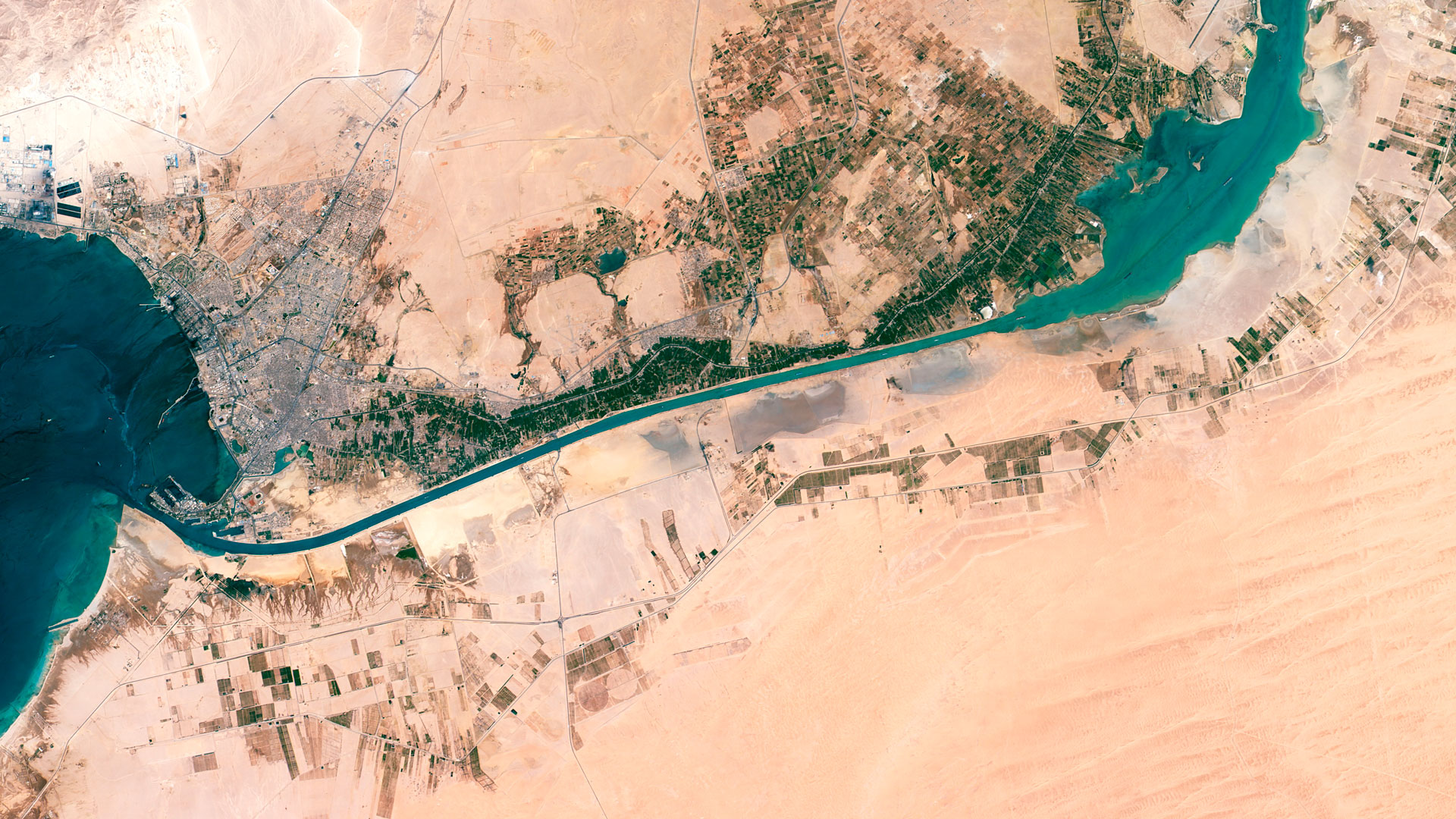
Egypt’s Suez Canal earned approximately $4.67 billion in the fiscal year ending June 2026 — a 23 percent recovery on the previous year but less than half the approximately $10.2 billion peak recorded in FY2022/23, before Houthi attacks on Red Sea shipping forced the world’s largest container lines to reroute around the Cape of Good Hope. Total estimated canal revenue losses since November 2023 exceed $11 billion, a figure on the scale of Egypt’s entire IMF programme.
Those losses accumulated before the current escalation. Iran’s declaration of a Hormuz permit regime and the mining of the strait have now created a second chokepoint threatening the maritime traffic that feeds Suez. If Hormuz-bound shipping diverts to overland pipelines or alternative routes, some of that traffic never reaches the canal at all. Egypt’s interest in suppressing Houthi and Iranian disruption of global shipping lanes is not a diplomatic abstraction — it is a line item on Cairo’s balance sheet, and a significant one.
This gives Sisi something unusual in the history of Egyptian foreign military commitments: a genuine domestic economic rationale that runs parallel to the bilateral financial relationship with Saudi Arabia. Defending Saudi airspace also means defending the conditions that keep container ships transiting the Red Sea rather than the Cape. Whether that argument holds up against Egypt’s fiscal constraints is another matter. Deploying an air defence brigade is not free, and the UAE has already discovered that proximity to Iran’s war carries its own costs.
Egypt’s September 15 joint statement with Saudi Arabia, issued after MBS visited Cairo, called for “secure Red Sea navigation” — language that fused Saudi territorial defence with Egyptian commercial interests in a single phrase. The maritime coalition Egypt joined on August 13 was the operational expression of that formula. The parliamentary authorization would extend it from the Red Sea to Saudi airspace, but the underlying logic is continuous: Egypt’s solvency depends on open shipping lanes, and those lanes are under attack from the same forces targeting Saudi airports.
Why Was Egypt Left Out of the Makkah Pact?
Saudi Arabia, Turkey, and Pakistan signed the Makkah Joint Defence Agreement on August 7 without Egypt. Middle East Eye reported on August 11, citing three anonymous Saudi sources, that Riyadh opposed Cairo’s inclusion “at least for now.” Egyptian Foreign Minister Badr Abdelatty said on October 13 that joining was under “serious consideration.”
Egypt’s exclusion is difficult to square with its qualifications. It is the Arab world’s largest military, Saudi Arabia’s neighbour across the Red Sea, and the single largest recipient of Gulf financial support over the past fifteen years. Turkey’s parliament has not ratified the agreement, but Ankara’s signature carried political weight. Pakistan has deployed approximately 8,000 troops to Saudi Arabia under its terms. Egypt, which already had vessels in the Red Sea maritime coalition, was the obvious Arab co-signatory — and was passed over. Understanding why illuminates the dynamics behind Sisi’s parliamentary push.
Turkish Foreign Minister Hakan Fidan told reporters he expected Egypt to join, describing Cairo as a “natural partner” with only “a few technical issues” to resolve. Abdelatty’s statement that Egypt “would respond to whatever Riyadh requests” carried the tone of a country applying for admission rather than being courted for membership. Whether Riyadh’s reluctance reflected doubts about Cairo’s operational reliability, the political cost of deepening Egyptian financial dependence, or a preference for partners whose price was already fixed is not clear from available reporting. The Middle East Eye sources offered no public explanation.
Sisi’s parliamentary authorization bid reads, in part, as a response to that exclusion — a public demonstration that Egypt is prepared to commit beyond warships and condolence calls, on terms that the Makkah pact’s existing members have not yet matched in practice. For Riyadh, the question is whether accepting Egypt’s offer costs more in financial obligations than it saves in air defence coverage. For Cairo, the alternative — watching Saudi Arabia build a defence coalition around the Arab world’s largest army rather than with it — may already be answer enough.
The Warning From Sanaa
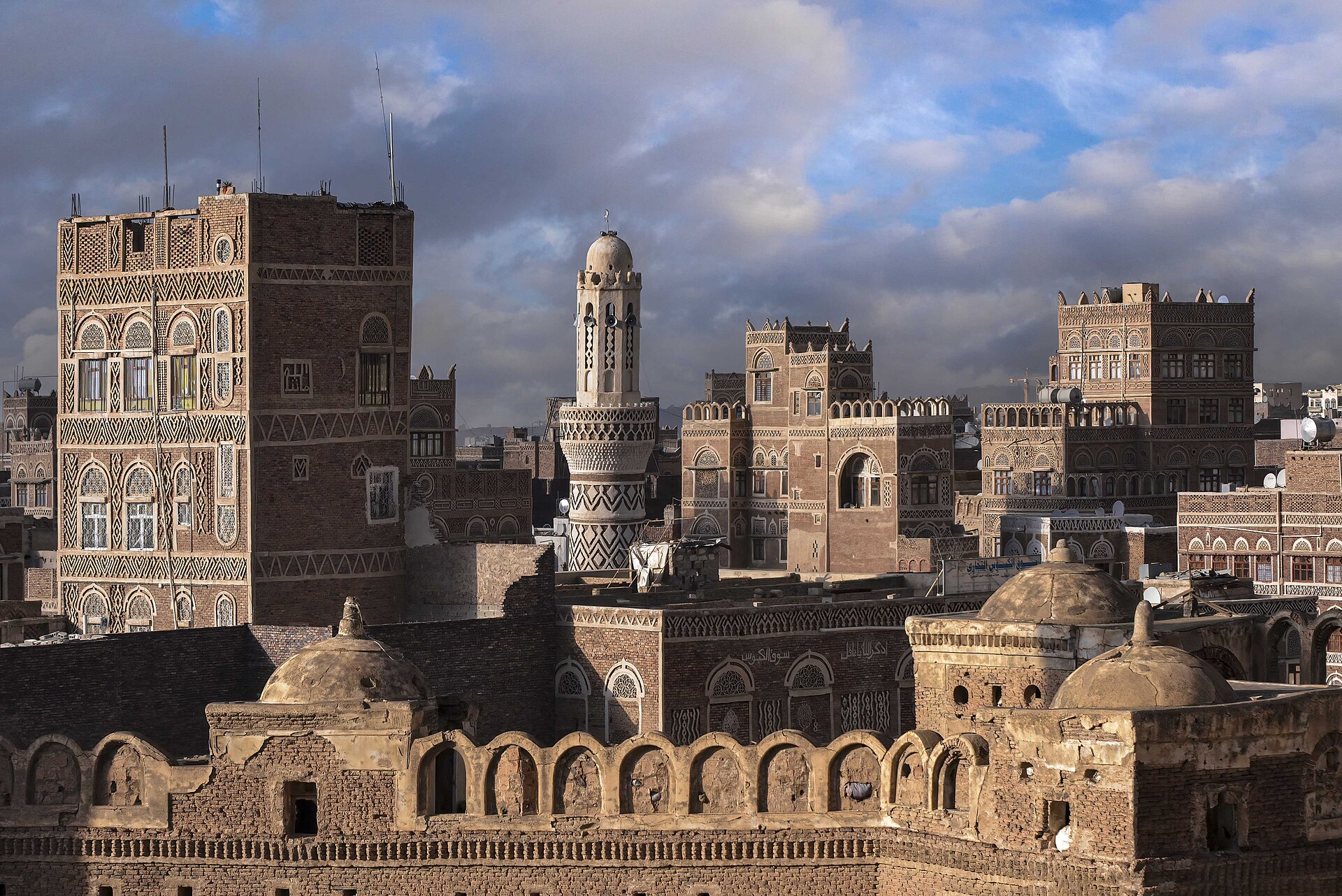
Yahya Al Raei, speaker of the Houthi-run parliament in Sanaa, did not wait for Egypt’s vote. On October 18, he wrote directly to Egypt’s speaker of parliament urging Cairo not to be “dragged” into the conflict. He warned that Egyptian intervention “would pose a grave danger to its national security” and accused Riyadh of sustaining “aggression and siege” on Yemen for more than twelve years. The letter’s timing — delivered while Egyptian lawmakers were mid-debate — was designed for maximum political pressure.
Al Raei called on Egypt to take a “courageous stance” against what he characterized as Saudi aggression, framing the Houthi campaign not as an assault on civilian airports but as resistance to a broader war. The argument has limited purchase in Cairo, where bombs have kept coming even as diplomacy continued and the Houthi disruption of Red Sea shipping has done more measurable economic damage to Egypt than any Saudi policy of the past decade. But the warning about national security risks is harder to dismiss. Houthi drone and missile capabilities have already struck targets across Saudi Arabia, the UAE, and Israel — all countries operating air defence systems more advanced than what Egypt currently deploys forward.
Iran’s position on Egypt’s parliamentary debate has been conspicuously muted. No confirmed Iranian government statement specifically addressing the authorization was found in public reporting. Kayhan, a Tehran newspaper with close editorial ties to the supreme leader’s office, characterized the session as “rubber-stamping” Saudi aggression — but editorial commentary in a state-adjacent outlet is not a policy position. The silence may be deliberate: Tehran has reason to avoid provoking Cairo into a commitment it might otherwise constrain, and Egypt has equal reason to avoid forcing Tehran into a public threat that both sides would then have to manage.
Frequently Asked Questions
Has Egypt’s parliament voted to authorize military support for Saudi Arabia?
Not as of October 19, 2026. Parliament convened an emergency session on October 18 but postponed the vote after lawmakers requested more detail about the scope of any deployment. Deliberations were set to resume Monday, with Mada Masr reporting the vote could slip to Tuesday. The House has a commanding pro-Sisi majority — MP Ibrahim Kholeif told AFP that members were “mostly in support” — but the two-thirds supermajority required under Article 152 means the final count is not formally assured, and no published text of the proposed authorization has been released.
What is Egypt’s existing military commitment in the Gulf region?
Egypt joined a Saudi-led multinational maritime defence coalition on August 13, 2026, focused on protecting Red Sea and Bab al-Mandeb shipping. This builds on a longer operational history: in March 2015, Egypt contributed four naval warships to the Saudi-led Yemen coalition, explicitly limiting its role to Red Sea navigation. In January 2016, parliament approved a one-year extension of armed forces deployments in the Gulf, Red Sea, and Bab al-Mandeb by a vote of 415 MPs. Egypt has not deployed ground combat forces to the Arabian Peninsula since the 1960s.
Could Egypt face Houthi retaliation for supporting Saudi Arabia?
Houthi parliamentary speaker Yahya Al Raei warned on October 18 that Egyptian intervention “would pose a grave danger to its national security,” though the Houthis did not specify what form retaliation might take. Egypt’s exposure includes the Suez Canal, Red Sea port infrastructure, commercial aviation routes, and — a vulnerability that has received almost no public discussion — the tourism economy along the Red Sea coast. Resorts at Sharm el-Sheikh, Hurghada, and Marsa Alam all operate within the demonstrated range of Houthi drone and cruise missile systems that have already reached targets deep inside Saudi Arabia and the UAE.
How does Egypt’s military compare to other coalition contributors?
Egypt’s 438,500 active-duty troops, 479,000 reservists, and 300,000 paramilitary forces constitute the largest military establishment in Africa and the Arab world. Its air force — approximately 220 F-16s upgraded to Block 40/52 and more than 43 Rafales — gives it the most capable Arab air arm by platform count and generation. For comparison: Pakistan has deployed approximately 8,000 troops under the Makkah pact. France committed troops, radars, and air defences at Yanbu. Britain sent a single RAF Voyager tanker. The United States offered more than 100 advisers and an F-35 sale but declined direct military action against Iran.
What did Egypt contribute to the 2015 Saudi-led Yemen coalition?
Egypt deployed four naval warships to the Bab al-Mandeb strait in March 2015, framing its participation as the protection of Red Sea navigation rather than combat operations against the Houthis. A 2017 claim by Saudi coalition spokesman Major General Ahmad Asiri that Sisi had offered up to 40,000 ground troops was retracted by Asiri himself, and an Egyptian official said Cairo had given “a definite no” to ground deployment. Egypt’s parliament voted in January 2016 to extend the naval mission for one year. The episode established the template visible in 2026: naval and air assets, conditional language, and hard resistance to ground forces.