ABU DHABI — The Gulf’s anti-Iran front is split between a country seeking to defeat Iran and a country seeking to accommodate it. The United Arab Emirates and Saudi Arabia, partners in the same conflict, are running separate strategies against the same adversary from opposite ends of the Gulf’s strategic range, and the gap between them now sets the ceiling on what any Gulf coalition can do.
On 18 October 2026, two unknown projectiles struck a marine tug northeast of Khor Fakkan, on the UAE’s Gulf of Oman coast. The United Kingdom Maritime Trade Operations office logged the incident as advisory 177-26. One crew member suffered minor injuries. The vessel kept operating. As of 19 October, the UAE government has issued no public statement on the attack.
Iran has targeted the UAE with more than 2,800 missiles and drones during this conflict — more than any other country, including Israel, according to the Soufan Center. Abu Dhabi intercepted 551 ballistic missiles, 2,265 drones, and 29 cruise missiles by May. It struck Iranian territory. It pushed for a Security Council resolution authorising force to reopen the Strait of Hormuz. The Soufan Center found in May that the UAE had “rejected the Saudi approach” to the war, aligning instead with the United States and Israel’s determination to force Tehran into concessions.
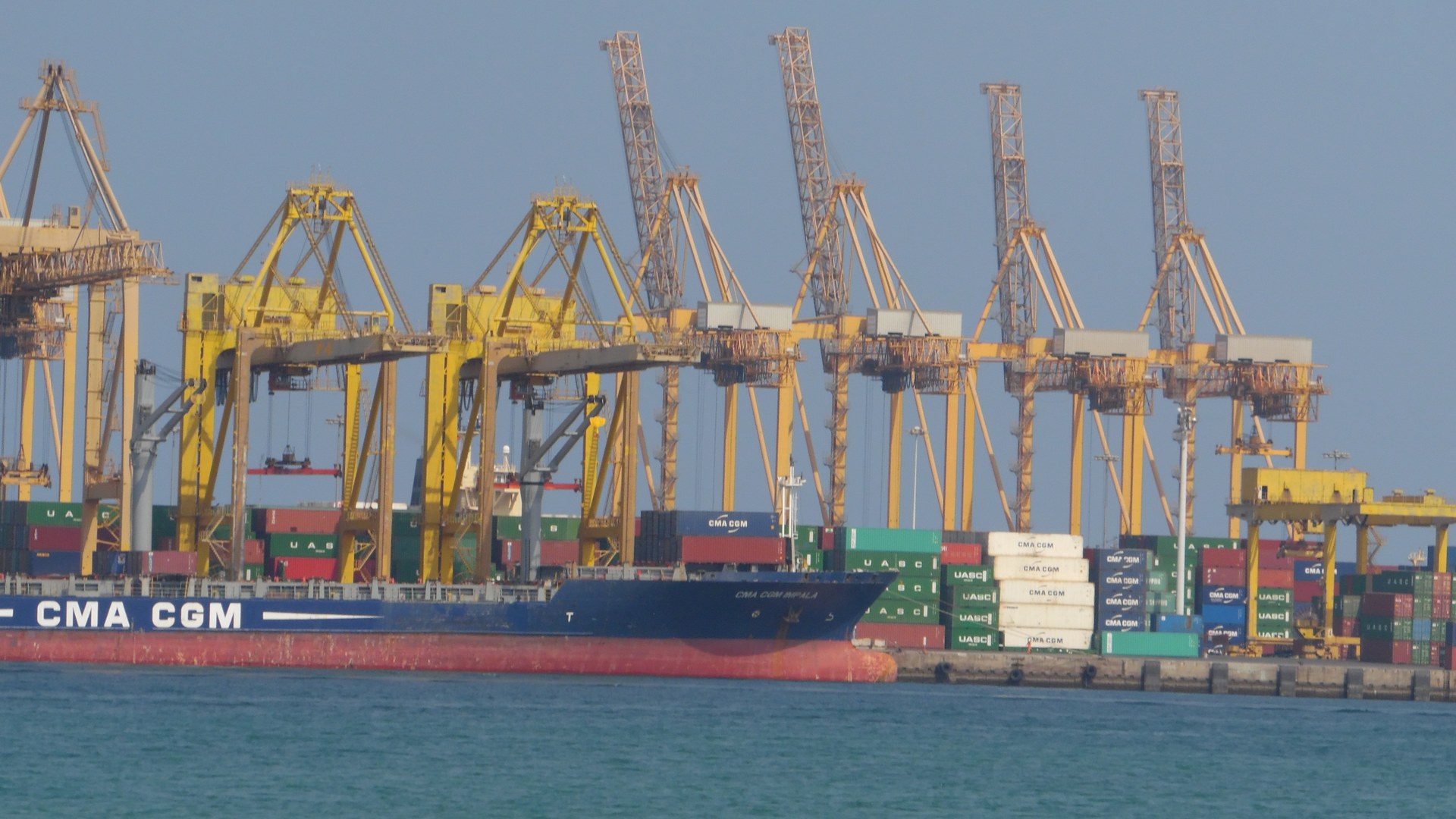
Table of Contents
- What Happened Off Khor Fakkan?
- The Country Iran Struck More Than Any Other
- How Did Abu Dhabi Respond?
- A Ceasefire, an Embargo, and Three Attacks on ADNOC
- What Does Riyadh’s War Look Like From Abu Dhabi?
- Why Hasn’t Abu Dhabi Joined the Saudi-Led Coalition?
- The Shuttle, the Strait, and the Shared Vulnerability
- Two Wars, One Gulf, No Shared Plan
- Frequently Asked Questions
What Happened Off Khor Fakkan?
UKMTO advisory 177-26, issued on 18 October 2026, reported that a marine tug was struck by two projectiles while operating northeast of Khor Fakkan, a port city on the UAE’s east coast facing the Gulf of Oman. One crew member sustained minor injuries. The vessel remained seaworthy and continued operating. UKMTO did not identify the tug by name, flag, or operator. No attribution was assigned. The incident was reported by ANI News, Aaj TV, Arab News, DevDiscourse, TASS, and Arab Times Online on the same day.
The timing aligned with a specific Iranian escalation. On 12 October, Mohsen Rezaei, secretary of Iran’s Supreme National Security Council, had publicly designated the US-assisted, Arab-operated oil shuttle system as an explicit IRGC target, telling Al Jazeera that Iranian forces had been interdicting five or six participating vessels per night for weeks. On 18 October itself, the day of the Khor Fakkan strike, an Iranian official told Gulf News that Tehran would soon block what it called “illegal routes” near Oman’s coast — a reference to the shuttle corridor running south and east of the Strait of Hormuz.
Khor Fakkan sits on the Gulf of Oman side of the UAE, outside the Strait proper and adjacent to the shuttle system’s southern corridor, where smaller feeder vessels carry Gulf crude toward ship-to-ship transfers with supertankers farther into open water. The attack placed Iran’s maritime disruption campaign beyond the chokepoint itself and onto a stretch of coastline serviced by UAE ports. The IRGC has stated that any vessel transiting the area without Iranian authorisation is a legitimate target — a definition broad enough to cover the shuttle corridor and the commercial traffic that supports it.
The Middle East briefing 3,000+ readers start their day with.
One email. Every weekday morning. Free.
As of 19 October, the UAE has not responded publicly. In August, when Iranian forces struck ADNOC tankers in the Strait, the UAE Foreign Ministry issued formal condemnations within a day and described the attacks as “piracy.” The October silence is a departure from that practice.
The Country Iran Struck More Than Any Other
The UAE’s position in this war is defined by a disparity that the rest of the Gulf coalition has not absorbed. Iran has directed more than 2,800 missiles and drones at UAE territory since the conflict began — “far more strikes than any other country, including Israel,” according to the Soufan Center’s IntelBrief of 14 May 2026.
The intercept record through 10 May captures the scale of what Abu Dhabi’s air defences processed.
| Threat type | Intercepted / destroyed | Source |
|---|---|---|
| Ballistic missiles | 551 | Wikipedia (multiple sources), as of 10 May 2026 |
| Drone attacks | 2,265 | Wikipedia (multiple sources), as of 10 May 2026 |
| Cruise missiles | 29 | Wikipedia (multiple sources), as of 10 May 2026 |
| Total inbound (missiles and drones) | 2,800+ | Soufan Center IntelBrief, 14 May 2026 |
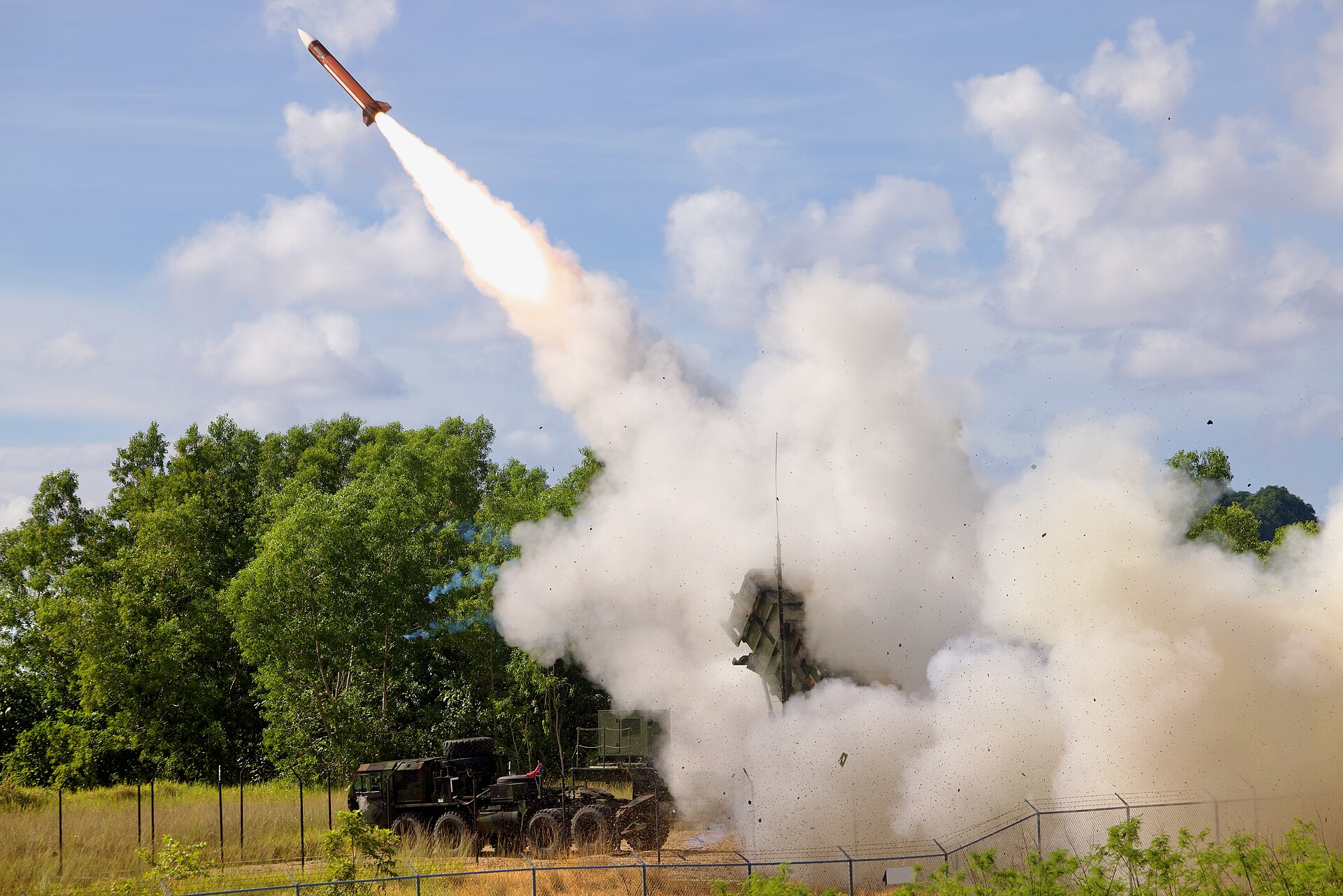
The defence burden required foreign reinforcement. Australia deployed 85 personnel, an E-7A Wedgetail airborne early-warning aircraft, and AMRAAM air-to-air missile stocks to the UAE in March 2026 at Abu Dhabi’s formal request, according to reporting on Australia’s role in the conflict. France stationed Rafale fighter jets at Camp de la Paix and Al Dhafra Air Base after Iranian strikes damaged those facilities. These deployments were defensive — aimed at bolstering UAE air defence — and were separate from the Saudi-led coalition structure that Pakistan, Turkey, France, and the United Kingdom contribute forces to.
The UAE did not confine itself to interception. The Wall Street Journal reported that Emirati forces struck Iran’s Lavan Island, a military staging area and offshore oil platform in the Persian Gulf. The operation made the UAE one of three states — alongside the United States and Israel — to have hit Iranian sovereign territory during this conflict.
When Iran fired on US facilities across Gulf states on 12 July, the UAE and Bahrain engaged incoming missiles and drones, according to Reuters via Chronicle.lu. When six GCC states and Jordan issued a joint condemnation on 23 July, Abu Dhabi signed. The UAE absorbed more fire than any partner in the coalition and returned it with strikes on Iranian soil.
How Did Abu Dhabi Respond?
Abu Dhabi’s strategic response extended beyond air defence and retaliation into an attempt to reshape the war’s international legal framework.
In May 2026, the UAE pushed for a UN Security Council resolution authorising the use of force to reopen the Strait of Hormuz, as reported by Bloomberg and the Wall Street Journal. The resolution sought to internationalise the maritime confrontation — to move it from a regional crisis to a matter of collective security under Chapter VII. The other Arab GCC states rejected the proposal, following Saudi Arabia’s preference for de-escalation and diplomatic engagement with Tehran. The vote did not proceed. The split was public: Abu Dhabi wanted a mandate to use force; Riyadh wanted a mandate to negotiate.
Abu Dhabi also moved to dismantle the economic infrastructure that had made Dubai indispensable to Iran’s civilian economy. Before the war, approximately 90 percent of Iran’s trade with the outside world passed through the port of Jebel Ali, according to the Maritime Executive. Dubai supplied roughly one-third of Iran’s annual imports. Official bilateral goods trade totalled $6.2 billion in 2023, the most recent full-year figure available from OEC data cited by Al Jazeera.
That trade link was first suspended in early March 2026 after hostilities began. It was partially restored in late June, when cargo resumed flowing through Jebel Ali. By July, more than 60 containerships were making cross-Gulf passages, up from 10 in June. The corridor shut again on 19 August, when the UAE imposed what Al Jazeera reported as “an indefinite halt to all trade, commercial exchanges and financial transactions with Iran.” The trigger was specific: two Iranian ballistic missiles landing inside UAE territorial waters on 18 August. Iran’s foreign ministry dismissed the territorial waters claim as “baseless.”
The Carnegie Endowment for International Peace, in an April 2026 analysis by Andrew Leber and Sam Worby, warned that Abu Dhabi’s confrontation posture risked inverting its own logic: rather than rallying the Gulf behind a harder stance, it might push other states toward accommodation with Tehran. The assessment proved prescient. Within weeks, Saudi Arabia deepened its diplomatic track with Tehran, and the Islamabad MOU moved forward without provisions for the missile programmes that had struck Abu Dhabi thousands of times.
A Ceasefire, an Embargo, and Three Attacks on ADNOC
The timeline of UAE-Iran relations in 2026 compressed a cycle of engagement, rupture, and severance into less than seven months.
The US-Iran ceasefire of 8 April brought a significant if imperfect reduction in attacks on UAE territory. Abu Dhabi was not a party to the agreement — the UAE government stated explicitly on that day that it was not a participant in the war — but it pressed Iran to comply fully with the terms, halt regional hostilities, and reopen the Strait of Hormuz. For roughly four months, direct strikes against UAE territory fell away, unevenly and amid continuing tension over the Strait.
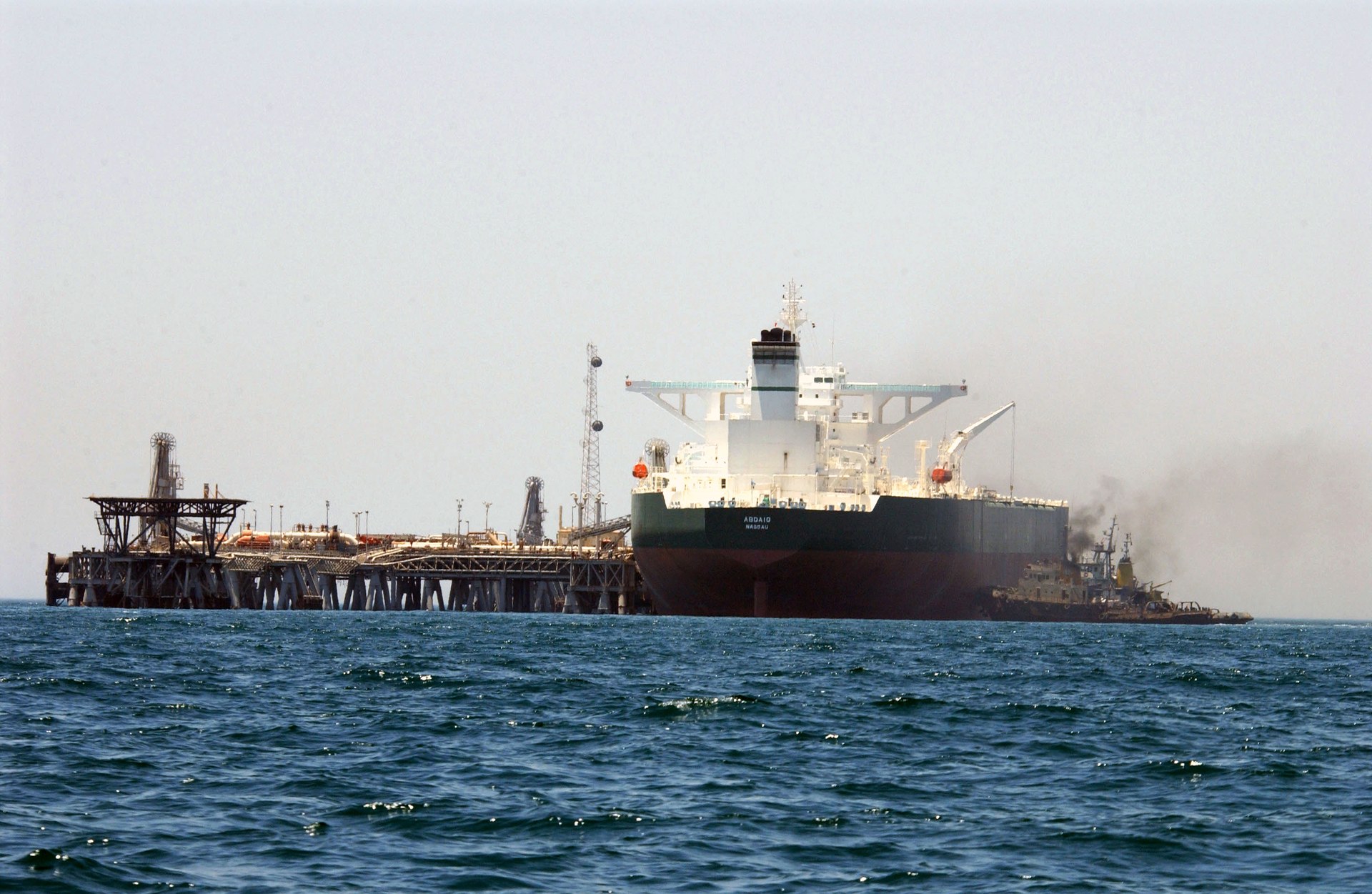
August destroyed the arrangement. On 7 August, Iranian forces targeted an ADNOC tanker in the Strait of Hormuz, as reported by Al Jazeera the following day. On 14 August, two more ADNOC vessels were attacked. The UAE Foreign Ministry described the strikes as “piracy” by the IRGC and condemned them as “hostile attacks.” The word “piracy” was precise: under international maritime law, it denotes criminal seizure rather than a lawful act of war, and its use by a sovereign government carries specific legal weight.
Four days after the second ADNOC attack, on 18 August, two Iranian ballistic missiles landed inside UAE territorial waters. The following day, Abu Dhabi announced the blanket trade embargo that remains in force. The progression from the ceasefire’s effective date to full economic severance took 133 days.
By October, Iran’s posture toward the UAE had hardened beyond the maritime domain. Rezaei’s 12 October statement naming the US-UAE oil shuttle as an IRGC target included an explicit threat against “US-linked cables, data centres, and AI facilities in the UAE,” extending the target set from tankers and shipping lanes to onshore civilian infrastructure. Ali Akbar Velayati, a senior Iranian presidential adviser, repeated Tehran’s claim to the disputed islands of Abu Musa, Greater Tunb, and Lesser Tunb — territories Iran seized on 30 November 1971, two days before the UAE formally came into existence as a federation — declaring they “forever belong to Iran.” The islands have no direct operational role in the current war. Their political function is structural: Iran has held them for 55 years and uses every escalation cycle to reaffirm the claim.
What Does Riyadh’s War Look Like From Abu Dhabi?
Saudi Arabia chose accommodation. The UAE chose confrontation. The Soufan Center’s 14 May IntelBrief laid the divergence out in a single passage.
Most of the Arab Gulf states are following Saudi Arabia’s lead by advocating for de-escalation and accommodation of some of Tehran’s interests, while the UAE has sided with the US and Israel’s determination to force Tehran to accept their demands.
Soufan Center IntelBrief, 14 May 2026
Saudi Arabia set the Gulf Cooperation Council’s median position. The Islamabad Memorandum of Understanding, signed on 17-18 June with a 60-day window for negotiating final terms, codified a framework for US-Iran de-escalation that Riyadh supported. The International Institute for Strategic Studies published an analysis criticising the MOU for making “no mention of Iran’s ballistic missiles or uninhabited aerial vehicle programmes” and calling its governance arrangements for the Strait of Hormuz “ambiguous.” For a country that had intercepted 551 ballistic missiles and 2,265 drones by May alone, the omission of those weapon categories from the peace framework registered as something more fundamental than a drafting gap.
The distance between the two capitals widened sharply in October. On 10 October, Houthi-launched strikes killed thirteen people at King Khalid International Airport in Riyadh. Crown Prince Mohammed bin Salman made two appeals to President Trump for US strikes against Houthi launch sites; both were declined, according to CNN. A Saudi minister vowed a “serious response,” the BBC reported. One day after the thirteen deaths, Riyadh opened a direct communication channel with Tehran. The UAE declared “full solidarity” with Saudi Arabia, per CBS News, but did not join the diplomatic opening. Riyadh accepted the call. Abu Dhabi did not pick up.
The fracture predated the Iran war. CNN reported in October that Saudi Arabia had ended its Yemen partnership with the UAE “late last year” over Abu Dhabi’s backing of a rival Yemeni force. The two countries were already operating on separate security tracks before Iran became the primary threat. The crown prince’s two calls to Trump, reported by CNN, sought external military intervention — a posture consistent with Riyadh’s broader approach of managing the conflict through existing alliances and diplomatic channels rather than unilateral escalation. Abu Dhabi’s Lavan Island strike required no such approval. The two capitals were not disagreeing over tone or timing. They were executing different theories of how this war ends.
Why Hasn’t Abu Dhabi Joined the Saudi-Led Coalition?
Pakistan, Turkey, France, and the United Kingdom have all deployed military forces to the Saudi-led coalition assembled in response to Iranian-backed threats, according to The National. The UAE has not.
The absence is not a question of capacity or of will. Abu Dhabi has intercepted more inbound fire than any coalition participant. It struck Iranian territory. It hosts foreign military assets — Australian surveillance aircraft, French fighter jets — operating in defence of Gulf airspace from UAE bases. But none of those forces operate under the Saudi-led command framework, and the UAE has not placed its own forces within that structure or contributed to coalition operations beyond its borders.
The logic is strategic, not logistical. Saudi Arabia’s coalition is organised around Riyadh’s de-escalation framework: contain damage, defend territory, maintain diplomatic channels, work toward off-ramps. Abu Dhabi’s strategy is confrontation: raise the cost for Tehran until Iran accepts terms. Embedding Emirati forces under a Saudi-led command would subordinate Abu Dhabi’s strategic autonomy to an operational philosophy it has, in the Soufan Center’s assessment, “rejected.”
The diplomatic ties between the two capitals have not severed. Sheikh Mansour bin Zayed, the UAE’s vice president, visited Riyadh on 29 September accompanied by national security and crisis-management officials, Khaleej Times reported. UAE President Mohammed bin Zayed has been invited to the EU-GCC summit scheduled for 24 October in Riyadh, according to the UAE’s Ministry of Foreign Affairs. The personal channels between MBZ and MBS remain open. The military architectures remain apart.
France 24, in a January 2026 analysis published before the Iran war began, described the Saudi-UAE relationship as one between “frenemies” with extensive bilateral negotiations still required. The war turned that description from a diplomatic footnote into a defence liability. Two states pursuing opposite strategies against the same adversary cannot coordinate force employment, threat prioritisation, or escalation management without a shared framework. That framework does not exist.
The Shuttle, the Strait, and the Shared Vulnerability
However wide the strategic gap between Abu Dhabi and Riyadh, both depend on the same waterway. The Strait of Hormuz answers to neither capital’s strategy. It answers to Iran’s.
The shuttle system — an Arab-operated, US-assisted convoy of smaller feeder vessels carrying crude through a southern corridor near Oman and transferring it ship-to-ship onto VLCCs in the Gulf of Oman — had restored Arab producer exports to approximately 92 percent of pre-war levels before Iran’s October escalation, according to The Week. That recovery has collapsed. By 11 October, IMF PortWatch recorded just two transits per day through the Strait against a pre-crisis baseline of 85, according to data compiled by straits.live.
| Metric | Figure | Source |
|---|---|---|
| Pre-crisis daily Hormuz transits | ~85 | IMF PortWatch via straits.live, 19 Oct 2026 |
| Daily transits as of 11 October | 2 | IMF PortWatch via straits.live, 19 Oct 2026 |
| Ships targeted in October (through ~18-19 Oct) | 15+ | Windward via straits.live, 19 Oct 2026 |
| Arab export recovery before October escalation | ~92% of pre-war | The Week (India), 13 Oct 2026 |
| Oil price on 18 October | Above $100/bbl | Gulf News, 18 Oct 2026 |
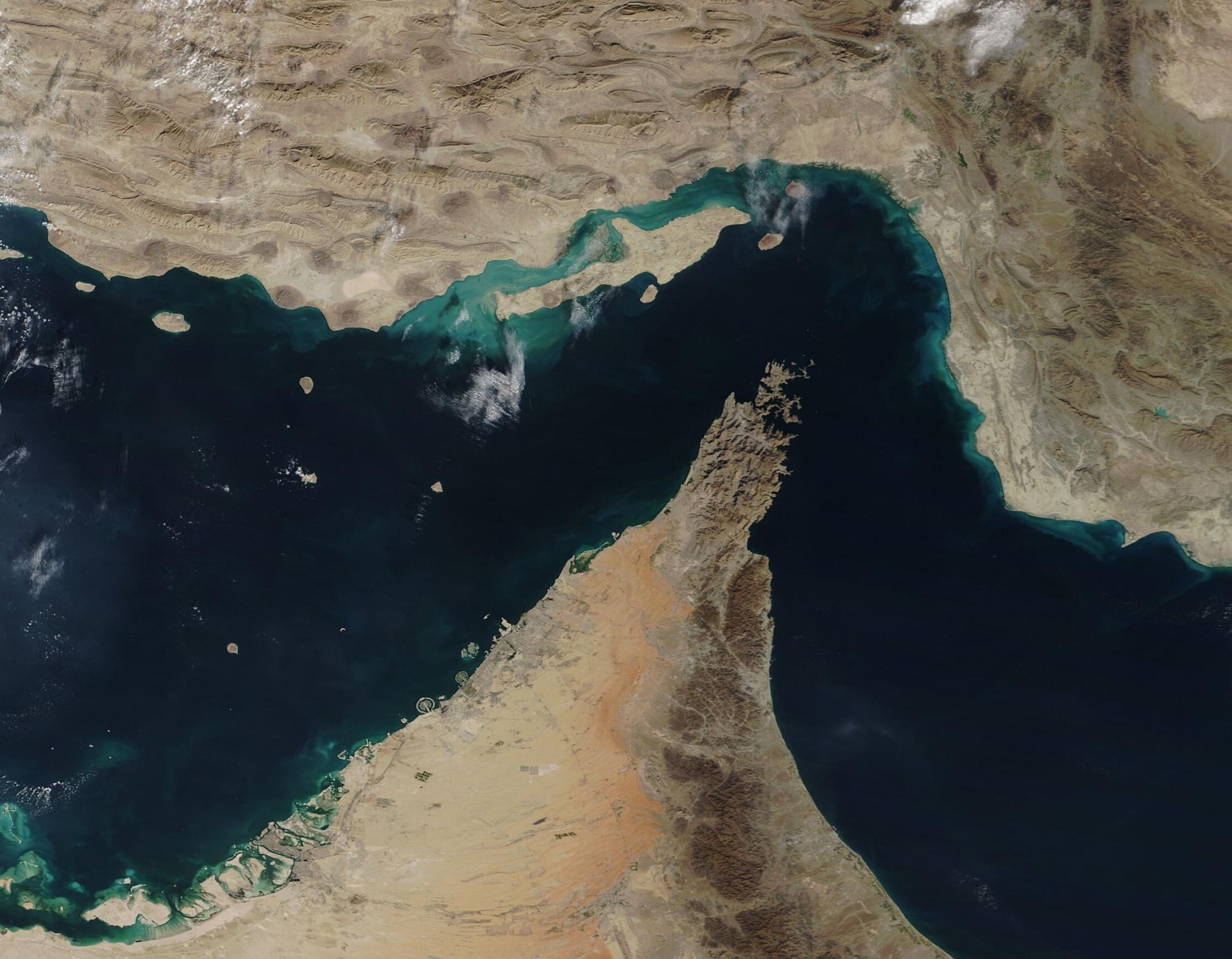
Windward, a maritime analytics firm, counted at least 15 ships targeted in October alone through approximately 18-19 October. Oil prices climbed above $100 per barrel on 18 October, the same day as the Khor Fakkan tug attack.
The shuttle corridor passes near UAE waters. Its operations draw on the UAE’s logistics and port infrastructure. Iran has explicitly designated it as a target, with Rezaei’s 12 October statement naming five or six shuttle vessels struck per night and an Iranian official telling Gulf News on 18 October that Tehran would block the southern corridor. The IRGC’s declared standard — that any vessel transiting without Iranian authorisation is a legitimate target — extends to the shuttle’s feeder fleet operating east of the Strait.
Iran’s parliament formalised the Strait’s closure through legislation, converting a military threat into a legal declaration. The terms Tehran offered to reopen the waterway were rejected by Washington. Whether Saudi Arabia pursues accommodation and the UAE pursues confrontation, both states’ export revenues transit a passage that neither controls and that Iran claims sovereign authority to regulate.
Two Wars, One Gulf, No Shared Plan
The Gulf International Forum has proposed a narrow Gulf-Iran non-aggression pact: Gulf states would pledge not to host offensive military operations against Iran, and Tehran would pledge not to target Gulf infrastructure. The proposal is a think-tank argument, not a description of any government’s policy. It faces an immediate structural obstacle: the UAE hosts defensive foreign forces — Australian and French — that Iran does not distinguish from offensive deployments when identifying targets. Rezaei’s October threats against civilian infrastructure in the UAE confirm that Tehran draws no such line.
As Abu Dhabi takes more aggressive actions to counter Tehran, it could create pressure for other states to negotiate accommodations with Iran.
Andrew Leber and Sam Worby, Carnegie Endowment for International Peace, 16 April 2026
That pressure materialised. Saudi Arabia deepened its diplomatic track. The crown prince called Tehran directly after thirteen people died at his capital’s airport. The Islamabad MOU moved forward without provisions for the ballistic missile and drone programmes that had struck Abu Dhabi more than 2,800 times. The Gulf’s collective position shifted toward Riyadh’s framework and away from Abu Dhabi’s.
The EU-GCC summit on 24 October in Riyadh will place both approaches in the same room. In 2025, before the war, the EU joined the GCC in calling on Iran to “end its occupation” of Abu Musa, Greater Tunb, and Lesser Tunb. Whether that language survives into the summit’s final communique — and whether the statement addresses Iran’s missile and drone programmes by name — will measure how far the Gulf’s centre of gravity has moved since May, when Abu Dhabi still believed it could rally the region behind a confrontation strategy.
On 18 October, a tug was struck off Khor Fakkan. In August, attacks on ADNOC tankers had drawn a Foreign Ministry condemnation within 24 hours and a full trade embargo within 12 days. The October attack drew no public response. The UAE remains the most-targeted country in this conflict, with more inbound fire than Israel. Its forces remain absent from the Saudi-led coalition’s command structure, even as it absorbs more of the war’s direct costs than any partner in it.
Frequently Asked Questions
Were Gulf states consulted before Operation Epic Fury?
No. The Soufan Center reported in March 2026 that Gulf states were not given advance notice before Operation Epic Fury — the initial US-Israeli strikes on Iran — began. The exclusion caused significant discontent among Gulf leaders and shaped their divergent responses. For Saudi Arabia, the lack of consultation reinforced a posture of managing risks through diplomacy rather than joining an escalation ladder it did not initiate. For the UAE, which was already absorbing Iranian retaliatory fire and had aligned with Washington’s broader confrontation strategy, the question was less about consultation than about operational integration with the coalition that launched the strikes.
Has the UAE formally accused Iran of the Khor Fakkan attack?
No. As of 19 October 2026, no attribution has been assigned to the two projectiles that struck the marine tug northeast of Khor Fakkan. UKMTO advisory 177-26 did not identify the vessel’s name, flag, or operator, nor did it attribute the attack to any state or non-state actor. The absence of a UAE government response is a notable departure from recent precedent: in August, when Iranian forces struck ADNOC tankers, the UAE Foreign Ministry named the IRGC publicly and described the attacks as “piracy” and “hostile attacks” within a day of each incident.
When did Iran seize the islands the UAE claims?
Iran occupied Abu Musa, Greater Tunb, and Lesser Tunb on 30 November 1971, two days before the UAE officially came into existence as a federation on 2 December 1971. The UAE brought the dispute to the UN Security Council on 9 December 1971. No resolution has been reached in 55 years. In 2025, a joint EU-GCC statement called on Iran to “end its occupation” of the three islands, with the EU explicitly endorsing the GCC’s longstanding position in shared text. In October 2026, Iranian presidential adviser Ali Akbar Velayati rejected any negotiation, declaring the islands “forever belong to Iran.”
What happened to the Islamabad MOU’s 60-day deadline?
The Islamabad Memorandum of Understanding, signed on 17-18 June 2026, established a 60-day window for the United States and Iran to negotiate final terms for de-escalation. That window expired in approximately mid-August — coinciding almost precisely with the collapse of the UAE-Iran bilateral ceasefire, the three ADNOC tanker attacks, and Abu Dhabi’s imposition of the full trade embargo. No final agreement was announced. The IISS criticised the MOU for omitting Iran’s ballistic missile and drone programmes entirely and for its ambiguous treatment of Strait of Hormuz governance, characterising the arrangement in its headline as “a bad peace.”
What is the Gulf International Forum’s non-aggression pact proposal?
The Gulf International Forum, a Washington-based think tank, has argued publicly for a narrow Gulf-Iran non-aggression pact under which Gulf states would pledge not to host offensive military operations against Iran while Tehran would pledge not to target Gulf infrastructure. The proposal is an analytical argument, not a description of any government’s policy or a framework under active negotiation. Its principal structural obstacle is the distinction between offensive and defensive military presence: the UAE hosts Australian and French military assets in a defensive role, but Iran has not recognised any such distinction when selecting targets. Rezaei’s October threats against “US-linked cables, data centres, and AI facilities in the UAE” indicate that Iran defines any US-associated infrastructure on Emirati soil as a legitimate target, regardless of its military function.