RIYADH — Saudi Civil Defense told residents of Riyadh and Al-Kharj on Saturday evening that the danger had passed, urging them to “avoid gathering and filming,” according to Anadolu Agency. Less than twelve hours later, on Sunday morning, two explosions shook northern Riyadh after the National Early Warning Platform issued a fresh security alert — AFP confirmed the blasts. Saudi forces intercepted a Houthi ballistic missile aimed at the capital on 20 October, CBS News reported, though Saudi authorities offered no immediate information on the cause of the explosions or whether anyone was hurt.
The twenty-four-hour sequence — warn, reassure, then watch the reassurance collapse — is no longer an aberration in Saudi Arabia’s domestic war communications. It is the pattern. In five weeks of Houthi strikes that have moved from southern border cities to the capital’s airport to its residential districts, Riyadh has suppressed its warning system for thirteen days during which at least eighteen people died, restored warnings only to issue premature all-clears, and still not explained publicly how the deadliest attack in the cycle killed thirteen people at an airport the government had stopped warning about. “We got used to this,” a woman in her thirties living in northern Riyadh told AFP on Sunday morning, and those six words are the most precise verdict available on what the kingdom’s crisis communications have produced — not panic, not trust, but a resignation that corrodes both.
Table of Contents
- What Happened in Riyadh Between Saturday Night and Sunday Morning?
- The Thirteen Days Riyadh Heard Nothing
- Why Did Saudi Arabia Stop Warning Its Own Citizens?
- What Does a Ninety Percent Intercept Rate Mean for a Capital City?
- The Events Calendar as Credibility Test
- How Far Can the Houthis Escalate?
- A Government That Wants It Both Ways
- After the All-Clear
- Frequently Asked Questions
What Happened in Riyadh Between Saturday Night and Sunday Morning?
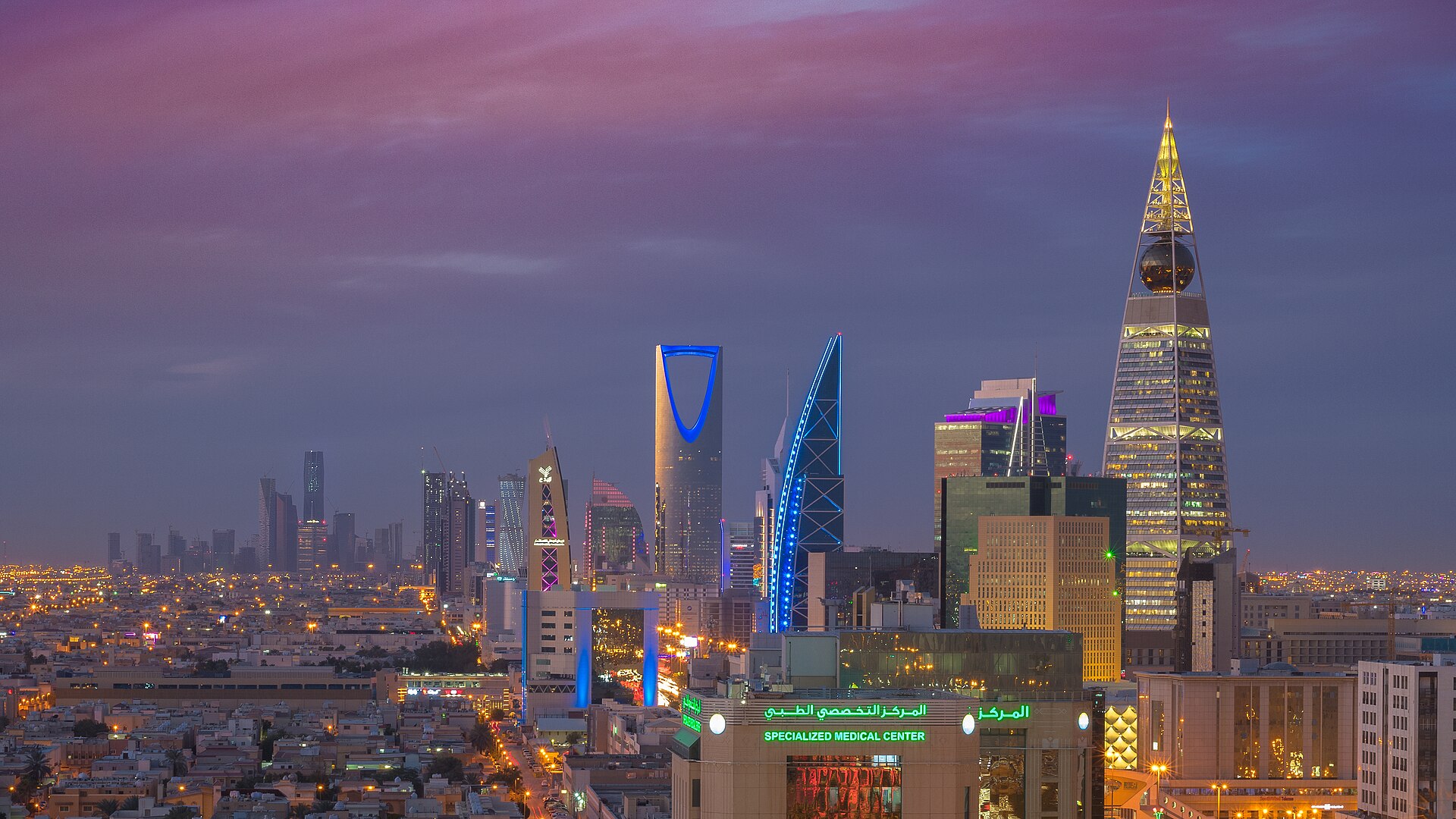
On 19 October, Saudi Civil Defense issued a warning of potential danger via the National Early Warning Platform for Riyadh and Al-Kharj Governorate, Anadolu Agency reported. Hours later, the same agency reported that authorities had declared the danger passed and issued the same end-of-alert instruction. The cycle appeared complete — threat detected, threat neutralised, population told to go home.
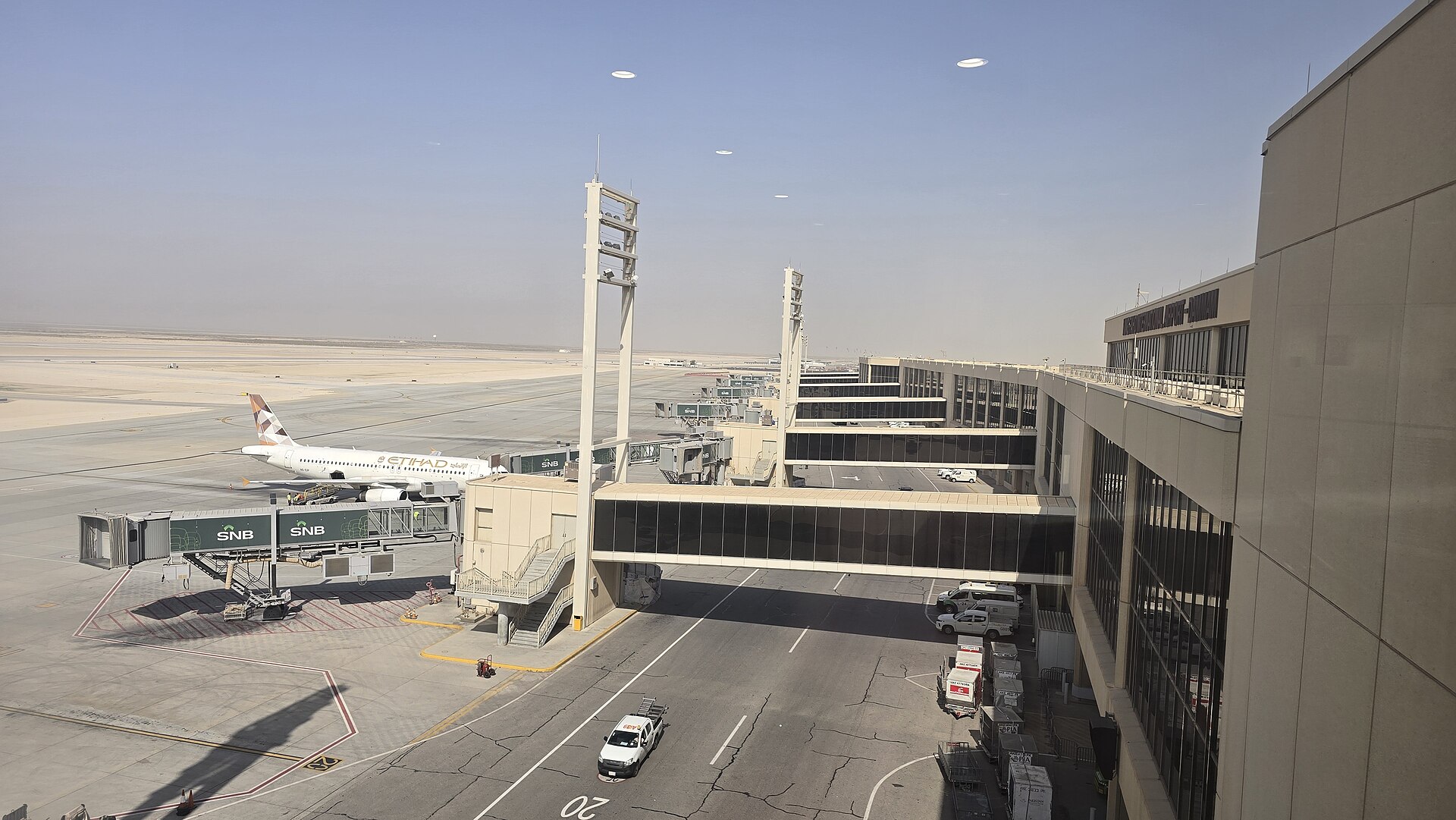
It was not complete. At approximately 08:37 UTC on 20 October, the National Early Warning Platform issued a new security alert for the capital, and two explosions were subsequently heard in northern Riyadh, according to Anadolu Agency. AFP confirmed the blasts. CBS News reported that Saudi forces intercepted a Houthi ballistic missile aimed at Riyadh on the same day, though no official statement linked the interception to the explosions, and the Saudi government provided no immediate information on the cause of the blasts or any casualties.
The Houthis had not issued a specific claim for the 20 October incidents as of Sunday afternoon, though spokesman Yahya Saree had previously claimed six operations against Saudi Arabia, including strikes on King Khalid International Airport, Aramco facilities in Yanbu, and the Shaybah field, according to Shafaq News. Every prior attack on Riyadh in this cycle has been subsequently claimed by the group — the absence of a specific statement for Sunday is a matter of timing, not a departure from the pattern.
For Riyadh’s metropolitan population, the practical consequence of Saturday’s sequence was this: an official warning told them to shelter, an official all-clear told them it was safe, and the sound of explosions the next morning told them the all-clear was wrong. The gap between what the government said and what residents experienced was not days or weeks, as it was during the thirteen-day warning silence in September and October — it was hours.
The Middle East briefing 3,000+ readers start their day with.
One email. Every weekday morning. Free.
The Thirteen Days Riyadh Heard Nothing
The October 19-20 credibility collapse did not occur in isolation. Saudi Arabia’s public warning system had already failed catastrophically once this cycle, during a thirteen-day gap that Reuters documented in detail. The last public threat alert before the October airport strikes was issued on 29 September, for Najran; alerts did not resume until 12 October (Reuters via NewsTribune, 13 October). During those thirteen days, at least eighteen people were killed and more than three hundred were wounded in Houthi strikes on Saudi territory.
The single deadliest attack came on 10 October, when a strike on King Khalid International Airport killed twelve and wounded 309, according to Al Jazeera. The BBC reported the following day that the wounded numbered 308 and that an Indian victim’s death had raised the toll to thirteen. Western embassies in Riyadh had issued internal alerts to their own staff but received no advance warning from Saudi authorities before the strike, Reuters reported — the diplomats were running their own shadow warning system because the official one had gone dark.
| Date | Action | What followed |
|---|---|---|
| 29 September | Last public alert (Najran) | Warnings cease |
| 29 Sept – 12 Oct | No public alerts issued | 18+ killed, 300+ wounded |
| 12 October | Warnings resume | Alerts restored |
| 13 October | Interceptions over Riyadh | 4 injured, 15 homes damaged by debris |
| 14 October | Interception debris in Riyadh | 1 injured, property damaged |
| 19 October PM | Warning, then all-clear (“danger has passed”) | “Avoid gathering and filming” |
| 20 October AM | New warning, then two explosions | No official cause or casualty info |
The pattern did not reset when warnings resumed on 12 October. Within twenty-four hours of the first restored alert, missiles were intercepted over Riyadh and debris fell on residential areas, injuring four people including a child and damaging fifteen homes, according to Saudi Civil Defense statements reported by Anadolu Agency and Ajel English. The warning system was back, and the attacks had not paused — they had moved deeper into the capital than at any previous point in the cycle.
The table above tells a story the government has not volunteered: every mode of crisis communication Riyadh has tried — silence, resumption, premature reassurance — has been followed by the same outcome. The missiles keep arriving, and the communication keeps being wrong in a different way each time.
Why Did Saudi Arabia Stop Warning Its Own Citizens?
The official explanation for the thirteen-day silence, such as it is, came from unnamed officials who told Reuters the alerts were halted because they were “too disruptive” — residents had complained about being woken at night (Reuters via NewsTribune, 13 October). The Saudi government has not publicly confirmed this reasoning, and no senior official has addressed the decision on the record.
Sultan Alamer, a Senior Resident Fellow at the Middle East Policy Council, told Reuters the government wants “to have it both ways” — projecting normalcy to the world while managing an active war at home. Michael Ratney, a former senior US diplomat, identified the trap the approach creates: the lack of alerts “creates the very nervousness they are trying to avoid.” Ali Shihabi, a Saudi analyst close to the government, offered what amounts to a structural defence of the silence, arguing that the kingdom has “too many assets to defend fully, regardless of warnings.”
Each framing carries a different implication, and none of them is reassuring. If the warnings were “too disruptive,” then the government chose sleep quality over survival information during an active conflict. If the intent was to project normalcy, then Riyadh weighed international perception against domestic safety and chose the audience that does not live under the missiles. If Shihabi is right that warnings cannot protect the assets anyway, then the entire alert system is a performance — reassurance as theatre, with the curtain falling on a different scene every time.
The “avoid gathering and filming” instruction in Saturday’s all-clear reveals a fourth priority altogether: controlling the visual record. In a country where residents share footage of intercept trails and explosion plumes on social media within minutes of an incident, the request to stop filming amounts to an acknowledgement that the state cannot manage its narrative as quickly as its citizens can broadcast reality. The instruction was appended to a statement telling people the danger had passed — an all-clear that also told people not to document what came next, in case what came next contradicted the all-clear.
The pattern has precedent within this cycle. Schools in Riyadh were moved to online learning in late September without any official explanation (The National, 28 September). Grand Mufti Saleh al-Fawzan issued a rare public call for troops to defend the kingdom around the same time (CP24/AP, 25 September). Both actions conceded that the security situation was grave, while the official communication channels maintained that life in the capital could continue normally. The disconnect between what the government did and what it said has been the through-line of the entire crisis — the October 19-20 sequence merely compressed it into a window too short for anyone to pretend it was not there.
What Does a Ninety Percent Intercept Rate Mean for a Capital City?
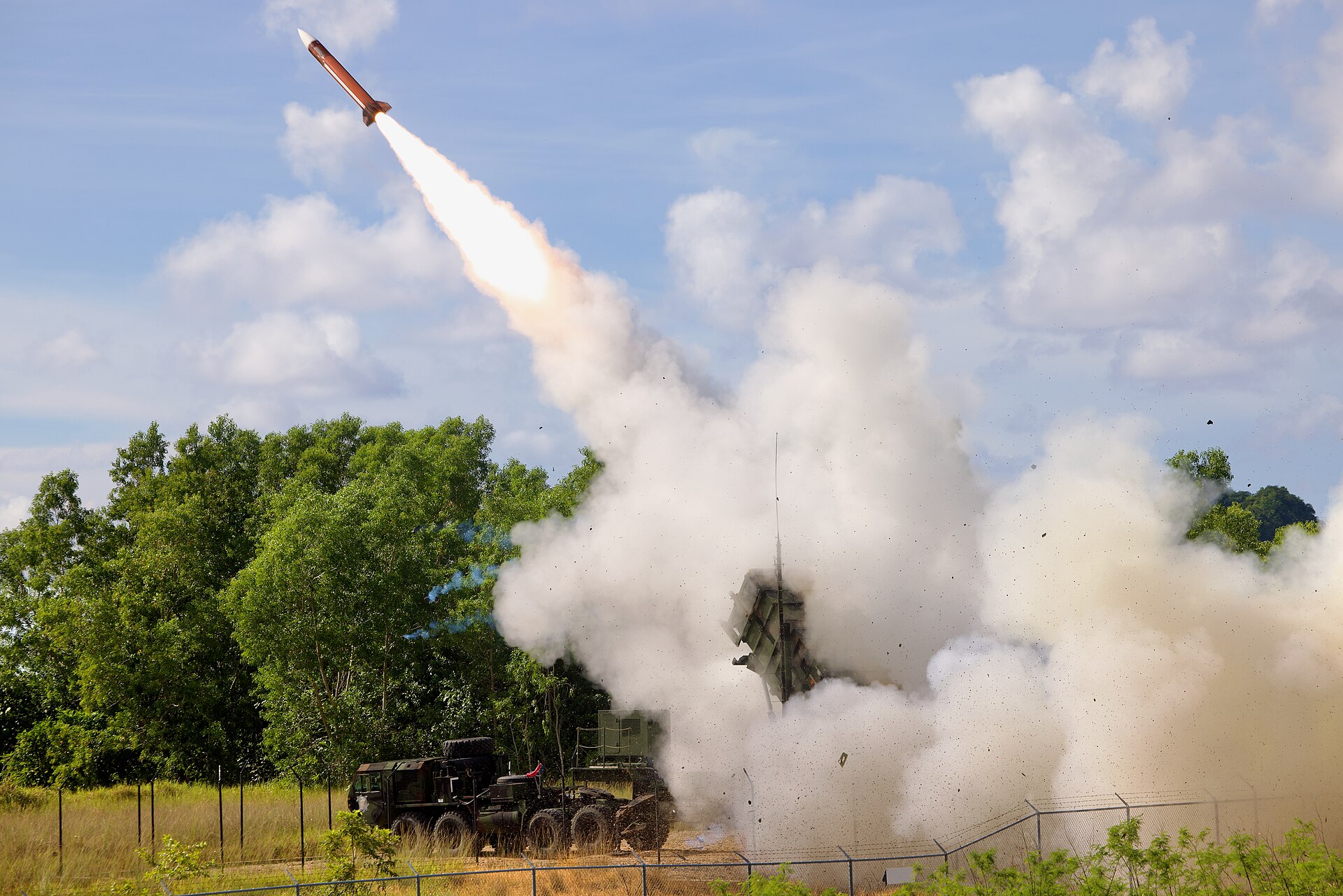
An unnamed Western defence official told Middle East Eye that Saudi Arabia intercepts incoming projectiles “in the low 90 percent range.” As a headline number, it reads like competence — the system catches nine out of ten. As a lived reality in a city absorbing roughly a dozen attacks per month, the estimate two unnamed Western officials gave Reuters for Riyadh alone, it means one or two projectiles, or the debris from intercepting them, reach populated areas every few weeks.
The distinction between a successful interception and a clean one has become directly relevant to Riyadh’s residents. On 13 October, debris from intercepted missiles fell in residential areas, injuring four people including a child and damaging fifteen homes, according to Civil Defense (Anadolu Agency and Ajel English, 13 October). The following day, debris from an intercepted missile injured an Arab expatriate and damaged a house and vehicle, Civil Defense told the Saudi Gazette (14 October). These were the successes — the system caught the missiles, and people on the ground still bled.
For residents, the distinction between a successful interception and a failed one is academic when the debris from both lands in their neighbourhoods. Every interception over a populated area produces a detonation, and the fragments of the interceptor and its target have to come down somewhere — the battle space, in the case of Riyadh, is a densely inhabited metropolitan area, and there is no configuration of air defences that eliminates the collateral physics of shooting down missiles overhead.
Saudi Arabia spends approximately 6.5 percent of its GDP on its military, one of the highest ratios globally, according to SIPRI data cited by Middle East Eye. That expenditure buys a shield that works most of the time and produces a residual failure rate that, across weeks and months of sustained bombardment, all but guarantees periodic civilian exposure. F. Gregory Gause, Professor Emeritus at the Texas A&M Bush School and a fellow at the Middle East Institute, put the asymmetry plainly: “A Houthi strike on Riyadh airport is so much more damaging to the Saudis than a Saudi strike on Sanaa airport is to the Houthis.” A country that has built its defence posture around deterrence now faces an adversary for whom the costs of attacking are negligible and the costs of being struck back are absorbed as propaganda.
The Events Calendar as Credibility Test
The scale of what Riyadh has cancelled or postponed since the strikes began tells you more about the internal threat assessment than any communiqué. The EU-GCC summit, originally set for 24 October in Riyadh, was formally postponed on 15 October with no new date; the GCC secretariat cited Houthi attacks on Saudi civilian objects and the suspension of operations at King Khalid International Airport (European Council, 15 October; QNA, 15 October). The Future Investment Initiative organizers announced a postponement of the flagship investor conference sometimes known as Davos in the Desert to 2027. The Six Kings Slam tennis exhibition was moved from its original 21-24 October dates to 27-30 December (Saudi Gazette, 19 October).
Yet Riyadh Season, the entertainment mega-event overseen by General Entertainment Authority chairman Turki Alalshikh, is still scheduled to open on 21 October (Saudi Gazette, 19 October). The question whether Riyadh can host the world while its critical infrastructure is under attack has already been answered for foreign dignitaries and global investors — it cannot host the EU-GCC summit, it cannot host FII, and it cannot host the tennis. The domestic entertainment calendar apparently operates under a different risk threshold: the international audience has been kept away from the blast radius, but the Saudi public is being told to show up.
The divergence maps the line between what Riyadh has conceded and what it is still trying to hold. National Day fireworks and drone shows were postponed indefinitely in September (Khaleej Times, 23 September). Schools went online without explanation (The National, 28 September). The coalition that was supposed to shift the military trajectory has not stopped the escalation. The continued insistence on opening Riyadh Season the morning after explosions shook the capital is a wager that entertainment can coexist with bombardment — one that Saturday’s all-clear and Sunday’s blasts did nothing to support.
How Far Can the Houthis Escalate?
Rob Geist Pinfold, a lecturer in war studies at King’s College London, delivered a blunt verdict to Middle East Eye (14 October). The trajectory since mid-September supports it. Houthi strikes in this cycle began hitting Khamis Mushait, Abha and Najran on 14 September — southern border cities within easy range and, in strategic terms, within the zone of expected risk. By 19 September, smoke rose near King Khalid International Airport in Riyadh, hundreds of kilometres north of the border (Kathmandu Post/Reuters, 20 September). By early October, the airport was absorbing multiple strikes per week. By mid-October, the Aramco headquarters in Dhahran was hit, and interceptor debris was falling on residential Riyadh.
“This is the collapse of Saudi Arabia’s containment strategy.”
— Rob Geist Pinfold, King’s College London, to Middle East Eye, 14 October 2026
Gause identified the capability shift behind the escalation: “They clearly have much better missiles and targeting technology than they did before.” Ibrahim Jalal, an independent Yemen expert, added the strategic layer: “The Houthis can go further up the escalation ladder than Saudi Arabia” (both cited by Middle East Eye, 14 October). Both assessments were published six days before the latest explosions in the capital — and the six days since have done nothing to contradict them.
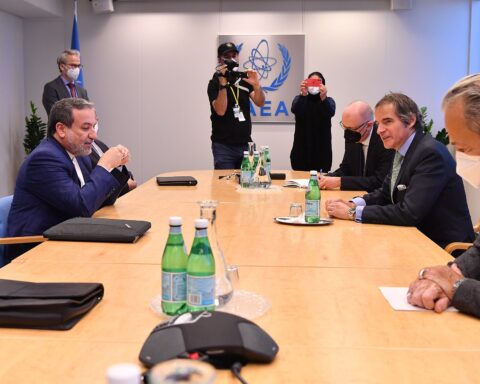
The Houthis have signalled that Sunday’s blasts are a waypoint, not a ceiling. Saree warned residents to evacuate areas around Aramco facilities and Saudi airports and said the group would pursue “escalation for escalation” toward “the Saudi interior” (Shafaq News). Iran’s Foreign Minister Araghchi, managing what amounts to both sides of the conflict, offered on 11 October to “facilitate dialogue between Saudi Arabia and Yemen” (BBC, 11 October) — a diplomatic gesture whose timing, days after the deadliest strike on Saudi soil and days before the latest explosions, carries the precision of a state that knows its bargaining position improves with every detonation.
Gause identified the only realistic exit for Riyadh: “The only practical path the Saudis have right now is pushing the US to have an end to the conflict with Iran.” Washington has responded with more than one hundred military advisers for intelligence support (CNN, 11 October) and has declined every Saudi request for direct strikes on the Houthis. President Trump stated on 8 October that the US “will not be attacking Iran at any time prior to the midterm elections” on 3 November (The National, 8 October), which leaves Riyadh defending itself with interceptors and all-clears until at least then — and nobody in Washington has explained what changes after the votes are counted.
A Government That Wants It Both Ways
The instinct to project normalcy is the foundational premise of Vision 2030 — a programme that requires foreign capital, foreign tourists and foreign performers to treat Riyadh as a safe, functioning global city. Abandoning that premise publicly would inflict more lasting damage on the economic reform project than any individual missile strike, and the leadership understands the calculus. The problem is that the gap between the projection and the reality has itself become the story, and the October 19-20 sequence made the gap impossible to narrate away with a statement declaring the danger passed.
AP reported that Saudi Arabia launched an investigation into how its air defences failed to prevent the 10 October airport strike, according to sources cited by CNN (13 October). The fact that the investigation was leaked to an American wire service suggests that at least part of the security establishment recognises that credibility requires accountability, not reassurance. But the parallel failure — the communication system that went silent before the deadliest strike and delivered a premature all-clear before the latest explosions — has produced no announced investigation, no public acknowledgement of error, and no named official accepting responsibility for the thirteen days of silence or for the twelve hours between the all-clear and the next set of blasts. The silence about the silence is its own communication, and it sends the same message the silence did.
What the October 19-20 sequence exposed is that the government cannot sustain both the normalcy projection and the reality of bombardment — not because the military cannot intercept most of the missiles (it can, by the Western defence official’s own estimate), and not because the warning system lacks technical capacity (it issued three alerts in twenty-four hours), but because a warning followed by an all-clear followed by explosions teaches the population that the all-clear is not information. It is aspiration. And residents who have learned to treat government reassurance as aspiration rather than fact will not unlearn that lesson when the next all-clear arrives, regardless of whether the missiles do.
After the All-Clear
What collapsed in Riyadh over the weekend was not a building — not as far as official sources have confirmed — and it was not an air defence battery. What collapsed was the premise that a cycle of warnings and all-clears, administered by the same system that went silent for thirteen days while the deadliest strikes occurred, could substitute for either a military solution that stops the missiles before they arrive or a communication strategy honest enough to tell the population what the government actually knows. Saudi Arabia has tried silence, which coincided with mass casualties; resumption, which produced intercept debris in residential neighbourhoods; and premature reassurance, which lasted less than twelve hours before the capital shook again.
Riyadh Season is still set to open on 21 October, according to Saudi Gazette, with its roster of international boxing and entertainment events intact. The programme begins the morning after two explosions shook northern Riyadh, and the all-clear that was supposed to cover the weekend expired before the sun came up.
Frequently Asked Questions
Has King Khalid International Airport in Riyadh fully reopened after the attacks?
KKIA’s operational status has fluctuated since the 10 October strike that killed thirteen and wounded over three hundred. Traffic was severely disrupted following the attack, and EASA widened its Saudi airspace warning on 9 October (Fortune). Several international carriers adjusted or suspended Saudi routes during the period. As of 20 October, Saudi authorities had not issued a comprehensive public statement on the airport’s current operating capacity or a timeline for full resumption of international services.
How many times has Riyadh been directly targeted by Houthi strikes in October 2026?
Two unnamed Western officials told Reuters that roughly a dozen attacks targeted Riyadh this month alone. Confirmed incidents include ballistic missile interceptions on 8 October, the 10 October airport strike, cruise missile interceptions on 13 October whose debris damaged fifteen homes, a 14 October interception whose debris injured one person, and the 20 October explosions confirmed by AFP. The actual total may be higher — not all interceptions are publicly acknowledged, and the thirteen-day warning silence meant several attacks went unreported in real time.
What is the Makkah Defence Agreement and has it changed the military situation?
The Makkah pact is a collective security arrangement among Saudi Arabia, Pakistan, Turkey and allied states. Saudi Defence Minister Prince Khalid bin Salman announced on 5 October that the pact committee had activated “collective deterrence measures” in response to the Houthi attacks (Al Jazeera, 6 October). Pakistan and Turkey committed forces, though Turkey’s parliament had not ratified the agreement by early October. The escalation has continued and intensified since the pact’s activation, with strikes reaching deeper into Saudi territory than at any point in the conflict.
What has the United States done in response to the Houthi strikes on Saudi Arabia?
Washington deployed more than one hundred military advisers to Saudi Arabia for intelligence support (CNN, 11 October) and approved a possible $24.3 billion sale of 48 F-35A fighter jets (The Aviationist, 17 September), though that sale faces congressional review. The US has declined every Saudi request for direct military strikes on the Houthis, with Trump ruling out any action against Iran before the 3 November midterm elections. The State Department barred its staff from travel within twenty miles of the Yemen border (Gulf News, 7 October).