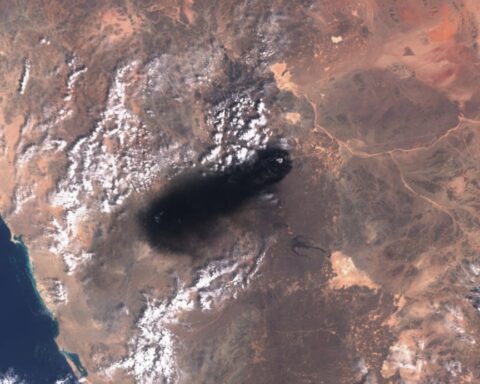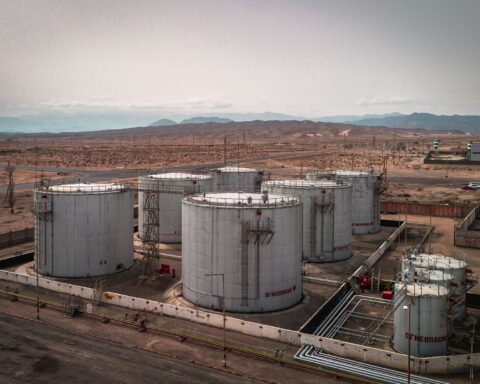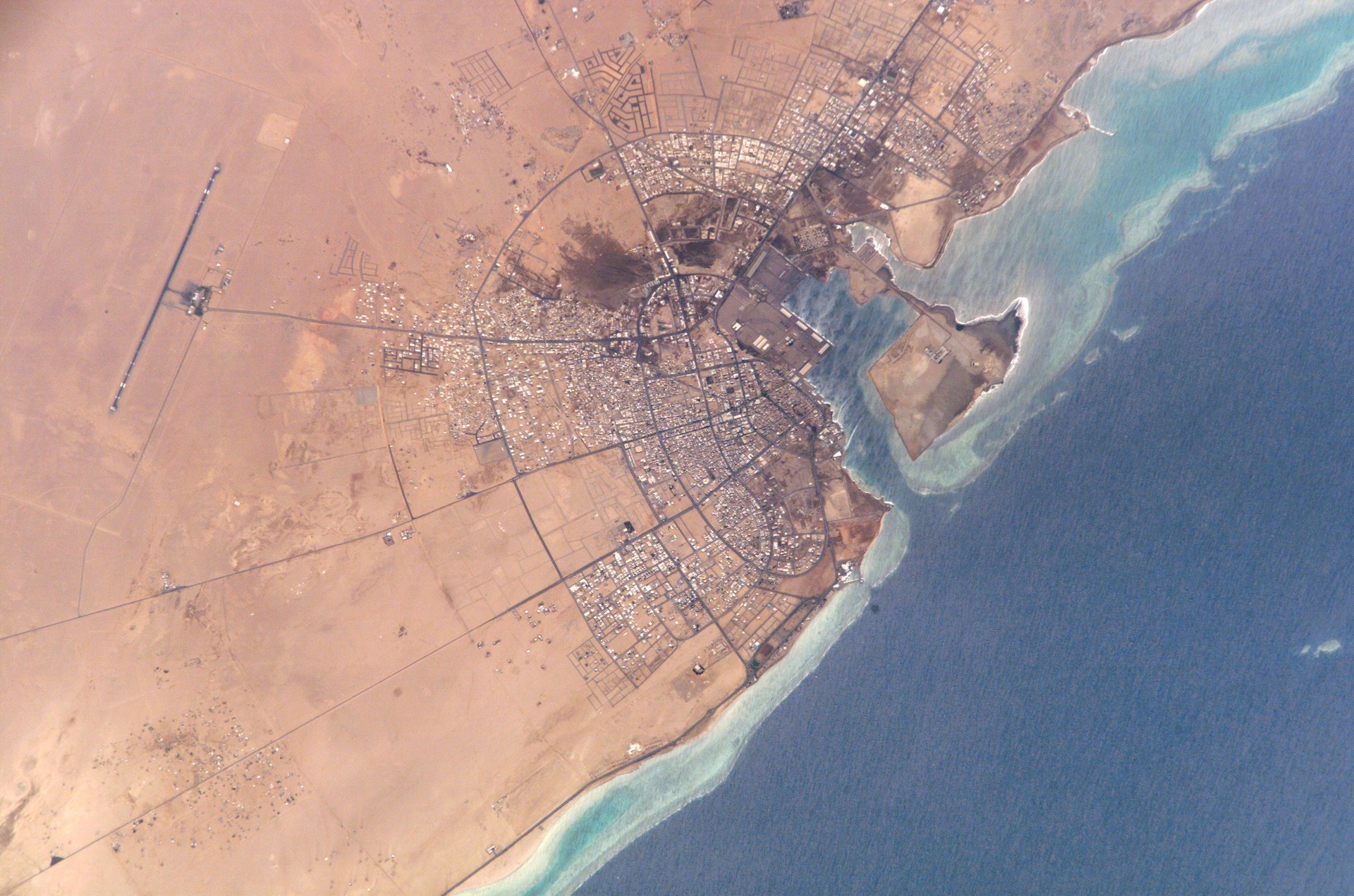

DHAHRAN — Yahya Saree, the Houthi military spokesman, announced early on Monday that Yemeni Armed Forces had conducted six military operations against Saudi Arabia over the preceding forty-eight hours, targeting Aramco oil facilities, airports and military installations with what he called “a large number of ballistic and cruise missiles.” Saudi Arabia had issued no statement confirming or denying any of the six claimed strikes at the time of Saree’s announcement, according to a survey of international outlets by Newscord on 20 October.
The claims, broadcast via Al-Masirah television and relayed by TASS from its Doha bureau, named targets spanning the full width of Saudi territory — from Yanbu on the Red Sea coast to the Rub’ al-Khali desert, and from Riyadh’s main airport to military bases in the south. They arrived on the same evening that Saudi Arabia postponed the Future Investment Initiative for the first time in the event’s nine-year history, according to the Jerusalem Post. Not one of the six operations has been independently confirmed for the 17–19 October window that Saree described, and at least four of nine international outlets surveyed by Newscord explicitly noted the absence of Saudi confirmation.
Table of Contents
What Did Saree Claim?
Saree’s announcement, delivered in the early hours of Monday, 20 October, listed six separate operations conducted over what he described as a forty-eight-hour window. TASS, reporting from Doha on 19 October, quoted him as saying that the Yemeni Armed Forces had “conducted six military operations using a large number of ballistic and cruise missiles” against Saudi targets. The claims covered targets stretching from Yanbu on the Red Sea coast to the Shaybah oil field in the Rub’ al-Khali desert, and from Riyadh in the centre to Abha and Khamis Mushait in the south.
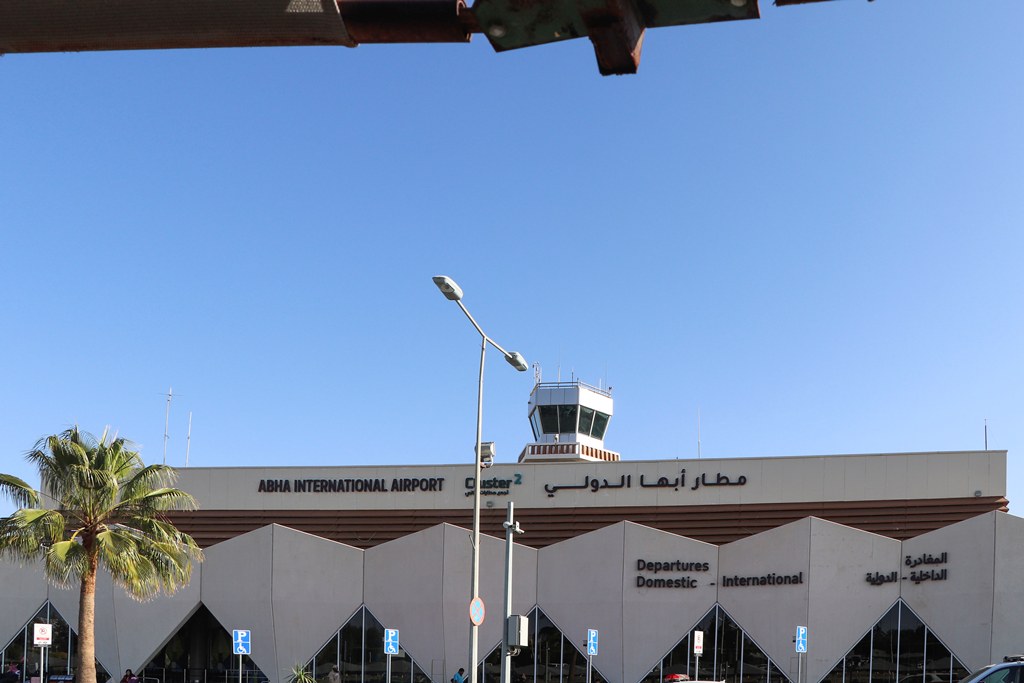
The six claimed operations, as compiled from reporting by TASS and Newscord, were as follows. First, a two-phase strike on the Yanbu Aramco facility, with Saree claiming “large fires” at the site. Second, a strike on the Shaybah oil field, with Saree claiming facilities were set ablaze. Third, a three-phase strike on King Khalid International Airport in Riyadh. Fourth, strikes on Abha International Airport, the Jabal al-Hisn and Jabal al-Rahmah radar installations and Khamis Mushait Air Base, which Saree claimed had “completely paralyzed air traffic at Abha Airport,” according to Newscord on 20 October.
The final two were the most obscure. The fifth operation targeted what Saree identified as “Al-‘Alam Camp,” which he described as a Saudi naval task force installation — the only operation in which he asserted enemy casualties, claiming dozens killed and wounded including officers. The sixth claimed the destruction of a radar installation at a location Saree called “Bir Askar.” Neither name returned results in independent English-language sources reviewed for this report.
Which of the Six Can Be Verified?
None of them can be verified for the 17–19 October window. The longer answer reveals different levels of plausibility across the six, and the distance between what the Houthis asserted and what can be independently corroborated is the story within the story.
The Middle East briefing 3,000+ readers start their day with.
One email. Every weekday morning. Free.
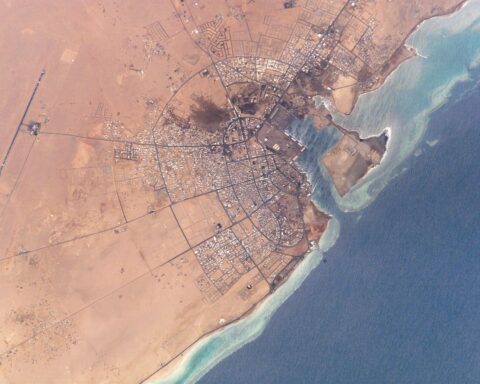
Yanbu has a confirmed precedent but no current confirmation. On 1 October, an unidentified projectile hit Yanbu port, causing a fire and briefly halting tanker loading, according to Clearwater Dynamics as reported by MarineInsight. France confirmed the deployment of troops, radars and air defences to protect Yanbu in September, a move reported by Al Jazeera on 25 September. But no Saudi, Aramco or independent source has confirmed any strike on the Yanbu facility during the 17–19 October window, and no satellite imagery or damage reports have surfaced. The Houthi claim stands alone.
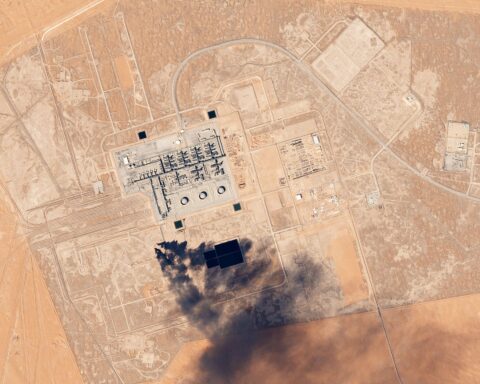
Shaybah is the weakest of the six claims. The oil field sits deep in the Rub’ al-Khali desert in southeastern Saudi Arabia, far from Houthi-held territory in northwestern Yemen. A confirmed strike at that range, producing the fires Saree described, would represent a significant escalation in demonstrated Houthi reach. No independent English-language source reviewed for this report confirmed any strike on Shaybah, and Saudi Arabia issued no statement about the facility.
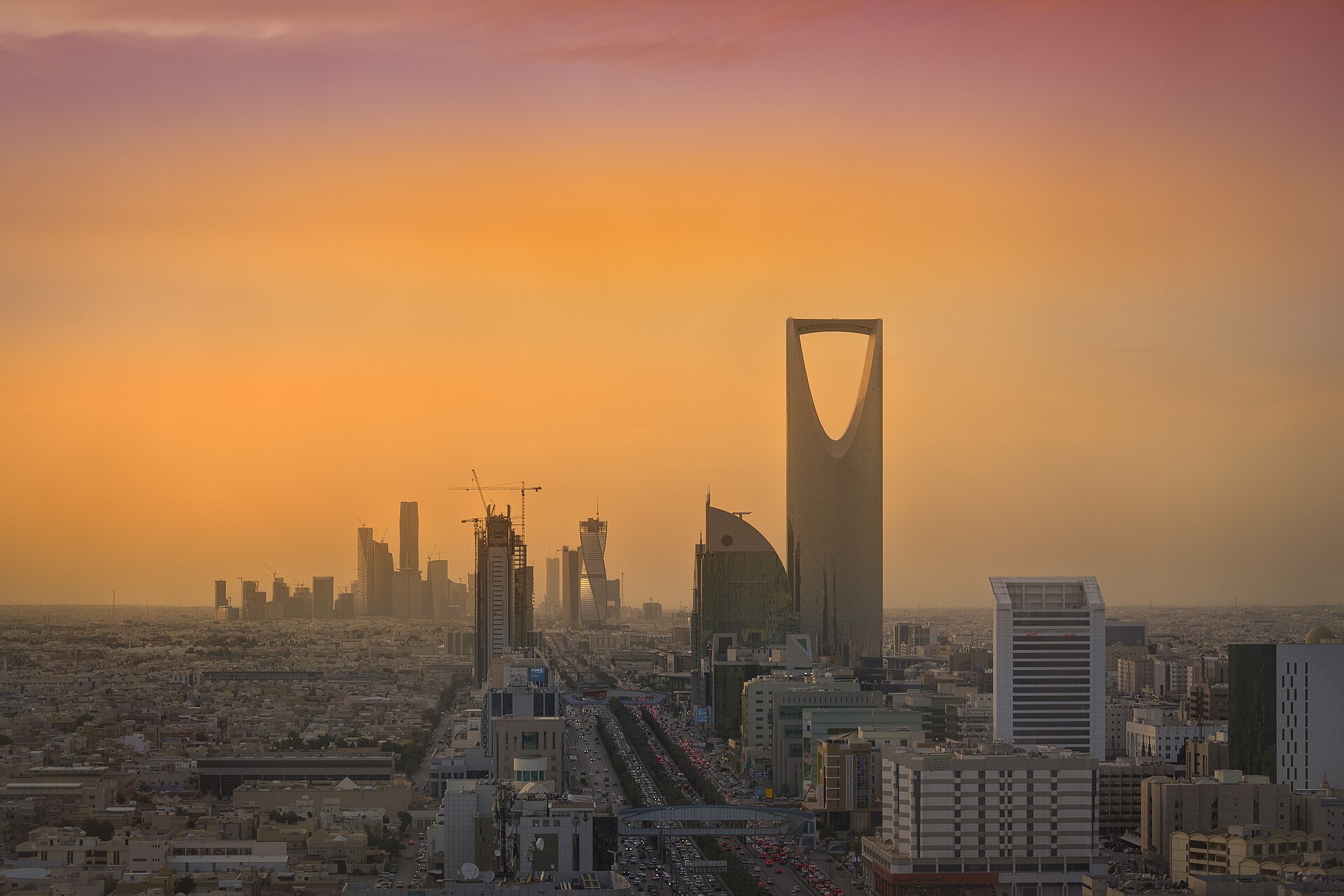
King Khalid International Airport has been the single bloodiest target of the current conflict. Between 6 and 11 October, confirmed Houthi attacks on Saudi airports killed twenty people and wounded more than three hundred, according to the BBC’s 11 October reporting and GACA statements. The airport’s NOTAM closure technically ended around 2100 GMT on 17 October, but approximately 47 percent of Saudi departures were still cancelled on 19 October, according to Traveltourister. Time Out Riyadh reported on the same day that KKIA “continues to remain closed,” with no formal GACA reopening statement found. The airport is demonstrably disrupted — but for the specific 17–19 October window, no Saudi authority confirmed a fresh strike.
Abha and Khamis Mushait both have documented attack histories. Strikes on Abha killed two and wounded twenty-eight on 6–7 October, according to the BBC on 8 October. Khamis Mushait was struck during September’s escalation, and Houthi strikes had earlier wounded thirteen civilians across Khamis Mushait, Abha and Taif, according to Khaleej Times on 14 September. Saree’s specific claim of having “completely paralyzed air traffic at Abha Airport” during the 17–19 October window, however, has not been confirmed by any Saudi aviation authority or independent source.
“Al-‘Alam Camp” and “Bir Askar” cannot be assessed against independent evidence because neither location appears in any non-Houthi source reviewed for this report. Saree’s assertion of dozens of Saudi military casualties at Al-‘Alam Camp has received no corroboration from Saudi military authorities, international media or humanitarian organisations. No other outlet has reported the existence of a radar installation at Bir Askar.
The Record: What Saudi Arabia Has and Has Not Confirmed
The most recent coalition interception statement found for this reporting dates to 16 October. Saudi Arabia said it had intercepted three drones, a ballistic missile aimed at Yanbu and cruise missiles over the Red Sea, according to Anadolu Agency and Shafaq News. That statement covered threats to Riyadh, Yanbu and the Red Sea approaches — and it predates the forty-eight-hour window Saree described.
Saudi Arabia’s one confirmed engagement with Aramco as a target during the current escalation remains the 14 October strike on the Aramco administrative headquarters building in Dhahran. The Saudi energy ministry confirmed that a Houthi missile caused a “limited fire” and that four people were wounded, according to the BBC’s 14 October report. That remains the only instance in the current conflict in which Saudi authorities have publicly confirmed that an Aramco facility was hit.
The pattern of Houthi overclaiming is documented. On 4 October, the Houthis claimed a strike on an Aramco site in Riyadh, which the coalition described as “misleading,” according to Al Jazeera. In September, the Houthis claimed to have struck Yanbu; Saudi Arabia said it had intercepted the missiles with no damage reported. The 14 October Dhahran confirmation is the exception, not the rule, when it comes to Houthi claims matching confirmed outcomes. Saudi Arabia’s silence on Saree’s latest six claims does not constitute confirmation; nor does it constitute denial.
A War on the Calendar
Saree’s announcement landed on the same evening that Saudi Arabia postponed the Future Investment Initiative to 2027, the first such postponement in the conference’s nine-year history, according to the Jerusalem Post on 19 October. CNBC and Saudi Gazette confirmed the postponement on the same day. Banks and private-equity firms had raised safety concerns about attending, according to Semafor as cited by the Jerusalem Post.
The FII had been scheduled for 26–29 October, according to Kuwait Times citing KUNA. Riyadh Season is due to open on 21 October, according to Gulf News. The EU-GCC summit is set for 24 October in Riyadh, according to The National on 8 October. Neither has been formally cancelled, but the FII postponement and the persistent airport disruption — nearly half of Saudi departures cancelled four days ago — raise questions about how the remaining events proceed under threat. The kingdom’s international events calendar has become a vulnerability in ways its planners did not anticipate.
Whether Saree timed his announcement to coincide with the FII postponement is not clear from the available evidence. He made no mention of the conference. The juxtaposition is contextual, and reporting it as causal would go beyond what the record supports.
‘A Blockade for a Blockade’
The language of Saree’s announcement was deliberate. “A blockade for a blockade, an escalation for an escalation” is the framework the Houthis have used to position their strikes as symmetrical retaliation for the coalition campaign and what they describe as Saudi Arabia’s role in a blockade of Yemen, according to Newscord’s 20 October reporting on the Al-Masirah broadcast. The six operations were presented as a coordinated military package, not as isolated incidents.
Saree said the operations would continue “until the aggression stops and the blockade on Yemen is lifted,” according to Newscord. This framing, if the claimed operational breadth were real, would suggest the Houthis can sustain simultaneous targeting across the full depth of Saudi territory — from Red Sea oil terminals to interior desert fields to the capital’s main airport. Whether that breadth reflects actual capability or aspirational messaging is exactly what the absence of independent confirmation leaves unanswered.
Al-Masirah television, the Houthi-affiliated broadcaster, ran the announcement as confirmed fact rather than as claims, according to Newscord’s survey of coverage. Of nine international outlets surveyed, four explicitly noted the absence of Saudi confirmation, while the remainder relayed the claims without seeking independent verification.
Fifty-Three Dead in Shabwa
On the same day as Saree’s six-operations announcement, a Houthi ballistic missile struck the Shabwa military base in southern Yemen, killing at least fifty-three people and wounding more than two hundred, according to SBS News on 20 October, citing the Shabwa provincial government. The strike targeted forces aligned with Yemen’s internationally recognised government and received limited attention in Western coverage, which focused on the Saudi-facing claims and the FII postponement.
The Shabwa toll exceeds the combined confirmed death toll from all Houthi attacks on Saudi airports between 6 and 12 October, which the BBC put at twenty based on GACA statements. The two events illustrate the two-front nature of the Houthi campaign: Saree announced strikes projected outward against Saudi infrastructure while Houthi forces simultaneously struck inward against Yemeni government positions. The Shabwa attack is independently sourced; the six operations against Saudi Arabia are not.
How Did the War Reach Aramco?
The 2022 Saudi–Houthi truce collapsed in July 2026, according to the BBC. The Houthis escalated from strikes on southern Saudi cities to Riyadh by 19 September, when smoke rose near King Khalid International Airport and the Houthis claimed what appeared to be their first strike on the capital in the current escalation, according to Reuters via the Kathmandu Post on 20 September.
By early October, the conflict reached energy infrastructure. The Houthis warned civilians away from oil sites on 8 October, according to the AP via NY1. On 14 October, the Aramco Dhahran headquarters was confirmed hit — the first publicly acknowledged Aramco strike of the current war. Saudi Arabia had suspended East-West pipeline flows as a precaution on 12 September and restarted the line on 22 September, though full capacity could take six weeks or more, according to Saudi Gazette via Zawya on 25 September.
Saree’s six-operations claim, if taken at face value, represents an attempt to demonstrate that the Houthis can threaten Aramco’s export infrastructure from Yanbu in the west to Shaybah in the southeast while simultaneously hitting military and aviation targets in Riyadh, Abha and Khamis Mushait. That breadth is the assertion. The independent evidence for it, at this hour, is zero.
Frequently Asked Questions
Has any country other than Saudi Arabia commented on the six operations?
No government with forces deployed in Saudi Arabia — including France, which has troops and air defences at Yanbu according to Al Jazeera on 25 September, and Pakistan and Turkey, whose forces are deploying under the Makkah defence agreement — has issued a public statement confirming or denying any of the six operations Saree claimed. The absence of allied confirmation is as notable as the Saudi silence, given that French assets are positioned at one of the claimed target sites.
Did Saree mention the FII postponement in his announcement?
No. Saree’s announcement, as relayed by TASS and Newscord, contained no reference to the Future Investment Initiative or its postponement. The FII postponement was announced hours before Saree spoke, according to CNBC on 19 October, but the Houthis drew no explicit connection. Reporting the timing as causal rather than coincidental would go beyond the available evidence.
How does the Shabwa base toll compare to other strikes in this conflict?
The confirmed toll of at least fifty-three dead at Shabwa, according to SBS News citing the provincial government, exceeds the toll from the deadliest single Houthi attack on Saudi soil during the current escalation — the 10 October KKIA strike that killed thirteen and wounded 308 to 309, according to the BBC and Al Jazeera. The Houthi-run Health Ministry in Yemen claimed eighty-three civilians had been killed and 146 wounded since the coalition offensive began on 4 October, though those figures are unverified, according to CNN on 6 October.
Has Saudi Aramco issued any statement about the six claimed strikes?
Aramco has issued no statement addressing Saree’s six operations. Its last public comment on its own facilities came via the Saudi energy ministry’s 14 October confirmation of the Dhahran strike — a “limited” fire that wounded four people, according to the BBC. Earlier Houthi claims against Aramco sites were handled by the coalition, not the company; the 4 October Riyadh claim was called “misleading,” according to Al Jazeera. Corporate silence on unconfirmed attacks is consistent with Aramco’s disclosure pattern during this conflict.
Has tanker loading at Yanbu been affected by the claimed strikes?
Current Yanbu loading status is not publicly available. The East-West pipeline, which feeds Yanbu’s export terminal, was restarted on 22 September after a precautionary shutdown on 12 September, but full-capacity throughput was expected to take six weeks or more, according to Reuters via Baird Maritime on 24 September. Whether the claimed strikes have caused any fresh disruption to the pipeline or terminal cannot be determined from available sources. France’s deployment of air defences to Yanbu, confirmed by Al Jazeera on 25 September, suggests the facility was already assessed as under threat before Saree’s announcement.