DAMMAM — A Houthi attack on King Fahd International Airport in Dammam killed one person and injured eight on the evening of October 21, Saudi Arabia’s General Authority of Civil Aviation confirmed on October 22. Injuries ranged from minor to critical, GACA said, and all eight wounded were taken to hospital.
GACA confirmed material damage at the airport but said the full extent remained under assessment, according to Reuters. The authority did not specify the type of weapon used in the attack. The Houthi movement claimed responsibility for the strike, The Hill reported.
The attack was the second confirmed strike on King Fahd Airport — the Eastern Province’s only major commercial airport — in eleven days. On October 11, a projectile hit the tarmac beside parked aircraft and started a fire but caused no casualties, Reuters reported via the Irish Examiner. The October 21 attack was the first at King Fahd Airport to kill.
The House of Saud Daily Briefing
Saudi Arabia's news in 3 minutes, every morning. Free. See today's issue
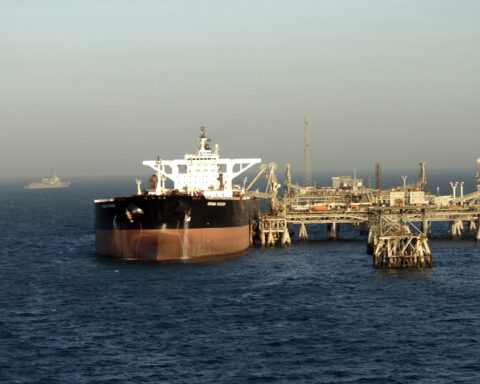
On the same evening, falling debris from an intercepted Houthi drone at Saudi Aramco’s Shaybah oilfield killed two Aramco workers and injured two more, Al Jazeera reported. The US State Department subsequently ordered non-emergency embassy staff and their families to leave Saudi Arabia, linking the decision to Houthi attacks on civilian infrastructure.
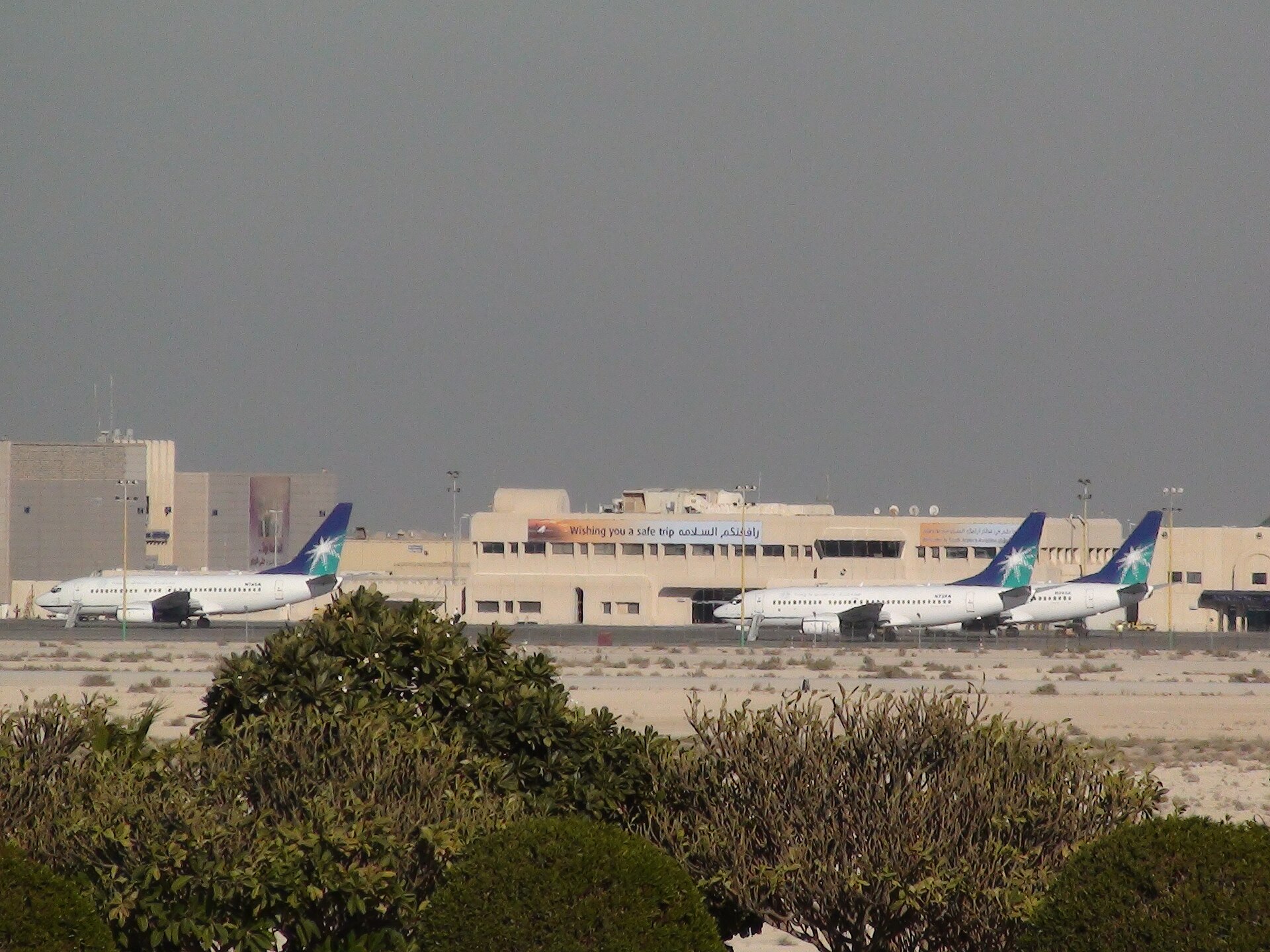
Table of Contents
What Happened at King Fahd Airport
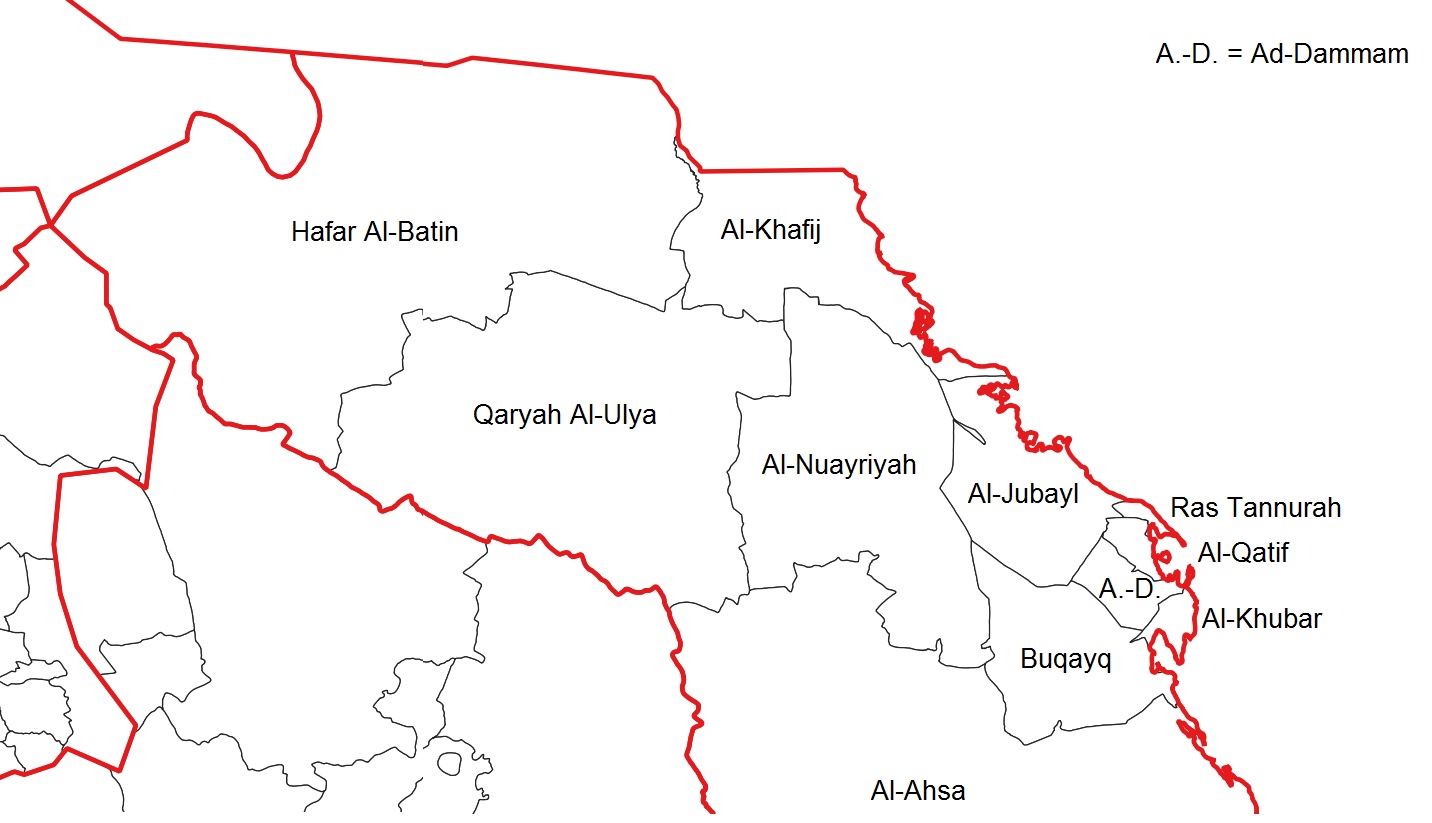
King Fahd International Airport — KFIA — is Saudi Arabia’s third-busiest airport, handling approximately 10.9 million passengers in 2023, according to airport data compiled by Wikipedia. The airport has two runways, each 4 kilometres long, and serves as the primary commercial aviation gateway for the Eastern Province. It sits roughly 410 kilometres northeast of Riyadh, according to Middle East Eye.
GACA’s October 22 statement confirmed the casualty toll and reported material damage whose full extent remained under assessment. The authority did not say whether the weapon was a ballistic missile, a cruise missile, or a drone. It did not identify which part of the airport complex sustained the damage. Those omissions leave open questions about the nature of the threat King Fahd Airport faced and the scale of the physical destruction.
Flight-tracking data from Flightradar24 showed aircraft being diverted from KFIA in the hours after the strike, WION reported. A security alert issued by the US Embassy in Riyadh stated that King Fahd Airport remained nominally operational but with disruptions — a designation that indicates partial service rather than a full closure.
No detailed statement from Houthi military spokesman Yahya Saree specifically addressing the October 21 King Fahd Airport attack has been published as of October 22. The Houthi movement claimed responsibility for the strike, according to The Hill, but without the granular operational claims Saree made after the October 11 attack on the same airport.
Second Confirmed Strike in 11 Days
The first confirmed attack on King Fahd Airport during the current Houthi campaign came on the evening of October 11, at approximately 8:30 p.m. local time. A projectile hit the tarmac beside several parked aircraft and ignited a fire, Reuters reported via the Irish Examiner. An eyewitness aboard a taxiing aircraft reported seeing the projectile impact the ground. Passengers were evacuated from the airfield. GACA confirmed damage at the airport and began its assessment.
There were no casualties from the October 11 strike — a fact that distinguished it from what came ten days later. Saree claimed the attack in a televised speech, stating it “directly hit its target and disrupted air traffic,” according to Yemen Monitor. In the same address, he claimed simultaneous strikes on two Saudi Aramco facilities in the Eastern Province, Yemen Monitor reported. Those additional claims were not independently confirmed.
It was in that October 11 address that Saree declared all Saudi airports except those serving the holy cities of Mecca and Medina to be “legitimate targets,” Reuters and the Irish Examiner reported. The declaration placed King Fahd Airport — and every other non-holy-city airport in the kingdom — within the Houthis’ stated target set. Following the October 11 strike, the British Embassy advised British nationals against travel to Dammam, according to Reuters and the Irish Examiner.
The October 11 strike caused property damage and operational disruption but no injuries. Ten days later, the same airport sustained an attack that killed and put multiple people in hospital. GACA’s October 22 statement on the latest attack made no reference to the earlier strike.
Why Does the Aramco Terminal Matter?
King Fahd International Airport does not serve commercial passengers alone. Saudi Aramco operates a dedicated terminal at the airport — the Aramco Terminal — which runs regular rotation flights carrying company employees to remote operational sites. Those destinations include Yanbu on the Red Sea coast, Tanajib on the Gulf, and the Shaybah oilfield in the Rub’ al Khali desert, according to airport information compiled by Wikipedia.
Shaybah — where an intercepted Houthi drone caused casualties on October 21 — is among the remote sites served by the Aramco Terminal’s rotation flights. Employees fly from Dammam to these production facilities and return through King Fahd Airport. This site examined on October 20 how the airport functions as a logistics air bridge connecting Aramco’s Dhahran headquarters with production sites across the kingdom. Any sustained disruption to the Aramco Terminal’s flight schedule would affect the staffing rotations that keep remote production facilities running.
On October 13, at a separate facility, a ballistic missile hit Saudi Aramco’s Dhahran headquarters, starting a fire that spread across several floors of an office tower before being extinguished, Bloomberg and the Globe and Mail reported. There were no casualties. The Dhahran headquarters and King Fahd Airport sit in the same Dammam metropolitan area.
In eleven days, confirmed Houthi attacks have targeted King Fahd Airport twice, Aramco’s Dhahran headquarters once, and an Aramco oilfield once — all within the Eastern Province’s energy and transport corridor.
What Did the US and UK Say?
The US State Department ordered non-emergency embassy personnel and their families to leave Saudi Arabia on October 21. Spokesman Tommy Pigott said the decision was prompted by Houthi attacks on “civilian airports and other critical infrastructure,” according to a CBS News live blog.
The US Embassy in Riyadh issued a separate security alert the same day, warning American citizens of the possibility of further Houthi attacks on Saudi Arabia, Al Jazeera reported on October 22. The alert noted that King Khalid International Airport in Riyadh — which had reopened earlier on October 21 after days of closure — was listed as suspended. King Fahd Airport was listed as nominally operational with disruptions.
Britain’s response to the Dammam threat preceded the October 21 attack. After the October 11 strike on King Fahd Airport, the British Embassy had advised British nationals against travel to Dammam, Reuters and the Irish Examiner reported. No updated British advisory specifically addressing the October 21 attack had been issued as of the following day.
The diplomatic responses from Washington and London followed a pattern set earlier in the month. On October 5, Prince Khalid bin Salman announced that the Mecca pact committee had agreed to “activate collective deterrence measures… in response to the attacks and all those responsible for them,” Al Jazeera reported. Saudi Arabia followed up on October 9 by requesting the United Nations Security Council to take action against the Houthi attacks, Al Jazeera reported. Neither initiative halted the strikes on the Eastern Province.
Airline Suspensions and Diversions
International carriers have reduced their Dammam exposure. KLM suspended all flights to King Fahd Airport through October 31, and Etihad Airways cancelled its Abu Dhabi-to-Dammam route through October 24, according to the travel platform Wego. Both carriers announced the suspensions after the October 11 attack on the airport, before the October 21 strike added a fatality to the risk calculation.
Flightradar24 data showed additional diversions from KFIA after the October 21 strike, WION reported. The extent of further airline schedule changes in response to the latest attack — with its first confirmed fatality — was not yet clear as of October 22.
With international carriers pulling back and flights being diverted, commercial air access to the Eastern Province has narrowed. The region houses Saudi Aramco’s corporate headquarters, the Aramco Terminal’s employee rotation flights, and the kingdom’s largest concentration of oil-production infrastructure. The reduction in commercial service affects both international travellers and the energy-sector workforce that depends on King Fahd Airport’s domestic and international connections to reach the province.
Is the Eastern Province the Houthis’ Main Front?
Through early October, the Houthi air campaign concentrated on Riyadh. Strikes on King Khalid International Airport between October 6 and 11 killed approximately 20 people and injured more than 300, according to the BBC and Al Jazeera.
Since October 11, confirmed attacks have shifted east. The Eastern Province has absorbed four confirmed strikes in eleven days: King Fahd Airport on October 11, Aramco’s Dhahran headquarters on October 13, and both King Fahd Airport and the Shaybah oilfield on October 21. The targets span civilian aviation, corporate infrastructure, and oil production — a breadth of targeting that the October 6-11 Riyadh-focused campaign did not exhibit.
The Houthis have publicly framed their campaign as retaliation for Saudi-led coalition strikes on Yemeni civilian infrastructure. On October 12 — before the latest airport attack — conflict analyst Hisham al-Omeisy of the European Institute of Peace told Al Jazeera that the Houthis are “a maximalist group” who may widen their strikes to include oil pipelines and energy facilities. In the ten days since that assessment, confirmed targets have expanded from airports to a corporate headquarters and an oilfield.
The Houthis’ stated justification — retaliation for coalition strikes on Yemeni infrastructure — draws no distinction between Riyadh and the Eastern Province. But a campaign that began at the capital’s airport has now reached the province where Saudi Arabia produces and exports its oil, and where Aramco’s workforce rotates through the same airport that has now been hit twice.
The October 21 attack on King Fahd Airport fell on the same day that Riyadh’s airport reopened. One Saudi airport resumed service. Another recorded its first fatality.
Frequently Asked Questions
What is GACA?
GACA — the General Authority of Civil Aviation — is Saudi Arabia’s federal regulator for civil aviation, responsible for overseeing airports, air navigation services, and airspace management across the kingdom. The authority licenses commercial airlines, certifies airport operators, and manages Saudi airspace. GACA issued the official casualty figures and damage assessments for both the October 11 and October 21 King Fahd Airport attacks.
Has King Khalid Airport in Riyadh fully reopened?
King Khalid International Airport in Riyadh reopened on October 21 after the sustained Houthi campaign beginning October 6 forced its closure. Coalition forces intercepted Houthi drones over Riyadh the same morning, as this site reported. However, a US Embassy security alert issued later that day listed the airport as suspended once again. The airport’s operational status has fluctuated throughout the month as attacks have continued.
What did Saudi Arabia’s energy minister say about the Houthi attacks?
Saudi Energy Minister Prince Abdulaziz bin Salman said on October 12 that the kingdom’s response to the Houthi attacks would be “equally serious,” Al Jazeera reported. The statement was made before the October 21 King Fahd Airport strike, when the Houthi campaign had primarily targeted Riyadh. Prince Abdulaziz did not specify what form the Saudi response would take.
What major international events are scheduled in Saudi Arabia this week?
The EU-GCC summit was scheduled for Riyadh on October 24, according to The National. The Future Investment Initiative — Saudi Arabia’s flagship annual investment forum — was scheduled for October 26 to 29, according to Kuwait Times and KUNA. Both events were planned before the October escalation in Houthi attacks on Saudi airports. The sustained airport disruptions have raised questions about Saudi Arabia’s capacity to host large international gatherings on schedule.
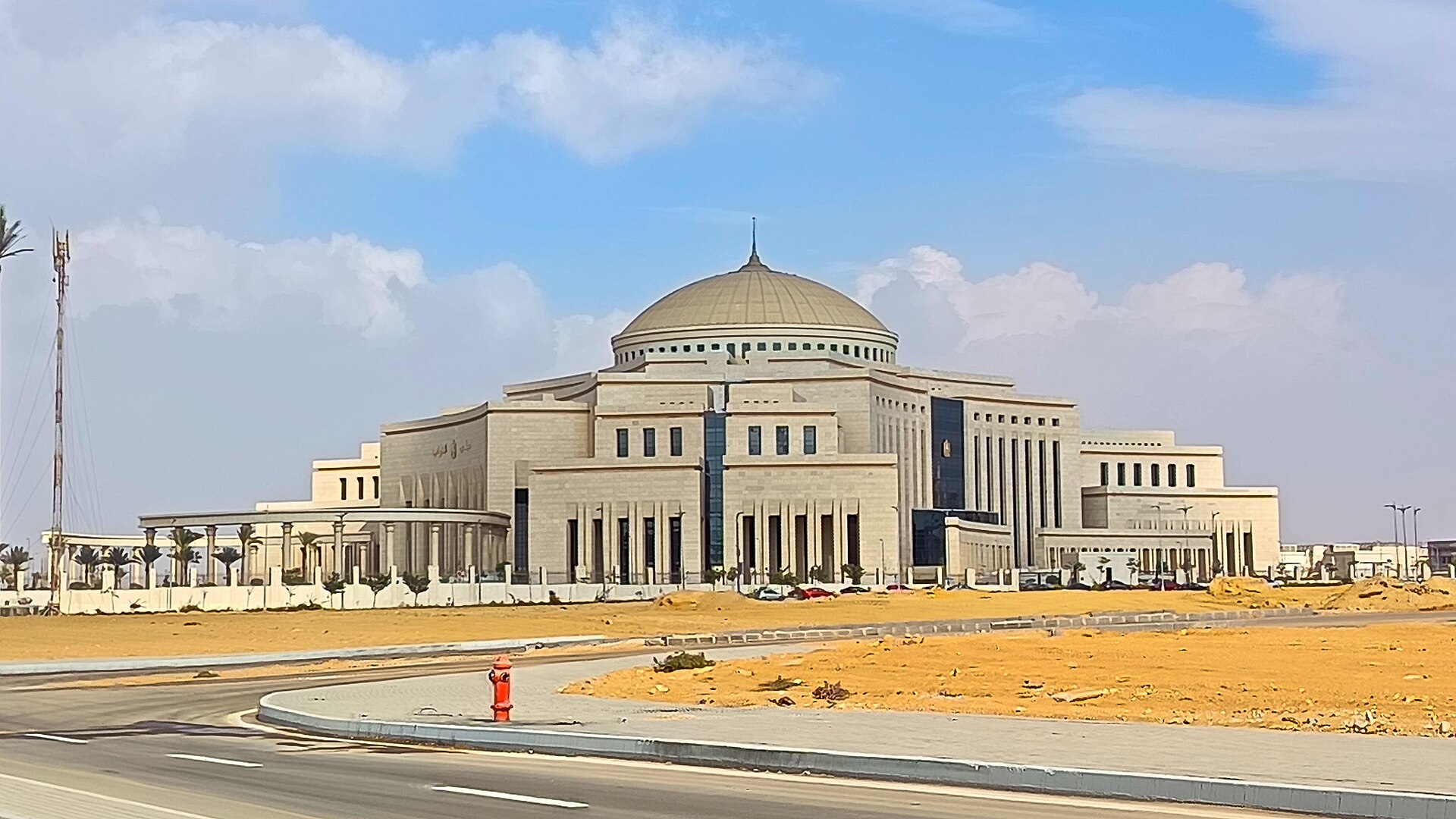
Egypt’s parliament is scheduled to vote on 26 October on Egypt’s parliamentary authorization of troops for Saudi Arabia, a potential ground-force contribution to the coalition responding to the Houthi airport campaign.
The airport strike occurred on the same day Trump confirmed the US is not in negotiations with Iran, leaving Saudi Arabia to absorb the campaign without any prospect of a superpower-mediated ceasefire.
The House of Saud Daily Briefing
Saudi Arabia's news in 3 minutes, every morning. Free. See today's issue