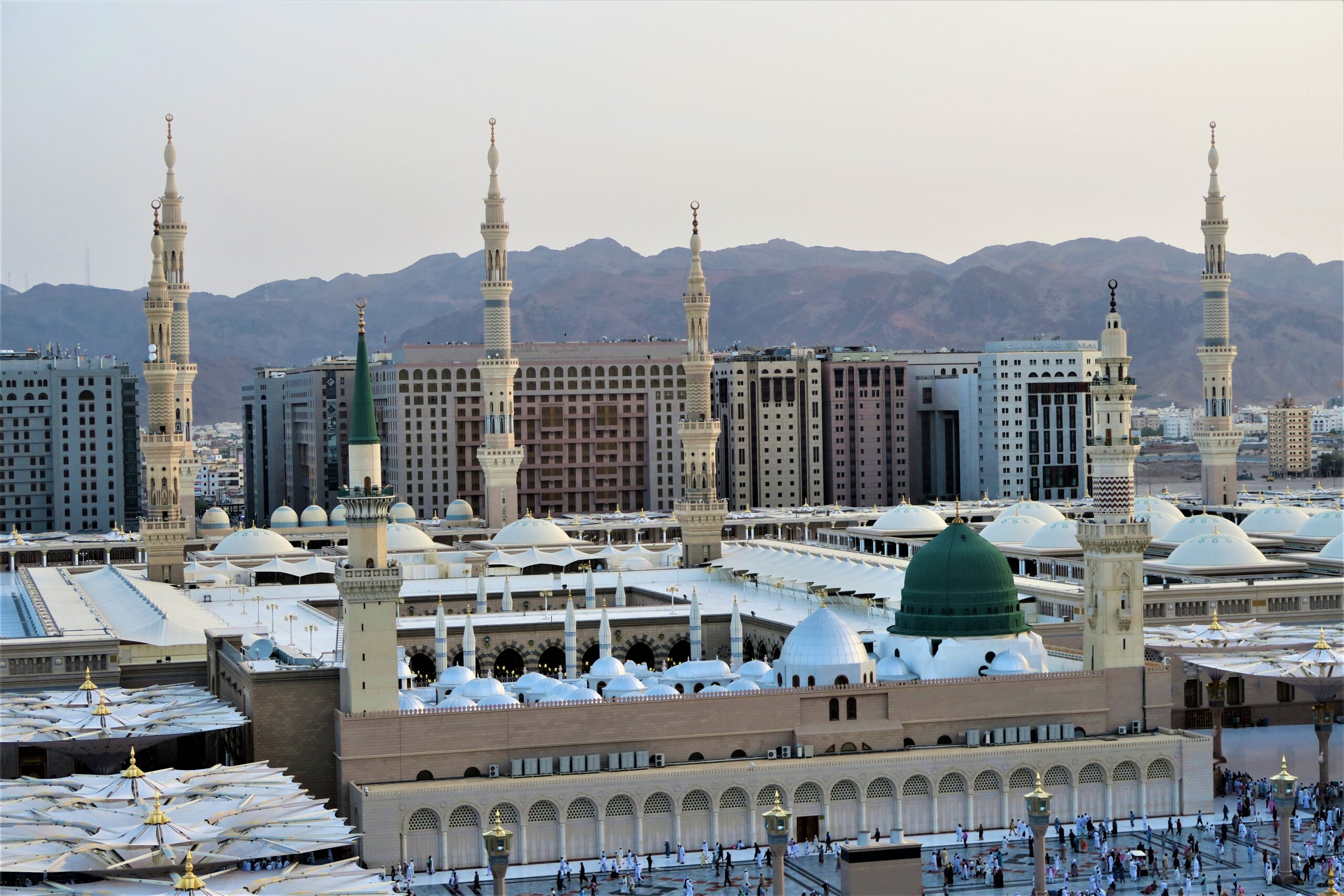

RIYADH — The Saudi-led coalition intercepted four or five drones over Saudi Arabia on 21 October, with at least one heading for the Madinah region, 48 hours after the Houthi-run Saba news agency declared that Saudi airspace was “unsafe, except over Mecca and Medina.” The exemption — issued through an unnamed military source on 19 October, not through the Houthis’ usual spokesman — was never a military concession, and now it is barely a functioning statement, because the audience it was built for just watched drones appear over the second holiest city in Islam before the ink on the declaration had dried.
That audience is not Saudi Arabia, which has been intercepting missiles and drones aimed at its holy cities since at least 2016. The audience is Pakistan, Turkey, and Egypt — the three Muslim-majority states the Mecca Joint Defence Agreement needs in order to work, and the three states whose publics would turn against the coalition overnight if Houthi ordnance landed inside the Prophet’s Mosque precinct. The exemption was an Islamic legitimacy play aimed directly at them, and within two days it had already been tested by the very scenario it was designed to prevent.
Table of Contents
- What the Exemption Actually Said
- Three Madinah Incidents, Three Different Denials
- Who Was the Exemption For?
- How Long Before a Strike Reaches a Holy Site?
- Why Did the Coalition Not Name the Houthis?
- What Does the Mecca Pact Actually Require?
- The RAF Arrived One Day After the Exemption
- The Denial That Kept Its Own Audience
- What the Exemption Cannot Do
What the Exemption Actually Said
On 19 October, the Houthi-run Saba news agency published a statement from an unnamed “military source” warning that “Saudi airspace is unsafe, except over Mecca and Medina,” according to Middle East Monitor. The same statement told employees and citizens to stay away from Saudi oil facilities and advised Aramco shareholders to sell their shares “before it is too late.” It was not attributed to Yahya Saree, the Houthis’ military spokesman who normally delivers operational claims, and it was not attributed to Abdul-Malik al-Houthi, whose public statements carry the movement’s political authority.
The statement codified something the Houthis had already been saying in various forms for weeks. On 11 October, after Dammam airport was attacked, the Houthis declared that all Saudi airports “except those of Mecca and Medina” were potential targets. In September, after Saudi Arabia said it had intercepted a drone heading for Mecca, Yahya Saree stated: “Our operations target its oil facilities and military bases, and are far from the holy sites,” according to Al Jazeera. Abdul-Malik al-Houthi called the Mecca targeting claim “a major lie,” per Time magazine. The 19 October declaration was not a new policy — it was the formalisation of a claim already in circulation, issued through an anonymous channel that allowed the movement to project restraint without binding its leadership to a specific commitment.
Three Madinah Incidents, Three Different Denials
October has produced three separate incidents near Madinah, and the Houthi response to each one has been different in ways that matter. On 1 October, a drone struck an electricity distribution station serving central Madinah, according to ARY News and Reuters. The Houthis said nothing — no claim, no denial, no comment. That silence was conspicuous, because the target sat inside the perimeter of what the movement would later declare exempt, and silence is neither confirmation nor rejection but a refusal to engage on terms that could incriminate.
On 15 October, coalition spokesman Turki al-Maliki announced the “interception and destruction of a cruise missile in the Medina region,” according to France 24. The Houthi response this time was immediate and categorical: Yahya Saree posted on X that “the Yemeni armed forces confirm that they have not carried out any operation today targeting Saudi territory,” and called the Saudi claim “a shameless and brazen lie.” That was a direct, attributed, on-the-record denial from the movement’s chief military spokesman.
The Middle East briefing 3,000+ readers start their day with.
One email. Every weekday morning. Free.
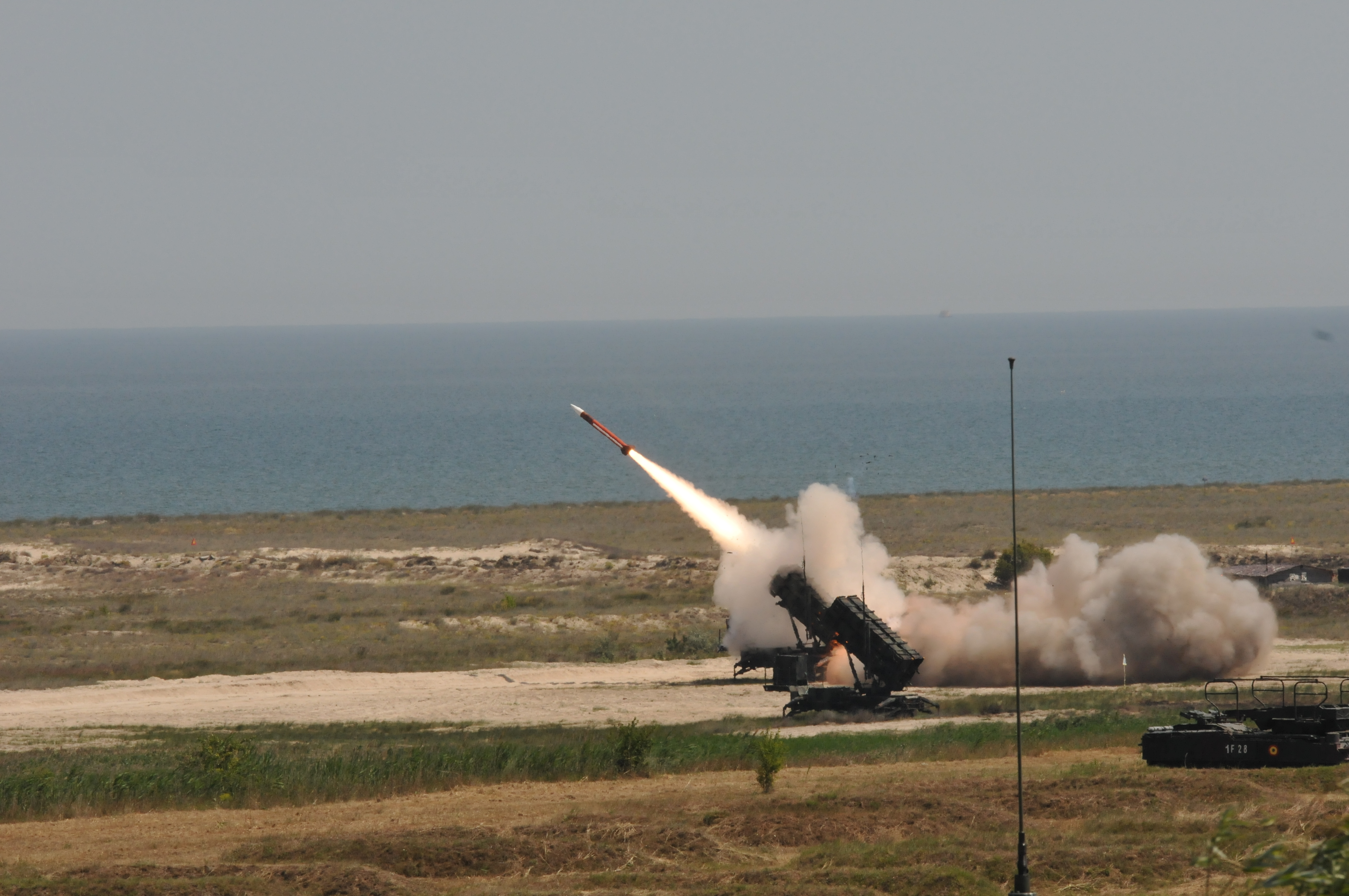
On 21 October, al-Maliki posted on X that four drones had been intercepted and destroyed, then posted again to report a fifth intercept in the Eastern Province, bringing the total to five according to the Oman Observer’s account of both posts. Anadolu Agency and Arab Times reported four. Saree denied involvement, telling Reuters that his forces “have not launched any drones towards the Saudi holy city of Medina on Wednesday” and had not “conducted any military operations towards Saudi Arabia” that day. He added that such coalition claims “no longer carry credibility among the Arab and Islamic public.” No casualties or damage were reported from any of the intercepts.
The progression — silence, then “a shameless and brazen lie,” then “no credibility among the Arab and Islamic public” — tracks a shift from tactical ambiguity to audience-directed messaging. By 21 October, the denial was no longer just about what happened over Madinah; it was about who believed what, and Saree named his audience explicitly.
Who Was the Exemption For?
The exemption was not aimed at Saudi Arabia, which treats every incoming projectile as hostile regardless of the launcher’s declared intentions, and it was not aimed at the United States, which has its own reasons for staying out of the Houthi war that have nothing to do with the movement’s targeting doctrine. The exemption was aimed at the coalition’s junior partners — the states whose participation in the Mecca Joint Defence Agreement depends on domestic constituencies that are overwhelmingly Sunni Muslim and that regard the holy cities as inviolable.
Pakistan, which has deployed troops, fighter aircraft, drones, and an air-defence system to Saudi Arabia according to The Conversation, draws its military personnel from a population that would not tolerate a war perceived as threatening Madinah. Turkey, whose contribution has been limited to “defensive and technical support” per The Conversation’s October analysis, faces an additional constitutional constraint: Article 92 of the Turkish constitution requires parliamentary approval for troop deployments abroad, and that ratification remains incomplete, according to The Washington Times and The Conversation. Egypt, which joined the joint condemnation of the 10 October KKIA strike alongside Saudi Arabia, Pakistan and Turkey, has its own calculus about how far it can be drawn into a Gulf war.
The exemption message — Mecca and Madinah are safe, the war is only against Saudi military and economic targets — was crafted to give these governments cover with their own publics. It says: you can join the coalition without being complicit in a war against Islam’s holiest places, because the other side has declared those places off limits.
How Long Before a Strike Reaches a Holy Site?
The question is not whether the Houthis intend to strike Mecca or Madinah — they say they do not, and have said so repeatedly since at least September. The question is whether the exemption means anything in practice when the movement’s weapons are already arriving in those regions with enough regularity that coalition forces have intercepted three separate incidents near Madinah in 21 days, and when the movement itself has denied every single one of them.
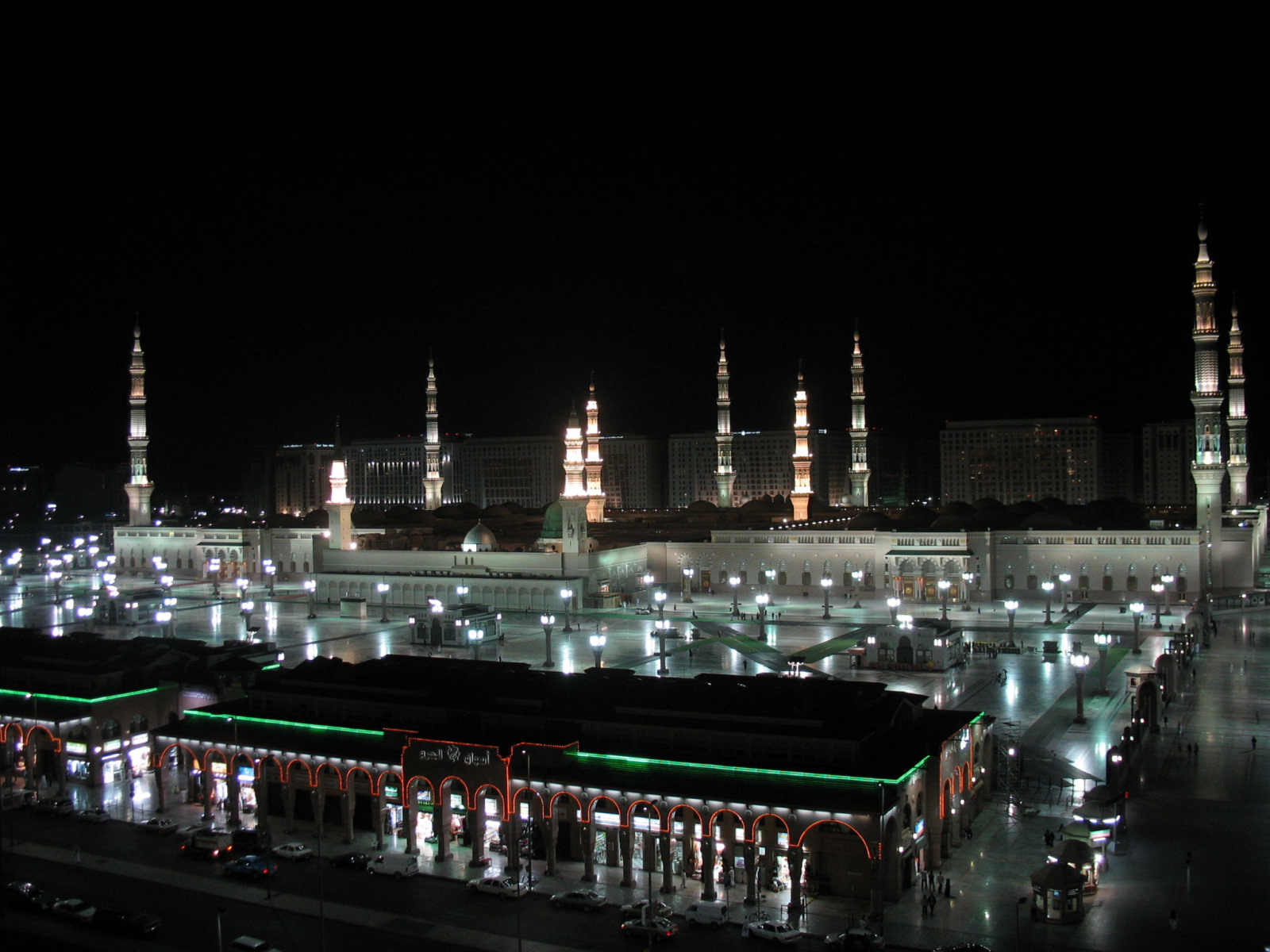
The precedent is a decade old. In 2016, Saudi Arabia said it intercepted a Houthi missile approximately 65 kilometres from Mecca, according to Al Jazeera. The Houthis denied it then too, saying the intended target was military, not religious. The dynamic — projectile near a holy city, coalition intercept claim, Houthi denial pointing at a military target — has been repeating itself for ten years, and the only thing that has changed is the frequency and the formality of the Houthi response.
The October 1 power station strike is the data point that should keep coalition partners awake, because that target — a power station at the centre of the city — sits in the overlap between what the Houthis would call infrastructure and what a Pakistani or Turkish public would call a holy site. The Houthis did not deny that strike; they ignored it entirely, which is the response of a movement that recognises the problem but has no good answer for it.
Why Did the Coalition Not Name the Houthis?
Al-Maliki’s two X posts on 21 October announced the interceptions but did not specify the origin of the drones or name the Houthis as responsible, which Anadolu Agency noted in its reporting. This is an unusual omission from a coalition spokesman who has spent months attributing every incoming projectile to the Houthi movement and, through it, to Iran. Saudi Deputy Foreign Minister Dr. Rayed Krimly stated on 15 October that Iran “continues to arm, train and support the Houthi militia in violation of UN security council resolutions,” according to France 24, and that escalation “is encouraged by Iran.” That framing — Houthis as Iranian proxies — is the coalition’s standard public position.
The absence of attribution on 21 October opens two readings, and neither is comfortable. If the coalition knows the drones were Houthi and chose not to say so, it may have calculated that a direct accusation 48 hours after the exemption declaration would force the movement to escalate rather than de-escalate — collapsing any residual value the exemption might have as a diplomatic signal. If the coalition genuinely does not know the origin, that raises a different problem about the state of Saudi air-defence intelligence in a country now receiving military support from Pakistan, Turkey, and Britain. CNN reported on 13 October that Houthi strikes had reportedly approached from the north, a direction Saudi defences were not primarily oriented toward, exploiting low-altitude radar gaps — a tactical reality that makes attribution harder, not easier, when drones appear over a region as politically sensitive as Madinah.
What Does the Mecca Pact Actually Require?
The Mecca Joint Defence Agreement, signed on 7 August 2026 by Saudi Arabia, Turkey, and Pakistan, treats an external armed attack on any one party as an attack on all under its Article 2, per the agreement’s text. It was invoked on 5 October, when Prince Khalid bin Salman announced that the pact committee had agreed to “activate collective deterrence measures… in response to the attacks and all those responsible for them,” according to Al Jazeera.
Pakistan committed several thousand troops, fighter aircraft, drones, and an air-defence system, per The Conversation. Turkey’s response has been limited to “defensive and technical support,” with the full parliamentary ratification required under Article 92 of the constitution still incomplete, according to The Washington Times. The gap between the two commitments is the gap between a state whose domestic politics permit a Saudi deployment and one whose domestic politics do not — yet. The Conversation, in its October analysis of the pact, was direct: “Pakistan and Turkey have answered Saudi Arabia’s call for help — but don’t expect them to fight the Houthis.” Krimly told France 24 that the Houthis had refused a Saudi request to meet in Oman, which means the coalition is assembling military partners while its diplomatic channels to the adversary remain closed — a combination that makes every member state’s continued participation a political decision, not just a military one.
The exemption was engineered for exactly this gap. A Turkish parliament being asked to ratify a troop deployment to defend a Saudi coalition cannot afford to have its deliberations overshadowed by reports of drones being shot down over Madinah, regardless of who launched them. The visual — Turkish jets defending the kingdom where the Prophet’s Mosque just had a near miss — is the visual that kills the ratification, and the exemption was supposed to make that visual impossible.
The RAF Arrived One Day After the Exemption
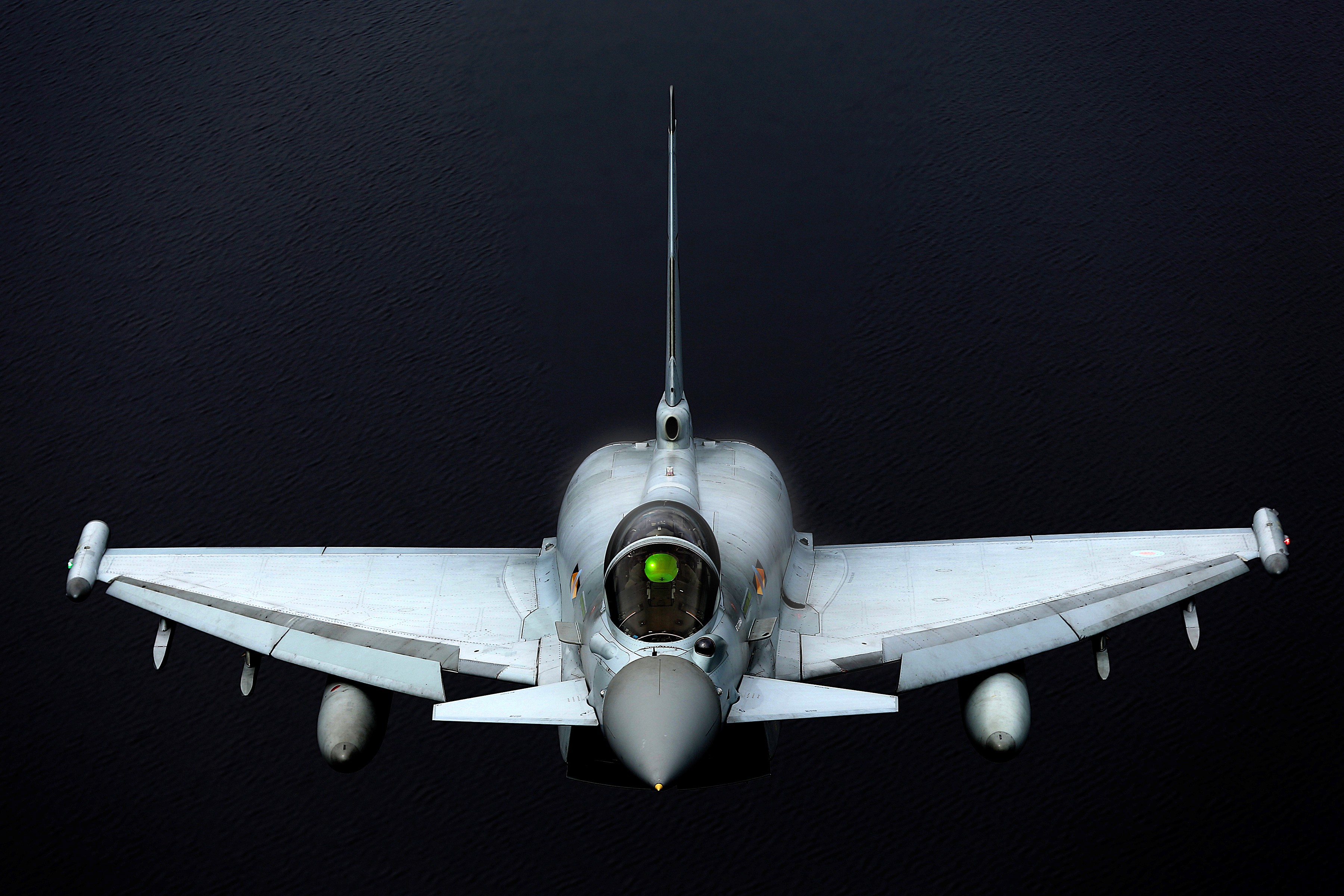
On 20 October, one day after the Houthi exemption and one day before the Madinah intercepts, the UK Ministry of Defence announced that RAF Typhoons would fly defensive counter-air missions over Saudi Arabia, intercepting Houthi drones and missiles but not striking inside Yemen, according to Al Jazeera and The Aviationist. An RAF A400M Atlas transport and UK military advisers will also deploy. The number of aircraft and the base location were not disclosed.
As of 21 October, there are no confirmed reports that RAF Typhoons have engaged or intercepted any target. The deployment is the first time Britain has committed combat aircraft to Saudi air defence in this conflict, and it adds a fifth nation — after Saudi Arabia, Pakistan, Turkey, and the Yemeni government — to the active defence architecture.
The timing is worth noting because the RAF announcement, the Houthi exemption, and the Madinah intercepts all fell within a 72-hour window, against the backdrop of a conflict that has already killed 20 people in Saudi airport attacks between 6 and 11 October according to BBC reporting, and that prompted India to issue a travel advisory for its 2.65 million nationals in the kingdom. The exemption was supposed to simplify the coalition’s messaging — the Houthis have drawn a line around the holy cities, so defending Saudi Arabia is not defending a threat to Islam’s sacred sites. The intercepts on 21 October complicated that message before anyone had a chance to use it.
The Denial That Kept Its Own Audience
Saree’s 21 October statement to Reuters contained a line that mattered more than the denial itself: the coalition’s claims, he said, “no longer carry credibility among the Arab and Islamic public.” This is not the language of a military spokesman rebutting an operational claim — it is the language of a political communicator speaking past his immediate adversary to the wider Muslim world, the same world the exemption was designed to address.
The construction is deliberate. By framing credibility as a question for “the Arab and Islamic public” rather than for Western media or international bodies, Saree was claiming the same audience the exemption targeted. The message to Islamabad, Ankara, and Cairo was: you are being lied to by the Saudis, not by us, and if drones appeared over Madinah it is because the coalition is fabricating interception reports to discredit the movement that just declared your holy city safe. Whether that argument holds up under scrutiny matters less than whether it gives a wavering parliamentarian in Ankara or a Pakistani defence minister facing press questions enough ambiguity to avoid a direct confrontation with the coalition narrative.
The pattern — the Houthis have now denied three separate Madinah-area incidents in October alone, moving from silence to “shameless lie” to “no credibility among the Islamic public” — suggests a messaging operation that is being refined in real time. The denials are getting more sophisticated, more audience-aware, and more explicitly directed at the constituencies the coalition needs to hold together. On 20 October, one day after the exemption, Saree claimed multiple operations against Saudi targets including Aramco facilities and airports, none of which were independently confirmed. The exemption did not slow the operational tempo; it reframed the narrative around it.
What the Exemption Cannot Do
An exemption declared by an unnamed source through a state-run news agency is not a ceasefire, not a treaty, and not a binding commitment. It is a statement of intent issued through a channel that allows the movement’s leadership to disown it if the military situation changes. The Houthis have already demonstrated, across a decade of conflict, that their targeting doctrine is flexible — the 2016 missile that landed 65 kilometres from Mecca was aimed at a military base, they said, and the September 2026 drone intercepted near Mecca was heading for a military target, not the holy city itself, according to Al Jazeera. Every near miss gets reclassified after the fact as a legitimate military target that happened to be near a holy city.
The exemption cannot prevent drones from flying over Madinah, because the Houthis say they are not the ones flying them there, and the coalition has declined to formally attribute the 21 October intercepts. It cannot prevent a future strike on infrastructure that serves the holy cities, because the 1 October power station attack showed that the line between civilian infrastructure and religious infrastructure runs through the same electrical grid. It cannot survive repeated testing — every intercept near a holy site, attributed or not, erodes the declaration’s value with the Pakistani, Turkish, and Egyptian publics it was designed to reassure.
What the exemption can do, and what it was probably designed to do, is buy time — a few weeks, perhaps until the Turkish parliamentary process reaches a conclusion on the Mecca pact ratification, or until the next round of coalition diplomacy produces a visible commitment from one of the junior partners. The 48-hour gap between the declaration and the Madinah intercepts suggests that even that modest ambition may be beyond the movement’s ability to deliver, whether because the operational realities of drone warfare do not respect political declarations, or because the declaration was never meant to constrain operations in the first place.
Saudi Arabia has been the Custodian of the Two Holy Mosques since 1986, and the title is not ceremonial — it is the foundation of the kingdom’s claim to Islamic leadership, the reason Riyadh’s security is treated as a matter of concern from Islamabad to Jakarta. The Houthis understand this, which is why the exemption exists, and why its collapse matters. A coalition that cannot credibly say the holy cities are safe is a coalition that loses its religious mandate before it wins its military campaign, and the 21 October intercepts — whoever launched the drones, wherever they were headed — made that mandate harder to defend than it was two days earlier, when an anonymous military source in Sanaa said the skies over Madinah were safe.
Frequently Asked Questions
Did the Houthis formally exempt all religious sites in Saudi Arabia from attack?
The exemption covered only Mecca and Madinah, not other religious or cultural sites across the kingdom. It was issued on 19 October through the Houthi-run Saba news agency and attributed to an unnamed “military source,” not to the movement’s political or military leadership directly. The statement simultaneously warned that all other Saudi airspace was “unsafe” and told Aramco shareholders to sell, according to Middle East Monitor — making it as much an escalation warning as a restraint declaration.
Has any Iranian official or state media outlet endorsed the Houthi exemption?
No Iranian state media amplification of the 19 October exemption was found across multiple search results. This absence is notable given that Tehran typically amplifies Houthi statements that serve its diplomatic interests, and given Dr. Krimly’s 15 October accusation on France 24 that Iran “continues to arm, train and support the Houthi militia.” Iran’s foreign minister Araghchi had separately offered to “facilitate dialogue between Saudi Arabia and Yemen,” according to the BBC on 11 October, but that offer predated the exemption and was not linked to it.
How many times have projectiles reached or targeted Saudi holy cities since September 2026?
At least four confirmed incidents: a drone heading for Mecca intercepted in mid-September according to Al Jazeera; a drone that struck a Madinah power station on 1 October per ARY News and Reuters; a cruise missile intercepted in the Madinah region on 15 October per France 24; and four or five drones intercepted on 21 October, with at least one in the Madinah area, per the Oman Observer’s account of coalition spokesman al-Maliki’s X posts. The historical record extends further — in 2016, Saudi Arabia intercepted a missile approximately 65 kilometres from Mecca.
What would happen to the coalition if a Houthi weapon struck inside Mecca or Madinah?
A confirmed strike on either city would create an immediate crisis for every Muslim-majority state participating in the coalition, because the domestic political cost of defending a war effort associated with attacks on Islam’s holiest sites would be unsustainable. Pakistan’s government, which committed troops and air defence systems, would face pressure from religious parties that already scrutinise any Saudi deployment. Turkey, where Article 92 parliamentary ratification is already stalled, would likely see the process collapse entirely. The title “Custodian of the Two Holy Mosques,” held by Saudi monarchs since 1986, carries an implicit promise that the kingdom can protect what it claims to guard.
Did Houthi strikes on 20 October contradict the exemption declared the day before?
On 20 October, Yahya Saree claimed multiple operations against Saudi targets including Aramco facilities and airports, though none were independently confirmed. These claims fell outside the exemption’s scope — the 19 October declaration only excluded Mecca and Madinah, not airports or oil infrastructure. The contradiction, if there is one, lies not in the Houthis attacking Saudi Arabia the day after the exemption, but in drones appearing over Madinah the day after that, in the region the exemption was supposed to place beyond the war.