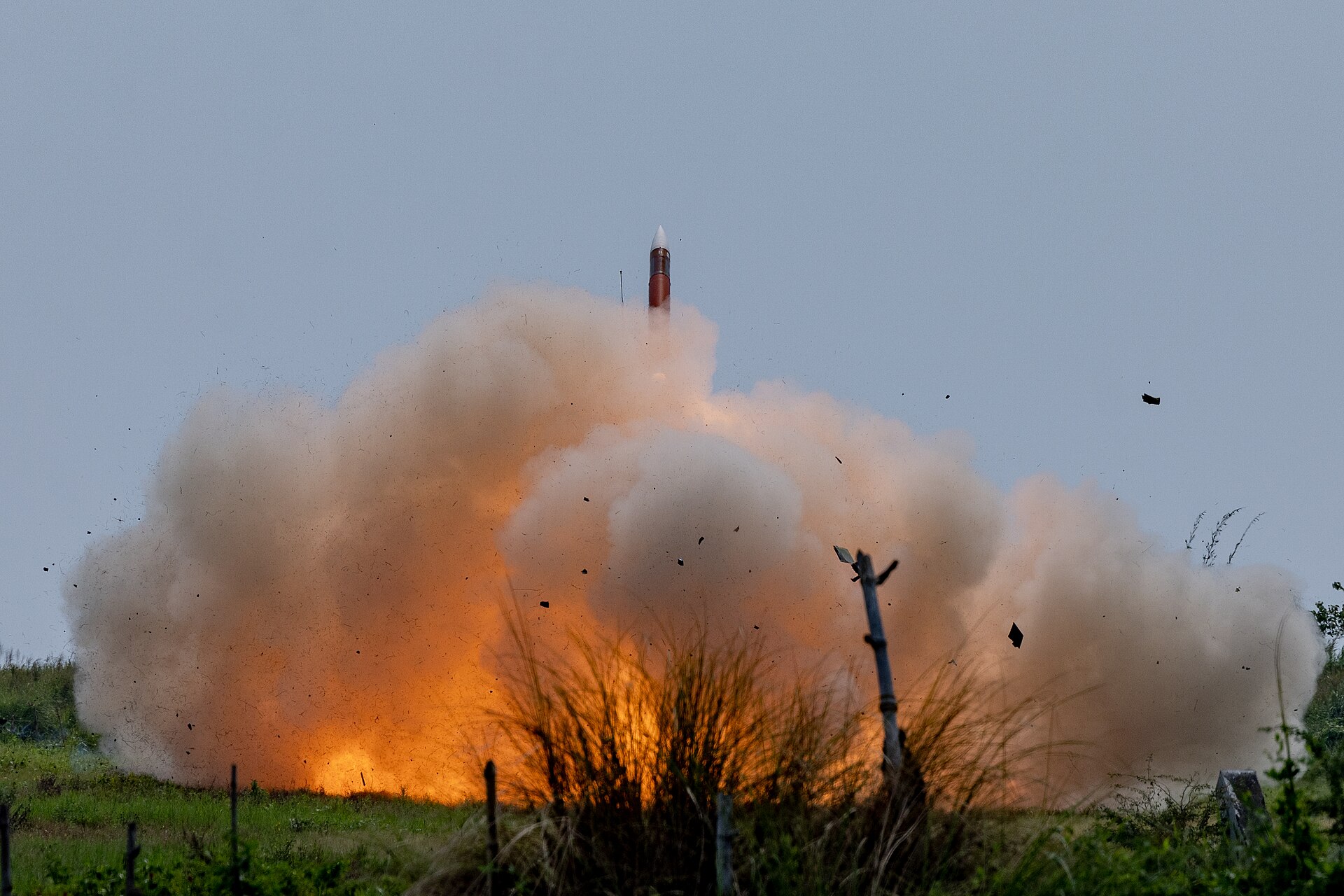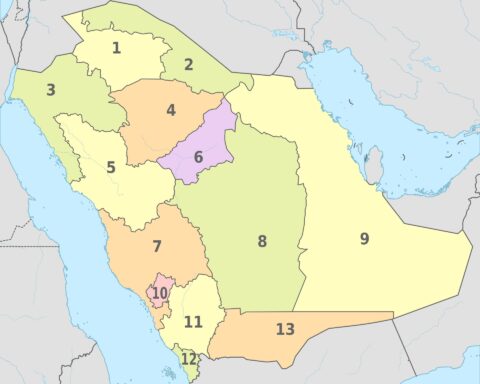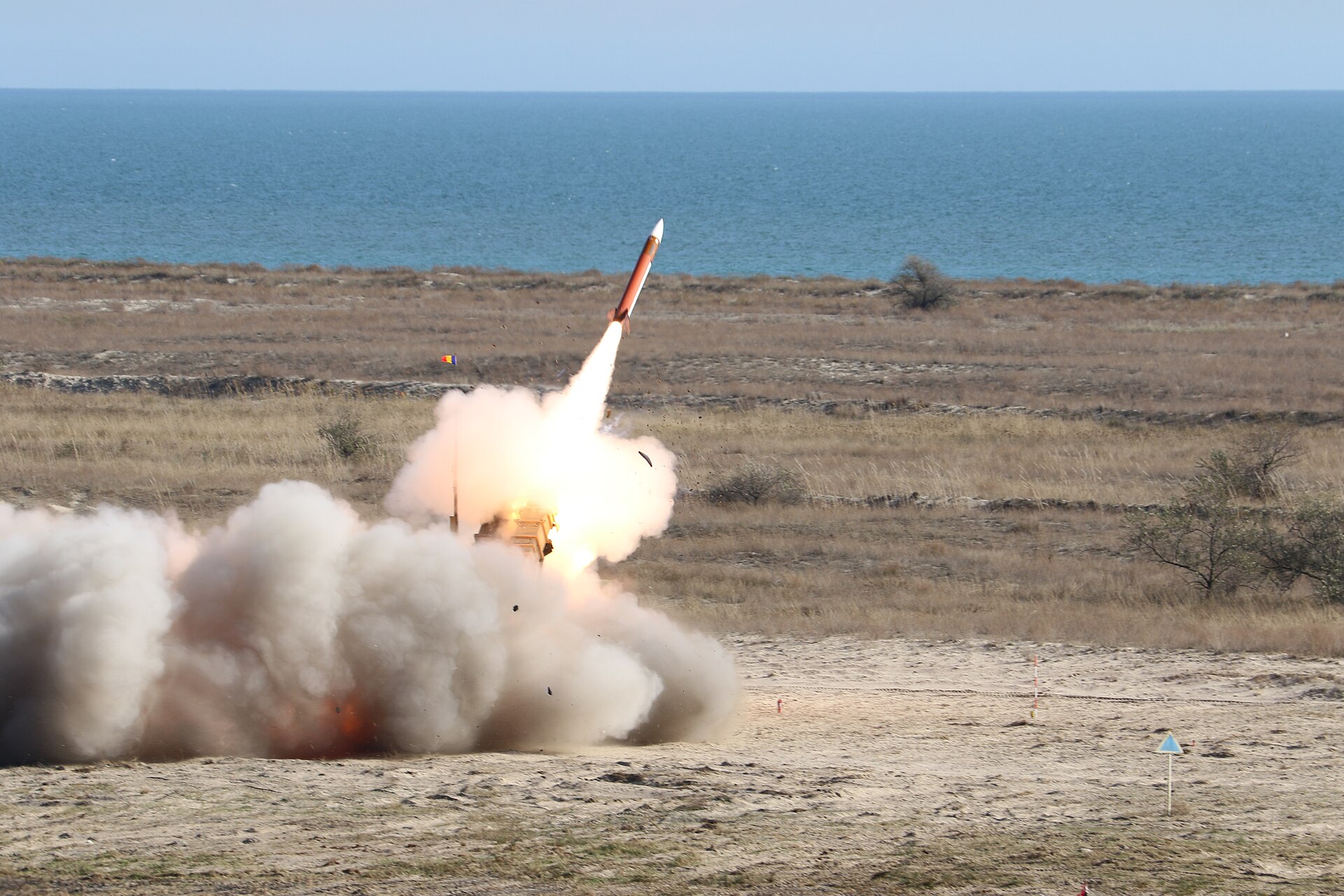

KHAMIS MUSHAIT — The Houthis fired a ballistic missile at Khamis Mushait, home of King Khalid Air Base, on the night of October 23-24, and coalition air defences intercepted it, according to coalition spokesperson Major General Turki Al-Malki. The same salvo sent a second ballistic missile towards Riyadh and two drones towards southern Saudi Arabia, and all of them were brought down, Asharq Al-Awsat reported.
Riyadh draws the cameras, but the mountain city in Asir province is the target that bears on the war itself. King Khalid Air Base sits less than 150 km from the Yemeni border and houses the F-15 squadrons and armed drones flying the coalition’s offensive against the Houthis, so a missile fired at Khamis Mushait is a missile fired in the direction of the air campaign’s working parts rather than at a capital’s nerves.
Coalition statements and media reports have recorded ballistic missiles headed for the city on four nights in October alone — October 1, 8, 12 and 24 — following a September in which Houthi military spokesman Yahya Saree read out the base’s hangars, radars, runways and ammunition depots as targets. The open question is whether Saudi Arabia can keep flying from its most important southern airfield at the tempo the border war demands.
The House of Saud Daily Briefing
Saudi Arabia's news in 3 minutes, every morning. Free. See today's issue
Table of Contents
- What Happened Over Khamis Mushait on October 24?
- Why Does King Khalid Air Base Matter to the Yemen War?
- How Often Have the Houthis Targeted Khamis Mushait in October?
- The Houthis Have Named the Base’s Hangars, Radars and Runways
- What Would Dispersal or a Stand-Down Mean for the Border War?
- Are Coalition Partner Aircraft at Risk at Saudi Bases?
- Two Targets in One Night Stretch a Thin Interceptor Supply
- Saudi Arabia Has Few Ways to Stop the Launches at Source
- Frequently Asked Questions
What Happened Over Khamis Mushait on October 24?
Coalition air defences intercepted one Houthi ballistic missile aimed at Khamis Mushait and one aimed at Riyadh overnight on October 23-24, plus two drones directed at southern Saudi Arabia. Major General Turki Al-Malki, the coalition spokesperson, announced the interceptions, and Asharq Al-Awsat published his statement on October 24.
Al-Malki used the same statement to go on the offensive in the information war. He denied Houthi claims that Saudi Arabia had threatened tribal and civilian gatherings in Yemen, a charge the Houthis have pushed as justification for widening their strikes, and one the coalition plainly regards as dangerous enough to rebut in the middle of an air-defence bulletin.
The diplomatic backdrop was crowded. On October 23, the foreign ministers of Saudi Arabia, Turkey, Egypt and Pakistan met in Istanbul and jointly condemned the Houthi strikes on the kingdom, according to Asharq Al-Awsat, and the missiles came the same night. Whatever the four governments intended as a signal of collective resolve, the Houthi response was to launch at two Saudi cities at once.
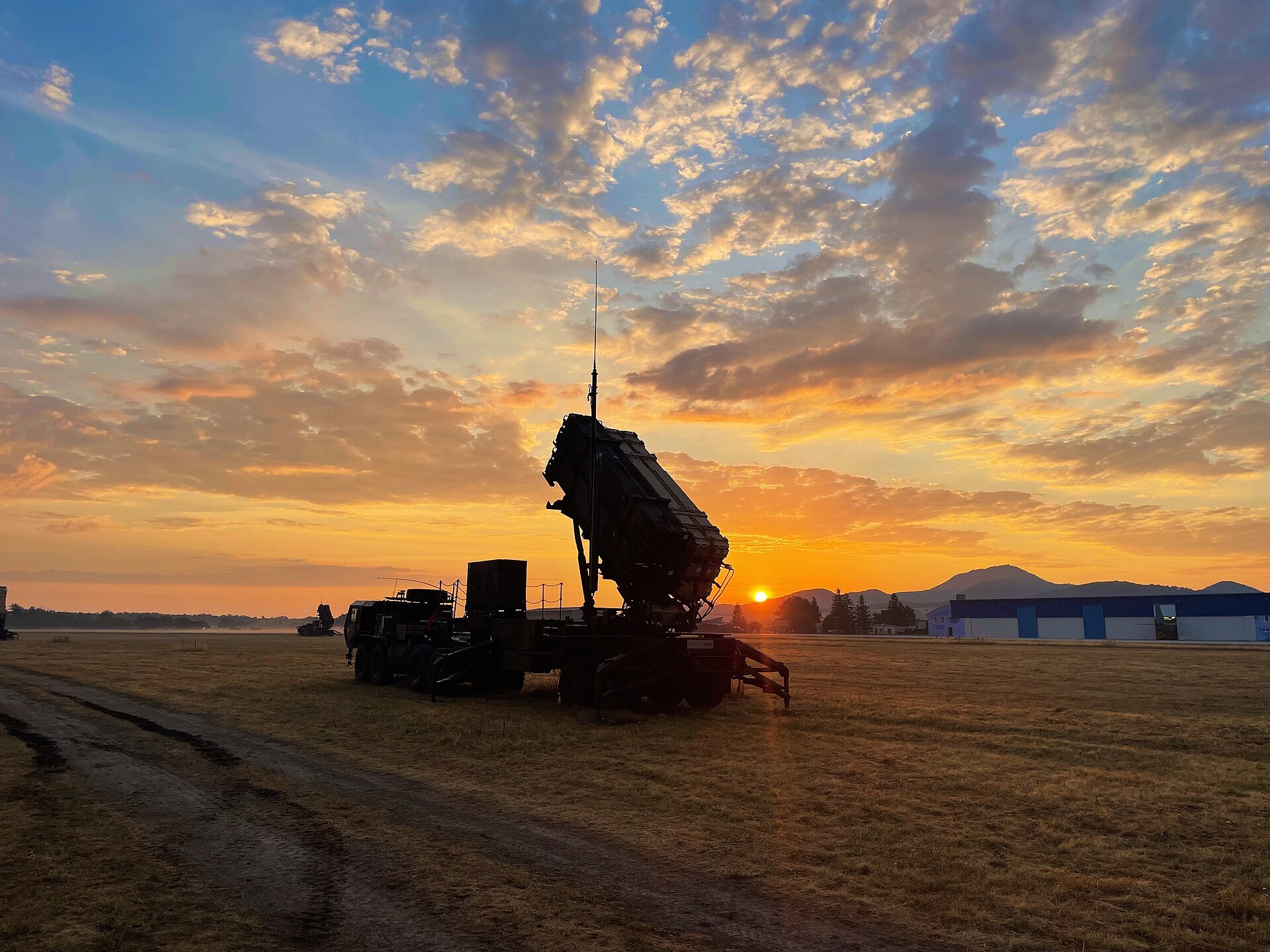
The Riyadh leg of the salvo has already drawn attention to the kingdom’s shrinking supply of interceptors, examined in our report on Saudi Arabia’s latest Riyadh interception. It also landed in a capital still absorbing the fallout from the previous day, when, as covered in the postponement of the EU-GCC summit and FII, a barrage of Houthi missiles forced the cancellation of the two events the kingdom had built its autumn calendar around.
The Khamis Mushait leg got a fraction of the coverage. That imbalance is understandable, because Riyadh is where the diplomats, the investors and the foreign press live, but it misreads where the military pressure is being applied. A missile at Riyadh threatens confidence in the kingdom, while a missile at Khamis Mushait threatens the airfield closest to the front.
For Saudi Arabia, the night ended as a defensive success that changes little on the ground. Every missile and drone in the salvo was intercepted, according to the coalition, yet the launch itself showed that weeks of coalition strikes inside Yemen have not stopped the Houthis from reaching both the capital and the southern air hub in a single night.
Why Does King Khalid Air Base Matter to the Yemen War?
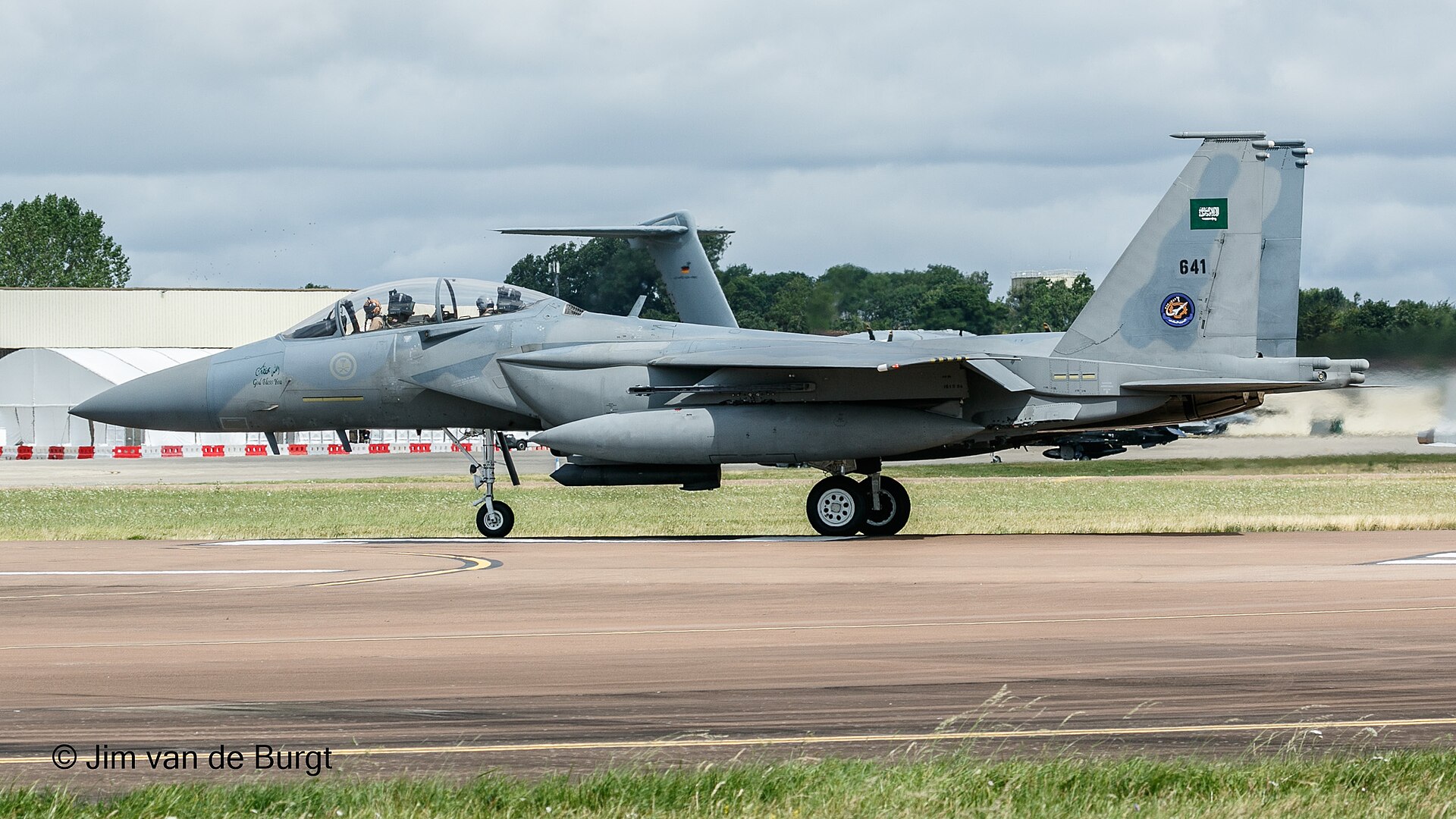
King Khalid Air Base is the closest major Saudi air base to Yemen, sitting less than 150 km from the border. It is home to Royal Saudi Air Force Wing 5, whose F-15S and F-15SA fighters, AS532M Cougar helicopters and CASC Rainbow CH-4B armed drones give the coalition its shortest route into northern Yemen.
The base sits at 2,050 metres above sea level on the Asir plateau, with a 12,400ft runway long enough to handle the heaviest fast jets in the Saudi inventory. Its tenants span almost every type of air power the coalition is using in Yemen, from strike fighters to rotary-wing aircraft to unmanned systems, which makes it less a single-mission airfield than a hub for the southern air war.
| Unit (RSAF Wing 5) | Aircraft | Type of capability |
|---|---|---|
| No. 6 Squadron | F-15S and F-15SA | Strike fighter |
| No. 55 Squadron | F-15SA | Strike fighter |
| No. 66 Squadron | AS532M Cougar | Helicopter |
| No. 99 Squadron | AS532M Cougar | Helicopter |
| No. 14 Squadron (detachment) | Bell 412EP / AB212 | Helicopter |
| No. 202 Squadron | CASC Rainbow CH-4B | Armed drone |
| No. 203 Squadron | CASC Rainbow CH-4B | Armed drone |
These are not reserve units sitting out the conflict. No. 55 Squadron is listed among the participants in the 2026 Yemen offensives, which puts aircraft based at Khamis Mushait directly into the campaign the Houthis are trying to stop. When the coalition launched Operation Dawn of Yemen on October 5, roughly 100 Saudi aircraft took part, according to the Oman Observer.
There is no public breakdown of how many of those aircraft, or how many of the sorties since, have flown from Khamis Mushait rather than from other Saudi bases. That gap matters for any honest assessment, because it means nobody outside the Saudi air staff can say what share of the campaign would be lost if the base were forced to slow down. What can be said is that no other major Saudi air base sits closer to the targets.
The base also carries an unresolved question from September. After a Houthi-claimed attack that month, Reuters published satellite imagery that appeared to show damage at King Khalid Air Base, while the coalition stated that there had been no damage. The two accounts have not been reconciled, and the honest position is that it is not publicly established whether the base was physically hit.
How Often Have the Houthis Targeted Khamis Mushait in October?
Coalition statements and media reports record ballistic missiles fired at Khamis Mushait on at least four nights in October 2026, on October 1, 8, 12 and 24, alongside drone attacks on the city. Arab News counted at least 14 ballistic missiles and more than 60 armed drones fired at Saudi Arabia in October before the latest salvo.
The pattern goes back further than this month. On September 8, Houthi strikes wounded 73 civilians across Khamis Mushait, Abha, Jizan and Najran, in what Al Jazeera described as the heaviest single day of Houthi attacks in the current escalation. Khaleej Times reported on September 14 that a further 13 civilians had been wounded in Khamis Mushait, Abha and Taif.
| Date (2026) | Reported attack involving Khamis Mushait | Source |
|---|---|---|
| Sept 8 | 73 civilians wounded across Khamis Mushait, Abha, Jizan and Najran | Al Jazeera |
| Reported Sept 14 | 13 civilians wounded in Khamis Mushait, Abha and Taif | Khaleej Times |
| September | Houthis claim large-scale attack on King Khalid Air Base | TRT World |
| Oct 1 | 2 ballistic missiles intercepted over Khamis Mushait and Jazan; 4 drones over Khamis Mushait | Wikipedia, 2026 Yemen offensives |
| Oct 8 | 3 ballistic missiles intercepted, 2 towards Riyadh and 1 towards Khamis Mushait | Asharq Al-Awsat |
| Oct 12 | 2 ballistic missiles aimed at Khamis Mushait intercepted | Middle East Eye |
| Oct 23-24 | 1 ballistic missile towards Khamis Mushait, 1 towards Riyadh, 2 drones towards the south | Asharq Al-Awsat |
Set those reports against the Arab News count and the weight placed on one provincial city becomes clear. Of the at-least-14 ballistic missiles counted up to October 23, at least three were reported as aimed specifically at Khamis Mushait, on October 8 and October 12, and two more were intercepted over Khamis Mushait and Jazan on October 1 without a public split between the two. That puts the city’s share of October’s ballistic missile fire at somewhere between roughly a fifth and a third, for a place most international readers could not find on a map.
The civilian toll in Khamis Mushait shows the price of living next to a military target. The September casualty reports do not separate those wounded in Khamis Mushait from those in Abha, Jizan, Najran or Taif, but the city appears in both of the worst September tallies. For residents, the Houthi argument that the base is a legitimate target offers no protection when the missiles are aimed at the city that surrounds it.
The October 24 salvo also repeats a specific shape. On October 8, the Houthis paired two missiles at Riyadh with one at Khamis Mushait, and on October 24 they paired one at each. Hitting the capital and the southern air hub in the same night forces Saudi air defences to cover two widely separated targets at once, a theme picked up below in the section on interceptor stocks.
The Houthis Have Named the Base’s Hangars, Radars and Runways
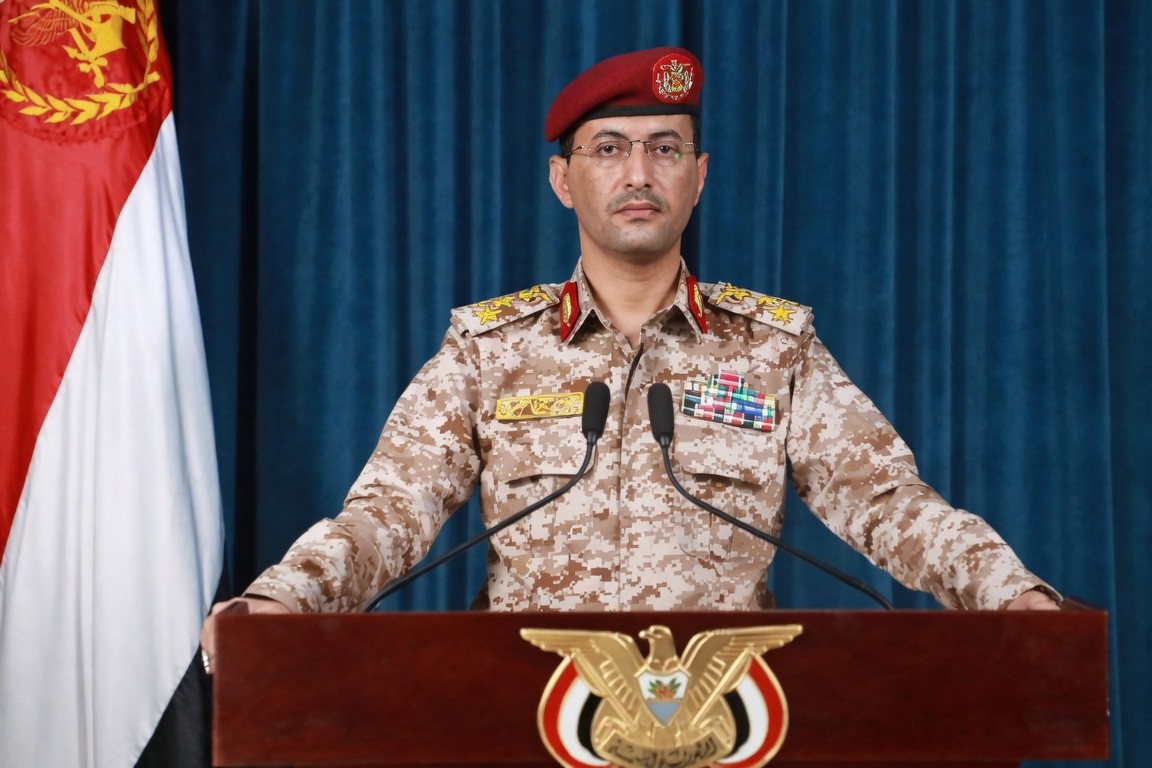
The Houthis have not left much room for interpretation about why they fire at Khamis Mushait. Announcing what he called a large-scale attack on King Khalid Air Base in September, Yahya Saree said the targets were “aircraft hangars, radar systems, runways, and ammunition depots,” according to TRT World’s timeline of the conflict. He named Saudi F-15s and “Typhoon” jets as operating from Khamis Mushait, claimed Saudi aircraft had carried out more than 300 strikes across Yemen in five days, and vowed that attacks would continue for as long as Saudi operations did.
Saree said the September attack targeted “aircraft hangars, radar systems, runways, and ammunition depots” at King Khalid Air Base.
Yahya Saree, Houthi military spokesman, as reported by TRT World
That list reads like a manual for suppressing an air base rather than terrorising a population. Hangars protect aircraft, radars give warning and control, runways are the one thing a jet cannot do without, and ammunition depots decide how many times each aircraft can be rearmed. Each item corresponds to a link in the chain that turns a parked F-15 into a sortie over Yemen.
The shift to military targets became visible around September 12, when the Houthis struck the Saudi base at Sharurah in Najran province. Saree described the targets there as “weapons depots and command and control centres that are managing the aggression against our nation and people,” and threatened “larger and more intense operations deeper inside Saudi territory,” Shafaq News reported.
Riyadh strikes serve a different purpose. They close airports, as the coalition’s interceptions and the airport’s reopening in our report on Riyadh airport and the five drones showed, and they empty conference halls and scare off investors. Those are economic and political costs, and they land on the kingdom’s Vision 2030 image rather than on its pilots.
Firing at Khamis Mushait aims at something more practical. Saree’s 300-strikes-in-five-days claim, whatever its accuracy, shows the Houthis framing the air campaign as the thing they must slow down, and the target list shows how they intend to do it. Running both tracks in the same night, as on October 8 and October 24, lets the Houthis press the kingdom’s reputation and its war machine with a single launch window.
What Would Dispersal or a Stand-Down Mean for the Border War?
No public evidence shows King Khalid Air Base has stood down or dispersed its aircraft. Forcing either would push Saudi jets to operate from bases farther from Yemen, lengthening each sortie and thinning the air support available along the border, which is the effect the Houthi target list appears built to achieve.
The coalition’s tempo in early October shows what is at stake. After Operation Dawn of Yemen opened, the coalition hit 82 targets on October 7 and reported destroying 136 targets on October 9, according to the record compiled in the 2026 Yemen offensives entry. That rate depends on aircraft getting airborne, rearmed and turned around quickly, and the closer the airfield sits to the targets, the more often each aircraft can go back.
A missile does not have to hit a runway to impose a cost if crews and ground staff must take cover every time an alert sounds. Repeated warnings at an air base interrupt refuelling, rearming and maintenance, and four nights of ballistic missile fire at the city in a single month gives the Houthis a regular claim on the base’s working hours. Whether that is happening at King Khalid Air Base is not something Saudi Arabia has disclosed, and it should not be assumed.
Dispersal, meaning spreading aircraft to other airfields to reduce the damage a single strike could do, would trade protection for distance. Every kilometre added to a sortie is a kilometre of fuel not spent over the target, and fighters flying from bases deeper inside the kingdom would spend less time overhead the border areas where Saudi and allied ground forces are engaged.
The border war is already costly in the air. A Saudi AH-6I helicopter went down near Najran on October 17-18, killing its two crew, and the accounts again split, with the Houthis claiming they shot it down and the coalition attributing the crash to a technical malfunction. Rotary-wing aircraft such as the Cougars and the No. 14 Squadron detachment at Khamis Mushait fly closer and lower than fast jets, and losing a nearby base would push them farther from the ground forces they support.
The armed drones of Nos. 202 and 203 Squadrons face a similar trade-off. Short transit from Khamis Mushait means more time on station over northern Yemen, and anything that drives those aircraft deeper into Saudi Arabia shortens the watch they can keep on Houthi launch areas, which are the very launchers firing at the base.
Are Coalition Partner Aircraft at Risk at Saudi Bases?
Partner aircraft have already been hit. An Italian Air Force F-2000 Typhoon, one of four Italy deployed to Saudi Arabia in March 2026, was struck in a Houthi attack on King Fahd Air Base at Taif on September 18, The Aviationist reported, making foreign jets at Saudi airfields a demonstrated Houthi target.
That incident changes how every other deployment should be read. The United Kingdom announced on October 20 that RAF Typhoon FGR4s would fly defensive counter-air missions over Saudi Arabia, alongside an A400M transport and military advisers, without disclosing the number of jets or the base they would use. UK Defence Secretary Wes Streeting said the deployment’s purpose was to protect Saudi airspace from the same weapons now being fired at Khamis Mushait.
“RAF Typhoons will fly defensive air missions to help protect Saudi airspace from drones and missiles.”
Wes Streeting, UK Defence Secretary, October 20, 2026
There is no public evidence that RAF Typhoons are at King Khalid Air Base, and the base has not been disclosed. But Saree’s September statement named “Typhoon” jets as operating from Khamis Mushait, which means the Houthis have already folded the type into their public targeting narrative for the city. The questions raised in Britain over the Commons’ role in sending RAF Typhoons to Saudi Arabia look sharper once Taif has shown what a Houthi strike can do to a European jet on a Saudi flight line.
| Partner | Reported contribution | Location | Source |
|---|---|---|---|
| Italy | 4 F-2000 Typhoons; 1 hit Sept 18 | King Fahd Air Base, Taif | The Aviationist |
| United Kingdom | Typhoon FGR4s (number undisclosed), A400M, advisers | Not disclosed | The Aviationist / UK MoD |
| France | Troops, radars and air defences | Yanbu | Al Jazeera |
| Pakistan | ~8,000 troops | Not specified | Reuters |
| United States | 100+ military advisers, targeting tools, geospatial intelligence | Not specified | CNN, via Wikipedia |
The other partners are positioned away from the Asir front, as far as public reporting shows. France confirmed troops, radars and air defences for Yanbu on the Red Sea coast, not for the Khamis Mushait region, and no French combat aircraft have been confirmed near the city. Pakistan’s contribution, set out in our report on Pakistan’s 8,000 troops sent without a parliamentary vote, has no publicly confirmed location.
The American footprint is the most sensitive. More than 100 US military advisers are in Saudi Arabia providing targeting tools and geospatial intelligence, CNN reported. Their locations are not public, but a Houthi campaign aimed at command and control centres and air bases is aimed at exactly the kind of facilities where targeting support does its work.
Two Targets in One Night Stretch a Thin Interceptor Supply
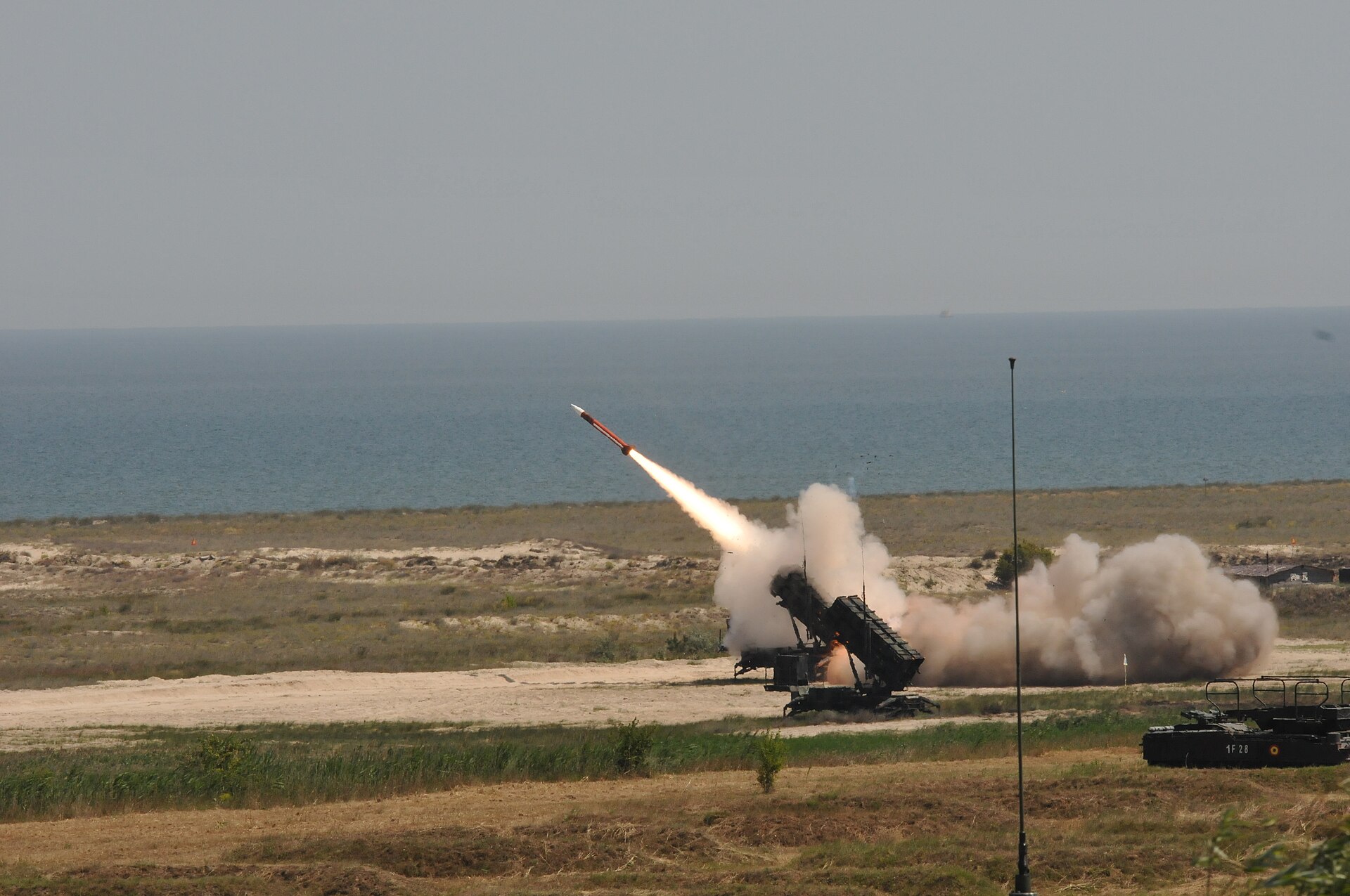
Every interception over Khamis Mushait is a success that costs the kingdom another missile it may struggle to replace. Saudi Arabia was running low on interceptors by mid-September and had asked France, Pakistan, Egypt and the United Kingdom for air-defence support, the Associated Press reported, as cited by Al Jazeera on September 17.
The Houthi habit of firing at Riyadh and Khamis Mushait on the same night turns that shortage into a choice. Air-defence batteries cannot be in two places, and each city needs its own coverage, so a salvo split between the capital and the southern air hub forces Saudi Arabia to keep interceptors committed at both ends of the country rather than massing them where the threat is heaviest on a given night.
The volume is the other half of the problem. October’s count of ballistic missiles and drones, set out above, came in a little over three weeks, and every one of those rounds had to be met by something from a stockpile the kingdom was already struggling to keep full. A defender who intercepts every incoming round can still be losing the exchange if the stockpile shrinks faster than it is refilled.
The Houthis have also shown they can come back to the same target within days. Only four days separated the October 8 and October 12 launches at Khamis Mushait, and each return demands the same expenditure from the batteries protecting the city, with no guarantee that the next resupply arrives before the next salvo.
That is why the air base itself is a logical Houthi target even when the missiles are shot down. Each launch at Khamis Mushait obliges the defenders to fire, and every interceptor spent protecting the southern hub is one fewer available for Riyadh, for the Eastern Province oil infrastructure, or for the next wave. The base does not need to be damaged for the Houthis to bleed its defences.
The help Saudi Arabia requested is arriving unevenly and mostly to other places. France has gone to Yanbu, the RAF’s jets are flying counter-air from an undisclosed base, and Pakistan’s troops have no confirmed posting, which leaves the question of who reinforces the air defences of Asir unanswered in public.
Saudi Arabia Has Few Ways to Stop the Launches at Source
The coalition has tried hitting the missiles before they fly. On October 6, it reported destroying 20 ballistic missiles in a weapons depot in Saada, and yet ballistic missiles were fired at Khamis Mushait on October 8, October 12 and October 24. Destroying stockpiles has not stopped the launches, at least not yet.
Analysts have warned that the same applies to targeting the people running the programme. Critical Threats, the Institute for the Study of War’s partner project, wrote on September 28 that decapitation strikes on Houthi missile and drone commanders “usually give only a temporary advantage, because the Houthis run a de facto state with command networks that can replace commanders.” A movement that can replace its launch officers can keep sending missiles at Khamis Mushait regardless of who is killed.
The option Saudi Arabia most wanted is off the table. Donald Trump rejected Saudi requests for US strikes on the Houthis, leaving the kingdom to fight the missile war with its own aircraft and borrowed air defences. Washington’s attention is fixed on Tehran instead, as shown by US and Israeli planning for strikes on Iran after November 3, which would do nothing directly to stop launches from northern Yemen.
Allied help so far is built around defence rather than reducing the launch rate. The UK has framed its Typhoon mission as defensive counter-air, which protects Saudi airspace but leaves the launchers in Yemen untouched, while France’s radars and air defences at Yanbu guard the Red Sea coast rather than the southern front.
The Houthis have also set out their price. Zaid Al-Gharsi, the head of Houthi media, said that “ending Houthi operations against Saudi Arabia depends on ending the war and lifting the blockade on Yemen,” Shafaq News reported on September 12. That is a demand for Saudi Arabia to halt the very air campaign King Khalid Air Base exists to support, which is why the base keeps appearing in Houthi target lists.
The likeliest near-term outcome is more of the same. The Houthis have fired at Khamis Mushait on a roughly weekly rhythm through October, Saree has promised continued attacks while Saudi operations continue, and the Istanbul condemnation by four governments did not stop the October 24 launch. The test for Saudi Arabia over the coming weeks is whether it can keep its southern hub flying at full tempo while spending interceptors it cannot easily replace.
Frequently Asked Questions
Is King Khalid Air Base the same as King Khalid International Airport?
No. King Khalid Air Base, ICAO code OEKM, is a military airfield at Khamis Mushait in the south, while King Khalid International Airport is Riyadh’s civilian airport. The October toll of 22 killed and more than 383 injured in Houthi attacks on civilian airports refers to Riyadh’s international airport, Abha and Dammam, not the air base.
Has King Khalid Air Base hosted foreign combat aircraft before?
Yes. During the 1991 Gulf War, US Air Force F-117 stealth fighters and RAF Tornado GR1s operated from King Khalid Air Base. That history makes the current question of foreign jets at Saudi bases a familiar one for the airfield, though no foreign aircraft are publicly confirmed there today.
Which Houthi missiles can reach Khamis Mushait?
All categories in the Houthi arsenal can. The Qaher-1 has an operational range of about 250 km, comfortably enough to reach the base from Yemeni territory, while the Burkan-3 and Zulfiqar have claimed ranges of up to 1,200 km, according to the Wilson Center, putting the entire southern region well within reach.
Do the Houthis exempt any part of Saudi Arabia from attack?
They have announced one carve-out. The Houthis told airlines to avoid Saudi airspace while exempting flights to Mecca and Medina, a distinction that allows the movement to present its campaign as aimed at the state rather than at Islam’s holiest cities.
When did the current round of Houthi attacks on Saudi Arabia begin?
The UN-brokered truce that had held since 2022 ended on July 13, 2026, after a Saudi and Presidential Leadership Council strike on Sanaa International Airport. Houthi missile and drone fire into the kingdom escalated in the months that followed, reaching military targets such as Sharurah and Khamis Mushait by September.
The House of Saud Daily Briefing
Saudi Arabia's news in 3 minutes, every morning. Free. See today's issue