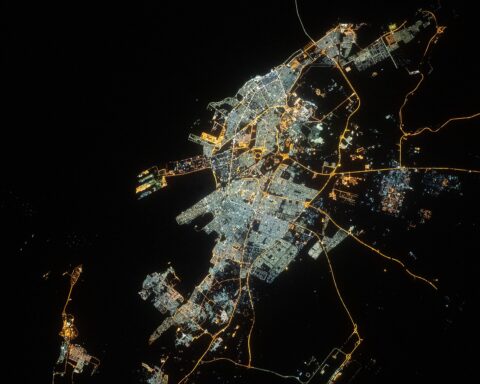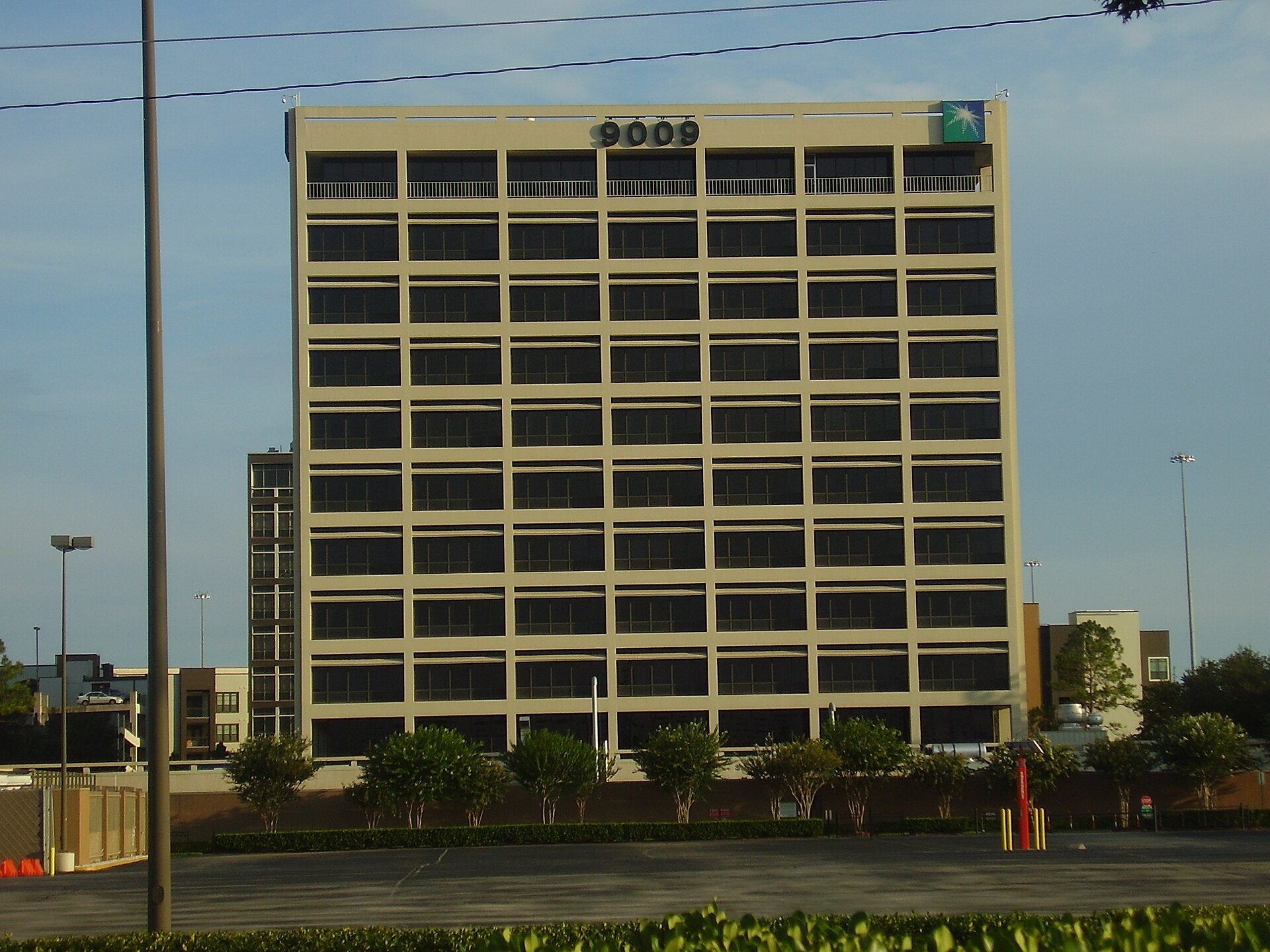
DHAHRAN — Fire from the October 13 Houthi ballistic missile attack on Saudi Aramco’s Dhahran headquarters burned across five consecutive floors of the building’s south wing, with the top three floors severely damaged and part of the ceiling caved in, according to three people with direct knowledge cited by Reuters. The Saudi Energy Ministry described the same event as “a limited fire in an administrative building.”
Those five floors are not ordinary office space. Reuters reported that the building houses an operations centre that monitors every onshore and offshore oil rig, refinery, export terminal, and thousands of kilometres of pipeline across Saudi Arabia. Bloomberg, citing separately sourced “people familiar with the matter,” confirmed damage to approximately three floors and identified the tower as housing Aramco’s “operations management office” and “some of Aramco’s main functions.” Nine days after the fire, on October 22, Aramco ordered all headquarters staff to evacuate and work from home “until further notice,” Reuters reported, citing six sources — the first such order since the war began.
The House of Saud Daily Briefing
Saudi Arabia's news in 3 minutes, every morning. Free. See today's issue
Table of Contents
What Three Wire Services Reported
Reuters, Bloomberg, and the Associated Press all filed on the damage to Aramco’s Dhahran headquarters within 24 hours of the October 13 attack, each citing independent source pools. The combined picture they drew was substantially different from the Saudi government’s official account.
Reuters cited three people with direct knowledge who said the building suffered “extensive damage,” with fire spreading across floors 6 through 10 of the south wing. The top three floors were severely damaged, with part of the ceiling caved in and windows and doors blown out, Reuters reported. Those floors house CEO Amin Nasser’s office. A fourth Reuters source said the fire was still burning into the early hours of Wednesday, October 14.
Bloomberg, citing separately sourced “people familiar with the matter,” reported damage to approximately three floors of a tower block. The wire service identified the building as housing Aramco’s “operations management office” and “some of Aramco’s main functions,” and reported that the fire had been extinguished. Anonymous regional officials told the Associated Press, via PBS NewsHour, that the top three floors were damaged in the attack.
The question of what struck the building remains unresolved. The Saudi-led coalition stated that “shrapnel from an interception fell in part of a residential area in Dhahran,” according to Bloomberg, leaving open whether the headquarters tower was hit directly by a missile or by falling debris. OSINT analyst MenchOsint, analysing Sentinel-2 satellite imagery from October 13 and 15, concluded that at least one building appeared “partially destroyed by a direct hit rather than shrapnel.” Aramco did not respond to Reuters’ request for comment following the attack.

What Does the Building Actually Contain?
The tower that burned is the operational core of the world’s largest oil company. Reuters reported that the operations centre inside the building helps Aramco oversee onshore and offshore oil rigs, refineries, export terminals, and thousands of kilometres of pipeline.
The wider Dhahran campus holds more than the corporate tower. According to Aramco’s own sustainability page, the headquarters houses a Fourth Industrial Revolution Center — its 4IR Center — that monitors flaring operations in real time, part of the company’s emissions tracking programme. The EXPEC Advanced Research Center, also on the Dhahran campus, houses more than 250 scientists across six upstream technology teams, according to published accounts of the facility. The top floors of the south wing, where Reuters sources said the damage was severest, contained CEO Amin Nasser’s office.
An operations centre that provides live oversight of rigs, terminals, and pipelines across an entire country depends on infrastructure — servers, redundant communications links, dedicated monitoring systems — that is not easily relocated. When Bloomberg reported that the tower houses “some of Aramco’s main functions,” the careful phrasing understated the dependency: this is the building from which Saudi Arabia’s oil output is coordinated and tracked in real time.
What Did Saudi Arabia Say?
The Saudi Energy Ministry, in a statement carried by the Saudi Press Agency on October 14, described the incident as “a limited fire in an administrative building” and stated there were no injuries or deaths. Al Jazeera quoted the ministry as saying: “Authorities responded to the incident in an administrative building at the headquarters complex late on Tuesday and took necessary measures.”
The phrase “administrative building” did not name the structure as the corporate headquarters tower, and the description “limited fire” sits against Reuters’ account of fire spreading across five floors with the ceiling caving in on the top three. Three wire services, citing independent source pools, all reported damage significantly beyond what the ministry described. Aramco itself issued no statement acknowledging the damage and did not respond to Reuters’ request for comment.
The Saudi-led coalition’s separate statement — that “shrapnel from an interception fell in part of a residential area in Dhahran” — addressed the residential compound but did not specifically describe damage to the corporate tower. Whether the coalition’s account was intended to explain the tower damage or only the residential area remains unclear from the published reporting.
The Evacuation 9 Days Later
On October 22, nine days after the fire, Reuters reported that Aramco had ordered all headquarters staff to evacuate and work from home “until further notice,” citing six sources. It was the first such order since the war with the Houthis began. Essential staff who were already inside the compound were also told to leave, though Reuters reported that the residential areas of the compound were not evacuated.
The timeline raises its own questions. If the building suffered only a “limited fire,” as the Energy Ministry stated, a nine-day gap before evacuating the entire headquarters is difficult to explain. Reuters’ earlier reporting, from October 14, had noted that some staff were already working from home and that some functions had been moved to “global offices” even before the formal evacuation order. The October 22 directive turned an informal workaround into official policy — one with no announced end date. The full evacuation story, including what is known about the operational transition, was reported earlier today.
The Houthi military spokesperson Yahya Saree had issued an explicit warning before the October 13 attack, telling employees and civilians near Saudi oil facilities to evacuate and calling such sites “a legitimate target,” according to Al Jazeera. Saree also promised a “firm and painful” response in Riyadh if Sanaa was attacked. Whether the October 22 evacuation order was driven by structural damage from the October 13 strike, by the ongoing threat of further attacks, or by both, Aramco has not said.
What Moves When the Headquarters Cannot Function?
Reuters’ fourth source, speaking after the October 13 attack, said some functions had already been moved to “global offices.” Aramco maintains offices in Houston, The Hague, Beijing, and other cities, but published reporting has not specified which functions were relocated or whether the operations centre’s monitoring role was among them. The company’s CEO, Amin Nasser, had told the Energy Intelligence Forum in London in early October — before the attack — that “our system is intact” and that Aramco could make its maximum sustainable capacity of 12 million barrels per day available, as reported by The National News.
That claim now faces a practical test. Saudi Arabia’s oil exports were already under severe pressure before the headquarters was damaged: Brent crude topped $116 on October 23, a six-month high according to CNBC, up from $102.94 on October 9. Saudi Arabia’s 2026 budget deficit had already been revised upward to SAR 245 billion from a budgeted SAR 165 billion, according to Zawya and Reuters, driven in large part by falling oil export volumes. The East-West pipeline was restarted on September 22, but Reuters and Baird Maritime reported that reaching full capacity could take six weeks or more.
In 2019, when drone and missile attacks struck Aramco’s Abqaiq processing plant and the Khurais oil field, roughly 50 percent of Saudi crude production was knocked out, according to The National News. Aramco’s Dhahran headquarters compound was not among the 2019 targets. The difference in 2026 is that the headquarters itself — the building from which the response to any disruption would ordinarily be coordinated — is the facility that has been damaged and evacuated.
The Compound That Runs Saudi Oil
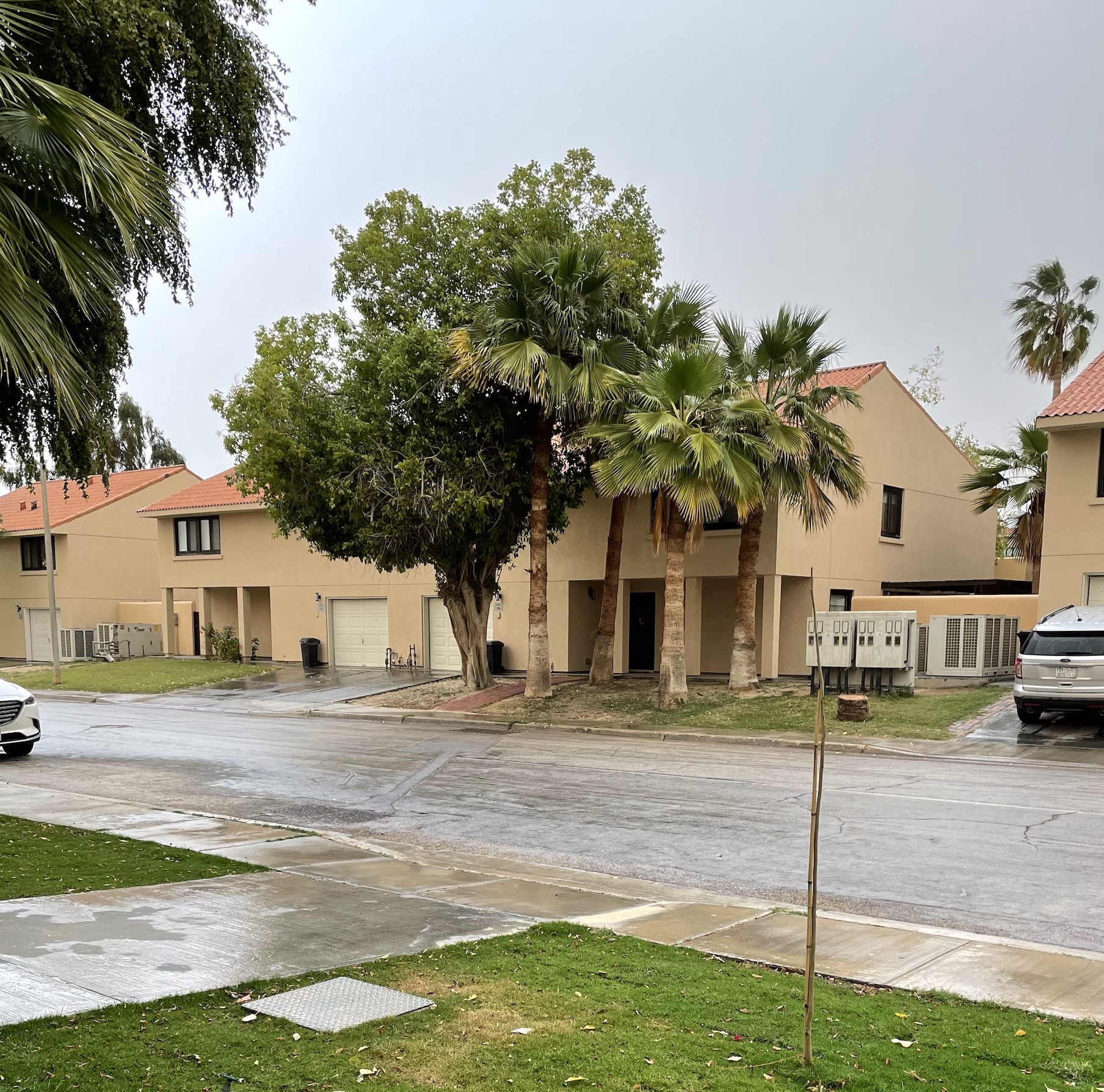
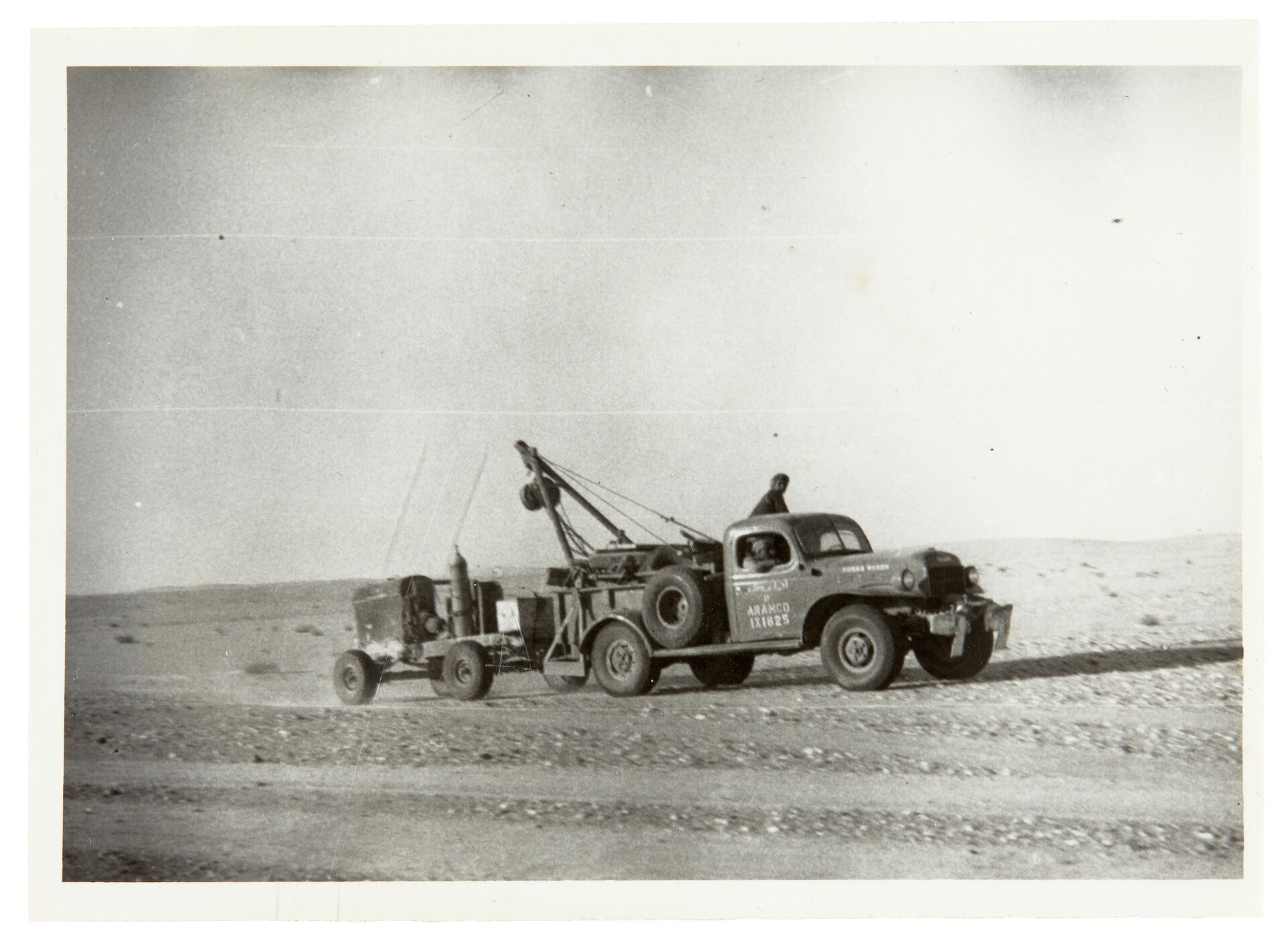
Aramco moved its headquarters from New York to Dhahran in 1952, building the compound around the site of the 1938 discovery well known as “Dammam No. 7,” according to The National News. The campus today covers 58 square kilometres and includes approximately 11,000 residents — employees and their families — along with a Tabreed district cooling plant with a 32,000 refrigeration-tonne capacity and 16 kilometres of chilled water piping, and the Ithra cultural centre, The National News reported.
The compound is effectively a self-contained city built to serve the oil company. The corporate tower at its centre was, until October 13, the single location where production data, export logistics, pipeline operations, and refinery output all converged into a unified picture of the kingdom’s oil industry. When Reuters described the operations centre as monitoring “onshore and offshore oil rigs, refineries, export terminals, and thousands of kilometres of pipeline,” it was describing a function that has no public equivalent anywhere else in the Saudi system.
The Houthis’ broader campaign against Saudi infrastructure has struck airports, military facilities, and oil installations across the kingdom. But the Dhahran headquarters attack stands apart because it struck the corporate nerve centre rather than a production asset. Shutting down a refinery reduces output; damaging the building that coordinates the entire network creates a different category of disruption, one that Aramco’s silence has done nothing to clarify.
Frequently Asked Questions
Was anyone killed or injured in the Aramco headquarters fire?
The Saudi Energy Ministry stated on October 14 that there were no injuries or deaths from the fire, according to the Saudi Press Agency. None of the three wire services — Reuters, Bloomberg, or the AP — reported any casualties at the headquarters building. The Houthis had characterised their wider attacks that night as retaliation for what they called “treacherous Saudi aggression” against Sanaa, according to Al Jazeera. In contrast, the Houthi attack on King Fahd Airport on October 22 killed one person and injured eight, according to Saudi Arabia’s General Authority of Civil Aviation.
Is Aramco still producing oil after the headquarters damage?
Reuters reported on October 14 that operations at the complex continued normally after the attack, with some staff asked to work from home and some functions moved to “global offices.” Separately, CEO Amin Nasser told the Saudi Gazette in late September that disruptions last “days, not weeks or months,” according to Zawya. However, since the October 22 evacuation order, no updated operational status has been publicly provided by Aramco, and the company has not explained how the operations centre’s monitoring role is being covered from alternative locations.
How does the Dhahran headquarters attack compare to the 2019 Abqaiq attack?
The 2019 drone and missile attacks on Aramco’s Abqaiq processing plant and the Khurais oil field knocked out approximately 50 percent of Saudi crude production, according to The National News. The Dhahran corporate headquarters was not targeted in 2019 and had not been struck in a Houthi attack prior to October 2026, according to published accounts. The key distinction is that Abqaiq was a production facility — its damage directly reduced barrel output — while Dhahran headquarters houses the coordination and monitoring infrastructure for the entire network, including the operations centre that Reuters described as overseeing all rigs, refineries, terminals, and pipelines.
Has Aramco issued any official statement about the damage?
As of October 23, Aramco has not issued any public statement acknowledging the extent of the damage to its Dhahran headquarters. The company did not respond to Reuters’ request for comment following the October 13 attack. The only official Saudi response came from the Energy Ministry, which described “a limited fire in an administrative building” without naming the structure as Aramco’s corporate headquarters tower, and from the Saudi-led coalition, which referenced “shrapnel from an interception” falling in a residential area, according to Bloomberg. The ministry’s use of “administrative building” rather than identifying the facility by name or function has not been explained.
Were Aramco employees’ families evacuated from the Dhahran compound?
Reuters reported on October 22 that the evacuation order applied to office staff and that the residential areas of the compound — home to approximately 11,000 people, according to The National News — were not evacuated. The earlier reporting on the initial attack noted the proximity of the residential areas to the corporate buildings. Whether conditions in the residential compound have changed since the October 22 reporting is not publicly known, and the Tabreed district cooling plant that serves both the offices and the residential areas — a 32,000 refrigeration-tonne system running 16 kilometres of chilled water piping — has not been publicly confirmed as operational or affected.
The House of Saud Daily Briefing
Saudi Arabia's news in 3 minutes, every morning. Free. See today's issue