DHAHRAN — Houthi military spokesman Yahya Saree claimed on Monday that the group launched drone attacks against crude oil pumping stations along Saudi Arabia’s East-West Pipeline — the 1,200-kilometre overland route that has become the kingdom’s primary export artery since Iran’s partial closure of the Strait of Hormuz. Saudi Arabia has issued no confirmation of damage to any oil infrastructure.
The claim, reported by Reuters, marks the second time in 48 hours that Saree has named the pipeline as a target. On Saturday, he listed pumping stations, the Rabigh refinery, and an Aramco facility at Yanbu among targets of a broader Houthi operation — again without Saudi confirmation of any oil damage. If the pumping stations were struck, Saudi Arabia would face the prospect of losing its only high-volume export route not already throttled by the Hormuz confrontation, at a time when tanker transits through the strait fell in September to roughly 44 percent of prewar levels according to Kpler shipping data.
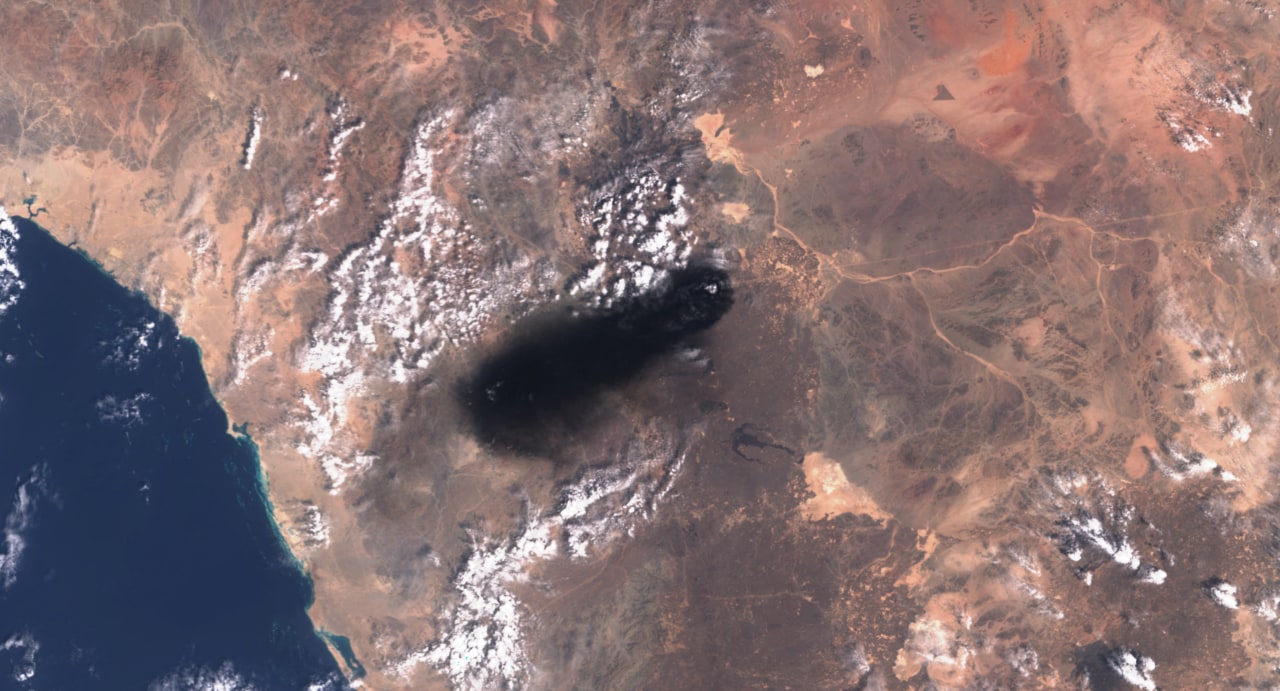
Table of Contents
What Did Saree Claim on October 26?
Saree’s Monday statement, reported by Reuters via Yahoo Finance, claimed drone attacks on crude oil pumping stations along the East-West Pipeline and a ballistic missile strike on King Khalid International Airport in Riyadh. He provided no individual station names or numbers and showed no evidence of damage.
The House of Saud Daily Briefing
Saudi Arabia's news in 3 minutes, every morning. Free. See today's issue
The Saudi-led coalition responded to part of the claim, confirming it intercepted a ballistic missile fired toward Riyadh and destroyed two ballistic missile launchers in Sanaa, according to Reuters. On the pipeline — the claim that matters most for global oil supply — the coalition said nothing.
That pattern of selective confirmation is now established. On Saturday October 24, Saree claimed a broader operation targeting the Rabigh refinery, an Aramco facility in Yanbu, crude oil pumping stations, the East-West Pipeline, and four airports — KKIA, King Fahd International Airport in Dammam, Najran, and Khamis Mushait air base, as reported by ABC Australia. Saudi Arabia confirmed no damage to any oil facility from that wave either.
The coalition has been willing to confirm missile intercepts over the past month and has done so repeatedly. But it has not confirmed or denied damage to any energy infrastructure since the September pipeline shutdown, leaving Aramco’s actual operational status opaque to the market, to insurers, and to the Houthis themselves. What the Houthis are targeting — and what they may be hitting — are the stations that keep the crude moving.
Why Are Pumping Stations Harder to Fix Than Pipelines?
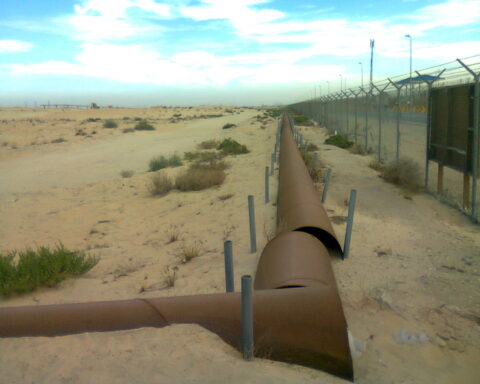
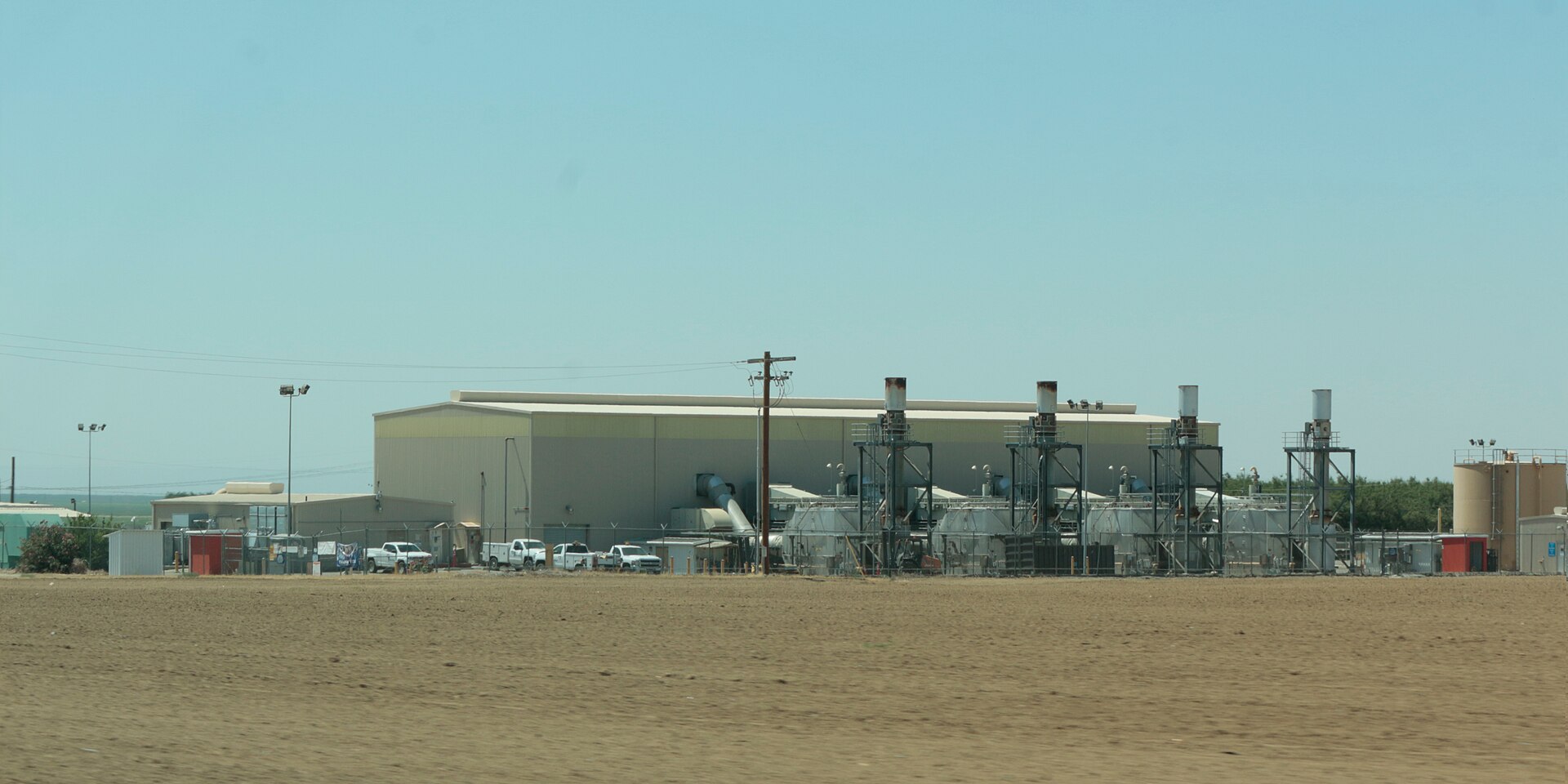
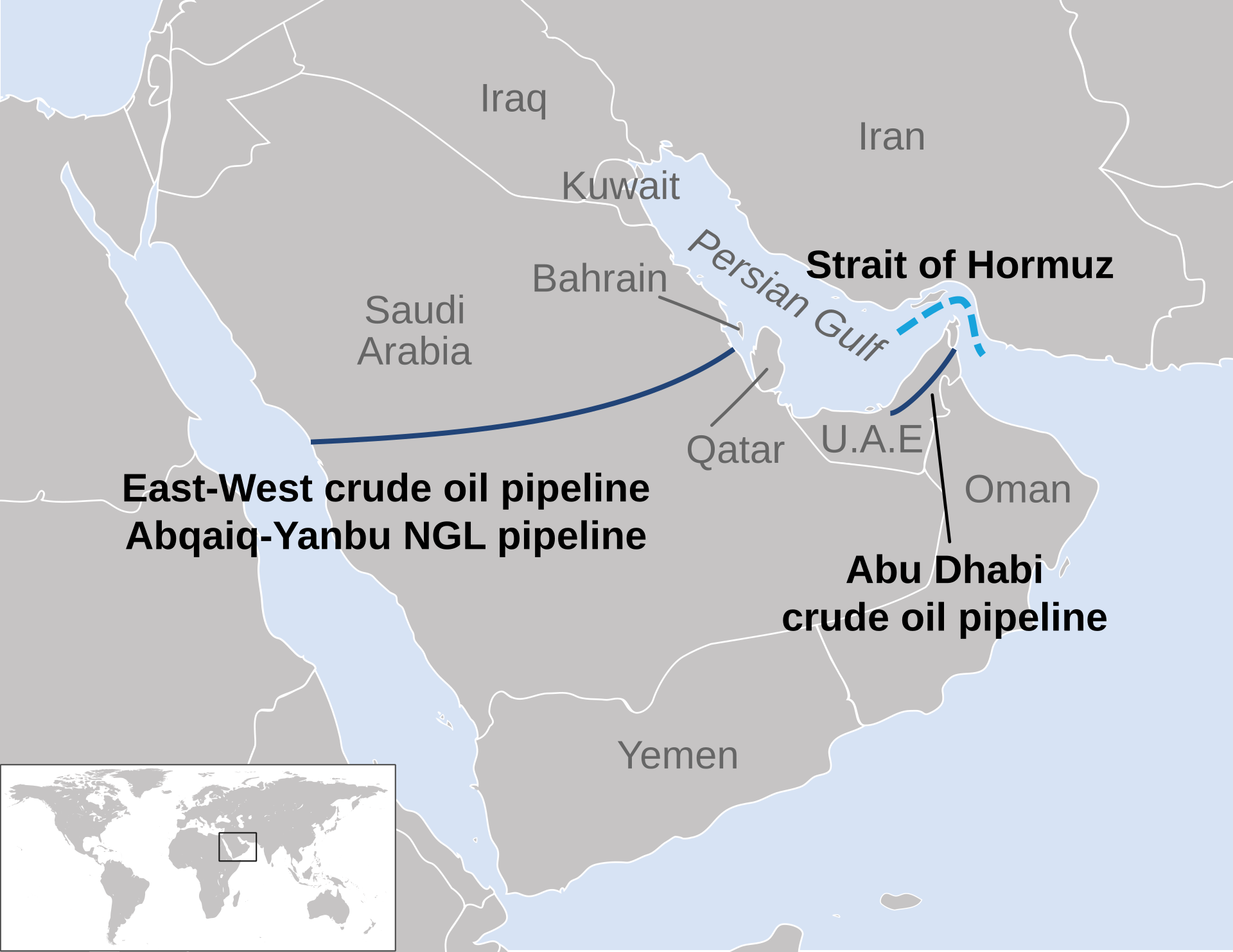
The East-West Pipeline does not move oil by gravity. It pushes crude 1,200 kilometres from Abqaiq in the Eastern Province to Yanbu on the Red Sea through two parallel pipes — one 48-inch, one 56-inch — using a chain of pumping stations that maintain the pressure needed to keep millions of barrels flowing daily. Knock out a station, and the pipeline does not leak — it stalls.
Daniel Byman and Alden Ness of the Center for Strategic and International Studies identified the vulnerability in an October 6 analysis. “Iran and its proxies are likely to launch aerial attacks on pipelines that transport products between facilities,” they wrote, before explaining why the stations themselves are the real concern:
Pipeline pumping stations, located along the length of the line to maintain proper pressure, are also prime targets. Attacks on pumping stations take longer to fix than pipeline bombings because the stations have more complicated equipment that must be replaced and recertified.Daniel Byman and Alden Ness, CSIS, October 6, 2026
The strike-to-damage ratio reinforces the concern. Through August 2026, over 70 percent of Houthi and allied strikes on Saudi critical infrastructure that penetrated air defenses caused damage, according to ACLED data cited in the same CSIS analysis. The pumping stations are fixed targets spread across hundreds of kilometres of desert — they cannot be relocated, and each one is a pressure node whose failure can reduce throughput across the entire system.
Gilbert Metcalf, a visiting professor at MIT Sloan and former deputy assistant secretary for environment and energy at the U.S. Treasury, told Fortune in October that the pipeline is vulnerable to drone and missile attacks, as is much of the Saudi petroleum infrastructure.
The September Precedent
The last confirmed attack on the pipeline’s pumping stations offers a template for what a successful strike costs. On September 10, drones hit pipeline infrastructure in the Riyadh and Medina regions, and Saudi Arabia shut the entire line the next day as a “precautionary measure,” the Ministry of Energy said, according to Saudi Gazette via Zawya.
Reuters, citing three unnamed oil and security sources, identified Pump Stations 8 and 9 as the ones damaged — though Aramco has never confirmed which stations were hit, as reported by the Engineering News-Record on September 17. Satellite analysis by the Payne Institute at the Colorado School of Mines found a pumping station complex at al-Mesabaah, southeast of Medina, that burned for at least 13 hours, with eight distinct thermal clusters and a burn scar of approximately 30 acres, according to ENR and Al Jazeera.
The pipeline restarted on September 22 — eleven days after the shutdown — but full capacity was estimated to take six to eight weeks to restore, Reuters reported via Baird Maritime. On October 6, nearly a month after the attack, Energy Minister Prince Abdulaziz bin Salman told the GCC Forum in Manama that the line had still not returned to its design capacity of 7 million barrels per day, according to Aramco. Saudi crude output had already fallen from roughly 9.5 million barrels per day before the conflict to about 8 million by September, according to IEA data cited by Fortune.
Aramco CEO Amin Nasser said in September that disruptions typically last “days, not weeks or months,” according to Saudi Gazette via Zawya. The September shutdown lasted eleven days, and the capacity shortfall persisted for at least 26. If the October 26 claim reflects another successful strike on the stations, the recovery clock starts again — this time from a baseline that was already well short of full capacity.
Can Saudi Arabia Ship Through Either Export Corridor?
Saudi crude reaches the global market through two routes. Oil loaded at Ras Tanura and other terminals on the Persian Gulf coast must transit the Strait of Hormuz. Crude pumped through the East-West Pipeline loads at Yanbu on the Red Sea, bypassing the strait entirely.
Hormuz crude flows averaged just under 9 million barrels per day in September, roughly 44 percent of prewar levels, according to Kpler data cited by Fortune on October 23. Iranian restrictions and attacks on commercial shipping have driven most traffic from the strait. Both routes are now compromised at the same time.
The pipeline was supposed to be the answer. Prince Abdulaziz bin Salman told the GCC 2026 Forum in Manama on October 6: “Not everyone knows that within five or six days, we began using the pipeline again after the major attack that struck it. And, thank God, as of this morning we’re back up to 5.8 million barrels,” according to Al Jazeera. That 5.8 million barrels per day remains the last confirmed throughput figure for the line.
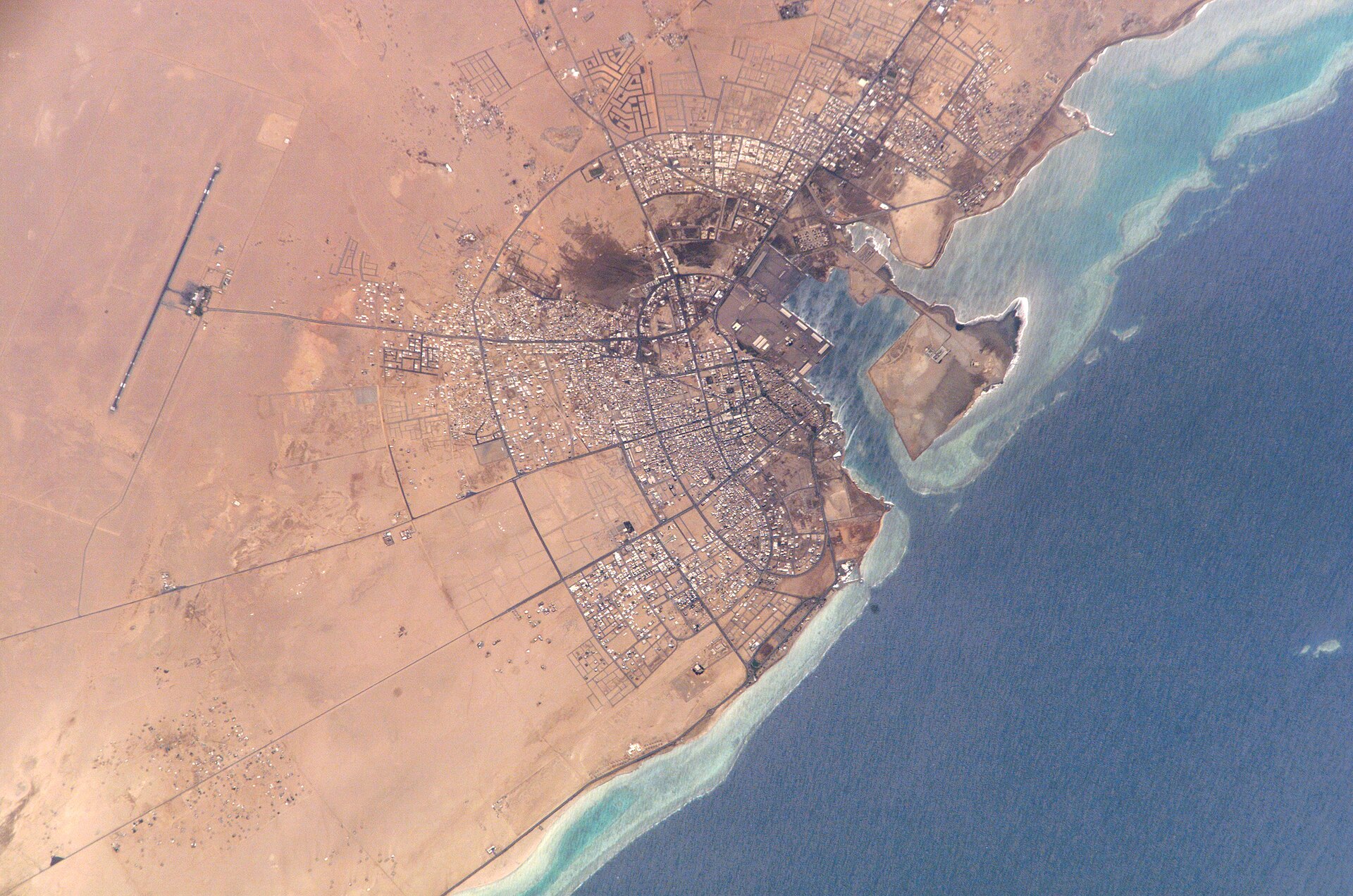
But even the Yanbu end of the pipeline is not a clean exit. The Houthis seized the area around the Bab al-Mandab Strait in September 2026, placing southbound tankers from Yanbu at additional risk, Fortune reported on October 23. A tanker loaded at Yanbu and heading for Asian markets must pass through waters controlled by the same forces that claimed to have struck the loading terminal last week.
Yanbu holds approximately five to seven days of crude inventory that can sustain exports if the pipeline is shut, according to a Reuters source cited by CNBC in September. That is the cushion between a pumping station being hit and exports from Yanbu stopping entirely. Five to seven days is the margin on which a global oil market already trading at $114 is relying.
What the Oil Market Is Pricing In
Brent crude was trading at $114.60 on Monday, down approximately $2.12 — or 1.8 percent — from Friday’s settlement of $116.72, according to FinanceFeeds. The dip suggests the market is not yet pricing a confirmed pipeline disruption: Saree’s claim alone, without Saudi confirmation or visible satellite evidence, was not enough to trigger a spike.
The more revealing signal came from Murban, the Abu Dhabi crude grade that loads at Fujairah — outside the Strait of Hormuz. Murban rose approximately 3 percent to $118 on Monday, according to Gulf News. The premium over Brent reflects what traders will pay for oil that does not need to pass through a war zone to reach a ship.
Analysts told CNBC in July that “pipelines are just as vulnerable to low-cost, asymmetric attacks by Iran as tankers transiting Hormuz.” Aramco CEO Amin Nasser has said the company is working to raise Petroline capacity from 7 million to 10 million barrels per day over two to three years, according to Fortune on October 23. Metcalf told Fortune the expansion would put about 2 percent more oil into the global marketplace.
The pipeline runs through 1,200 kilometres of open desert, and the pumping stations along it cannot be moved. Prince Abdulaziz celebrated getting the line back to 5.8 million barrels per day on October 6. Twenty days later, the Houthis claimed they hit the stations again.
Background
The East-West Pipeline — also known as the Petroline — was built in 1981 as a strategic bypass for the Strait of Hormuz. It runs 1,200 kilometres from Abqaiq, the world’s largest oil processing facility in eastern Saudi Arabia, to Yanbu on the Red Sea coast, using two parallel pipes with a combined design capacity of 7 million barrels per day according to Aramco.
The pipeline first came under Houthi drone attack in May 2019, when seven drones hit a pumping station near Afif, roughly 400 kilometres west of Riyadh. Saudi Energy Minister Khalid al-Falih called it “an act of terrorism,” and Aramco shut the pipeline briefly, reporting minor damage at one station.
France confirmed in September 2026 that it had deployed troops, radars, and air defense systems to Yanbu under a bilateral security arrangement with Saudi Arabia, according to Al Jazeera on September 25. The deployment reflected Yanbu’s growing strategic weight as the Hormuz route deteriorated.
In early October 2026, contradictory reports emerged about a fresh attack near the Khurais pumping station. AFP cited a source saying the pipeline had halted; Reuters quoted an unnamed source saying “flows have not been interrupted,” per Newsquawk on October 5; Bloomberg reported the pipeline was “operating normally” the same day. The Energy Minister’s October 6 throughput figure appeared to settle the question, but the episode showed how little real-time data on pipeline operations reaches the public.
Frequently Asked Questions
How many pumping stations does the East-West Pipeline have?
The count is disputed across published sources. The Engineering News-Record and Global Energy Monitor cite 11 stations along the route, Arab News reports six, and other references list as many as 13, as compiled by ENR in September 2026 and Al Jazeera in September 2026. Aramco has not published an official public station count, making it difficult to assess the full scope of the pipeline’s vulnerability from the outside.
What did analysts say about a sustained pipeline shutdown?
An analyst at Gavekal Research, cited by Al Jazeera on September 14, 2026, described a prolonged disruption as a disaster for the global oil market at a time when global refining capacity was already critically tight. That assessment was published before Hormuz flows reached their September low of roughly 44 percent of prewar capacity, making the pipeline even more essential as a supply lifeline to global markets.
What happened to oil prices after the September pipeline shutdown?
Brent crude briefly topped $108 per barrel on September 24 following the pipeline shutdown, according to Al Jazeera. By October 26 it stood at $114.60, according to FinanceFeeds. The progressive rise reflected cumulative supply disruptions beyond the pipeline alone, including the Hormuz blockade and Houthi attacks on other Saudi oil infrastructure.
Did the Houthi spokesman warn airlines operating to Saudi Arabia?
Yes. During his October 24 statement, Saree warned airlines against resuming operations to Saudi Arabia, according to ABC Australia. At least 19 international carriers had already suspended flights to Saudi airports before the warning, and King Khalid International Airport in Riyadh had only reopened on October 25 after a two-week closure.
The House of Saud Daily Briefing
Saudi Arabia's news in 3 minutes, every morning. Free. See today's issue